Special Needs Trust And Child Support
Description
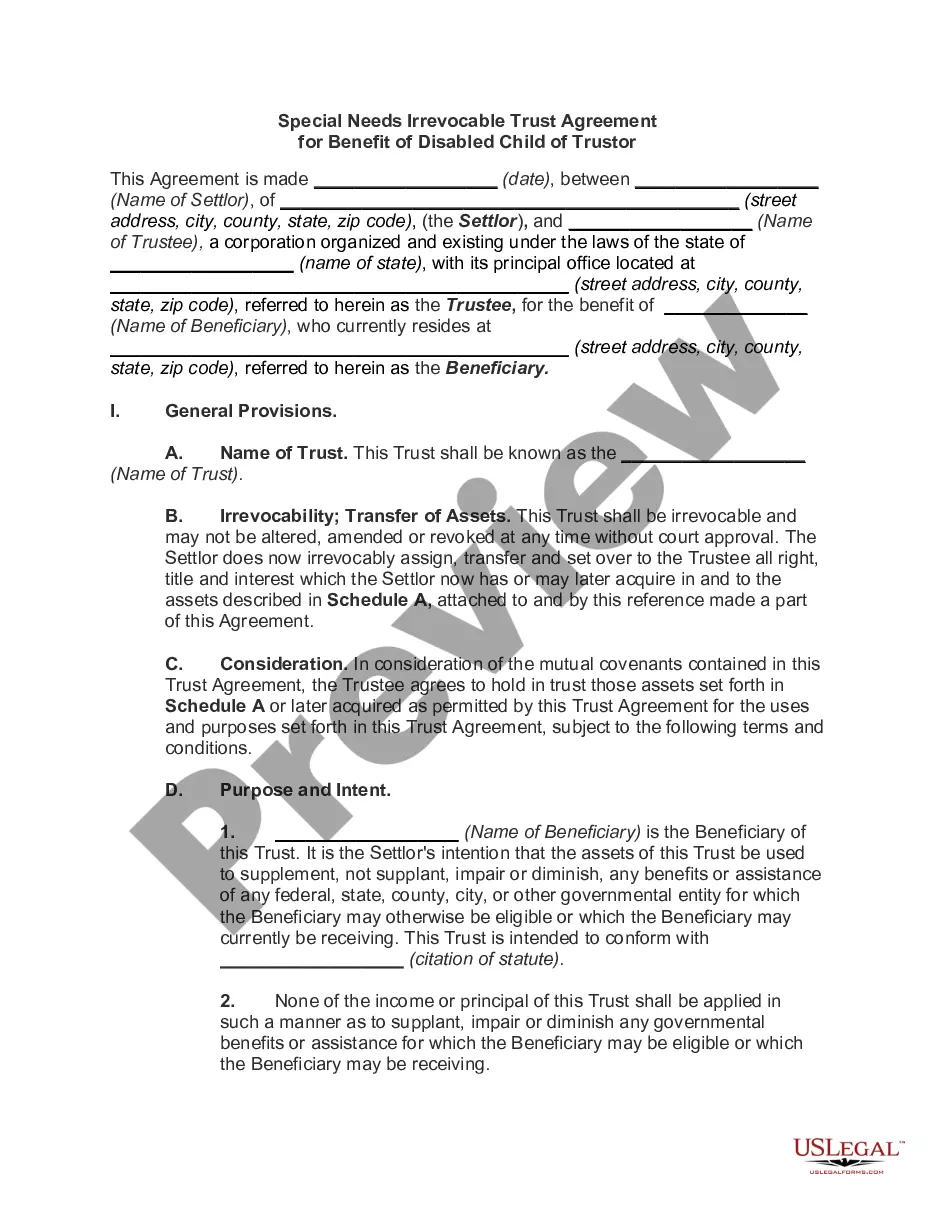
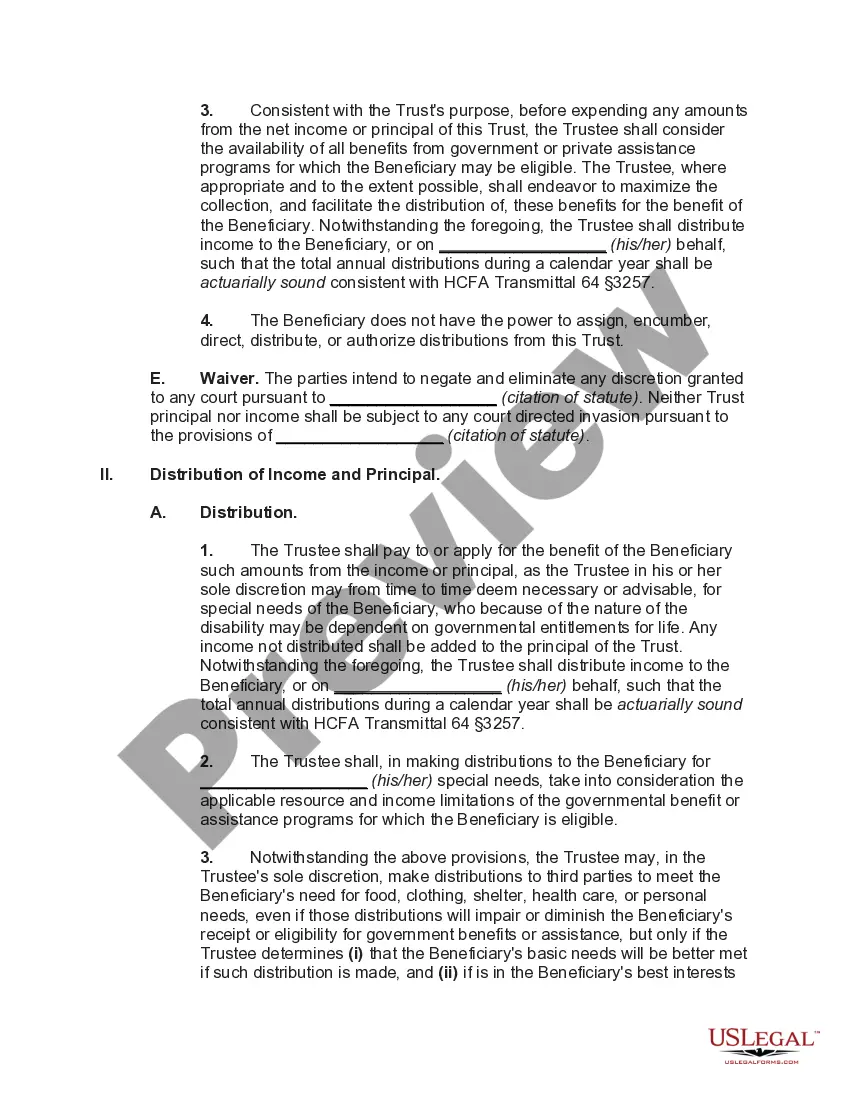
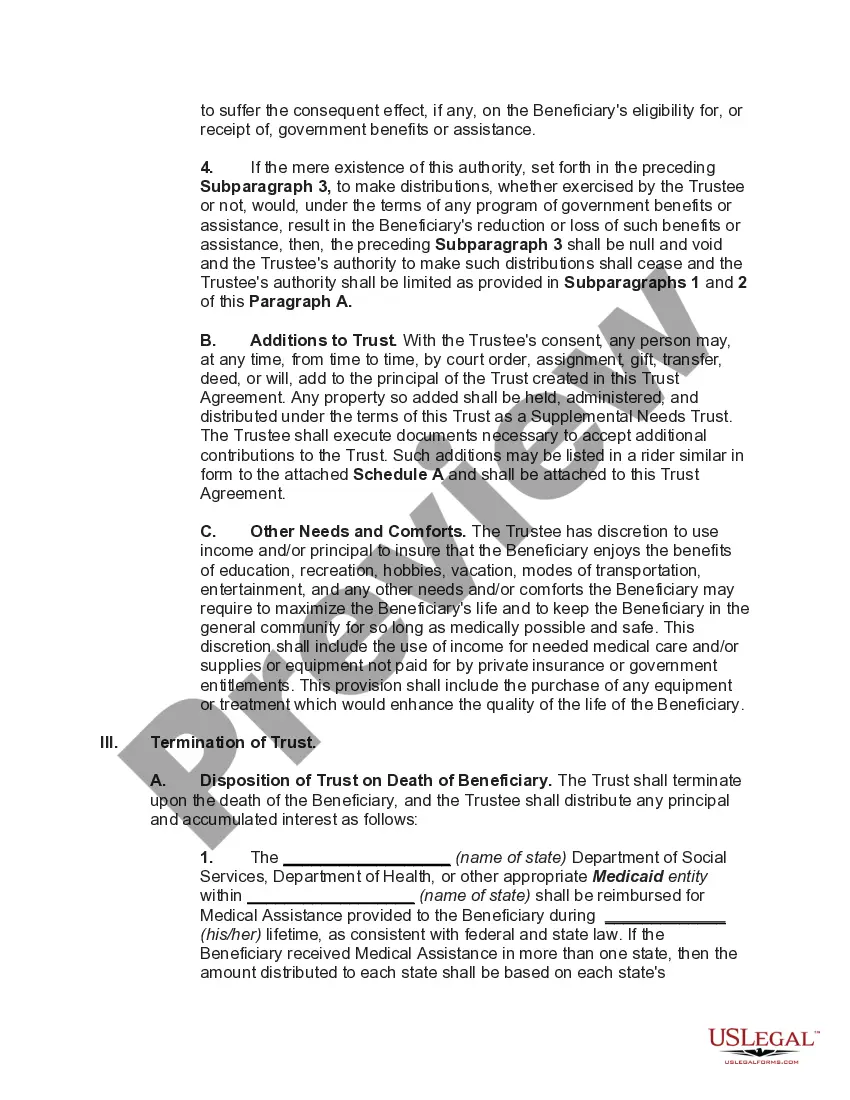
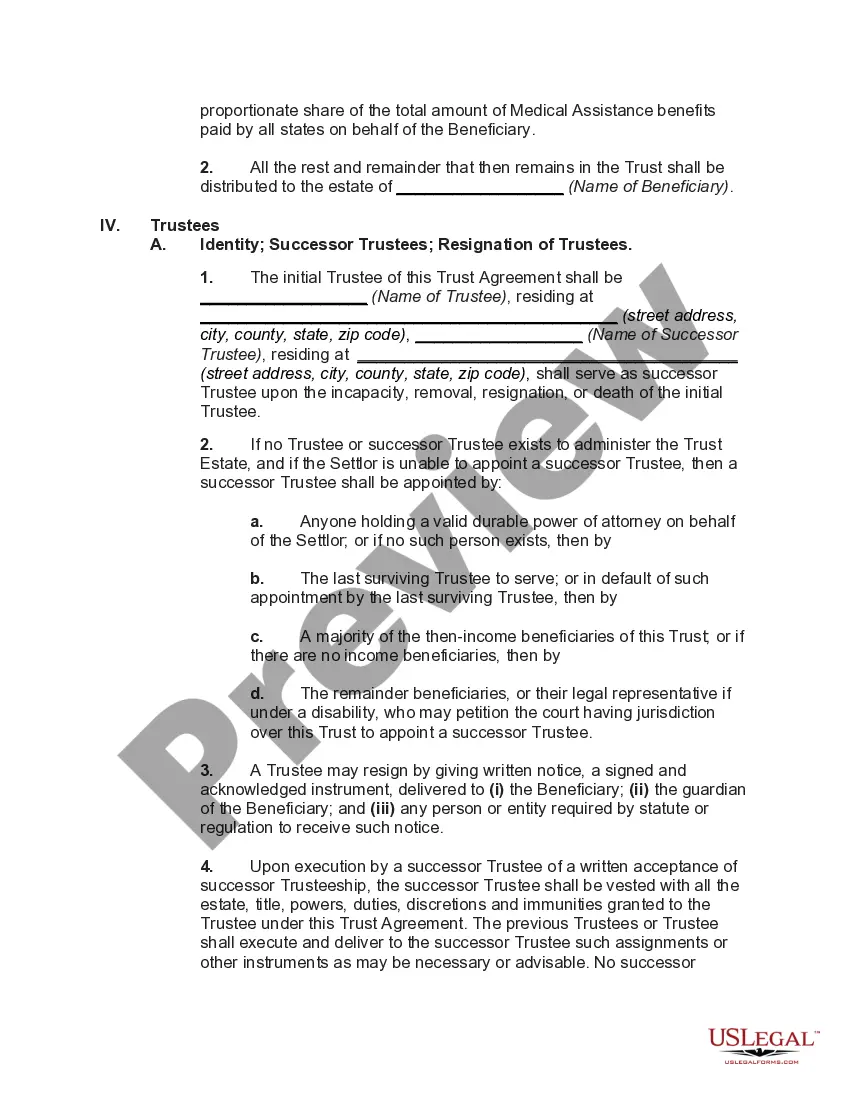
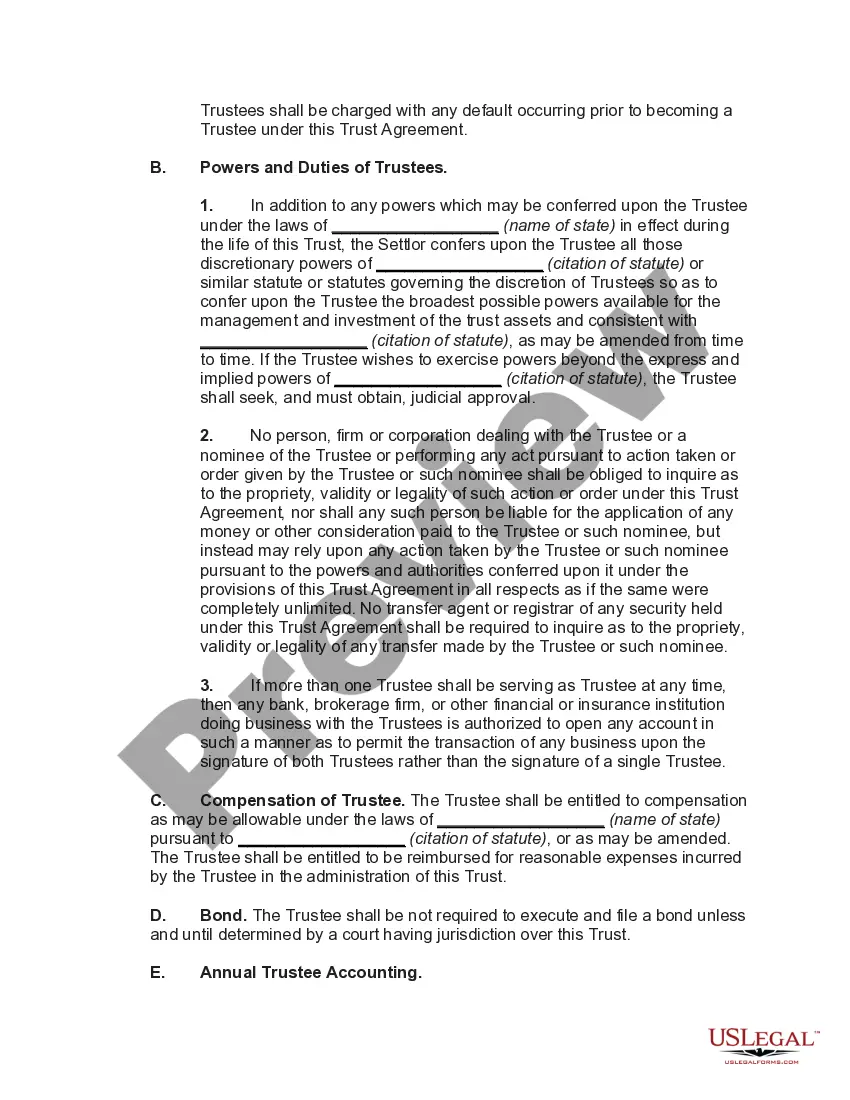
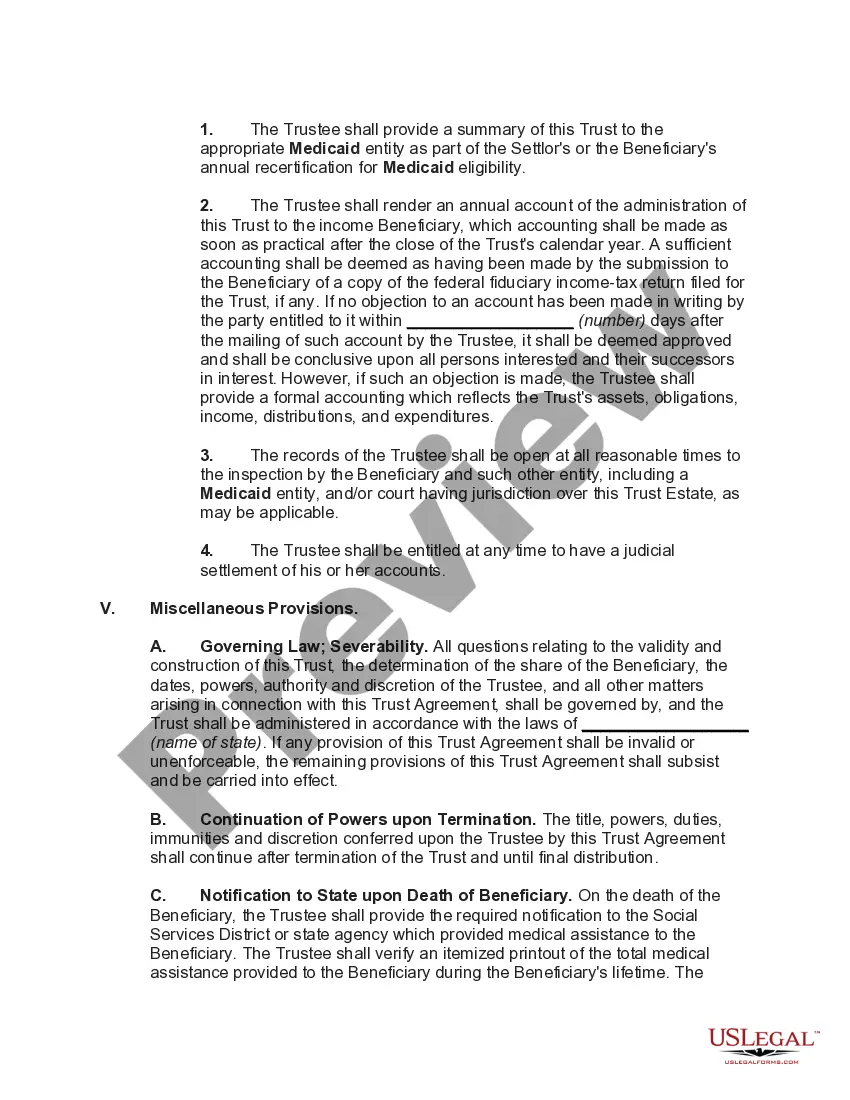
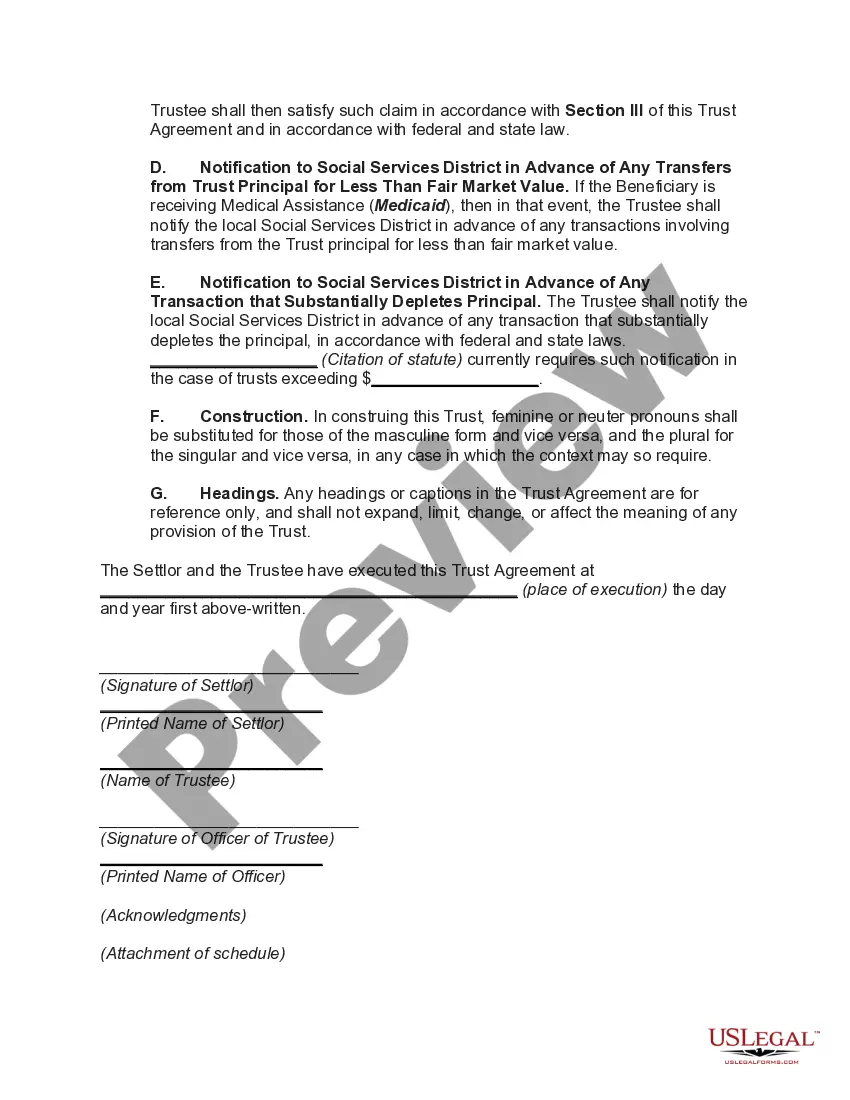
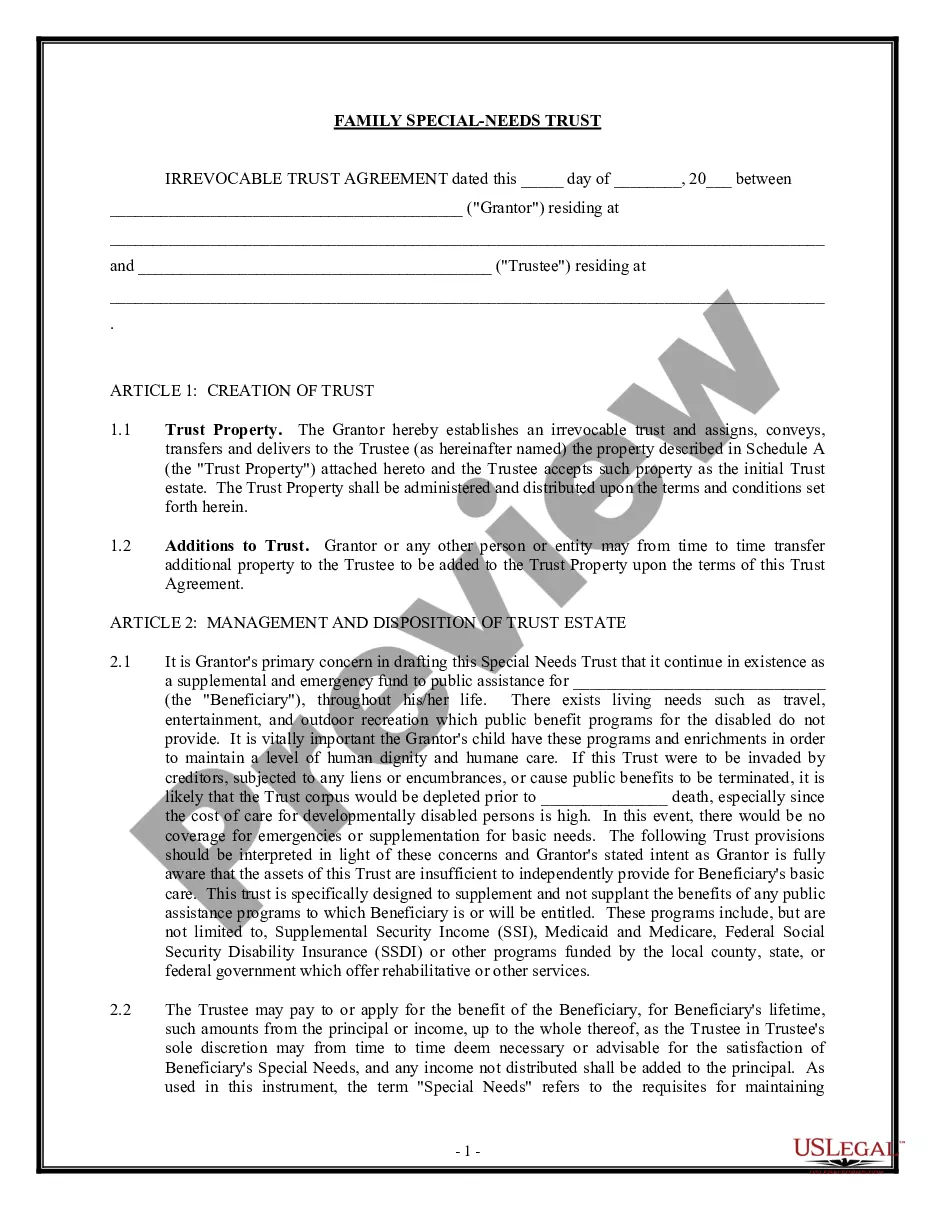



Get your form ready online
Our built-in tools help you complete, sign, share, and store your documents in one place.
Make edits, fill in missing information, and update formatting in US Legal Forms—just like you would in MS Word.
Download a copy, print it, send it by email, or mail it via USPS—whatever works best for your next step.
Sign and collect signatures with our SignNow integration. Send to multiple recipients, set reminders, and more. Go Premium to unlock E-Sign.
If this form requires notarization, complete it online through a secure video call—no need to meet a notary in person or wait for an appointment.
We protect your documents and personal data by following strict security and privacy standards.

Make edits, fill in missing information, and update formatting in US Legal Forms—just like you would in MS Word.

Download a copy, print it, send it by email, or mail it via USPS—whatever works best for your next step.

Sign and collect signatures with our SignNow integration. Send to multiple recipients, set reminders, and more. Go Premium to unlock E-Sign.

If this form requires notarization, complete it online through a secure video call—no need to meet a notary in person or wait for an appointment.

We protect your documents and personal data by following strict security and privacy standards.
Looking for another form?

How to fill out Special Needs Irrevocable Trust Agreement For Benefit Of Disabled Child Of Trustor?
- Log into your US Legal Forms account. If you are new, create an account to explore our services.
- Preview your selected form template to ensure it meets your needs and complies with your local jurisdiction.
- If the needed form is not right, use the search function to find alternatives that fit your requirements.
- Choose your subscription plan and click 'Buy Now' to proceed with the purchase.
- Complete your payment using your credit card or PayPal for security and convenience.
- Download the form to your device and access it anytime from 'My Forms' in your profile.
By utilizing US Legal Forms, you harness a powerful tool that empowers both individuals and attorneys to quickly access and execute essential legal documents. With a collection that outnumbers competitors, the platform stands as a comprehensive resource for legal needs.
Don’t navigate the complexities alone! Start your journey to effective financial planning today with US Legal Forms.
Form popularity
FAQ
Generally, any income or assets that are considered personal property can be seized for child support. This can include wages, bank accounts, and certain investment assets. Understanding how a special needs trust interacts with child support laws is essential for preserving the trust's benefits for your child. Consequently, legal assistance can help shield essential resources while ensuring compliance with child support obligations.
A trust, such as a special needs trust, may provide some level of protection against child support claims. However, the specifics depend on state laws and how the trust is structured. It's vital to consult with a legal expert to understand how a trust can impact child support obligations. Subsequently, planning ahead can help maintain the trust's integrity while addressing child support responsibilities.
Typically, the trustee of the special needs trust is responsible for filing taxes on behalf of the trust. If the trust generates income, it may require separate tax returns. Understanding the tax implications is crucial because it can affect both the trust and the beneficiary's financial situation, especially concerning child support considerations. Seek guidance from a tax professional familiar with special needs trusts to ensure compliance.
One major mistake is failing to clearly define the purpose of the special needs trust and child support arrangements. Parents often overlook how the trust can affect eligibility for government benefits. It is essential to work closely with a legal professional to ensure the trust is structured correctly. This also helps prevent complications that could arise from mismanagement or misunderstanding of the trust's intent.
While a special needs trust can be beneficial for managing assets without jeopardizing government benefits, it does have some disadvantages. One key concern is the complexity involved in setting up and maintaining the trust, which requires ongoing legal oversight. Additionally, distributions from the trust can sometimes be limited, affecting the beneficiary's quality of life. If you are considering the interplay between special needs trust and child support, it's important to consult with a professional who can guide you through these nuances effectively.
Generally, individuals with disabilities—or those who cannot manage their funds due to their condition—may qualify for a disability trust. This trust helps manage assets while preserving eligibility for government benefits. Criteria may vary based on state laws, so it is crucial to consult with a legal professional. USLegalForms can help guide you through these requirements, making it easier to establish your special needs trust and child support options.
To qualify for a special needs trust, an individual typically must have a disability that necessitates support not otherwise provided by government benefits. The trust is designed to supplement, rather than replace, these benefits. It is essential to gather appropriate documentation, such as medical records and financial statements, to demonstrate eligibility. USLegalForms can assist you in navigating this process, ensuring your special needs trust and child support needs are met effectively.
A special needs trust provides essential benefits but comes with certain restrictions. Funds in the trust cannot be used for specific expenses, such as housing or food, without affecting eligibility for public assistance programs. It is vital to understand these limitations clearly to maintain a balance between trust benefits and government support. Consulting with experts, such as those available at USLegalForms, can help clarify these details as they relate to special needs trust and child support.
The process of setting up a special needs trust can vary, but generally, it takes a few weeks to a couple of months. This timeframe includes gathering necessary documents, consultation with professionals, and drafting the trust agreement. Working with a trusted legal service, like USLegalForms, can streamline the process and ensure compliance with all regulations. Thus, establishing your special needs trust and child support arrangements becomes smoother.
Typically, state guidelines dictate that a certain percentage of disability benefits can be garnished for child support. This percentage may vary but often cannot exceed 50% of the individual’s income. Understanding how special needs trust and child support interact is vital in ensuring that you comply with legal obligations while protecting your assets.