Special Needs Education
Description

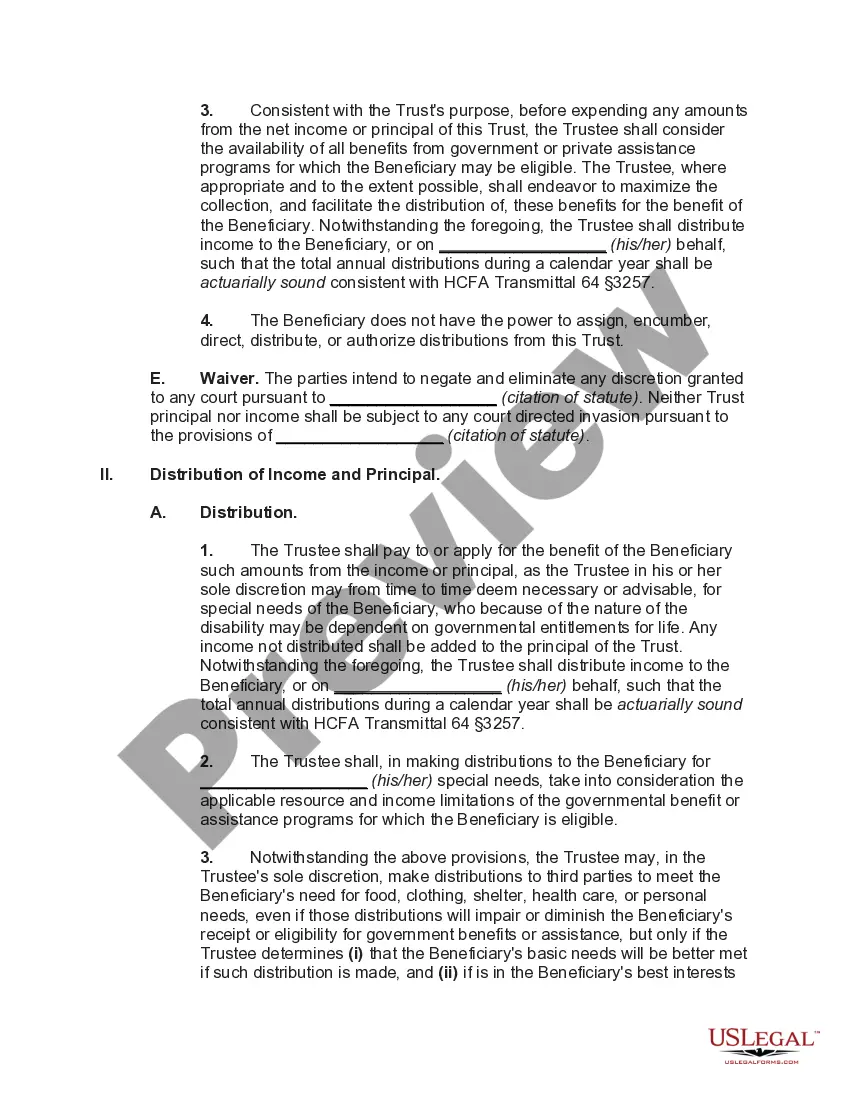
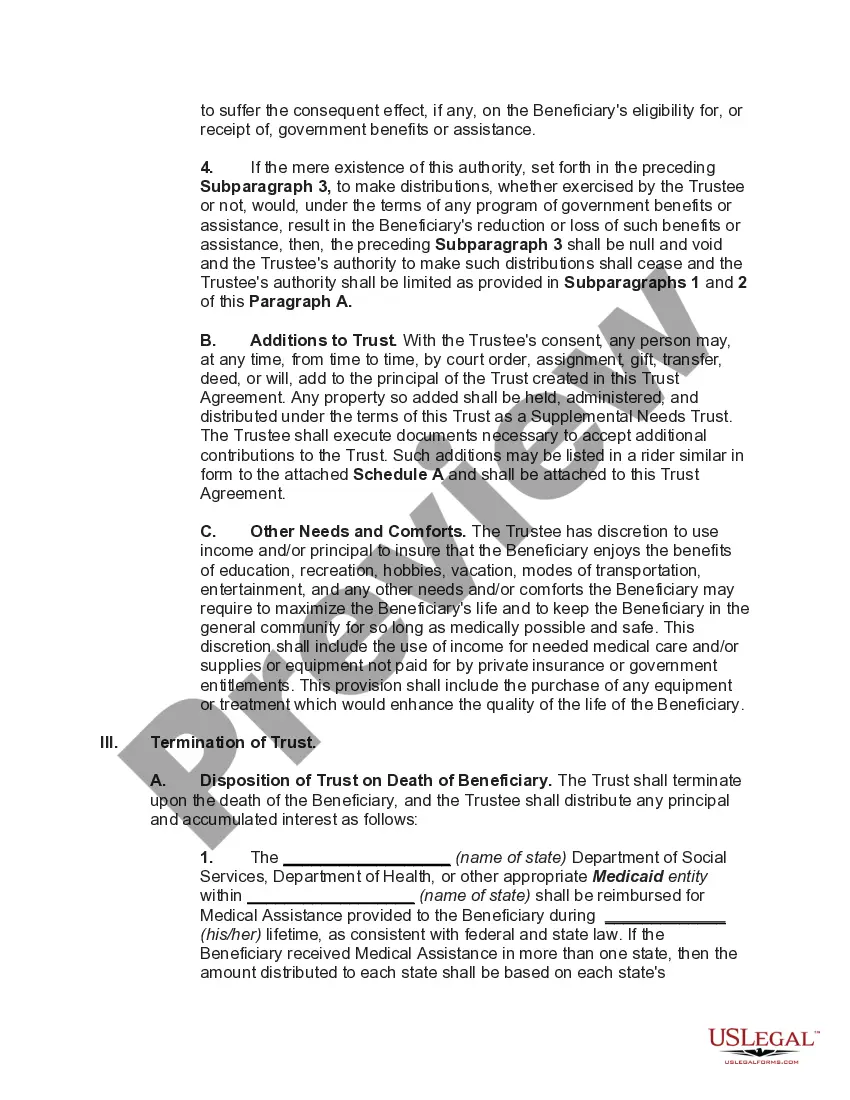
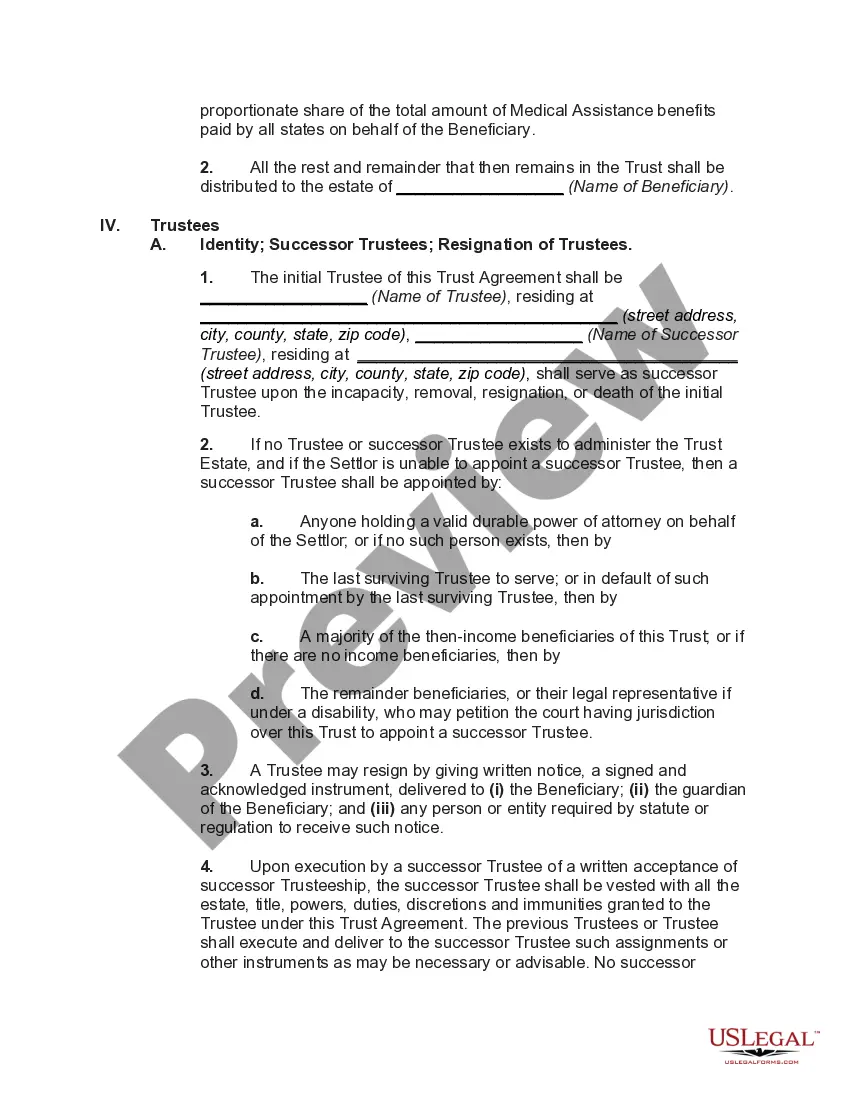
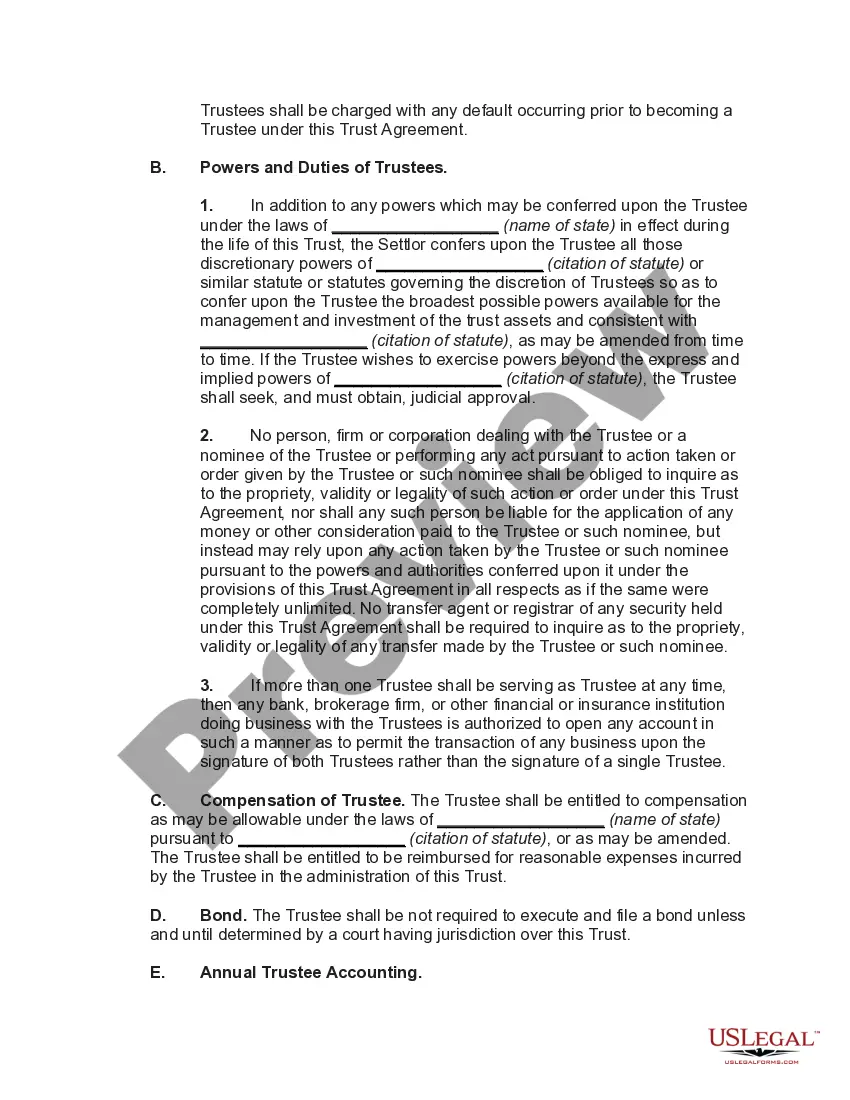
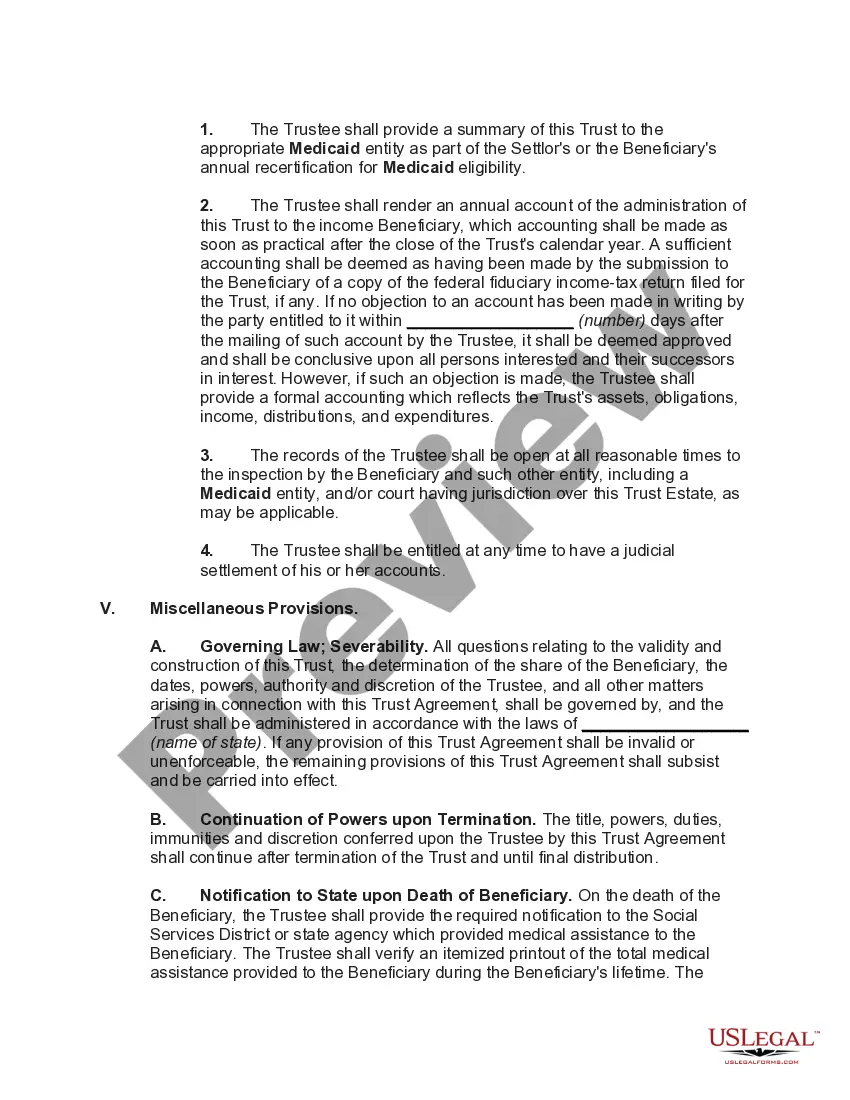
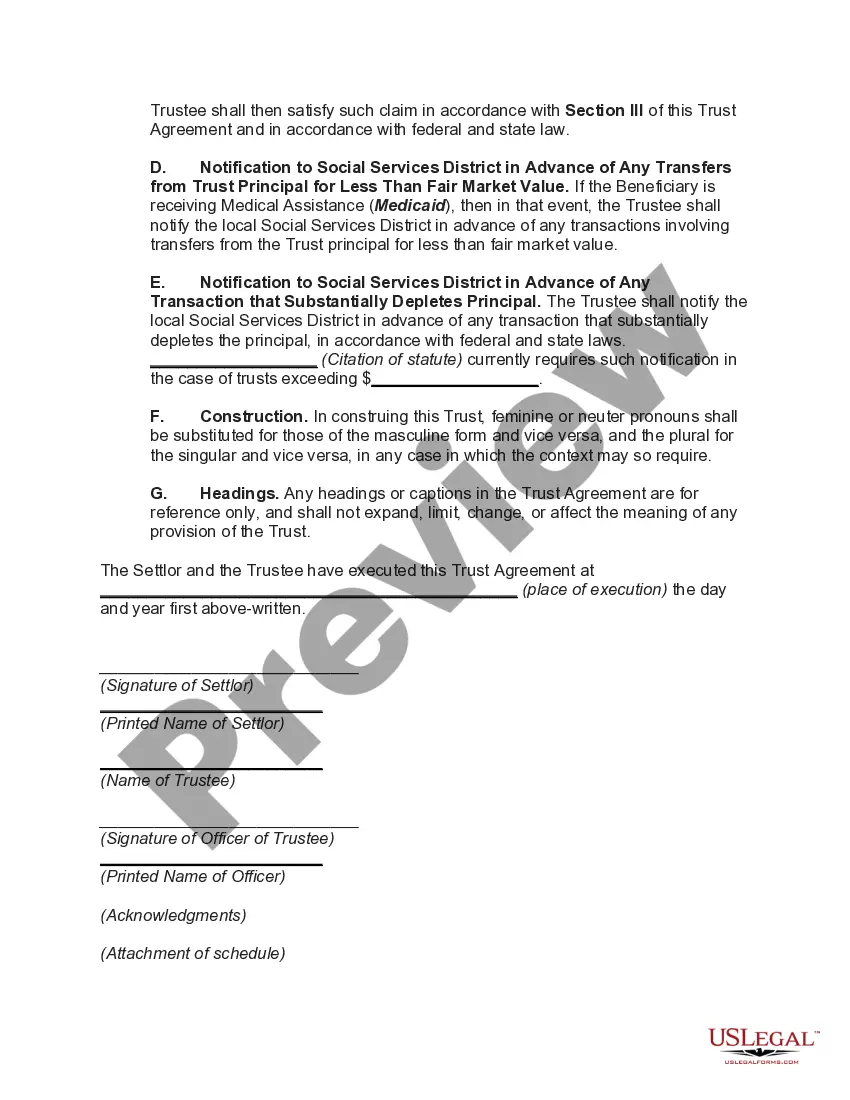
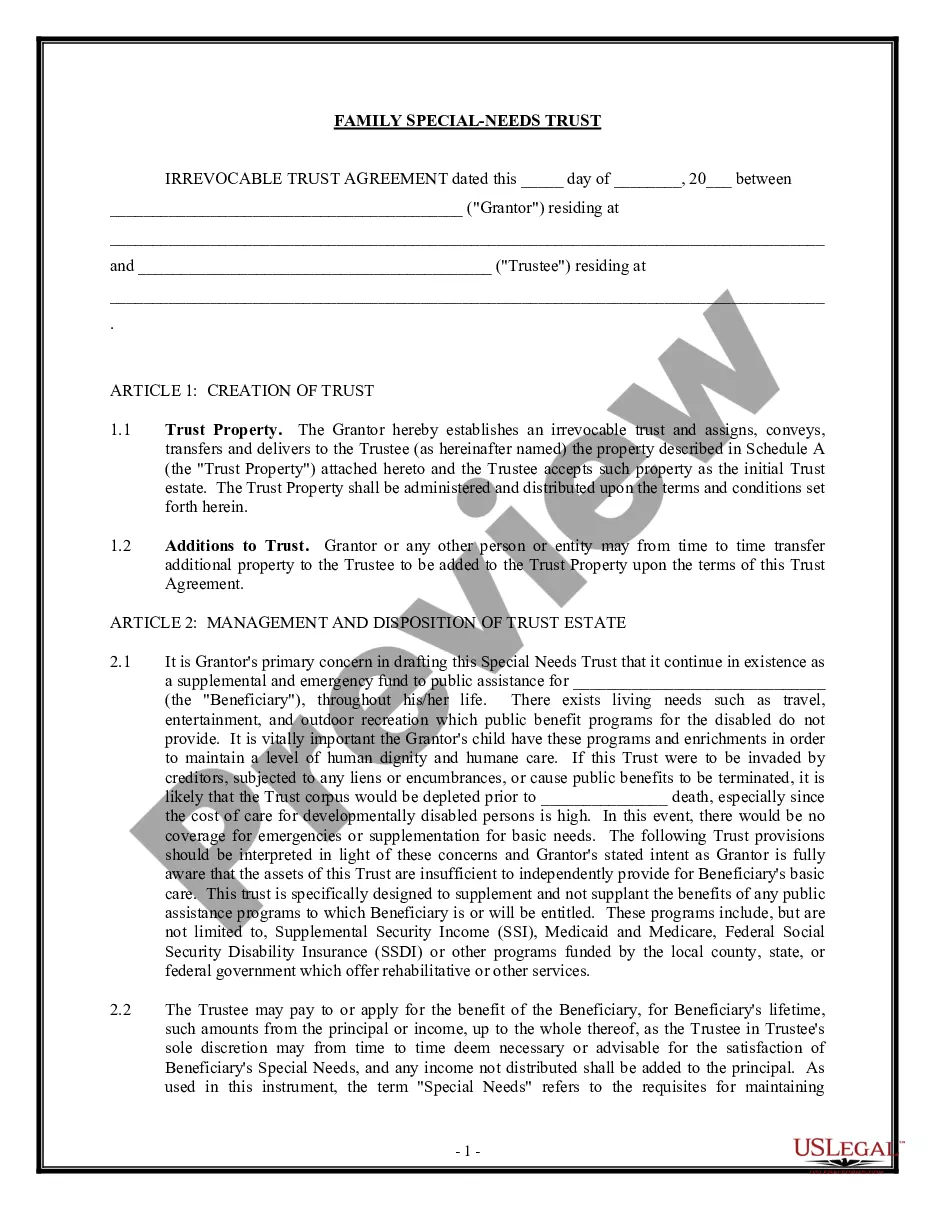
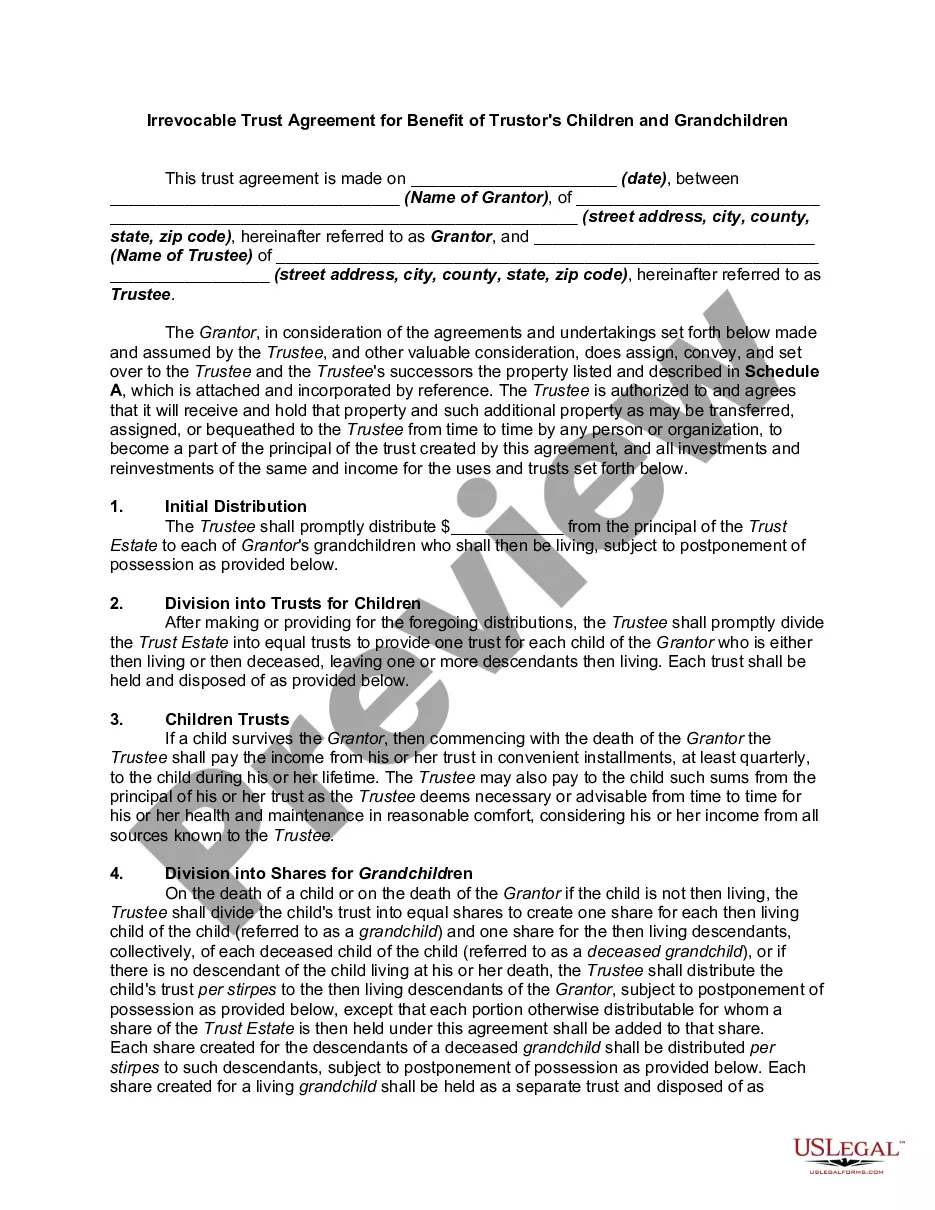

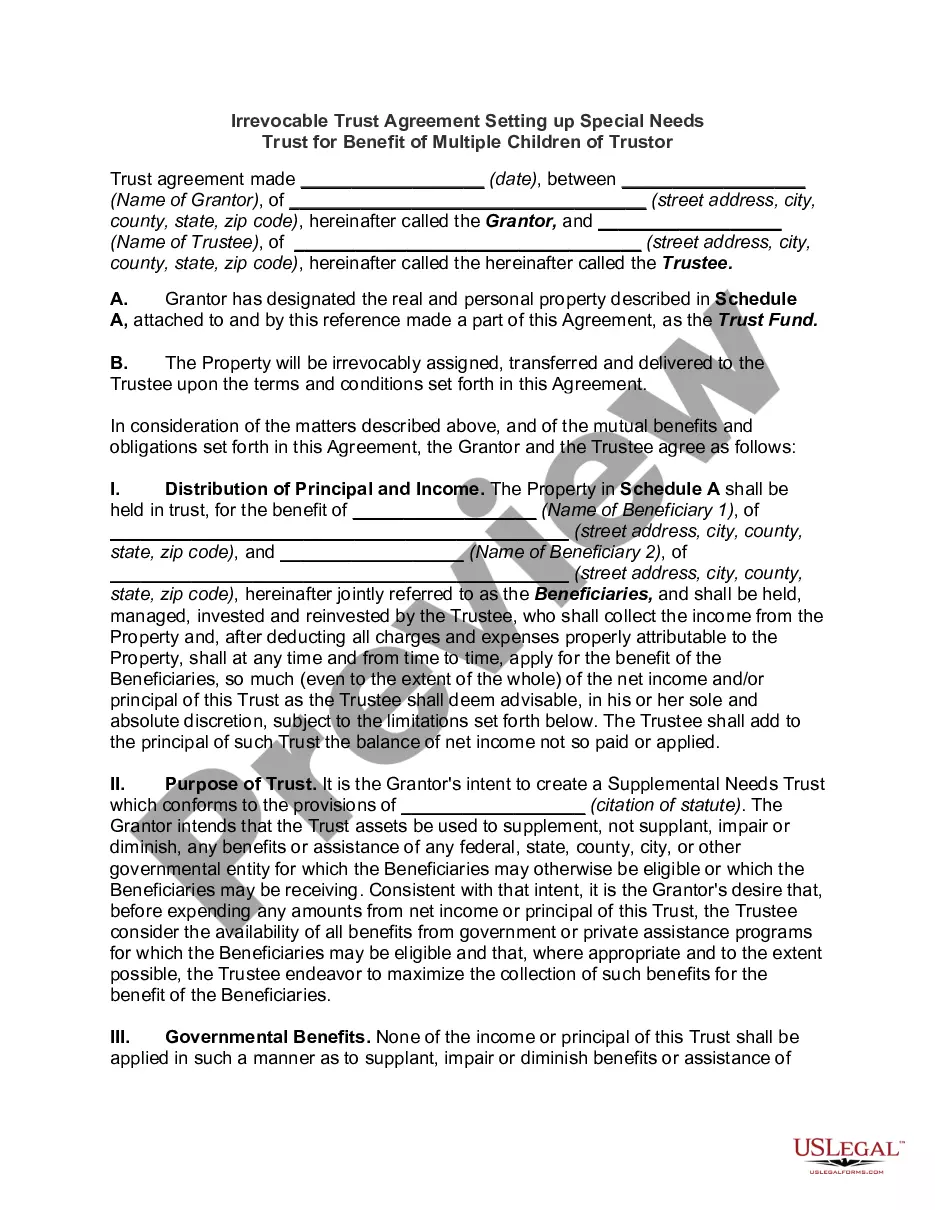
Get your form ready online
Our built-in tools help you complete, sign, share, and store your documents in one place.
Make edits, fill in missing information, and update formatting in US Legal Forms—just like you would in MS Word.
Download a copy, print it, send it by email, or mail it via USPS—whatever works best for your next step.
Sign and collect signatures with our SignNow integration. Send to multiple recipients, set reminders, and more. Go Premium to unlock E-Sign.
If this form requires notarization, complete it online through a secure video call—no need to meet a notary in person or wait for an appointment.
We protect your documents and personal data by following strict security and privacy standards.

Make edits, fill in missing information, and update formatting in US Legal Forms—just like you would in MS Word.

Download a copy, print it, send it by email, or mail it via USPS—whatever works best for your next step.

Sign and collect signatures with our SignNow integration. Send to multiple recipients, set reminders, and more. Go Premium to unlock E-Sign.

If this form requires notarization, complete it online through a secure video call—no need to meet a notary in person or wait for an appointment.

We protect your documents and personal data by following strict security and privacy standards.
Looking for another form?




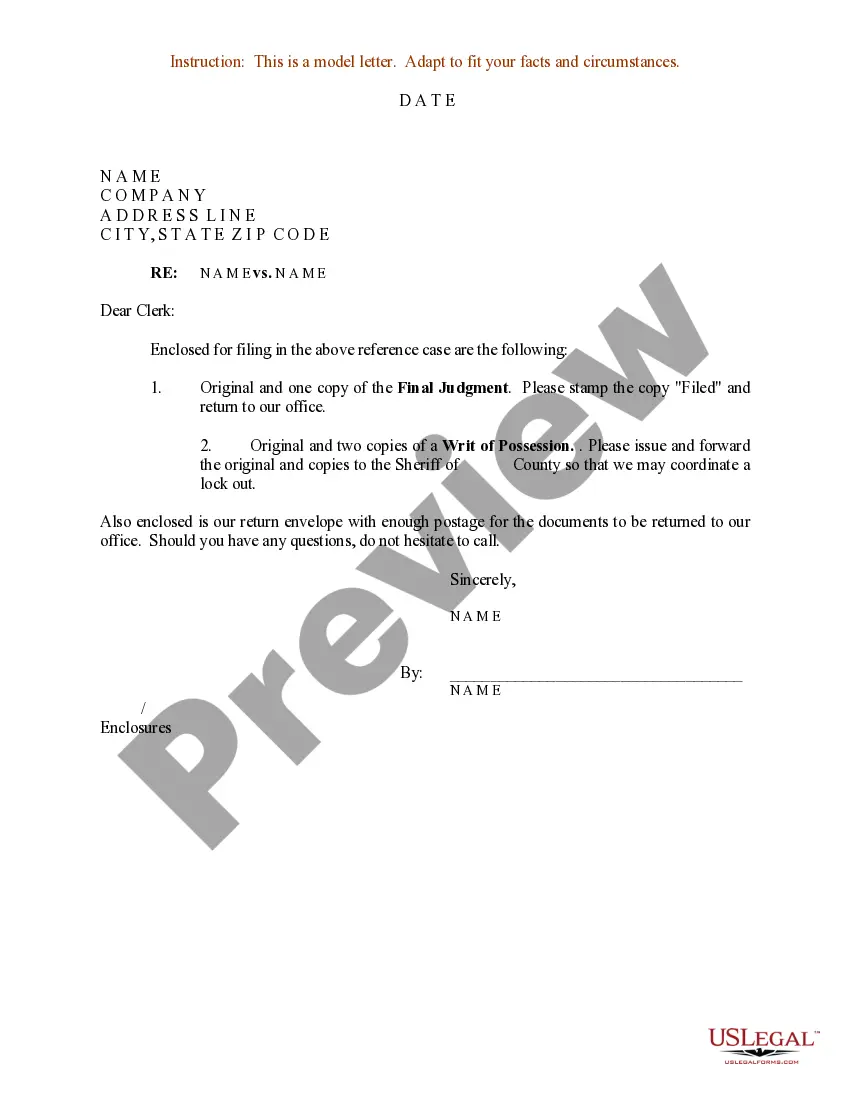





How to fill out Special Needs Irrevocable Trust Agreement For Benefit Of Disabled Child Of Trustor?
- Log into your US Legal Forms account or create a new account if this is your first visit.
- Check the Preview mode and description to verify you have the correct form for your needs and jurisdiction.
- Utilize the Search tab to find any additional templates if necessary.
- Select the template you need and click on the Buy Now button to proceed.
- Choose your preferred subscription plan and create an account to unlock access.
- Complete your purchase by entering your payment information or using PayPal.
- Download your document and access it anytime from the My Forms section of your profile.
Utilizing US Legal Forms not only saves time but also provides peace of mind with its extensive library, comprising over 85,000 editable legal forms. With premium expert support available, you can ensure that your documentation is accurate and compliant.
Start your journey towards efficient special needs education documentation today by visiting US Legal Forms and accessing their robust resources.
Form popularity
FAQ
A special needs child is one who has been identified as having learning challenges or physical disabilities that require individualized educational attention. This classification can result from various conditions, including autism spectrum disorder, ADHD, or other developmental issues. The aim of special needs education is to provide these children with the right resources and support to succeed. At UsLegalForms, we offer a range of forms and documents designed to assist in securing the educational resources these children require.
A child is considered 'special' when they require additional support to thrive in their educational environment. This may stem from physical, emotional, or cognitive challenges that impact their learning process. Understanding the specifics of a child's situation is vital, as it informs the development of a suitable educational plan. UsLegalForms offers helpful tools to empower parents and educators in these situations.
Special needs education encompasses various conditions that affect a child's ability to learn. These can include physical disabilities, learning disabilities, emotional disturbances, and developmental delays. It is essential to recognize that each child's needs are unique, and therefore, tailored educational strategies are crucial. On platforms like UsLegalForms, you can find resources and guidance to support families navigating these needs.
A child is often considered to have special needs if they require additional support to succeed in an educational environment due to physical, emotional, or cognitive disabilities. This definition encompasses a wide range of conditions, ensuring that every child receives the assistance they need in special needs education. By understanding these qualifications, you can better advocate for your child’s rights and educational opportunities.
An Individualized Education Program (IEP) is designed for children who qualify for special needs education based on their unique learning challenges. To qualify, a comprehensive evaluation must show that the child has a disability affecting their educational performance. Working closely with educators and specialists in your area can help you navigate the IEP process.
A child qualifies for special needs education if they demonstrate significant difficulties in learning and development that affect their ability to succeed academically. Typically, a formal evaluation by professionals will determine eligibility based on specific criteria outlined by federal and state laws. Local educational agencies can help guide you through this process to secure the support your child requires.
Special educational needs can arise from various factors, including biological conditions, environmental influences, or traumatic experiences. For example, a child with autism may process information differently than their peers. Identifying the underlying causes is crucial to providing effective special needs education that fosters academic and social growth.
The four major types of special needs children include those with learning disabilities, physical disabilities, developmental delays, and emotional disturbances. Each category presents unique challenges and requires specific educational strategies. By recognizing these types, educators can design effective special needs education programs to address each child's individual requirements.
There are several reasons behind the development of special needs in children. Genetic factors, prenatal exposure to toxins, or complications during birth can contribute to the challenges they face. Understanding these causes helps parents and educators better support children in special needs education.
A child may be in special needs education if they have learning, behavioral, or physical disabilities that affect their ability to learn in a traditional classroom setting. These challenges can arise from various factors, including developmental delays, emotional disorders, or cognitive impairments. Schools aim to provide tailored educational experiences to meet the unique needs of these children, supporting their growth and learning.