Software Copyright Assignment
What this document covers
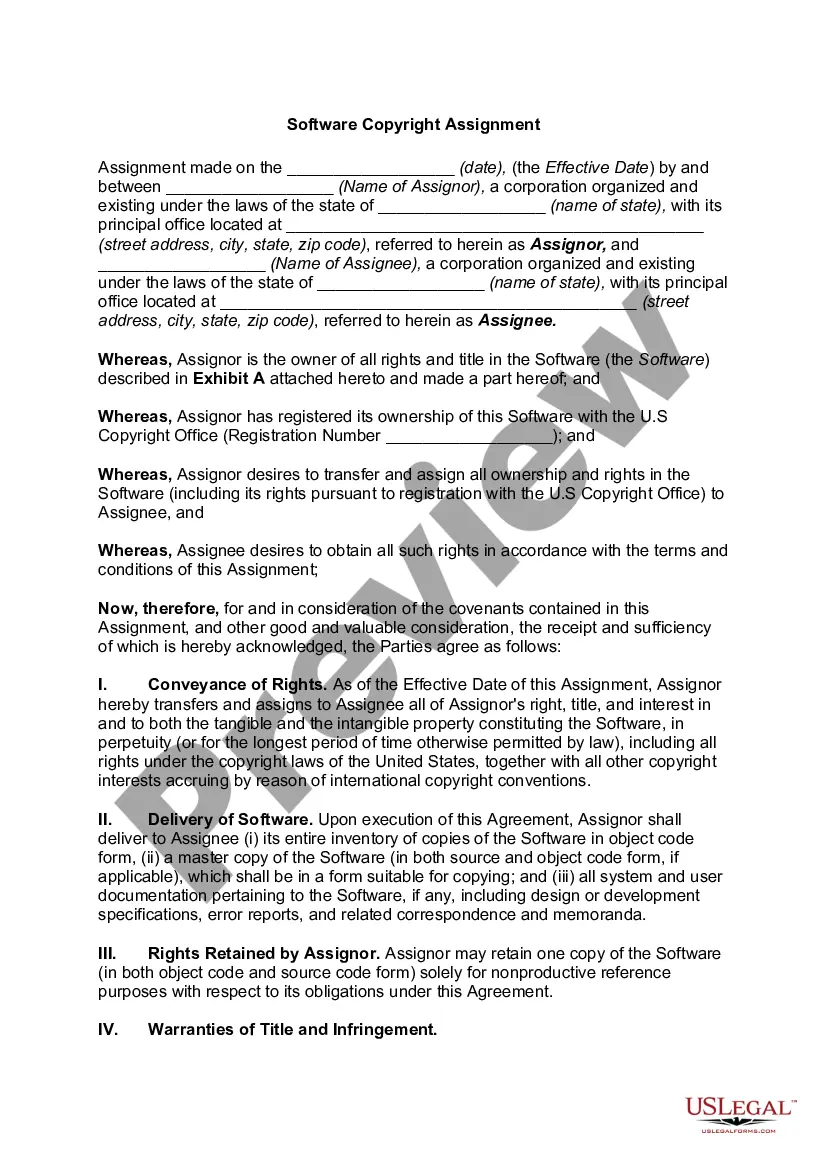
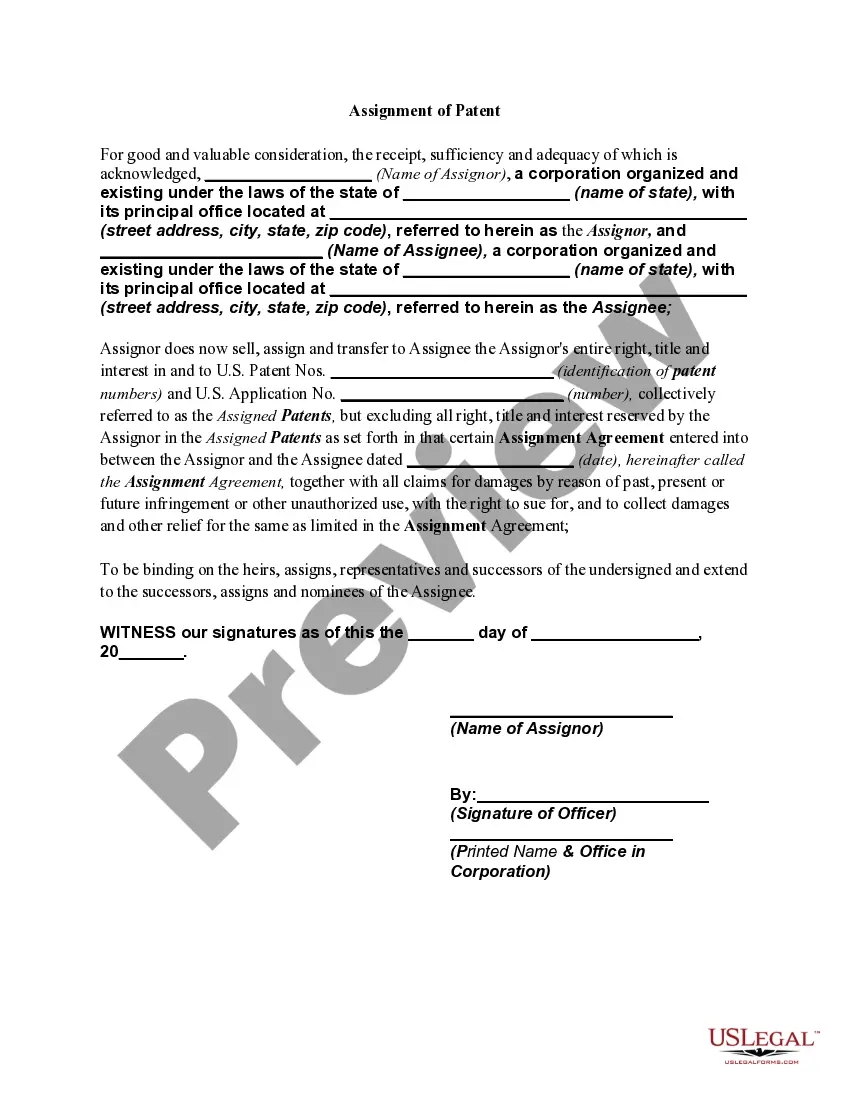
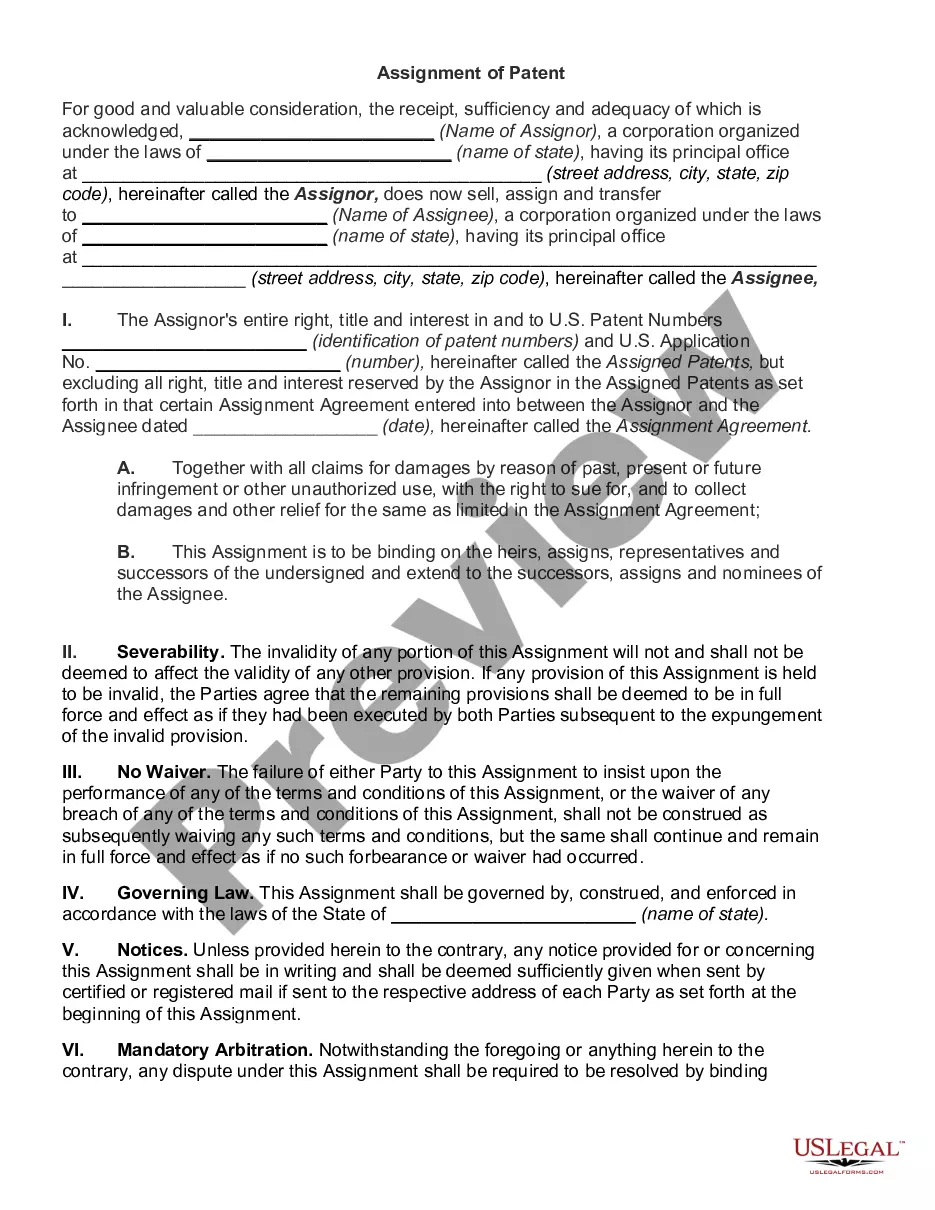
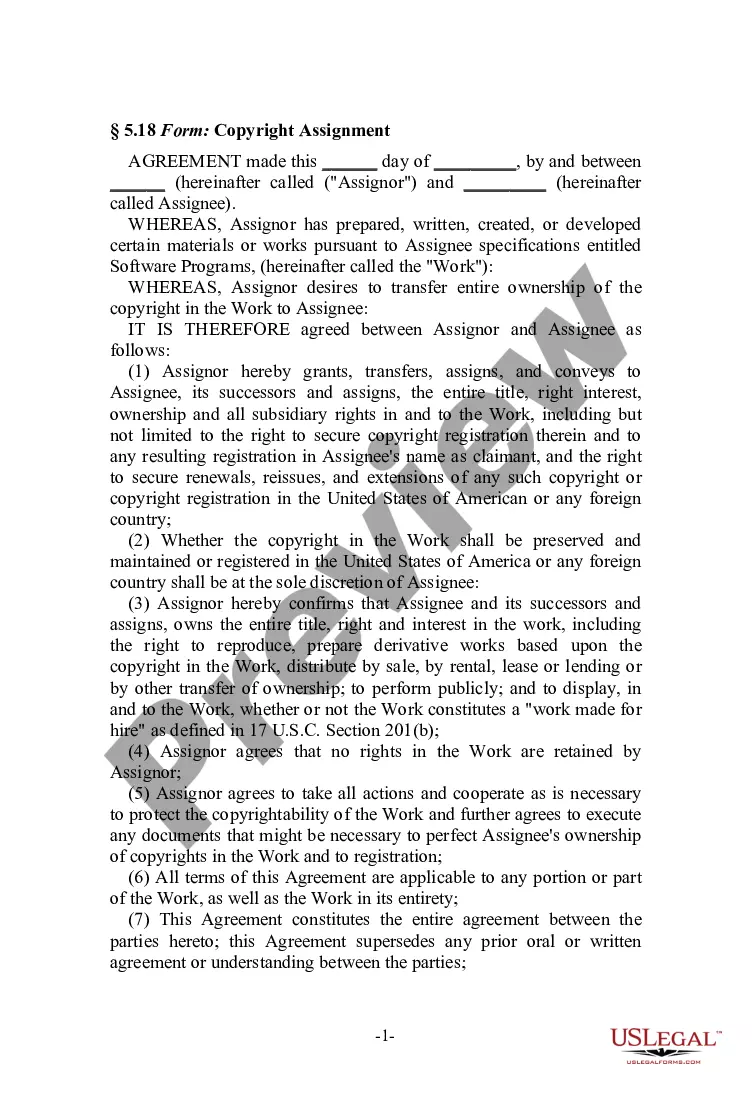
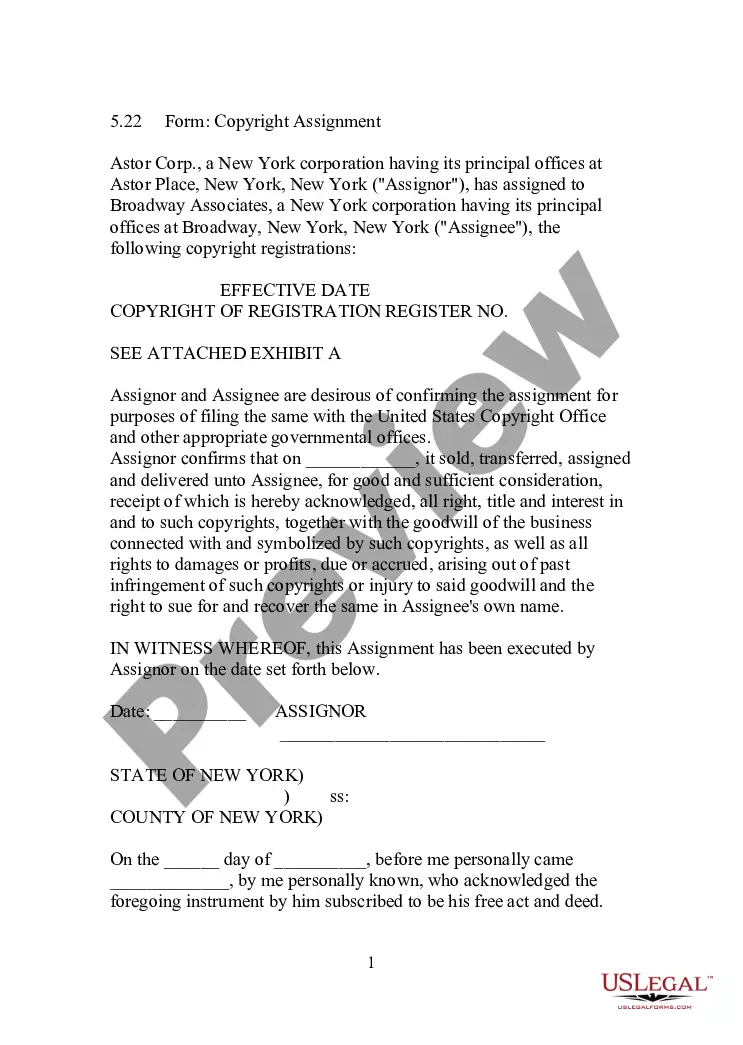
The Software Copyright Assignment is a legal document used to transfer ownership of copyright in software from one party to another. Unlike other forms of copyright agreements, this assignment specifically focuses on software, facilitating the transfer of all rights, title, and interest in the work. This form is essential for any business or individual looking to secure clear ownership rights in software development, protecting both parties in the transfer process.
Form components explained
- Assignment details: Specifies the parties involved, including the Assignor and Assignee.
- Ownership transfer: Clarifies the rights being assigned and the effective date of the agreement.
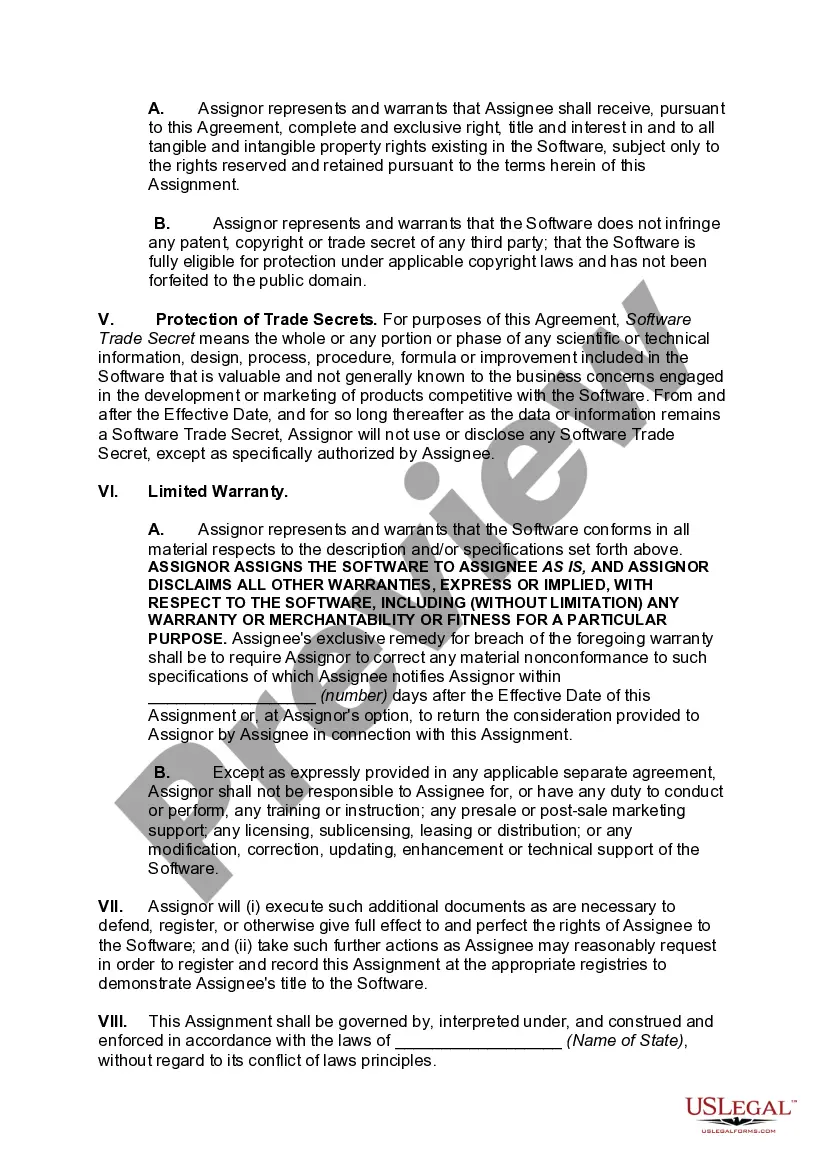
- Delivery of software: Outlines requirements for transferring copies and documentation of the software.
- Warranties and representations: Assures that the software does not infringe upon third-party rights and is eligible for copyright protection.
- Retention of rights: Addresses any rights the Assignor retains after the transfer.

Common use cases
This form is needed when a software creator or owner (the Assignor) wishes to transfer copyright ownership of their software to another entity (the Assignee). Common scenarios include selling software, transferring intellectual property during mergers, or contracting developers to create software while retaining the right to assign ownership later.
Who should use this form
- Business owners or companies involved in software development.
- Individual software developers looking to sell their software.
- Corporations in mergers or acquisitions of software firms.
- Legal professionals needing to formalize copyright assignments for clients.
How to prepare this document
- Identify the parties involved: Fill in the names and addresses of both the Assignor and Assignee.
- Specify the effective date: Enter the date when the transfer of rights takes effect.
- Detail the software: Include a description of the software being assigned, referencing Exhibit A if necessary.
- Note any retained rights: Mention any rights the Assignor will retain, if applicable.
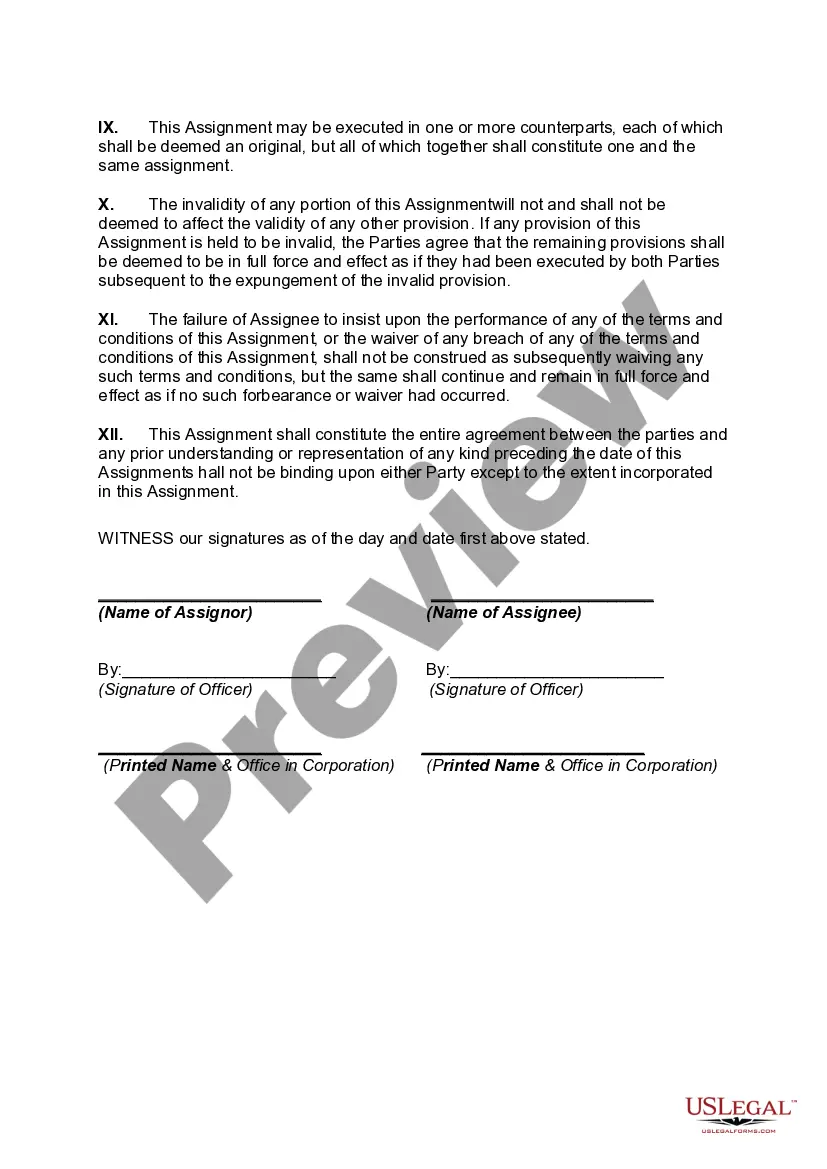
- Obtain signatures: Ensure both parties sign and print their names along with their office titles in the corporation.
Notarization guidance
This form does not typically require notarization unless specified by local law. However, having it notarized can provide an additional layer of validation and protect against disputes regarding authenticity.
Get your form ready online
Our built-in tools help you complete, sign, share, and store your documents in one place.
Make edits, fill in missing information, and update formatting in US Legal Forms—just like you would in MS Word.
Download a copy, print it, send it by email, or mail it via USPS—whatever works best for your next step.
Sign and collect signatures with our SignNow integration. Send to multiple recipients, set reminders, and more. Go Premium to unlock E-Sign.
If this form requires notarization, complete it online through a secure video call—no need to meet a notary in person or wait for an appointment.
We protect your documents and personal data by following strict security and privacy standards.

Make edits, fill in missing information, and update formatting in US Legal Forms—just like you would in MS Word.

Download a copy, print it, send it by email, or mail it via USPS—whatever works best for your next step.

Sign and collect signatures with our SignNow integration. Send to multiple recipients, set reminders, and more. Go Premium to unlock E-Sign.

If this form requires notarization, complete it online through a secure video call—no need to meet a notary in person or wait for an appointment.

We protect your documents and personal data by following strict security and privacy standards.
Common mistakes to avoid
- Failing to properly identify all parties involved.
- Not including a complete description of the software being transferred.
- Omitting the effective date, which can lead to confusion about when rights transfer.
- Neglecting to review and comply with local copyright laws that may apply.
Why complete this form online
- Convenience: Easily accessible for download and can be filled out at your own pace.
- Editability: Ability to customize the form for specific needs without costly legal consultations.
- Reliability: Forms are drafted by licensed attorneys, ensuring legal compliance and accuracy.
Looking for another form?
Form popularity
FAQ
(1) The ownership of a copyright may be transferred in whole or in part by any means of conveyance or by operation of law, and may be bequeathed by will or pass as personal property by the applicable laws of intestate succession.
Assignment of Copyright (Section 18) The owner of the copyright of a work has the right to assign his copyright to any other person. The effect of assignment is that the assignee becomes entitled to all the rights related to the copyright to the assigned work2.
Creating a Written Contract to Transfer or License Rights Under Copyright. A transfer or exclusive license of any or all rights under copyright must be in writing and signed by the owner of the rights conveyed (or the owner's duly authorized agent). The writing should describe the nature of the rights conveyed.
A copyright assignment agreement must be in writing but need not be witnessed by a notary public.
In an assignment of copyright rights, the owner sells his or her ownership rights to another party and has no control over how the third party uses those rights. A copyright assignment is sometimes referred to as a sales agreement for copyright.
The key difference between an assignment and a licence is that an assignment is a transfer of ownership and title, whereas a licence is a contractual right to do something that would otherwise be an infringement of the relevant patent rights.
A copyright owner's exclusive rights (either in whole or in part) can be transferred to another party, but it must be in writing and signed by the copyright owner to be considered valid. An authorized agent of the copyright owner (such as an attorney or business associate) can also sign the writing.
Are copyrights transferable? Yes. Like any other property, all or part of the rights in a work may be transferred by the owner to another.