Qdot For Green Card Holder
Description
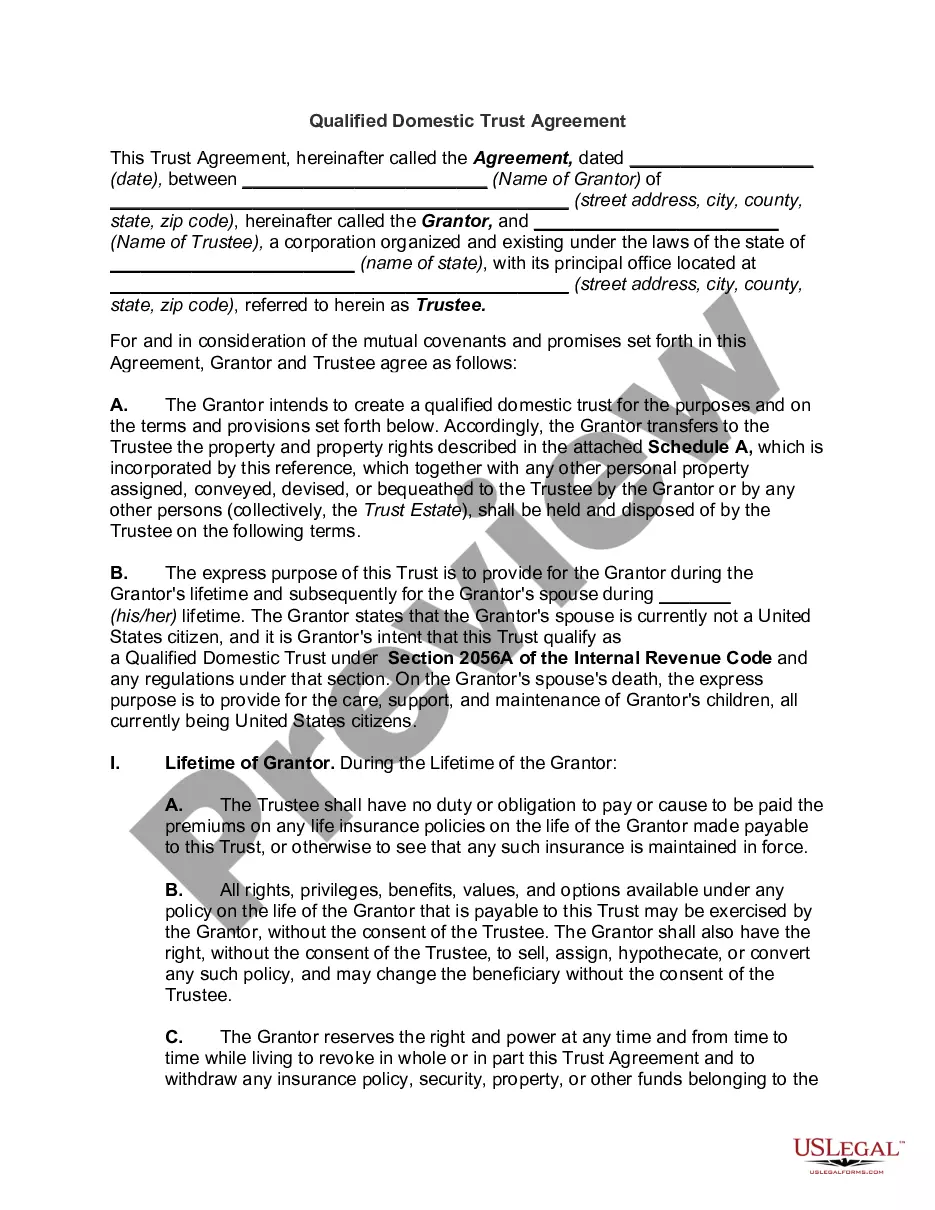
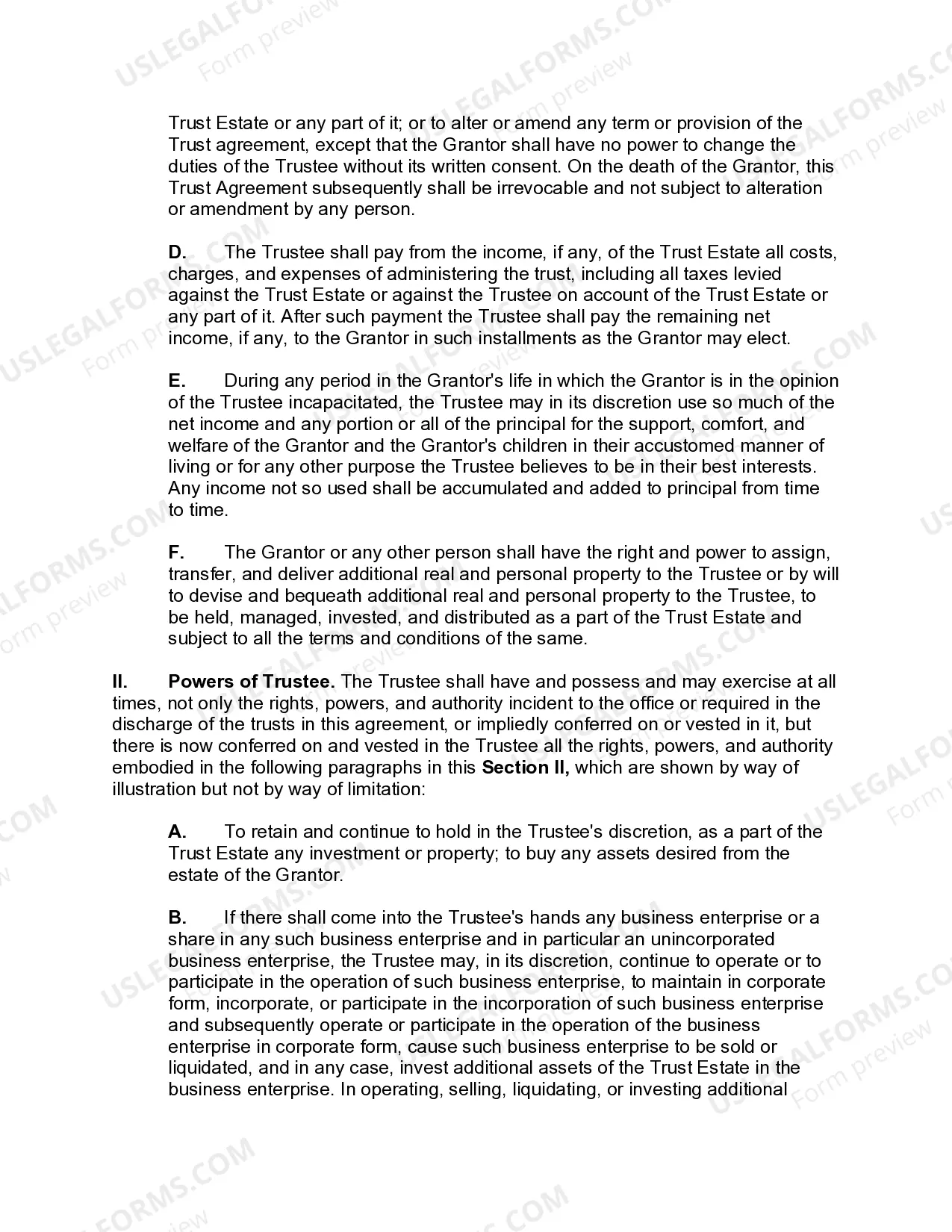
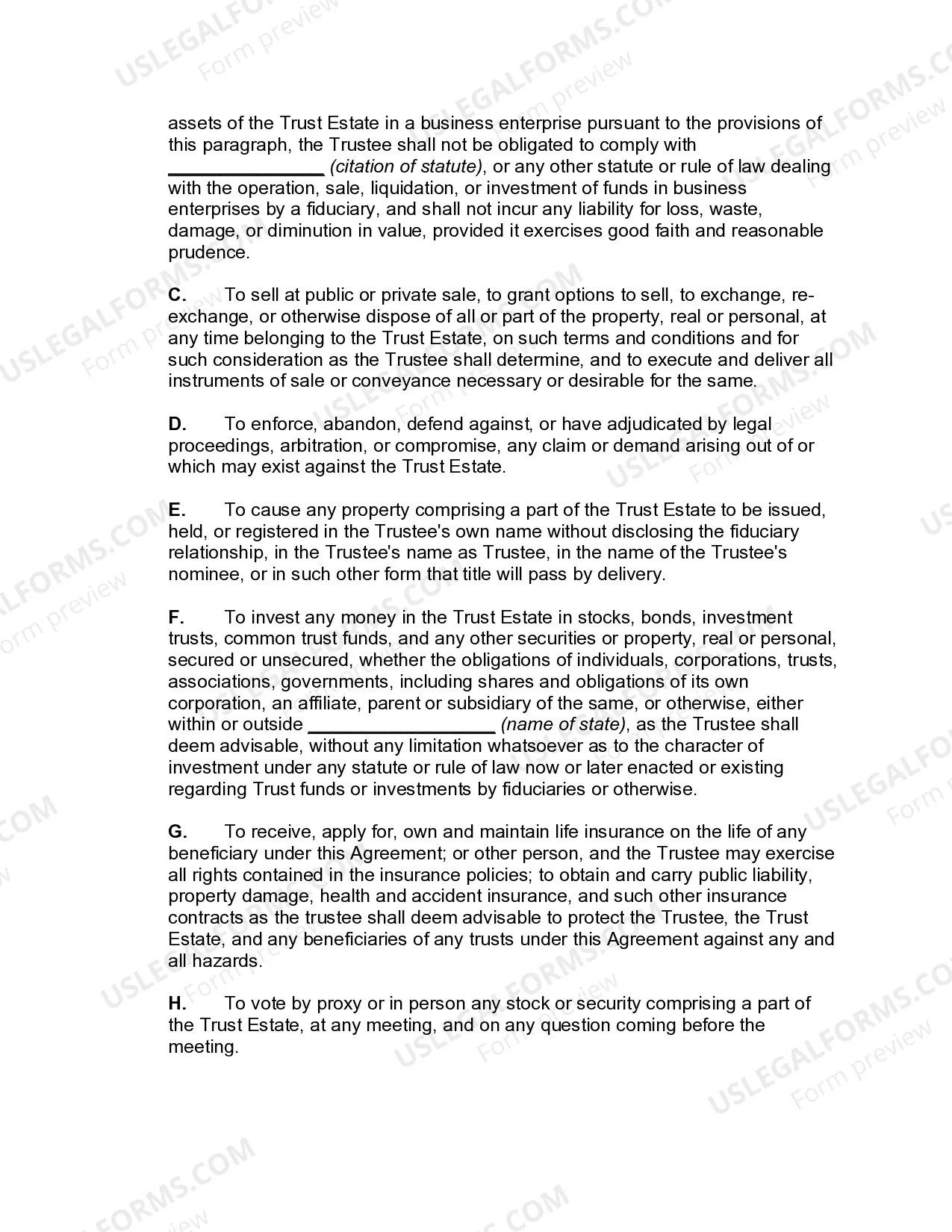
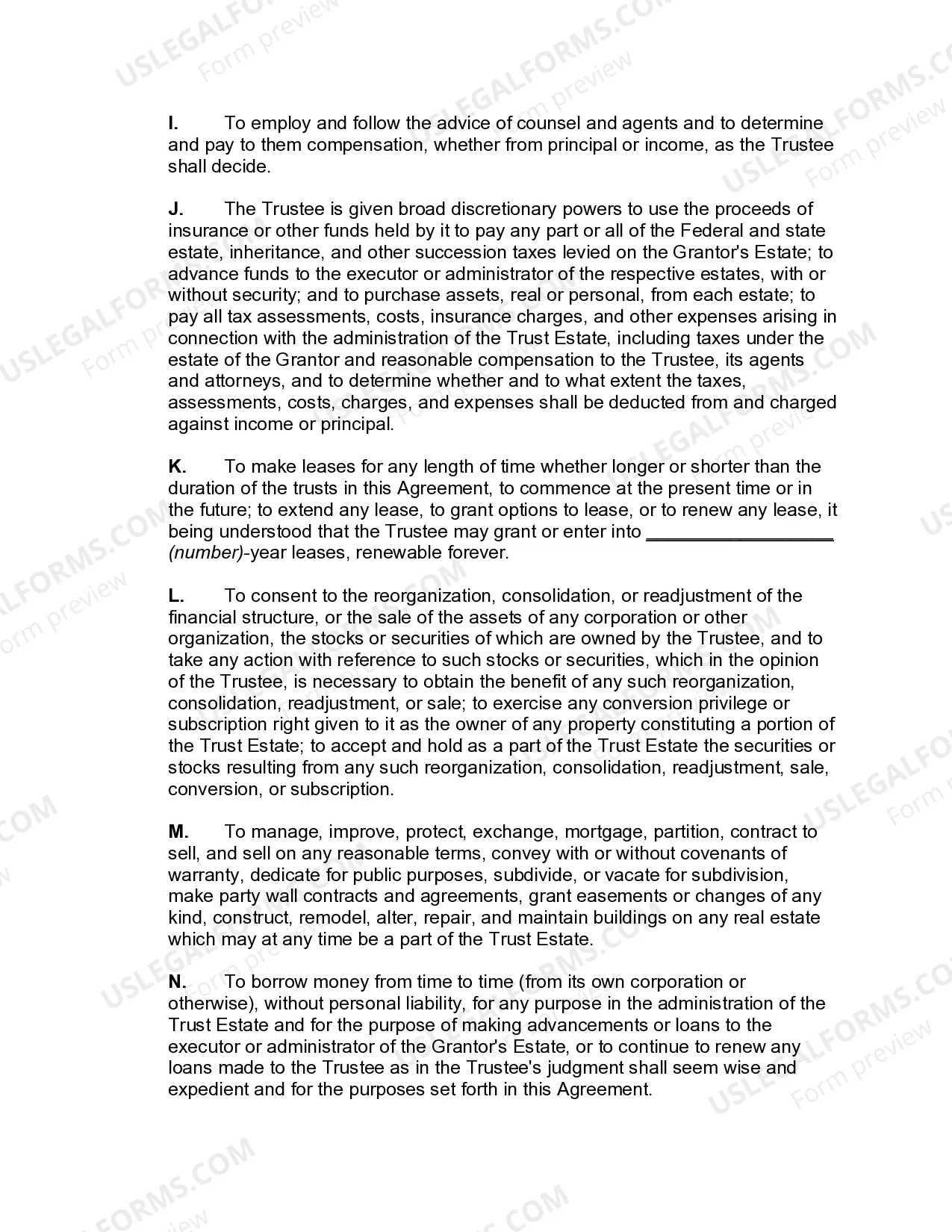
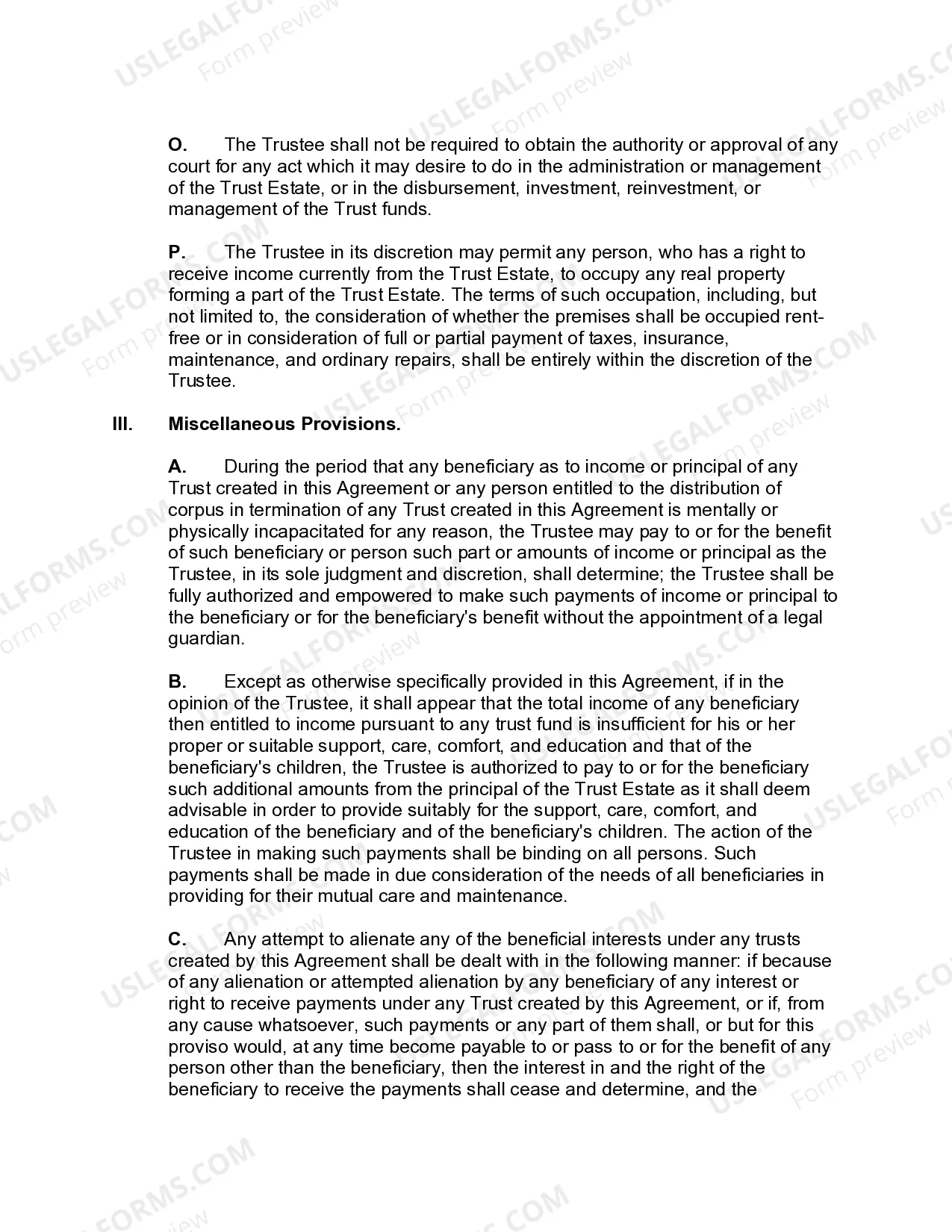
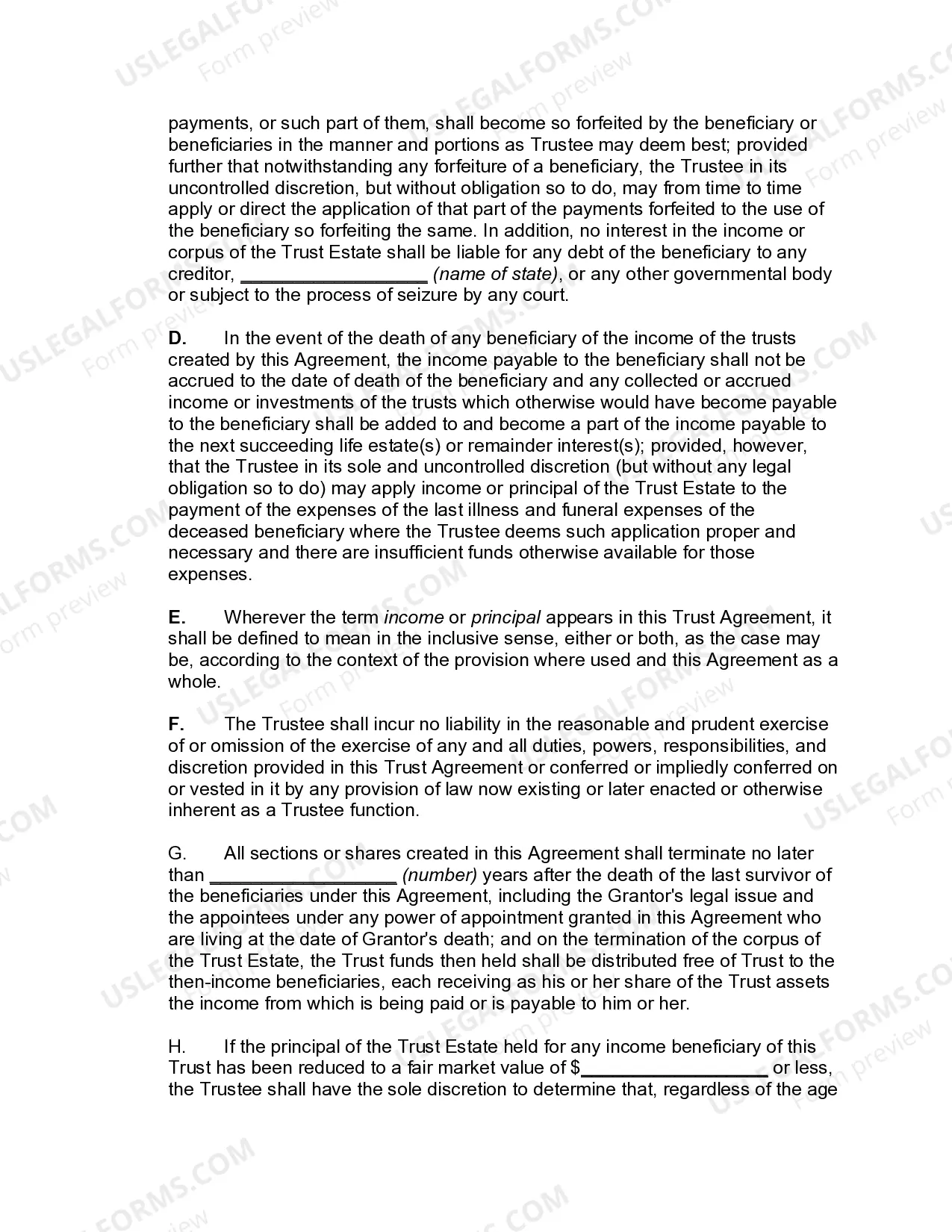
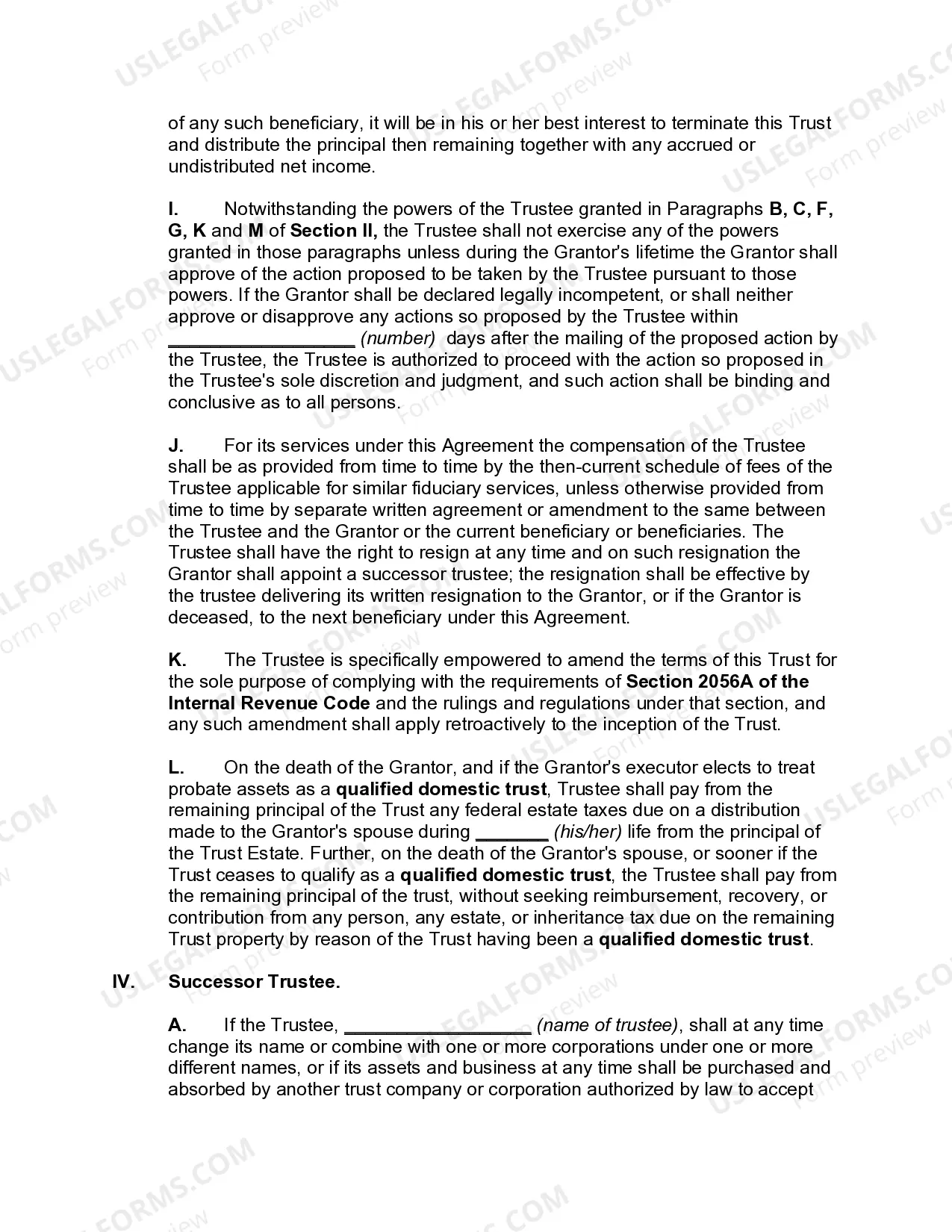
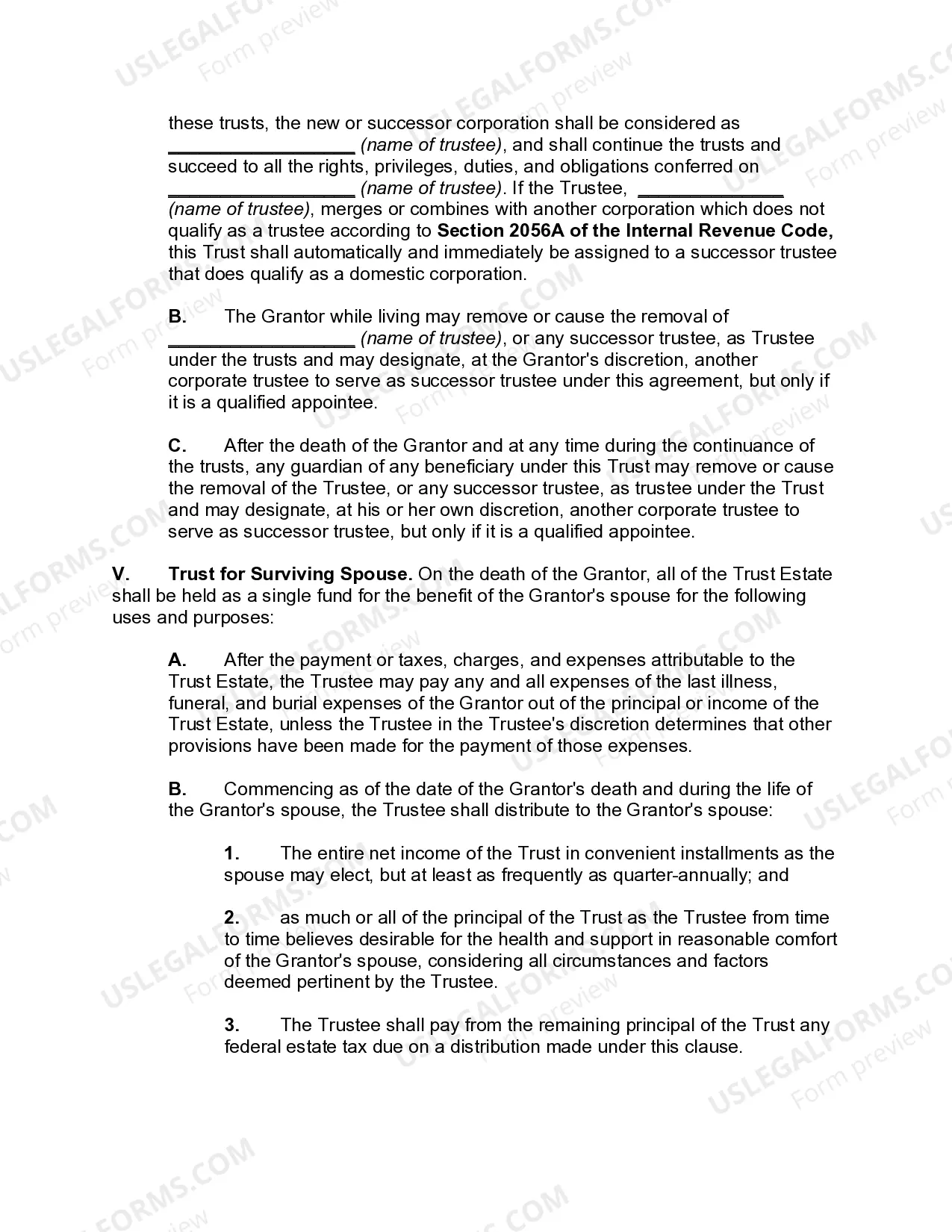
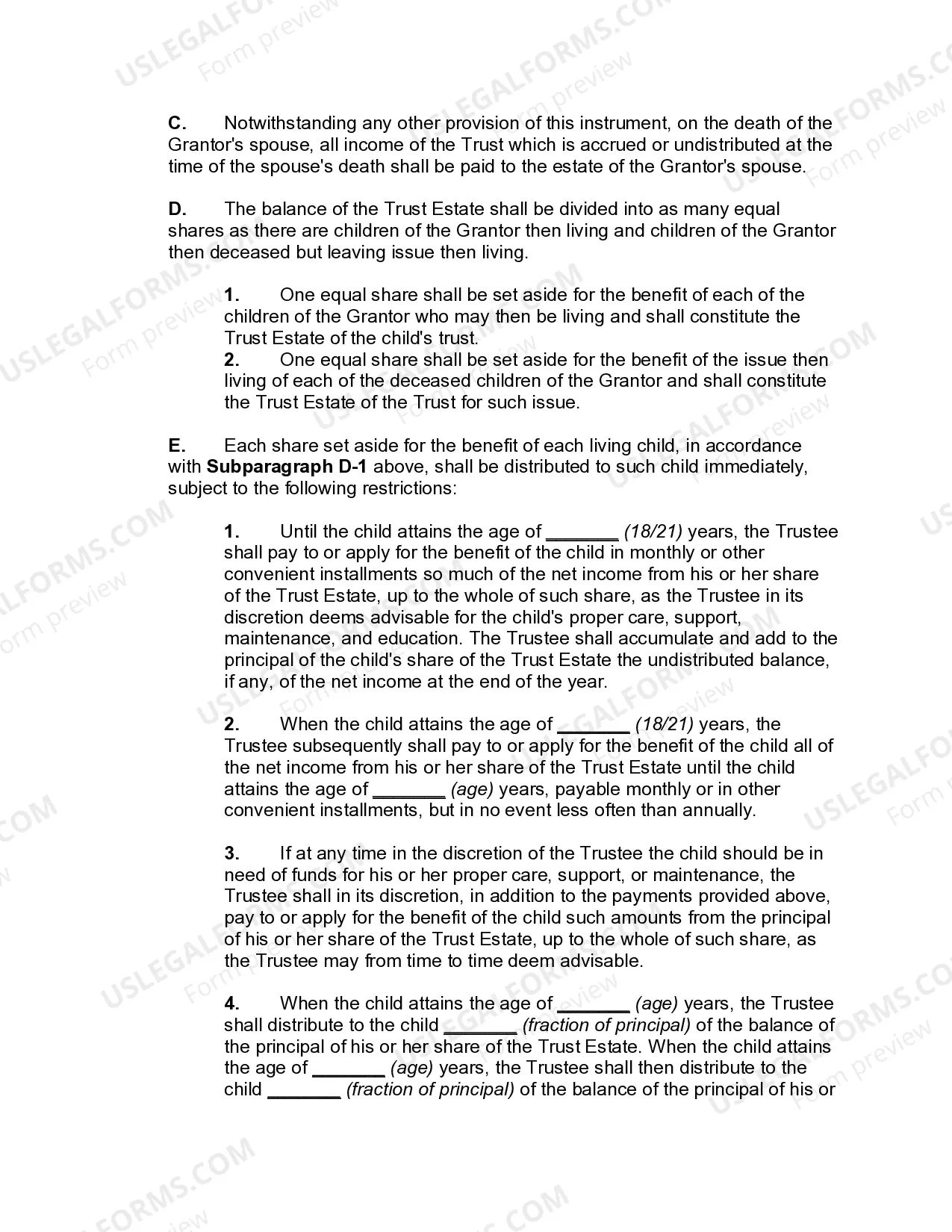
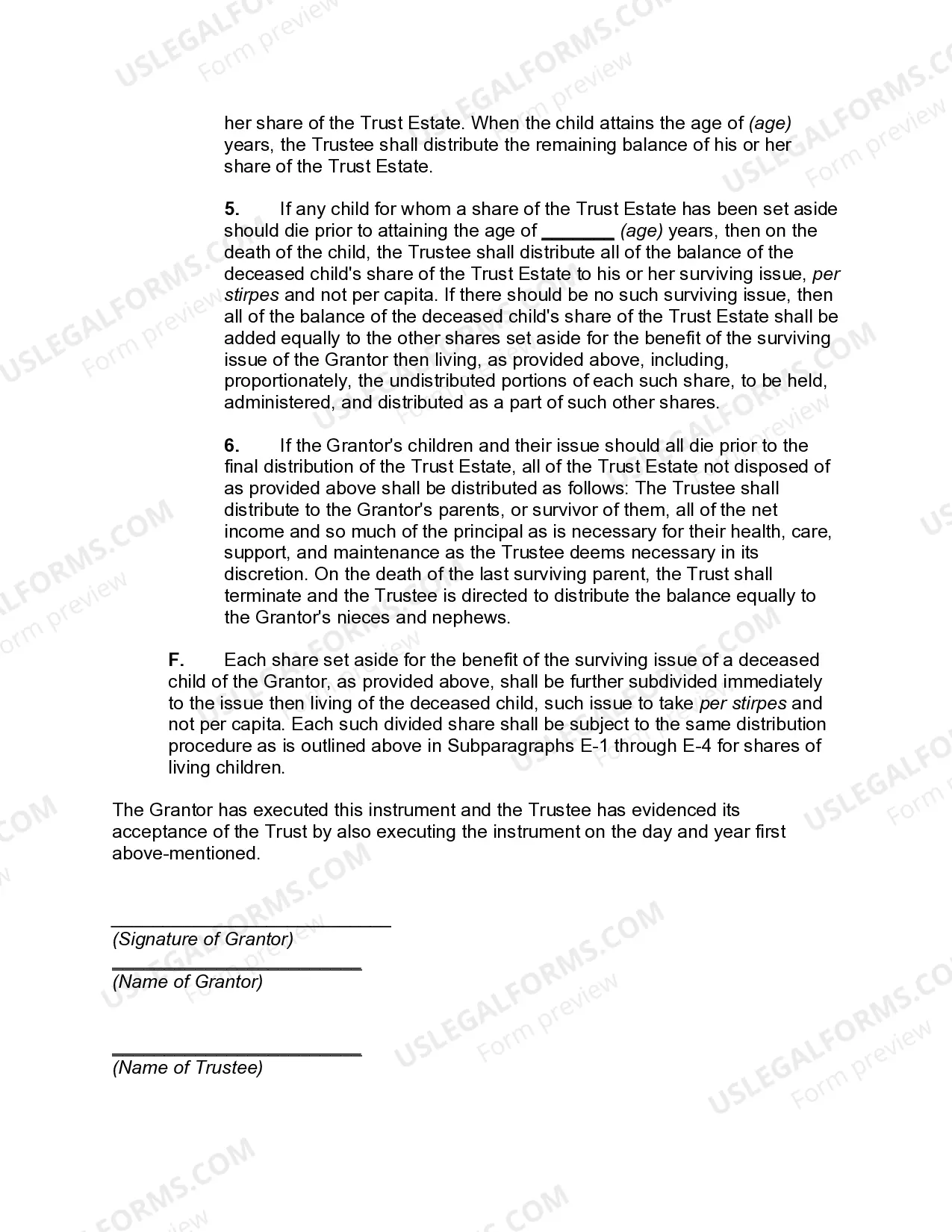

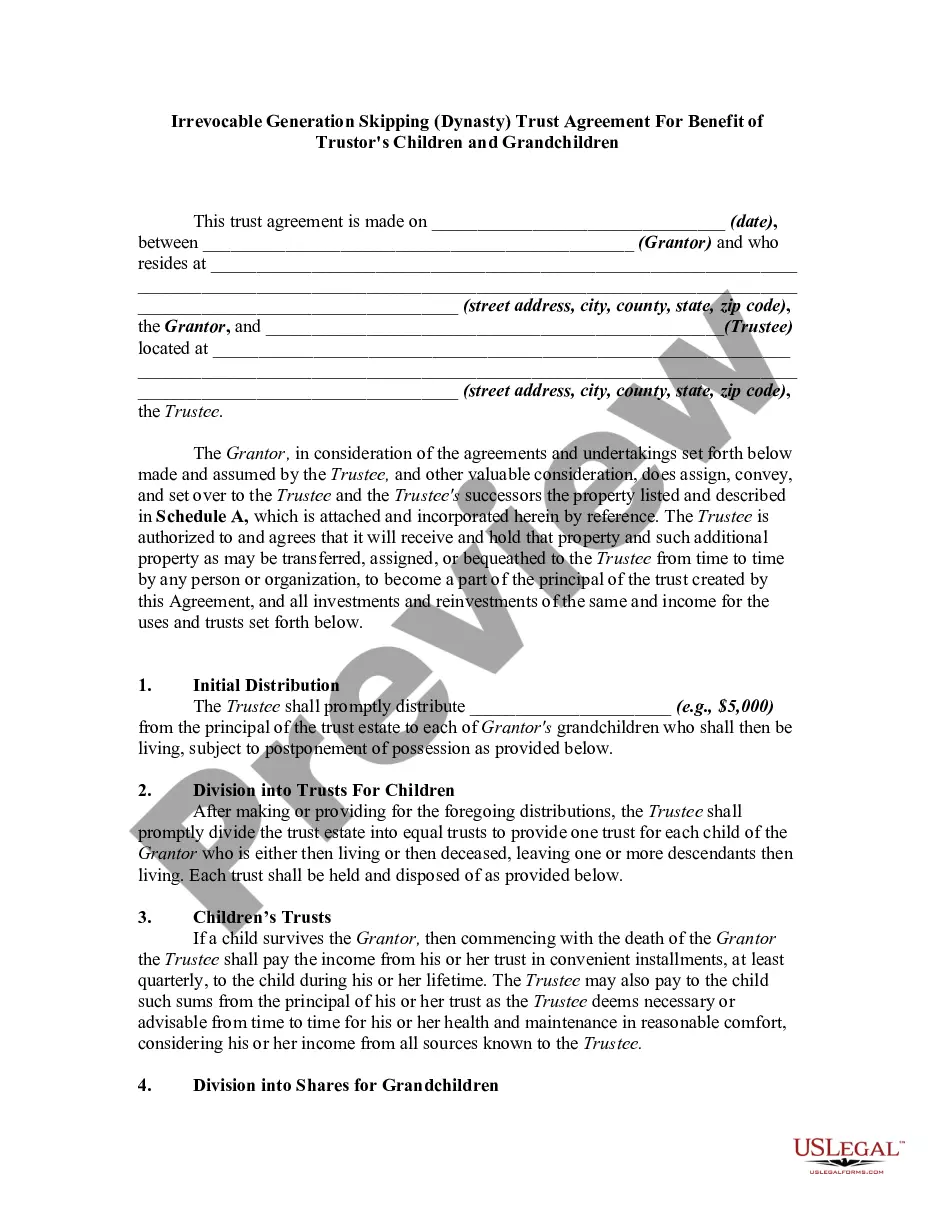

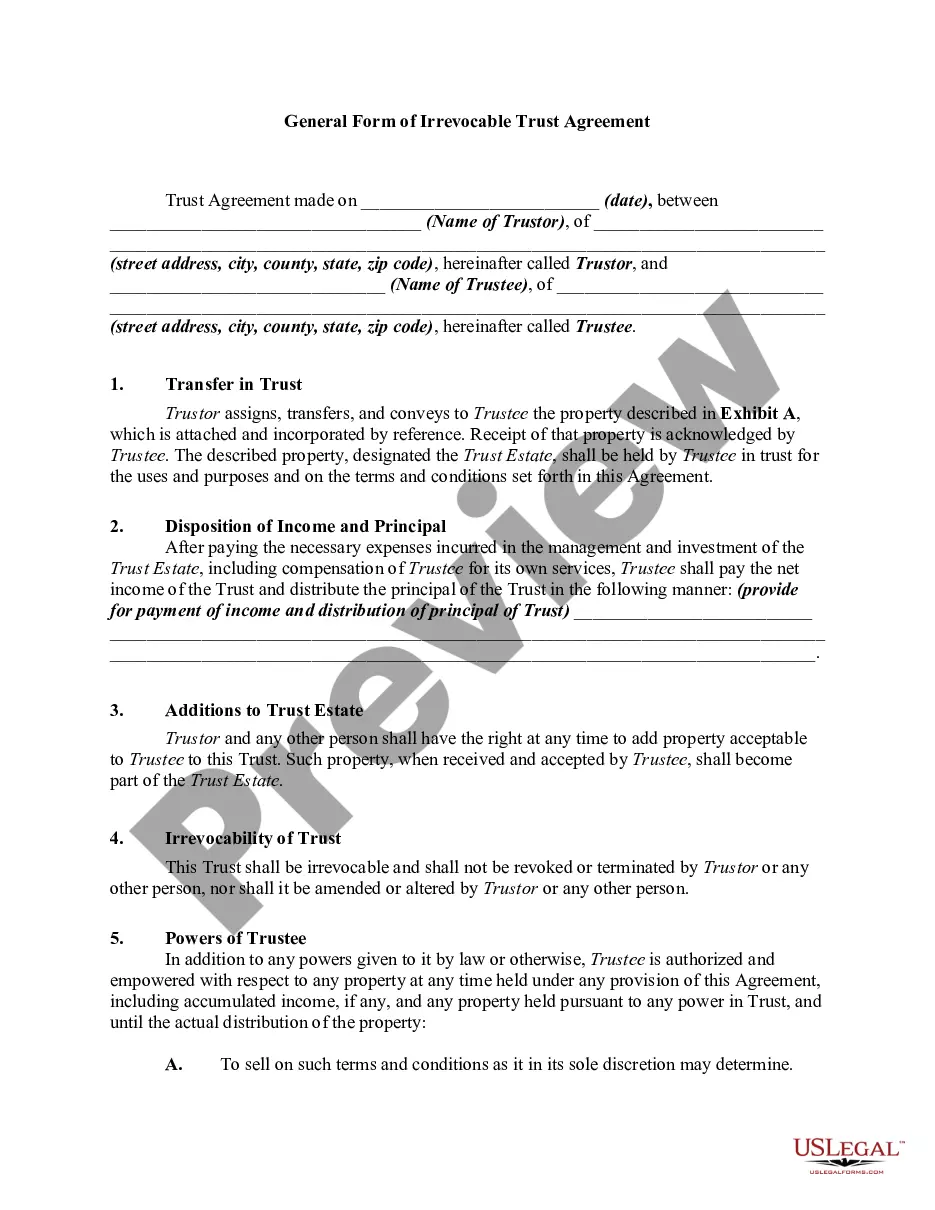
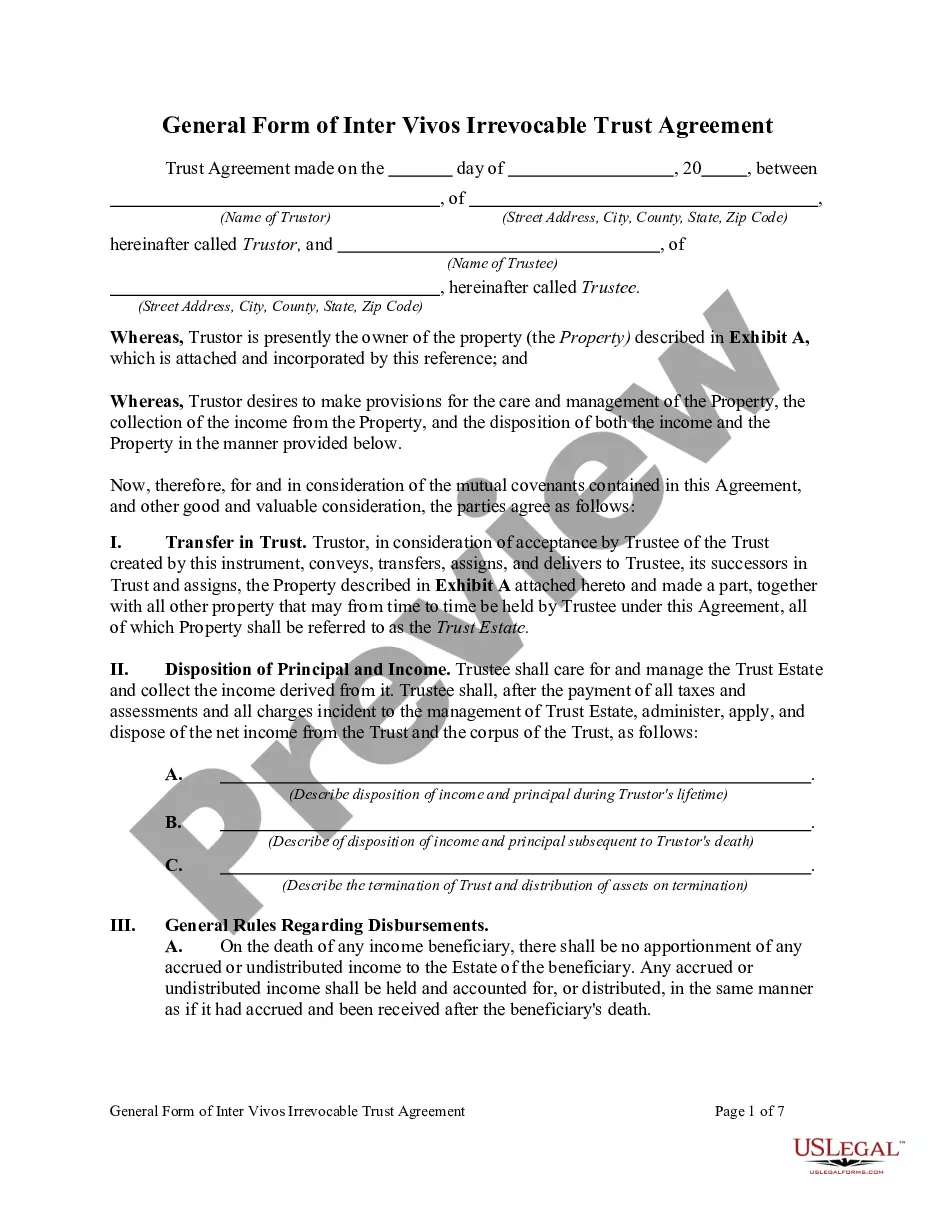
Get your form ready online
Our built-in tools help you complete, sign, share, and store your documents in one place.
Make edits, fill in missing information, and update formatting in US Legal Forms—just like you would in MS Word.
Download a copy, print it, send it by email, or mail it via USPS—whatever works best for your next step.
Sign and collect signatures with our SignNow integration. Send to multiple recipients, set reminders, and more. Go Premium to unlock E-Sign.
If this form requires notarization, complete it online through a secure video call—no need to meet a notary in person or wait for an appointment.
We protect your documents and personal data by following strict security and privacy standards.

Make edits, fill in missing information, and update formatting in US Legal Forms—just like you would in MS Word.

Download a copy, print it, send it by email, or mail it via USPS—whatever works best for your next step.

Sign and collect signatures with our SignNow integration. Send to multiple recipients, set reminders, and more. Go Premium to unlock E-Sign.

If this form requires notarization, complete it online through a secure video call—no need to meet a notary in person or wait for an appointment.

We protect your documents and personal data by following strict security and privacy standards.
Looking for another form?



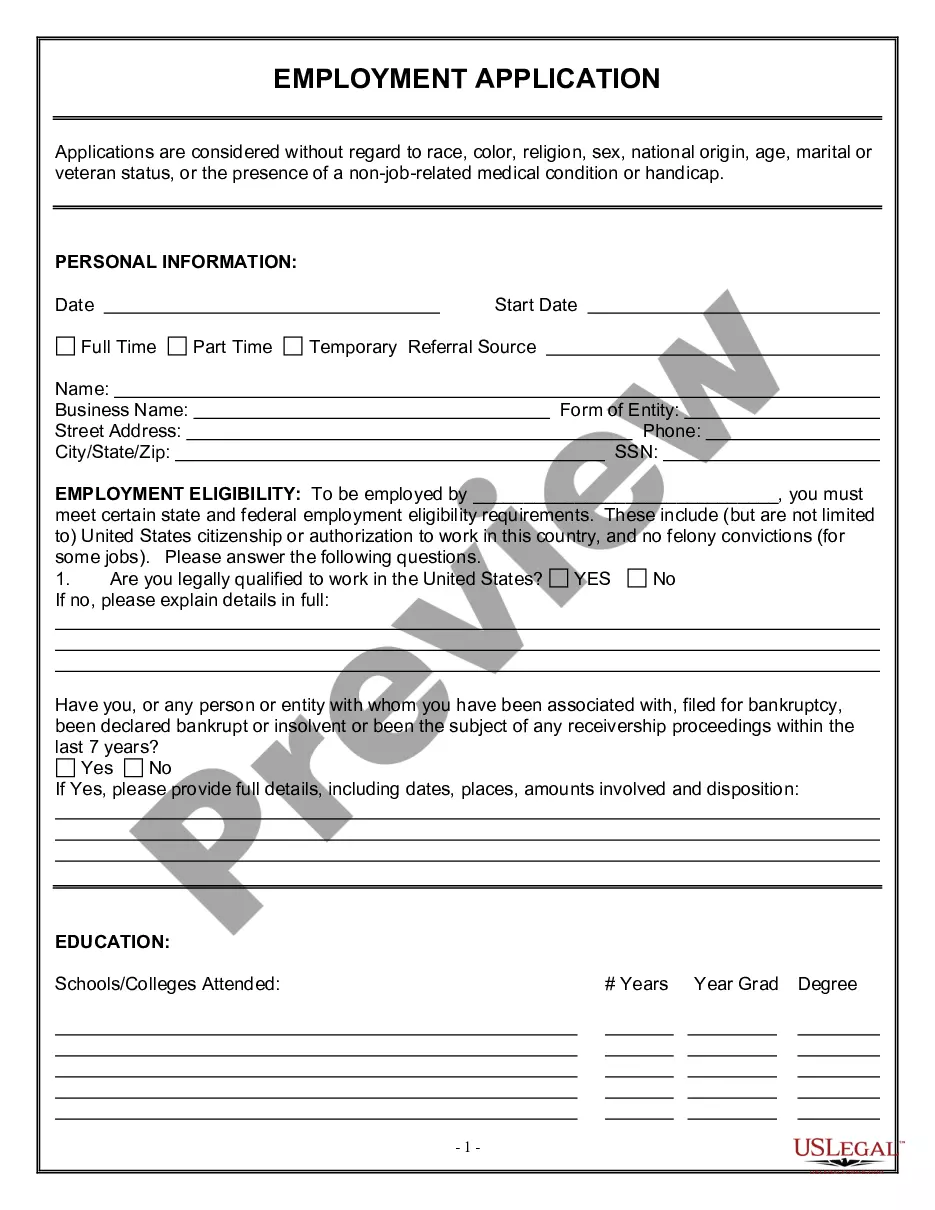



How to fill out Qualified Domestic Trust Agreement?
- Log in to your US Legal Forms account if you're a returning user and ensure your subscription is active. If necessary, renew your plan accordingly.
- Preview the available legal form templates and descriptions to confirm they meet your specific requirements.
- Utilize the Search feature if you're unable to find exactly what you need in the preview. This helps locate any alternative templates suited for your particular situation.
- Purchase the selected form by clicking the 'Buy Now' button and choose a subscription plan that works best for you.
- Complete your purchase by entering your payment details, either through credit card or PayPal.
- Finally, download your completed form to your device. You can access your downloaded documents under the 'My Forms' section of your profile for future reference.
Utilizing US Legal Forms not only streamlines the process of obtaining legal documents but also gives you peace of mind. With a collection of over 85,000 customizable forms, you can ensure that your legal needs are met accurately and efficiently.
Take control of your legal documentation today by visiting US Legal Forms and discovering how Qdot can help you as a green card holder!
Form popularity
FAQ
A green card holder may need a Qualified Domestic Trust (QDOT) if their spouse is not a U.S. citizen. This trust allows for deferral of estate taxes until the surviving spouse passes away, providing important financial flexibility. It's crucial to evaluate your personal situation and consult with a tax professional. The US Legal Forms platform offers resources to help you understand if a QDOT for green card holders is necessary for your estate planning.
Yes, green card holders are eligible for the same estate tax exemptions as U.S. citizens. This means your estate can pass to heirs without incurring estate taxes up to the federal limit. Ensure you stay updated on any changes to these limits, as they can affect your estate planning. Utilizing the services provided on the US Legal Forms platform can help you navigate estate tax laws effectively.
Filing taxes as a green card holder requires you to report your worldwide income to the IRS. You will use Form 1040 to file your taxes, just like U.S. citizens. Additionally, you may need to include Form 8938 if you hold foreign assets. For personalized assistance, consider using the resources available on the US Legal Forms platform, designed to simplify tax-related processes for green card holders.
To obtain your I-94 as a green card holder, you can start by visiting the U.S. Customs and Border Protection website. There, you can access the I-94 retrieval form and enter your details to receive your travel record. Alternatively, if you're using the Qdot for green card holder platform, you can easily navigate through the application process as it provides clear guidelines on how to complete the necessary steps. Having access to these resources ensures a smoother experience in managing your documentation.
Setting up a Qdot involves creating a trust that meets IRS requirements. First, consult with a legal professional experienced in estate planning for non-citizens and green card holders. They will guide you through the process, outlining necessary documents and stipulations. Using resources like US Legal Forms can simplify this task by providing the essential templates and guidance required.
For estate tax purposes, a green card holder is not considered a U.S. citizen. However, they can utilize a Qdot for green card holder to help manage estate taxes effectively. This option allows them to benefit from certain deductions similar to those available to U.S. citizens. Understanding these distinctions is key for proper estate planning.
Non-U.S. citizens do not automatically receive an unlimited marital deduction like U.S. citizens do. However, they may utilize a Qdot for green card holder, which allows for certain estate tax deferrals. This requires specific conditions and proper legal setup to ensure compliance with IRS regulations. Consulting a legal expert can help clarify these options.
The marital deduction applies primarily to spouses of U.S. citizens. However, it also extends to a Qdot for green card holder situations. This allows green card holders to qualify under certain conditions, ensuring that their estates can benefit from this deduction. It is vital to navigate the eligibility criteria carefully to maximize estate planning benefits.
Permanent residents, including green card holders, are generally eligible for the estate tax exemption. This means that they can pass on a certain amount of their estate value without incurring taxes. Understanding the exemptions and deductions available can help you navigate estate planning more effectively.
Yes, green card holders can qualify for the marital deduction under U.S. tax law. This deduction allows for the transfer of assets to a spouse without incurring estate taxes, as long as the receiving spouse is a U.S. citizen. It's essential to understand these benefits when planning your estate to ensure maximum tax efficiency.