Technology Contracts
Description
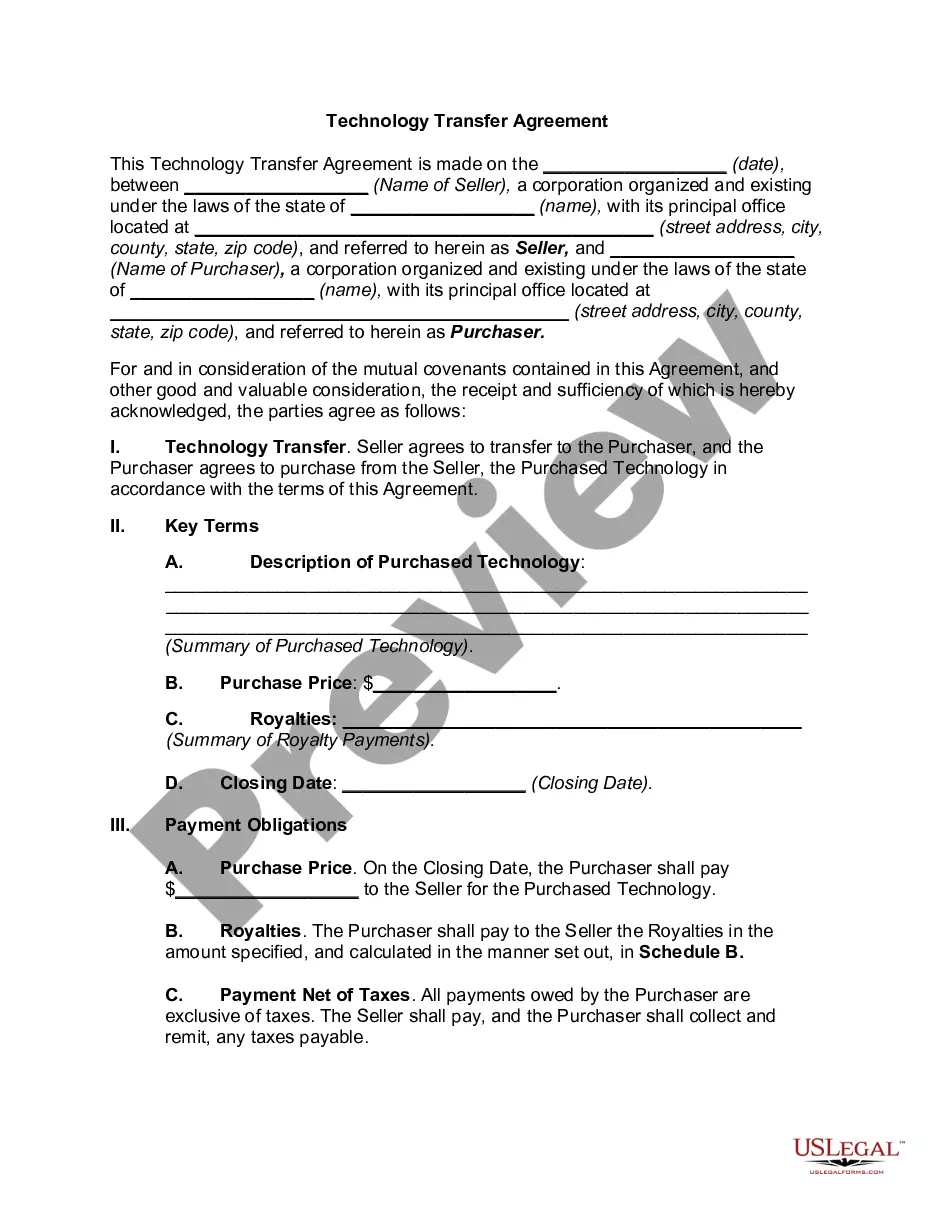
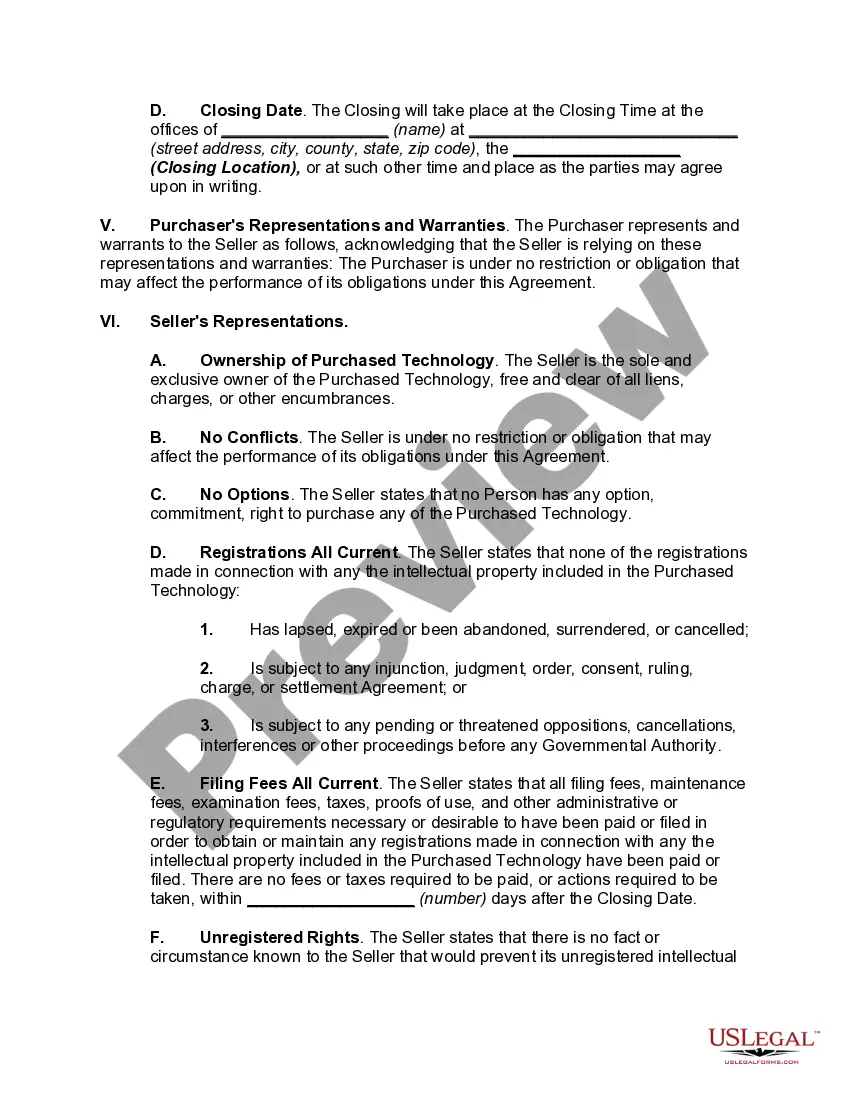
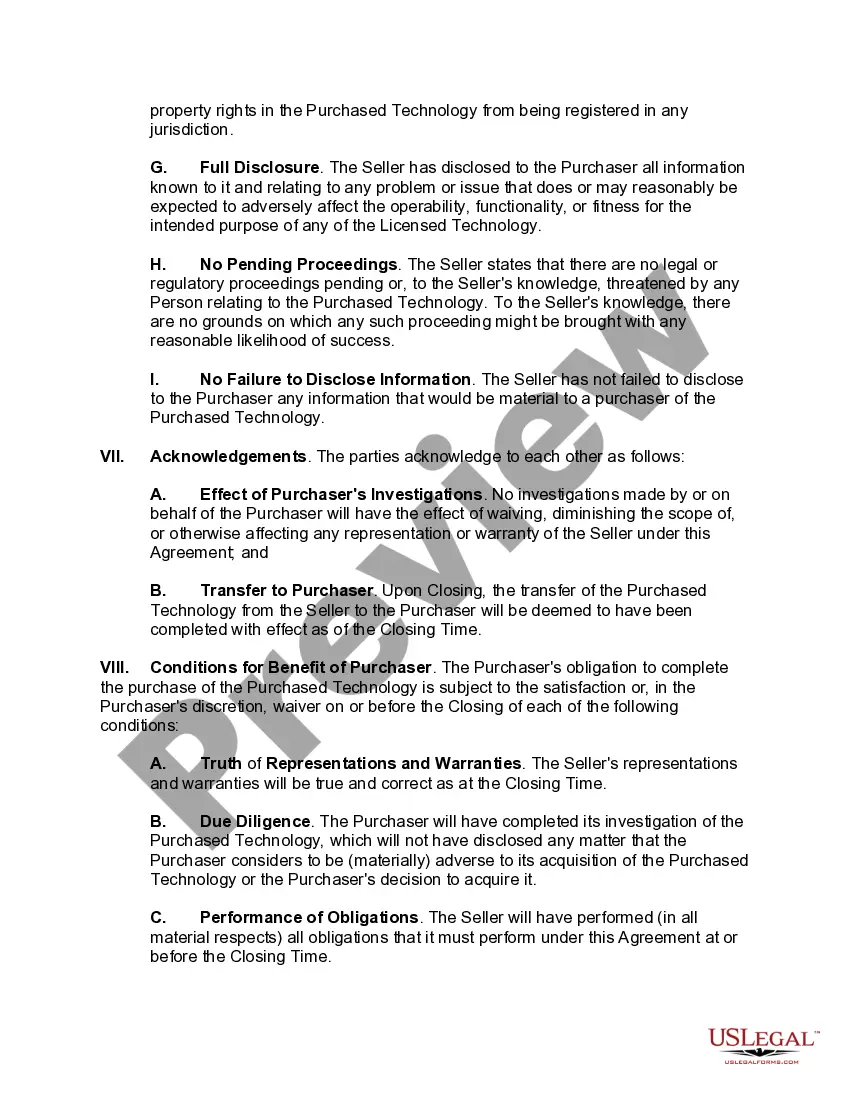
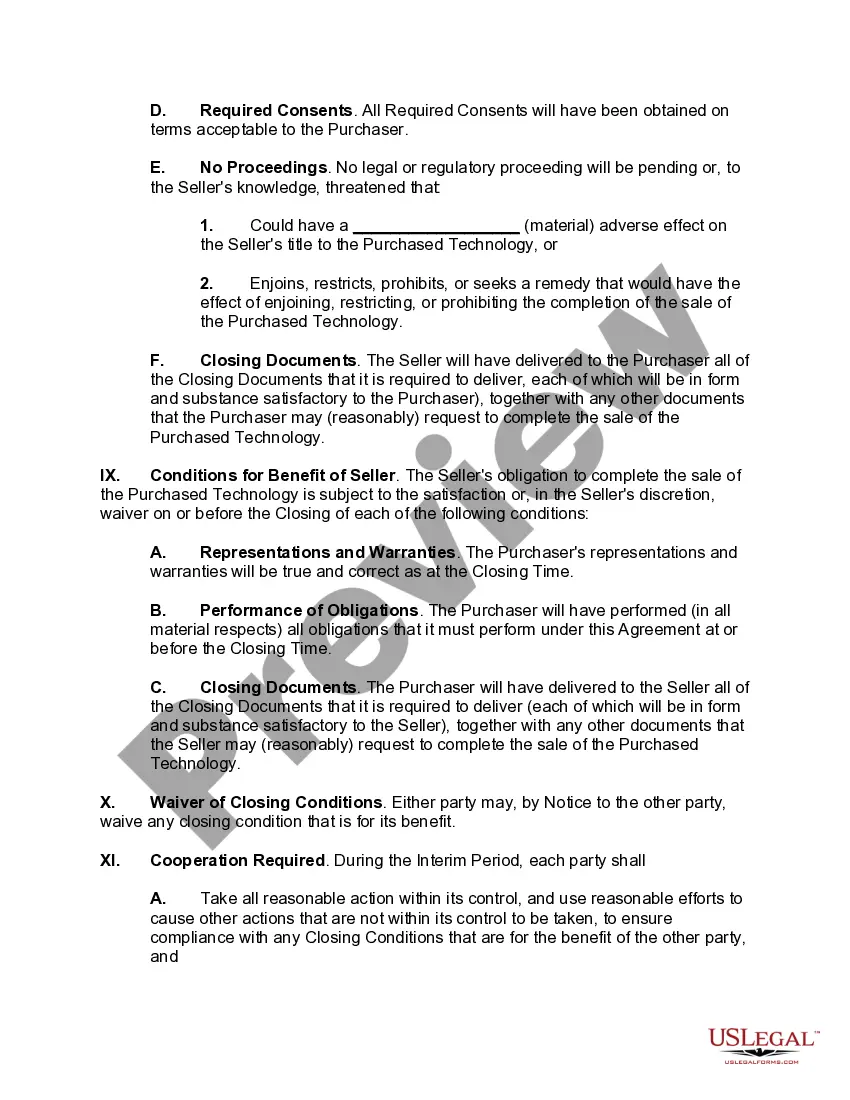
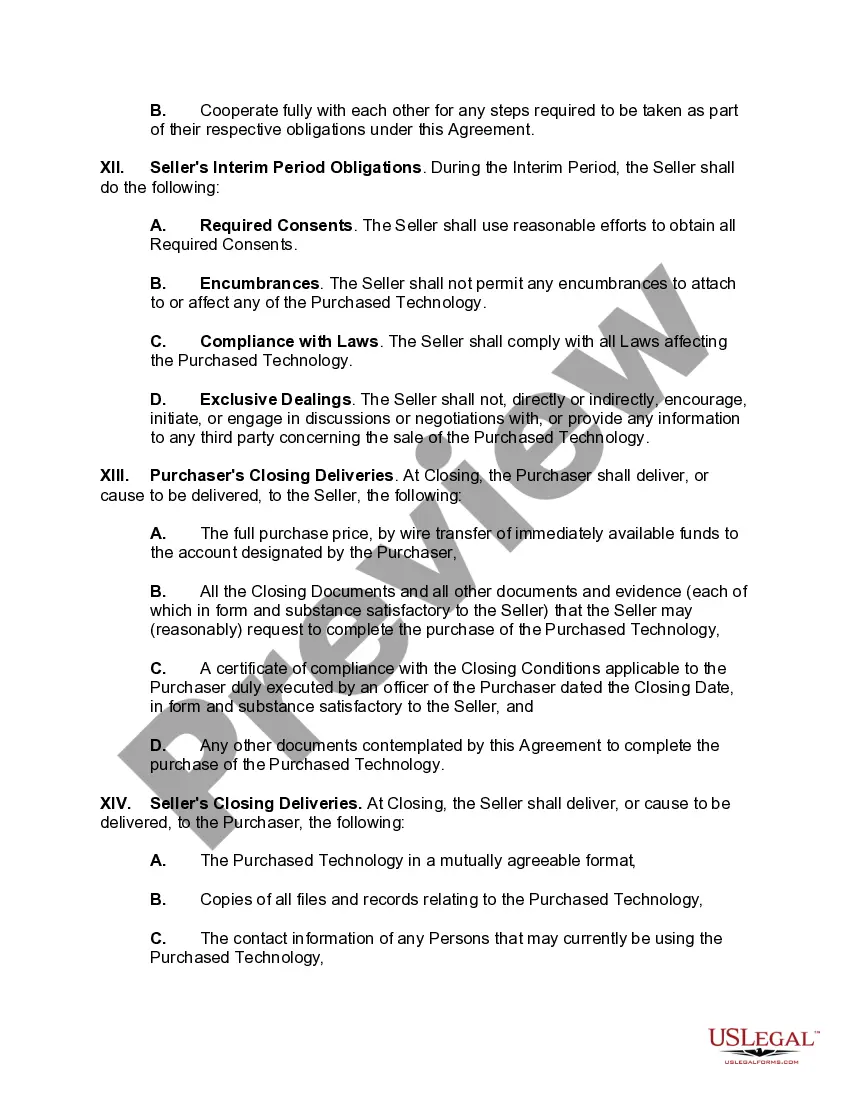
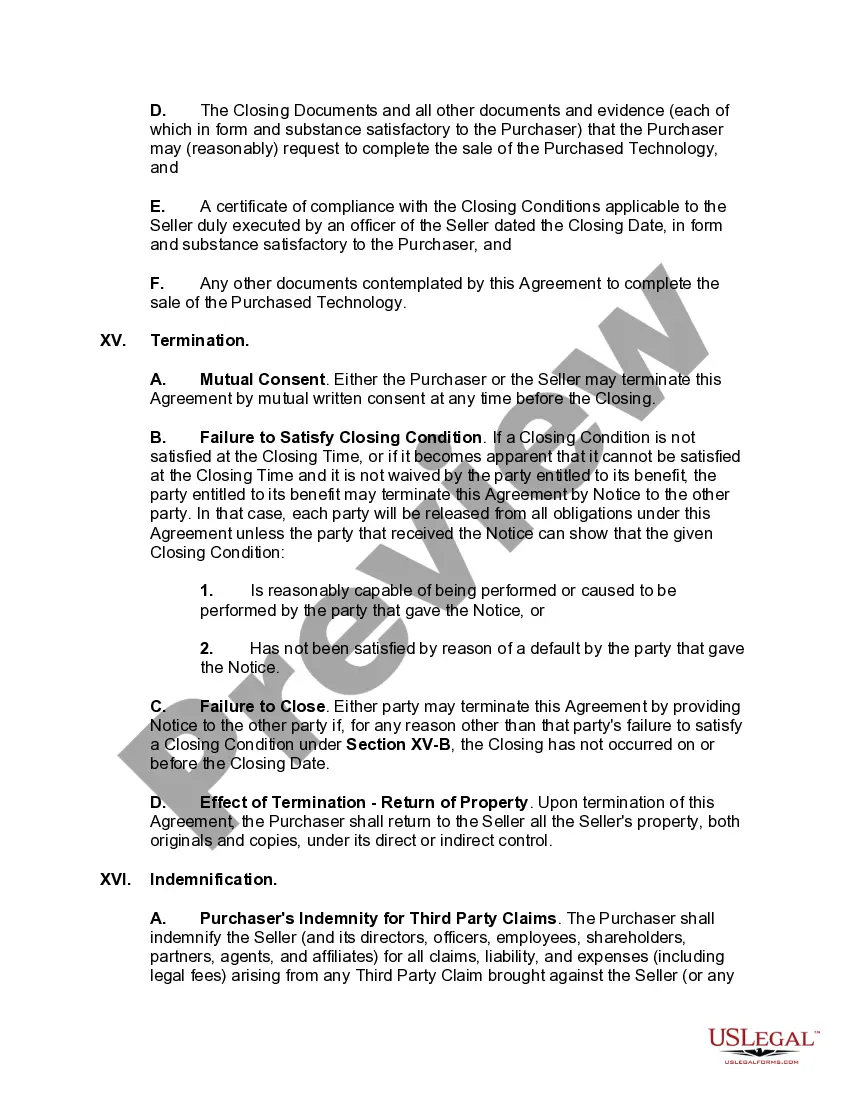
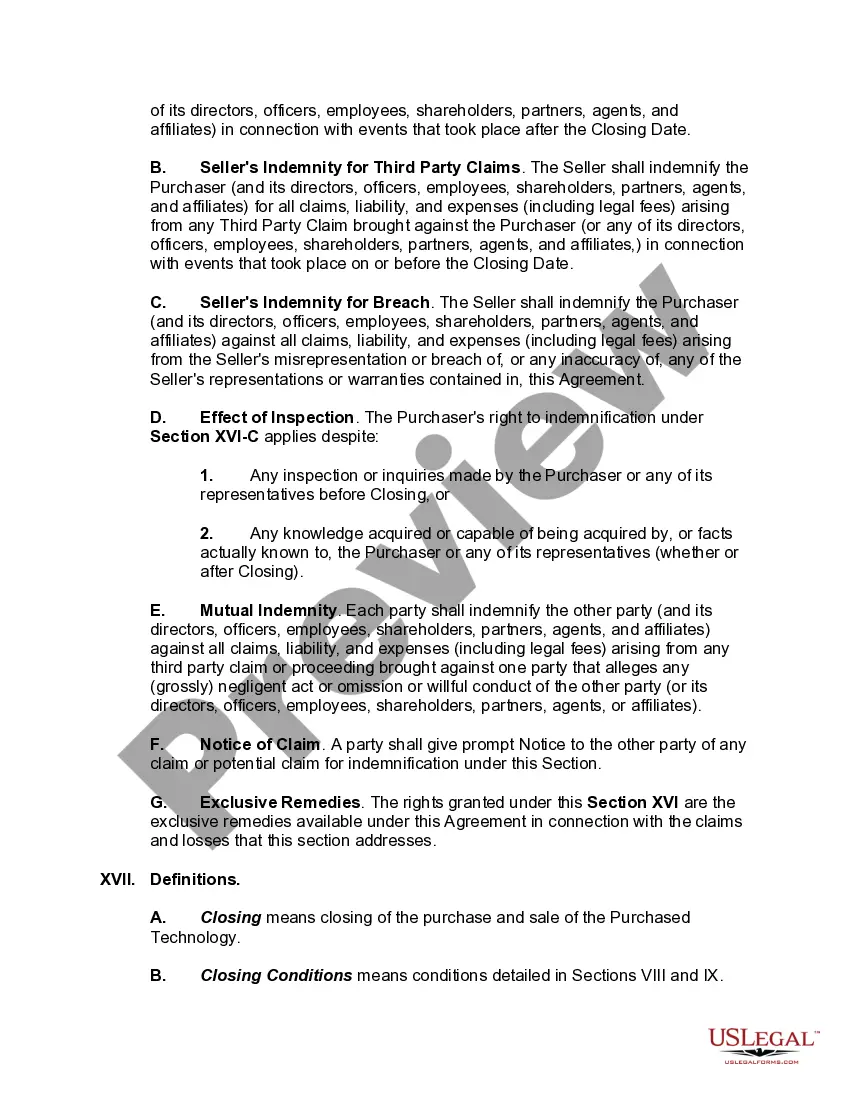
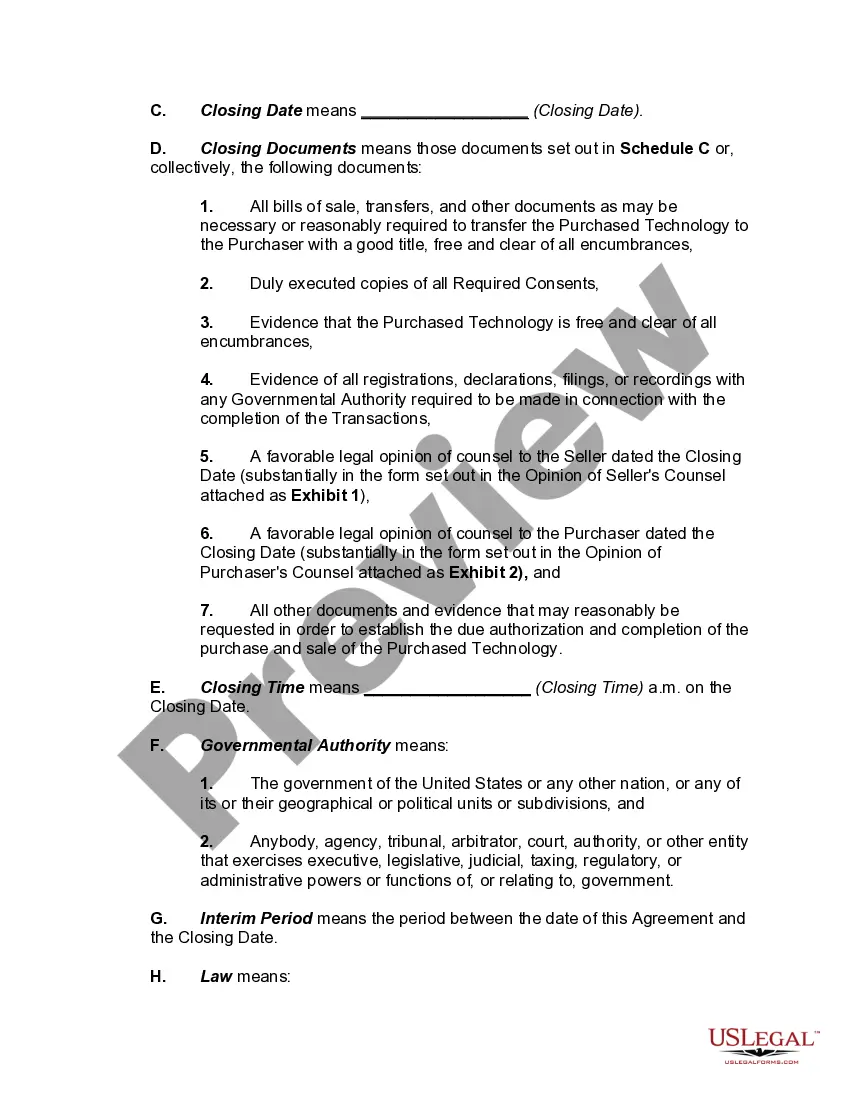
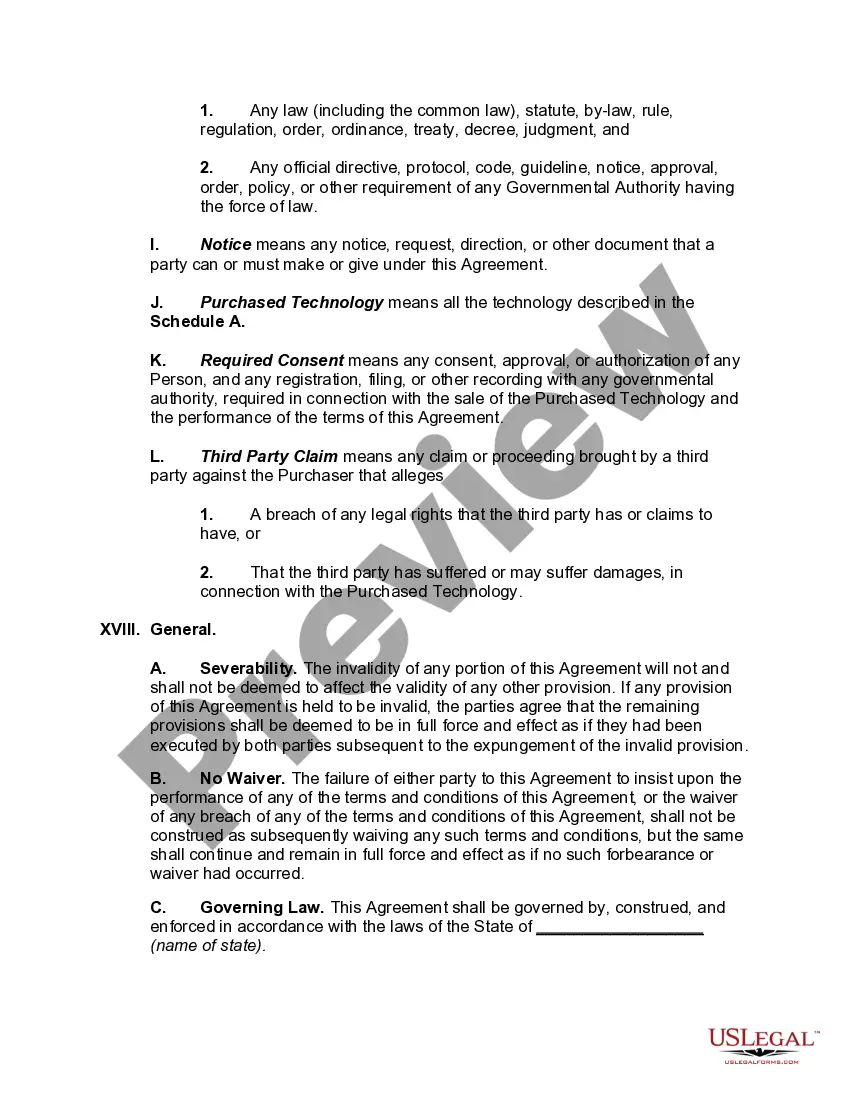
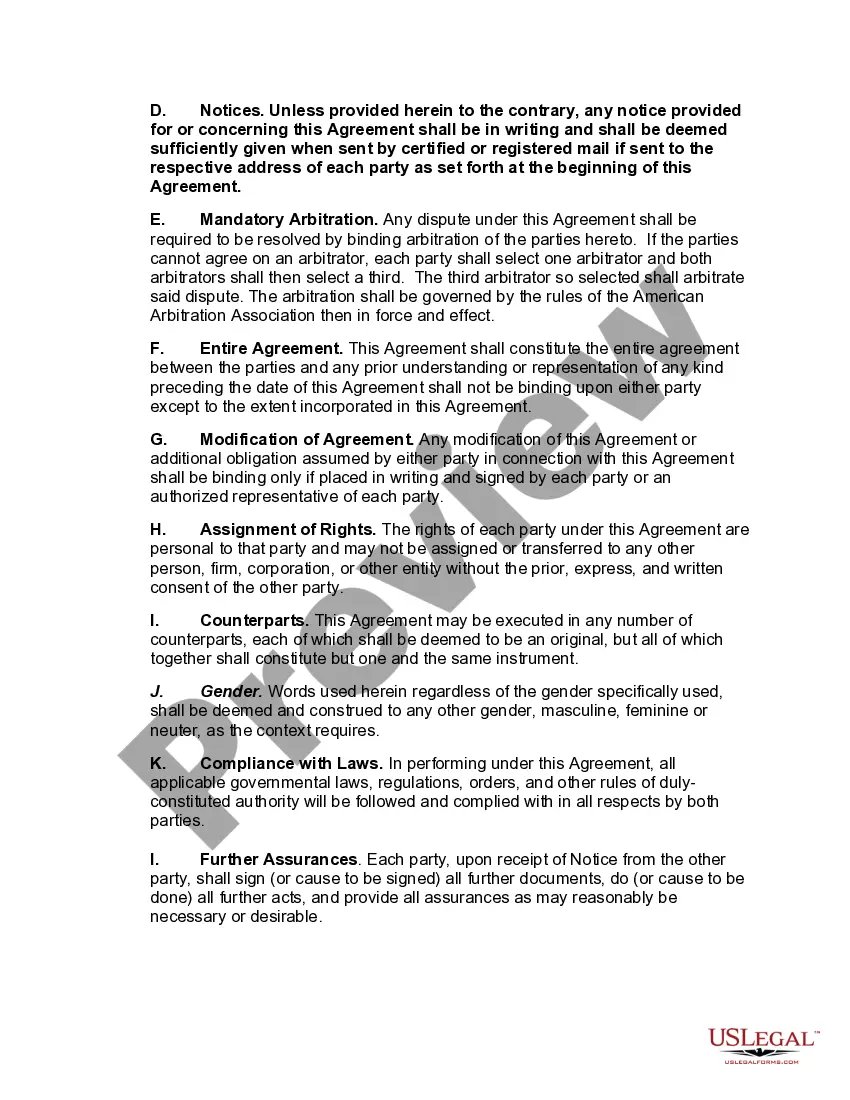

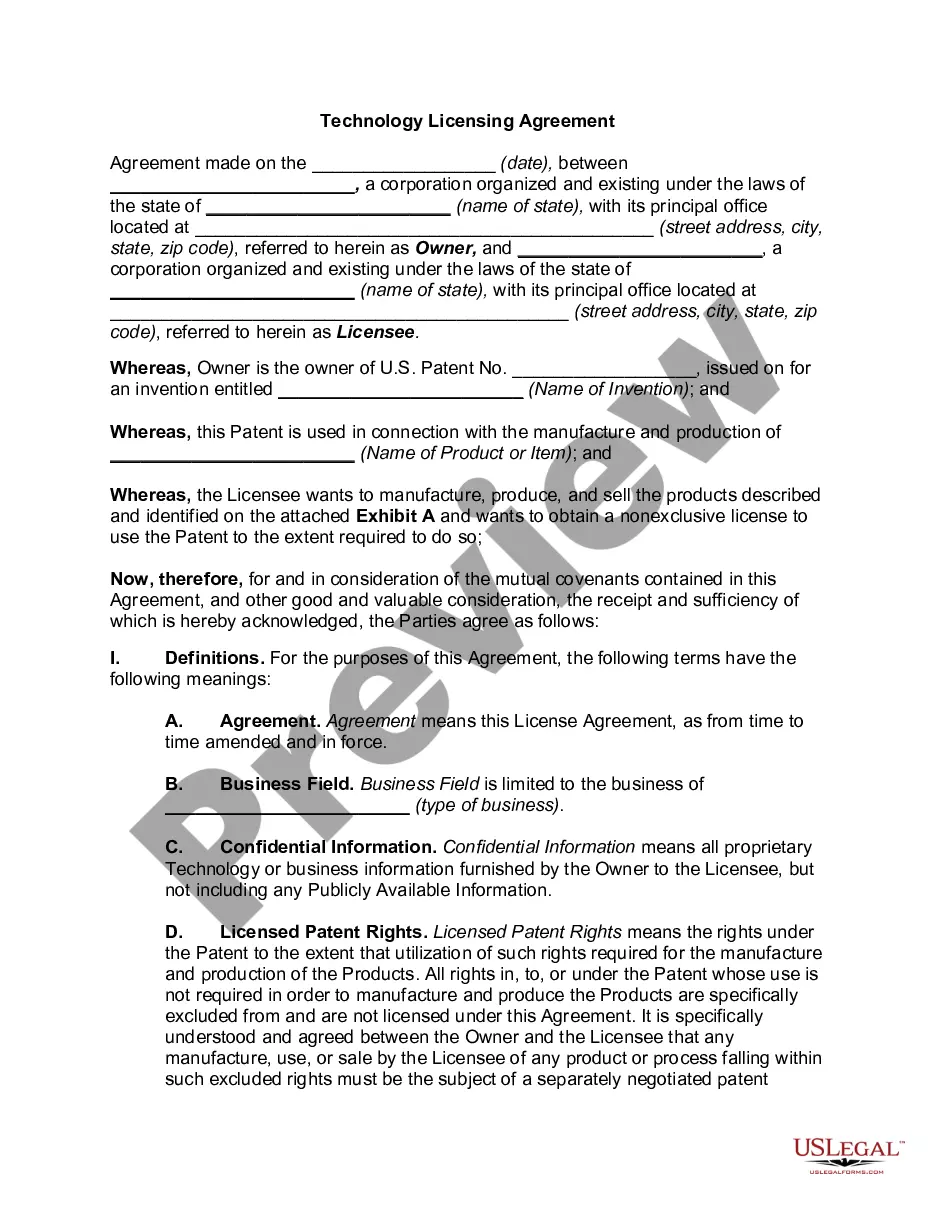
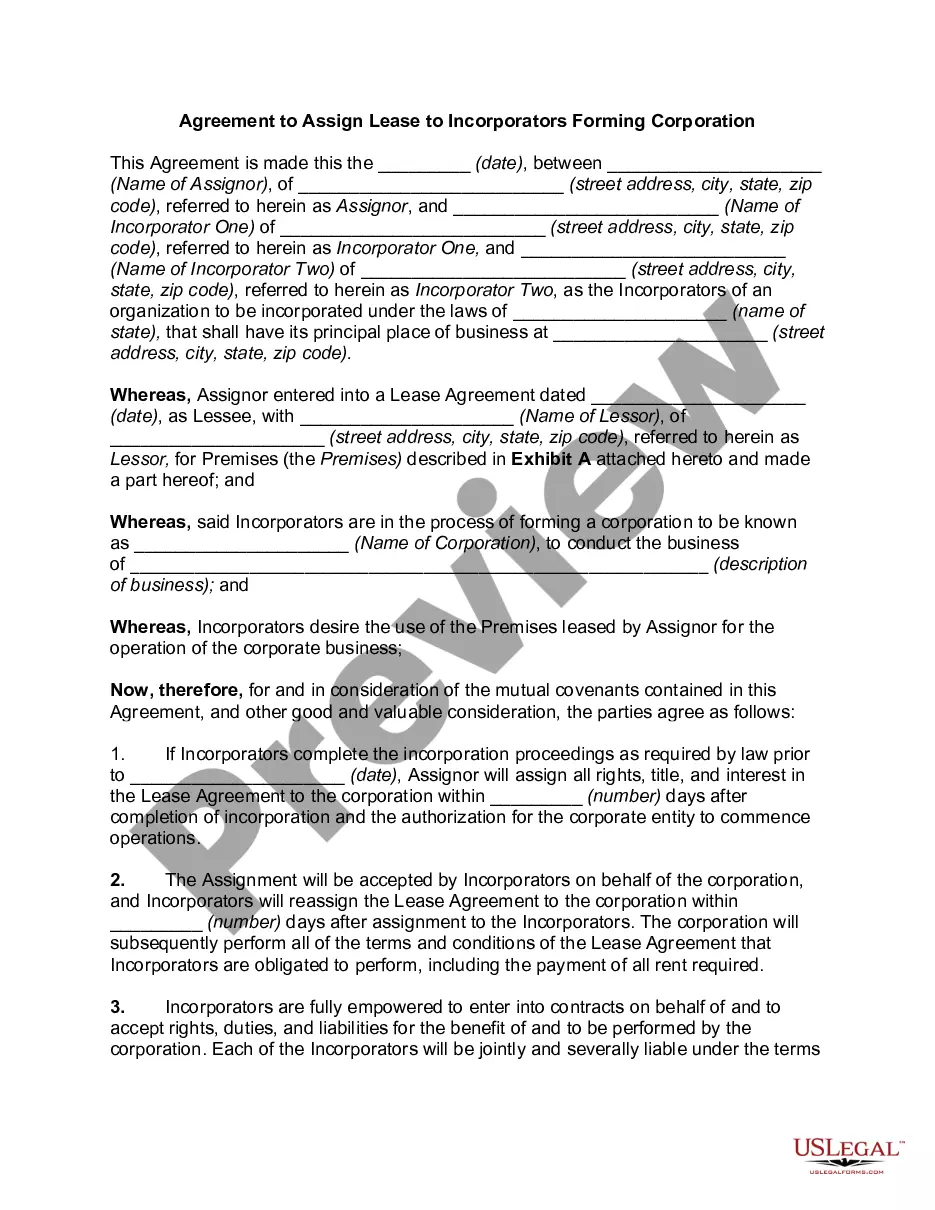
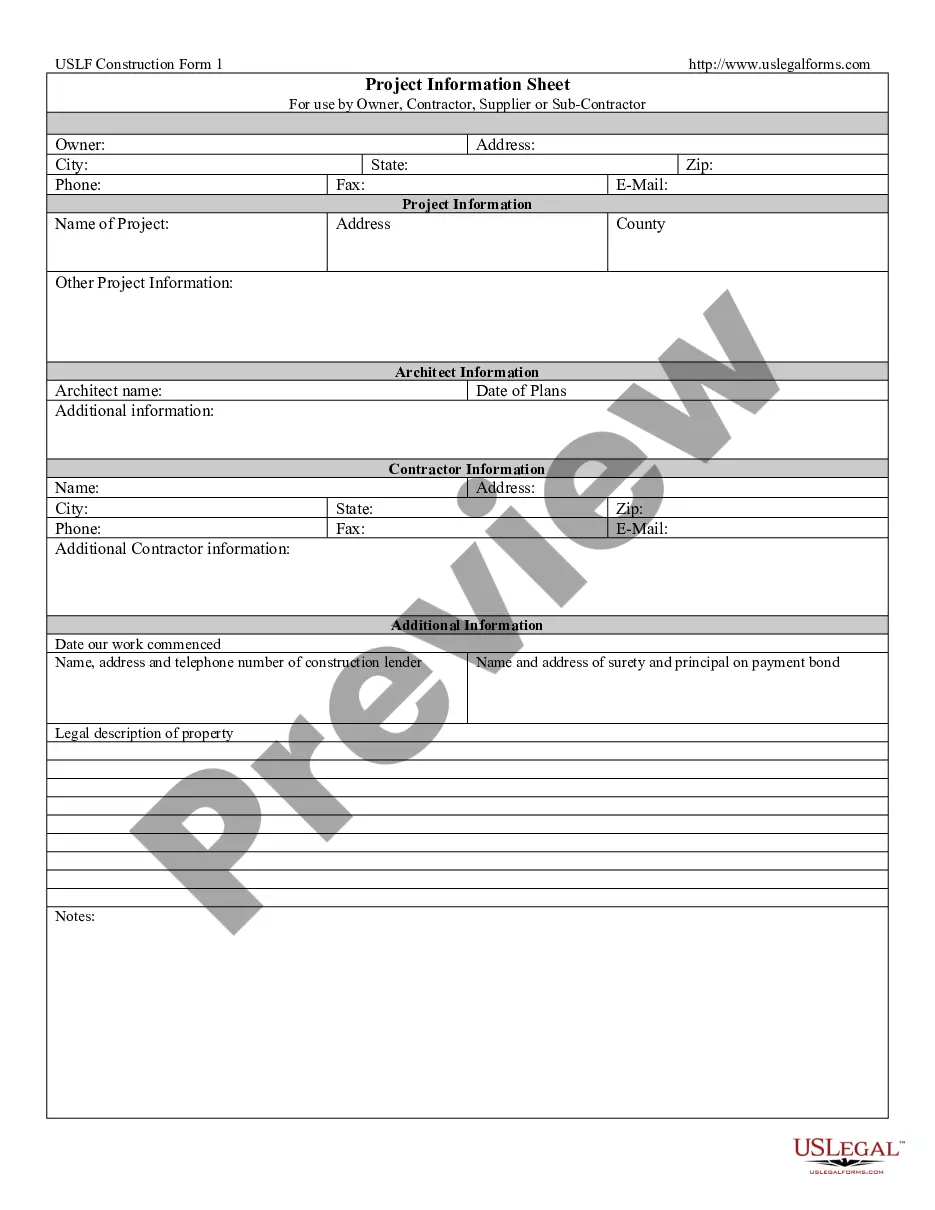
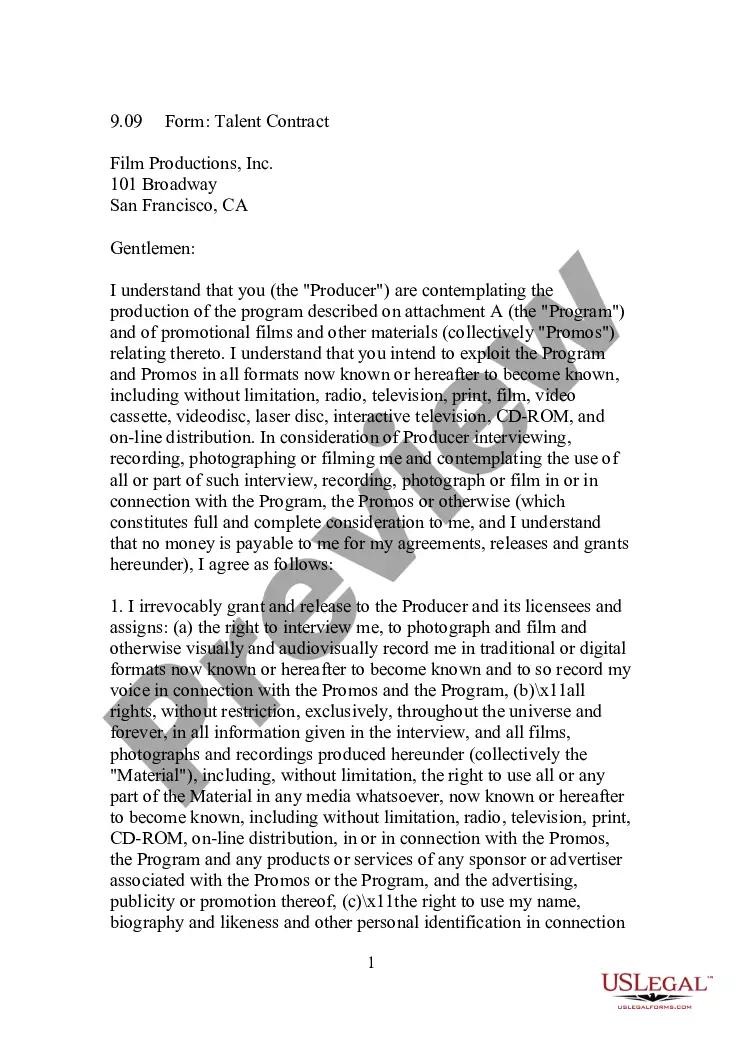
How to fill out Technology Transfer Agreement?
- If you're a returning user, log in to your account and locate your desired form template. Click the Download button, ensuring your subscription is active. If it's not, renew your plan.
- For first-time users, start by browsing the available technology contracts. Use the Preview mode to verify that your chosen template meets both your needs and local jurisdiction requirements.
- Search for alternative templates if necessary. If you find discrepancies with the current form, utilize the Search tab at the top of the page to find suitable replacements.
- Select your document by clicking the Buy Now button. You'll need to choose a subscription plan and register an account to access the extensive library.
- Complete your purchase by entering your payment details, either through credit card or PayPal, to finalize your subscription.
- Download the selected form template onto your device. You can always access it later through the My Forms section in your account.
By following these simple steps, you can efficiently obtain essential technology contracts through US Legal Forms. Their robust collection and easy-to-use platform make the process seamless.
Start your journey to easy legal documentation today and discover how US Legal Forms can simplify your contract needs!
Form popularity
FAQ
Creating an electronic contract involves drafting your terms, using digital tools, and collecting signatures through secure methods. You can utilize platforms like USLegalForms to streamline the process and ensure legal compliance. By following the right steps, you can easily create technology contracts that meet your needs and protect your interests.
A contract is a legally binding agreement between two or more parties that outlines specific obligations and terms. The three most common types of contracts are sales contracts, employment contracts, and service contracts. Each type serves different purposes, but they all play a significant role in technology contracts and transactions.
The four fundamental rules of a contract are mutual assent, consideration, capacity, and legality. Mutual assent requires both parties to agree on the terms, while consideration refers to something of value exchanged between them. Capacity ensures that both parties can enter into the agreement, and legality confirms that the contract's purpose is lawful. Following these rules is essential for valid technology contracts.
Contracts are usually classified into three categories: express contracts, implied contracts, and unilateral contracts. Express contracts have clearly stated terms, while implied contracts are based on actions or circumstances. Unilateral contracts involve one party offering something in exchange for performance by another party, which is common in many technology contracts.
Technology contracts typically include service agreements, licensing agreements, and confidentiality agreements. These contracts help define the terms and conditions for the use of technology and protect the interests of both parties involved. By using clear contracts, you can avoid misunderstandings and ensure compliance with the technology agreement.
The five major types of technology transfer agreements are licensing agreements, joint ventures, research collaboration agreements, material transfer agreements, and franchise agreements. Licensing agreements allow others to use technology while protecting the creator's rights. Joint ventures combine resources for shared benefits. Research collaborations foster innovation, while material transfer agreements facilitate the exchange of tangible research materials. Franchise agreements enable a business model's replication with oversight.
The three main types of software contracts are end-user license agreements (EULAs), software as a service (SaaS) agreements, and maintenance and support contracts. EULAs govern the use of software products and protect intellectual property. SaaS agreements cover the terms between users and service providers. Maintenance and support contracts ensure software updates and customer assistance remain accessible.
The four valid contracts are a mutual agreement, consideration, capacity, and legality. Each component plays a vital role in forming technology contracts. A mutual agreement ensures both parties understand and accept the terms. Consideration is the value exchanged, while capacity refers to the legal ability of parties to enter a contract, and legality confirms the agreement's compliance with the law.
While securing government contracts can be challenging, understanding the process makes it much easier. Navigating technology contracts often has its complexities; however, adequate preparation and using resources like US Legal Forms can streamline your journey. With determination and the right knowledge, you can certainly succeed in this field.
The average profit on government contracts varies, but typically ranges from 5% to 20%. Factors such as competition, project type, and your expertise in technology contracts significantly influence this. Smart bidding and a thorough understanding of contract requirements can enhance your profit margins and lead to greater financial rewards.