Corrective Action - Problem Solution
About this form
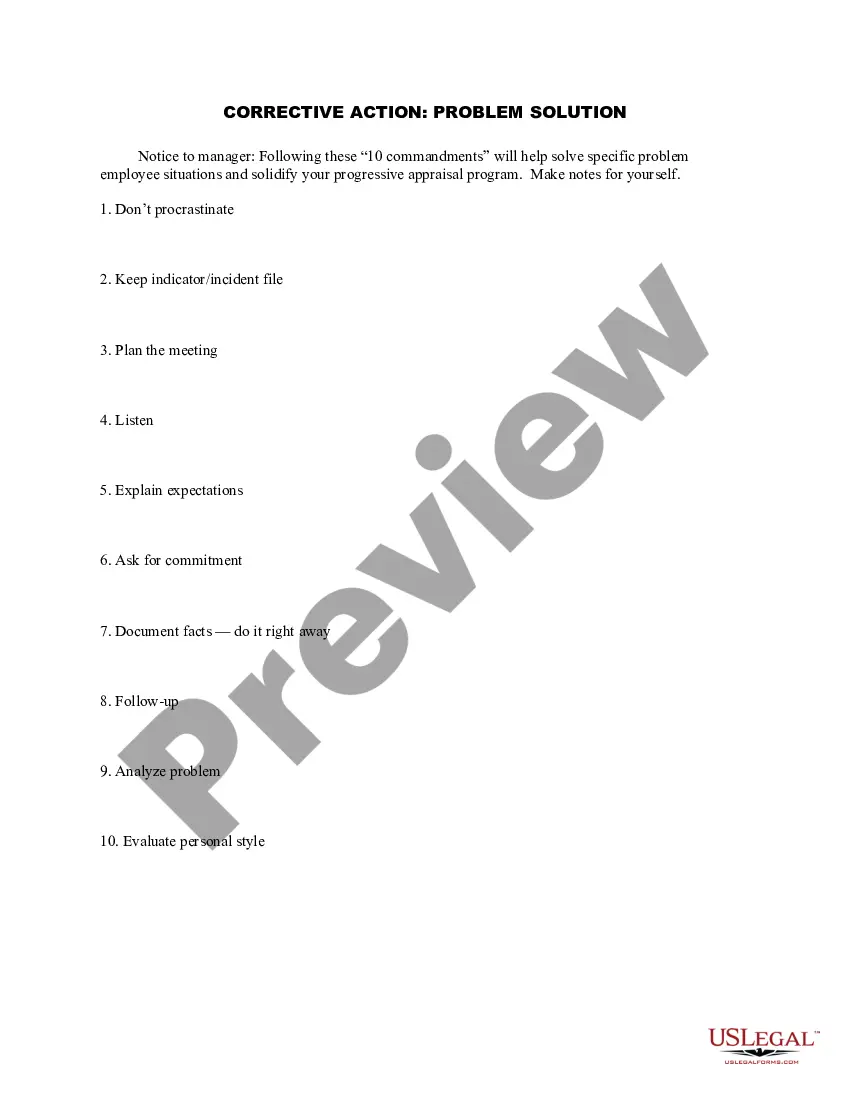
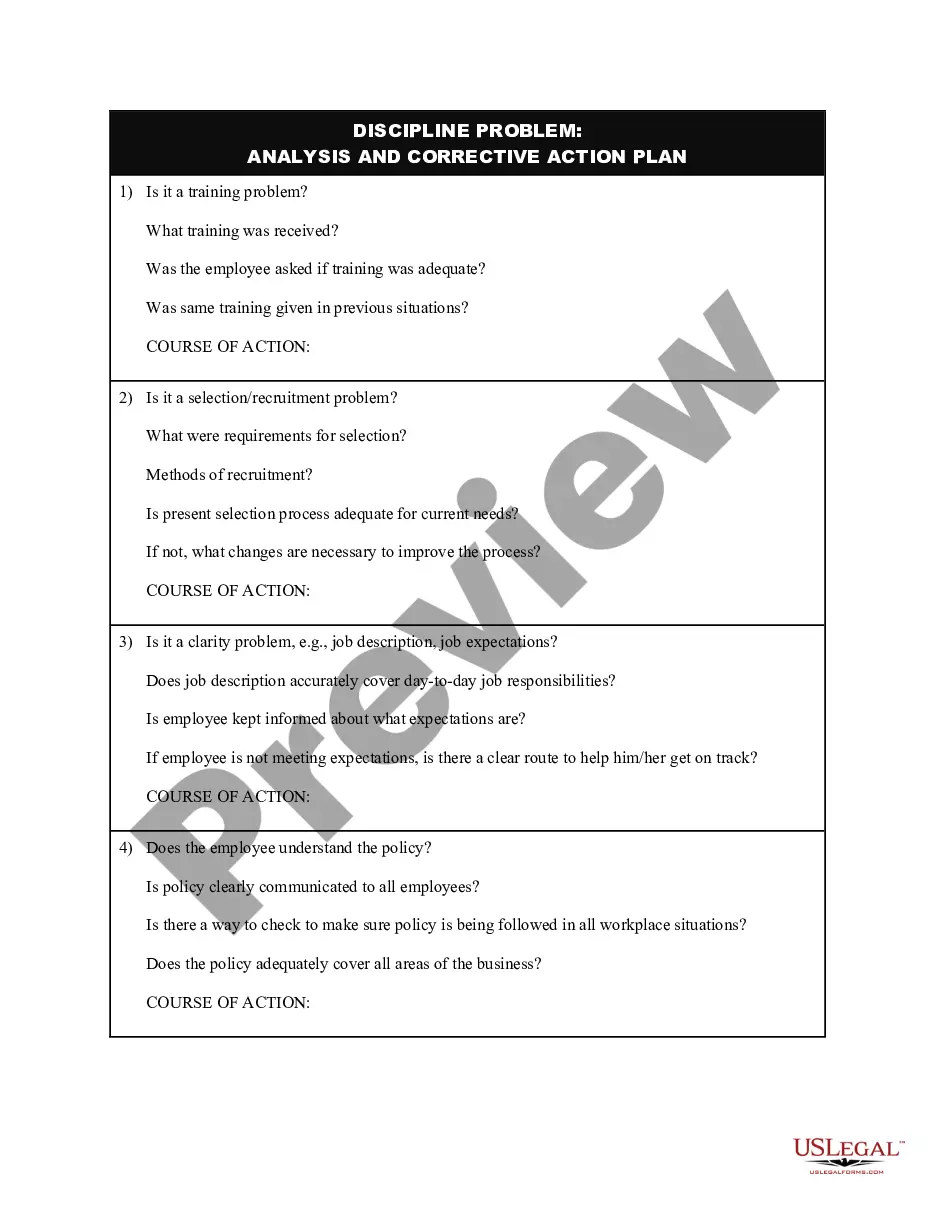
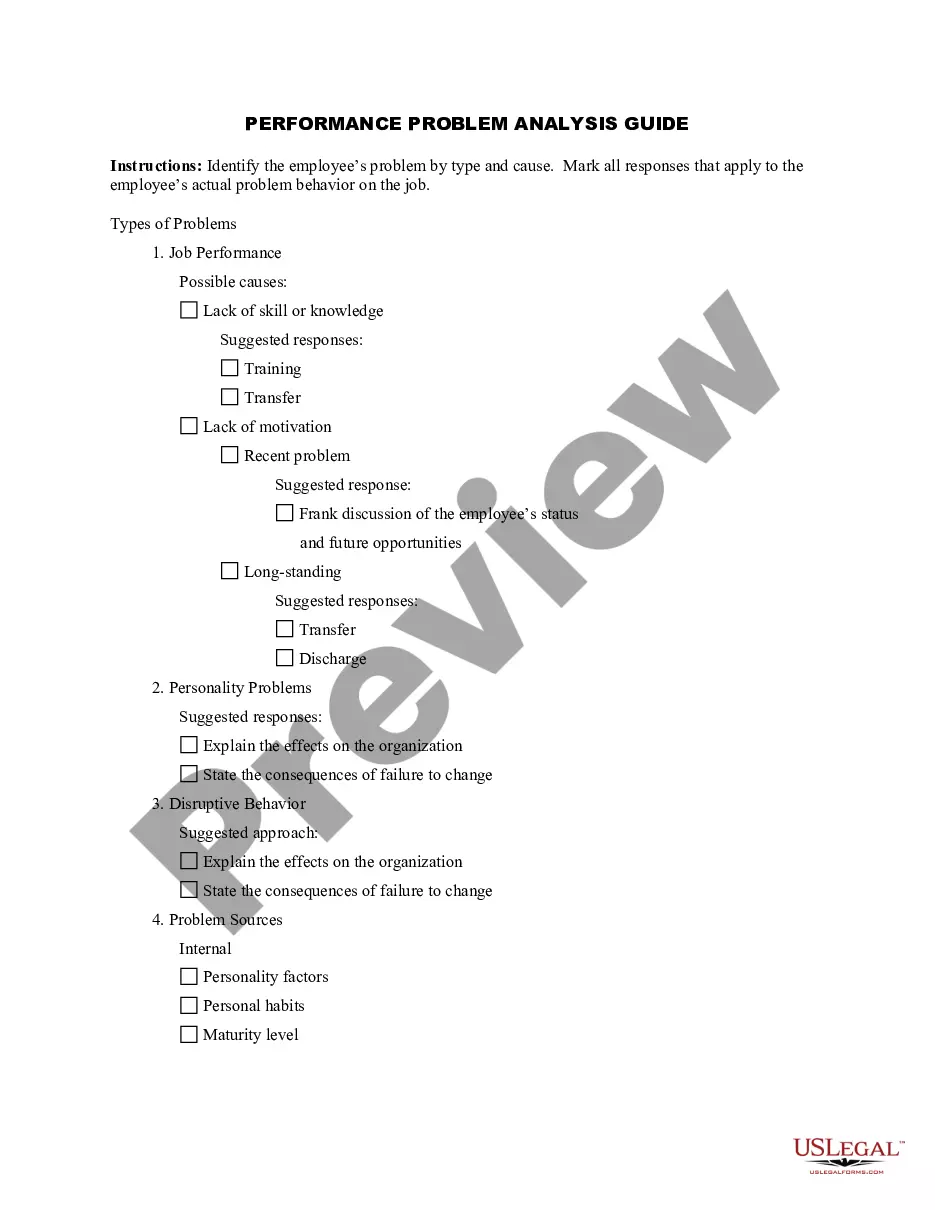
The Corrective Action - Problem Solution form is designed to assist managers and human resources personnel in addressing specific employee issues effectively. This form is integral to implementing a progressive appraisal program, providing structured guidance for documenting and resolving performance or conduct-related challenges.
What’s included in this form
- Incident identification: Clearly state the problem or behavior that necessitates corrective action.
- Documentation section: Record specific details about the incident including dates, times, and involved parties.
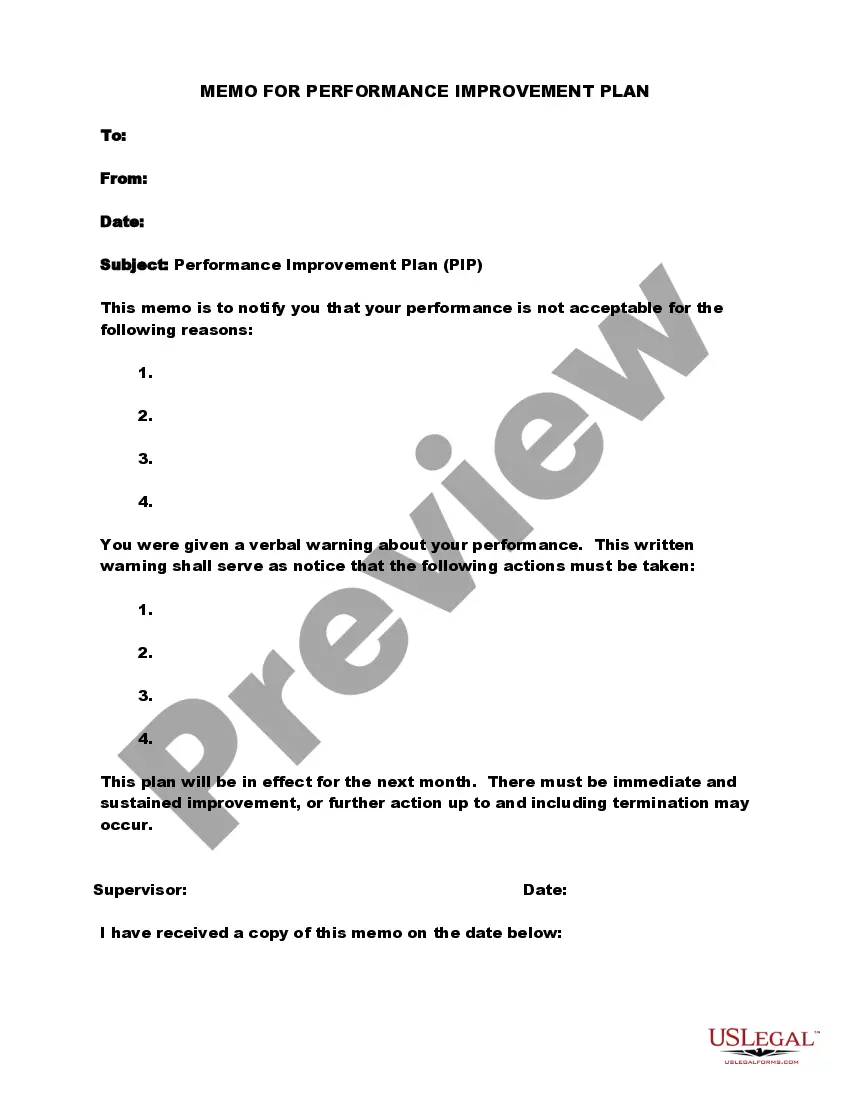
- Action plan: Outline the steps to be taken to resolve the issue, including expectations for future behavior.
- Follow-up section: Specify how and when follow-up will occur to monitor progress.
- Signature lines: Designate spaces for signatures from both the supervisor and the employee to indicate receipt and acknowledgement of the corrective action.
When this form is needed
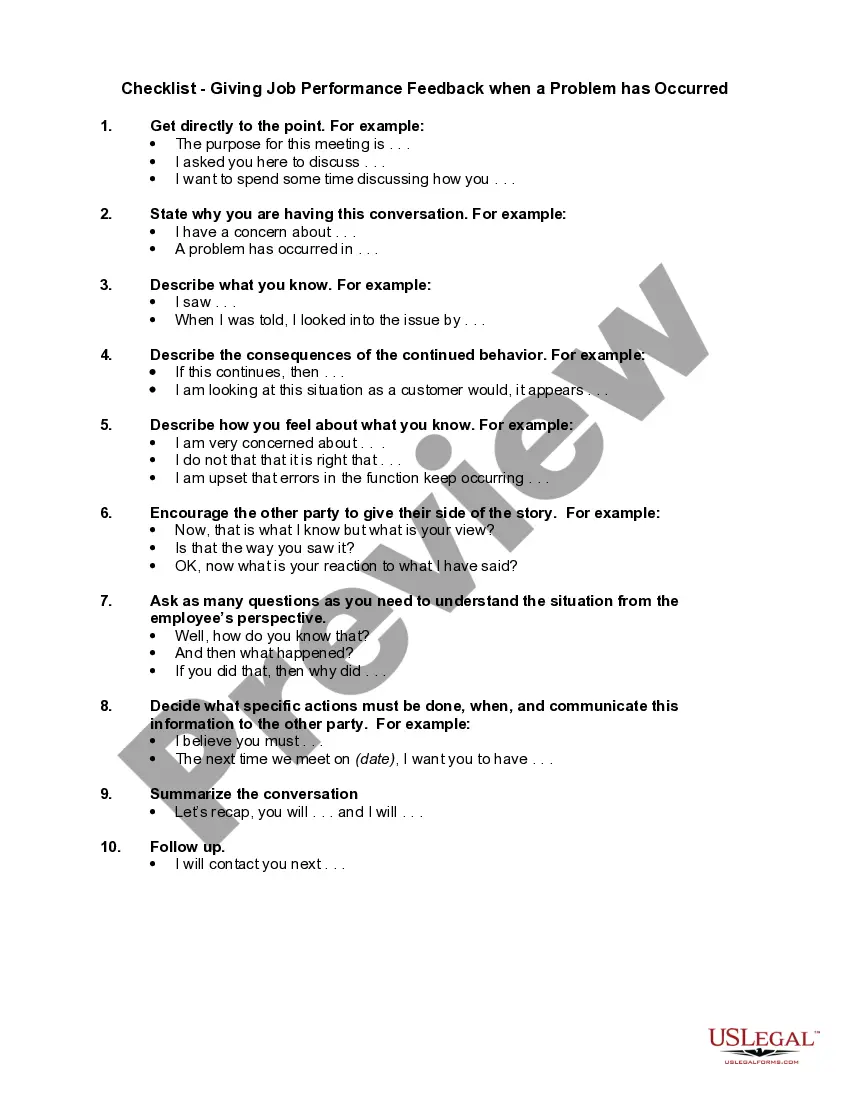
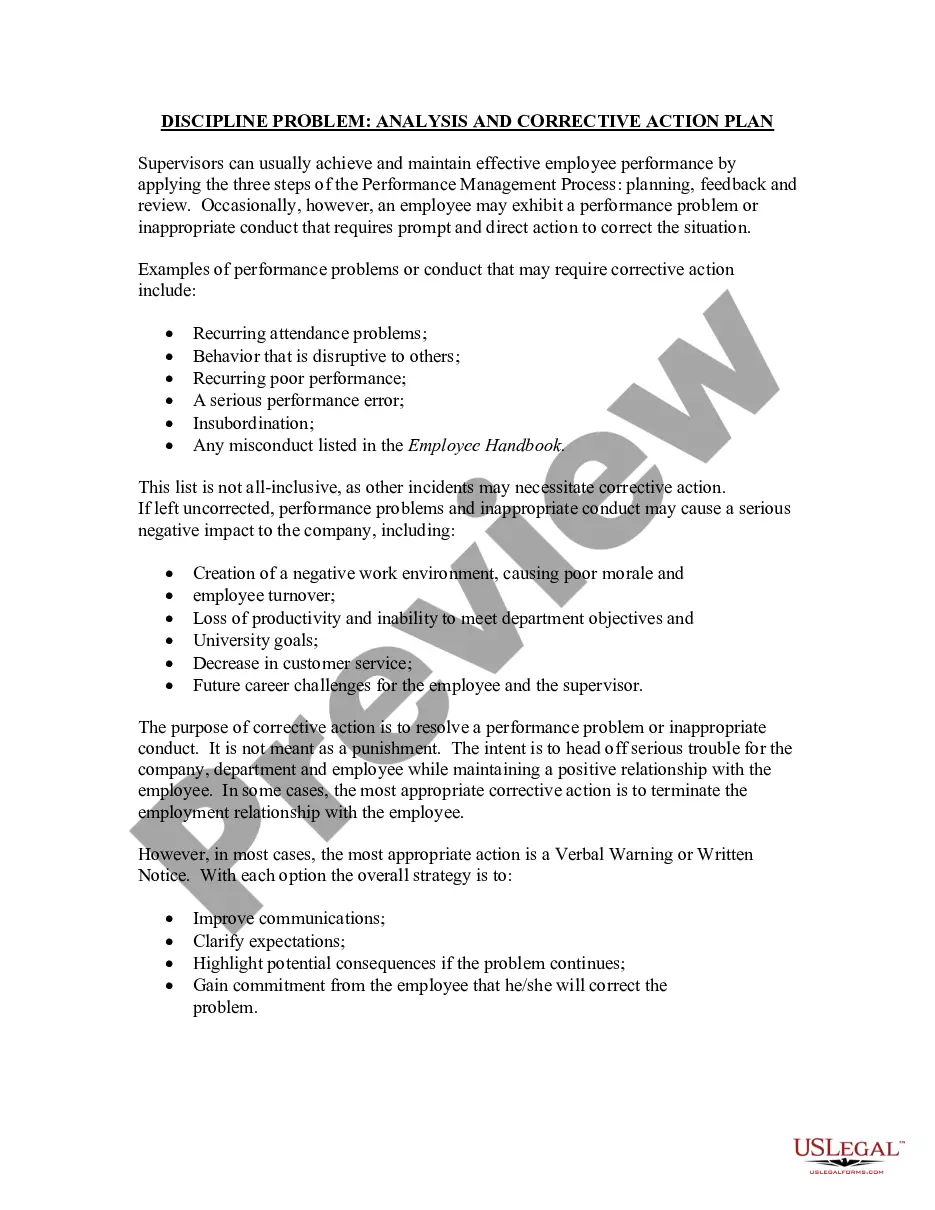
This form should be used when an employee exhibits performance issues, behavioral problems, or when there is a need for formal documentation of discussions regarding expected changes in conduct. It is particularly relevant to situations involving repeated offenses or when previous informal discussions have not achieved desired outcomes.
Who needs this form
Eligible users of the Corrective Action - Problem Solution form include:
- Managers who need to document employee performance issues.
- Human Resource personnel involved in employee relations and disciplinary actions.
- Supervisors who are implementing progressive discipline within their teams.
How to complete this form
- Identify and document the specific incident or behavior that needs correction.
- Detail the context and any previous discussions related to the employees' performance.
- Outline the corrective actions to be implemented and the timeframe for expected changes.
- Include additional notes from the meeting where this corrective action is discussed.
- Ensure all parties involved sign the document to acknowledge receipt and understanding of the corrective action.
Notarization guidance
This form does not typically require notarization unless specified by local law.
Get your form ready online
Our built-in tools help you complete, sign, share, and store your documents in one place.
Make edits, fill in missing information, and update formatting in US Legal Forms—just like you would in MS Word.
Download a copy, print it, send it by email, or mail it via USPS—whatever works best for your next step.
Sign and collect signatures with our SignNow integration. Send to multiple recipients, set reminders, and more. Go Premium to unlock E-Sign.
If this form requires notarization, complete it online through a secure video call—no need to meet a notary in person or wait for an appointment.
We protect your documents and personal data by following strict security and privacy standards.

Make edits, fill in missing information, and update formatting in US Legal Forms—just like you would in MS Word.

Download a copy, print it, send it by email, or mail it via USPS—whatever works best for your next step.

Sign and collect signatures with our SignNow integration. Send to multiple recipients, set reminders, and more. Go Premium to unlock E-Sign.

If this form requires notarization, complete it online through a secure video call—no need to meet a notary in person or wait for an appointment.

We protect your documents and personal data by following strict security and privacy standards.
Common mistakes to avoid
- Failing to document prior discussions or warnings before proceeding with the corrective action.
- Not being specific about the behavior or performance issues, leading to confusion.
- Neglecting to include action items and timelines for follow-up and assessment.
- Forgetting to obtain signatures to confirm the employee's acknowledgment and understanding.
Why complete this form online
- Convenience: Access and complete the form anytime and anywhere with an internet connection.
- Editability: Easily make revisions or updates without needing to start from scratch.
- Reliability: Using professionally drafted templates ensures that the documentation adheres to legal standards.
Summary of main points
- The Corrective Action - Problem Solution form is essential for effectively managing employee performance issues.
- Completing the form ensures clear documentation and supports a structured approach.
- It is designed to be used across multiple states, promoting consistent performance management practices.
Looking for another form?

Form popularity
FAQ
Who Needs CAPA? Imagine you suddenly get a flurry of customer complaints regarding a defective product. Criteria for a Good CAPA Plan. Identify the Issue. Evaluate the Severity of the Issue. Investigate the Root Cause. Determine Resolution Options. Implement Corrective Actions. Implement Preventive Actions.
For example, putting out a fire in the office is a correction. This action eliminates the problem. Corrective actions, on the other hand, eliminate the root cause of the problem, preventing future issues. The corresponding corrective actions, then, address the root cause of the fire, such as fixing old wiring.
Step One: Root Cause Analysis. In order for us to be able to give a solution to any problem, we must recognize the nature of the issues involved. Step Two: Corrective Measures. Step Three: Expected Outcomes. Step Four: Implement The Plan. Step Five: Follow Up and Monitor Compliance.
For example, putting out a fire in the office is a correction. This action eliminates the problem. Corrective actions, on the other hand, eliminate the root cause of the problem, preventing future issues. The corresponding corrective actions, then, address the root cause of the fire, such as fixing old wiring.
Finding: What is the finding and why did it occur? Action Taken/Who: List the action taken to correct the finding. When: Provide the date(s) when corrective action(s) was/were implemented or will be implemented.
The nature of nonconformities you have taken corrective actions for. The actions taken in the corrective actions. The results of the corrective actions, which would include the effectiveness.
1) Review the DRs/CARs with the customer. 2) Organize for successful CAP management. 3) Begin a thorough Root Cause Analysis. 4) Develop and evaluate Corrective Action Plans. 5) Develop verification closure steps. 6) Develop a detailed Integrated Master Schedule for CAP implementation.
Identify the weakness. Perform root cause analysis. Evaluate the impact of the weakness. Develop CAP components. Implement CAP monitoring and follow-up of CAP progress. Testing and validation of CAP. Close CAP when steps are complete.
Step 1: Understand System Requirements (Plan) Step 2: Plan the Process (Plan) Step 3: Develop and Document (Do) Step 4: Conduct Training (Do) Step 5: Implement (Do) Step 6: Test the System (Check) Step 7: Adjust and Improve (Act)