Church Baptist
Description
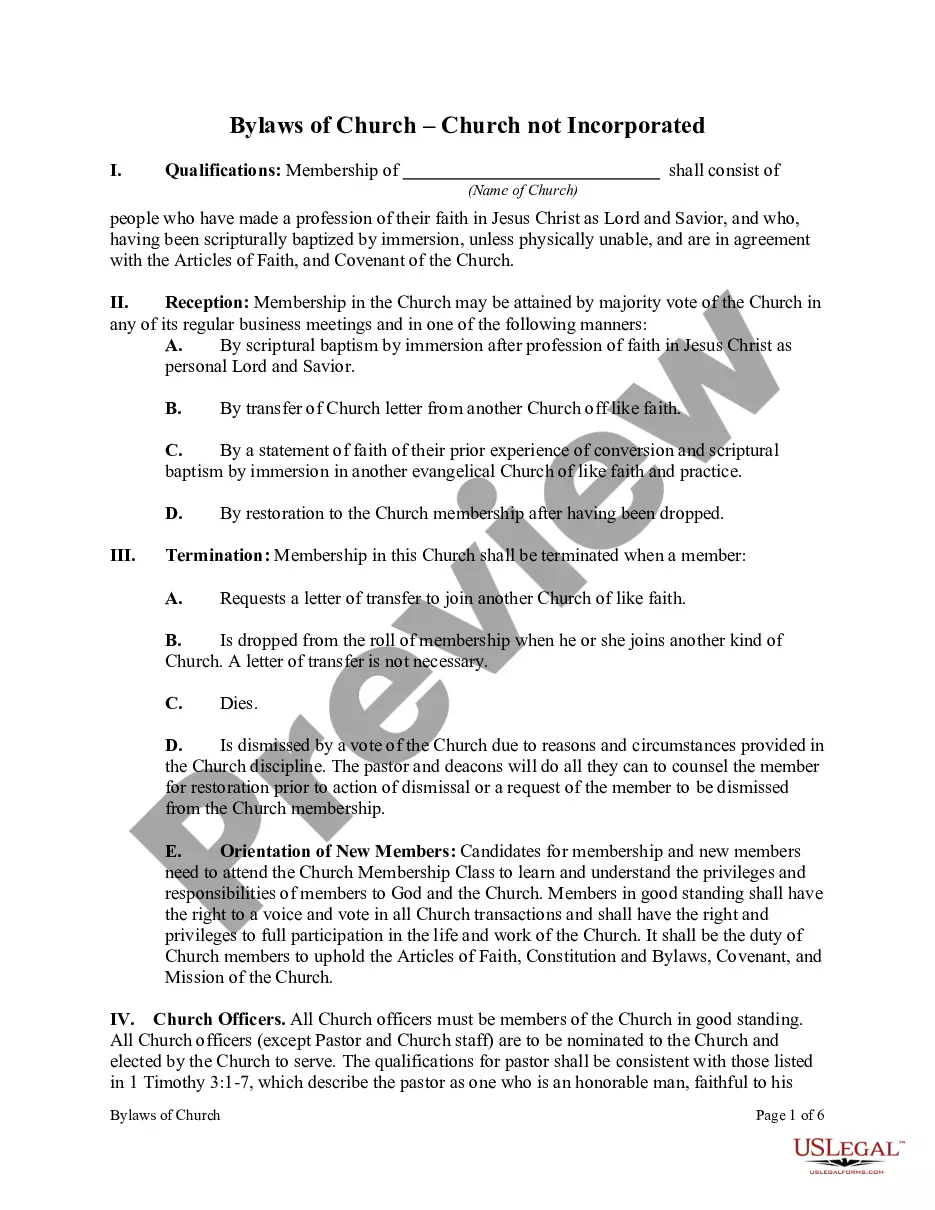
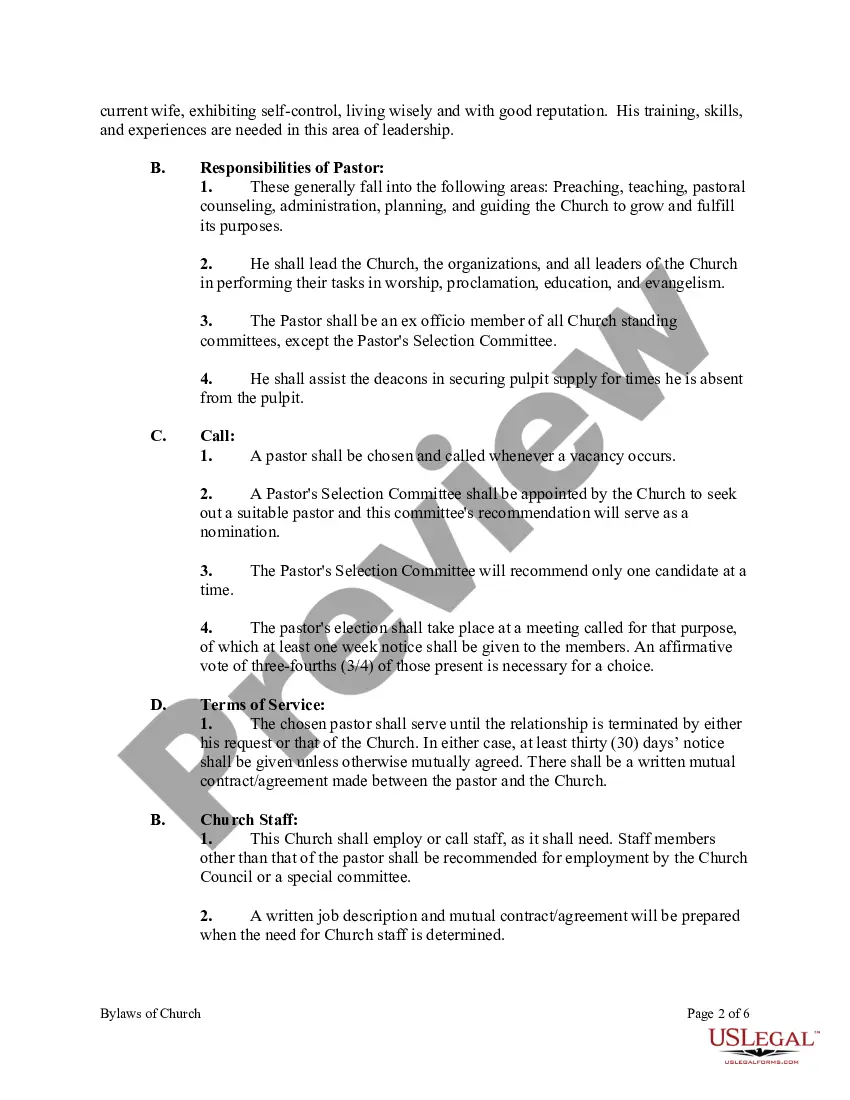
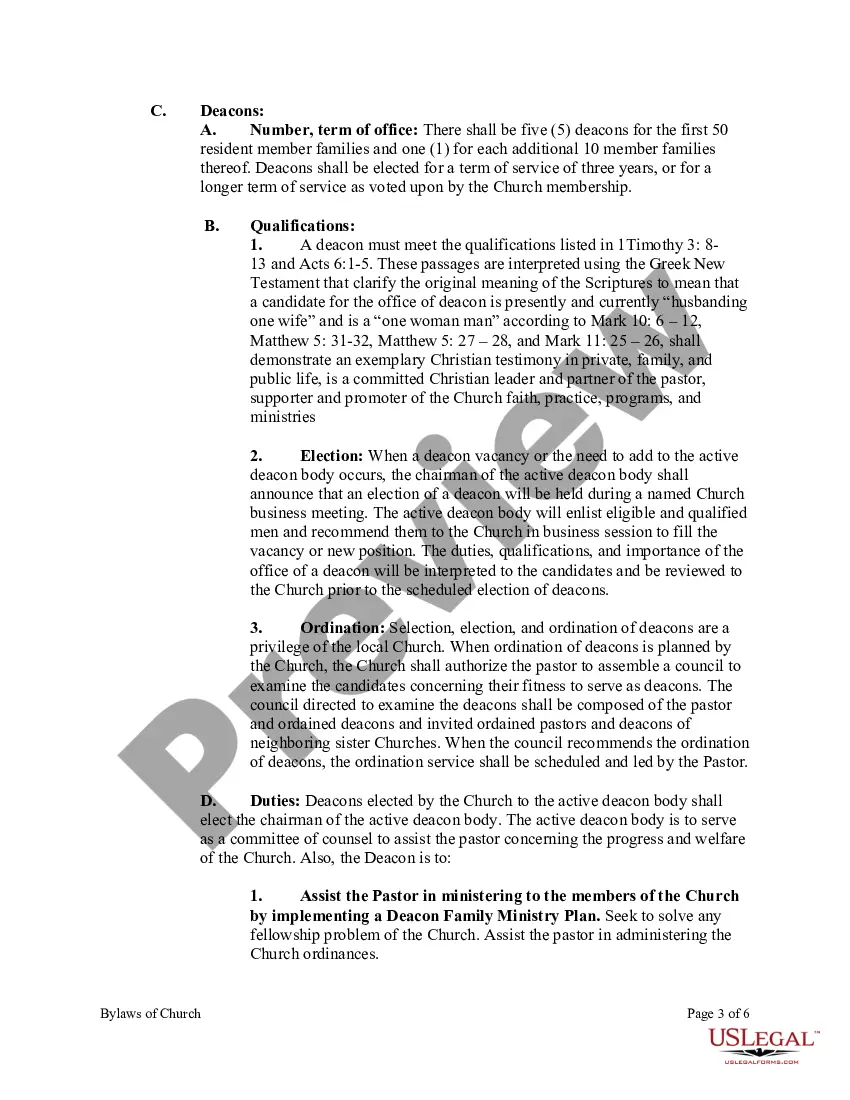
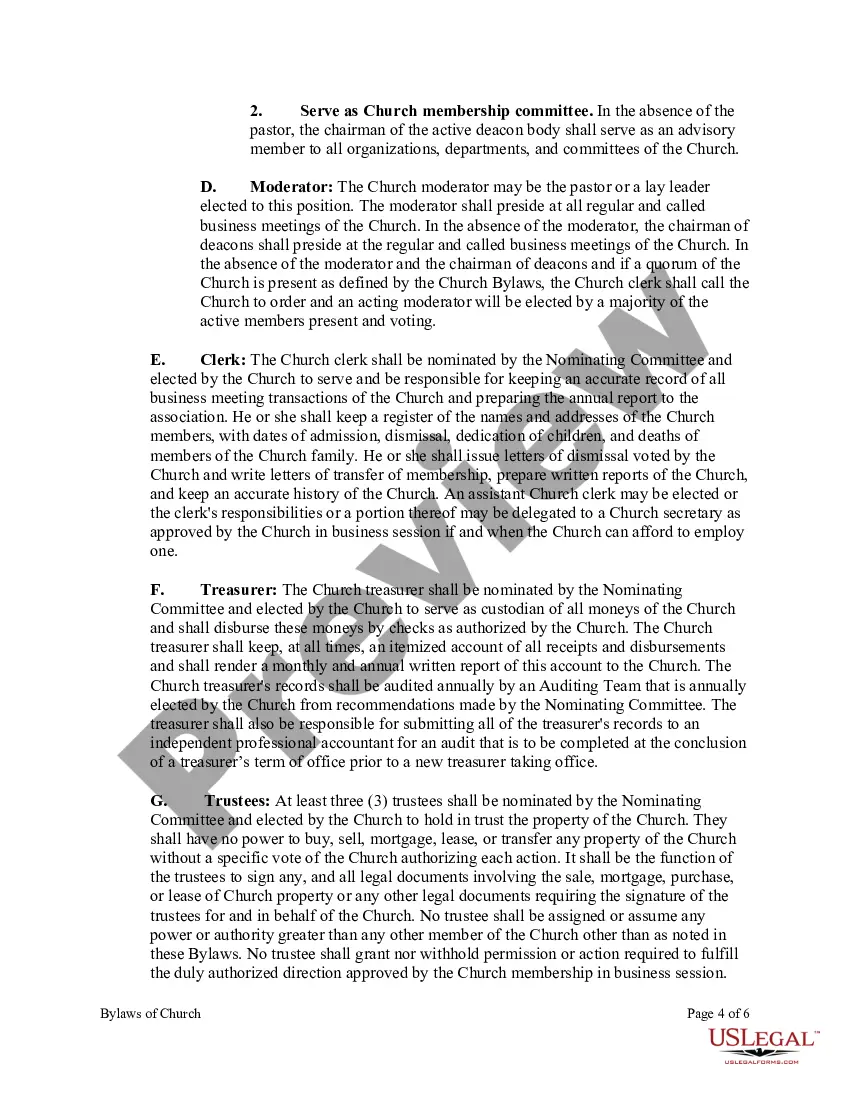
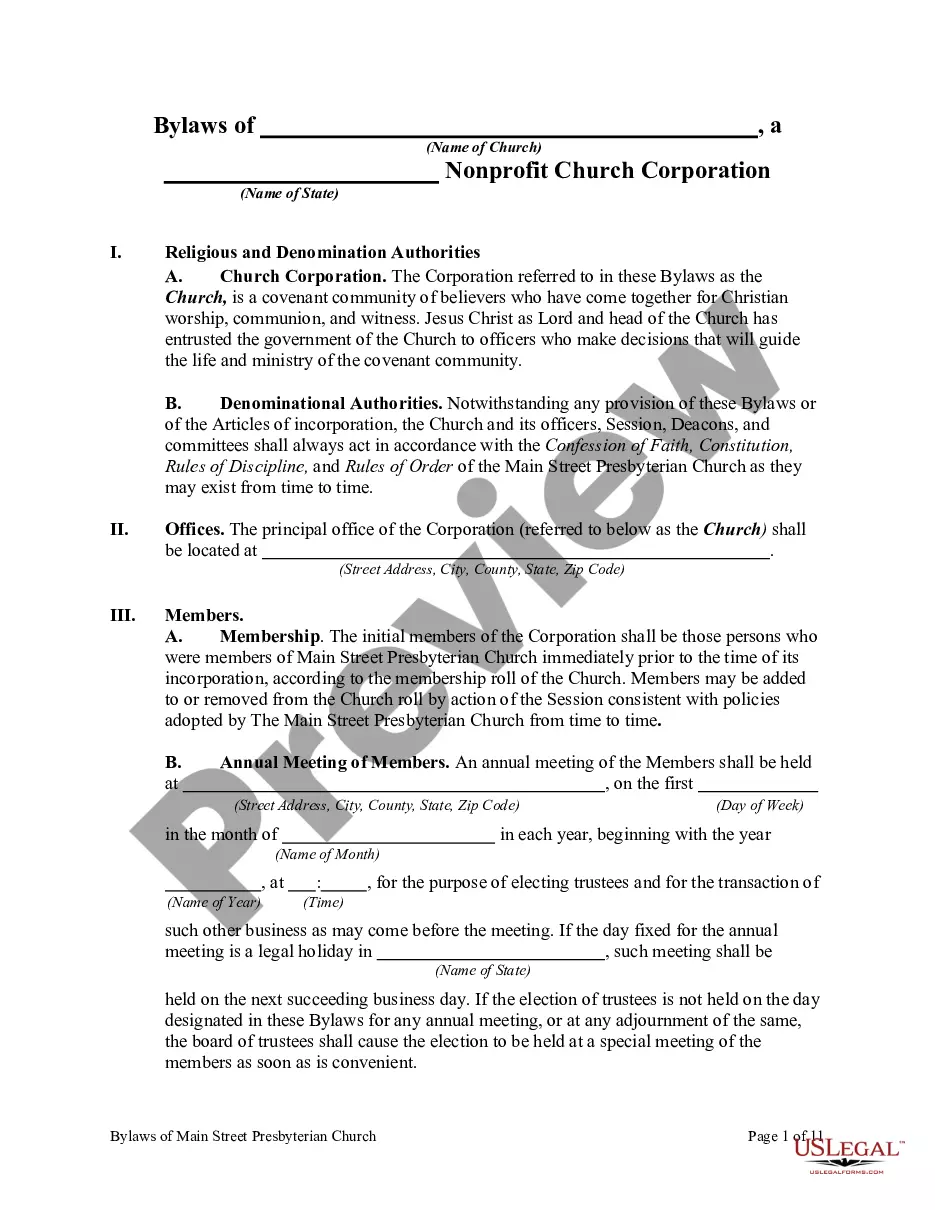
Get your form ready online
Our built-in tools help you complete, sign, share, and store your documents in one place.
Make edits, fill in missing information, and update formatting in US Legal Forms—just like you would in MS Word.
Download a copy, print it, send it by email, or mail it via USPS—whatever works best for your next step.
Sign and collect signatures with our SignNow integration. Send to multiple recipients, set reminders, and more. Go Premium to unlock E-Sign.
If this form requires notarization, complete it online through a secure video call—no need to meet a notary in person or wait for an appointment.
We protect your documents and personal data by following strict security and privacy standards.

Make edits, fill in missing information, and update formatting in US Legal Forms—just like you would in MS Word.

Download a copy, print it, send it by email, or mail it via USPS—whatever works best for your next step.

Sign and collect signatures with our SignNow integration. Send to multiple recipients, set reminders, and more. Go Premium to unlock E-Sign.

If this form requires notarization, complete it online through a secure video call—no need to meet a notary in person or wait for an appointment.

We protect your documents and personal data by following strict security and privacy standards.
Looking for another form?
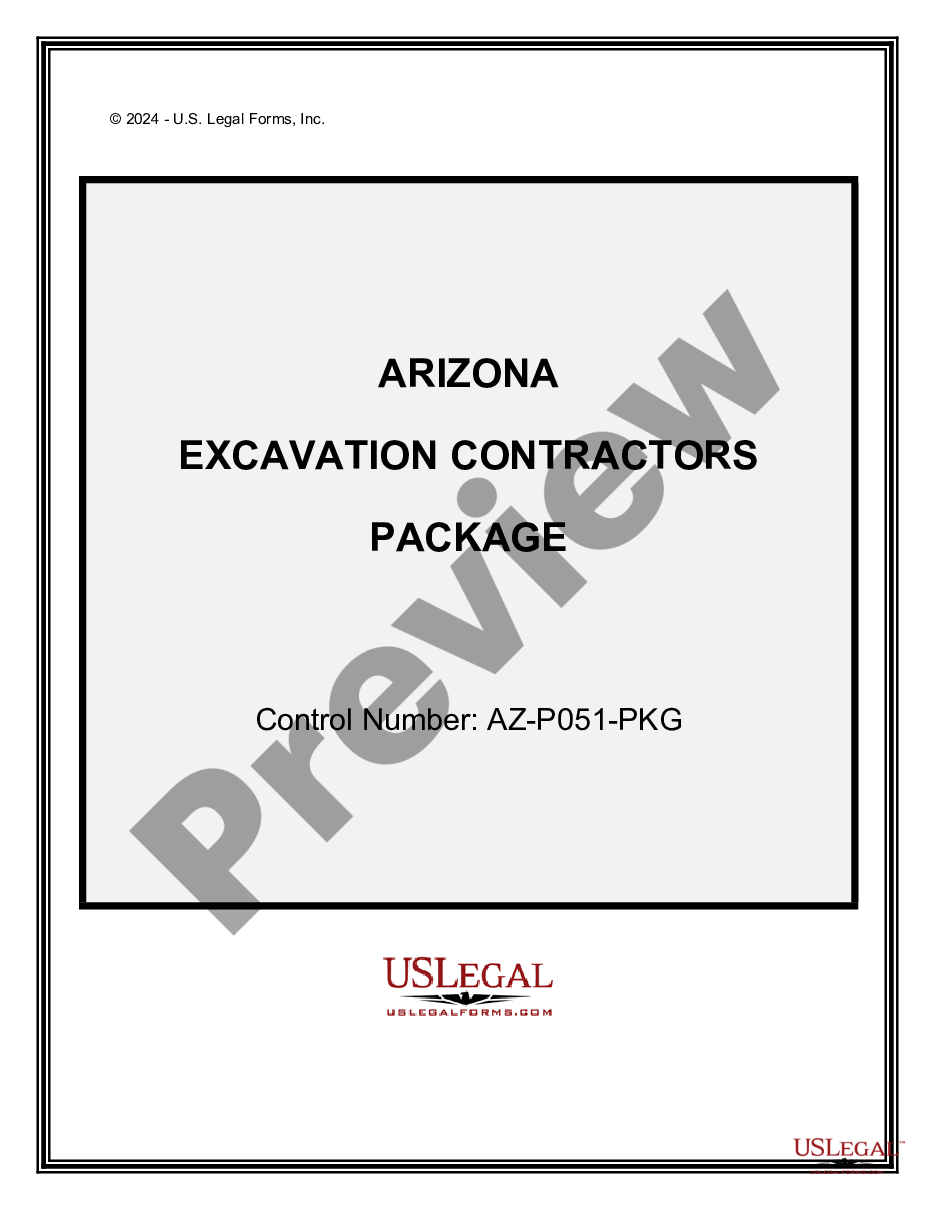



How to fill out Bylaws Of Church - Church Not Incorporated?
- If you're an existing user, log in to your account to fetch the needed form template. Ensure your subscription is active; renew if necessary.
- For first-time users, explore the Preview mode to review the form descriptions. This ensures you select the appropriate template that aligns with your local jurisdiction.
- If the first template doesn’t meet your needs, utilize the Search tab to find the right form.
- Once you locate a suitable document, click on the 'Buy Now' button and choose a subscription plan that works for you. Registration for an account is required for full access.
- Proceed to make your purchase by entering your credit card information or using your PayPal account.
- After payment, download your form and save it onto your device. You can always revisit it later in the My Forms section.
By utilizing US Legal Forms, you are empowered to create precise and legally sound church baptist documents. The extensive library and access to premium experts ensures your forms meet the highest standards.
Start your journey today and experience the convenience of US Legal Forms for all your legal documentation needs!
Form popularity
FAQ
A typical Baptist church service features singing, prayer, scripture reading, and a sermon. Services often include elements like communion and fellowship, which focus on worship and community spirit. The format may vary by congregation, but the essence remains rooted in the teachings of the Church Baptist. Familiarizing yourself with these elements can enhance your experience as a visitor or new member.
Writing a church profile involves gathering and summarizing key information about the church's history, mission, and beliefs. Start with a brief introduction of your Church Baptist, emphasize its community involvement, and outline its services. Using a structured approach can help ensure that all essential aspects are covered, and platforms like USLegalForms can provide useful templates.
A church profile is a comprehensive document detailing a church’s identity, beliefs, activities, and community impact. It often includes information on the Church Baptist denomination and how it serves its congregation and community. This profile can help outline the church's strengths and areas for growth, proving essential for outreach and engagement.
The Baptists primarily believe in salvation through faith in Jesus Christ, the authority of the Bible, and the practice of believer's baptism. These core beliefs emphasize personal faith and commitment to God, aligning with the principles of the Church Baptist. Understanding these beliefs is fundamental for new members and those seeking to learn more about the church's teachings.
To create a church profile, outline essential information like the church's history, mission statement, and services offered. Include details specific to the Church Baptist, such as beliefs and community involvement. A well-structured profile helps communicate your church’s purpose effectively. USLegalForms provides templates to assist you in organizing this information.
Writing a short bio for a church requires a clear presentation of its mission and values. Start by stating the church's denomination, such as the Church Baptist, and highlight its key programs and community role. Keep it concise and engaging to attract potential members and visitors. You may also consider using templates from platforms like USLegalForms to ensure comprehensive coverage.
An annual church profile serves as a summary of a church's activities and statistics over the past year. This document provides insights into membership trends, financial performance, and community engagement. For a Church Baptist, completing an annual profile can reveal opportunities for growth and areas needing improvement. Using tools like USLegalForms can streamline this process.
It’s important to clarify that Baptists are indeed Christians, but they adhere to specific beliefs that set them apart from other Christian groups. Baptists practice baptism only for those who have made a personal profession of faith, distinguishing them from many other denominations that might baptize infants. This belief in adult baptism, along with their emphasis on Scripture as the guiding authority, creates a unique identity within the broader Christian community.
Catholics and Baptists differ significantly in their beliefs about the role of tradition and the interpretation of the Bible. In the Catholic Church, tradition holds significant authority alongside Scripture, whereas Baptists prioritize the Bible alone. Moreover, Baptists emphasize personal faith and a direct relationship with God, while Catholics engage in a system of sacraments administered by clergy.
The Catholic religion practices sacraments, such as Confirmation and Eucharist, while the Baptist church primarily recognizes two ordinances: baptism and the Lord's Supper. Additionally, Catholics follow a hierarchical structure led by the Pope, whereas Baptist churches operate independently with individual governance. This fundamental difference in authority and practices separates the two religious traditions.