Estate Documents
Description
Get your form ready online
Our built-in tools help you complete, sign, share, and store your documents in one place.
Make edits, fill in missing information, and update formatting in US Legal Forms—just like you would in MS Word.
Download a copy, print it, send it by email, or mail it via USPS—whatever works best for your next step.
Sign and collect signatures with our SignNow integration. Send to multiple recipients, set reminders, and more. Go Premium to unlock E-Sign.
If this form requires notarization, complete it online through a secure video call—no need to meet a notary in person or wait for an appointment.
We protect your documents and personal data by following strict security and privacy standards.

Make edits, fill in missing information, and update formatting in US Legal Forms—just like you would in MS Word.

Download a copy, print it, send it by email, or mail it via USPS—whatever works best for your next step.

Sign and collect signatures with our SignNow integration. Send to multiple recipients, set reminders, and more. Go Premium to unlock E-Sign.

If this form requires notarization, complete it online through a secure video call—no need to meet a notary in person or wait for an appointment.

We protect your documents and personal data by following strict security and privacy standards.
Looking for another form?
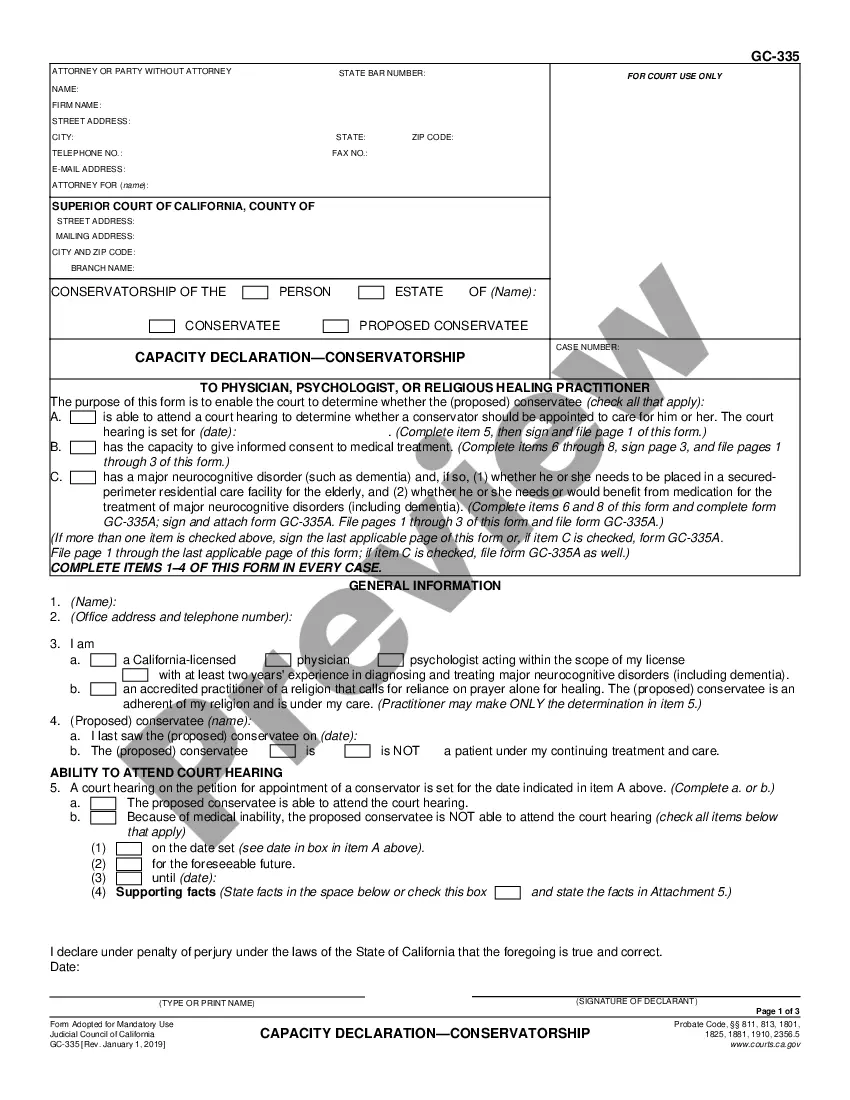
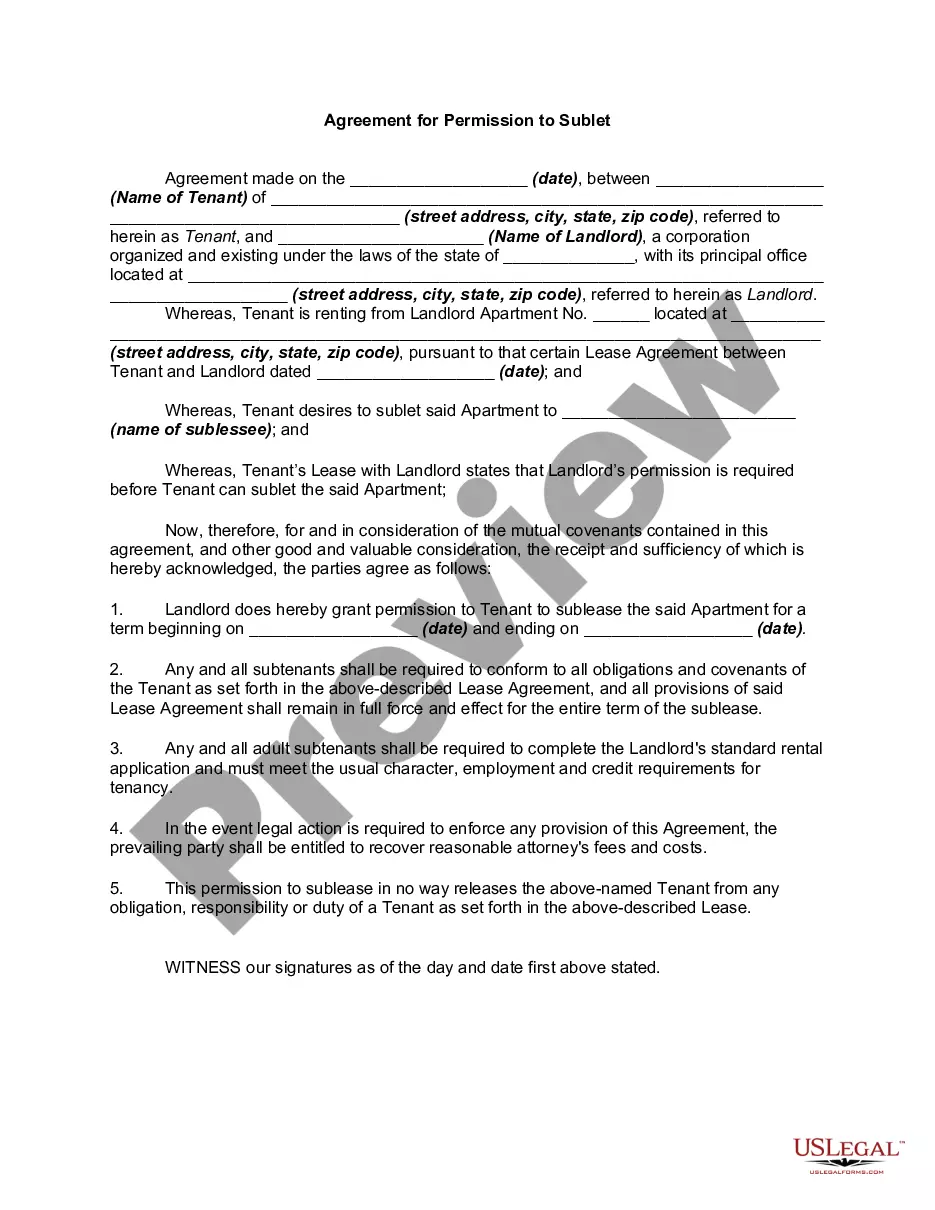
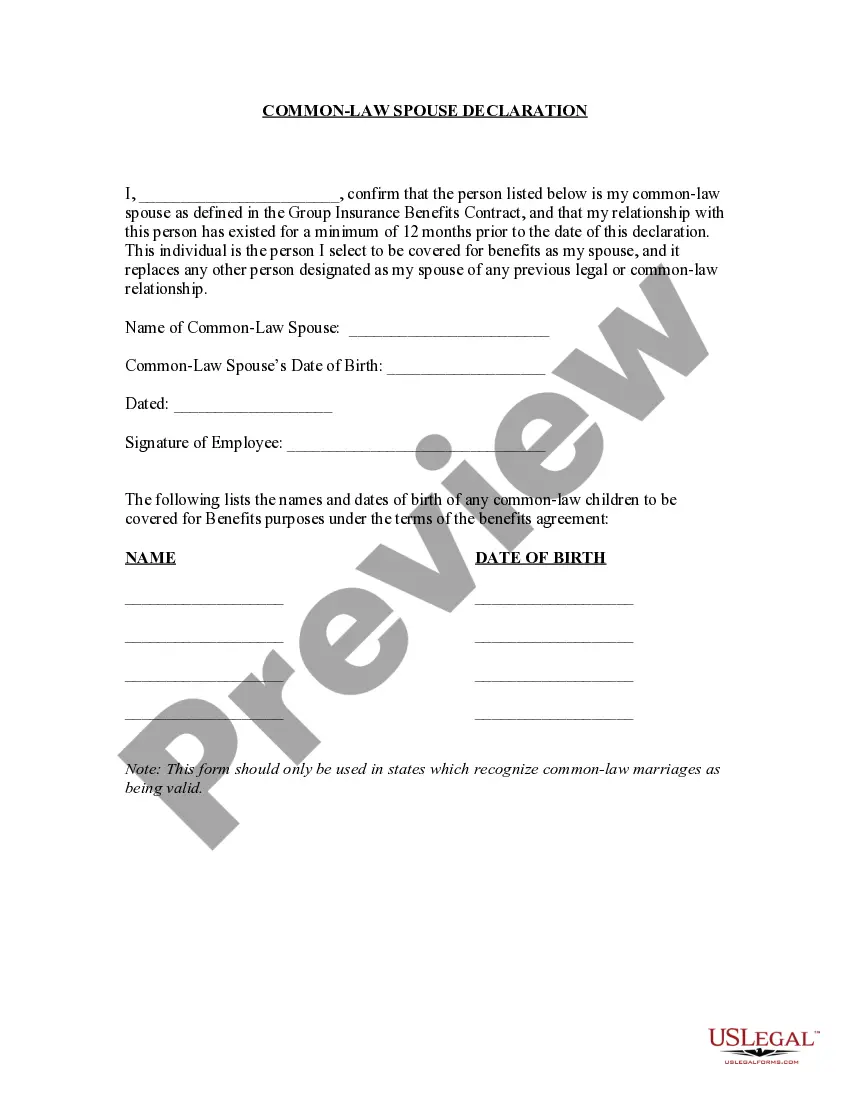


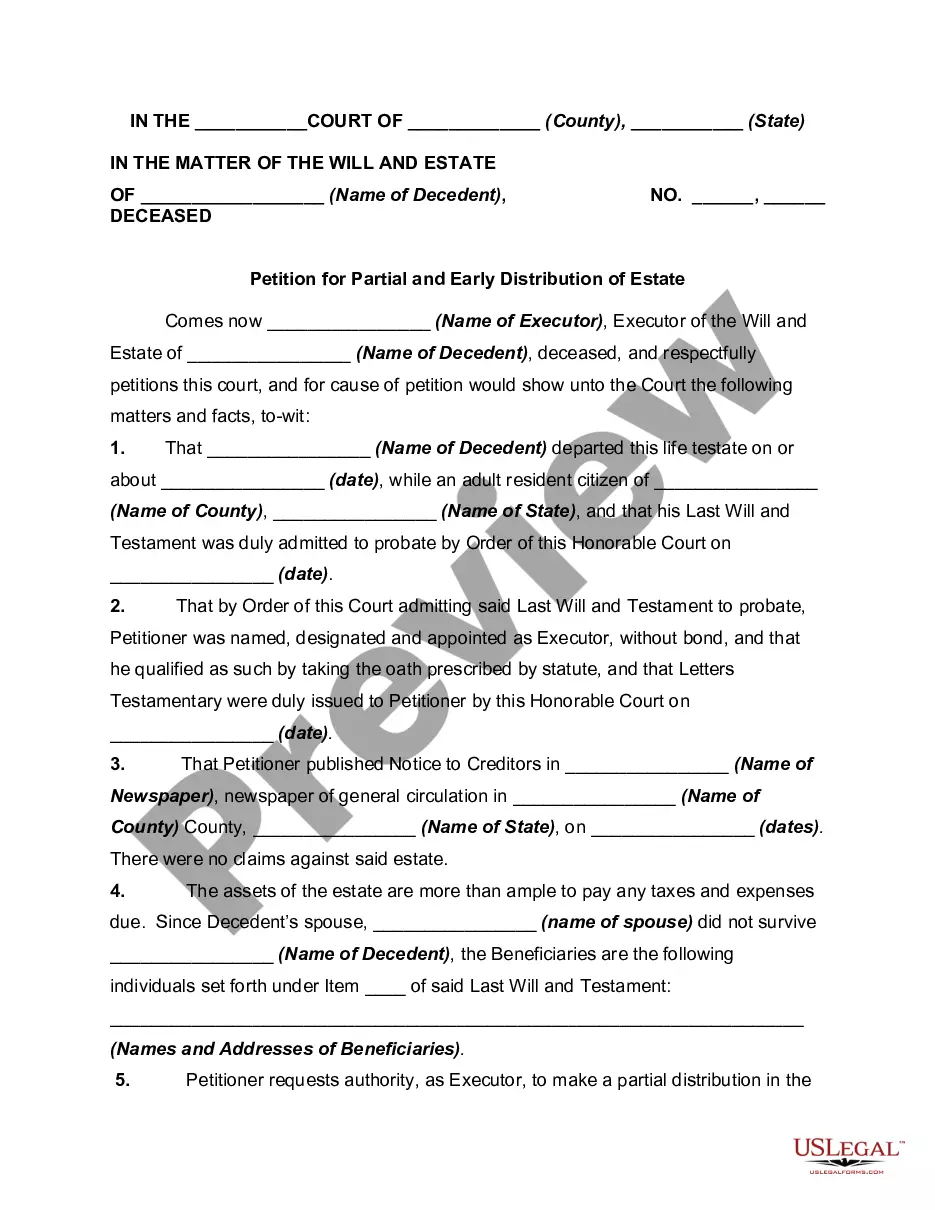
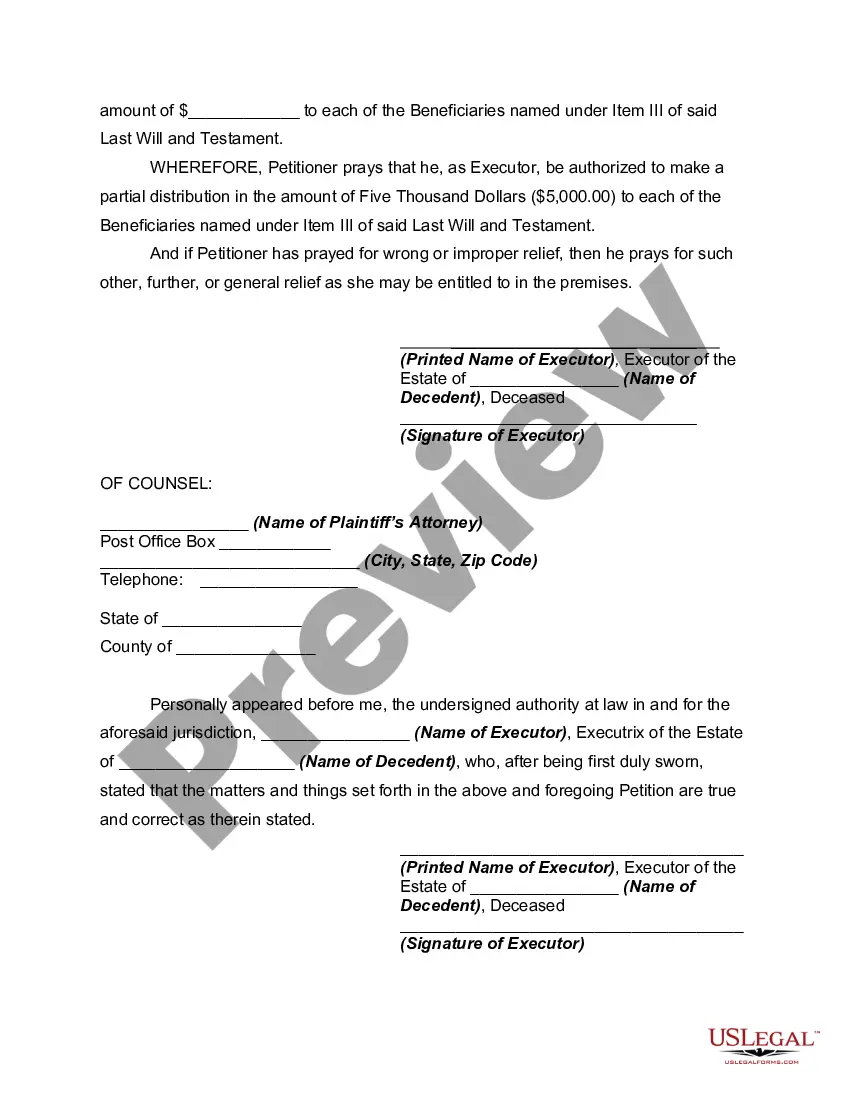
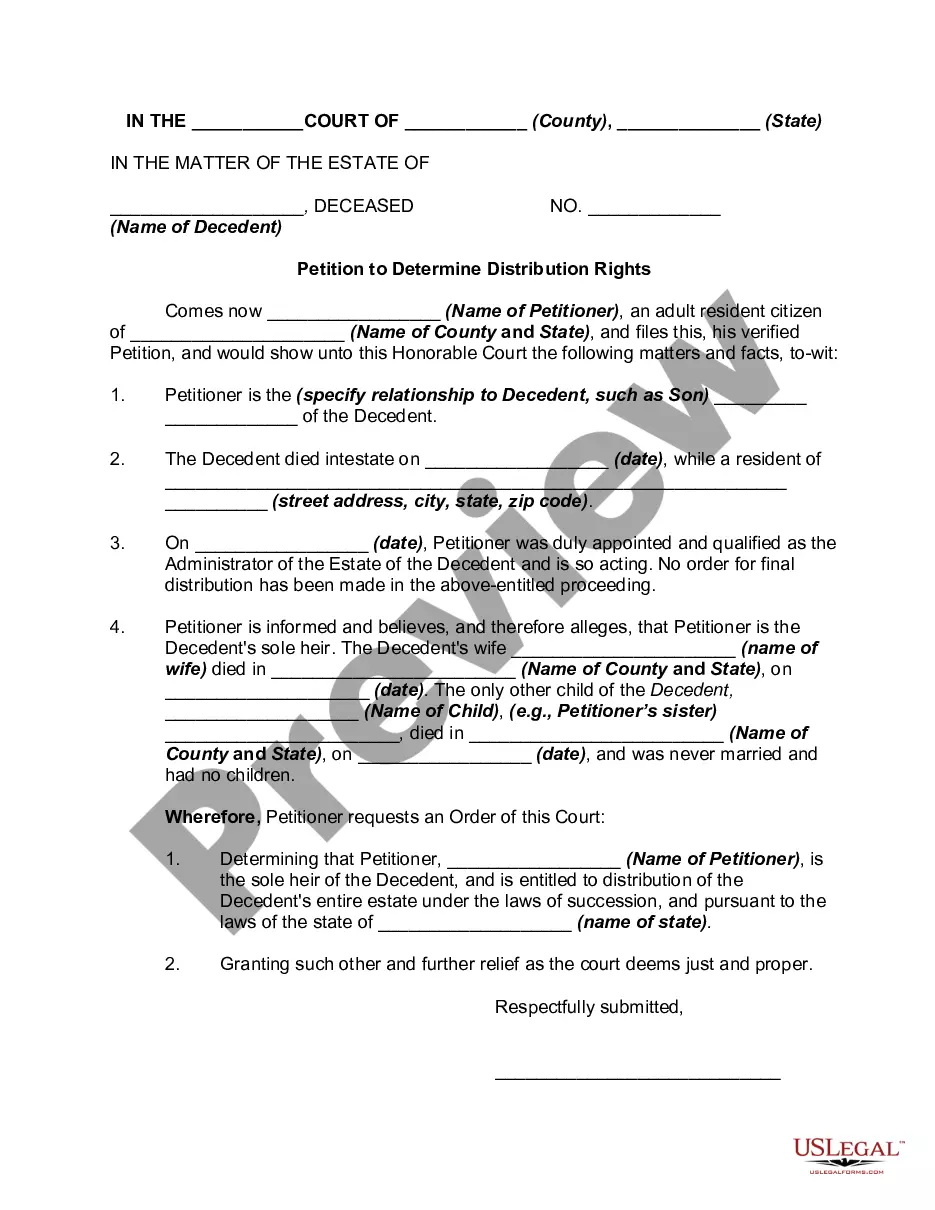
How to fill out Petition For Partial And Early Distribution Of Estate?
- If you're a returning user, log in to your account. Check your subscription status and renew if necessary, then locate the required estate document and click the Download button.
- For first-time users, begin by reviewing the Preview mode of the estate document. Ensure that it aligns with your requirements and adheres to your local jurisdiction's regulations.
- If you need a different template, utilize the Search tab to find alternatives. Once you find a suitable form, proceed to the next step.
- To purchase the document, click on the Buy Now button and select your desired subscription plan. Remember, you must create an account to access the extensive library.
- Complete your purchase by entering your payment information, either credit card details or via PayPal.
- Finally, download your estate document and save it on your device. You can access it later from the My Forms section of your account.
By following these streamlined steps, you can quickly secure your estate documents through US Legal Forms. With over 85,000 fillable forms available, you're sure to find exactly what you need.
Start your journey towards easy legal document management today and take advantage of US Legal Forms' vast resources!
Form popularity
FAQ
Non-probate assets often include retirement accounts, life insurance policies, and bank accounts with payable-on-death designations. These assets transfer directly to beneficiaries, circumventing the probate process. This distinction helps preserve your estate’s value and assists in prompt distribution. Be sure to prepare essential estate documents to designate beneficiaries accordingly.
An example of non-probate property includes a family home owned jointly with a right of survivorship. In this case, ownership automatically transfers to the surviving owner upon death, avoiding probate entirely. This can make managing estates much easier for families. Utilizing the right estate documents can help facilitate this kind of ownership arrangement.
One effective way to avoid probate is to set up a revocable living trust. By placing assets in a trust, they bypass the probate process upon your death. This can save your heirs time and reduce court fees. Consider creating estate documents that outline this strategy for more efficient estate planning.
Assets that do not go through probate include life insurance policies, retirement accounts, and jointly owned properties with rights of survivorship. Additionally, trust assets are also non-probate, as they pass directly to beneficiaries without court involvement. Understanding which assets are non-probate can simplify estate management. Consider using estate documents to establish these arrangements effectively.
Filling out an estate inventory involves detailing all the assets and debts owned by the deceased. Start by listing real estate, bank accounts, personal property, and outstanding liabilities. This comprehensive list provides a clear overview of the estate's value, simplifying probate administration. Utilizing estate documents such as inventory forms can streamline this task.
You generally have a set period, usually ranging from a few weeks to several months, to file for probate after a person's death. This timeframe varies by state, so it’s important to check local laws. Timely filing helps in handling the estate effectively and prevents complications. Familiarizing yourself with estate documents can guide you through this process better.
Accounts that typically avoid probate include joint accounts and payable-on-death accounts. Because these accounts automatically transfer to the designated beneficiary, they do not become part of the estate. This can make settling your estate much simpler and faster, saving your loved ones time and stress. Understanding estate documents can help ensure you designate appropriate beneficiaries.
Proof of estate generally refers to legal documentation that confirms the existence and validity of an estate. This often includes the will and any court-issued letters that authorize an executor to manage the estate. When dealing with legal matters, it’s important to ensure you have proper proof of estate to facilitate the probate process efficiently.
The four foundational documents of an estate plan typically include a will, a durable power of attorney, a health care directive, and a revocable trust. Each of these estate documents serves a distinct function, helping you manage your finances and health decisions, even if you become incapacitated. Having all four in place ensures a comprehensive approach to your estate planning.
An estate doc, short for estate document, refers to any legal paperwork that pertains to estate planning and administration. This can include a will, trust, or power of attorney. Each estate doc serves a specific purpose in managing your assets and ensuring your wishes are fulfilled.