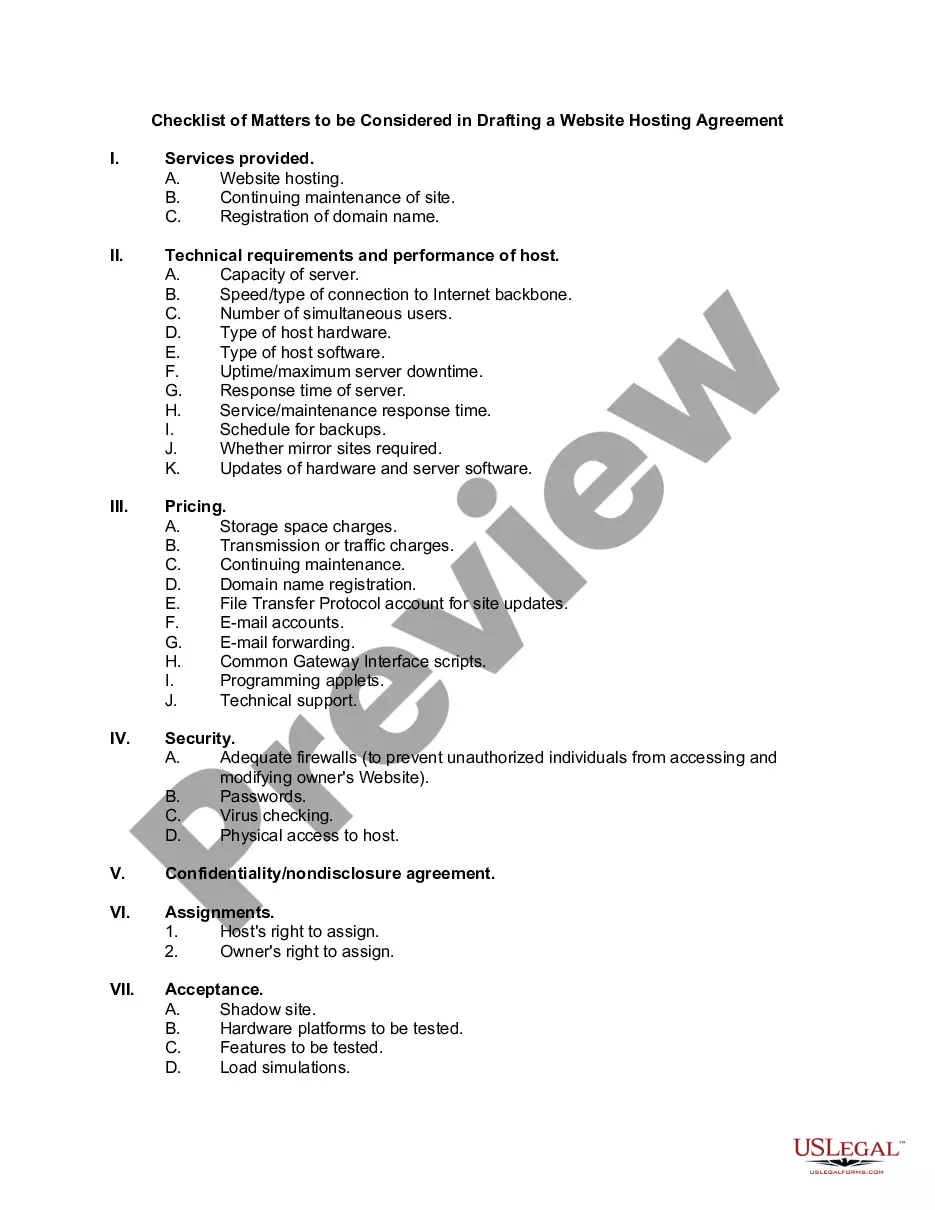
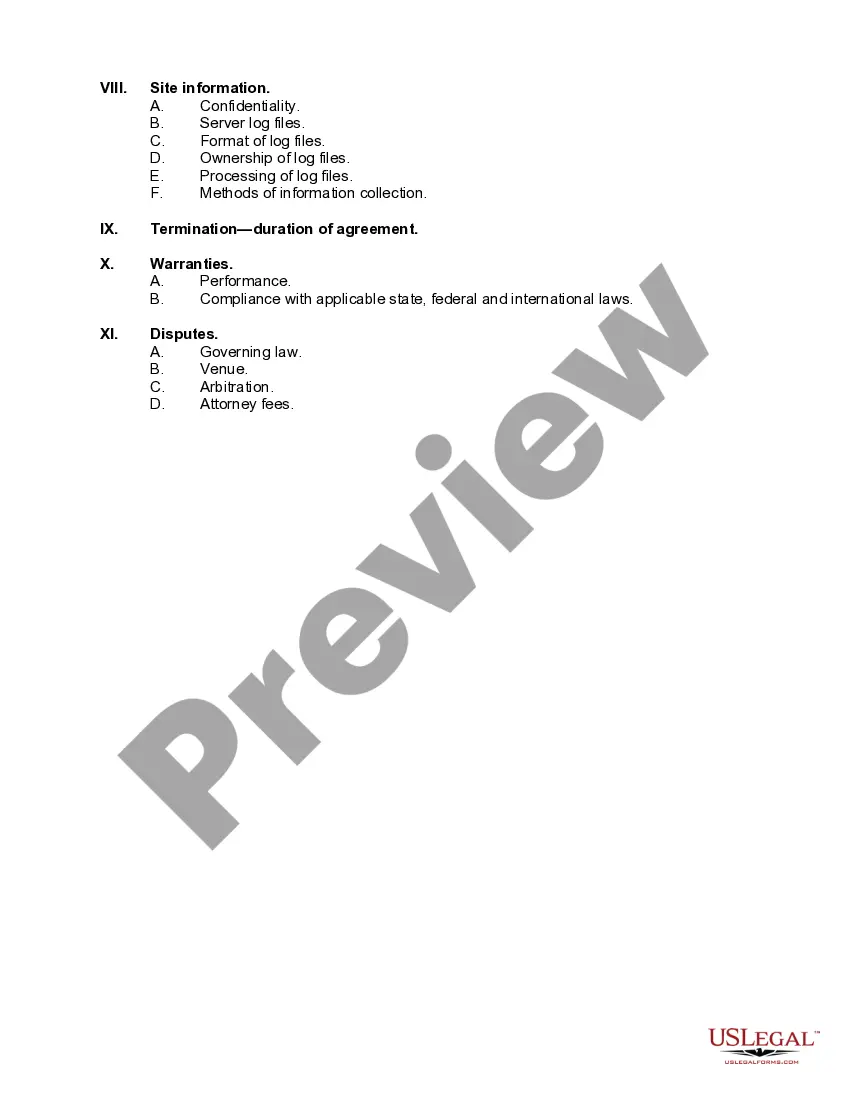
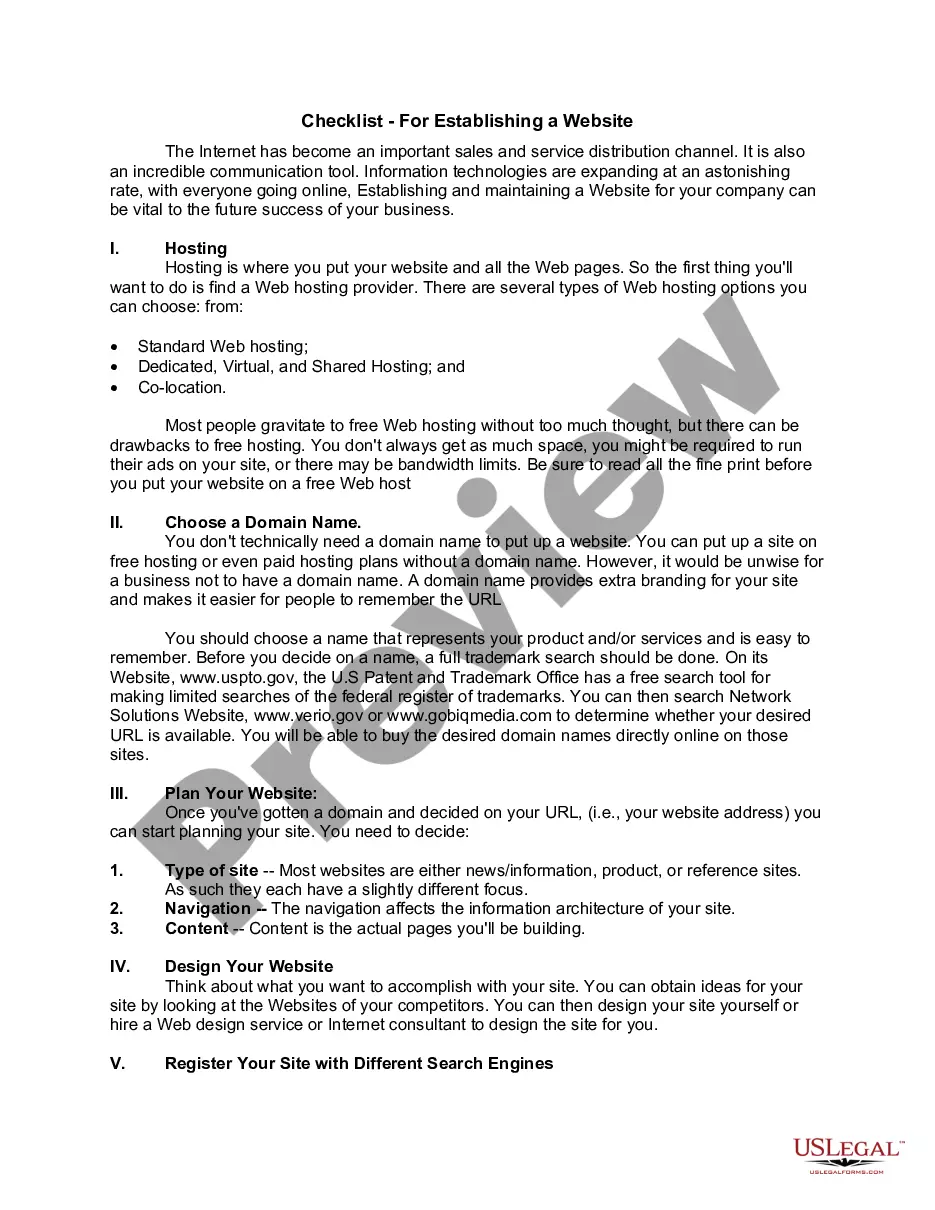
Checklist For Draft
Description
Get your form ready online
Our built-in tools help you complete, sign, share, and store your documents in one place.
Make edits, fill in missing information, and update formatting in US Legal Forms—just like you would in MS Word.
Download a copy, print it, send it by email, or mail it via USPS—whatever works best for your next step.
Sign and collect signatures with our SignNow integration. Send to multiple recipients, set reminders, and more. Go Premium to unlock E-Sign.
If this form requires notarization, complete it online through a secure video call—no need to meet a notary in person or wait for an appointment.
We protect your documents and personal data by following strict security and privacy standards.

Make edits, fill in missing information, and update formatting in US Legal Forms—just like you would in MS Word.

Download a copy, print it, send it by email, or mail it via USPS—whatever works best for your next step.

Sign and collect signatures with our SignNow integration. Send to multiple recipients, set reminders, and more. Go Premium to unlock E-Sign.

If this form requires notarization, complete it online through a secure video call—no need to meet a notary in person or wait for an appointment.

We protect your documents and personal data by following strict security and privacy standards.
Looking for another form?
How to fill out Checklist Of Matters To Be Considered In Drafting A Website Hosting Agreement?
Handling legal paperwork and processes can be a labor-intensive addition to your routine. A Checklist For Draft and similar forms usually necessitate that you search for them and navigate through the steps to fill them out accurately.
Consequently, if you are managing financial, legal, or personal matters, having a comprehensive and user-friendly online repository of forms readily accessible will be of great assistance.
US Legal Forms is the leading online platform for legal templates, offering over 85,000 state-specific documents and a variety of tools to aid you in swiftly completing your paperwork.
Browse the collection of relevant documents available to you with just one click.
Next, follow these instructions to complete your form: Ensure you have the correct document by utilizing the Preview feature and reviewing the form details. Select Buy Now when you’re prepared, and choose the subscription plan that fits your needs. Click Download and then fill out, eSign, and print the document. With twenty-five years of experience assisting users in managing their legal documents, US Legal Forms enables you to obtain the form you need instantly and streamline any process without stress.
- US Legal Forms provides you with forms tailored to your state and county, accessible at any time for download.
- Protect your document management processes with a premier service that allows you to prepare any form in a matter of minutes without extra or hidden fees.
- Simply Log Into your account, locate the Checklist For Draft, and download it directly from the My documents section.
- You can also retrieve previously downloaded forms.
- Is this your first time utilizing US Legal Forms? Sign up and create your account in a few minutes, granting you access to the form library and Checklist For Draft.
Form popularity
FAQ
How to create your checklist Step 1:Do a ?brain dump? ... Step 2:Organize and prioritize tasks. ... Step 3:Put them on your to-do list. ... Step 4:Check off each item as you complete it. ... Step 5:Continue adding items as they come up.
8 steps to writing your first draft Outline your core topic. ... Identify your audience. ... Plan with pre-writing. ... Make a mess and clean it up in later. ... Avoid adding minute details. ... Start writing without engaging your inner critic. ... Don't stop to do more research. ... Seek appropriate feedback.
A first draft should include the following elements: An introduction. ... A thesis statement that presents the main point, or controlling idea, of the entire piece of writing. A topic sentence. ... Supporting sentences. ... A conclusion.
A college essay rough draft example should contain an introduction, body, and conclusion. The thesis should be stated and supported, and citations should be included for sources. The rough draft will vary depending on the topic and discipline but is likely to be several pages in length.
Before writing a rough draft, define the topic, do research, and collect necessary information into an outline. Develop a thesis statement stating the purpose of the paper. Then, use the outline and research information to write an introduction, body paragraphs, and conclusion for the rough draft.