Term Sheet In Real Estate
Description
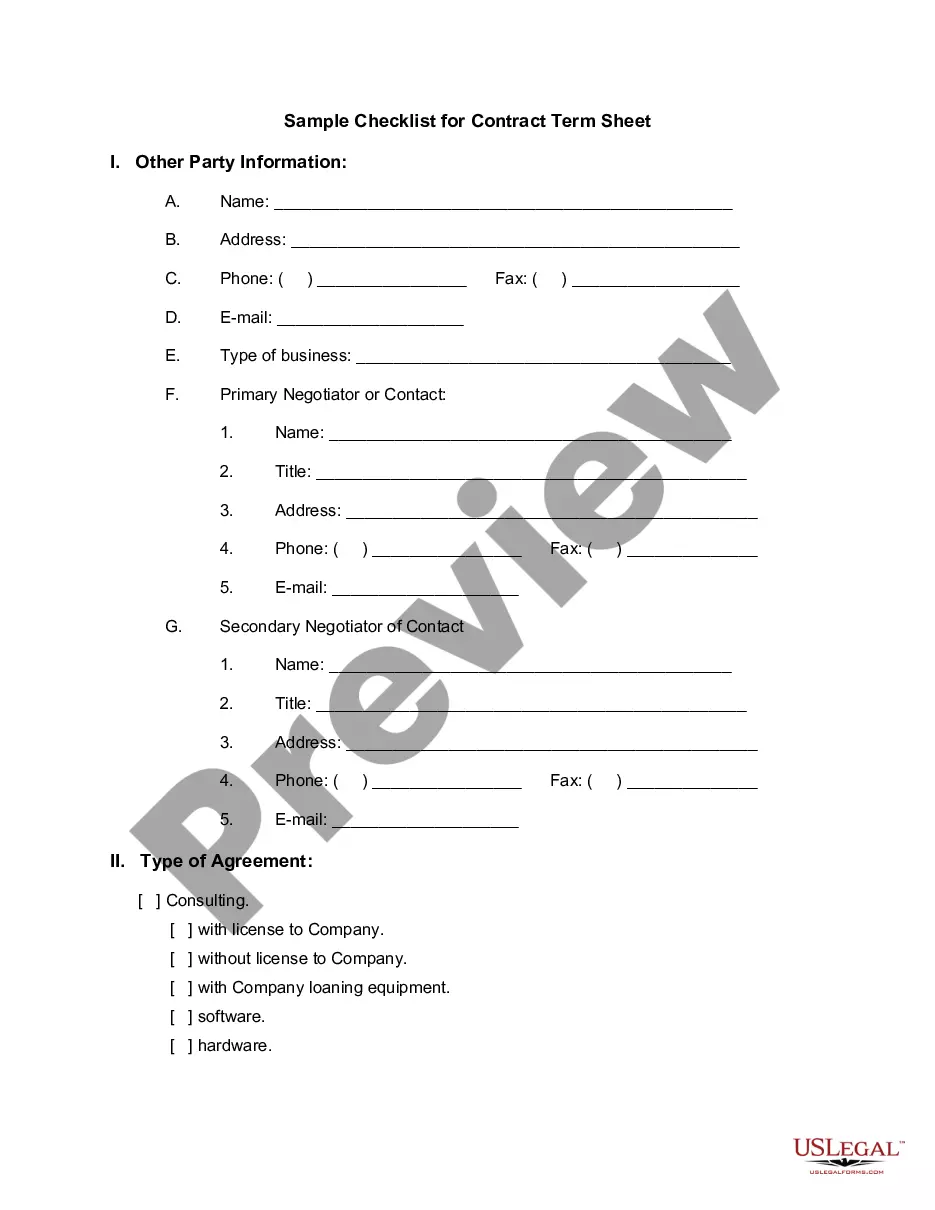
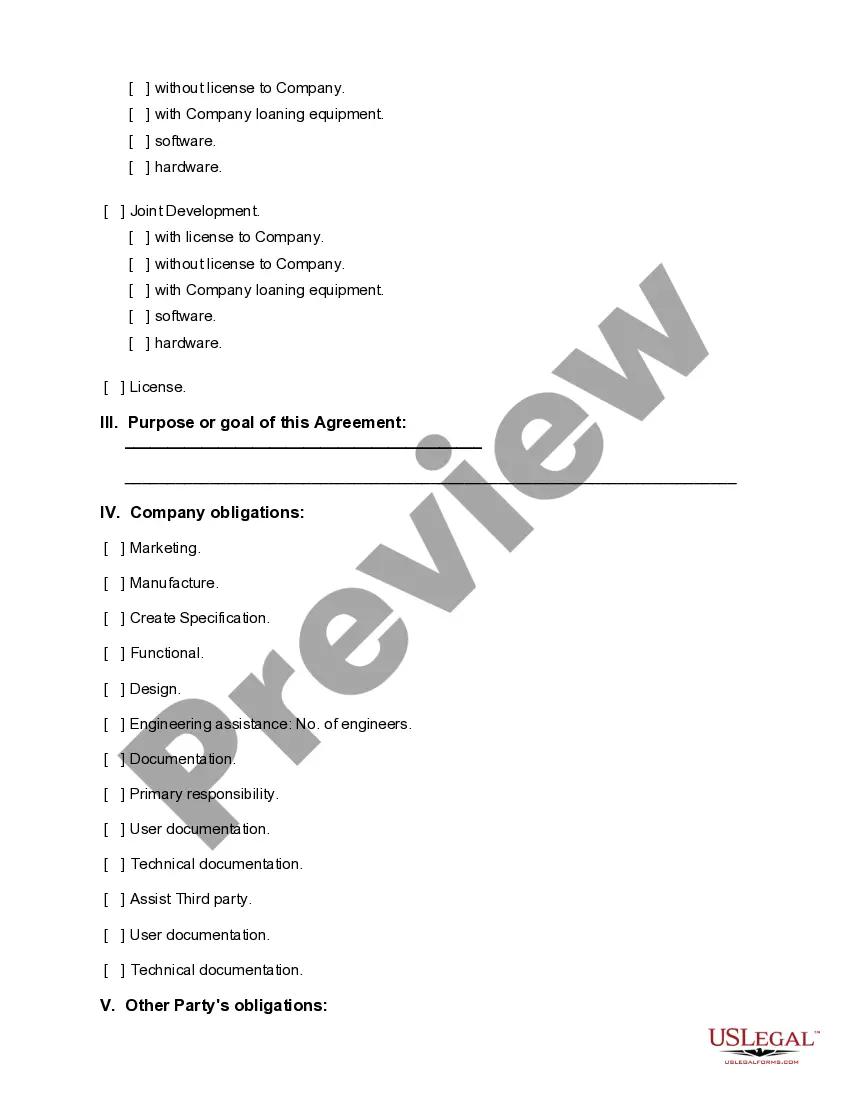
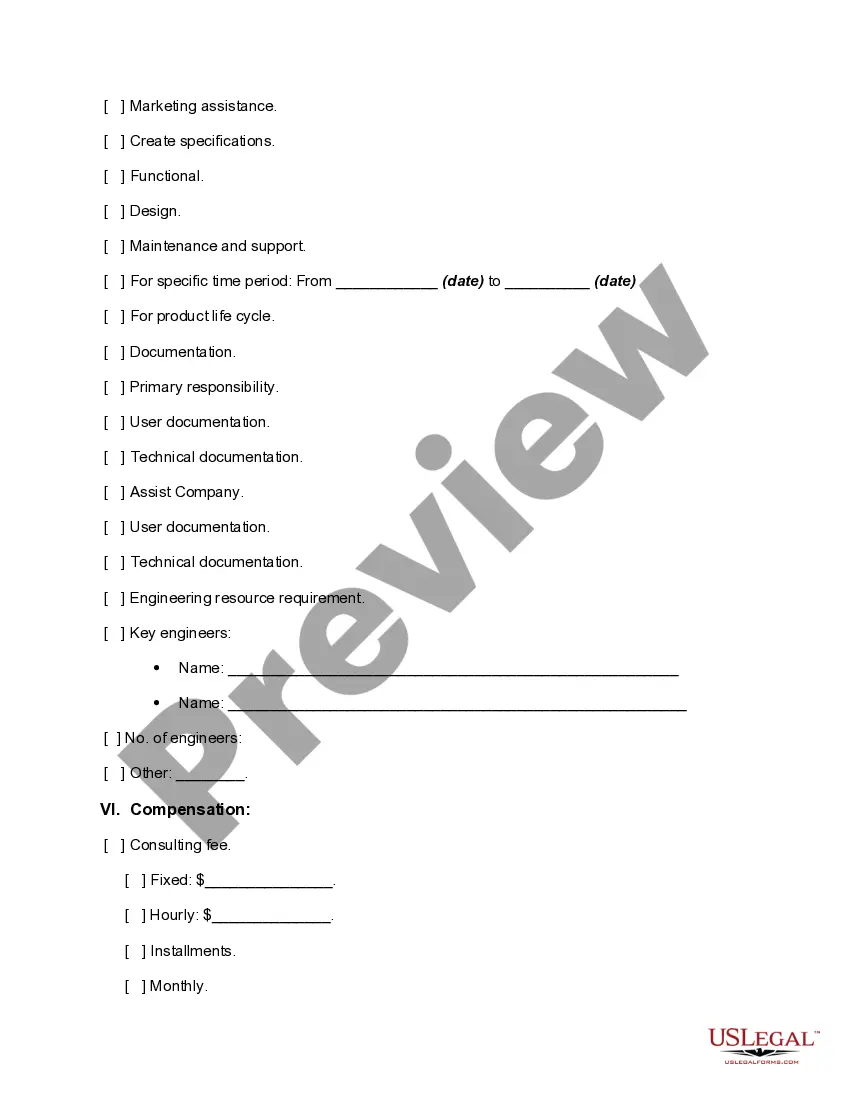
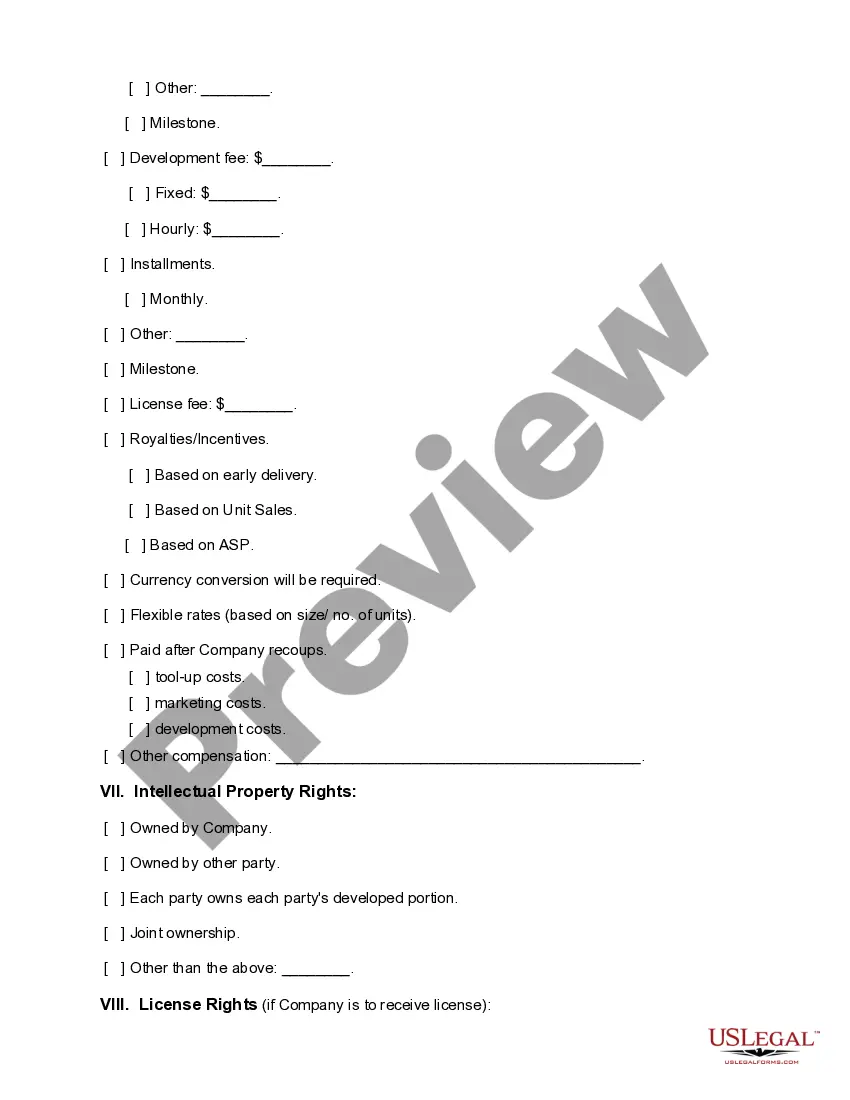
Get your form ready online
Our built-in tools help you complete, sign, share, and store your documents in one place.
Make edits, fill in missing information, and update formatting in US Legal Forms—just like you would in MS Word.
Download a copy, print it, send it by email, or mail it via USPS—whatever works best for your next step.
Sign and collect signatures with our SignNow integration. Send to multiple recipients, set reminders, and more. Go Premium to unlock E-Sign.
If this form requires notarization, complete it online through a secure video call—no need to meet a notary in person or wait for an appointment.
We protect your documents and personal data by following strict security and privacy standards.

Make edits, fill in missing information, and update formatting in US Legal Forms—just like you would in MS Word.

Download a copy, print it, send it by email, or mail it via USPS—whatever works best for your next step.

Sign and collect signatures with our SignNow integration. Send to multiple recipients, set reminders, and more. Go Premium to unlock E-Sign.

If this form requires notarization, complete it online through a secure video call—no need to meet a notary in person or wait for an appointment.

We protect your documents and personal data by following strict security and privacy standards.
Looking for another form?








Form popularity
FAQ
After receiving a term sheet in real estate, both parties typically review it for accuracy and alignment with their goals. This review may lead to adjustments and negotiations before proceeding to a formal contract. From there, you can move towards finalizing agreements and completing the transaction.
The purpose of the term sheet in real estate is to outline essential terms and conditions before finalizing a contract. It helps both parties establish a mutual understanding, minimizing misunderstandings during negotiation. By setting clear expectations, the term sheet paves the way for a smoother transaction.
The time it takes to receive a term sheet in real estate can vary based on the deal's complexity and stakeholders' readiness. Generally, you can expect to receive it within a few days to a couple of weeks after expressing interest. Keeping open communication with all parties involved helps expedite this process.
Typically, the seller or their representative provides the term sheet in real estate. This document helps initiate discussions and set the stage for negotiations. Buyers can also propose a term sheet to clarify their offers, fostering a smoother negotiation process.
A term sheet in real estate is not the same as a contract. Instead, it acts as a preliminary agreement outlining the main points of a deal. It provides a summary of key terms before formalizing the contract. Understanding this distinction helps clarify the negotiation process.
A term sheet typically includes relevant details about the transaction, such as the parties involved, the property description, payment terms, and any contingencies. It may also cover important dates and conditions that must be met before closing. Ensuring these details are clear can significantly aid in the negotiation process.
To make terms and conditions legally binding, ensure they are clear, reasonable, and agreed upon by all parties involved. Including acceptance mechanisms, such as signatures or email confirmations, establishes consent. When detailing terms in a term sheet in real estate, precise language and comprehensive coverage of obligations can further solidify their enforceability.
The enforceability of a term sheet in real estate depends on its language and the intent behind it. If it contains clear terms and both parties understand it as a binding agreement, then it could be enforceable. However, it is wise to follow up with a comprehensive contract to cover all details and avoid ambiguity.
Generally, a term sheet in real estate is prepared before due diligence starts. It outlines the basic terms and conditions agreed upon by the parties, serving as a foundation for further investigation. Following the term sheet, the due diligence phase allows for a thorough review of legal, financial, and physical aspects of the real estate transaction.
To ensure a term sheet in real estate is legally binding, both parties must express their intent clearly within the document. Including phrases that indicate strong commitment and ensuring both parties sign the document demonstrates willingness to adhere to the terms. Additionally, incorporating specific terms that reflect essential obligations can enhance its legal standing.
