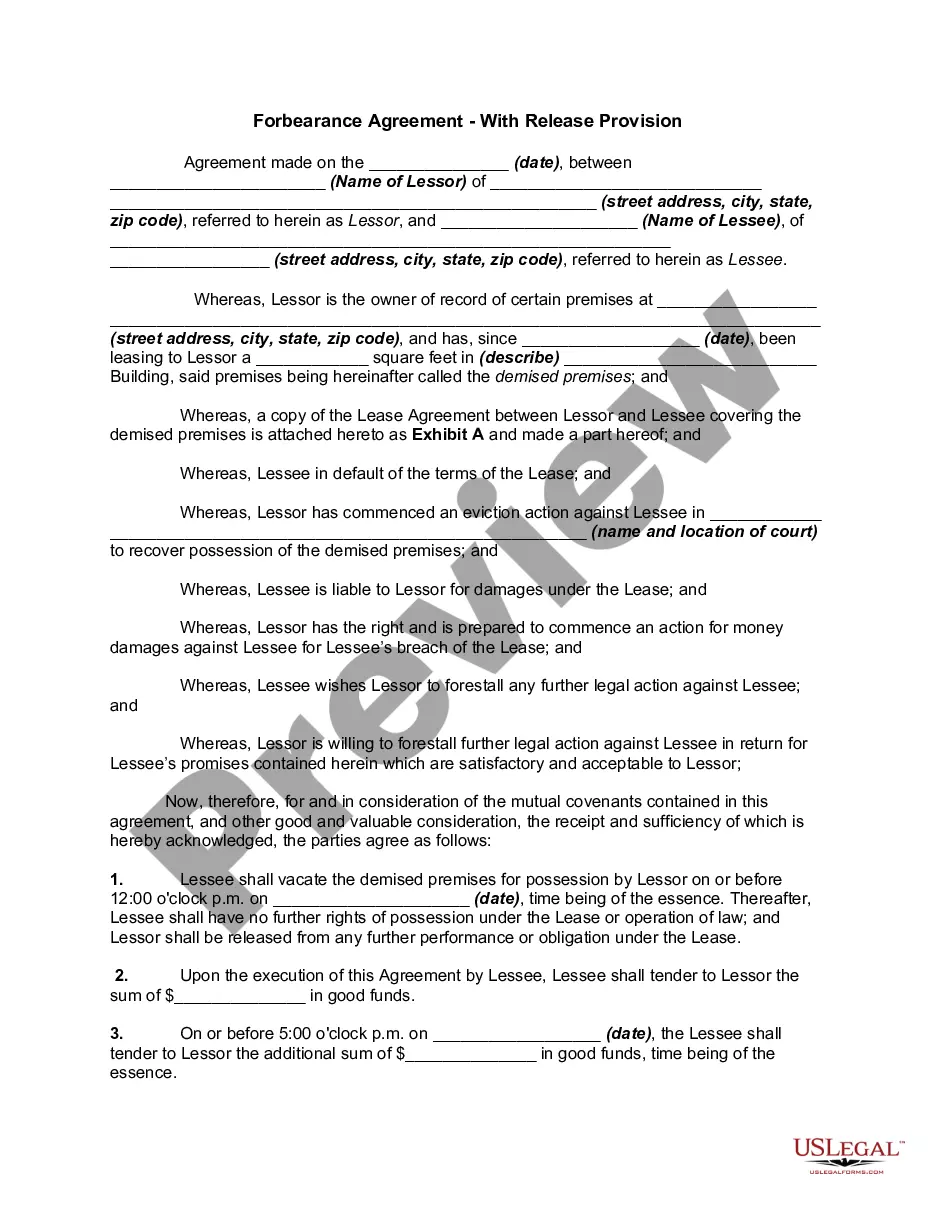
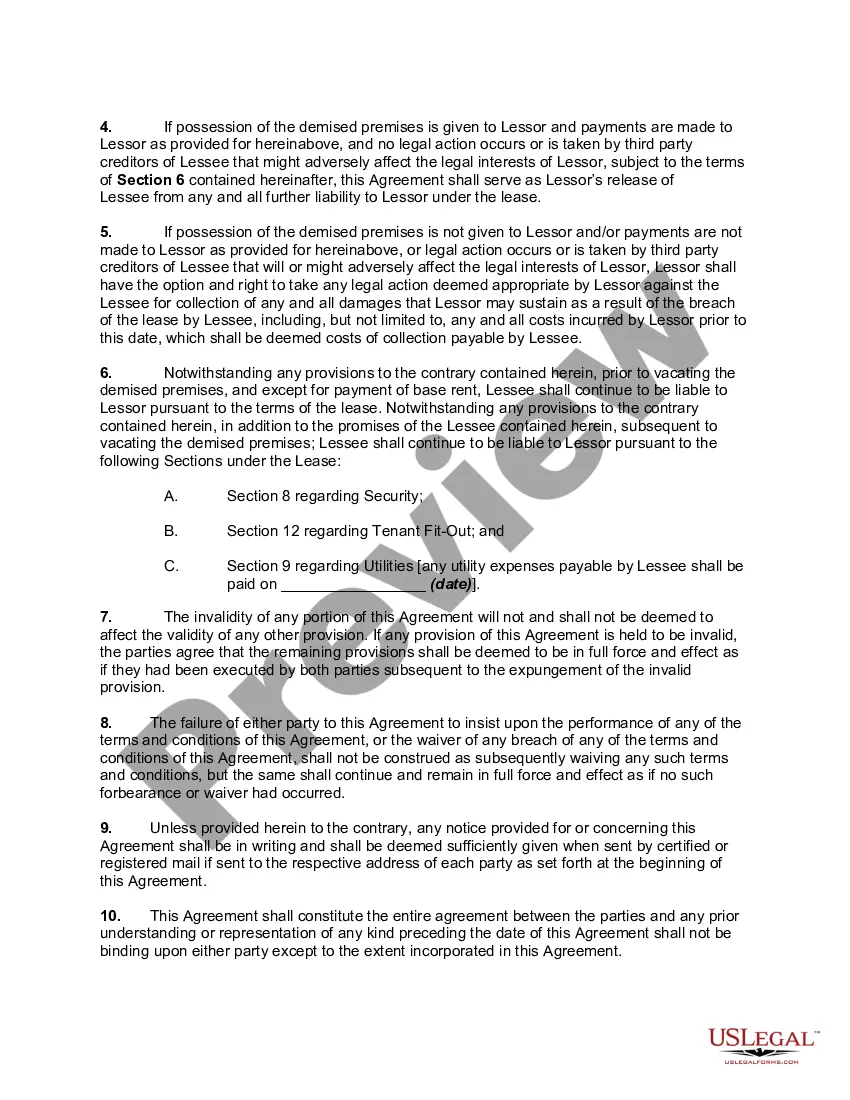
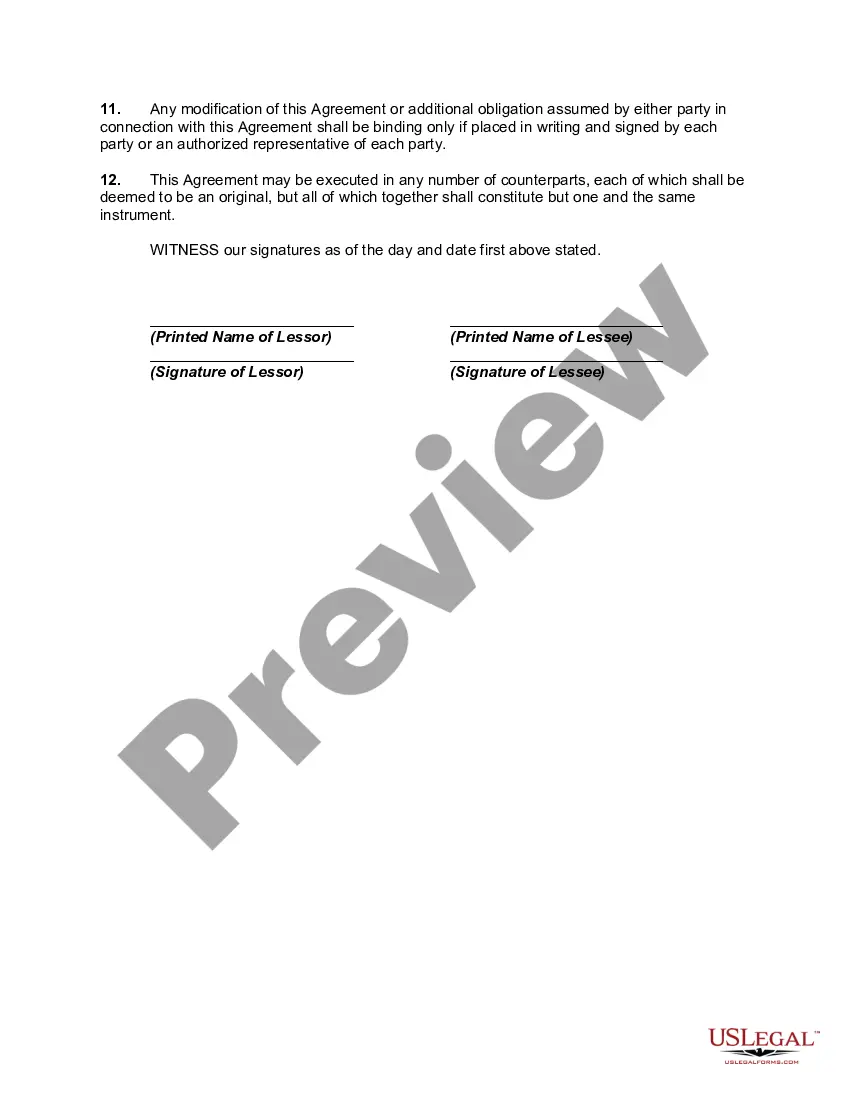
Forbearance With Mortgage
Description

Get your form ready online
Our built-in tools help you complete, sign, share, and store your documents in one place.
Make edits, fill in missing information, and update formatting in US Legal Forms—just like you would in MS Word.
Download a copy, print it, send it by email, or mail it via USPS—whatever works best for your next step.
Sign and collect signatures with our SignNow integration. Send to multiple recipients, set reminders, and more. Go Premium to unlock E-Sign.
If this form requires notarization, complete it online through a secure video call—no need to meet a notary in person or wait for an appointment.
We protect your documents and personal data by following strict security and privacy standards.

Make edits, fill in missing information, and update formatting in US Legal Forms—just like you would in MS Word.

Download a copy, print it, send it by email, or mail it via USPS—whatever works best for your next step.

Sign and collect signatures with our SignNow integration. Send to multiple recipients, set reminders, and more. Go Premium to unlock E-Sign.

If this form requires notarization, complete it online through a secure video call—no need to meet a notary in person or wait for an appointment.

We protect your documents and personal data by following strict security and privacy standards.
Looking for another form?






Form popularity
FAQ
Entering a forbearance with mortgage may not negatively impact your credit if managed correctly. As long as your lender reports the status accurately and you are in communication with them, you can avoid adverse effects. It is essential to follow the repayment plan outlined by your lender to ensure your credit remains intact after the forbearance period.
Forbearance with mortgage allows you to temporarily pause or reduce your payments based on an agreement with your lender. This often requires you to provide documentation of your financial situation, after which your lender will outline the terms of the forbearance period. Understanding these terms is key to successfully navigating your repayment options once the forbearance ends.
Generally, entering a forbearance with mortgage does not automatically harm your credit score. Most lenders report your account as current during the forbearance period, as long as you adhere to the terms. However, consistent late payments prior to entering forbearance and how you handle repayment afterward can impact your credit.
Forbearance with mortgage serves as a crucial tool during times of financial hardship. It allows homeowners to keep their homes while navigating temporary challenges, such as job loss or unexpected expenses. By understanding and utilizing this option, you can maintain your homeownership and protect your financial future.
While forbearance with mortgage can provide immediate relief, it may have some potential downsides. You may eventually need to repay the missed payments, which could lead to larger payments in the future. Additionally, it may affect your ability to refinance or secure new financing options if not managed carefully.
Forbearance with mortgage offers temporary relief for borrowers facing financial difficulties. By allowing you to pause or reduce your mortgage payments, it helps prevent foreclosure and eases your financial burden. This option can provide the necessary time to stabilize your finances, making it easier to manage other essential expenses.
The approval process for forbearance with mortgage typically takes around a few days to a couple of weeks. The timeline may depend on your lender's policies and the documentation you provide. It’s crucial to submit all necessary paperwork promptly to avoid delays. At US Legal Forms, we can help streamline this process by providing the right forms and guidance for your forbearance request.
The two main types of forbearance are temporary and extended forbearance. Temporary forbearance allows you to suspend or lower payments for a short period, while extended forbearance provides relief for a longer duration. Understanding these options is crucial for effective financial planning. Consider using platforms like USLegalForms to navigate the details of forbearance with mortgage and choose what's best for your situation.
Forbearance with mortgage may not always be fully forgiven. Generally, during a forbearance period, you pause or reduce your mortgage payments, but expected payment amounts may still need to be repaid later. It's essential to clarify your individual terms with your lender, as they have specific policies in place. Utilize resources like USLegalForms to better understand your options and obligations.
Recent updates to forbearance rules have introduced changes aimed at providing greater flexibility for homeowners. These new provisions may include extended periods of forbearance and options for easier repayment plans. It's vital to stay informed about these developments, as they can significantly influence your mortgage strategy. Resources like uslegalforms are useful for understanding these new rules and how they apply to your situation.