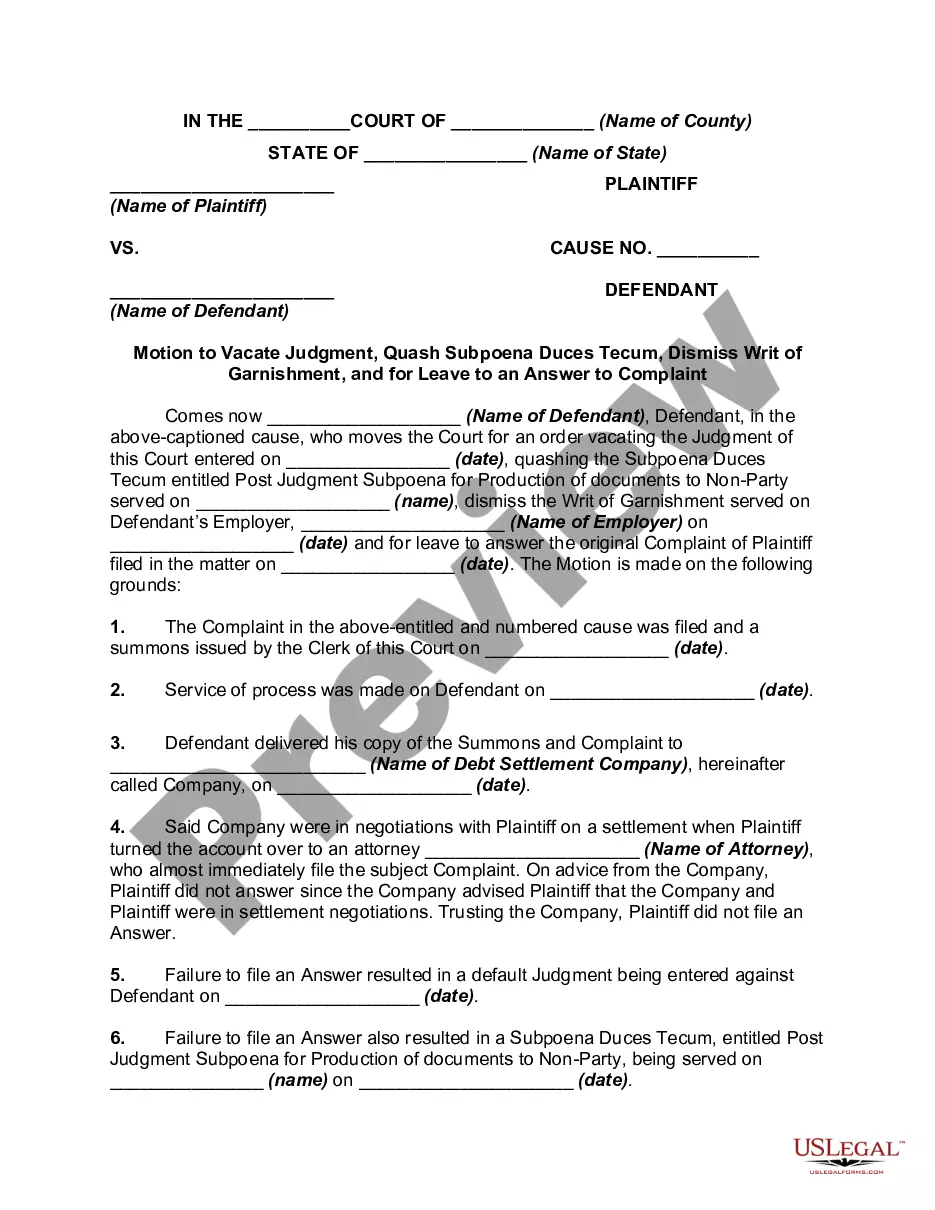
Vacate File Complaint With Lawyer
Description
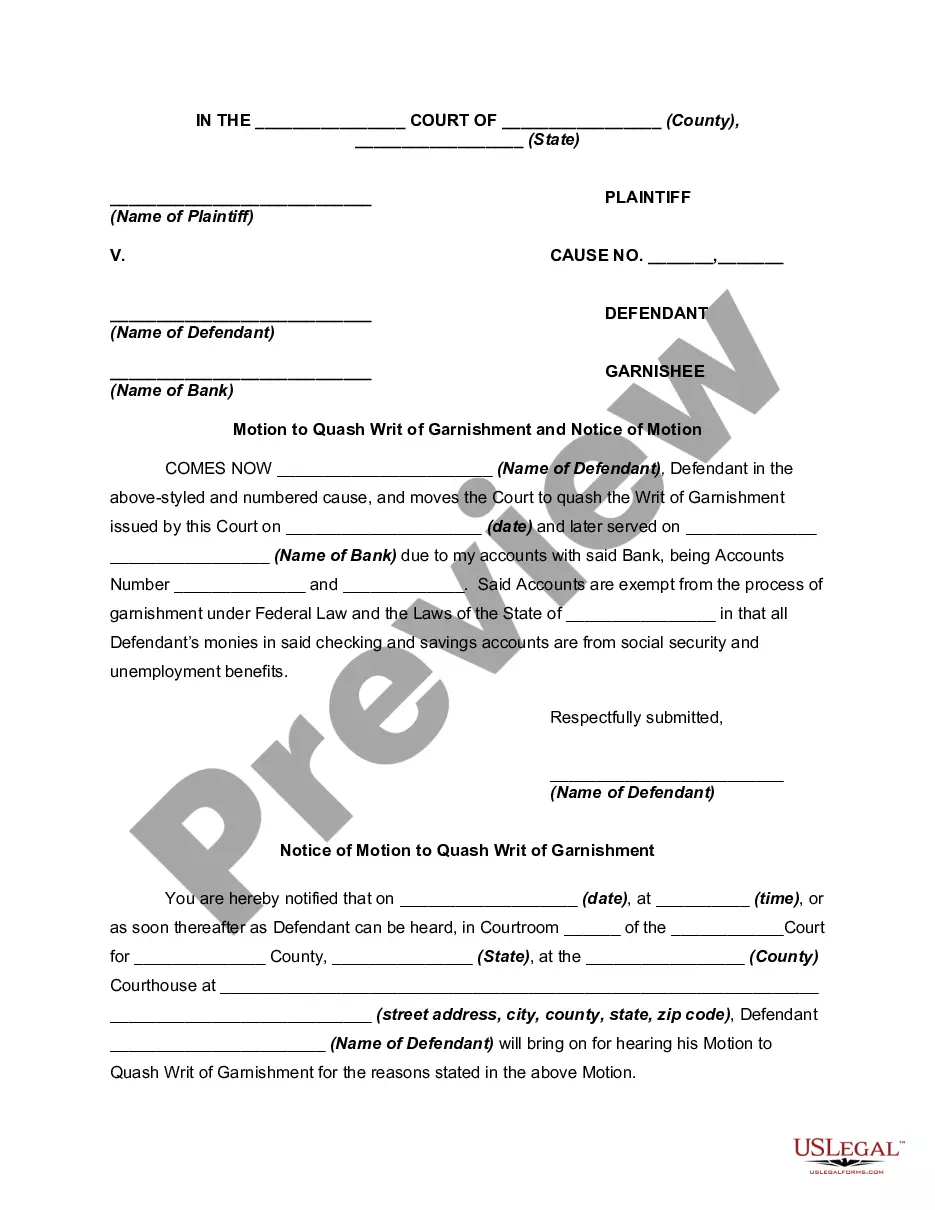
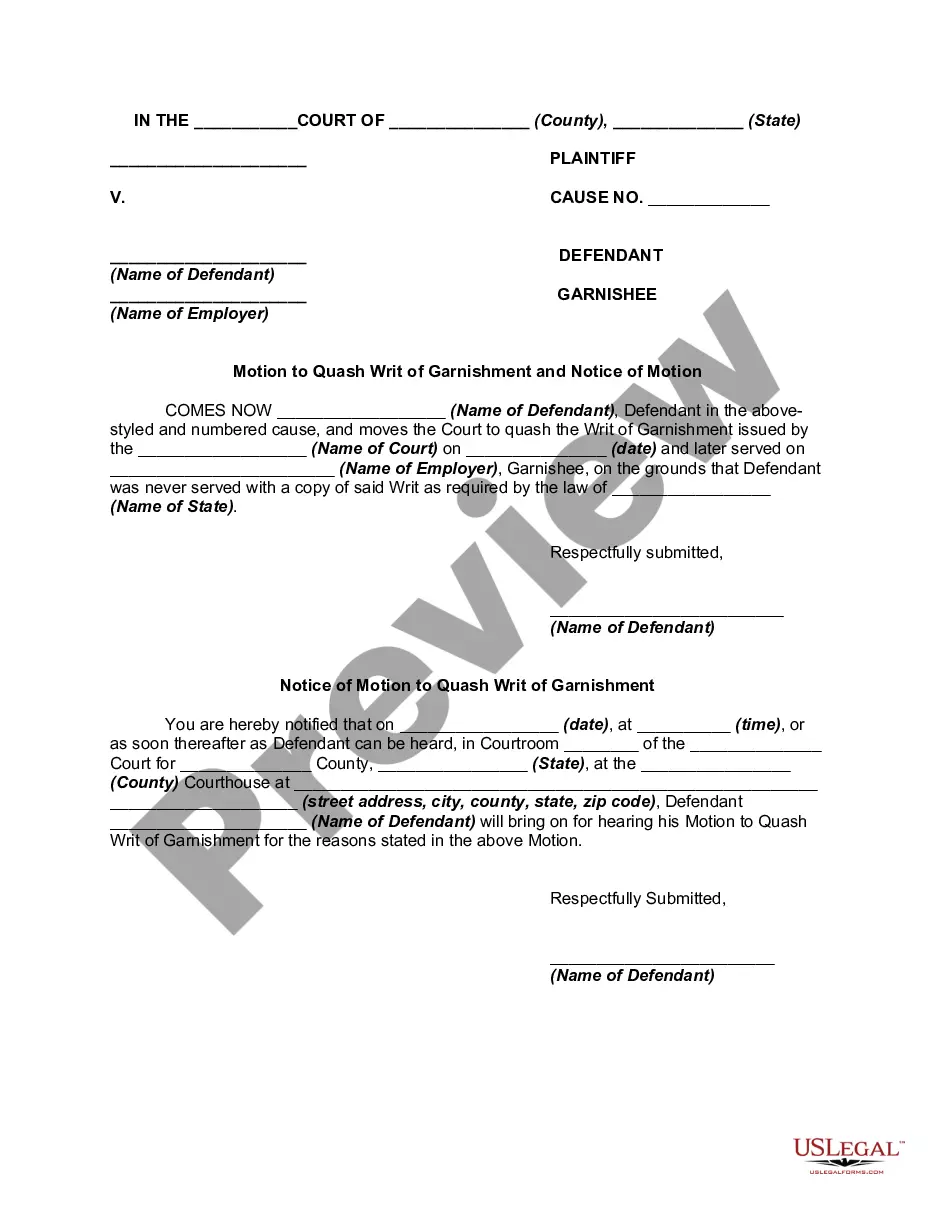
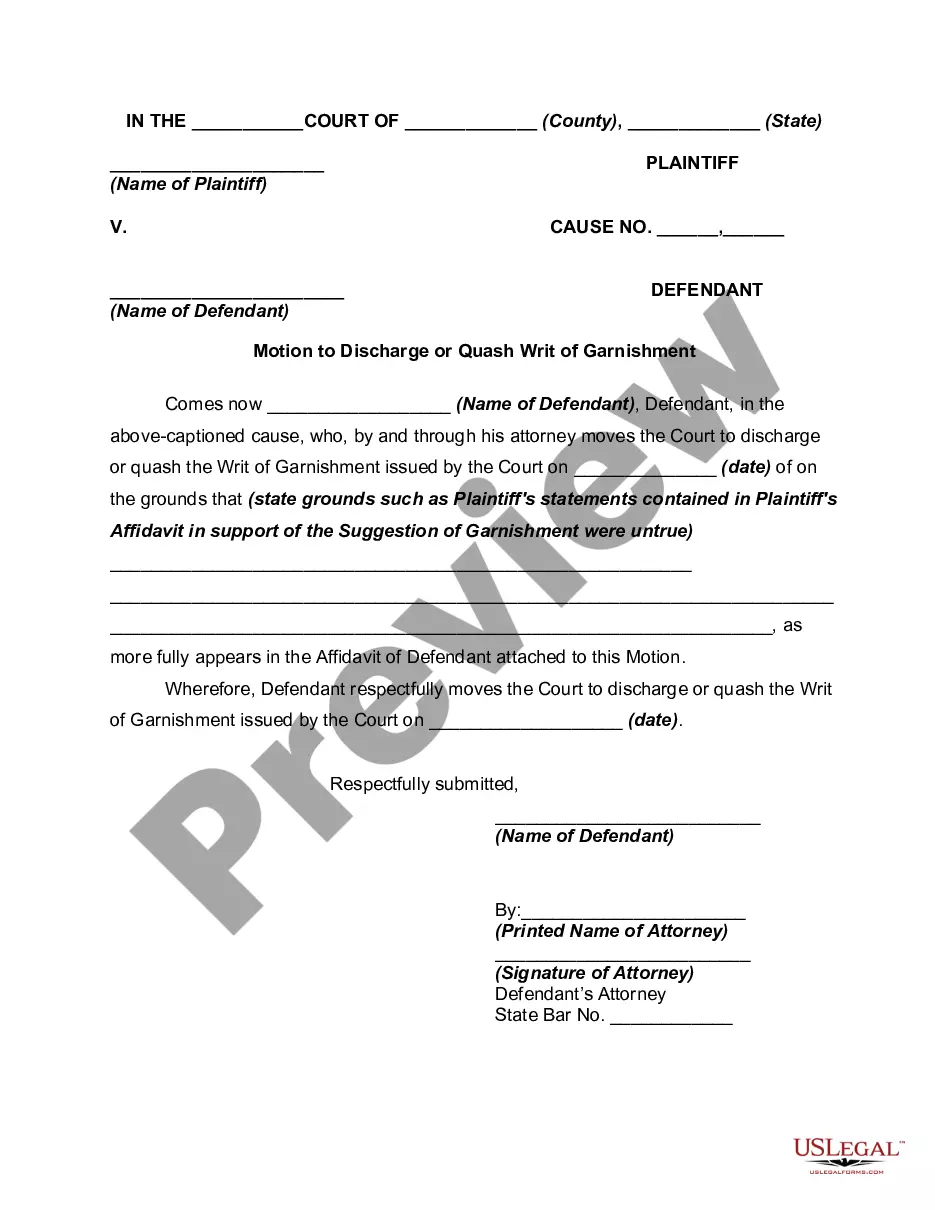
Get your form ready online
Our built-in tools help you complete, sign, share, and store your documents in one place.
Make edits, fill in missing information, and update formatting in US Legal Forms—just like you would in MS Word.
Download a copy, print it, send it by email, or mail it via USPS—whatever works best for your next step.
Sign and collect signatures with our SignNow integration. Send to multiple recipients, set reminders, and more. Go Premium to unlock E-Sign.
If this form requires notarization, complete it online through a secure video call—no need to meet a notary in person or wait for an appointment.
We protect your documents and personal data by following strict security and privacy standards.

Make edits, fill in missing information, and update formatting in US Legal Forms—just like you would in MS Word.

Download a copy, print it, send it by email, or mail it via USPS—whatever works best for your next step.

Sign and collect signatures with our SignNow integration. Send to multiple recipients, set reminders, and more. Go Premium to unlock E-Sign.

If this form requires notarization, complete it online through a secure video call—no need to meet a notary in person or wait for an appointment.

We protect your documents and personal data by following strict security and privacy standards.
Looking for another form?


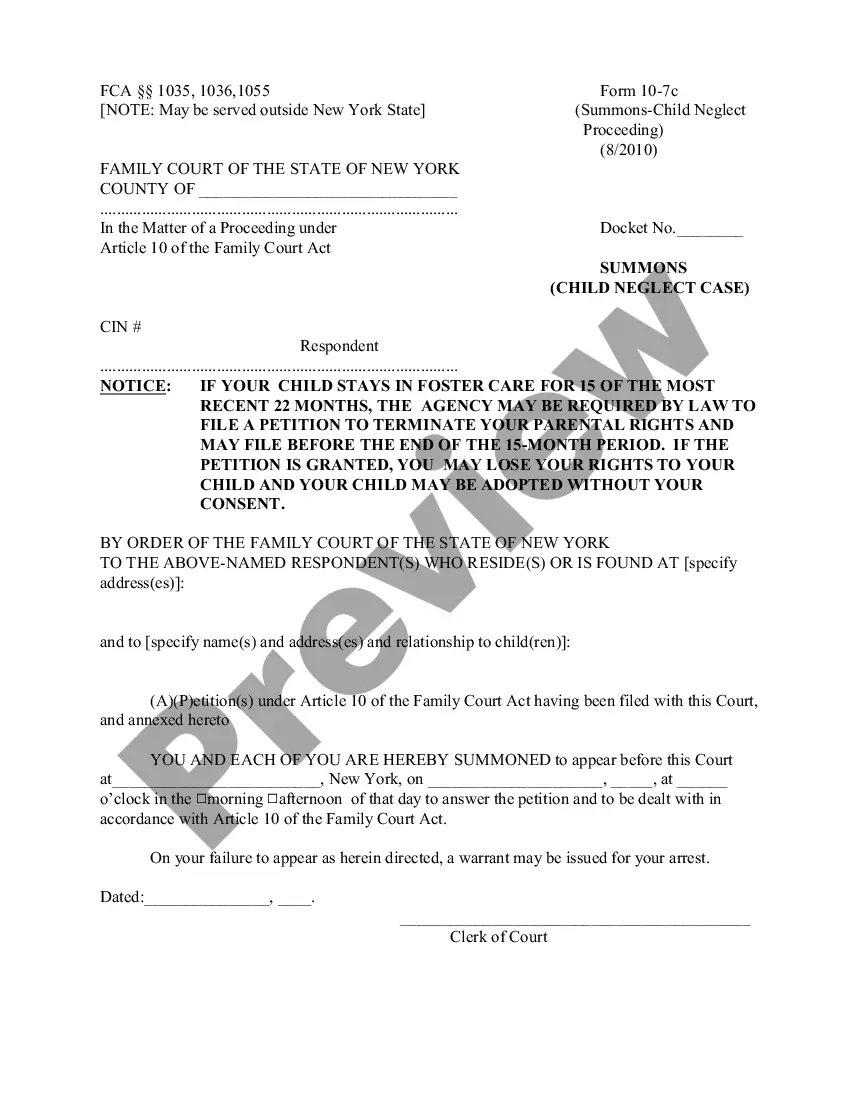




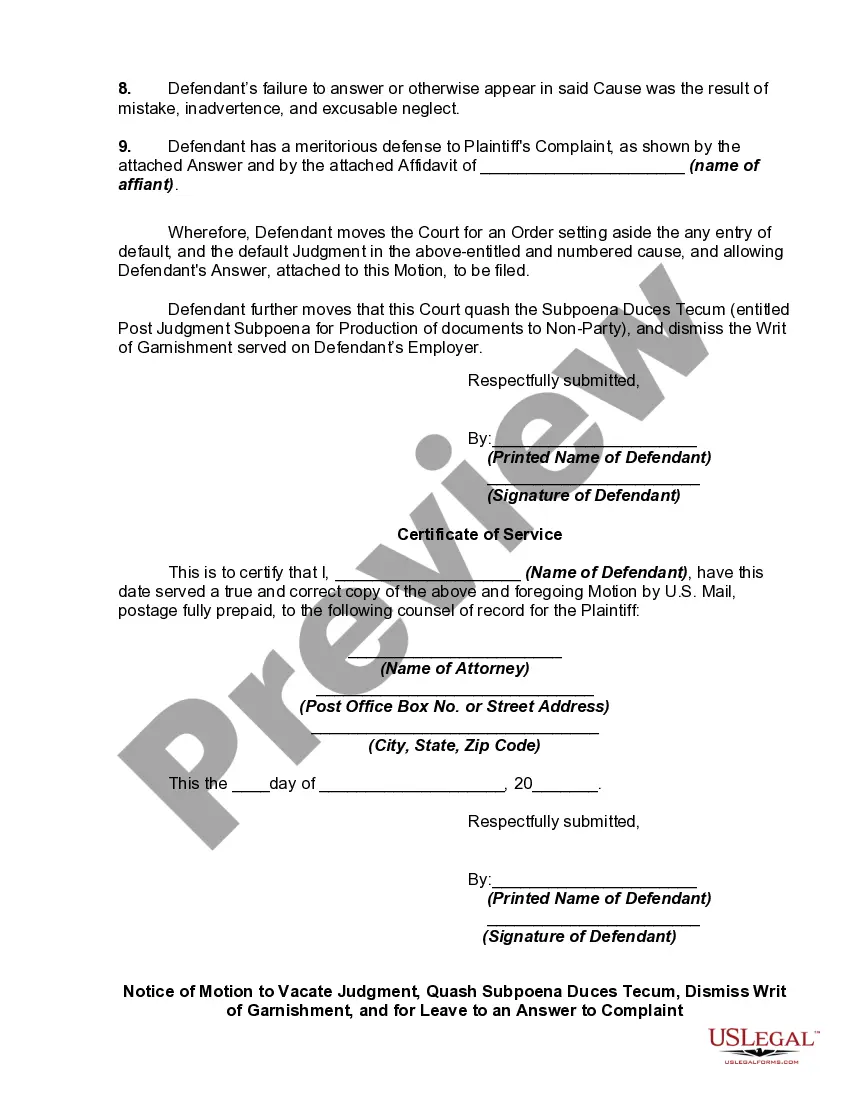
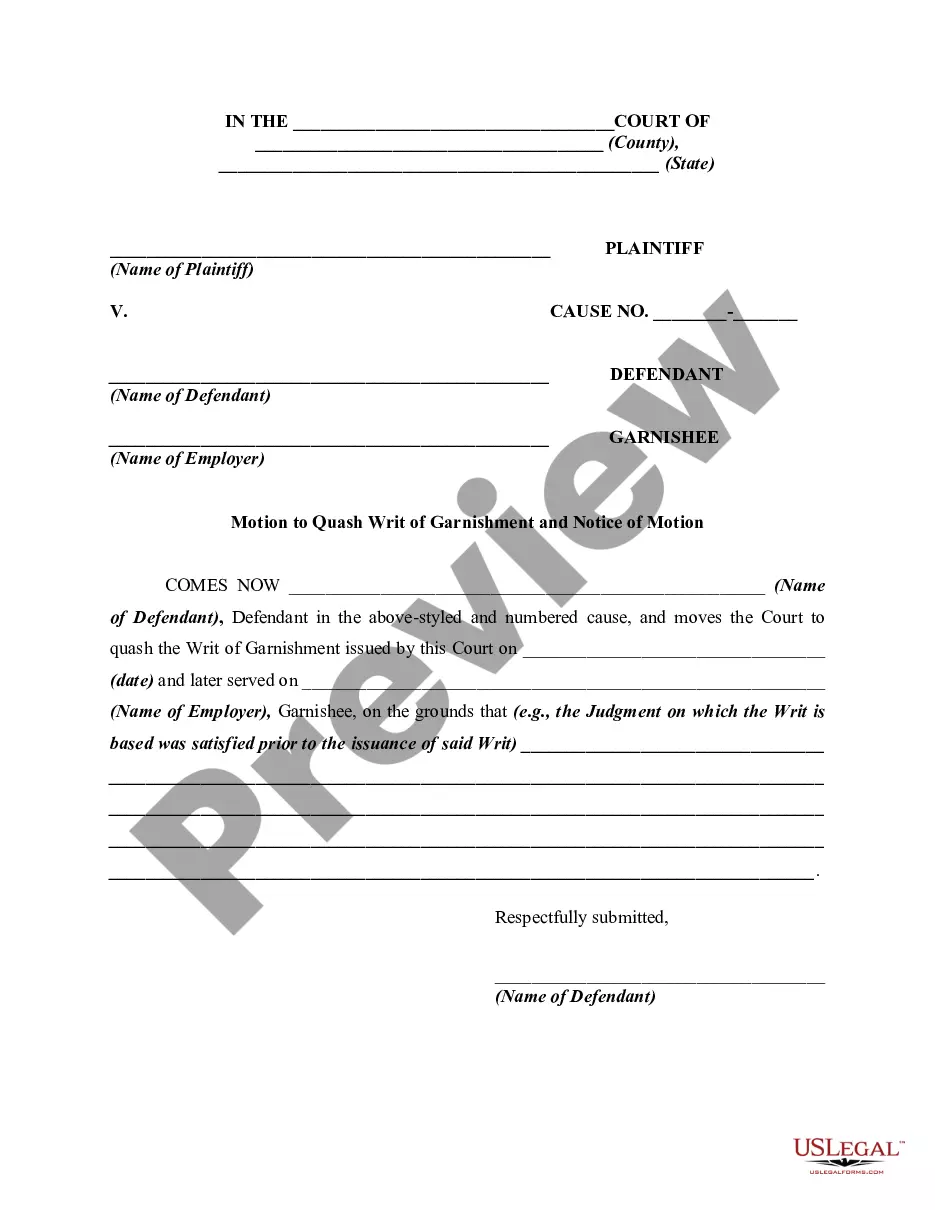
How to fill out Motion To Vacate Judgment, Quash Subpoena Duces Tecum, Dismiss Writ Of Garnishment, And For Leave To File An Answer To Complaint?
Creating legal documents from scratch can occasionally be daunting.
Certain situations may require extensive research and substantial amounts of money.
If you're seeking a more straightforward and economical method for drafting Vacate File Complaint With Lawyer or other documents without facing obstacles, US Legal Forms is always available to assist you.
Our online repository of over 85,000 current legal forms encompasses nearly every aspect of your financial, legal, and personal matters.
However, before diving directly into downloading the Vacate File Complaint With Lawyer, keep these tips in mind: Review the form preview and descriptions to confirm you have the document you are looking for. Ensure that the template you select adheres to your state and county's requirements. Choose the most suitable subscription option to purchase the Vacate File Complaint With Lawyer. Download the file, then complete, sign, and print it out. US Legal Forms proudly maintains a flawless reputation and over 25 years of expertise. Join us today and simplify the process of completing forms!
- With just a few clicks, you can effortlessly obtain state- and county-specific templates meticulously crafted for you by our legal professionals.
- Utilize our platform any time you need dependable and trustworthy services to swiftly find and download the Vacate File Complaint With Lawyer.
- If you're familiar with our services and have previously registered with us, simply Log In to your account, locate the template, and download it immediately or re-download it later in the My documents section.
- Don't have an account? No issue. It requires minimal time to sign up and browse the catalog.
Form popularity
FAQ
A motion to open default judgment is a legal request asking the court to rescind a judgment that was made in your absence. This motion often requires you to provide compelling reasons for your failure to appear in court previously, such as illness or lack of notice. If successful, you will have another opportunity to present your case fully. Engaging with a service like USLegalForms can help you draft your motion effectively as you focus on how to vacate file complaints with a lawyer.
In New York, a judgment can be removed by filing a motion to vacate, which asks the court to nullify the judgment. It's essential to present a reasonable basis for your request, such as errors in the original proceedings or newly surfaced evidence. Courts often look favorably on genuine attempts to resolve disputes, especially when navigating complex legal situations. Utilizing resources like USLegalForms can support you in this process as you vacate file complaints with a lawyer.
After a default judgment is issued in New York, the winning party can take steps to collect on the judgment, including garnishing wages or placing liens on property. The losing party receives a notice, but they have a limited time to respond. You should act quickly if you believe the judgment is incorrect or unfair by exploring options to vacate file complaints with a lawyer. Seeking legal counsel can guide you through the next steps.
In order to properly write a cause of action, several things must be included. The names of the Plaintiff and Defendant. The legal means by which the Plaintiff is bringing the lawsuit. Be sure to only include the facts, not opinions. ... Offer expert opinions and lay out the evidence. ... Request of relief.
If you received (were served) a copy of the judgment, you have up to one year from the date of the judgment to ask the court to vacate a judgment based on excusable default. If you never received (were served) a copy of the judgment, this one-year time limit does not apply to you.
How do I file the motion? Get the form SC-135: Notice of Motion to Vacate Judgment. You must explain on the form why you did not come to court. File the form with the Small Claims Court Clerk's Office at the court where your case was heard. Pay the filing fee.
Elements (of a case) The existence of a legal duty that the defendant owed to the plaintiff. The defendant's breach of that duty. The plaintiff's sufferance of an injury. Proof that defendant's breach caused the injury (typically defined through proximate cause)
A negligence claim requires that the person bringing the claim (the plaintiff) establish four distinct elements: duty of care, breach, causation, and damages. This article will describe these elements in more detail.