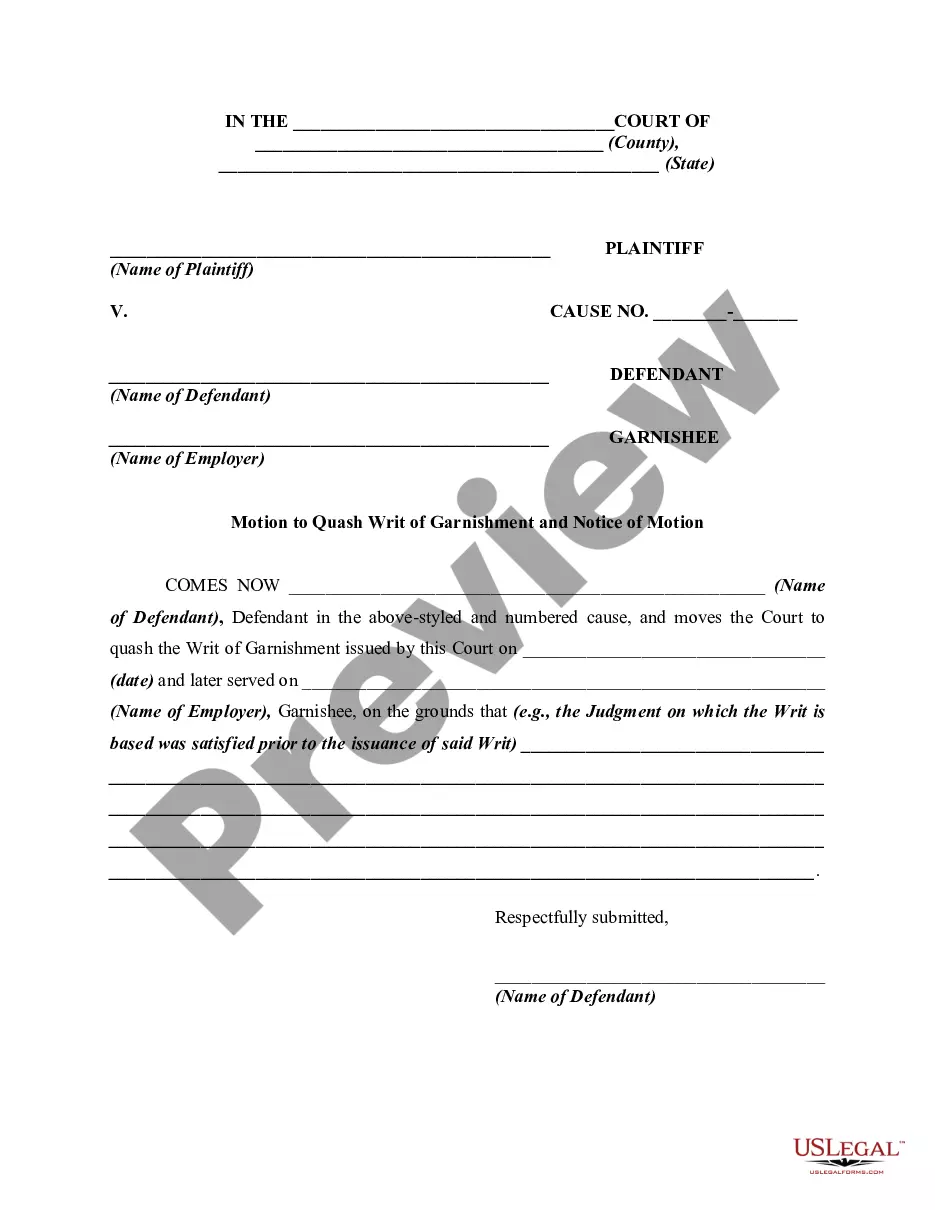
Garnishment File For Bankruptcies
Description
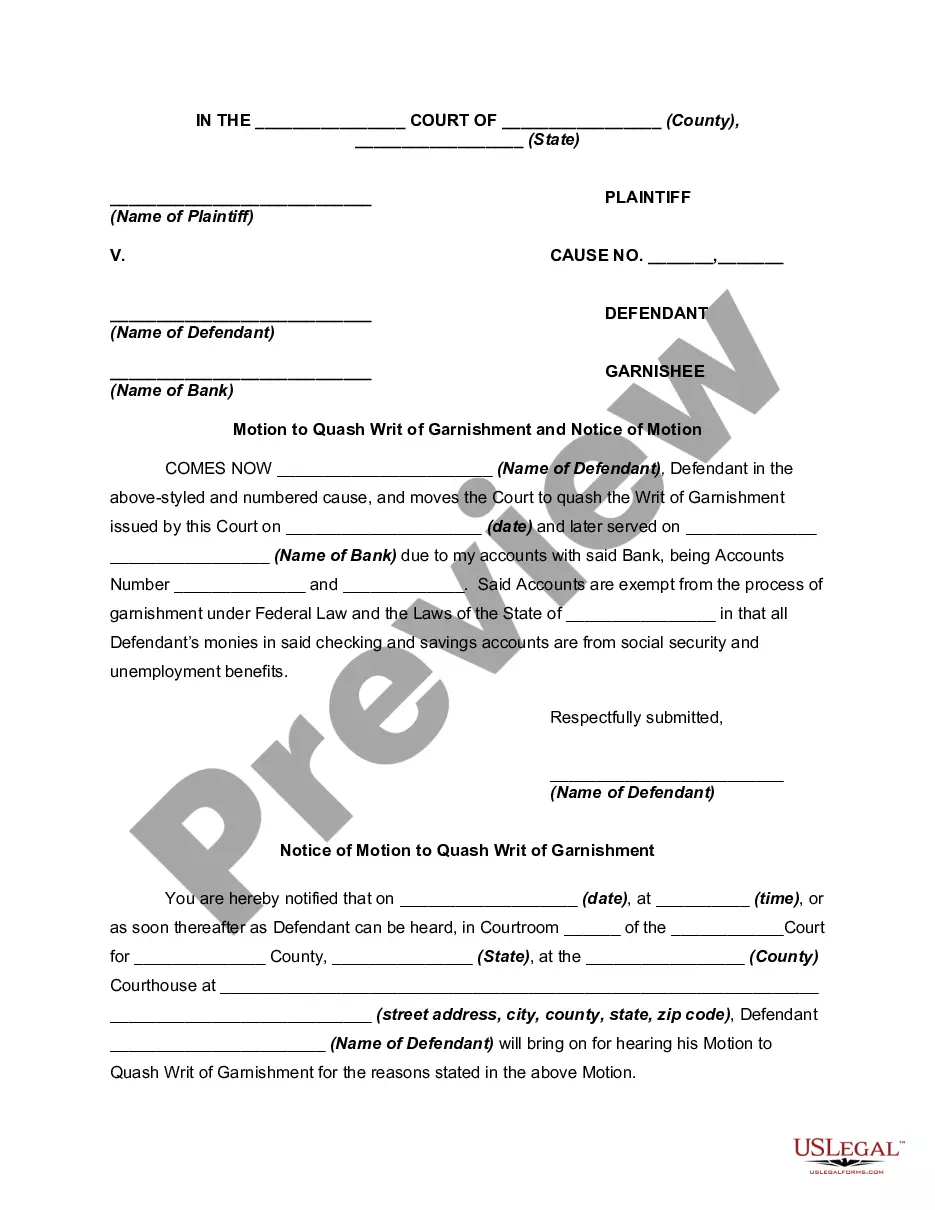
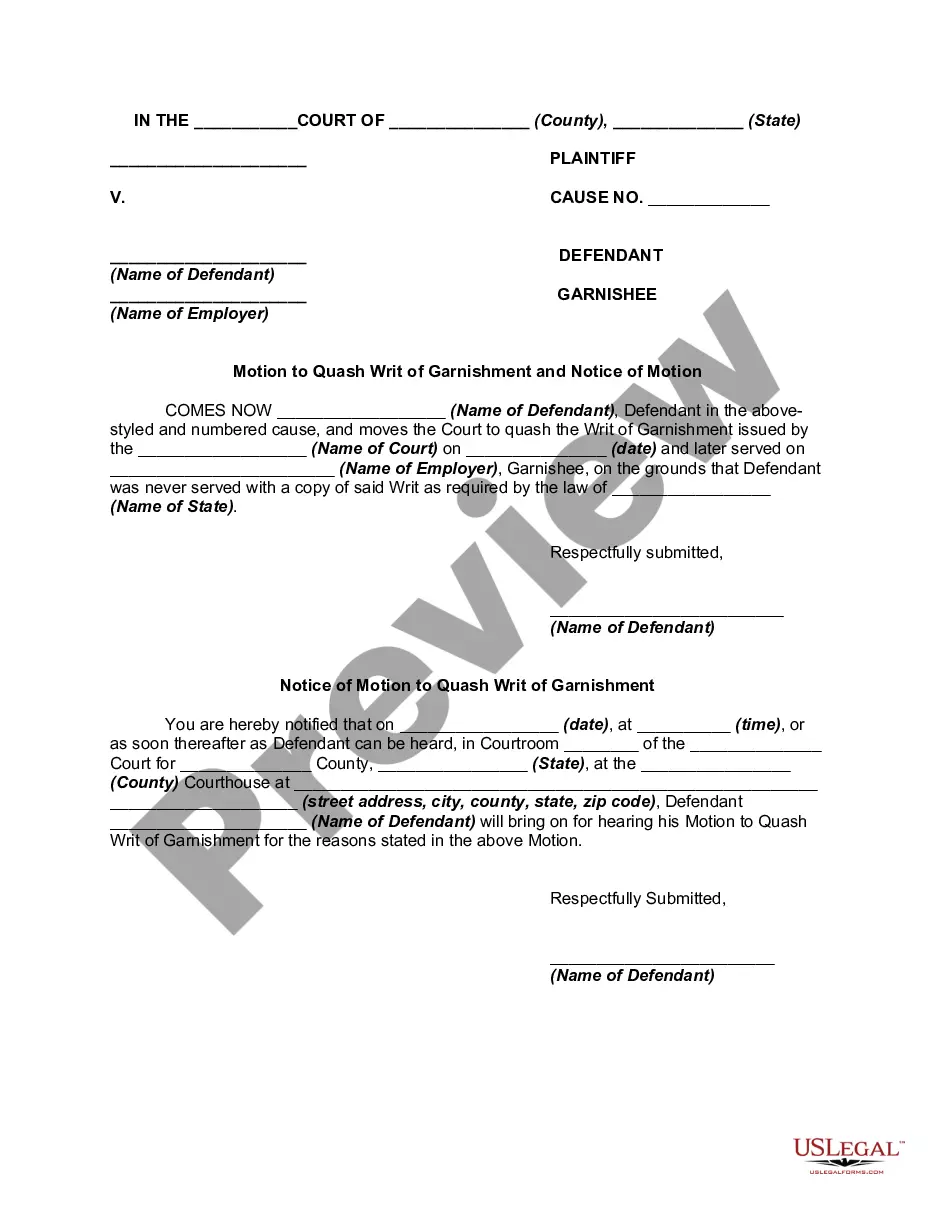
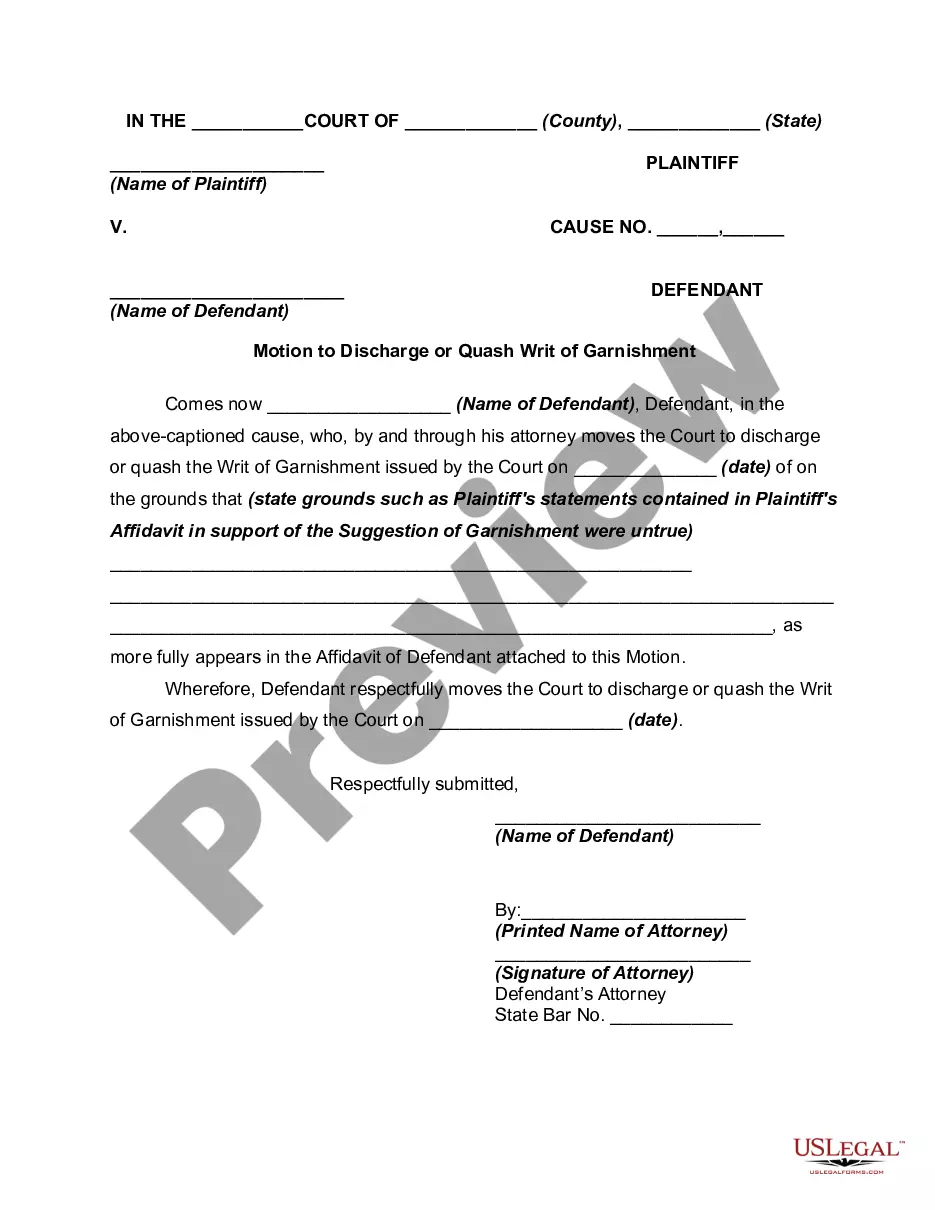
Get your form ready online
Our built-in tools help you complete, sign, share, and store your documents in one place.
Make edits, fill in missing information, and update formatting in US Legal Forms—just like you would in MS Word.
Download a copy, print it, send it by email, or mail it via USPS—whatever works best for your next step.
Sign and collect signatures with our SignNow integration. Send to multiple recipients, set reminders, and more. Go Premium to unlock E-Sign.
If this form requires notarization, complete it online through a secure video call—no need to meet a notary in person or wait for an appointment.
We protect your documents and personal data by following strict security and privacy standards.

Make edits, fill in missing information, and update formatting in US Legal Forms—just like you would in MS Word.

Download a copy, print it, send it by email, or mail it via USPS—whatever works best for your next step.

Sign and collect signatures with our SignNow integration. Send to multiple recipients, set reminders, and more. Go Premium to unlock E-Sign.

If this form requires notarization, complete it online through a secure video call—no need to meet a notary in person or wait for an appointment.

We protect your documents and personal data by following strict security and privacy standards.
Looking for another form?



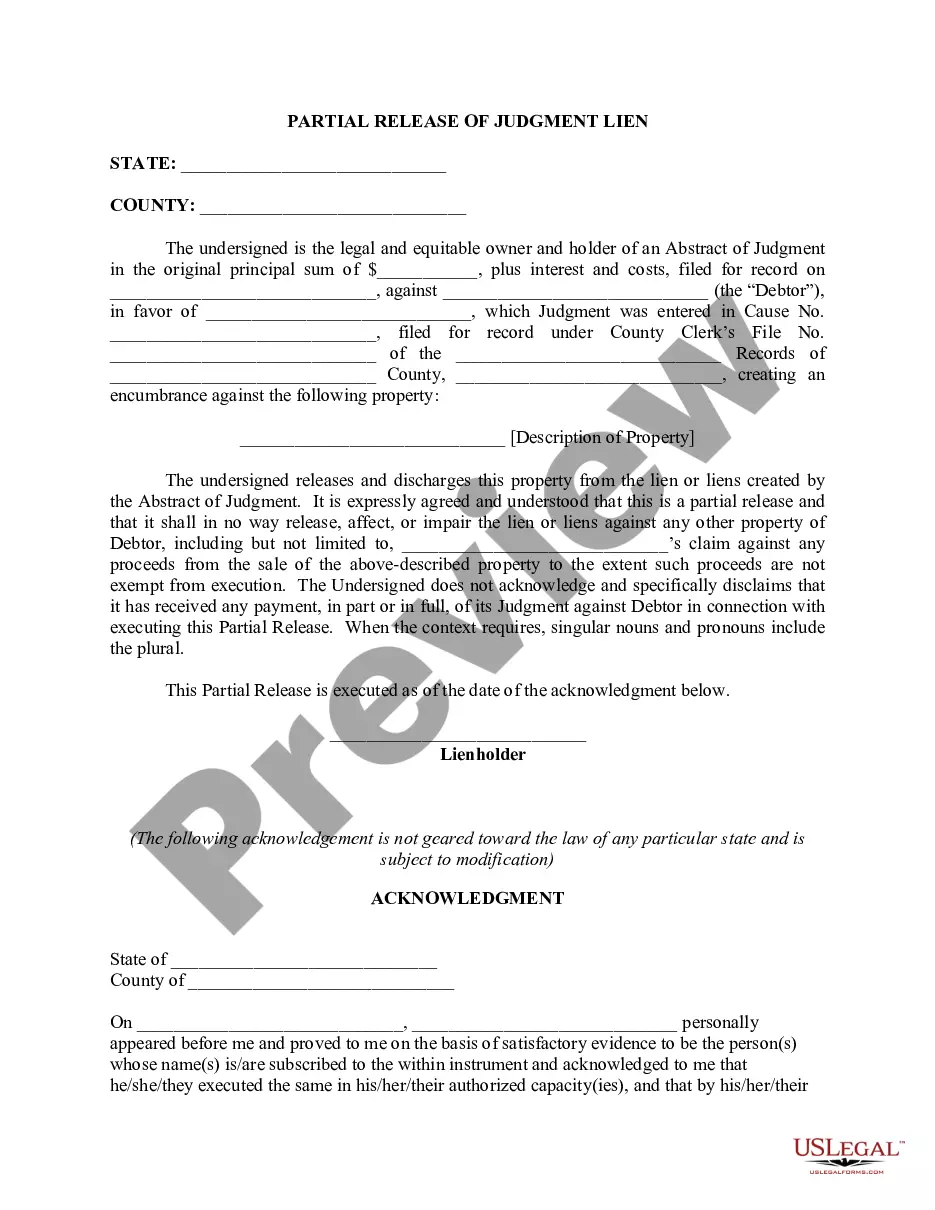

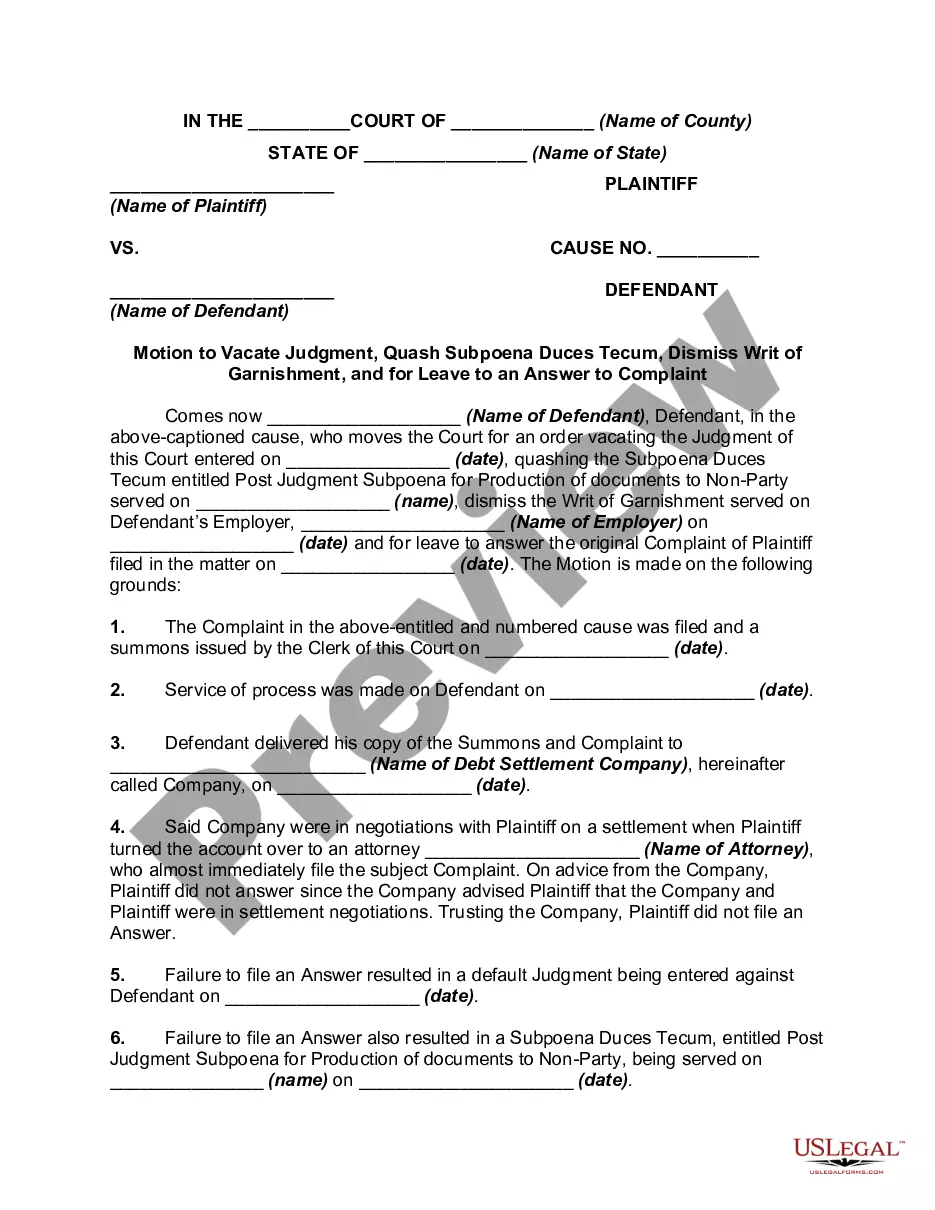
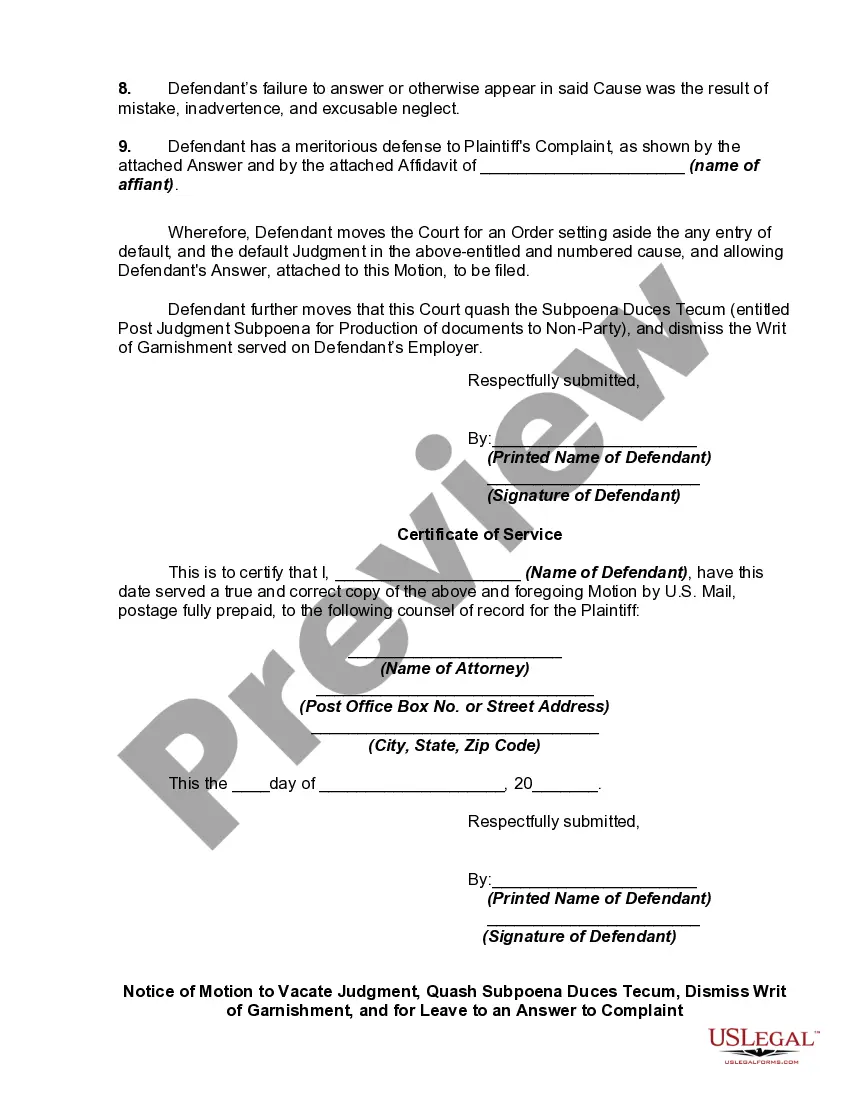
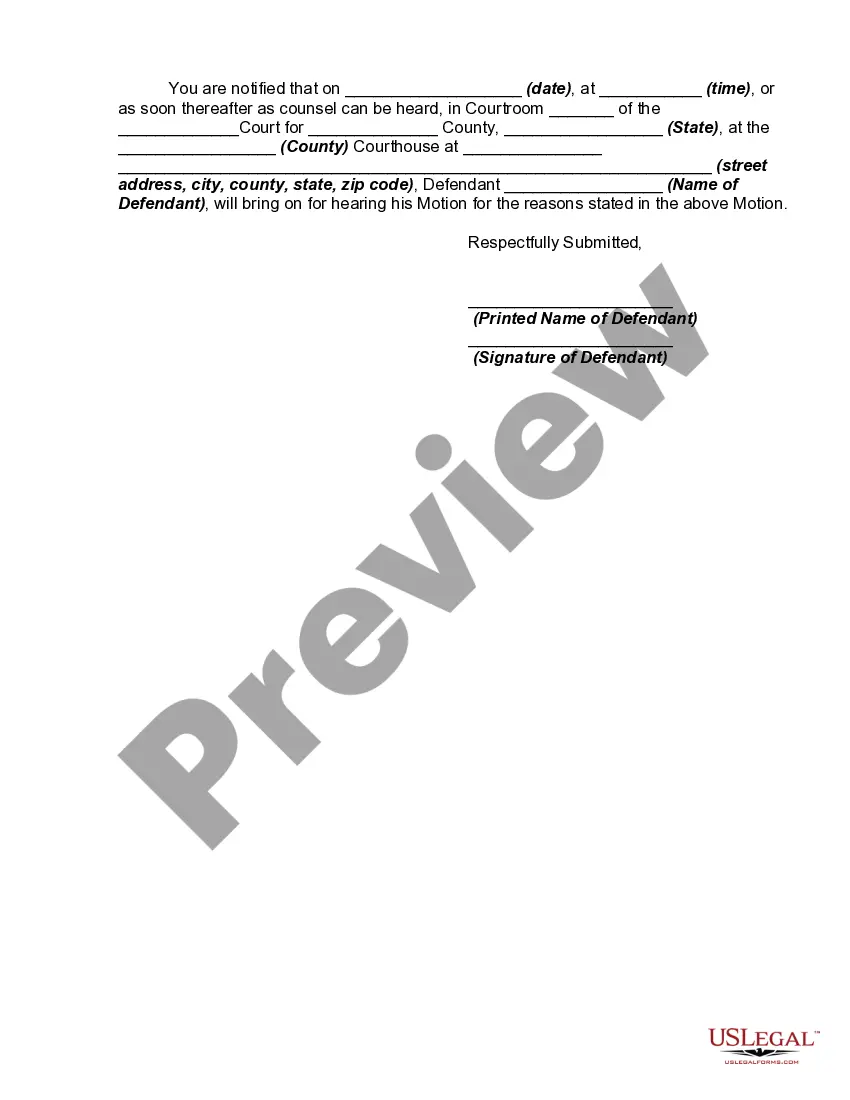
How to fill out Motion To Vacate Judgment, Quash Subpoena Duces Tecum, Dismiss Writ Of Garnishment, And For Leave To File An Answer To Complaint?
Creating legal documents from the beginning can occasionally be daunting.
Certain situations may require extensive research and significant financial investment.
If you're looking for a more straightforward and economical approach to generating Garnishment File For Bankruptcies or other paperwork without unnecessary obstacles, US Legal Forms is readily available.
Our online assortment of over 85,000 current legal forms encompasses nearly every facet of your financial, legal, and personal needs. With merely a few clicks, you can promptly access state- and county-compliant documents meticulously prepared by our legal professionals.
Examine the document preview and descriptions to confirm that you've located the document you need. Ensure the form you select complies with the laws and regulations of your state and county. Choose the most appropriate subscription plan to obtain the Garnishment File For Bankruptcies. Download the document, then fill it out, sign, and print it. US Legal Forms boasts a flawless reputation and over 25 years of expertise. Join us today and make document completion a simple and organized task!
- Utilize our platform whenever you seek dependable and trustworthy services that allow you to effortlessly find and download the Garnishment File For Bankruptcies.
- If you're familiar with our services and previously established an account, simply Log In to your account, choose the template, and download it or re-download it anytime from the My documents section.
- No account? No problem. Registering takes just minutes and allows you to navigate the catalog easily.
- However, before you rush to download the Garnishment File For Bankruptcies, consider these guidelines.
Form popularity
FAQ
NCAOC offers online remote access to and data extract files of criminal and civil case information.
North Carolina's civil statute of limitations laws provide a three-year time limit for personal injuries, fraud, and many other causes of action, but just a one-year limit for defamation.
The Public Access to Court Electronic Records Service (PACER) provides online access to these documents at a minimal charge. You can open an account at pacer.gov. Most docket sheets from 1992 and later and documents filed from March 1, 2005 and later are available in PACER. Visit the Greensboro Clerk' Office.
People can represent themselves (known as proceeding ?pro se?), but this can be difficult, especially in complex cases. If you choose to represent yourself, you will be held to the same rules of evidence and procedure as a licensed attorney.
Information about criminal cases in the North Carolina court system can be accessed by visiting a public, self-service terminal located at a clerk of court's office in any county. You can use the terminal to search for cases by defendant name, case number, or victim or witness name.
To file a complaint, a document is prepared by a civil litigation attorney to spell out the facts and define the legal remedies being sought. If the Plaintiff is seeking more than $25,000, the case will usually be filed in Superior Court.
The following items must be submitted to the Clerk of Court: (i) complaint; (ii) summons; (iii) cover sheet; and (iv) filing fee. Venue is prescribed by statute. In civil actions, venue is typically the county in which the plaintiff or defendant resides.
Court Fees Filing a civil action (includes a $52.00 administrative fee) The administrative fee does not apply to applications for a writ of habeas corpus or to persons granted in forma pauperis status under 28 U.S.C § 1915.$402.00Certificate of Good Standing or Duplicate certificate of admission$20.0021 more rows ?