Protection Order Requirements
Description
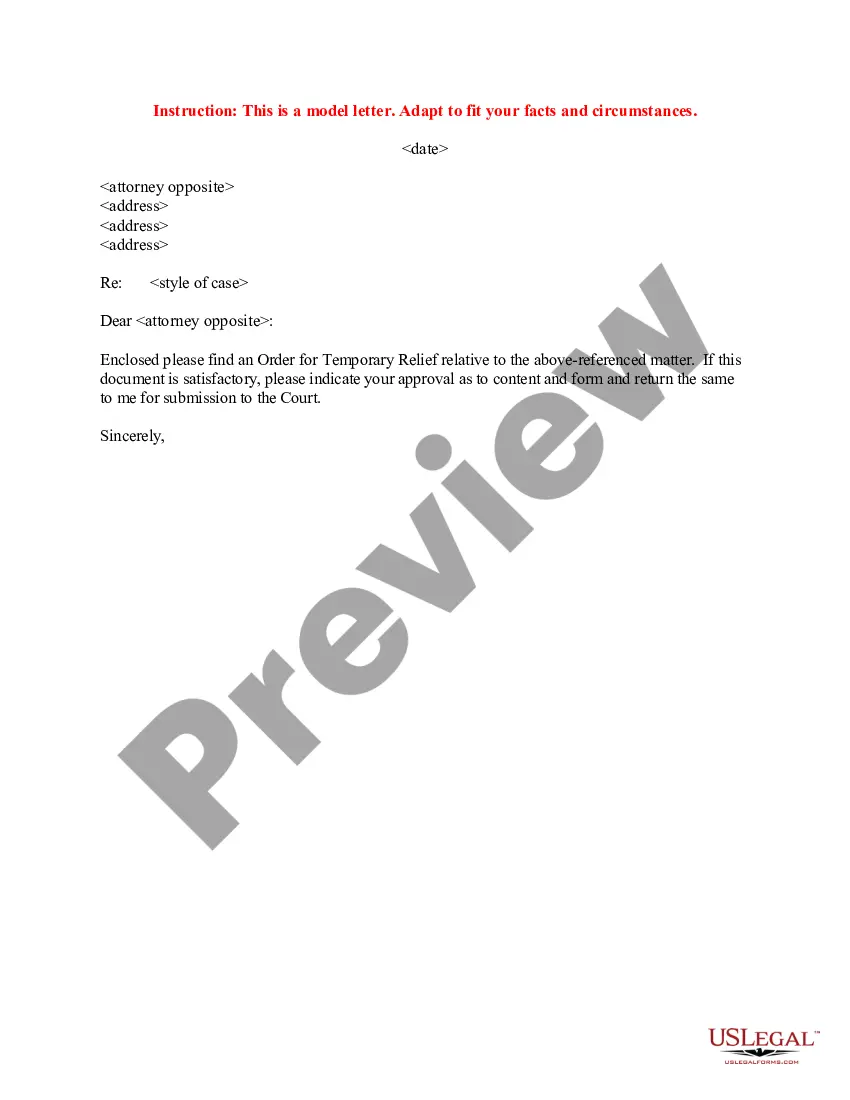
Get your form ready online
Our built-in tools help you complete, sign, share, and store your documents in one place.
Make edits, fill in missing information, and update formatting in US Legal Forms—just like you would in MS Word.
Download a copy, print it, send it by email, or mail it via USPS—whatever works best for your next step.
Sign and collect signatures with our SignNow integration. Send to multiple recipients, set reminders, and more. Go Premium to unlock E-Sign.
If this form requires notarization, complete it online through a secure video call—no need to meet a notary in person or wait for an appointment.
We protect your documents and personal data by following strict security and privacy standards.

Make edits, fill in missing information, and update formatting in US Legal Forms—just like you would in MS Word.

Download a copy, print it, send it by email, or mail it via USPS—whatever works best for your next step.

Sign and collect signatures with our SignNow integration. Send to multiple recipients, set reminders, and more. Go Premium to unlock E-Sign.

If this form requires notarization, complete it online through a secure video call—no need to meet a notary in person or wait for an appointment.

We protect your documents and personal data by following strict security and privacy standards.
Looking for another form?







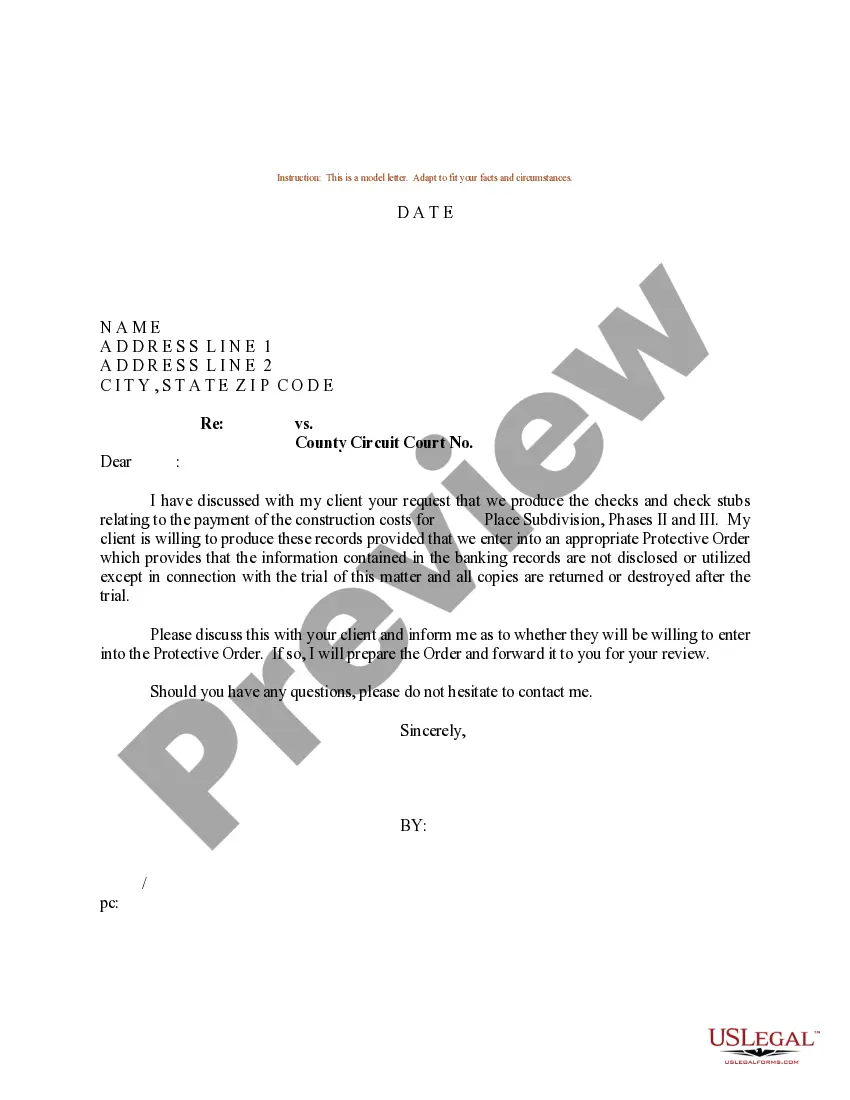
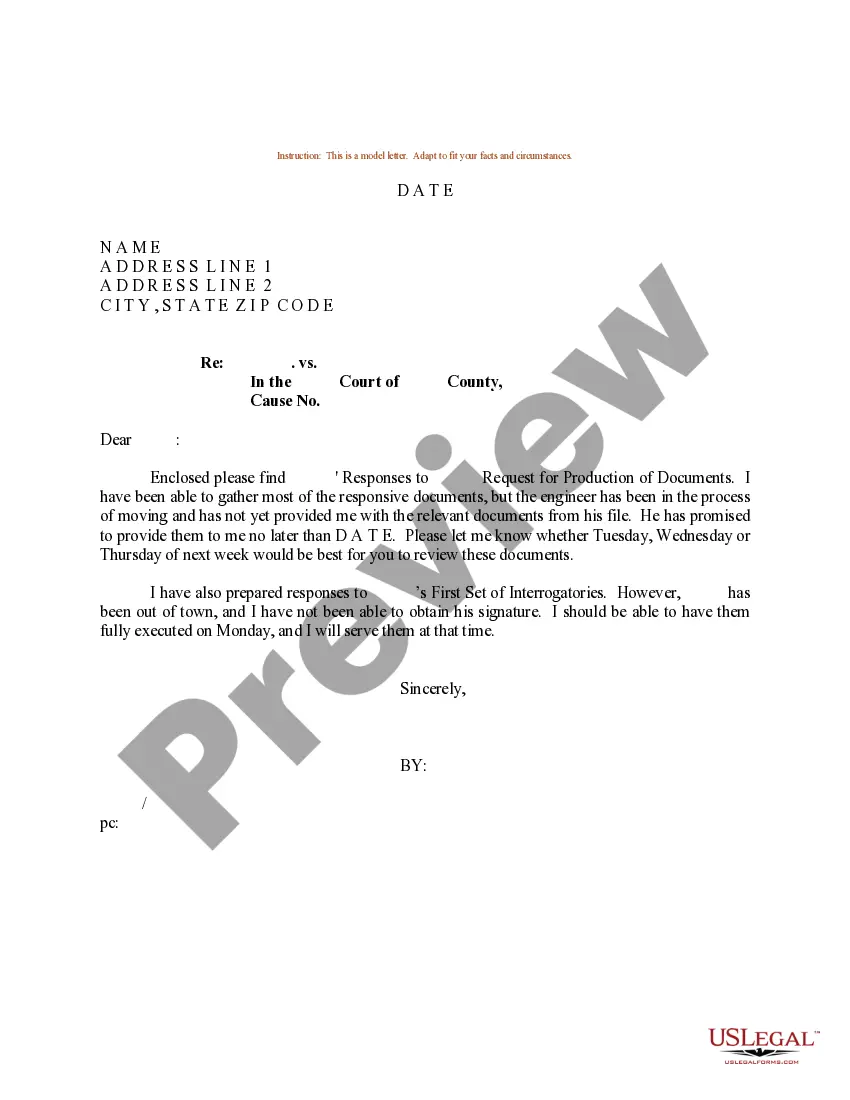
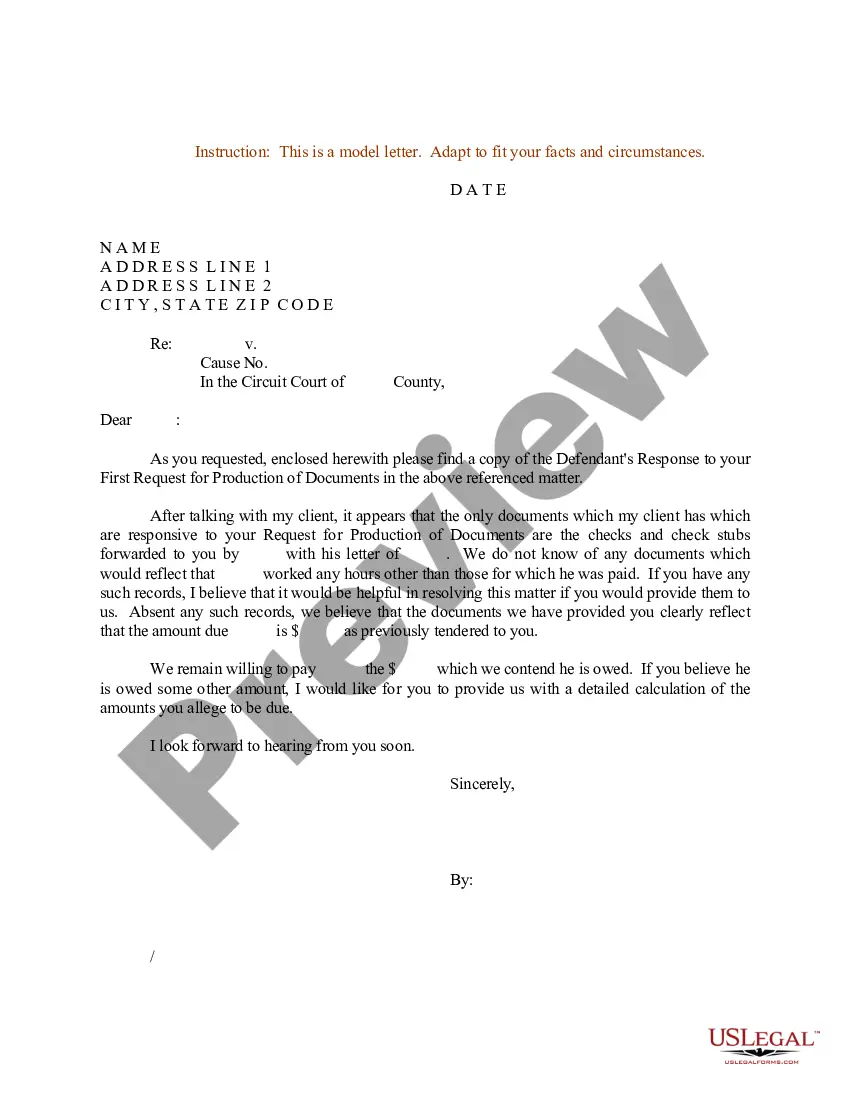
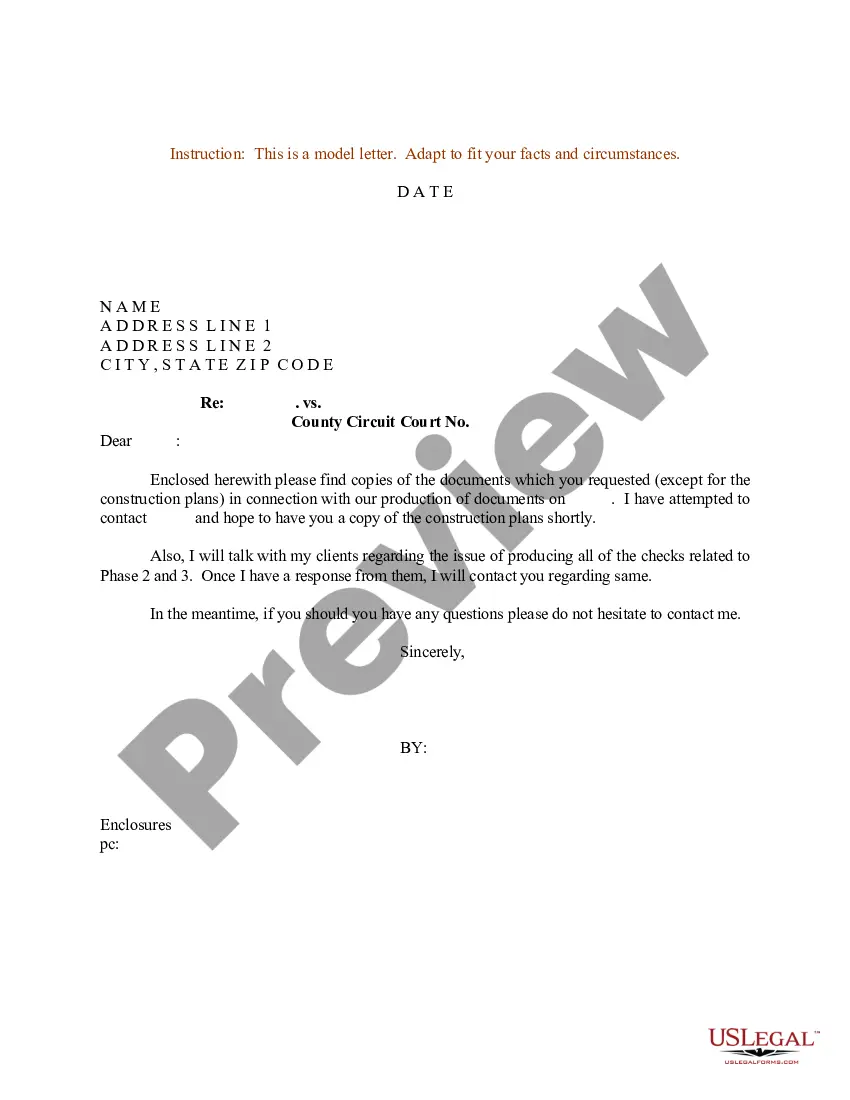
How to fill out Sample Letter Requesting Protective Order For Documents?
The Protection Order Guidelines you see on this page is a versatile legal template created by expert lawyers in accordance with federal and state laws.
For over 25 years, US Legal Forms has offered individuals, businesses, and lawyers more than 85,000 validated, state-specific forms for every professional and personal situation. It’s the quickest, most straightforward, and most reliable method to secure the documents you require, as the service guarantees the utmost level of data protection and malware security.
Join US Legal Forms to have verified legal templates for all of life’s situations at your fingertips.
- Search for the document you require and examine it.
- Browse through the sample you searched and view it or clarify the form description to confirm it meets your needs. If it doesn’t, utilize the search bar to find the appropriate one. Click Buy Now when you have found the template you desire.
- Register and Log In.
- Choose the pricing option that fits you and create an account. Use PayPal or a credit card to make a swift payment. If you already hold an account, Log In and verify your subscription to proceed.
- Obtain the editable template.
- Select the format you require for your Protection Order Guidelines (PDF, Word, RTF) and download the sample onto your device.
- Complete and sign the document.
- Print out the template to fill it out manually. Alternatively, utilize an online multifunctional PDF editor to quickly and accurately complete and sign your form with a legally-binding electronic signature.
- Redownload your documents.
- Make use of the same document again whenever necessary. Access the My documents tab in your profile to redownload any previously saved forms.
Form popularity
FAQ
What Happens Upon a Violation of a Protection Order in Ohio? The person against whom the protection order is issued must ensure that they abide by all conditions. Failing to do so can result in additional criminal charges and penalties. For a first offense, violating a protection order is a first-degree misdemeanor.
A Protection Order is granted by a Judge and orders the defendant to stay away from you. The defendant should not enter your home or approach you at your place of work or school. If the defendant violates the protection order, a new charge could be filed and the defendant could be arrested.
Addresses will also be needed for your residence, place of employment and any other location where ?protected? individuals may regularly be present, for example childcare facilities. Any case filed in our Court is public record and can be obtained in person.
No Contact Orders are issued by a judge through criminal cases. For instance, when there is a crime that involves an alleged victim of violence, such as Domestic Battery, Battery, Harassment, and Stalking, then the Judge will likely order that the Defendant have No Contact with the Alleged Victim.
A motion for a protective order shall be accompanied by: (1) A memorandum in support, setting forth the specific basis of the motion and citations to any authorities relied upon. (2) Copies of any specific discovery request which are the subject of the request for a protective order.