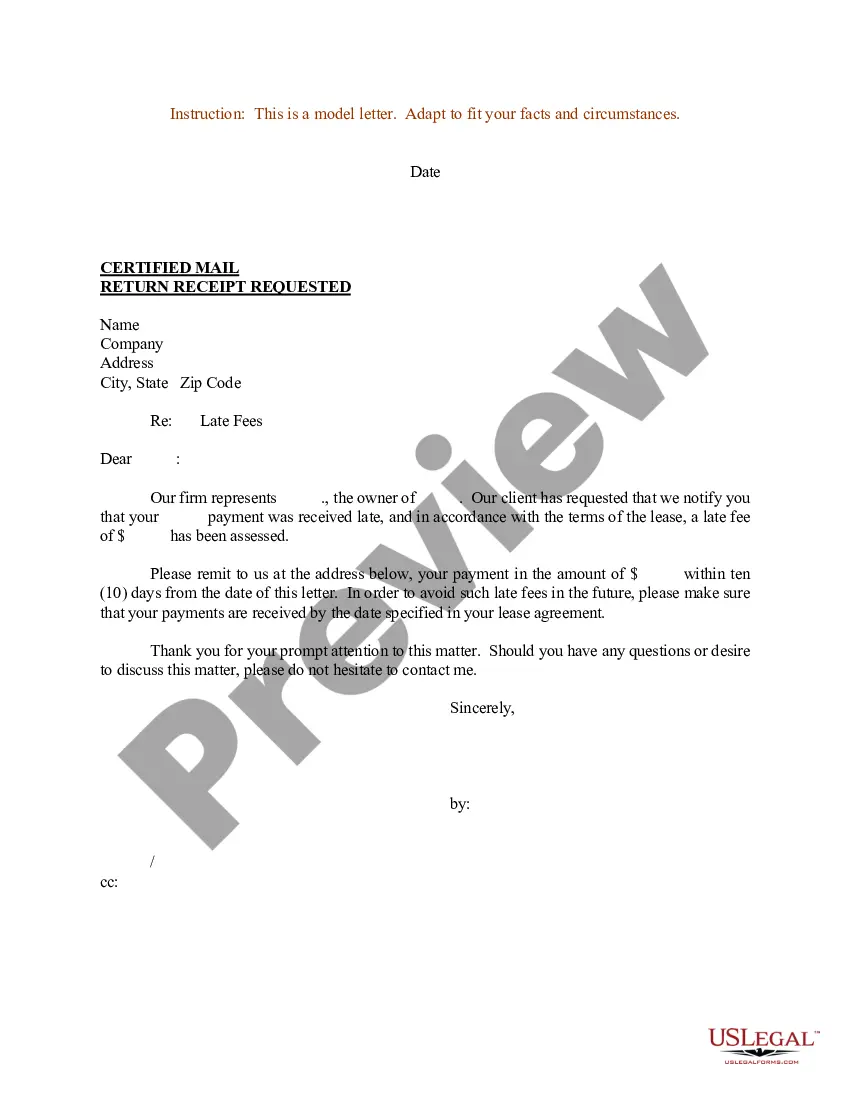
Letter Payment Form Without
Description
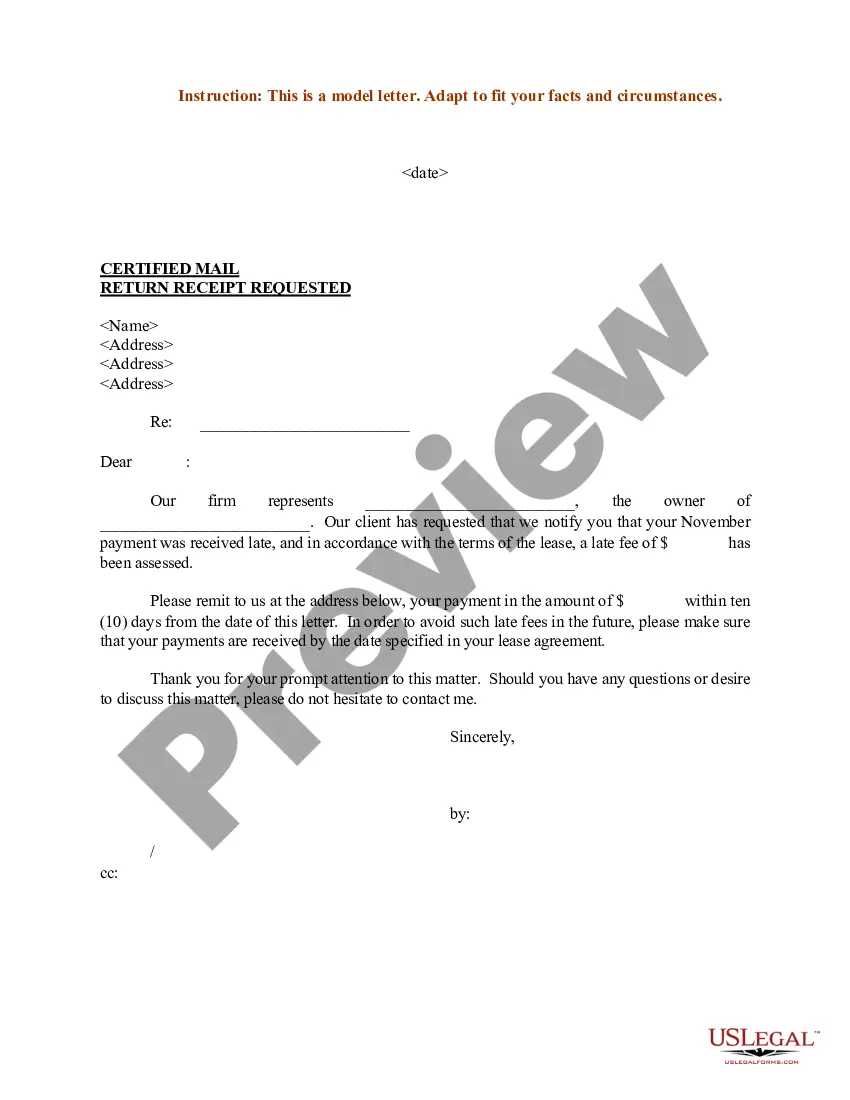
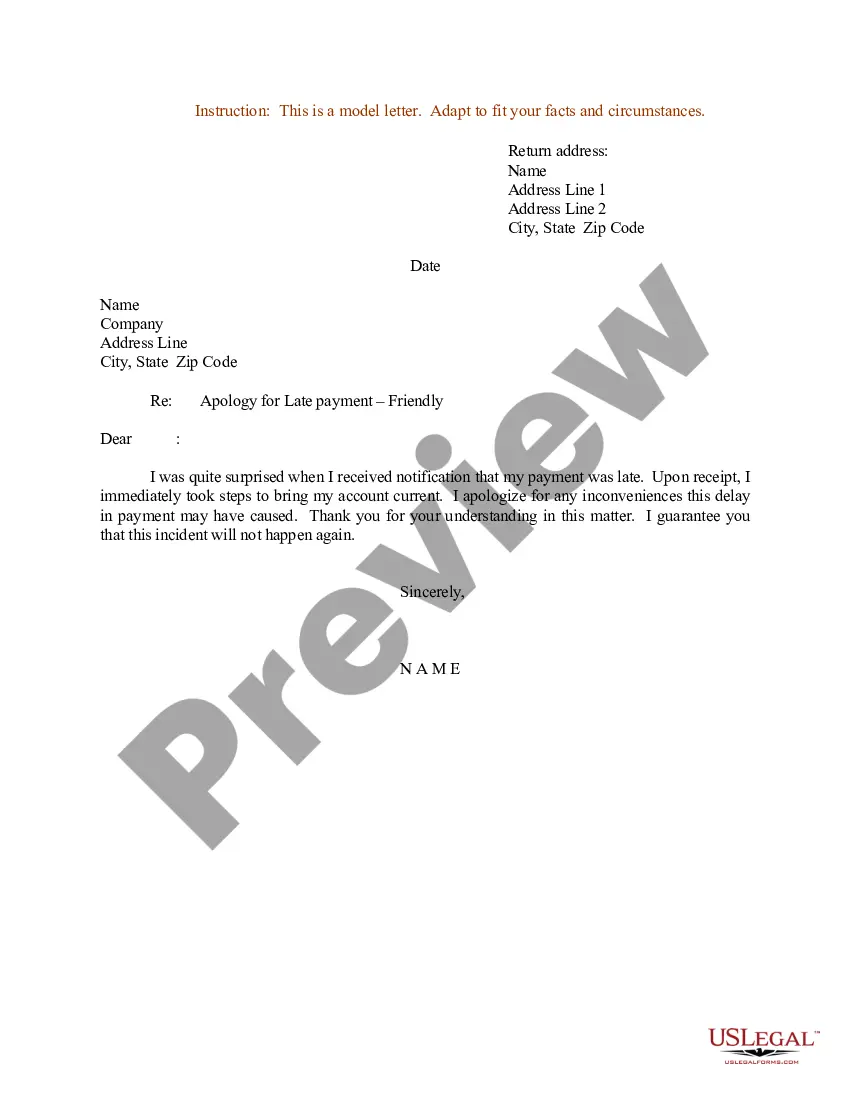
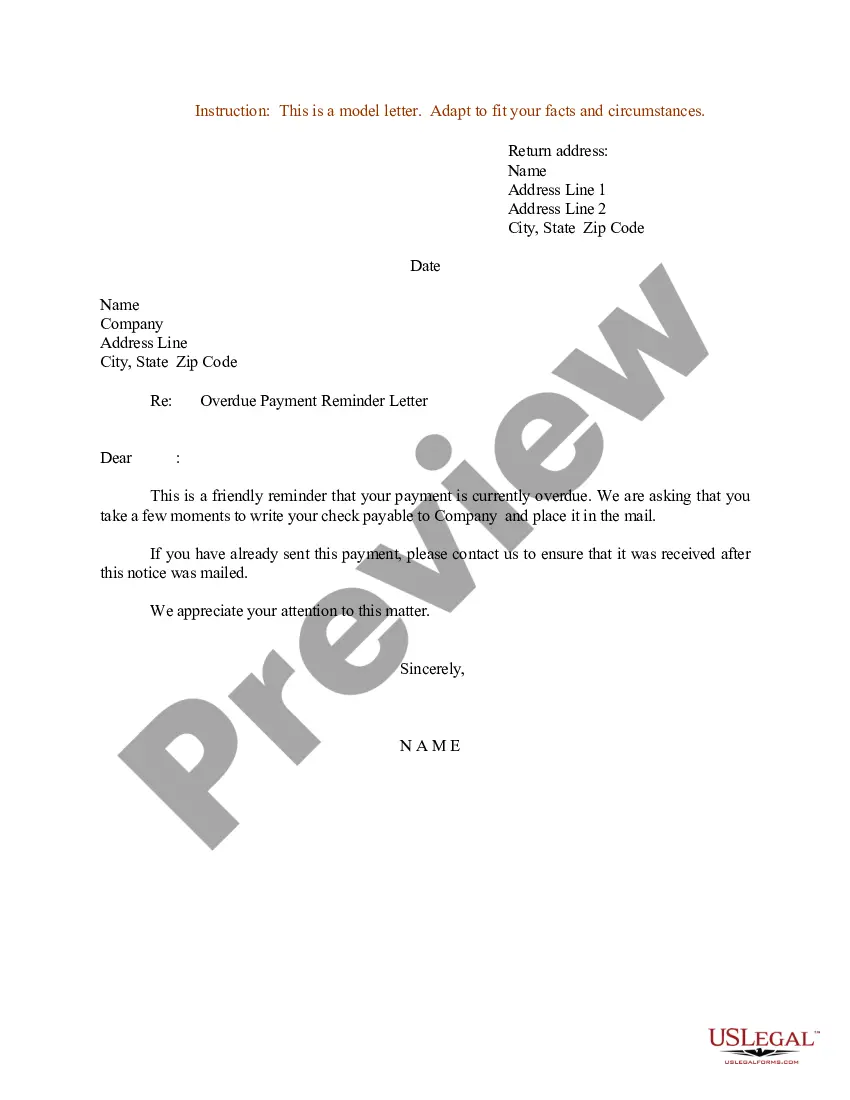
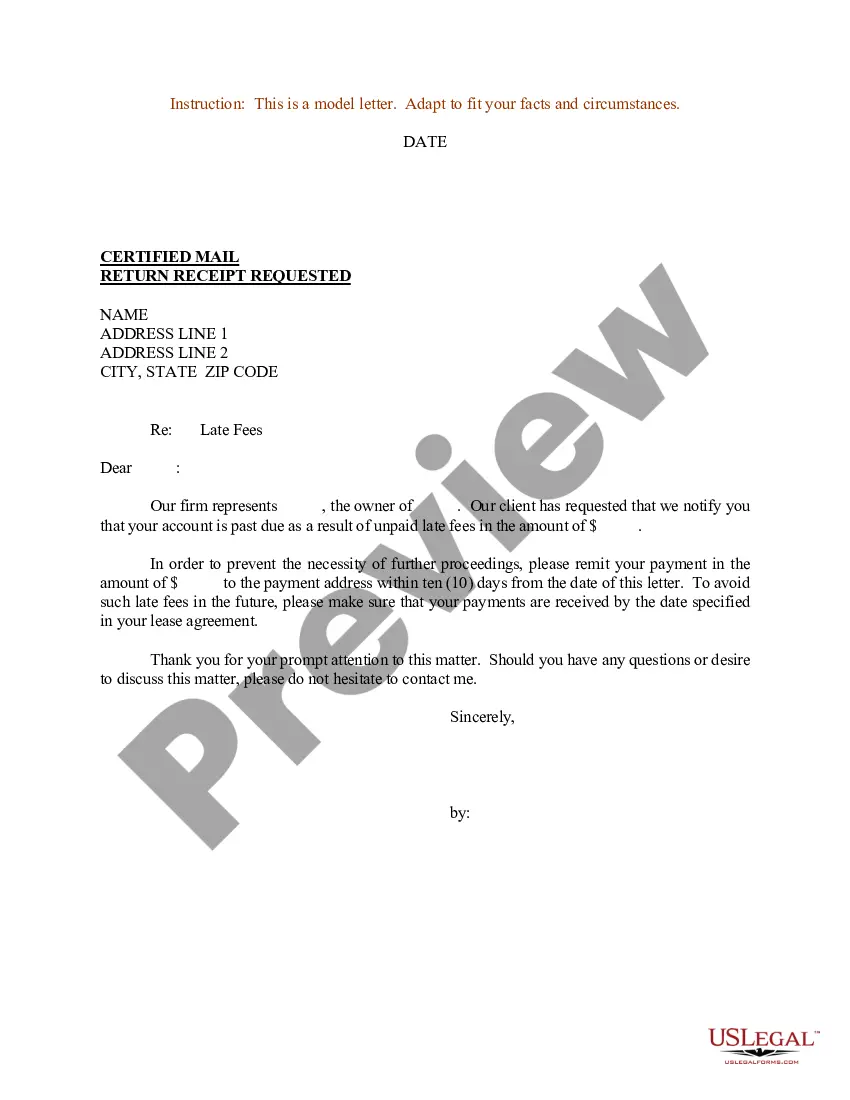
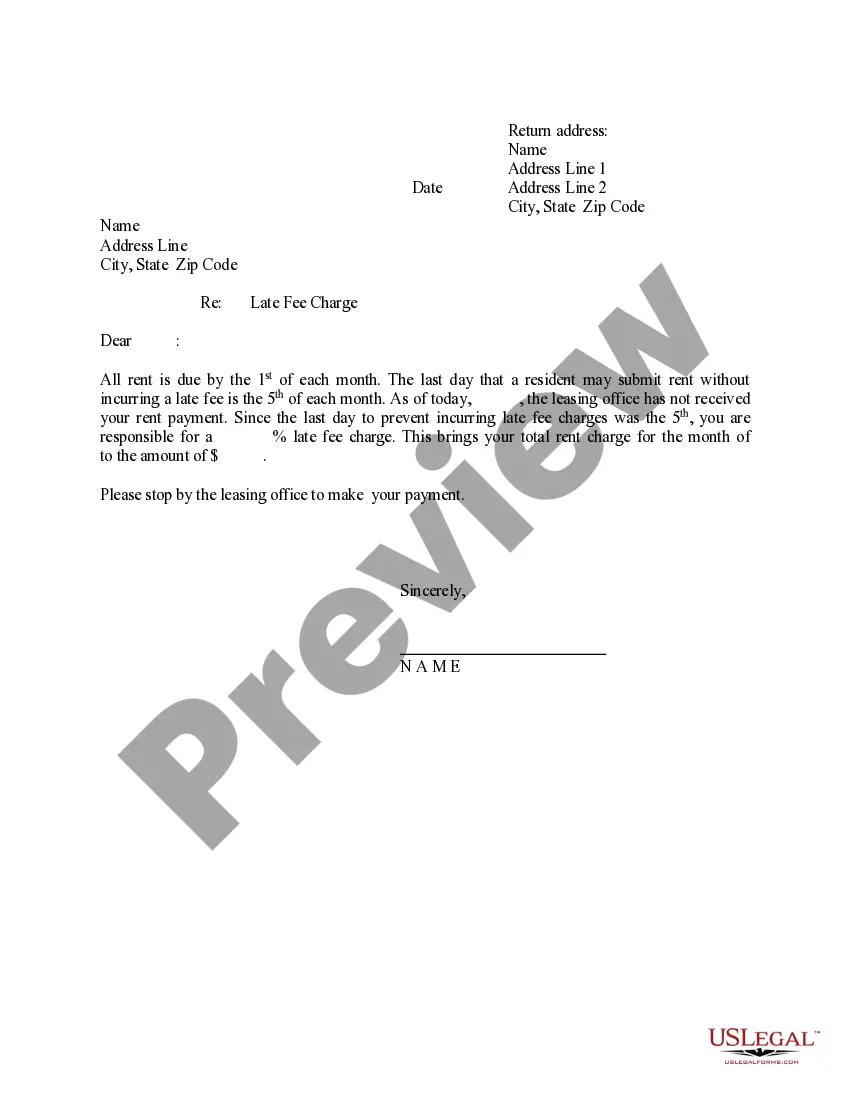
How to fill out Sample Letter For Notification Of Late Payment?
Whether for corporate objectives or personal matters, everyone encounters the necessity to handle legal situations at some point in their lives.
Completing legal documents necessitates meticulous consideration, starting from selecting the appropriate form template.
Fill out the account registration form.
- For instance, if you select an incorrect variant of a Payment Letter Form Without, it will be rejected when submitted.
- Thus, it is essential to procure a reliable source of legal documents like US Legal Forms.
- If you need to obtain a Payment Letter Form Without template, follow these simple steps.
- Locate the required template by utilizing the search bar or browsing the catalog.
- Review the form’s description to confirm it aligns with your situation, state, and locality.
- Click on the form’s preview to scrutinize it.
- If it is the incorrect form, return to the search feature to look for the Payment Letter Form Without sample you need.
- Acquire the document when it fits your requirements.
- If you possess a US Legal Forms account, simply click Log in to access previously saved templates in My documents.
- If you do not have an account yet, you can obtain the form by clicking Buy now.
- Choose the appropriate pricing option.
Form popularity
FAQ
I am writing to dispute a charge of [$______] to my [credit or debit card] account on [date of the charge]. The charge is in error because [explain the problem briefly. For example, the items weren't delivered, I was overcharged, I returned the items, I did not buy the items, etc.].
Most IRS letters are called ?notices,? and they always contain the IRS logo. You may receive multiple letters or notices for the same issue. The letter should clearly explain the reason for contacting you and what you may need to do in response. Letters always include your rights as a taxpayer.
When an IRS letter or notice arrives in the mail, here's what taxpayers should do: Read the letter carefully. ... Review the information. ... Take any requested action, including making a payment. ... Reply only if instructed to do so. ... Let the IRS know of a disputed notice. ... Keep the letter or notice for their records.
Part 1: Identification Line 1: Name and Address. ... Lines 2 and 3: Social Security Number(s) ... Line 4: Estimate Your Overall Tax Liability. ... Line 5: Provide Your Total Payments. ... Line 6: Your Balance Due. ... Line 7: Amount You're Paying with Your Tax Extension. ... Line 8: ?Out of the Country? Filers.
Not All Letters from the IRS Are Bad For instance, the IRS may seek additional information about a limited aspect of your tax return. However, the position you took may be completely justified and supported by the evidence. Thus, once you submit the information to the IRS, the problem is resolved.