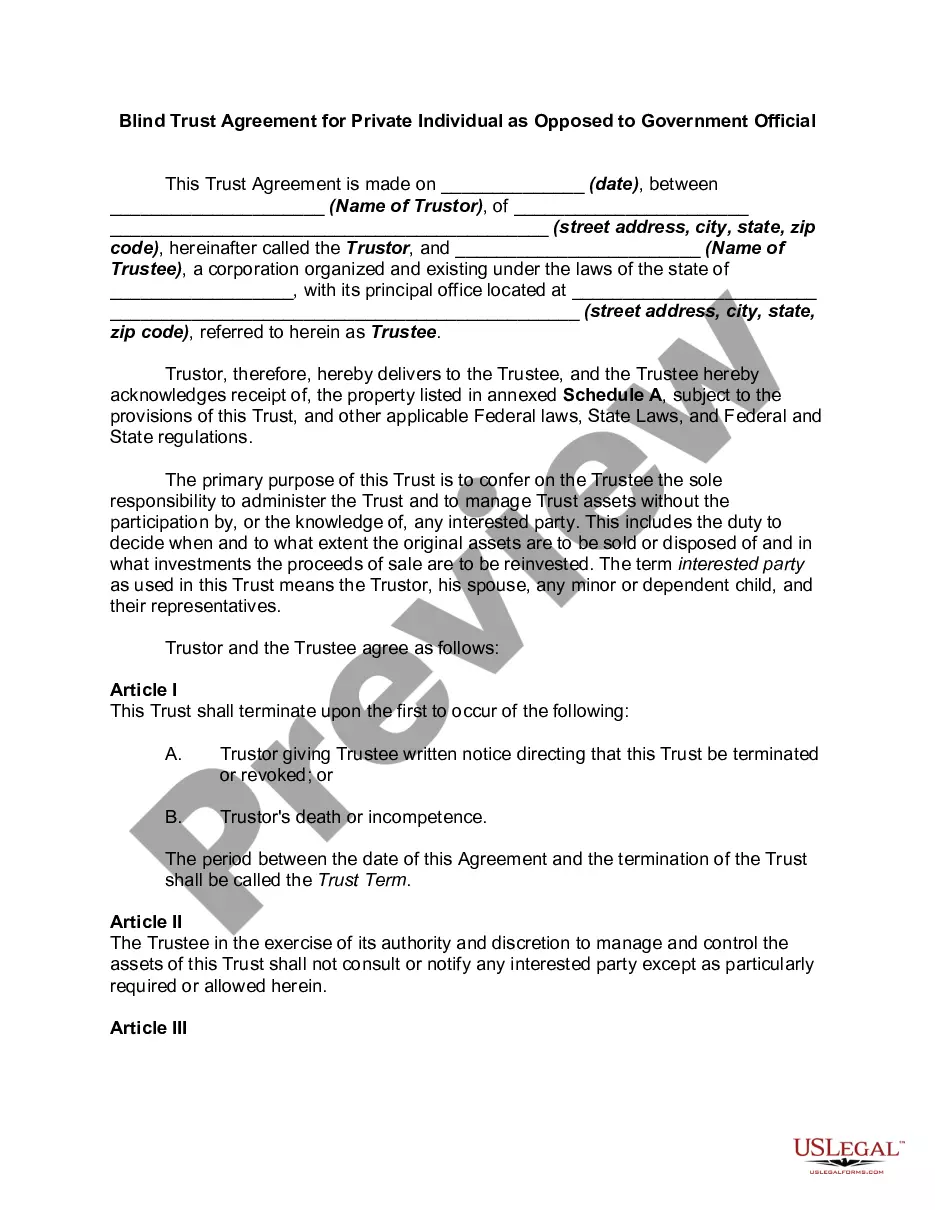
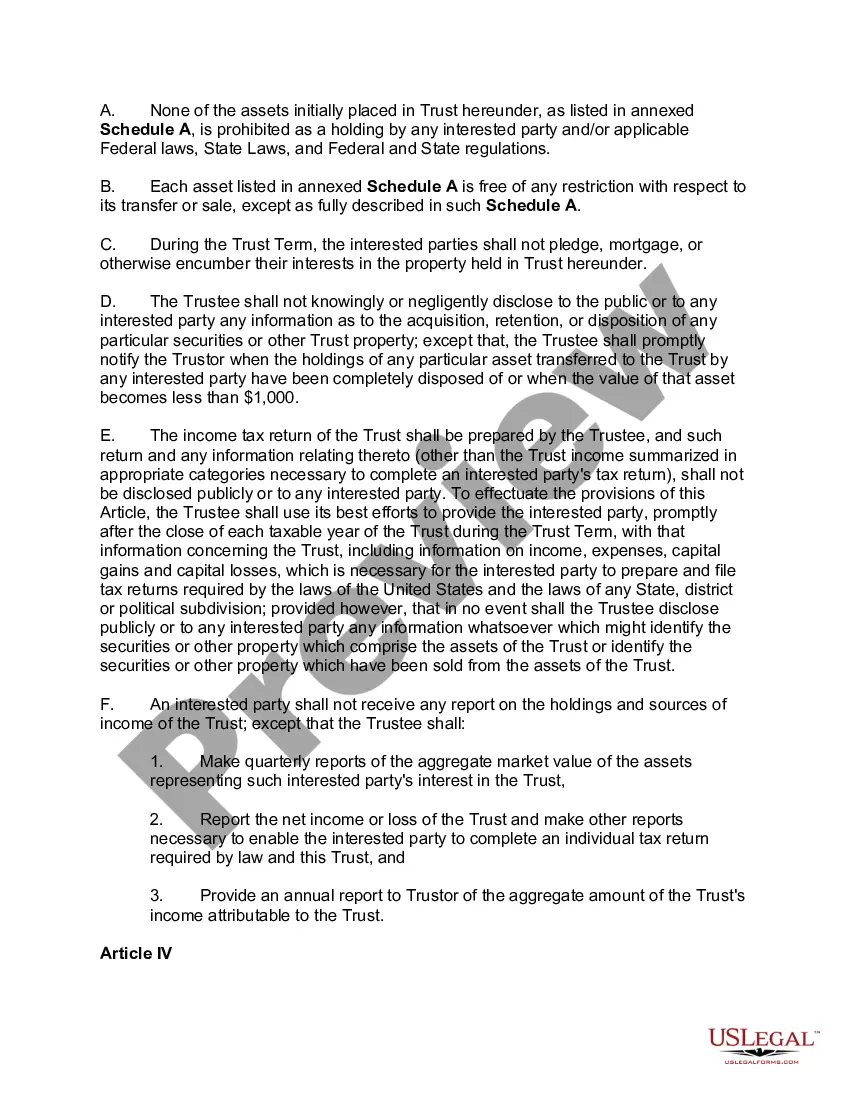
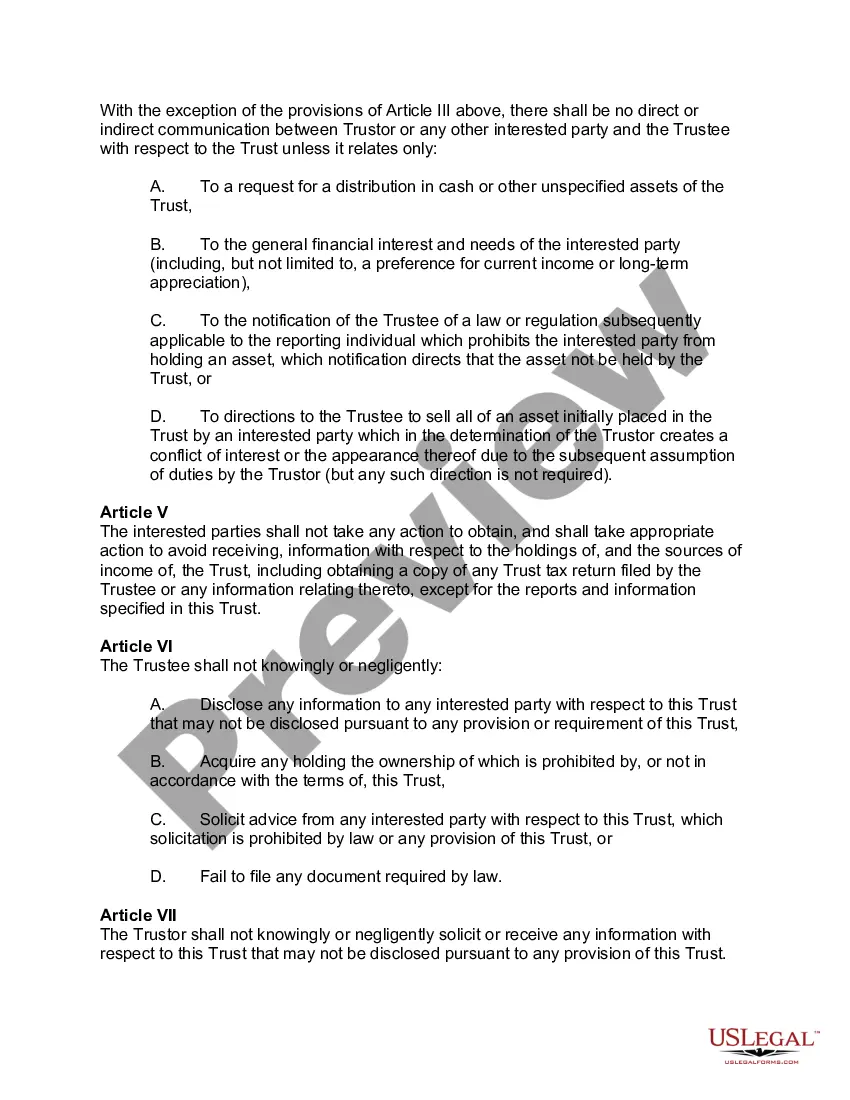
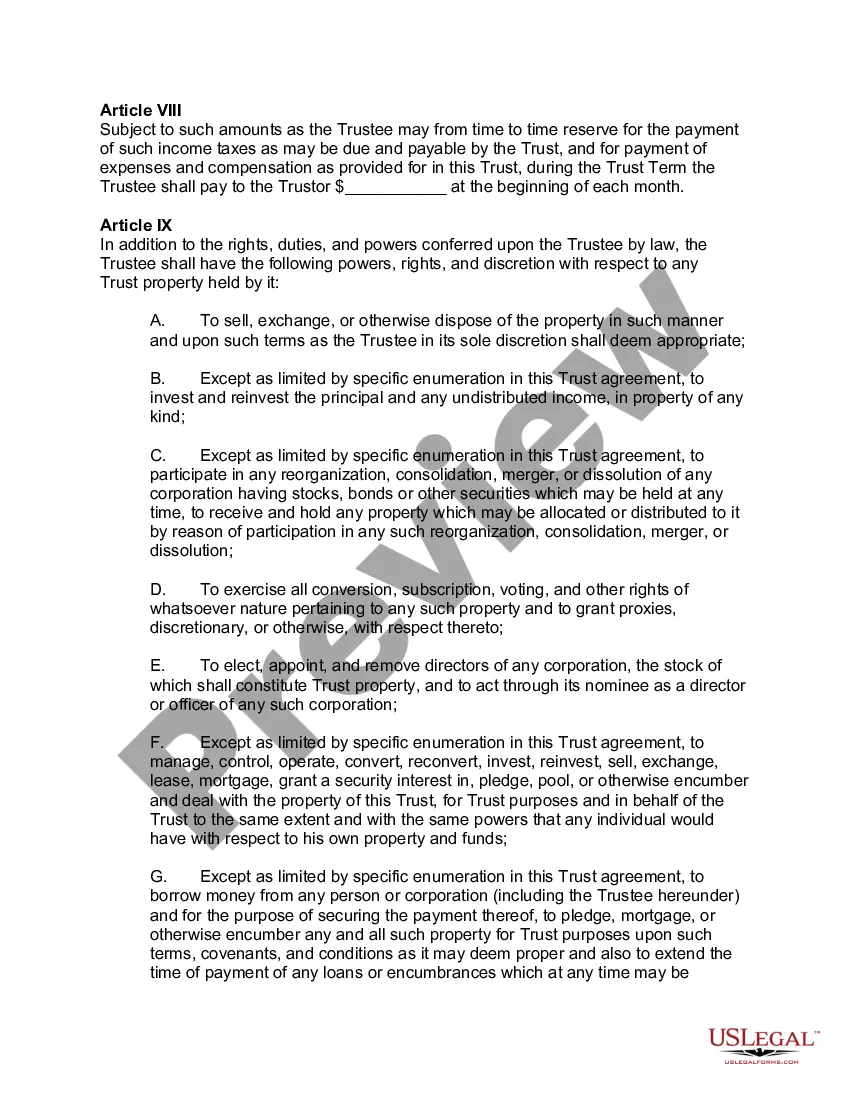
Definition For Blind Trust
Description
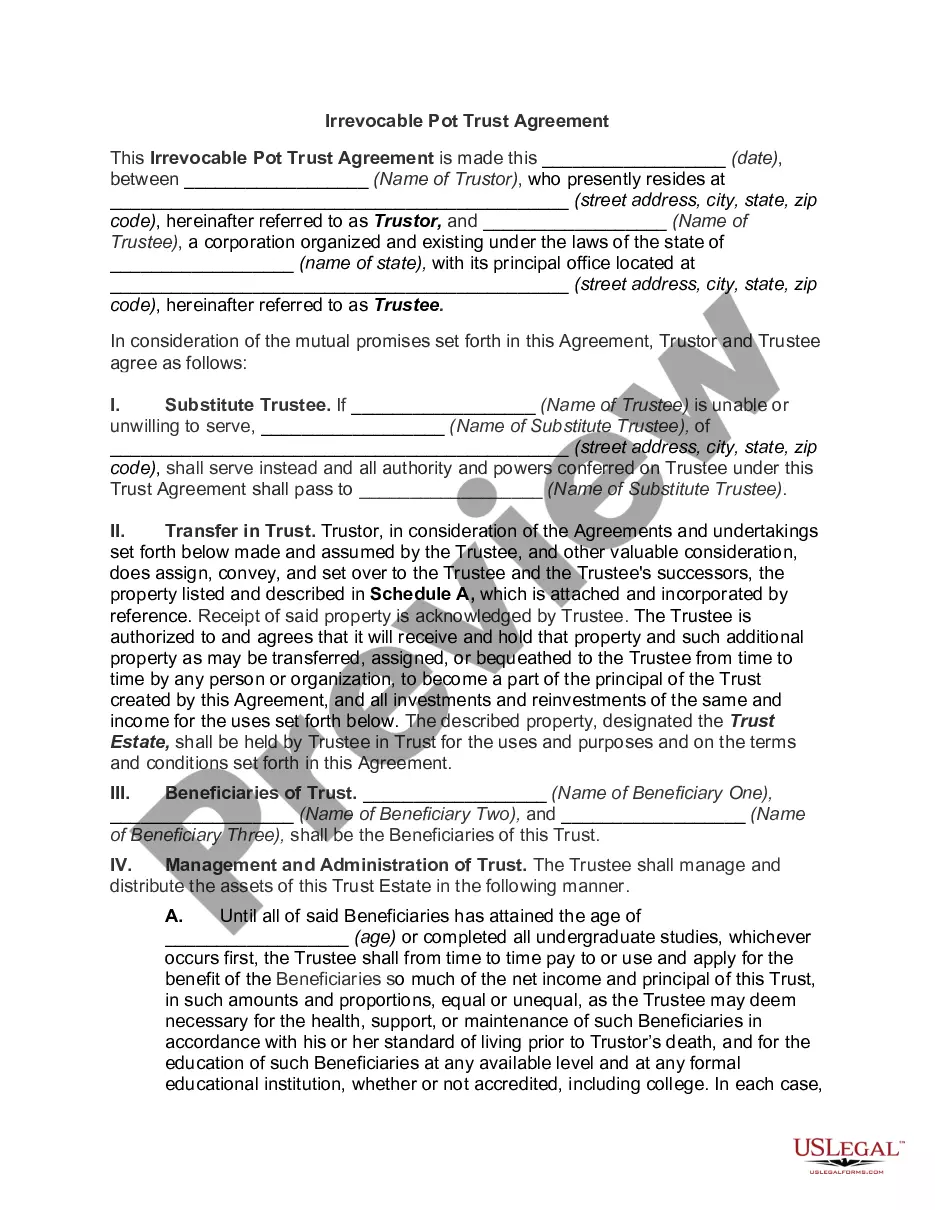
Get your form ready online
Our built-in tools help you complete, sign, share, and store your documents in one place.
Make edits, fill in missing information, and update formatting in US Legal Forms—just like you would in MS Word.
Download a copy, print it, send it by email, or mail it via USPS—whatever works best for your next step.
Sign and collect signatures with our SignNow integration. Send to multiple recipients, set reminders, and more. Go Premium to unlock E-Sign.
If this form requires notarization, complete it online through a secure video call—no need to meet a notary in person or wait for an appointment.
We protect your documents and personal data by following strict security and privacy standards.

Make edits, fill in missing information, and update formatting in US Legal Forms—just like you would in MS Word.

Download a copy, print it, send it by email, or mail it via USPS—whatever works best for your next step.

Sign and collect signatures with our SignNow integration. Send to multiple recipients, set reminders, and more. Go Premium to unlock E-Sign.

If this form requires notarization, complete it online through a secure video call—no need to meet a notary in person or wait for an appointment.

We protect your documents and personal data by following strict security and privacy standards.
Looking for another form?







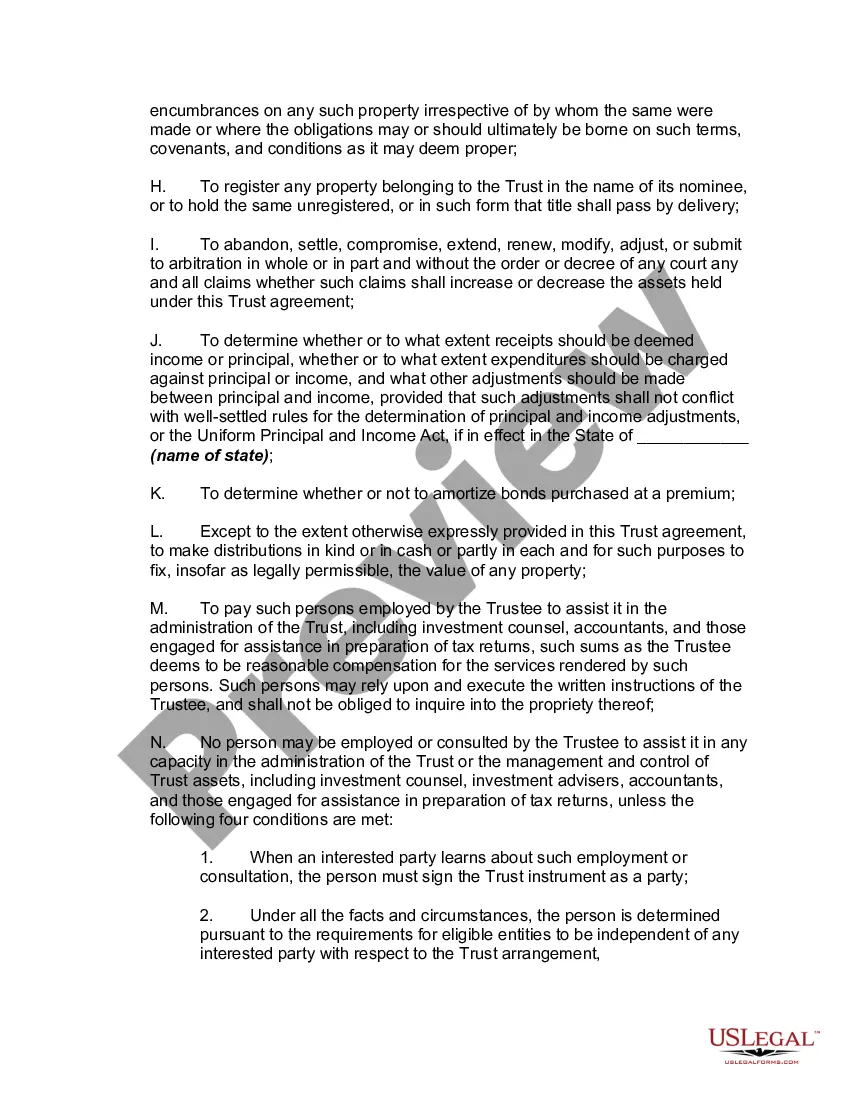
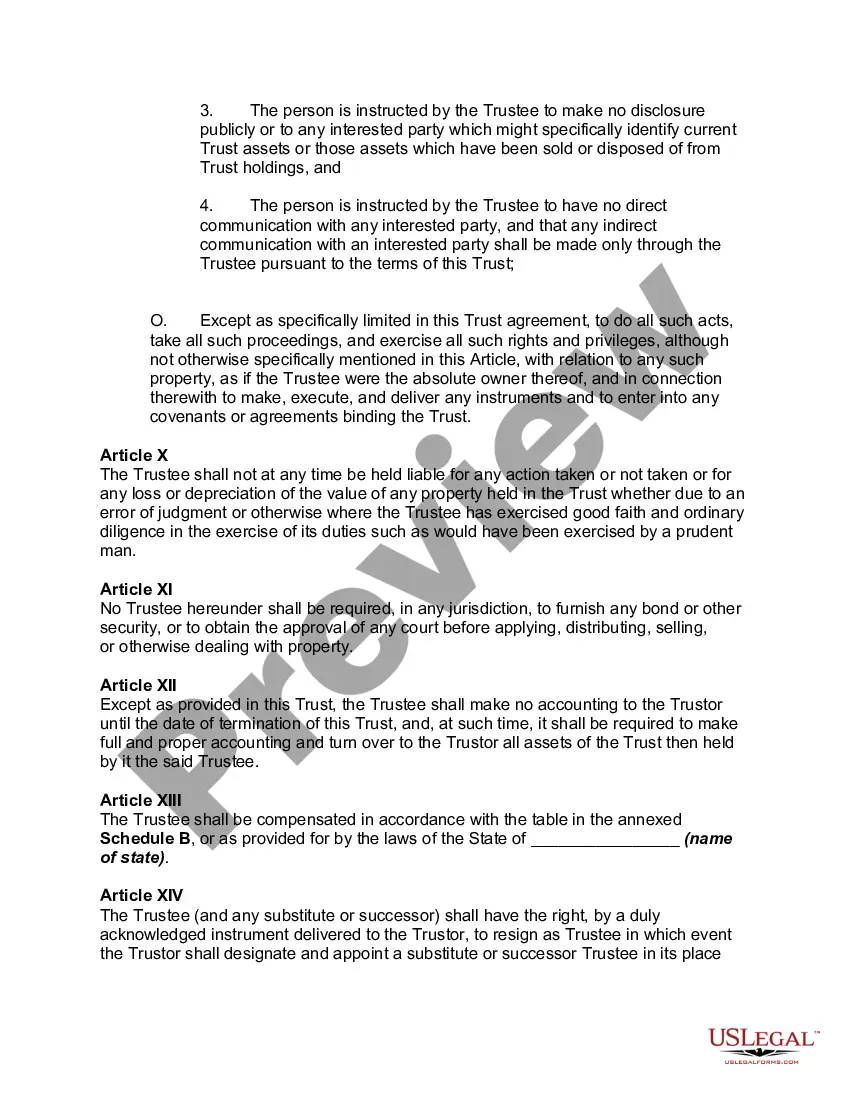
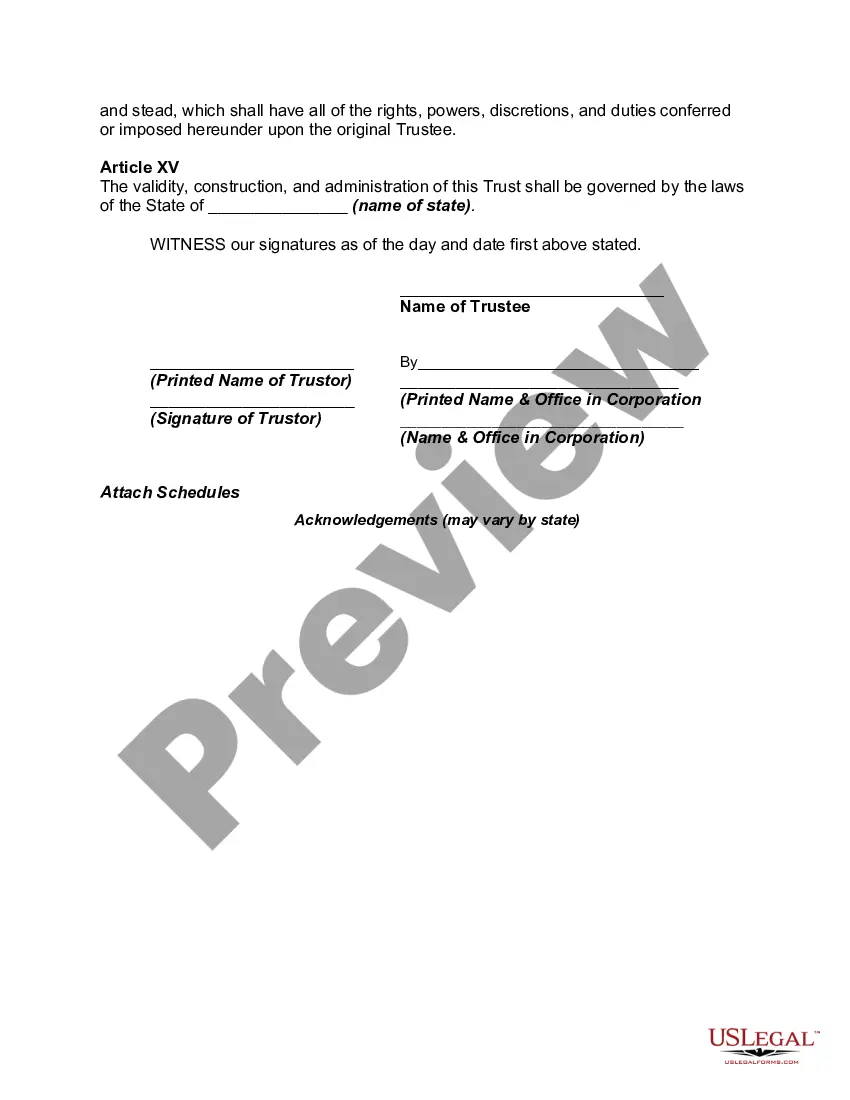
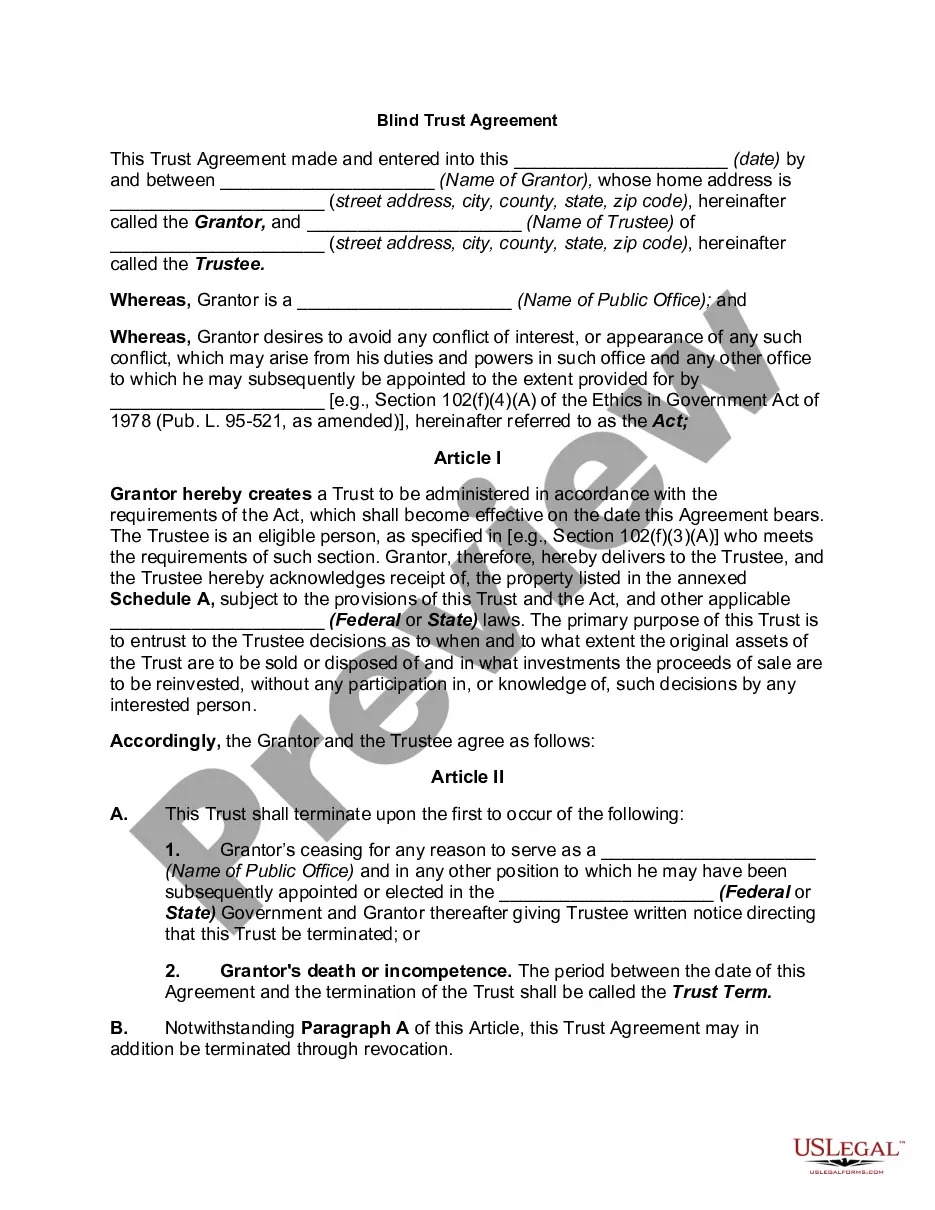
How to fill out Blind Trust Agreement For Private Individual As Opposed To Government?
Creating legal documents from the ground up can occasionally be daunting.
Some situations may require extensive research and significant financial investment.
If you’re looking for a simpler and more economical method of producing Definition For Blind Trust or any other documents without the hassle, US Legal Forms is always available to assist you.
Our online catalog of over 85,000 current legal forms encompasses nearly every aspect of your financial, legal, and personal affairs.
Examine the document preview and descriptions to confirm you are looking at the correct document.
- With just a few clicks, you can rapidly obtain state- and county-specific forms carefully assembled for you by our legal experts.
- Utilize our platform whenever you need dependable and trustworthy services to swiftly find and download the Definition For Blind Trust.
- If you’re already familiar with our services and have previously registered with us, simply Log In to your account, select the template, and download it or re-download it anytime in the My documents section.
- Not registered yet? No problem. Setting up an account and exploring the library takes just minutes.
- Before jumping straight to downloading the Definition For Blind Trust, follow these guidelines.
Form popularity
FAQ
How do I register my copyright? To register a work, submit a completed application form, and a nonreturnable copy or copies of the work to be registered. See Circular 1, Copyright Basics, section ?Registration Procedures., and Circular 4, Copyright Office Fees?. Where can I get application forms?
A Brief History of Copyright. The world's first copyright law was the Statute of Anne, enacted in England in 1710. This Act introduced for the first time the concept of the author of a work being the owner of its copyright, and laid out fixed terms of protection.
The notion of mailing oneself a creative work to obtain copyright protection is sometimes referred to as the "poor man's copyright." But don't be fooled; the process will not yield you an enforceable copyright. And a copyright isn't much good if you can't bring suit to enforce it.
Open the E-Register Main page, enter your application number and enter the code shown in image but remember you should always have the correct application number for your trademark to download your certificate.
I've heard about a ?poor man's copyright.? What is it? The practice of sending a copy of your own work to yourself is sometimes called a ?poor man's copyright.? There is no provision in the copyright law regarding any such type of protection, and it is not a substitute for registration.
It's simple for anyone to get a copyright. You have to submit a registration with the United States Copyright Office. There is a fee that ranges from $35 to $55 and you attach a complete copy of the work.
In general, all you need to do is create a work of authorship and write it down or otherwise record it somewhere. This will automatically create copyright protections. In theory, you do not need to own the original copy in order to own the copyright.
Take your completed documents to the probate court in the county where you reside and submit them to the clerk. Unless you request an exemption, the $250 fee will be paid by cash, credit card, money order, or check. Checks should be made payable to the ?Treasurer, State of Connecticut.?