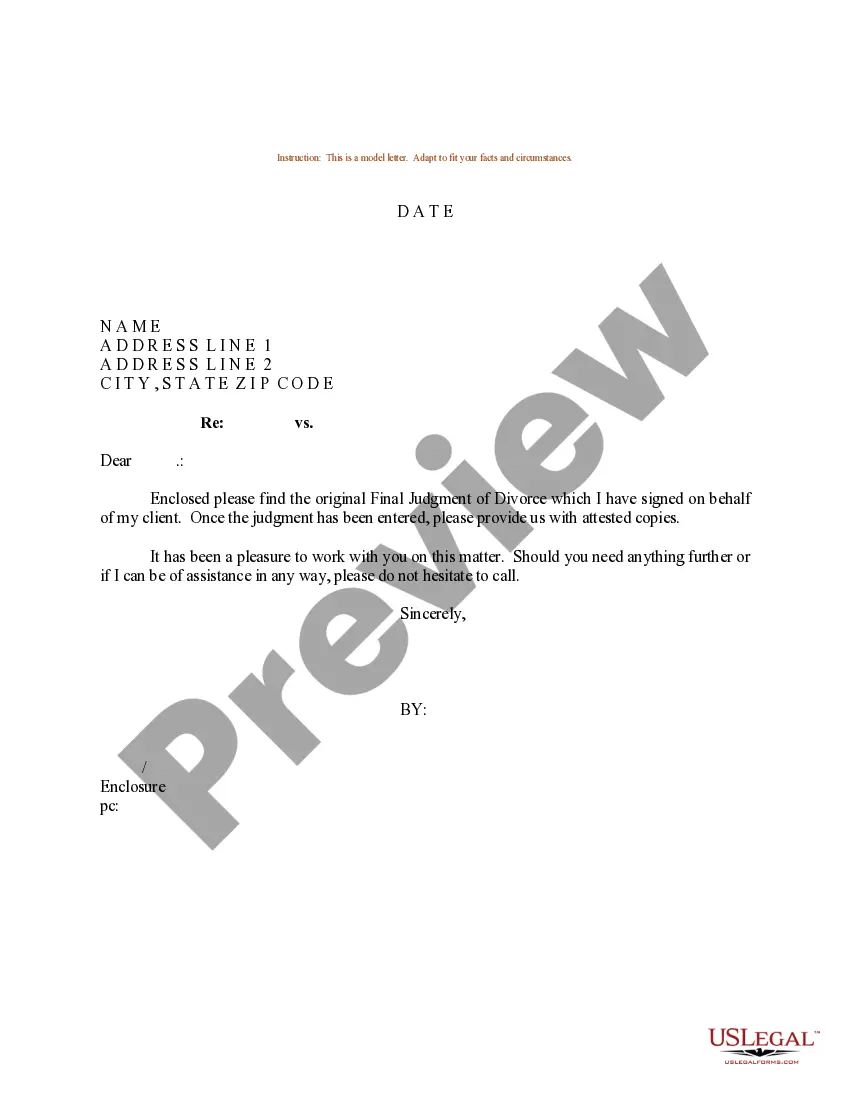
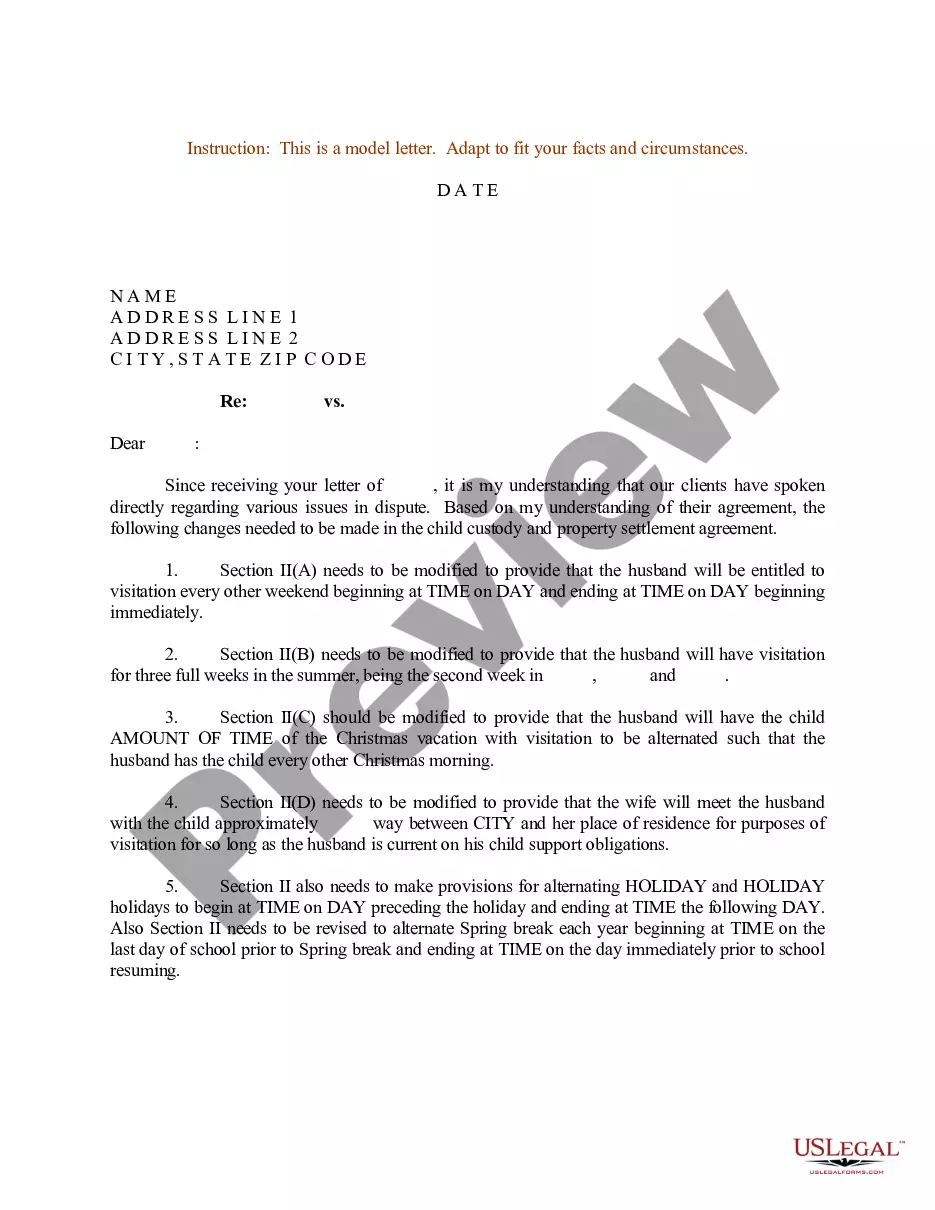
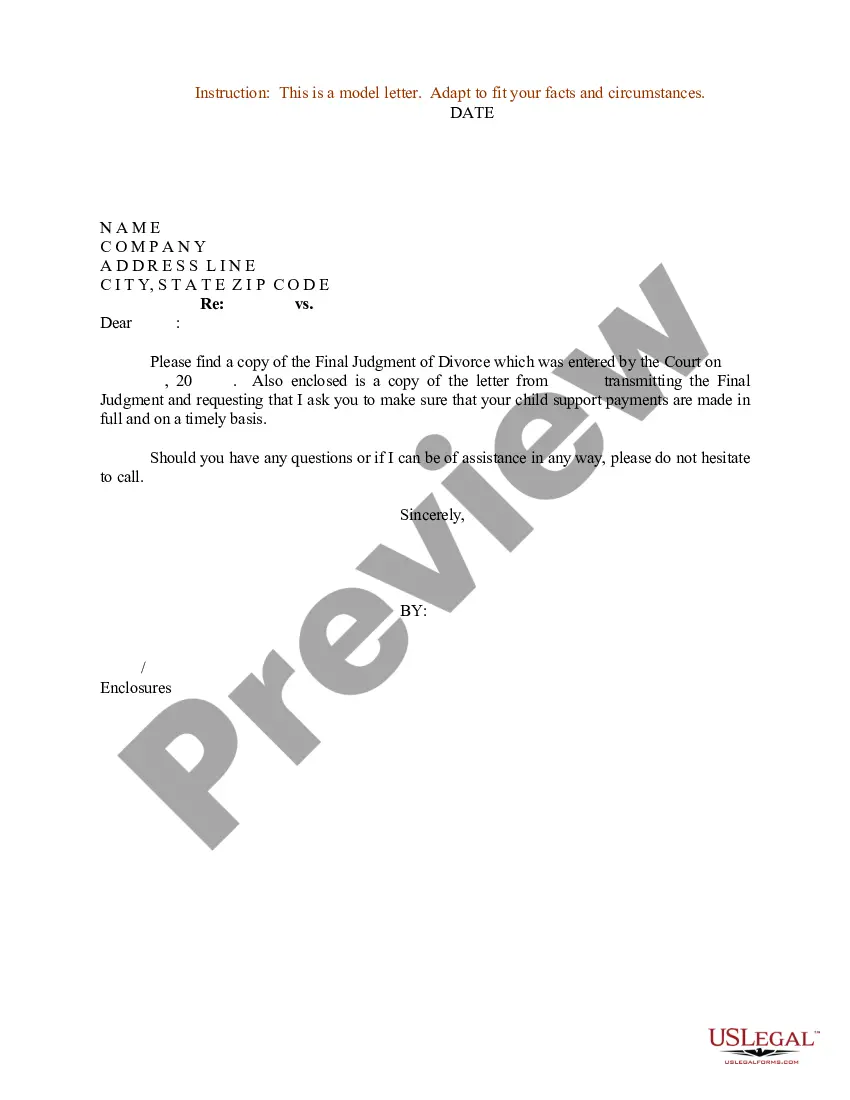
Proposed Judgment Of Divorce With Couples
Description

Get your form ready online
Our built-in tools help you complete, sign, share, and store your documents in one place.
Make edits, fill in missing information, and update formatting in US Legal Forms—just like you would in MS Word.
Download a copy, print it, send it by email, or mail it via USPS—whatever works best for your next step.
Sign and collect signatures with our SignNow integration. Send to multiple recipients, set reminders, and more. Go Premium to unlock E-Sign.
If this form requires notarization, complete it online through a secure video call—no need to meet a notary in person or wait for an appointment.
We protect your documents and personal data by following strict security and privacy standards.

Make edits, fill in missing information, and update formatting in US Legal Forms—just like you would in MS Word.

Download a copy, print it, send it by email, or mail it via USPS—whatever works best for your next step.

Sign and collect signatures with our SignNow integration. Send to multiple recipients, set reminders, and more. Go Premium to unlock E-Sign.

If this form requires notarization, complete it online through a secure video call—no need to meet a notary in person or wait for an appointment.

We protect your documents and personal data by following strict security and privacy standards.
Looking for another form?
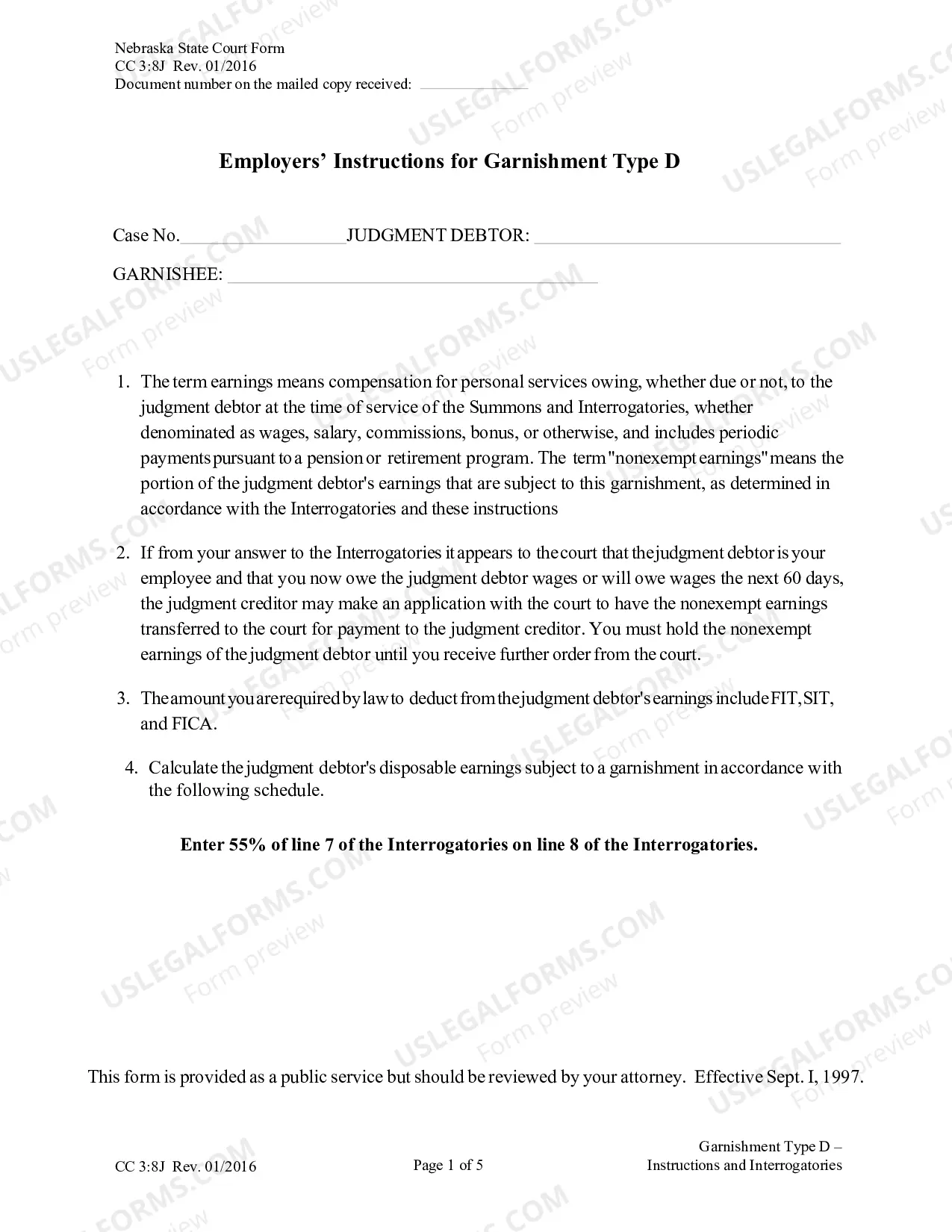
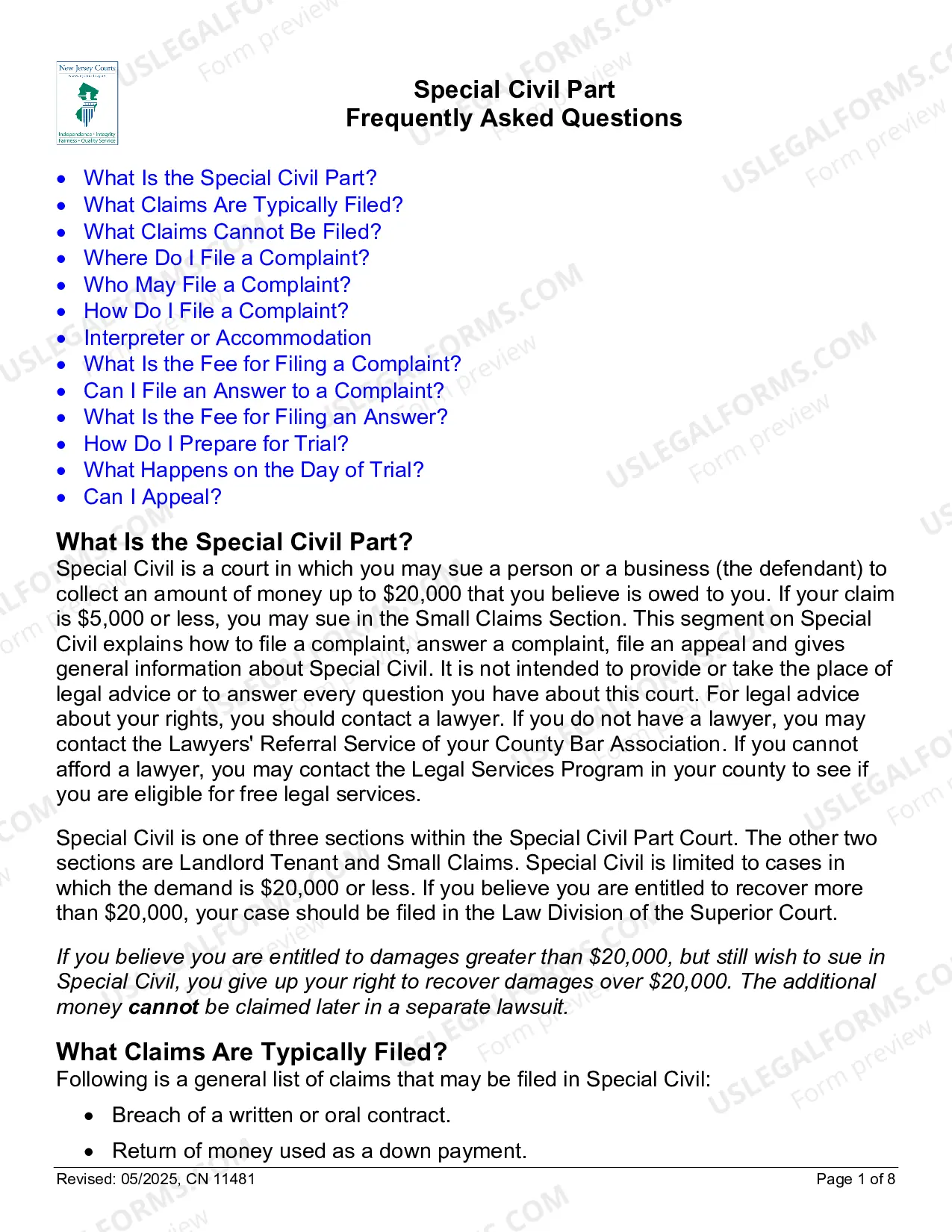
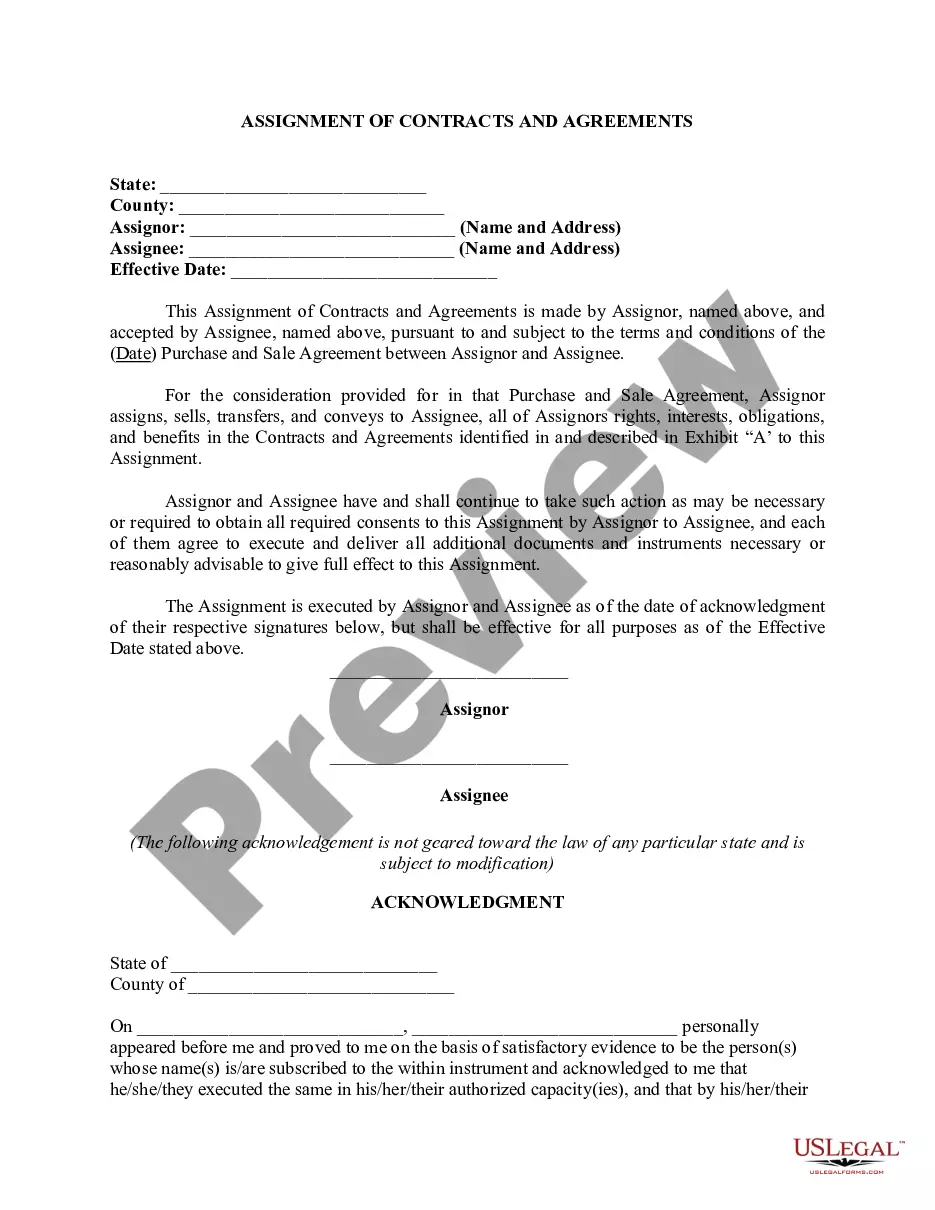

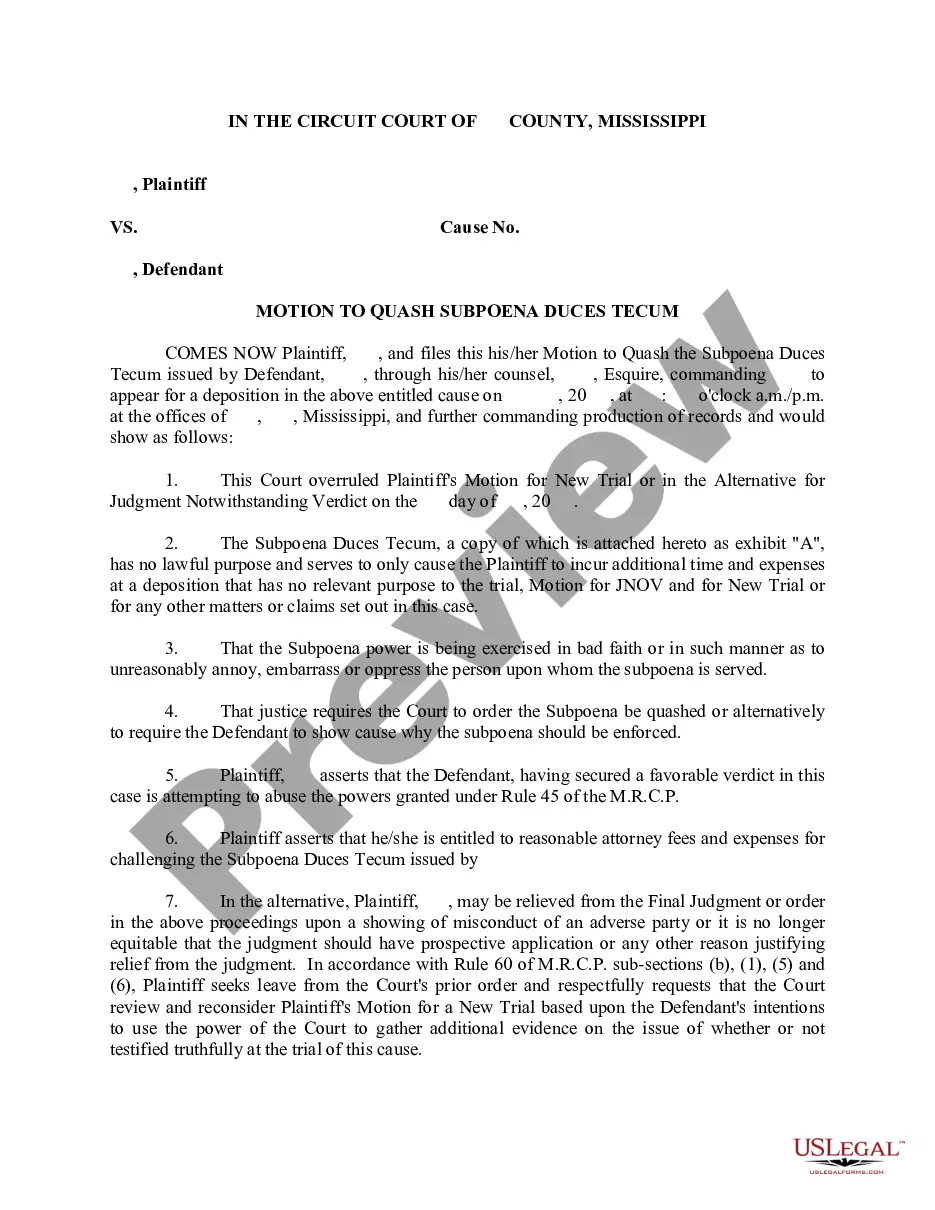
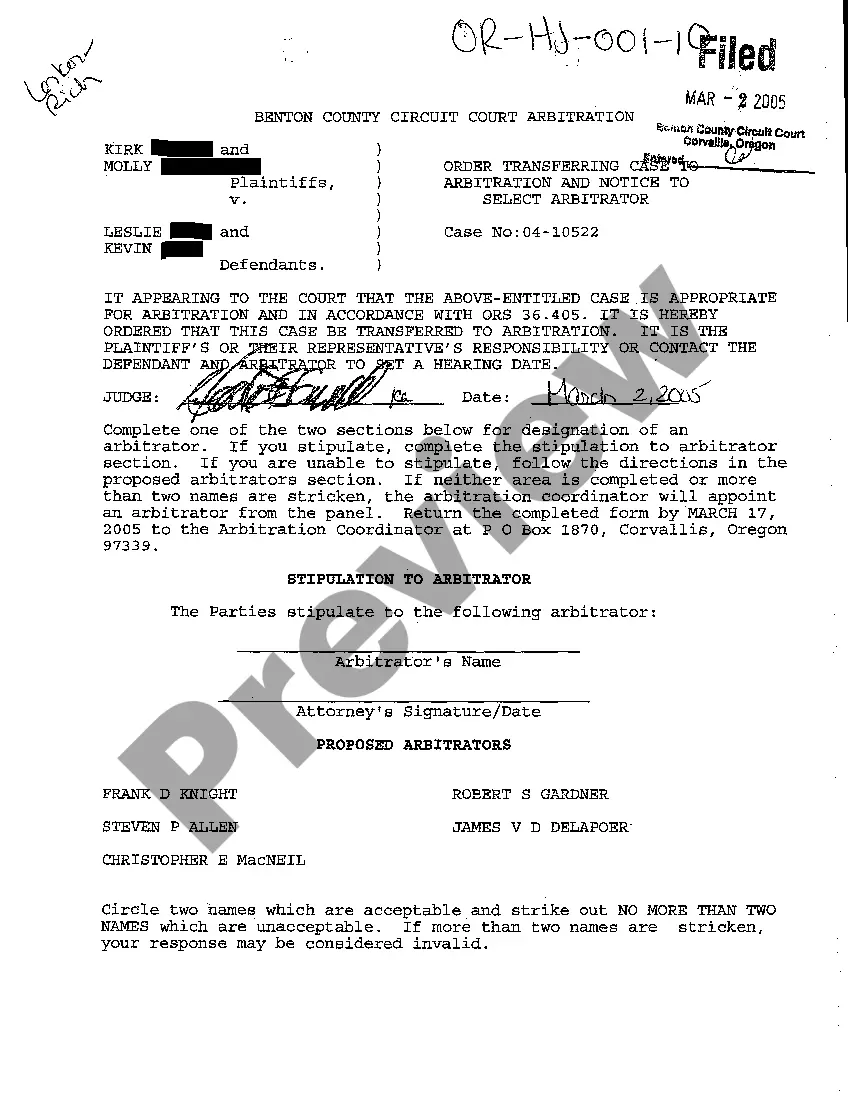

How to fill out Sample Letter Regarding Judgment Of Divorce?
Regardless of whether it's for professional reasons or personal affairs, everyone must handle legal matters eventually in their lifetime.
Filling out legal documents requires meticulous attention, starting from selecting the correct form template.
With an extensive US Legal Forms catalog available, you no longer have to waste time searching for the right template online. Utilize the library's simple navigation to find the appropriate template for any circumstance.
- For instance, if you choose an incorrect version of a Proposed Judgment Of Divorce With Couples, it will be rejected upon submission.
- Thus, it is crucial to have a trustworthy source for legal documents such as US Legal Forms.
- If you need to obtain a Proposed Judgment Of Divorce With Couples template, follow these simple steps.
- 1. Locate the template you require by using the search bar or browsing the catalog.
- 2. Review the description of the form to ensure it corresponds with your case, state, and locality.
- 3. Click on the preview of the form to examine it.
- 4. If it isn’t the correct document, return to the search option to find the Proposed Judgment Of Divorce With Couples sample you need.
- 5. Download the file if it meets your specifications.
- 6. If you already possess a US Legal Forms account, simply click Log in to access previously saved forms in My documents.
- 7. If you don’t yet have an account, you can download the form by clicking Buy now.
- 8. Choose the suitable pricing option.
- 9. Fill out the account registration form.
- 10. Select your payment method: you can utilize a credit card or PayPal account.
- 11. Choose the document format you desire and download the Proposed Judgment Of Divorce With Couples.
- 12. Once saved, you may fill out the form using editing software or print it and complete it manually.
Form popularity
FAQ
There are two types of judgments; judgments that are discriminating, and judgments that are evaluative.
After the judge signs an Order or Judgment, it is entered on the court docket and served on required parties. The Order or Judgment begins a timeline for filing appeals or filing motions to change the ruling.
A Proposed Judgment is what the child support agency handling the case is asking the judge to order. California law requires courts to comply with statewide uniform guidelines in setting child support orders. These legal documents are served upon the parent being asked to pay child support.
The court will issue a judgment of dissolution of marriage outlining the terms of your divorce. The marital settlement agreement attached to the judgment will detail all the terms of the divorce including the division of assets and debts, child support, child custody, visitation, and spousal support.
FL 180 Judgment - YouTube YouTube Start of suggested clip End of suggested clip But it could be the legal separation. Box or less likely the nullity. Box. If you're not doing theMoreBut it could be the legal separation. Box or less likely the nullity. Box. If you're not doing the entire judgment packet you may need to select one of the boxes. Underneath. These options are rare.