Express Trust Template Without
Description
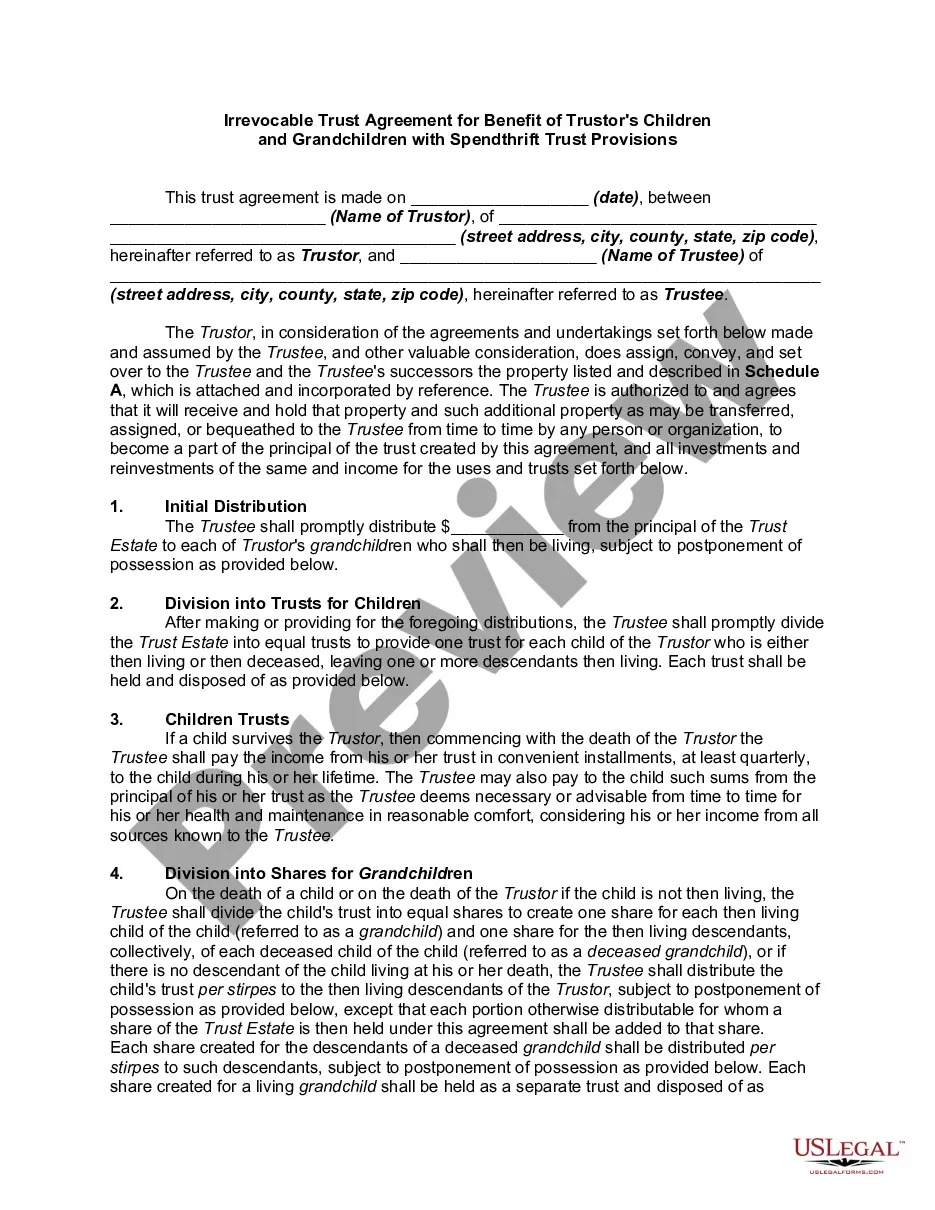
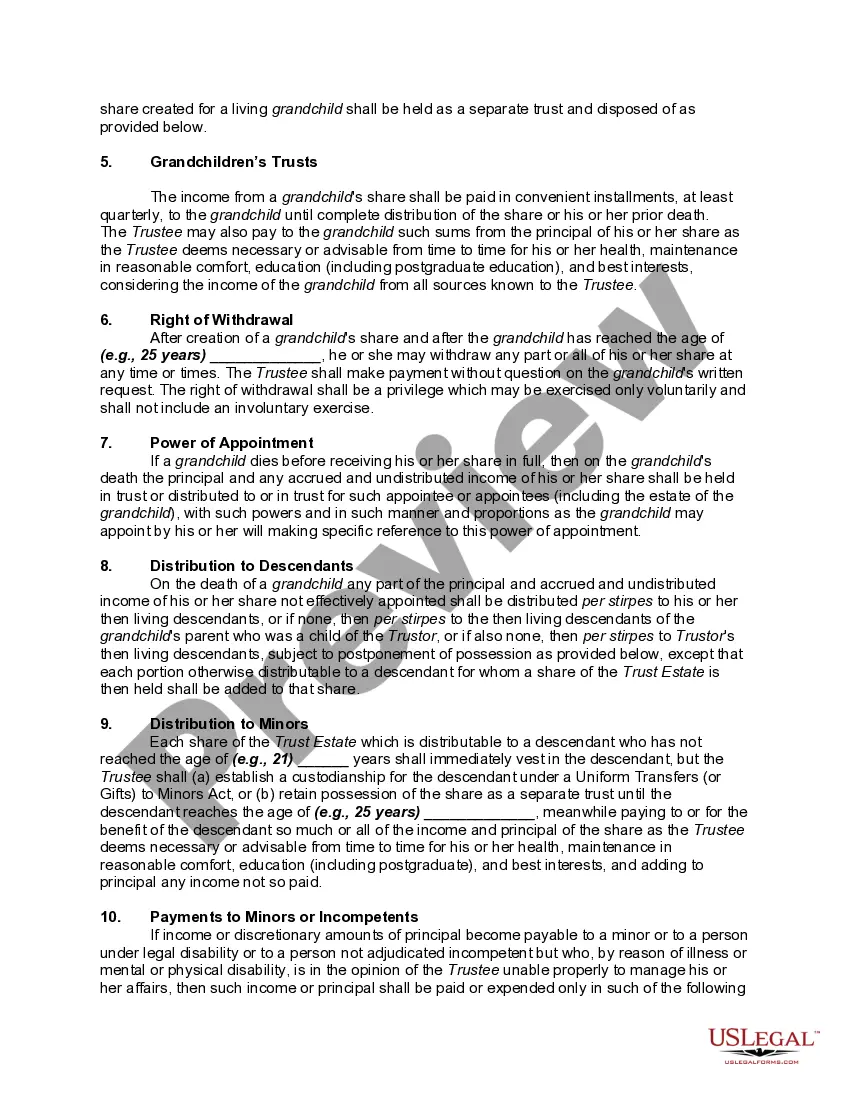
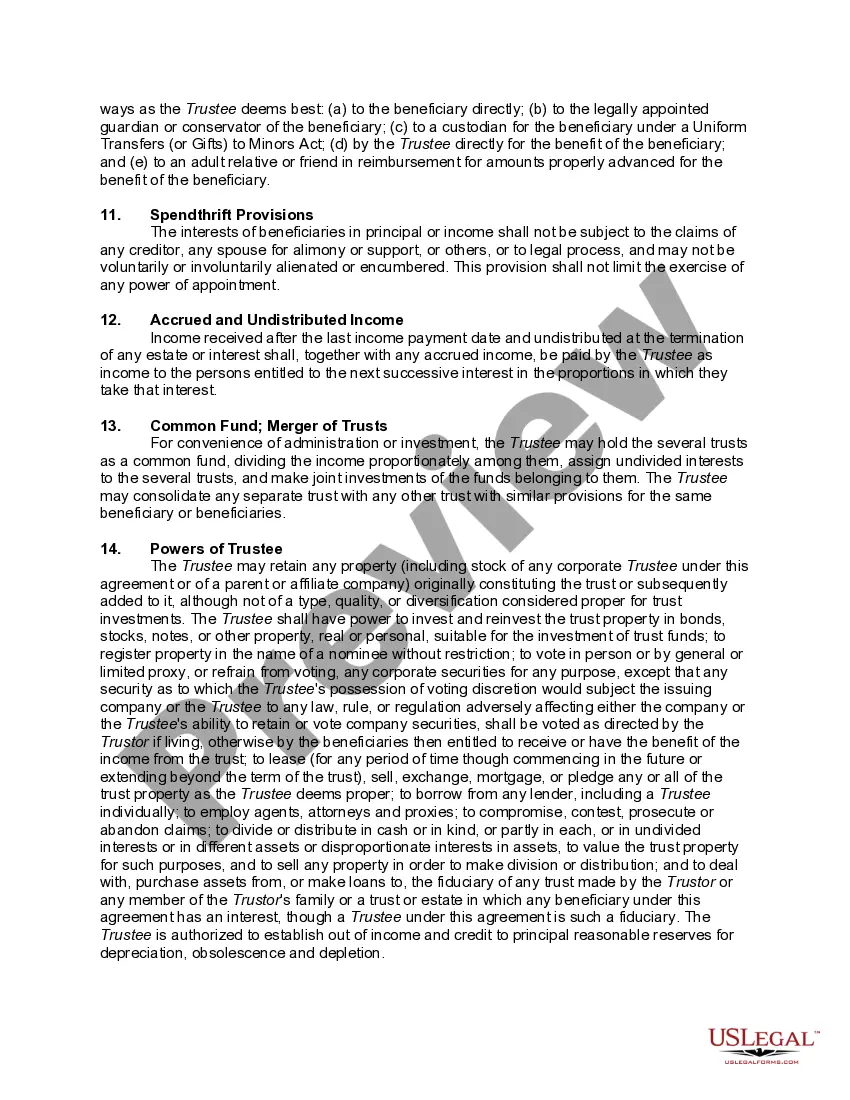
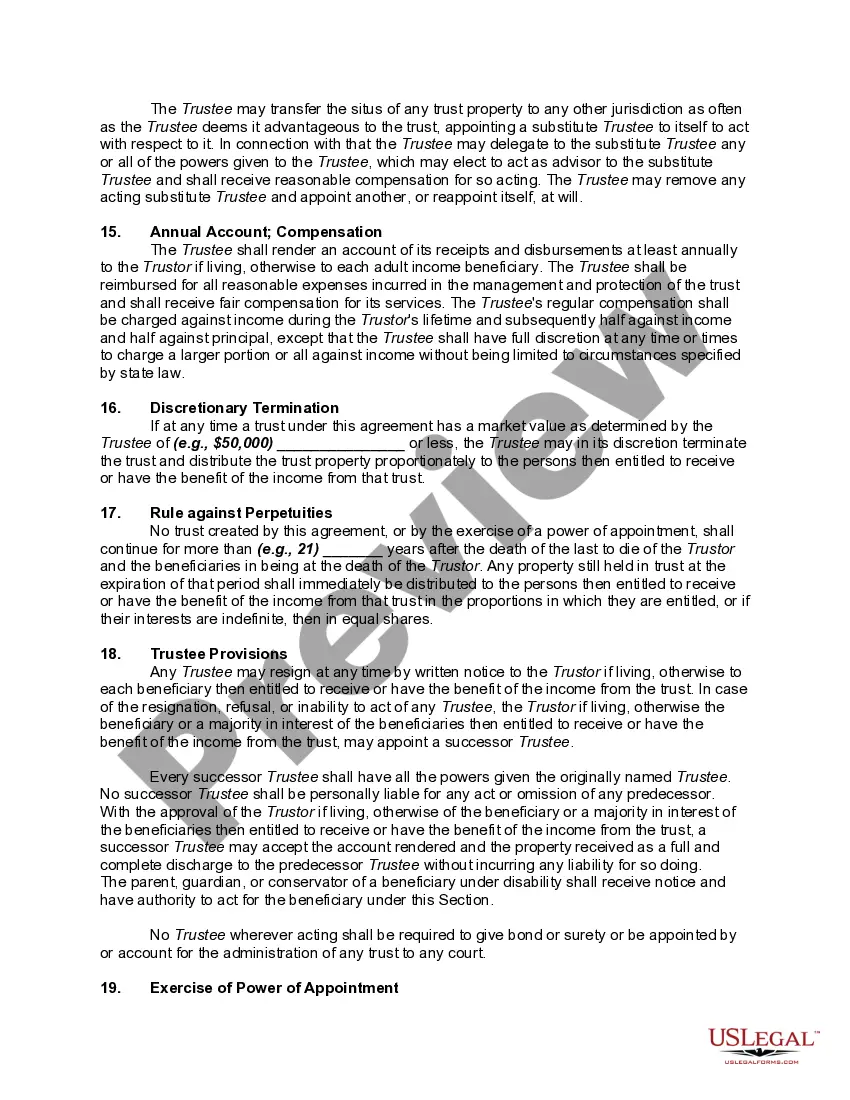

Get your form ready online
Our built-in tools help you complete, sign, share, and store your documents in one place.
Make edits, fill in missing information, and update formatting in US Legal Forms—just like you would in MS Word.
Download a copy, print it, send it by email, or mail it via USPS—whatever works best for your next step.
Sign and collect signatures with our SignNow integration. Send to multiple recipients, set reminders, and more. Go Premium to unlock E-Sign.
If this form requires notarization, complete it online through a secure video call—no need to meet a notary in person or wait for an appointment.
We protect your documents and personal data by following strict security and privacy standards.

Make edits, fill in missing information, and update formatting in US Legal Forms—just like you would in MS Word.

Download a copy, print it, send it by email, or mail it via USPS—whatever works best for your next step.

Sign and collect signatures with our SignNow integration. Send to multiple recipients, set reminders, and more. Go Premium to unlock E-Sign.

If this form requires notarization, complete it online through a secure video call—no need to meet a notary in person or wait for an appointment.

We protect your documents and personal data by following strict security and privacy standards.
Looking for another form?
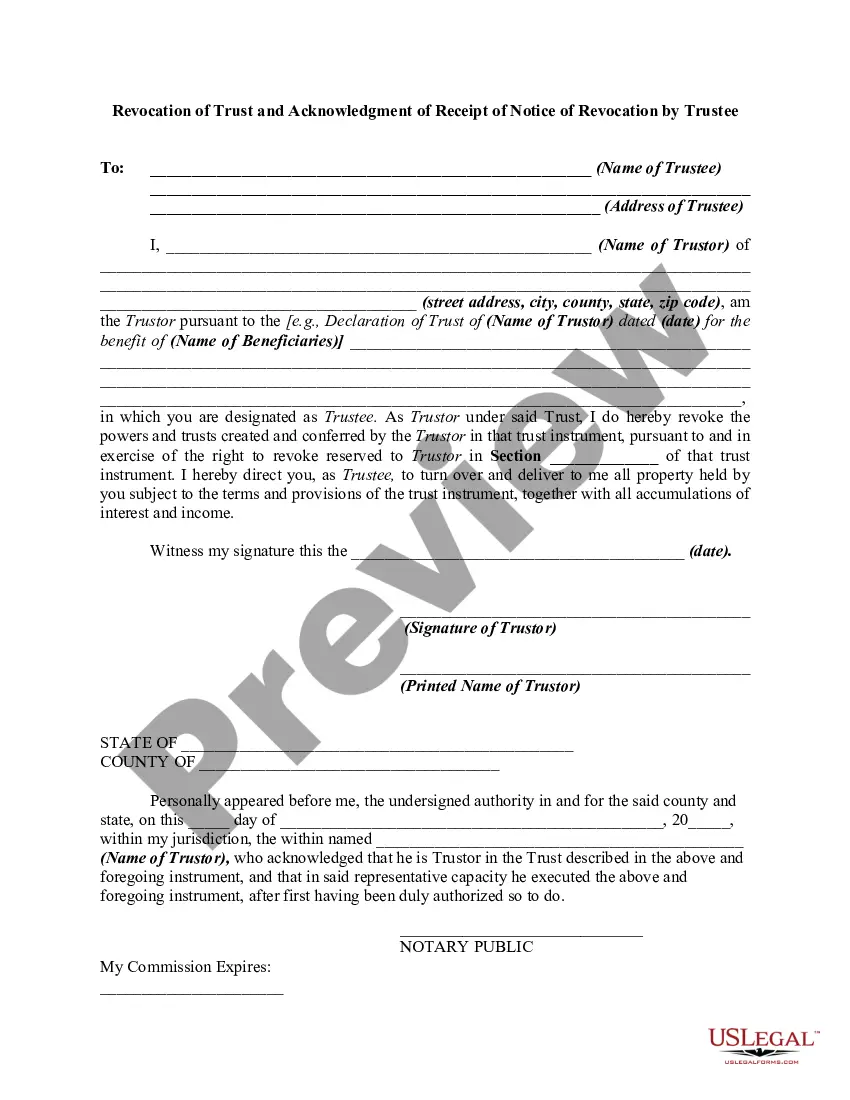
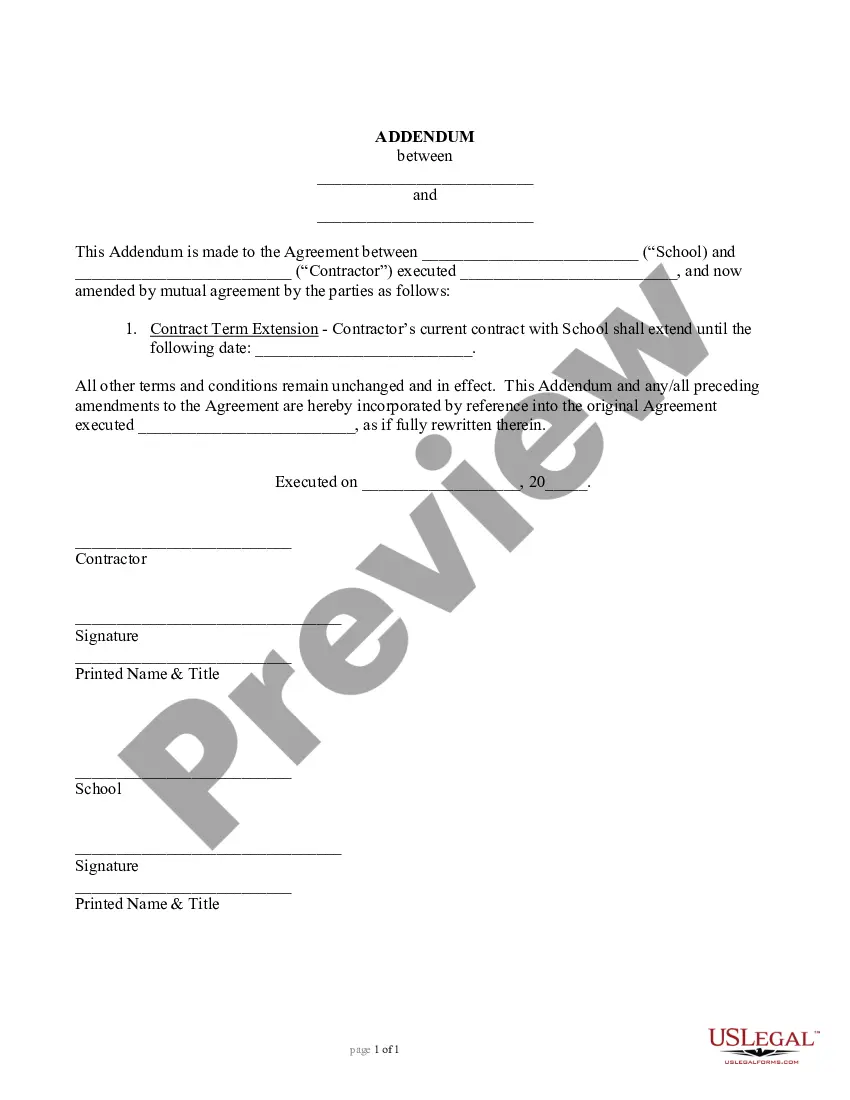


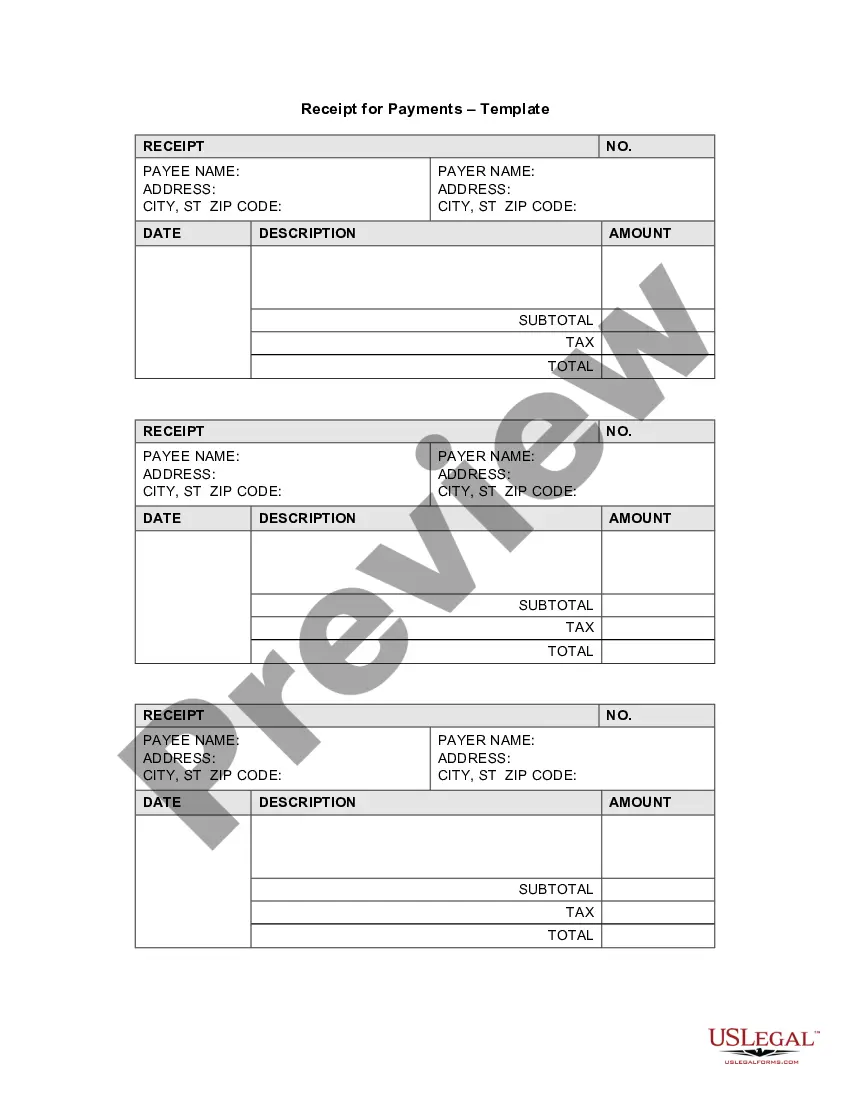

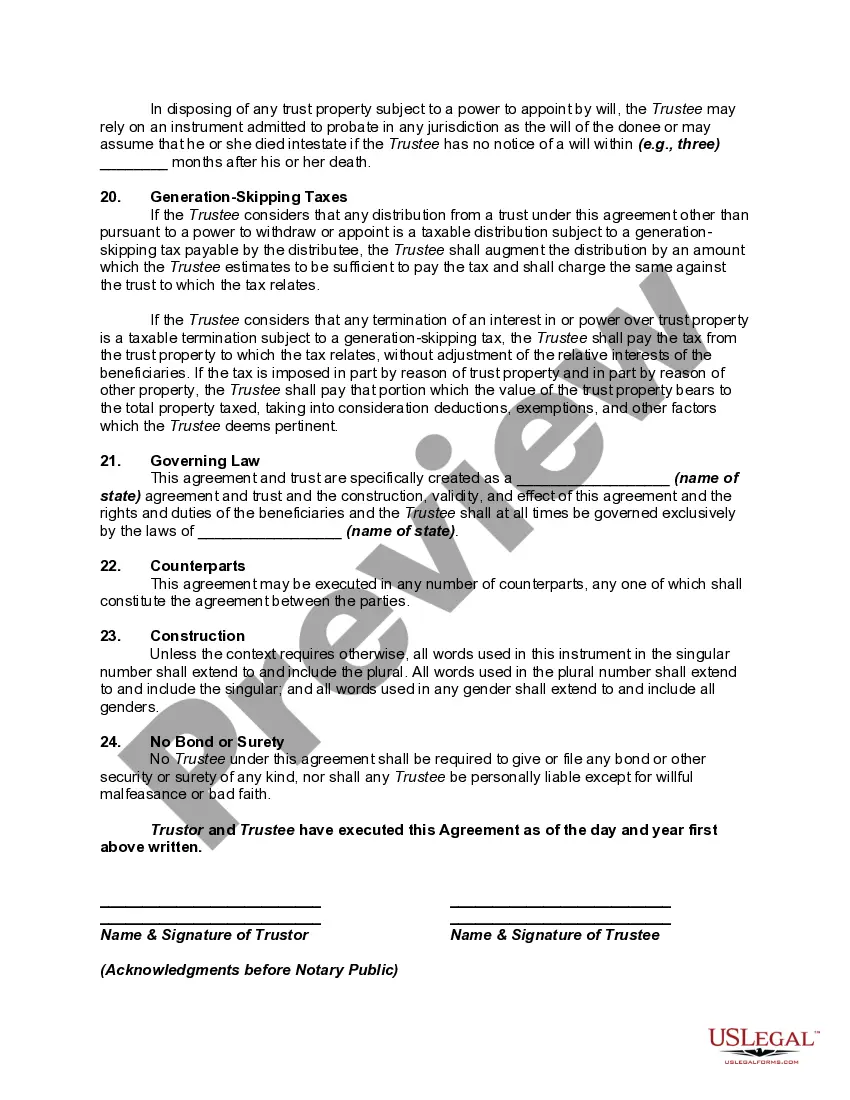
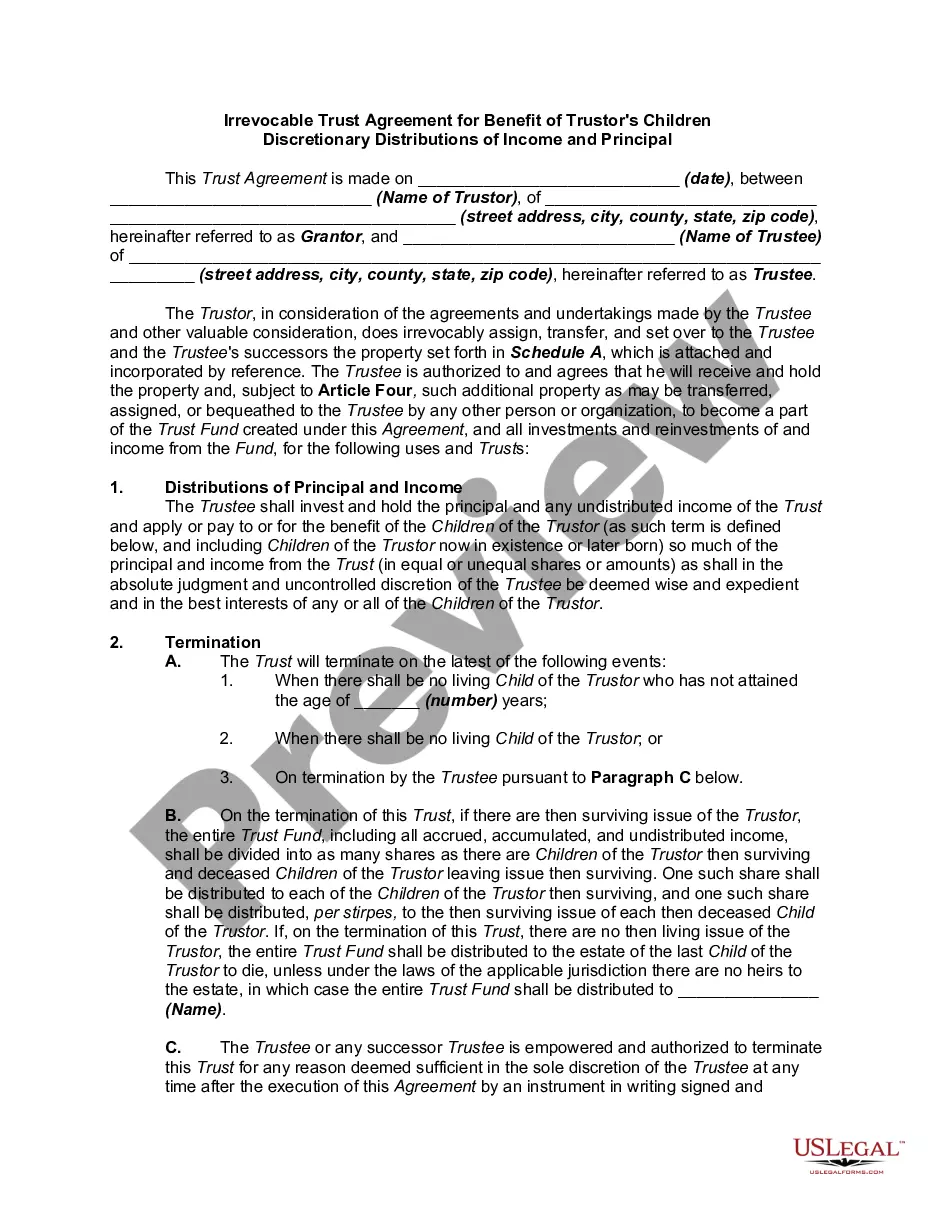
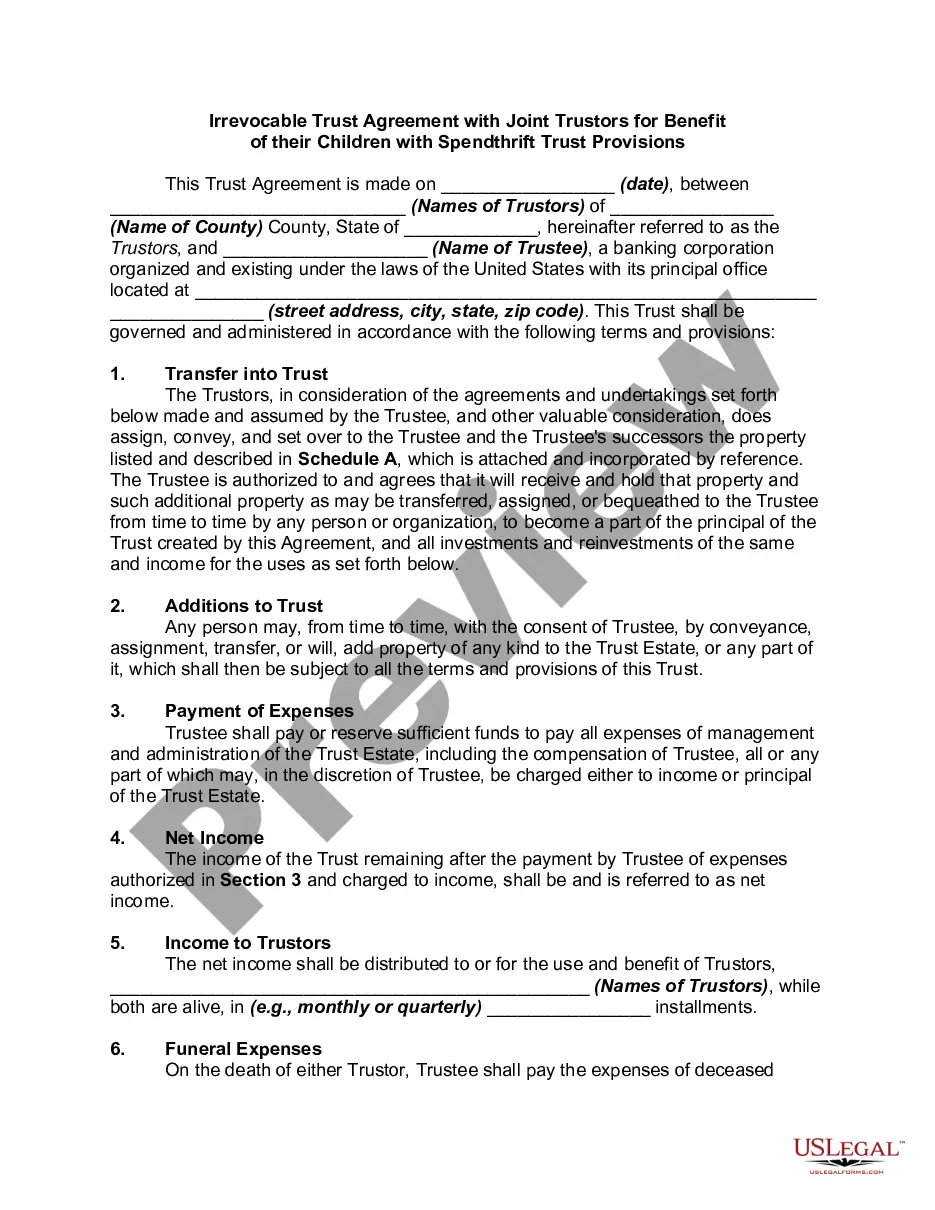
How to fill out Irrevocable Trust Agreement For Benefit Of Trustor's Children And Grandchildren With Spendthrift Trust Provisions?
Handling legal documents can be daunting, even for experienced professionals.
When you are looking for a Express Trust Template Without and lack the time to search for the appropriate and current version, the experience can be stressful.
Access a valuable repository of articles, guides, and tools relevant to your situation and needs.
Save time and energy hunting for the paperwork you require, and utilize US Legal Forms’ sophisticated search and Review feature to find Express Trust Template Without and download it.
Make sure the template is recognized in your state or county.
- If you have a subscription, Log In to your US Legal Forms account, search for the form, and download it.
- Check your My documents tab to review the documents you have previously downloaded and organize your folders as desired.
- If it’s your first time using US Legal Forms, create a free account and gain unlimited access to all benefits of the library.
- Here are the steps to follow after obtaining the needed form.
- Review it to ensure it is the correct document by previewing it and examining its details.
- Access state- or county-specific legal and business documents.
- US Legal Forms includes any needs you may have, from personal to corporate paperwork, all in one location.
- Leverage advanced tools to fill out and manage your Express Trust Template Without.
Form popularity
FAQ
To obtain an express trust, you start by creating a clear, written document that outlines your intentions. You can use an express trust template without needing legal expertise, which simplifies the process significantly. Simply fill in the necessary details, such as trustee information and distribution terms. After preparing the document, sign it and ensure it complies with your state’s requirements to make it legally binding.
An express trust is a legal arrangement where one party holds assets for the benefit of another. This type of trust is clearly defined in a trust document, often using an express trust template without ambiguity. With an express trust, you can ensure that your assets are distributed according to your wishes. Understanding its framework can empower you to make better estate planning choices.
Creating an express trust involves outlining your goals, selecting your trustees, and specifying the terms of the trust. You can use an express trust template without complex legal jargon to simplify this process. It is advisable to follow legal requirements and seek assistance if needed to avoid potential pitfalls. Once done, ensure that you properly fund the trust to activate it.
A living trust is created during your lifetime and becomes effective immediately, while an express trust can be established either during your life or through your will after your death. An express trust template without complications provides specific instructions on managing your assets. Understanding these differences can help you make informed decisions about your estate planning.
To make an express trust, start by clearly defining your intentions regarding the trust assets and beneficiaries. It's important to draft a comprehensive express trust template without missing any critical details. You may want to consult a legal professional to ensure compliance with state laws. Remember, the clearer your instructions, the smoother the process will be for everyone involved.
The two primary types of express trusts are revocable trusts and irrevocable trusts. Revocable trusts allow the trustor to retain control over the assets and make changes as needed. In contrast, irrevocable trusts involve a permanent transfer of assets, providing potential tax benefits and asset protection. Utilizing an express trust template without unnecessary complexity can help users decide which type best suits their needs.
An express trust is a legal arrangement established intentionally by the trustor, where they define specific terms and conditions for managing their assets. Unlike constructive trusts or resulting trusts, which arise by operation of law, express trusts are deliberately created to fulfill the trustor's wishes. Creating an express trust template without confusion allows users to clearly outline their directives and ensure proper administration.
A common example of an express trust is a family trust, where the trustor transfers assets to be managed for the benefit of family members. This can include property, financial accounts, or other holdings that the trustor wishes to protect and preserve for their heirs. By utilizing an express trust template without added stress, individuals can ensure their assets are handled according to their preferences.
Express trusts mainly fall into two categories: inter vivos trusts and testamentary trusts. An inter vivos trust is created during the lifetime of the trustor, allowing for immediate asset management, while a testamentary trust comes into effect after the trustor's death, as outlined in their will. Using an express trust template without complications can simplify the creation process for both types, making it more accessible for users to protect their assets.
An express trust requires certain criteria to be valid and enforceable. The grantor must have the legal capacity to create the trust, the trust must have identifiable property, and there must be a clearly defined trustee. Additionally, the trust must serve a lawful purpose and comply with any relevant state laws. By using an express trust template without failing to meet these requirements, individuals can ensure their trust is set up properly.