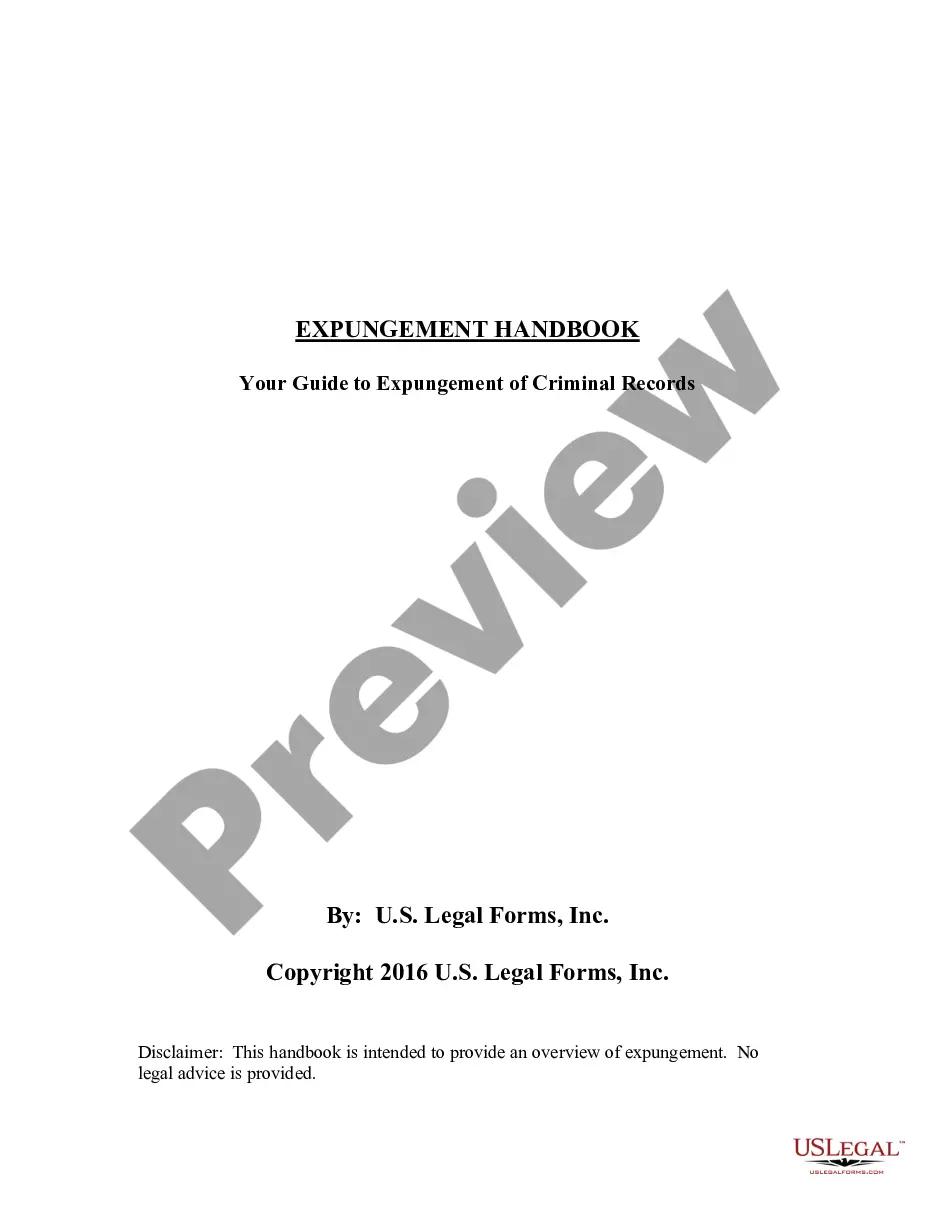
Expungement Conviction For Criminal Record
Description
Get your form ready online
Our built-in tools help you complete, sign, share, and store your documents in one place.
Make edits, fill in missing information, and update formatting in US Legal Forms—just like you would in MS Word.
Download a copy, print it, send it by email, or mail it via USPS—whatever works best for your next step.
Sign and collect signatures with our SignNow integration. Send to multiple recipients, set reminders, and more. Go Premium to unlock E-Sign.
If this form requires notarization, complete it online through a secure video call—no need to meet a notary in person or wait for an appointment.
We protect your documents and personal data by following strict security and privacy standards.

Make edits, fill in missing information, and update formatting in US Legal Forms—just like you would in MS Word.

Download a copy, print it, send it by email, or mail it via USPS—whatever works best for your next step.

Sign and collect signatures with our SignNow integration. Send to multiple recipients, set reminders, and more. Go Premium to unlock E-Sign.

If this form requires notarization, complete it online through a secure video call—no need to meet a notary in person or wait for an appointment.

We protect your documents and personal data by following strict security and privacy standards.
Looking for another form?






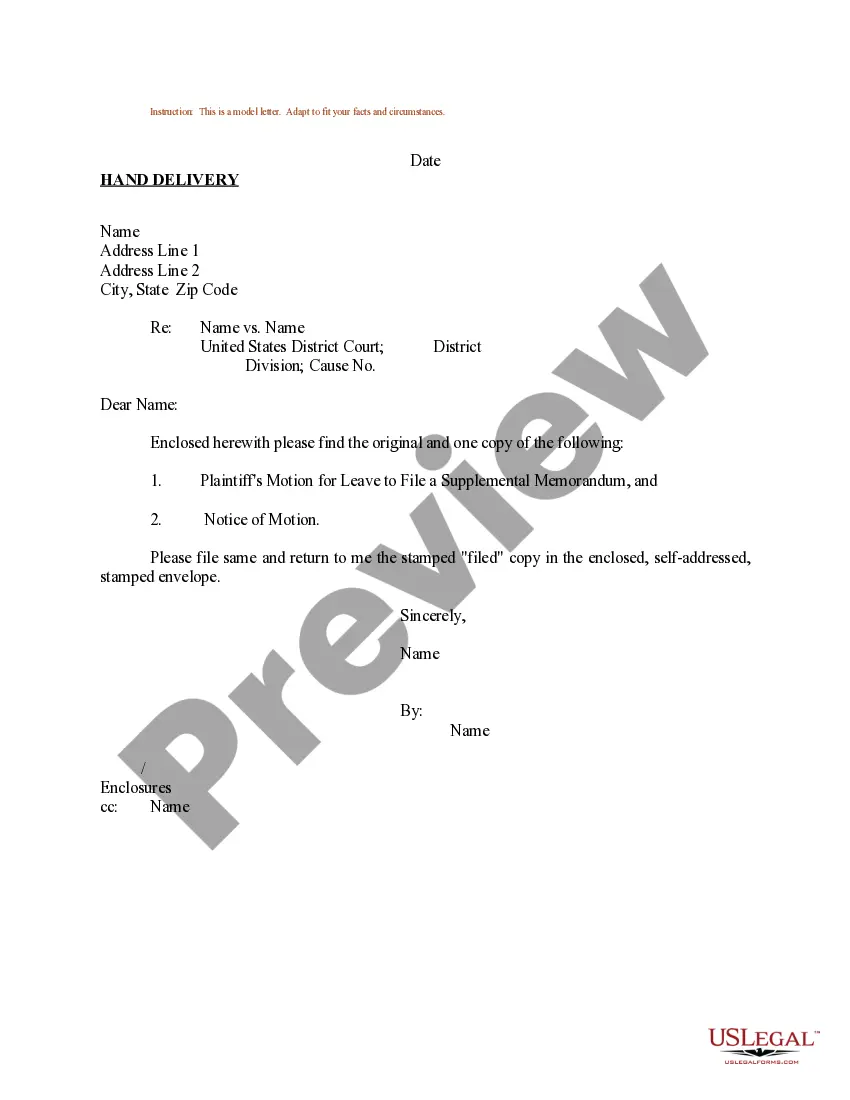
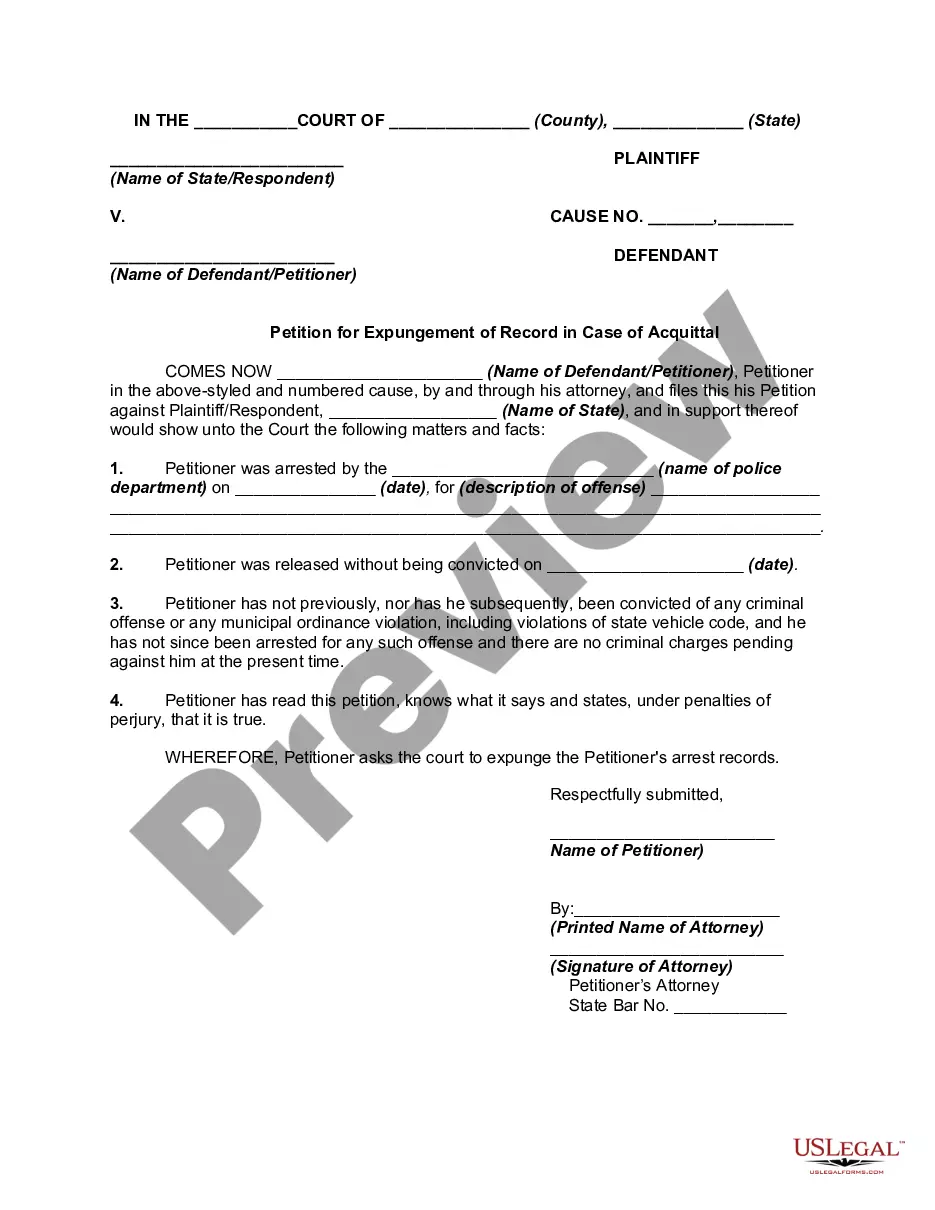
How to fill out Petition For Expungement Of Record In Case Of Acquittal And Release Without Conviction?
- Log into your account on the US Legal Forms website. Ensure your subscription is up to date before proceeding.
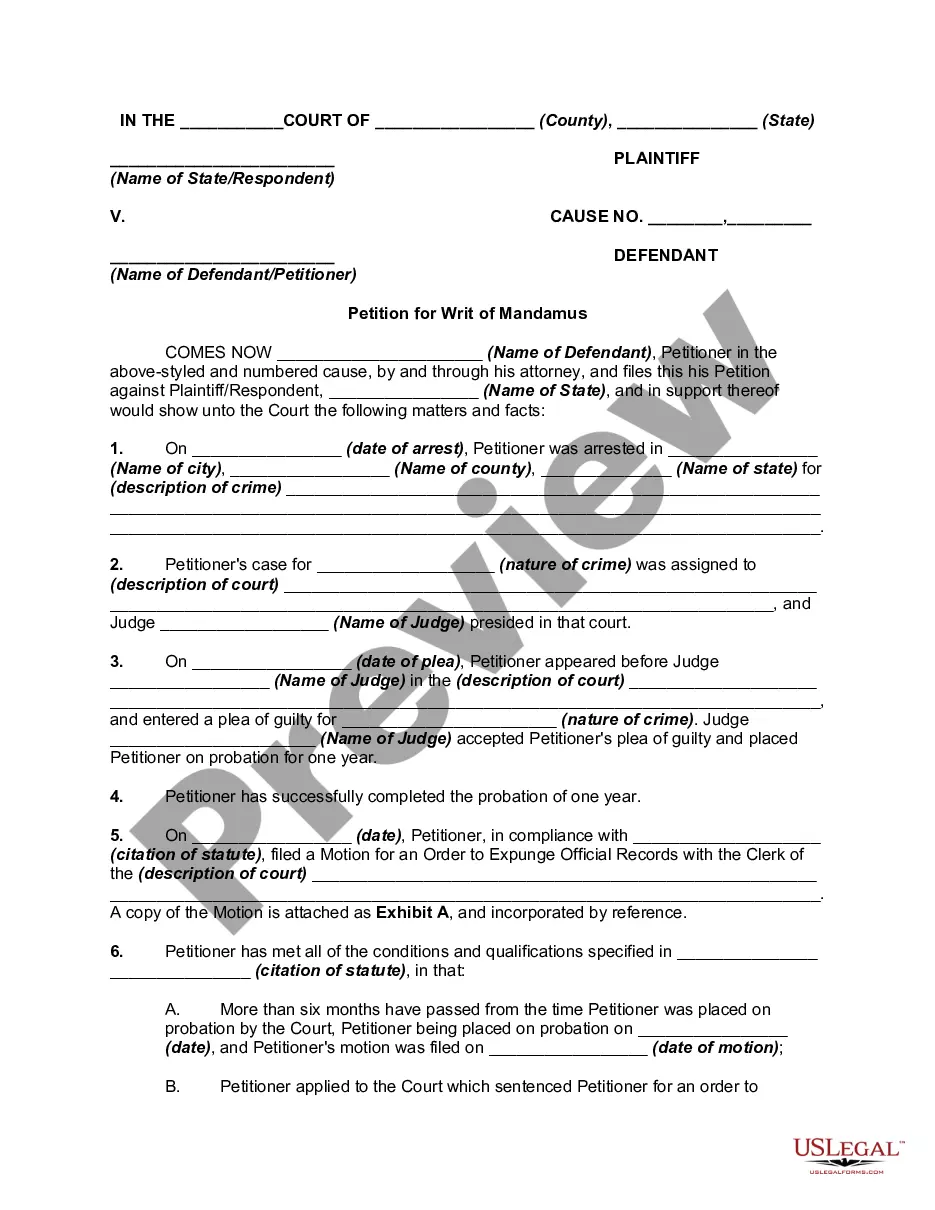
- Use the Preview mode and form descriptions to verify that you've selected the correct expungement form suitable for your jurisdiction.
- If you need to search for another template, utilize the search bar to find the exact form that meets your specific requirements.
- Purchase the document by clicking the Buy Now button and selecting your preferred subscription plan, creating an account if you haven't already.
- Complete your transaction by entering your payment details using a credit card or your PayPal account.
- Download the expungement form to your device and locate it at any time in the My Forms section of your profile.
Using US Legal Forms not only simplifies the process of obtaining necessary legal documents but also guarantees that you have access to a comprehensive library of forms that meets your legal needs.
Take control of your legal journey today by visiting US Legal Forms and access the resources you need for successful expungement.
Form popularity
FAQ
Obtaining an expungement for a dismissed case is generally more straightforward than for a conviction. However, the process can still require careful attention to legal requirements and documentation. Resources like USLegalForms can simplify this process by providing templates and instructions tailored to your needs, ensuring you have the best chance for success.
When addressing a judge, express your respect for the court and your understanding of the legal process. Use clear and direct language to articulate your case for why the expungement conviction for a criminal record should be granted. Assure the judge of your sincere intentions to move past your criminal history and contribute positively to society.
In your letter to a judge for expungement, begin with a respectful salutation and clearly state your request. Include details about your conviction for a criminal record and explain how expungement would benefit your life and the community. Be sincere and convey your commitment to responsible citizenship, which can significantly influence the judge's decision.
Writing an expungement petition requires specific information, including your details, the nature of the conviction, and reasons for your request. It should clearly state why you believe your expungement is justified, highlighting any personal growth or community involvement since your conviction. For assistance in drafting this document, consider using USLegalForms for guidance.
An example of expungement would be when a person with a misdemeanor conviction for a non-violent offense applies to have that record erased. After a successful expungement, potential employers and landlords will no longer see that conviction when conducting background checks. This illustrates how the expungement conviction for a criminal record can open new doors for individuals.
Judges generally cannot see expunged records, as expungement is designed to legally remove such records from public view. However, certain law enforcement officials may still access these records under specific circumstances. It's crucial to understand how this process protects your rights and provides you with a fresh start.
When speaking to a judge regarding expungement, it's essential to present your case clearly and confidently. Explain how the expungement of your conviction for a criminal record will positively impact your life. Emphasize your commitment to rehabilitation and any steps you've taken to become a better member of your community.
The time frame for expungement in Maryland can vary, but most cases resolve within six months. After you submit the necessary forms, the court needs to process your request, which may involve hearings if there are objections. Staying informed about the timeline can help you manage your expectations throughout this significant journey.
The expungement process in Maryland can take several months, typically ranging from three to six months. Once you file your petition, the court will need time to review your case before issuing a decision. Patience is essential during this period, as it's an important step in securing your expungement conviction for criminal record.
While it is possible to pursue expungement in Maryland without a lawyer, having legal assistance can greatly simplify the process. A lawyer can help ensure that all paperwork is correctly completed and submitted on time, reducing the likelihood of errors. If you're unsure about the steps involved, considering a professional's help is a wise choice.