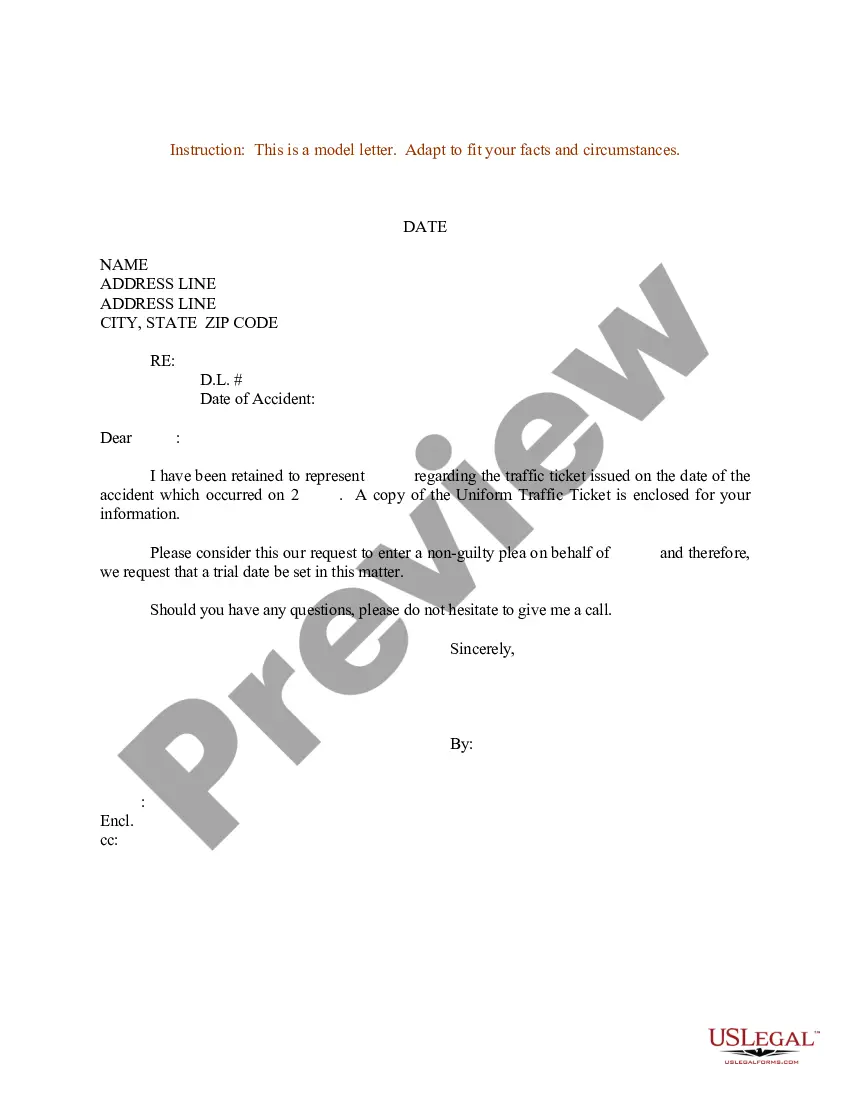
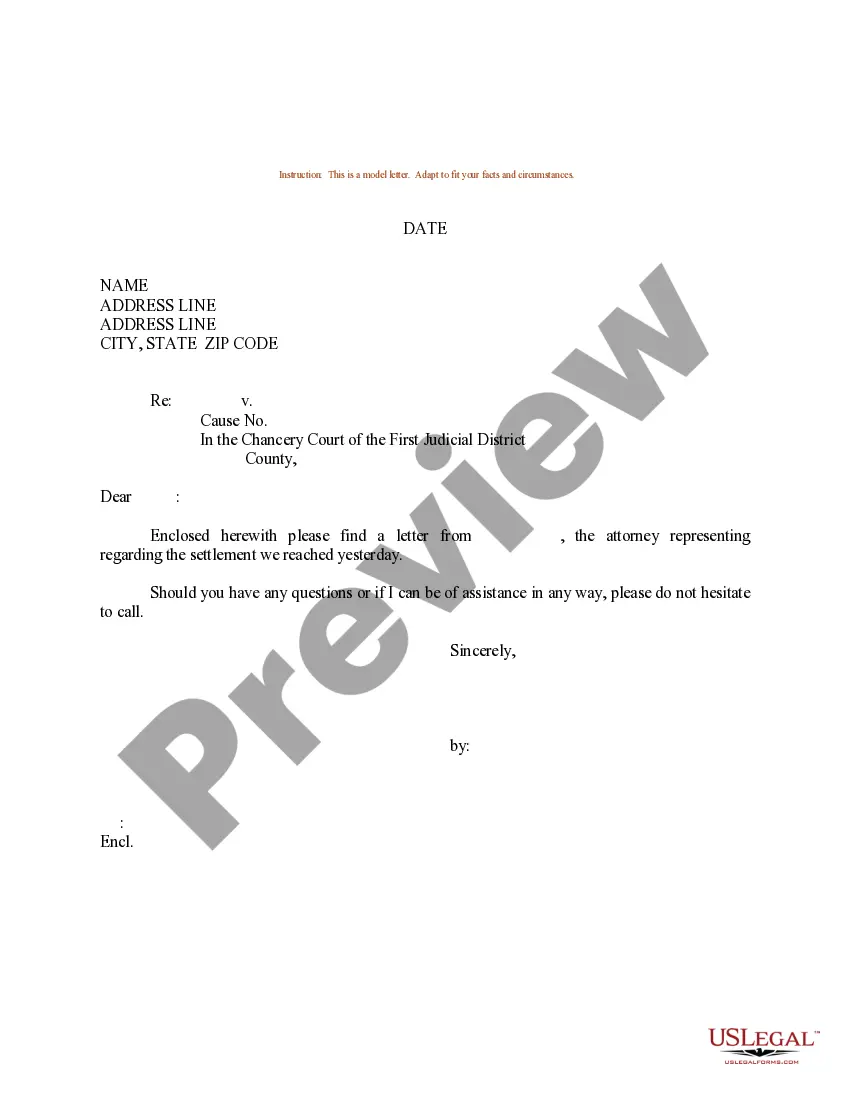
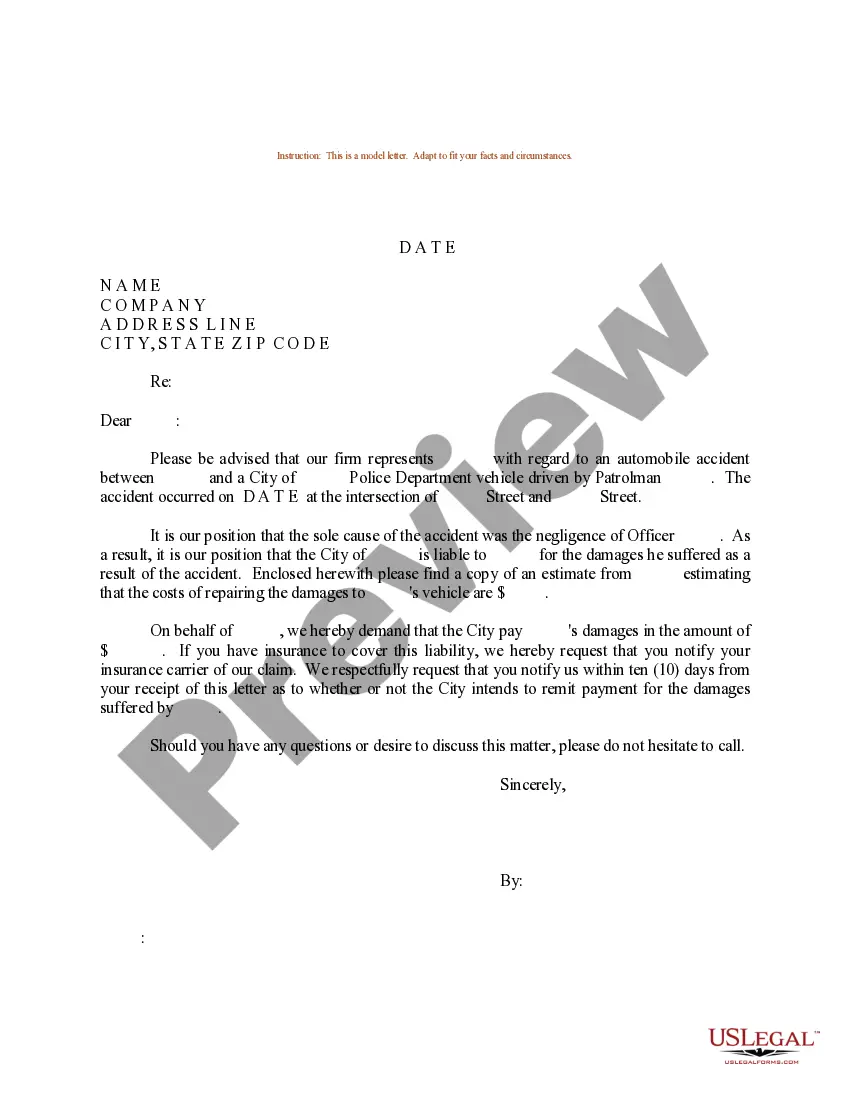
Letter To Lawyer
Description
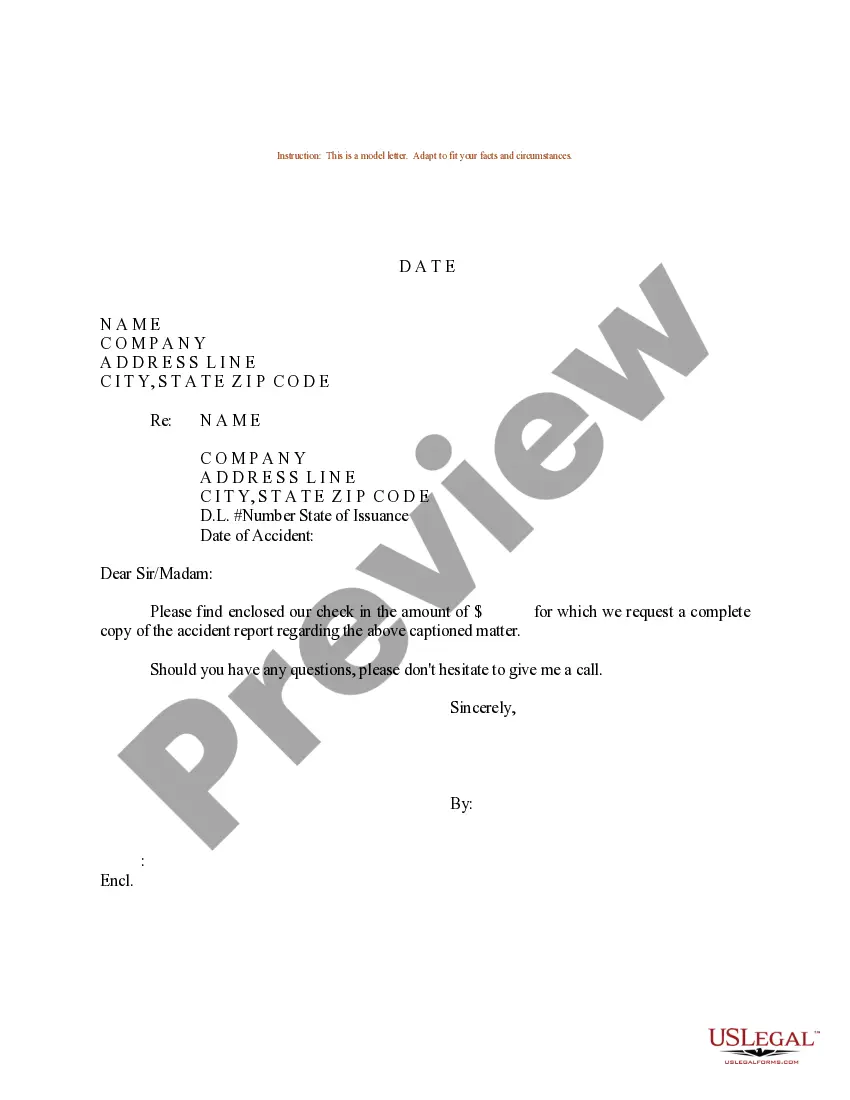
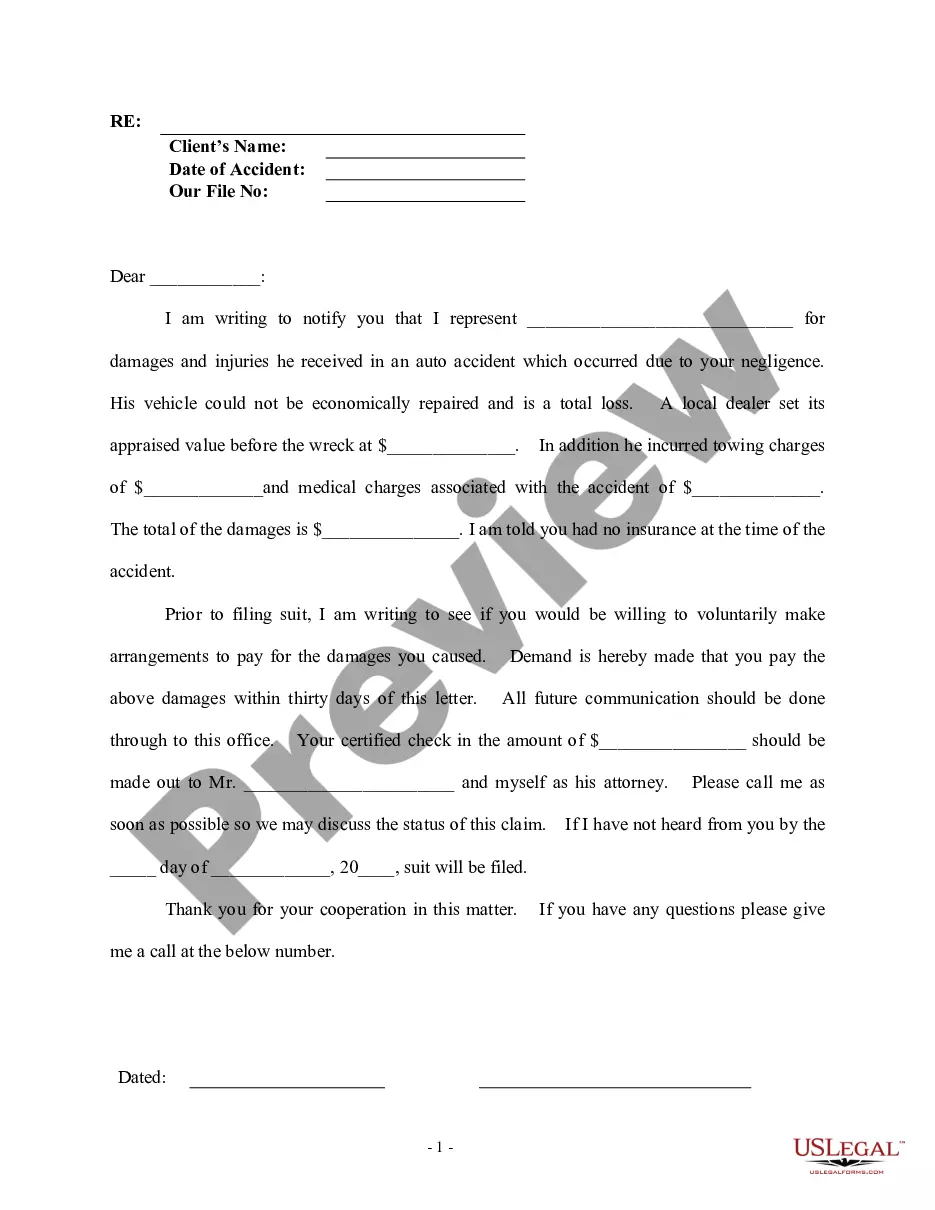
Get your form ready online
Our built-in tools help you complete, sign, share, and store your documents in one place.
Make edits, fill in missing information, and update formatting in US Legal Forms—just like you would in MS Word.
Download a copy, print it, send it by email, or mail it via USPS—whatever works best for your next step.
Sign and collect signatures with our SignNow integration. Send to multiple recipients, set reminders, and more. Go Premium to unlock E-Sign.
If this form requires notarization, complete it online through a secure video call—no need to meet a notary in person or wait for an appointment.
We protect your documents and personal data by following strict security and privacy standards.

Make edits, fill in missing information, and update formatting in US Legal Forms—just like you would in MS Word.

Download a copy, print it, send it by email, or mail it via USPS—whatever works best for your next step.

Sign and collect signatures with our SignNow integration. Send to multiple recipients, set reminders, and more. Go Premium to unlock E-Sign.

If this form requires notarization, complete it online through a secure video call—no need to meet a notary in person or wait for an appointment.

We protect your documents and personal data by following strict security and privacy standards.
Looking for another form?









How to fill out Sample Letter Stating Lawyer's Representing Client For Traffic Violation?
Navigating through the red tape of traditional formats and models can be difficult, particularly if one does not engage in this professionally.
Even selecting the appropriate model for a Letter To Lawyer will be labor-intensive, as it must be valid and precise to the final detail.
Nonetheless, you will have to spend significantly less time locating a fitting template from a source you can rely on.
Acquire the correct form in a few straightforward steps: Enter the title of the document in the search field. Find the suitable Letter To Lawyer among the results. Review the description of the sample or view its preview. If the template meets your needs, click Buy Now. Proceed to select your subscription plan. Use your email and create a secure password to register an account at US Legal Forms. Choose a credit card or PayPal payment method. Save the template file on your device in your preferred format. US Legal Forms will save you a great deal of time investigating whether the form you found online meets your requirements. Establish an account and obtain unlimited access to all the templates you need.
- US Legal Forms is a platform that streamlines the process of finding the correct forms online.
- US Legal Forms serves as a singular location you need to discover the most up-to-date samples of forms, verify their use, and download these examples to fill them out.
- This is a compilation that includes over 85K forms applicable across different sectors.
- When searching for a Letter To Lawyer, you will not have to question its authenticity as all the forms are validated.
- Having an account at US Legal Forms will guarantee you have all the necessary samples within your reach.
- You can store them in your history or add them to the My documents collection.
- Your saved forms can be accessed from any device by clicking Log In on the library site.
- If you still do not possess an account, you can always search for the template you require.
Form popularity
FAQ
Demand letters are generally successful, particularly when they are clear and assertive. Statistics show that many cases settle before reaching court because the recipient recognizes the seriousness of the demand. To maximize your chances of success, consider seeking assistance from a legal professional or utilizing resources like USLegalForms to guide you in crafting a compelling letter.
Many employers view demand letters with great seriousness, especially if they are formatted correctly and convey legitimate concerns. A well-crafted letter to a lawyer can persuade employers to address issues promptly, as it signals that you are prepared to take further action if necessary. It’s always essential to approach this situation professionally and respectfully.
Yes, demand letters can be quite effective when written properly. They serve as a formal way to communicate your claims and can prompt the recipient to take your request seriously. If you are unsure how to draft an effective letter to a lawyer, platforms like USLegalForms provide templates and guidance to help you articulate your demands effectively.
The time it takes to reach a settlement after sending a demand letter can vary widely, often depending on the complexity of the case and the responsiveness of the opposing party. In many cases, you might receive a response within a few weeks, while others may take months to resolve. It’s essential to stay patient and open to negotiation during this process.
To send a letter to a lawyer, you should write a clear and concise message detailing your situation. Make sure to include relevant details and attach any supporting documents if necessary. You can send the letter via email or traditional mail, depending on your lawyer's preferences. Consider using certified mail to ensure delivery and confirmation.
The effectiveness of demand letters can vary, but studies suggest that about 60 to 70 percent result in a favorable response. These letters are often persuasive because they demonstrate seriousness and intent. If you are considering sending a letter to a lawyer, remember that clarity and professionalism can significantly improve your chances of success.
When addressing a letter to a US attorney, use their full name followed by 'U.S. Attorney' or 'Esq.' Make sure to include their office address on the left. It's important to maintain a formal tone to convey respect, especially in legal matters.
The proper name to call a lawyer is typically 'Attorney' or 'Counselor,' in formal contexts. However, in correspondence, using 'Mr.', 'Ms.', or 'Esq.' is appropriate. When addressing them in person or over the phone, simply using 'John' or 'Jane' with their professional title can also work well.
When formatting a letter to a lawyer, begin with your contact information at the top right. Then, include the date, followed by the lawyer's information on the left. Use a professional font, and maintain standard margins. Finally, end with a strong closing statement before your signature.
Lawyers should not be addressed as 'Dr.' unless they hold a doctorate in addition to their law degree. Typically, lawyers are referred to as 'Mr.' or 'Ms.' along with their last names or 'Esq.' If you are unsure, using their full name and 'Esq.' is always safe when writing a letter to a lawyer.