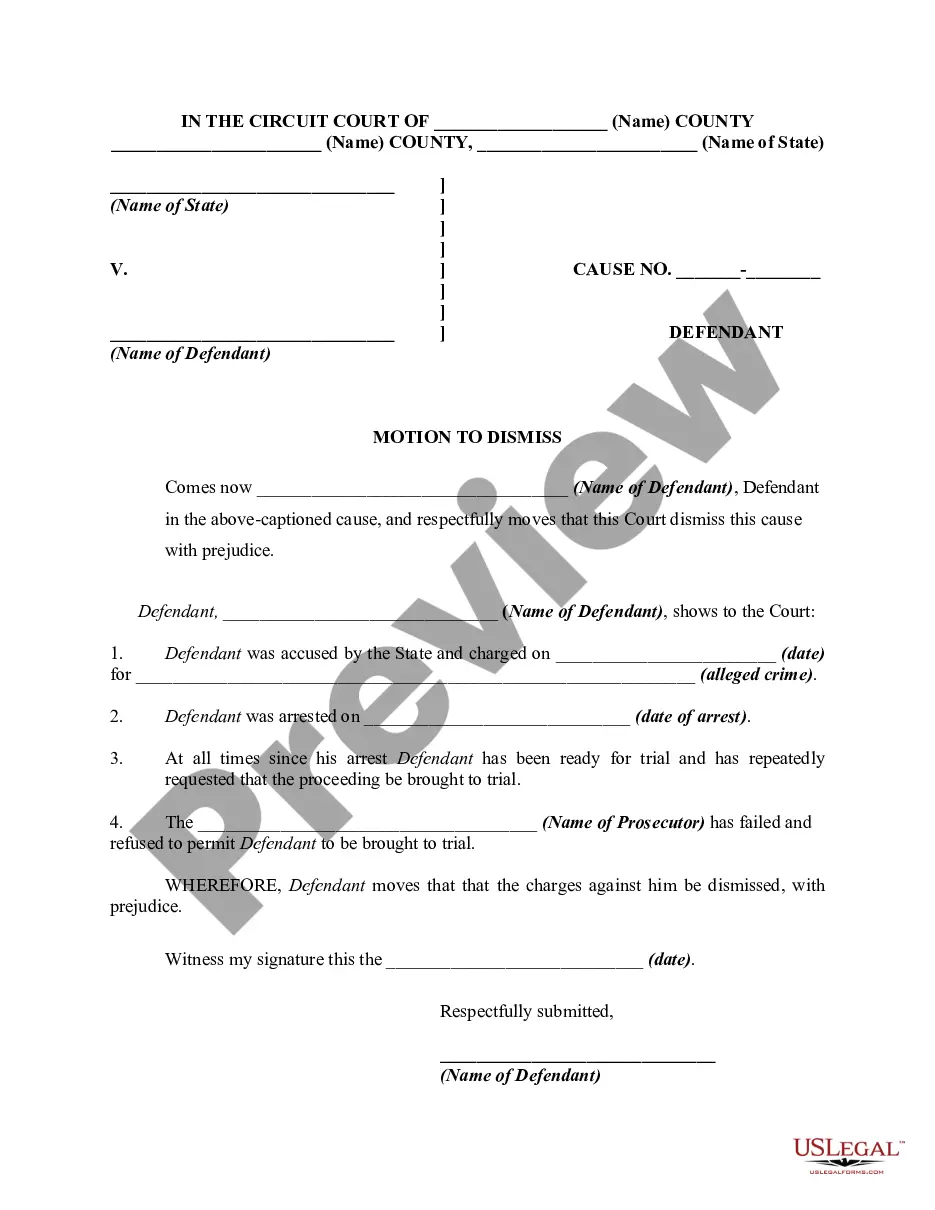
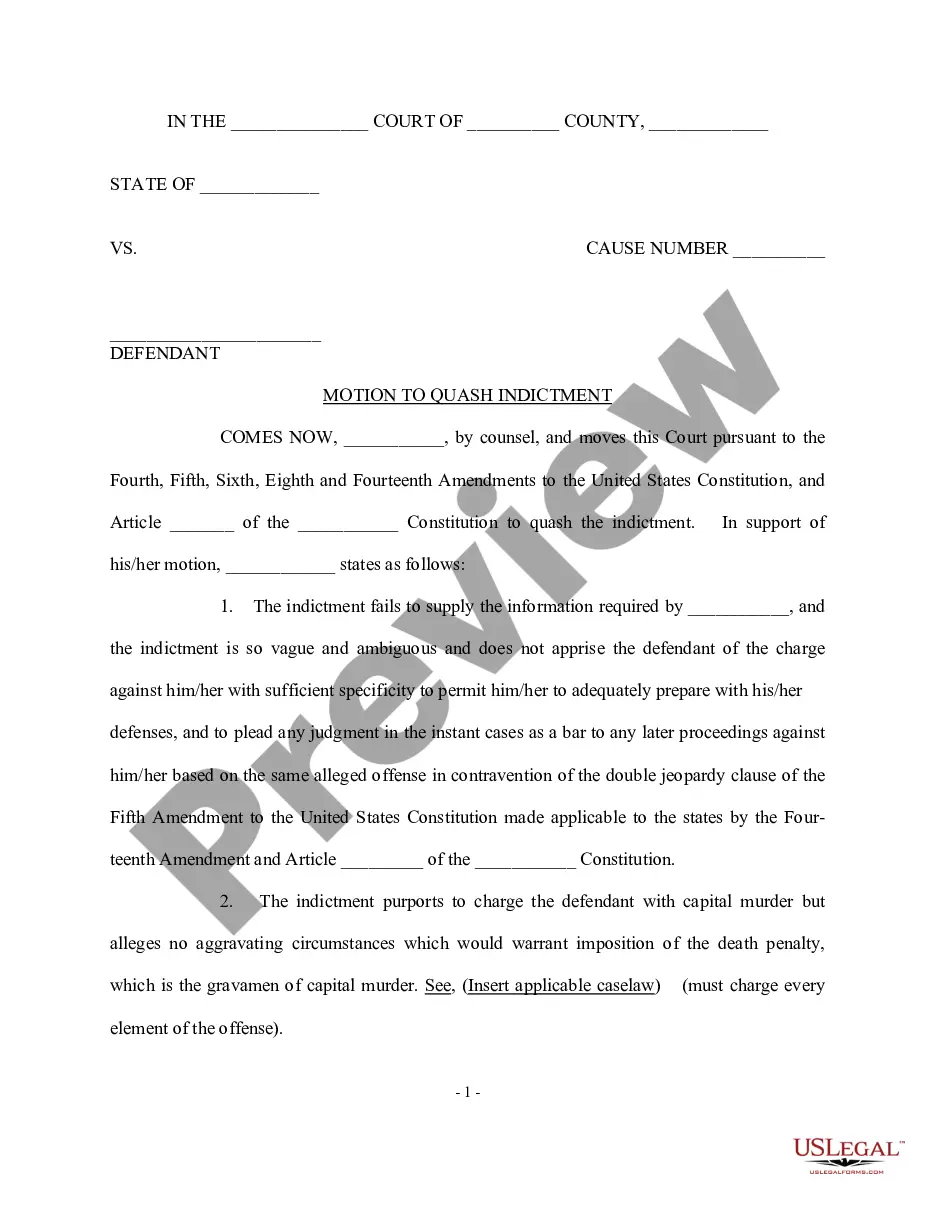
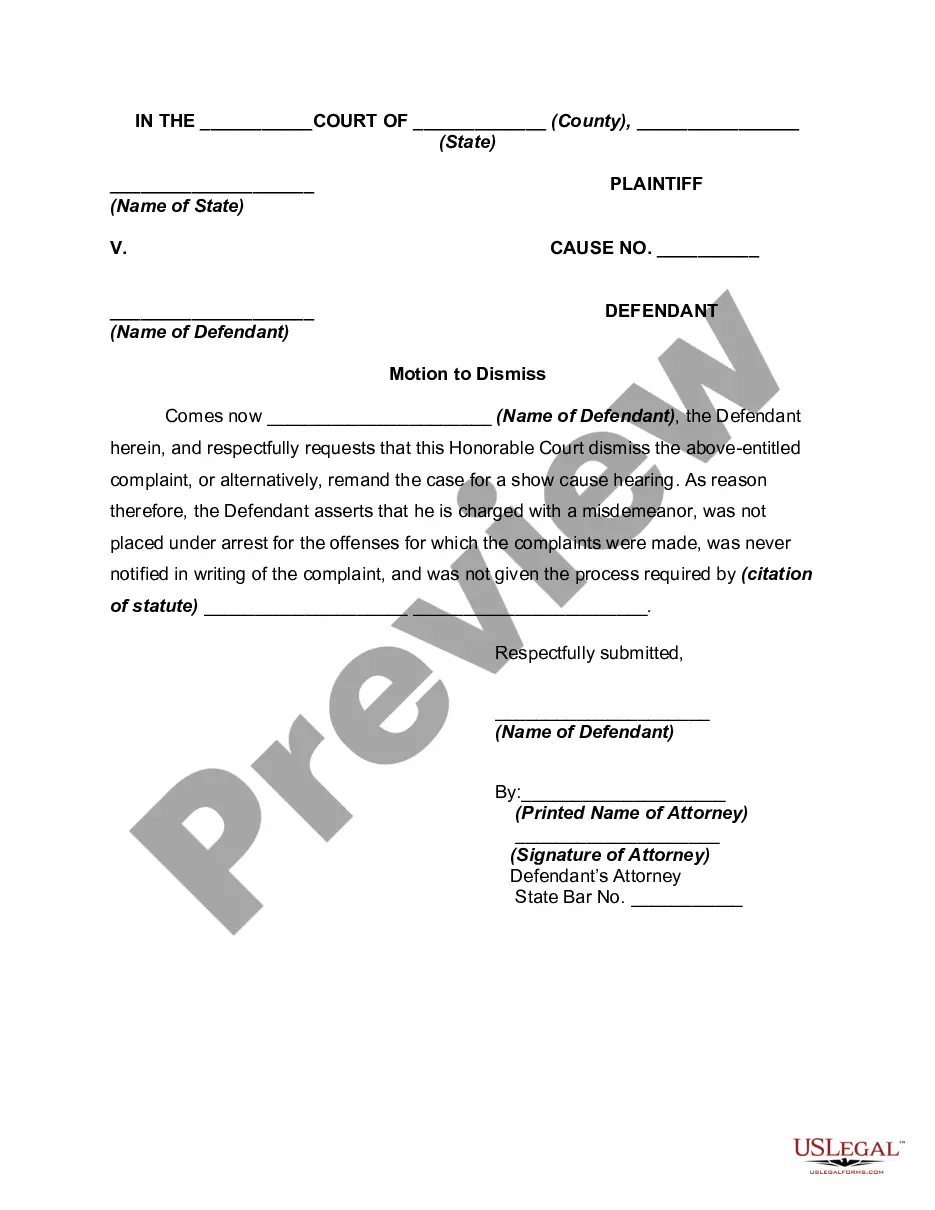
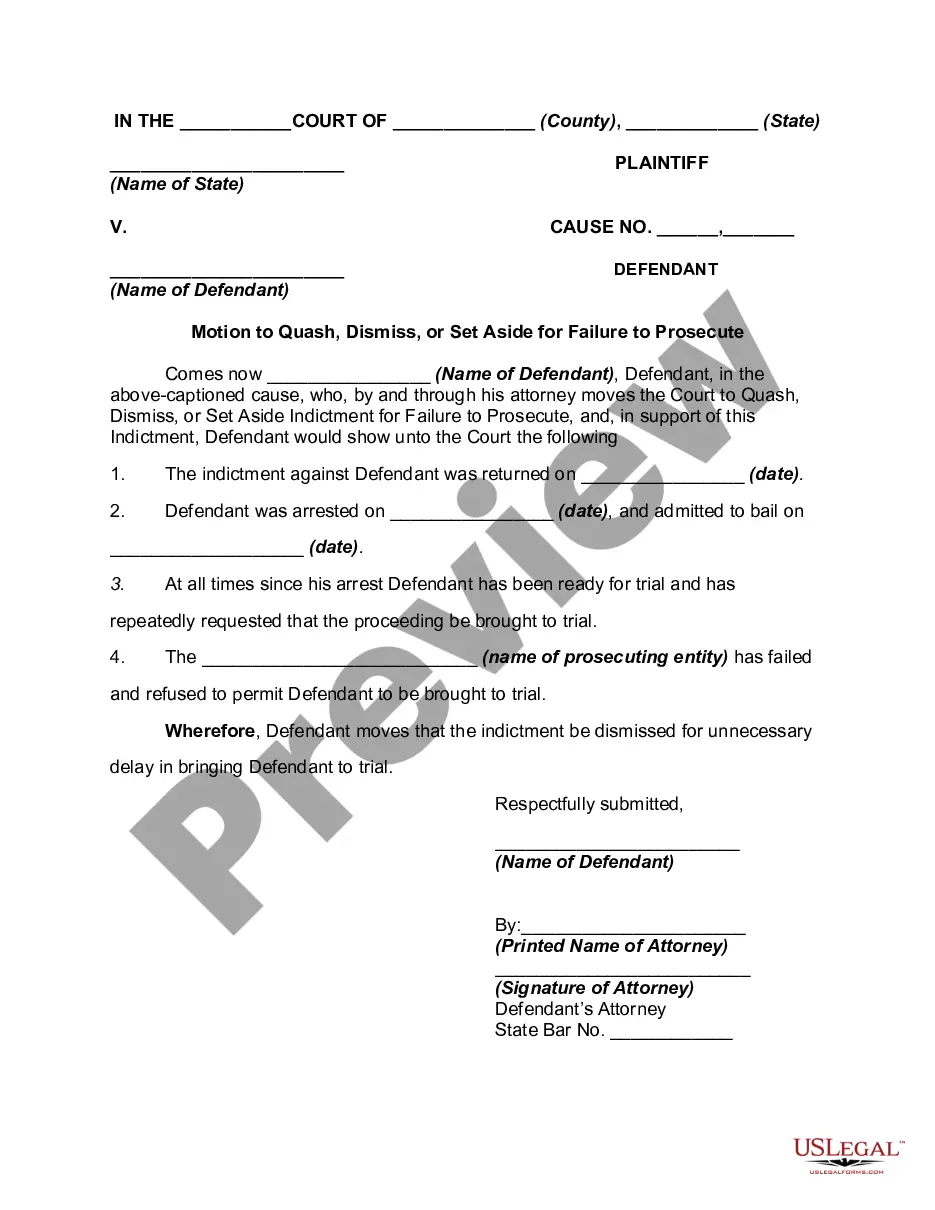
Motion To Dismiss After Removal
Description


Get your form ready online
Our built-in tools help you complete, sign, share, and store your documents in one place.
Make edits, fill in missing information, and update formatting in US Legal Forms—just like you would in MS Word.
Download a copy, print it, send it by email, or mail it via USPS—whatever works best for your next step.
Sign and collect signatures with our SignNow integration. Send to multiple recipients, set reminders, and more. Go Premium to unlock E-Sign.
If this form requires notarization, complete it online through a secure video call—no need to meet a notary in person or wait for an appointment.
We protect your documents and personal data by following strict security and privacy standards.

Make edits, fill in missing information, and update formatting in US Legal Forms—just like you would in MS Word.

Download a copy, print it, send it by email, or mail it via USPS—whatever works best for your next step.

Sign and collect signatures with our SignNow integration. Send to multiple recipients, set reminders, and more. Go Premium to unlock E-Sign.

If this form requires notarization, complete it online through a secure video call—no need to meet a notary in person or wait for an appointment.

We protect your documents and personal data by following strict security and privacy standards.
Looking for another form?







How to fill out Motion To Quash, Dismiss, Or Set Aside Criminal Charges For Failure To Prosecute?
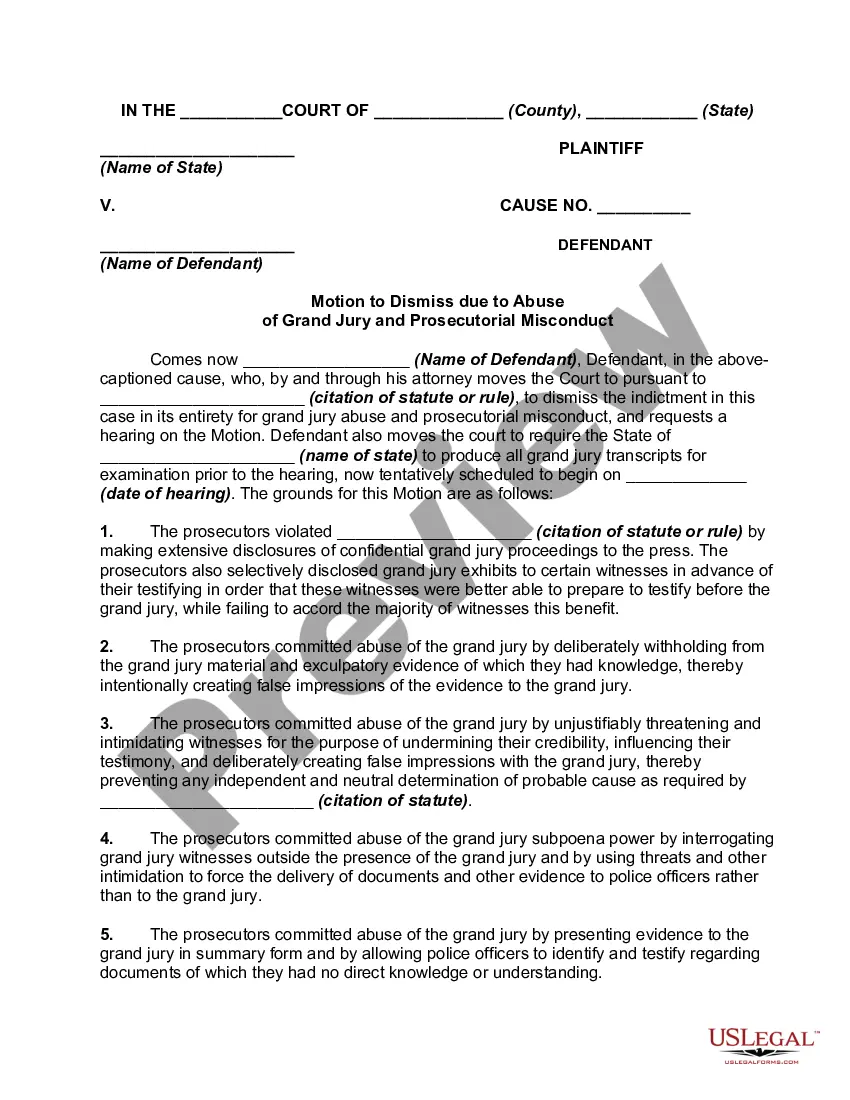
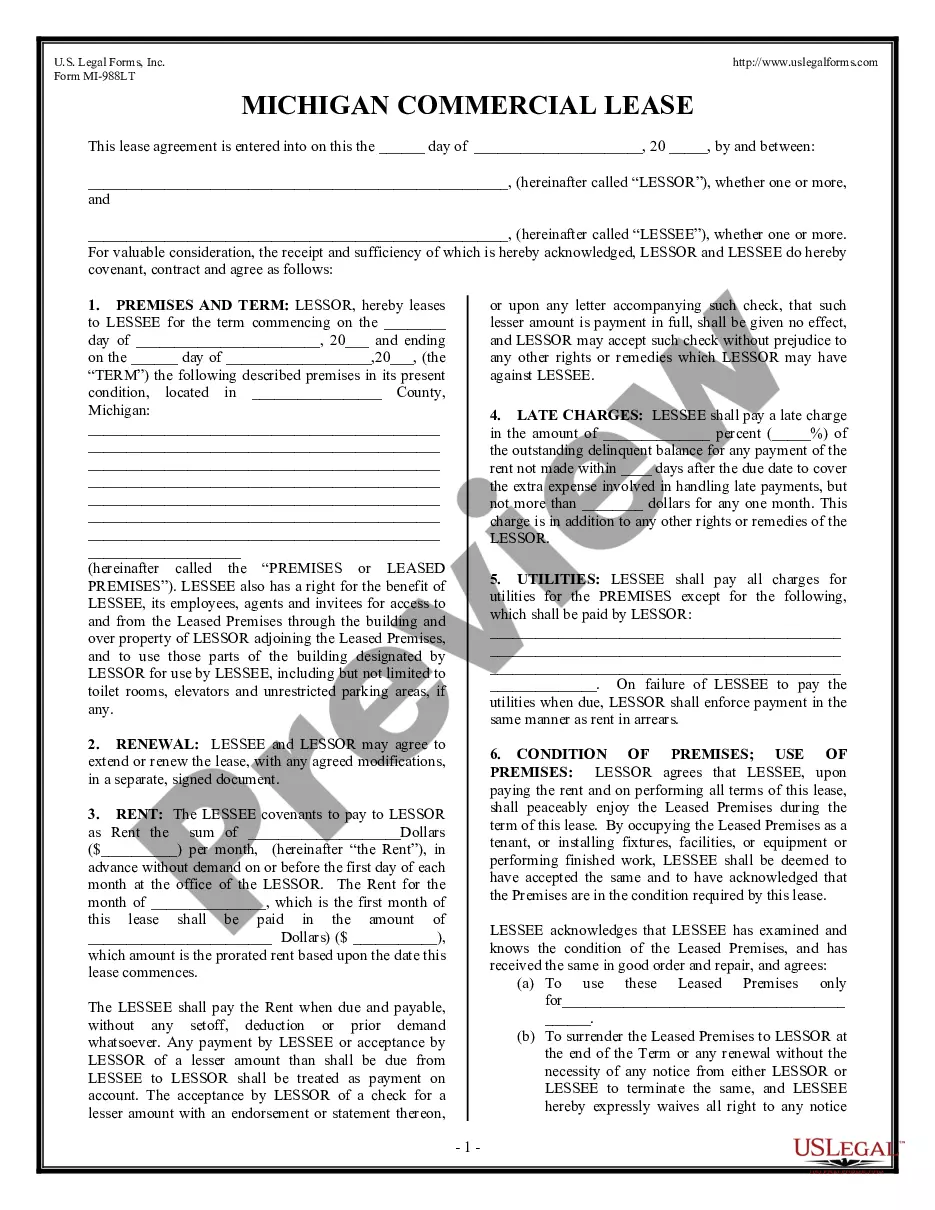
The Motion To Dismiss After Removal you observe on this page is a reusable formal template crafted by expert lawyers in compliance with federal and state laws.
For over 25 years, US Legal Forms has offered individuals, businesses, and attorneys more than 85,000 validated, state-specific documents for any business and personal situation. It’s the fastest, easiest, and most reliable method to obtain the paperwork you require, as the service ensures the highest level of data protection and anti-malware security.
Select the format you prefer for your Motion To Dismiss After Removal (PDF, Word, RTF) and save the example on your device.
- Search for the document you require and verify it.
- Review the file you searched and preview it or assess the form description to confirm it meets your needs. If it doesn't, use the search bar to find the correct one. Click Buy Now when you've located the template you seek.
- Register and Log In.
- Choose the pricing option that fits you and set up an account. Use PayPal or a credit card to make a quick payment. If you already have an account, Log In and verify your subscription to continue.
- Retrieve the fillable template.
Form popularity
FAQ
A motion to dismiss may be denied if the judge finds sufficient grounds for the case to proceed, such as a legitimate claim or jurisdictional matters. The court will often look for any factual disputes that require further examination during trial. Understanding the common reasons behind the denial can help you better structure your motion to dismiss after removal.
When a motion to dismiss is filed, the court evaluates the legal arguments and evidence presented. The judge may either grant the motion, effectively ending the case, or deny it, allowing the case to continue. If you are considering a motion to dismiss after removal, be prepared for the court's scrutiny and potentially for further legal proceedings.
A motion to dismiss seeks to end a lawsuit based on legal deficiencies, while a motion to terminate removal proceedings aims to prevent a defendant’s removal from one jurisdiction to another. The focus and implications of each motion differ significantly. When dealing with a motion to dismiss after removal, it is vital to grasp how these motions can affect your legal strategy.
Common types of motions to dismiss include a motion based on failure to state a claim and lack of subject matter jurisdiction. Each type addresses specific legal shortcomings in the opposing party's case. Knowing the various types can help you craft a more effective motion to dismiss after removal.
A motion to dismiss should include a clear statement of the legal grounds for dismissal and a concise argument supporting those grounds. Additionally, it must outline the facts that justify the request, supporting documents, and any applicable statutes or legal precedents. When drafting a motion to dismiss after removal, make sure to provide compelling reasons that align with the requirements of the court.
A cause of action motion to dismiss is a legal request asking a court to dismiss a case based on specific legal grounds. This motion asserts that even if all allegations are true, there is not enough legal basis to proceed. Understanding this concept is crucial, especially when considering a motion to dismiss after removal, as it can significantly influence your case's outcome.
Writing a motion to dismiss after removal requires clarity and a solid understanding of your legal argument. Start by clearly stating the grounds for dismissal, then outline your supporting facts and applicable laws. Be concise, yet thorough in your explanations, and ensure that the format aligns with court rules. Utilizing tools from platforms like US Legal Forms can help streamline this process.
Yes, you can file your own motion to dismiss after removal if you believe there are valid reasons to do so. However, it is essential to understand the specific legal grounds for filing such a motion. Make sure that your motion meets all necessary legal requirements and follows appropriate procedures. Consider using resources like US Legal Forms to ensure you're on the right track.
When you receive a motion to dismiss after removal, you can respond in several ways. You may argue that the case has merit and should proceed in court. Additionally, you can provide evidence or legal precedents supporting your case. Crafting a solid response is crucial, as it can impact the judge's decision.
You should file a 12b6 motion to dismiss as soon as you identify a lack of legal grounds in the plaintiff's complaint. Generally, it's advisable to submit your motion after removal but before answering the complaint. Addressing these issues early helps you clarify your position and can potentially expedite the resolution of the case.