Sub Tenant Document Without Comments
Description
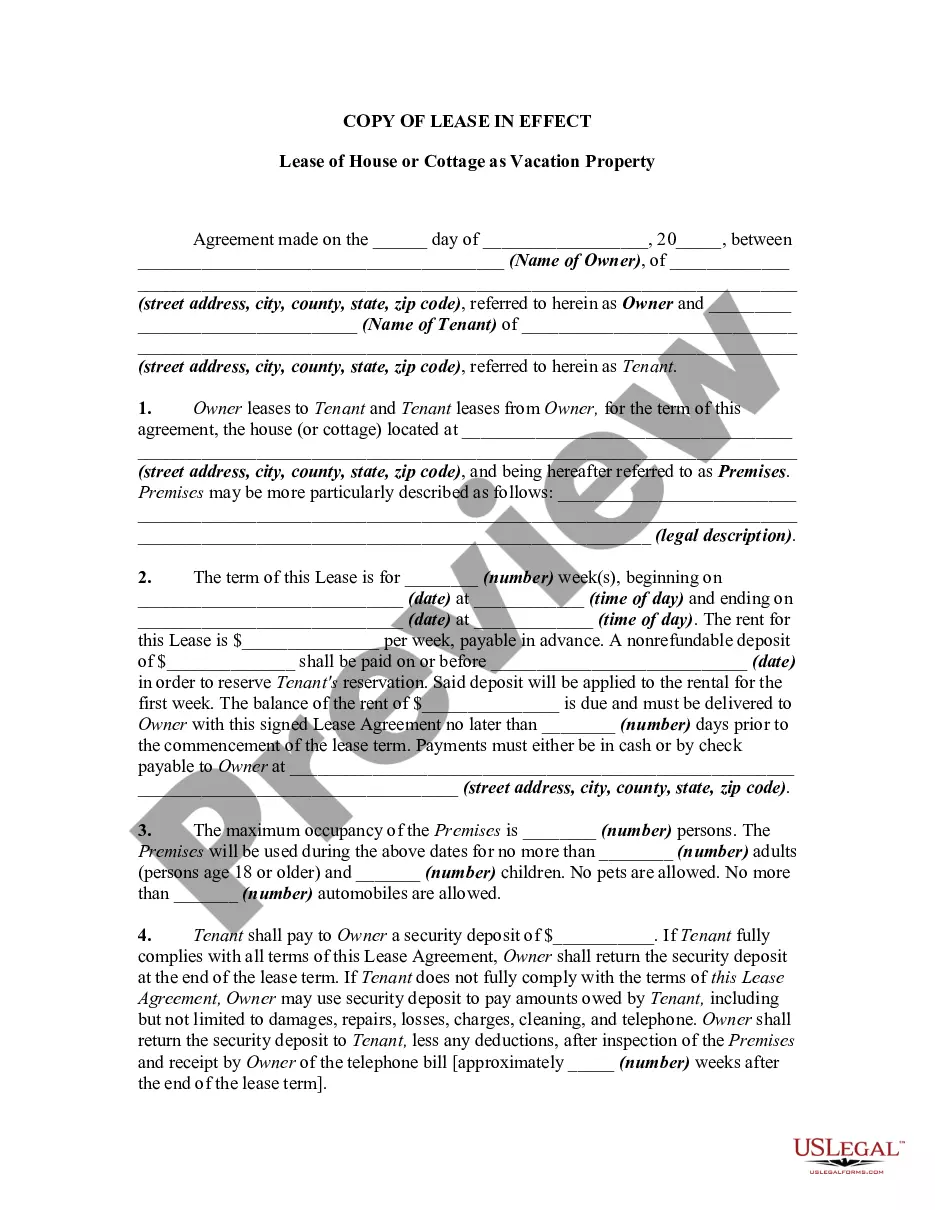
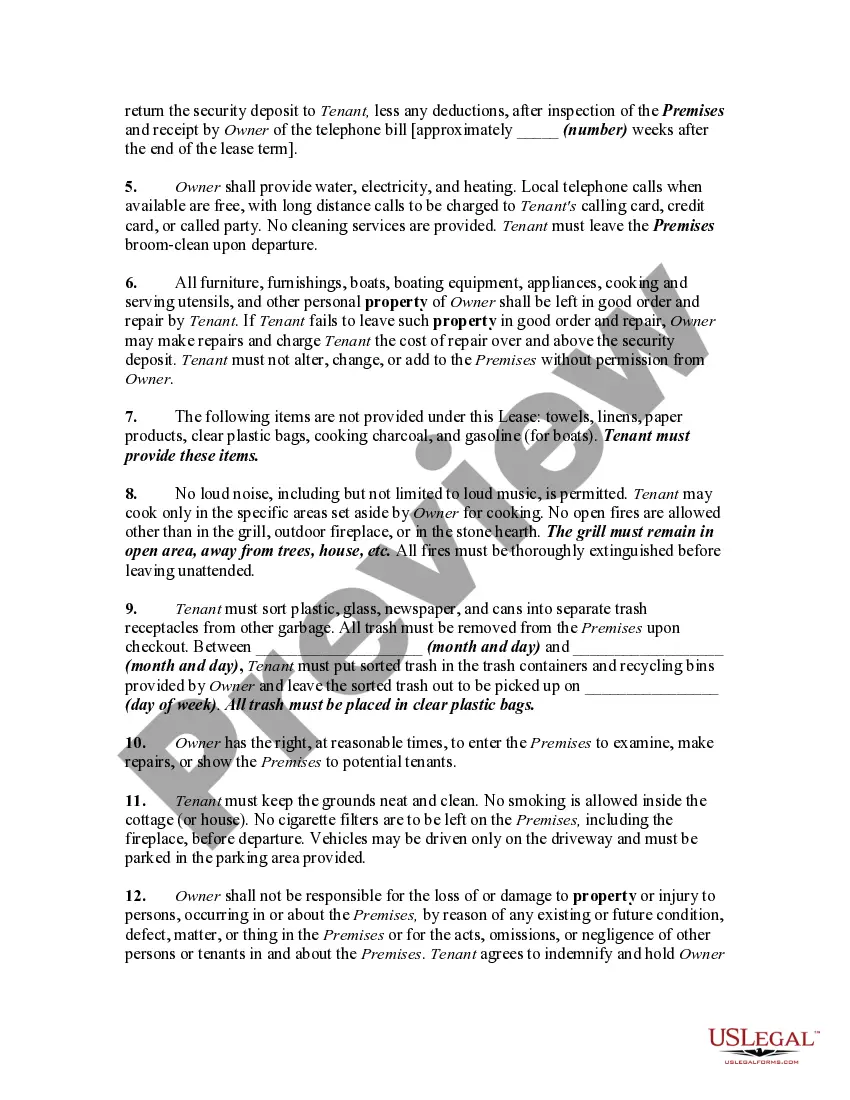
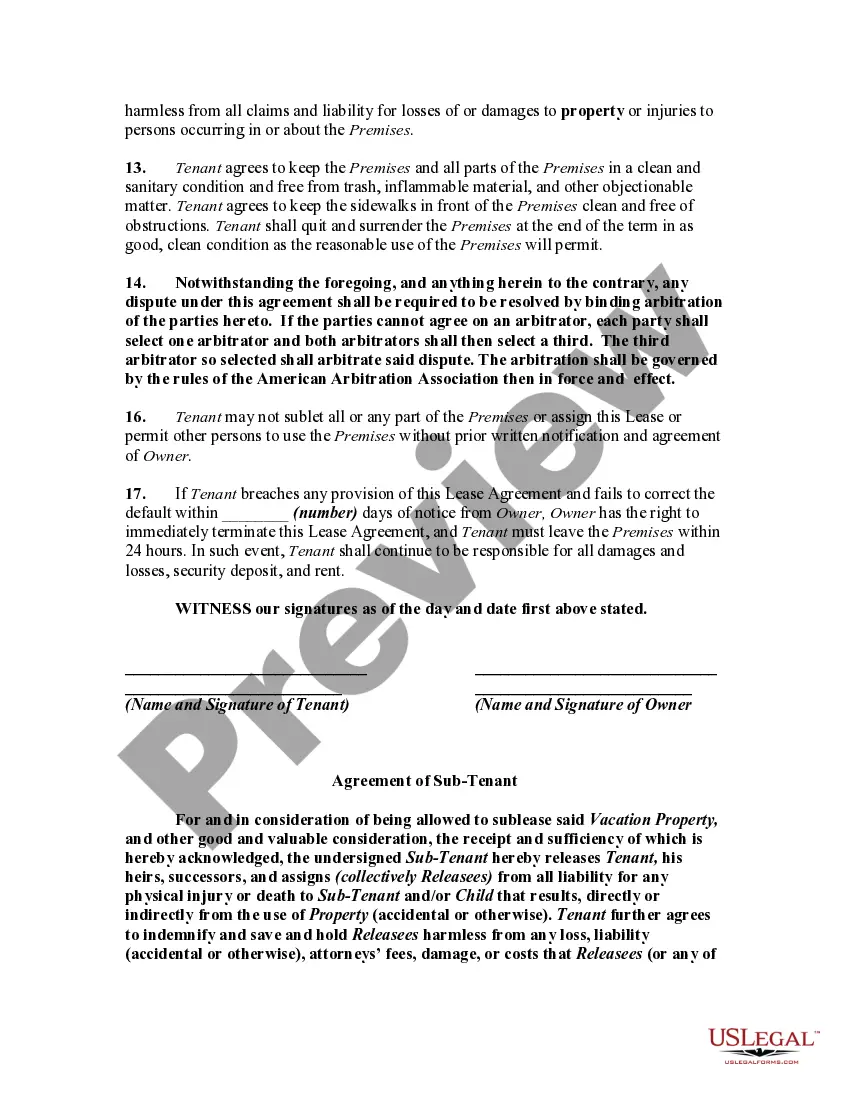
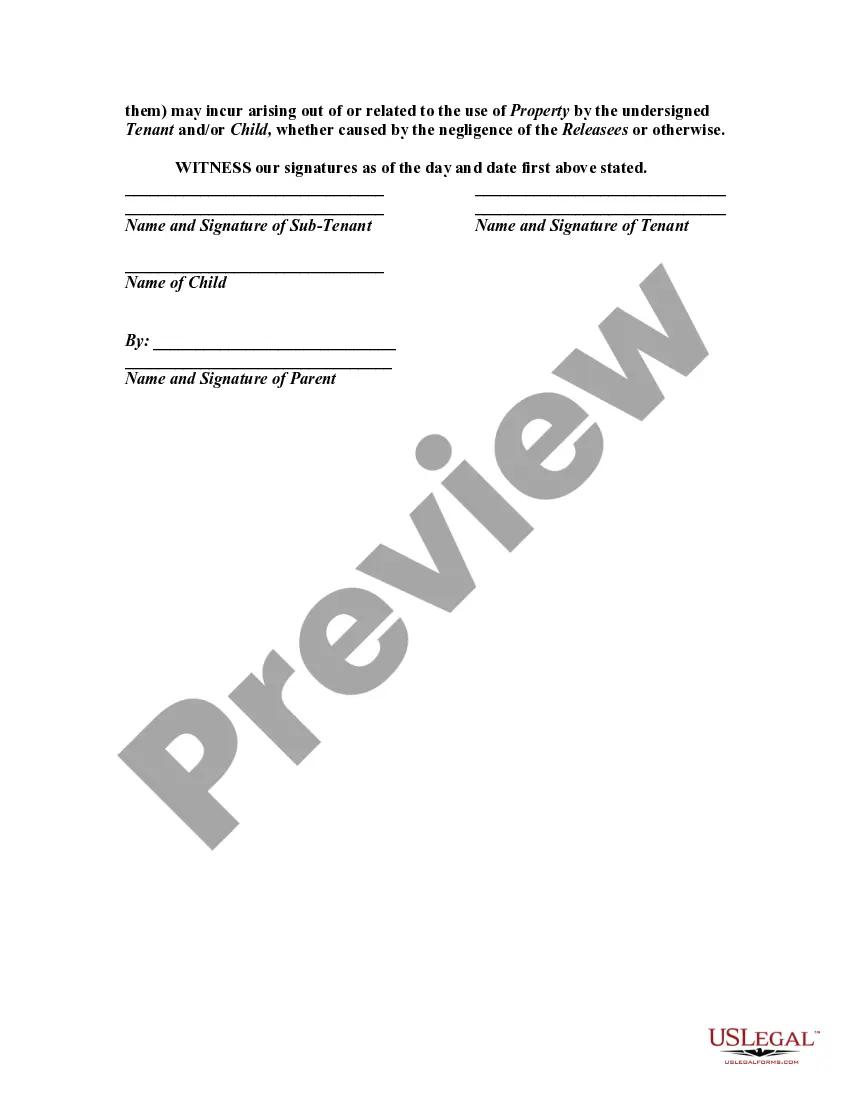
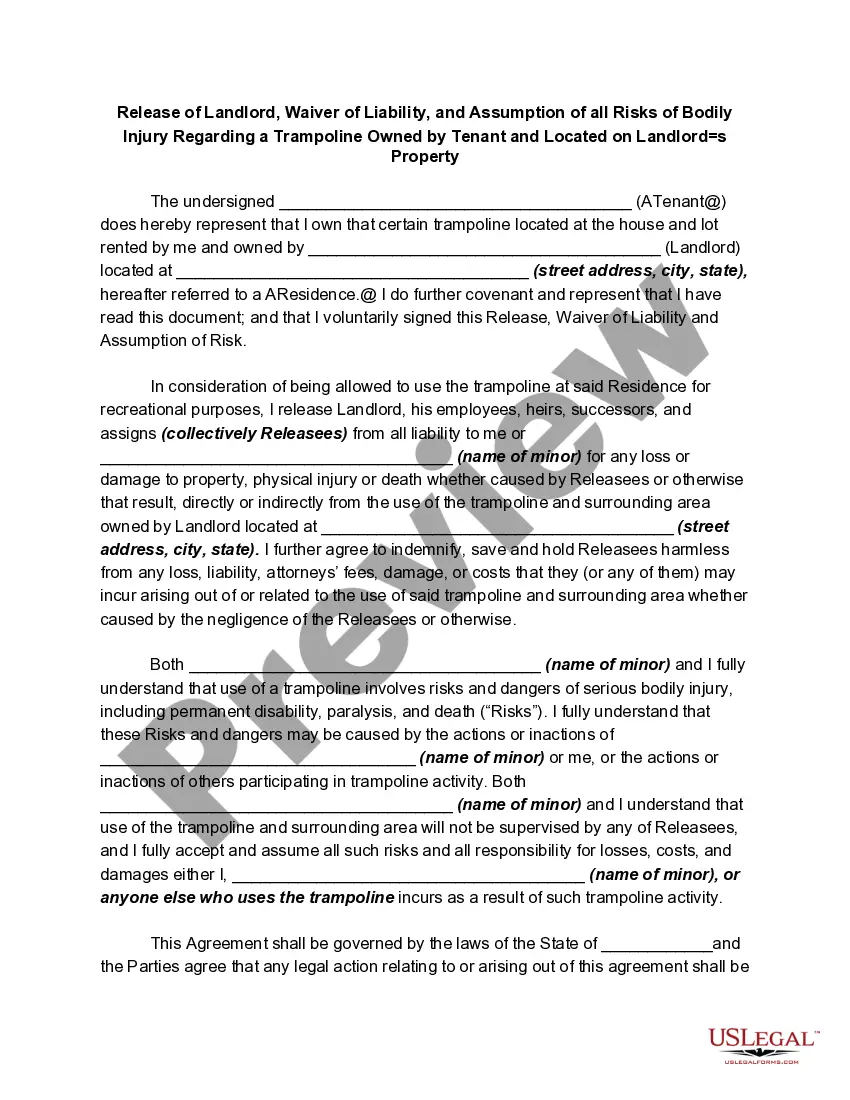
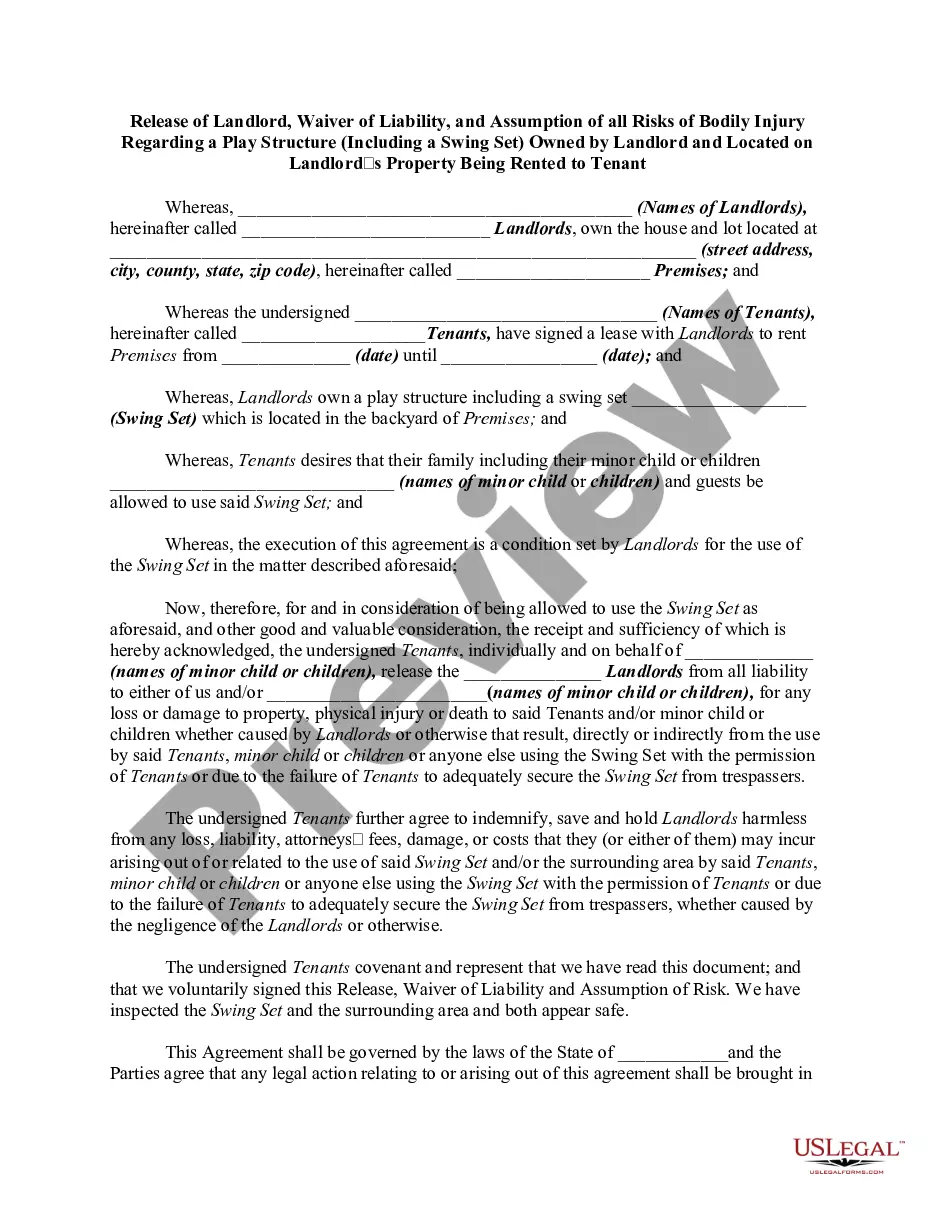
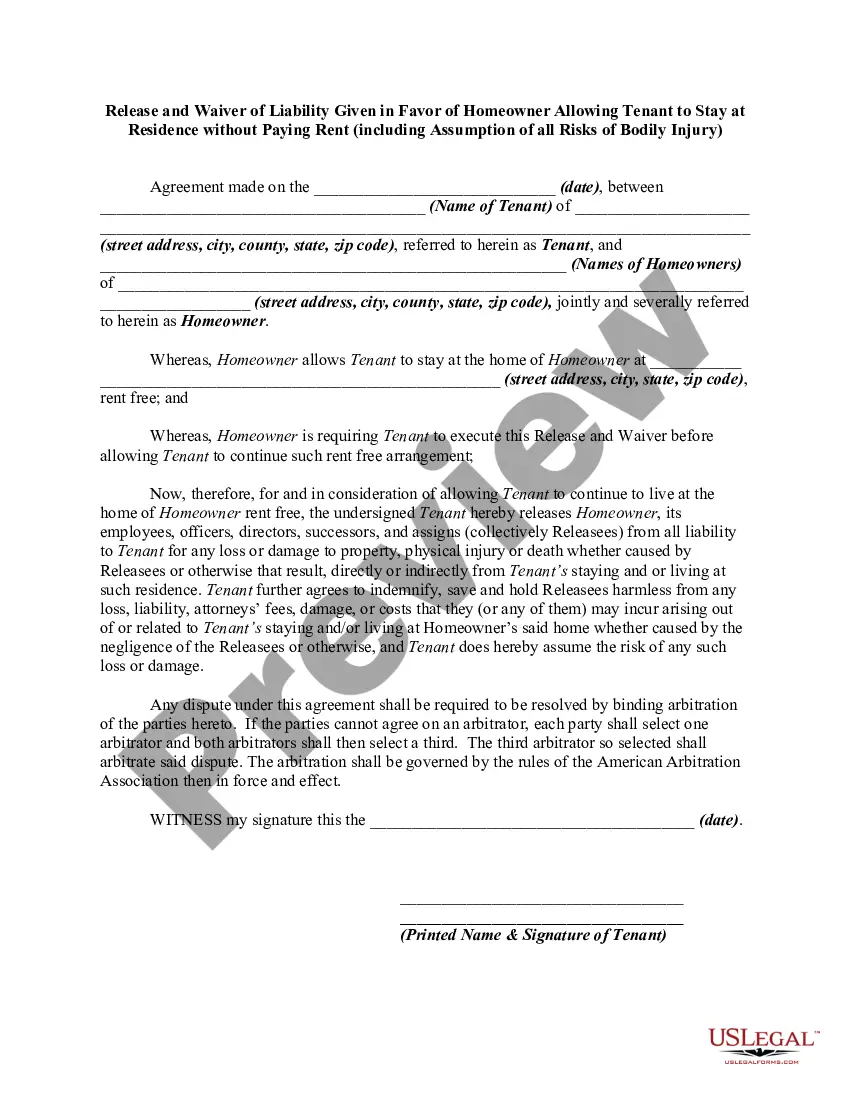
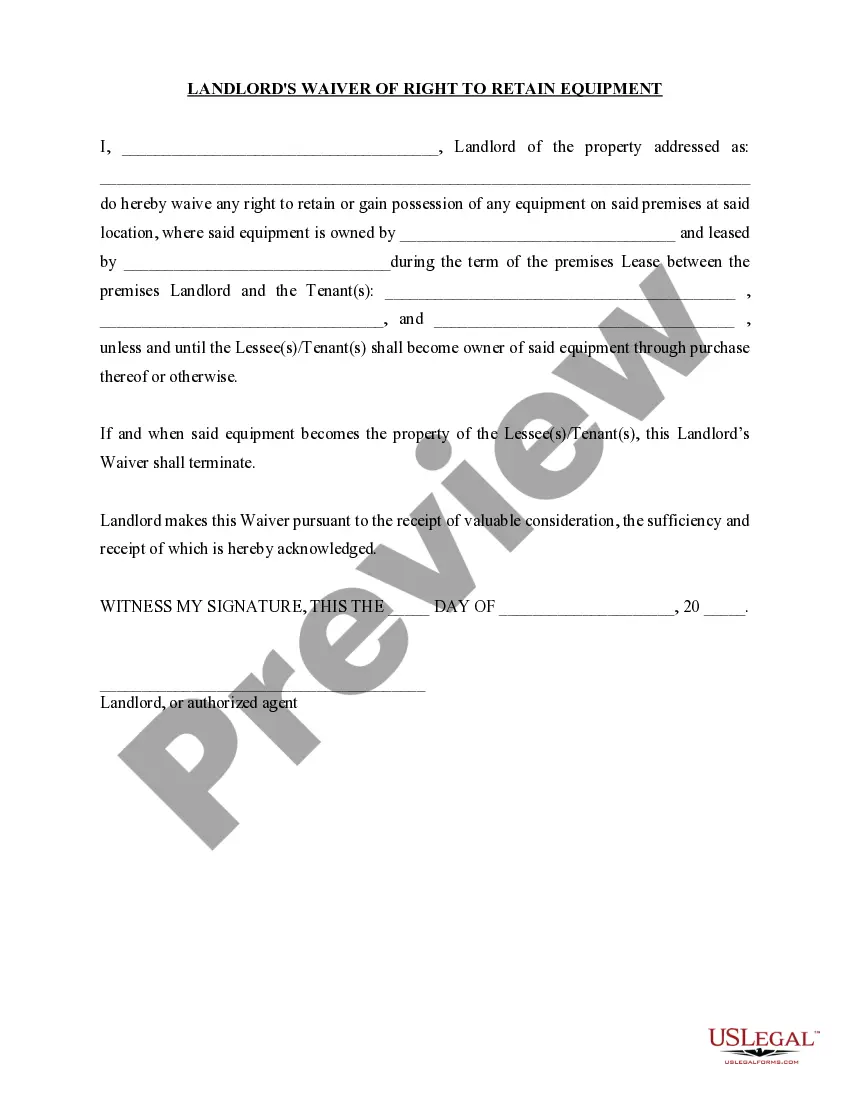
Get your form ready online
Our built-in tools help you complete, sign, share, and store your documents in one place.
Make edits, fill in missing information, and update formatting in US Legal Forms—just like you would in MS Word.
Download a copy, print it, send it by email, or mail it via USPS—whatever works best for your next step.
Sign and collect signatures with our SignNow integration. Send to multiple recipients, set reminders, and more. Go Premium to unlock E-Sign.
If this form requires notarization, complete it online through a secure video call—no need to meet a notary in person or wait for an appointment.
We protect your documents and personal data by following strict security and privacy standards.

Make edits, fill in missing information, and update formatting in US Legal Forms—just like you would in MS Word.

Download a copy, print it, send it by email, or mail it via USPS—whatever works best for your next step.

Sign and collect signatures with our SignNow integration. Send to multiple recipients, set reminders, and more. Go Premium to unlock E-Sign.

If this form requires notarization, complete it online through a secure video call—no need to meet a notary in person or wait for an appointment.

We protect your documents and personal data by following strict security and privacy standards.
Looking for another form?
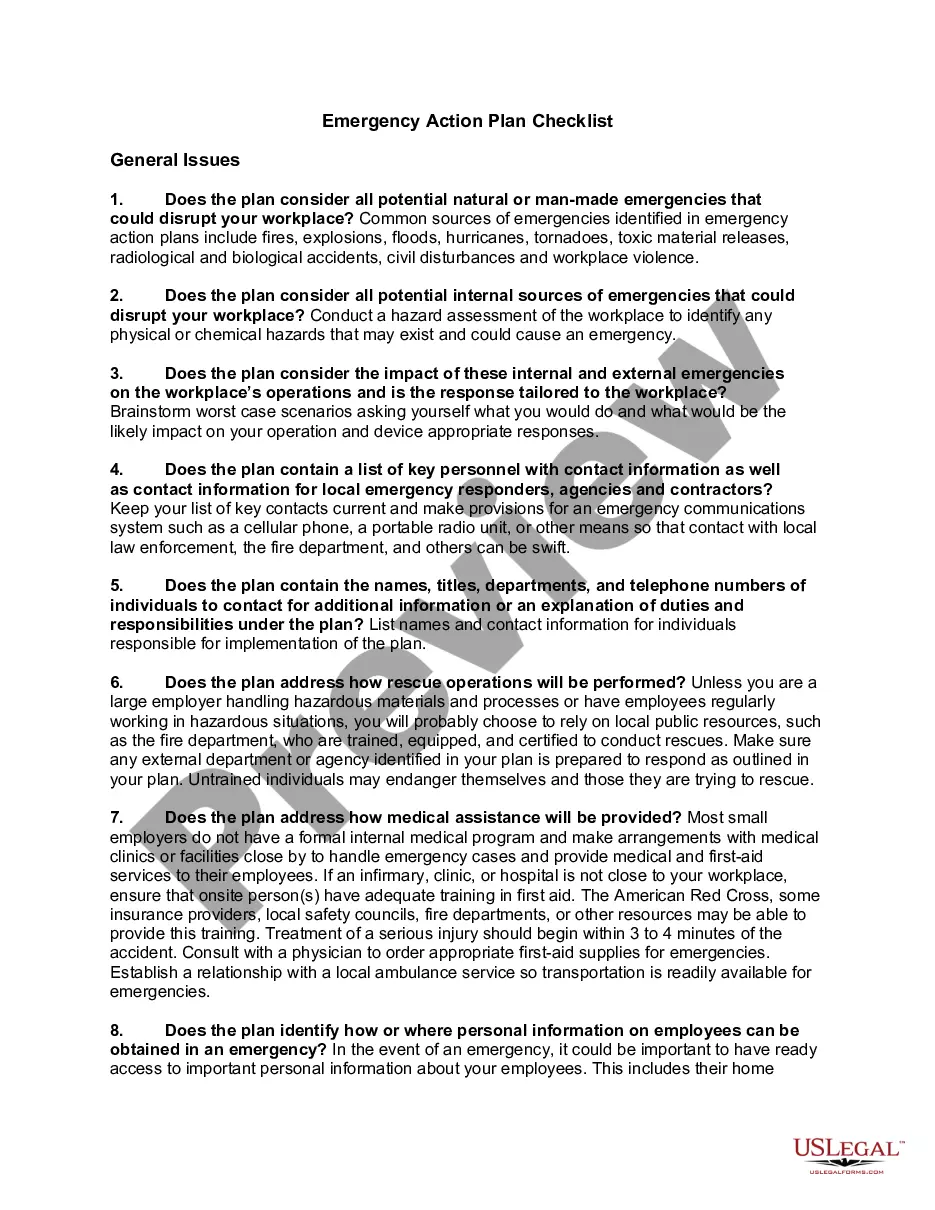

How to fill out Agreement Of Sub-Tenant And Waiver Of Liability In Favor Of Tenant?
Locating a reliable source to obtain the most up-to-date and pertinent legal templates constitutes a significant part of dealing with bureaucracy.
Identifying the correct legal documents requires accuracy and meticulousness, which is why it's crucial to obtain samples of Sub Tenant Document Without Comments exclusively from credible sources, such as US Legal Forms.
Remove the stress associated with your legal documentation. Browse through the extensive US Legal Forms library where you can locate legal templates, verify their relevance to your needs, and download them right away.
- Utilize the library navigation or search bar to locate your template.
- Access the document's details to ensure it meets the requirements of your state and county.
- View the document preview, if available, to confirm it is indeed the template you need.
- Continue searching for the suitable template if the Sub Tenant Document Without Comments does not fulfill your needs.
- Once you are certain of the form's relevance, download it.
- If you are a registered user, click Log in to verify your identity and retrieve your selected templates in My documents.
- If you have not established an account yet, click Buy now to purchase the template.
- Choose the pricing option that best fits your requirements.
- Proceed to the registration to finalize your purchase.
- Conclude your purchase by selecting a payment option (credit card or PayPal).
- Select the file format for downloading Sub Tenant Document Without Comments.
- After obtaining the form on your device, you may edit it using the editor or print it and complete it by hand.
Form popularity
FAQ
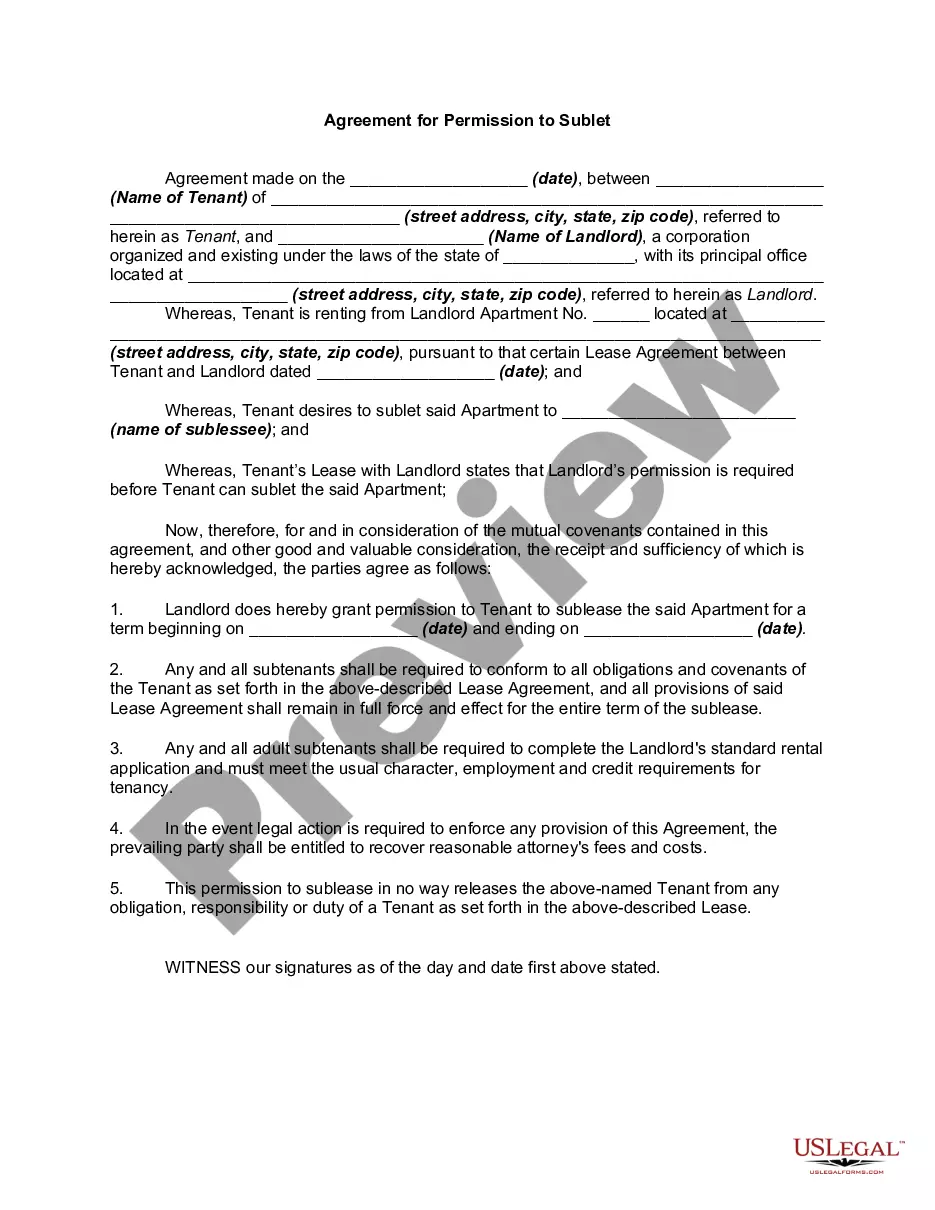
Subletting rules vary by lease agreement and state laws. Generally, tenants must seek permission from their landlord before subleasing the property. It's crucial to document the arrangement clearly, using a sub tenant document without comments to outline responsibilities and terms. Always check your lease to ensure compliance and avoid legal issues.
Landlords often avoid subleasing because it complicates their control over the rental property. When a tenant subleases, the landlord cannot easily regulate who occupies the space. Additionally, landlords worry about the potential for damage, unpaid rent, or violations of lease terms. It's essential to have a solid sub tenant document without comments to avoid misunderstandings.
Before subleasing, it's essential to review your lease agreement for any stipulations regarding subletting. Understanding your landlord's policies and the approval process is crucial to avoid complications. Additionally, be clear about the terms with your sub-tenant to prevent misunderstandings. Utilizing a sub tenant document without comments can establish clear expectations and protect your interests throughout the subleasing process.
The disadvantages of subleasing include potential conflicts between the original tenant and the sub-tenant, and the original tenant's ongoing liability for lease terms. If the sub-tenant performs poorly, the original tenant might face financial repercussions or damage claims. Furthermore, some landlords impose strict regulations or outright bans on subleasing, which can complicate the arrangement. A well-prepared sub tenant document without comments can clarify responsibilities and help avoid disputes.
Proving that a tenant is subletting often requires documentation and evidence of the arrangement. Signs of unauthorized subletting can include unexpected guests, changes in lease payments, or alterations in the property's condition. Landlords may look for any formal sub tenant document without comments that indicates an agreement exists. If documentation is lacking, they may need to gather other forms of evidence as well.
Typically, all original tenants named on the lease need to consent to a sublet, especially if the lease agreement specifies this requirement. This consensus helps maintain good relationships and ensures that everyone is aware of who occupies the unit. It’s vital to communicate openly with all parties involved to avoid misunderstandings. A sub tenant document without comments can serve as a formal record of this agreement, simplifying the process.
Subleasing is not inherently a bad idea, but it does carry certain risks that tenants must consider. If done correctly, it can provide flexibility and financial relief, especially during times of need. However, it's essential to ensure that you follow the terms set by your lease and obtain necessary permissions. A sub tenant document without comments can help outline all agreements to protect both parties.
One of the main drawbacks of subletting is the risk of missed rent payments and property damage caused by the sub-tenant. If the sub-tenant does not fulfill their obligations, the original tenant might face financial responsibilities, such as covering unpaid rent. Additionally, subletting can create disputes between tenants, leading to tension that undermines the living environment. Using a sub tenant document without comments can mitigate some of these risks by providing clear terms.
Landlords often dislike subleasing because it can complicate tenant relations and property management. They fear losing control over who occupies their property, which can lead to tenant disputes or property damage. Moreover, a sub-tenant may not adhere to the terms of the lease, causing potential financial losses for the landlord. Having a clear sub tenant document without comments can help clarify these agreements.
When considering subletting, it is crucial to understand the rules that apply to your lease agreement. Often, landlords require tenants to obtain permission before letting someone else take over their rental space. Additionally, the property’s lease may specify certain conditions that must be met for subletting to be valid. To ensure you follow the guidelines, a clear and concise sub tenant document without comments can outline all requirements and responsibilities involved.