Lease Option Vs Lease Purchase
Description
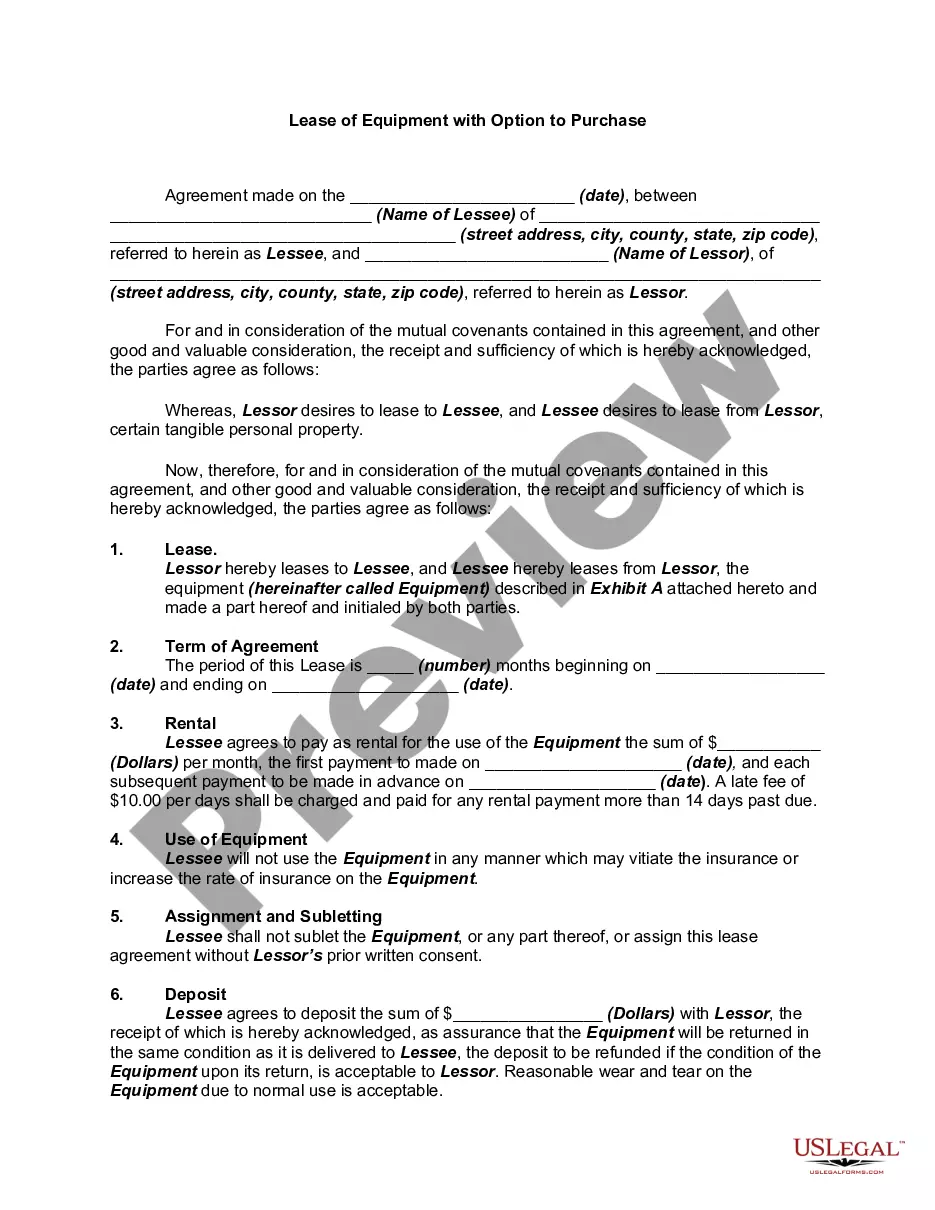
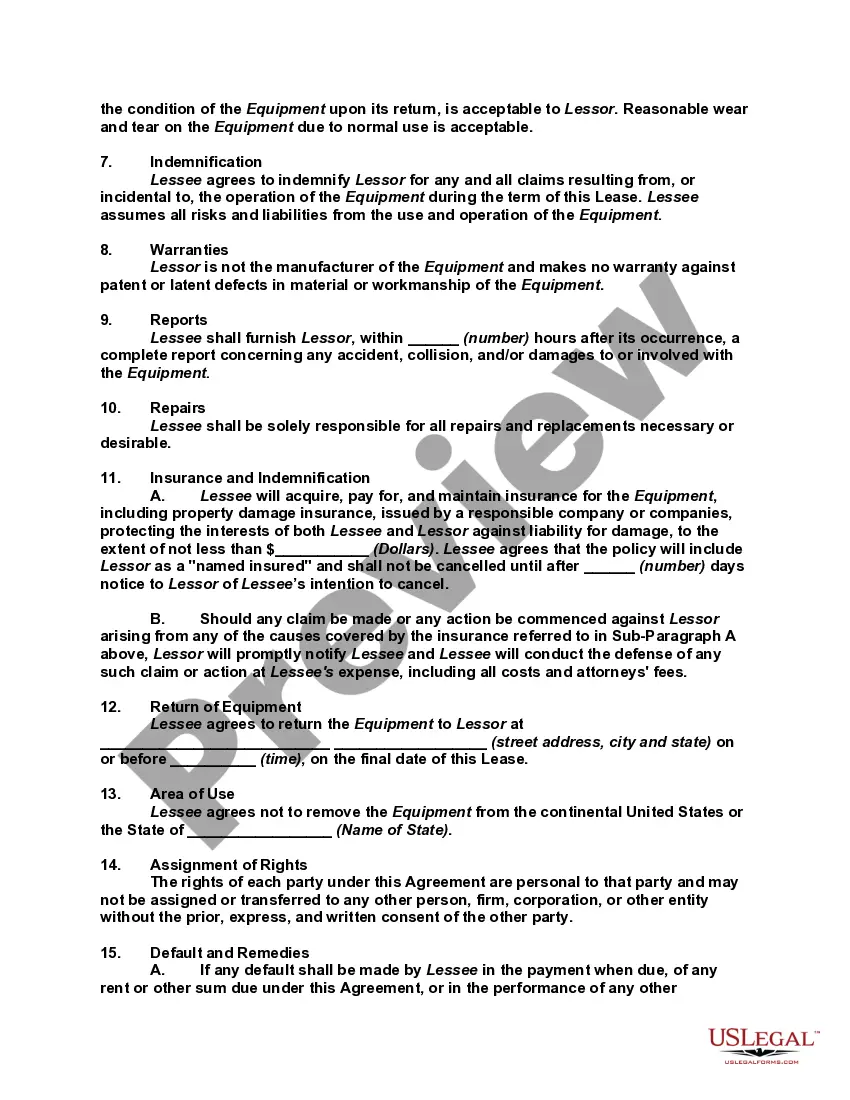
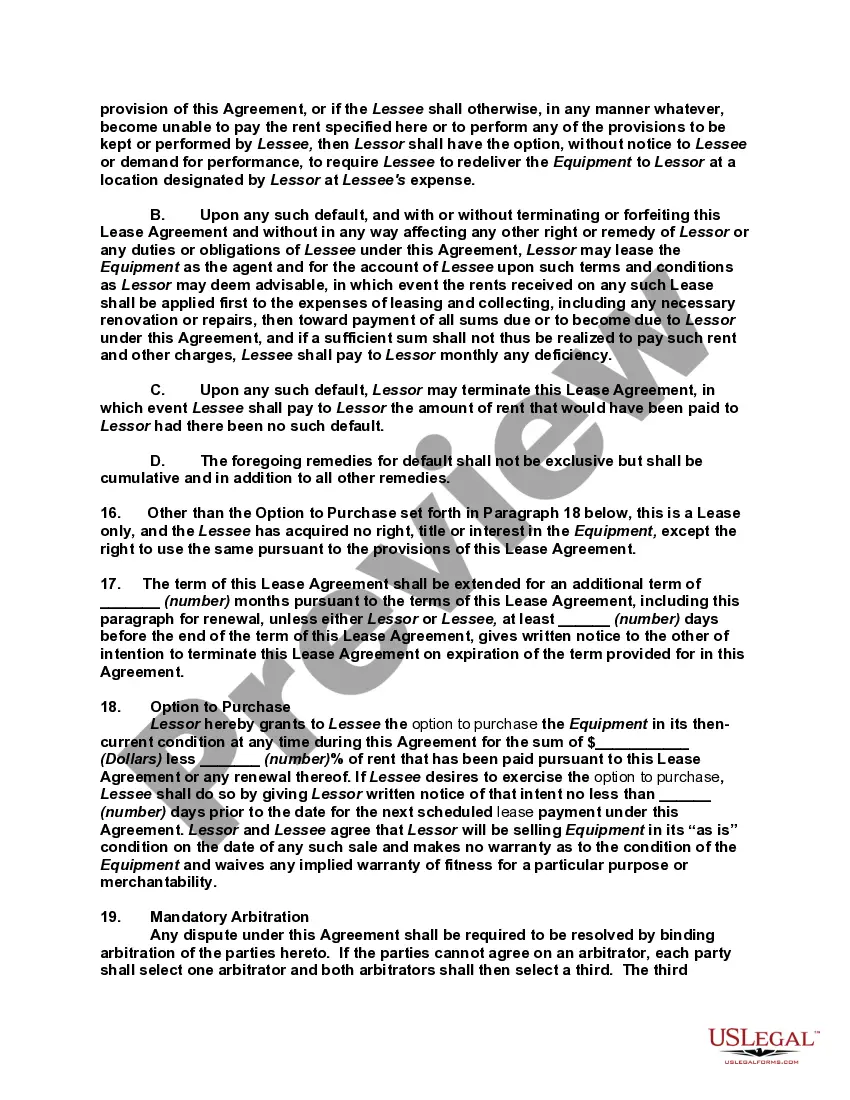
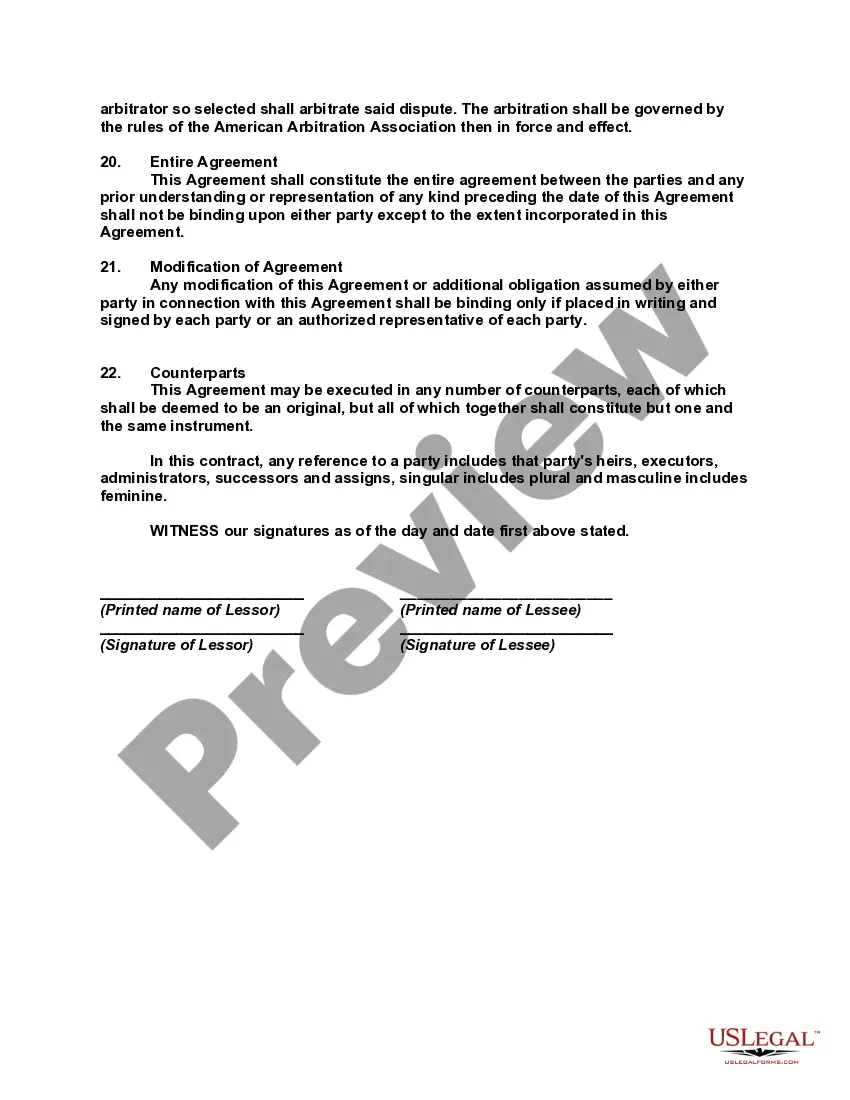
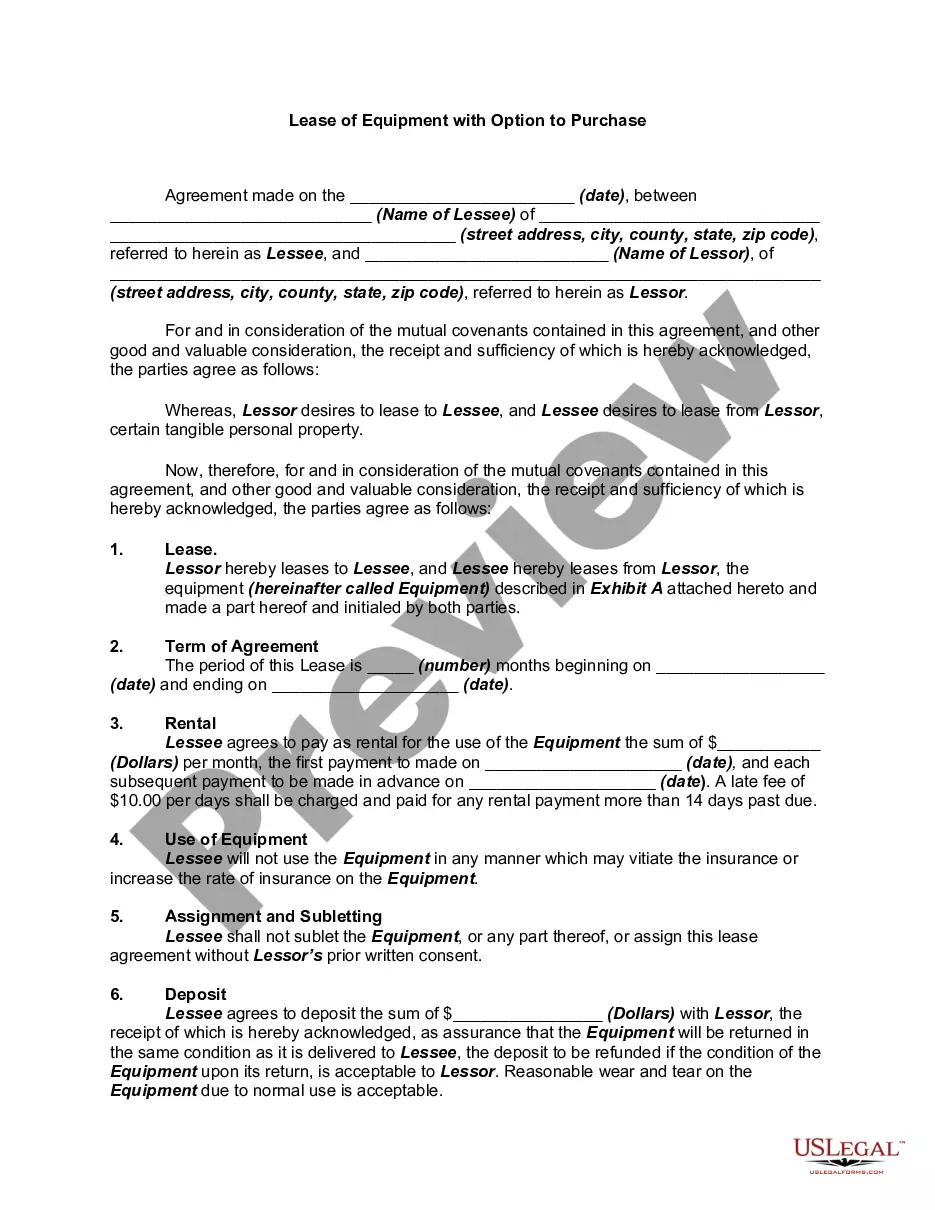
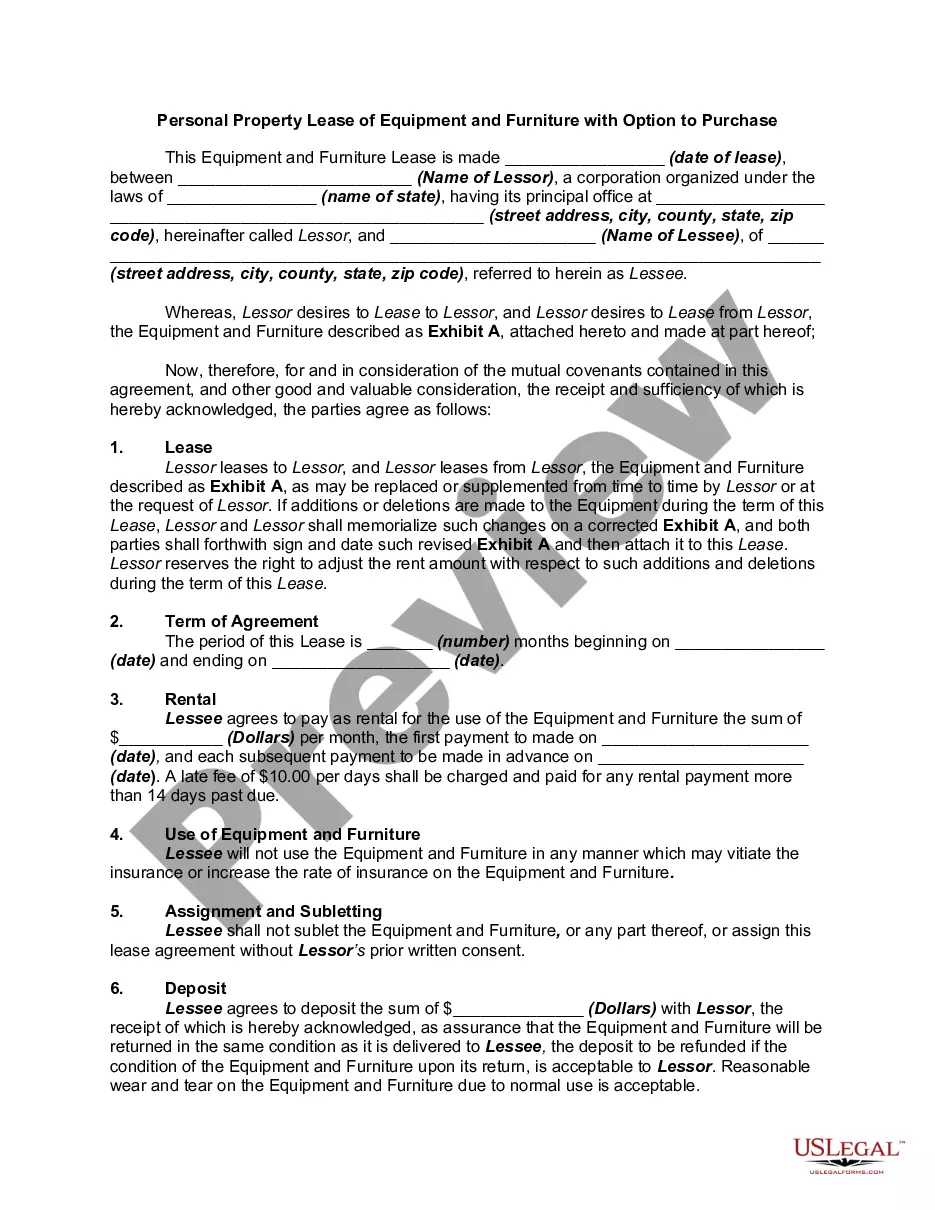
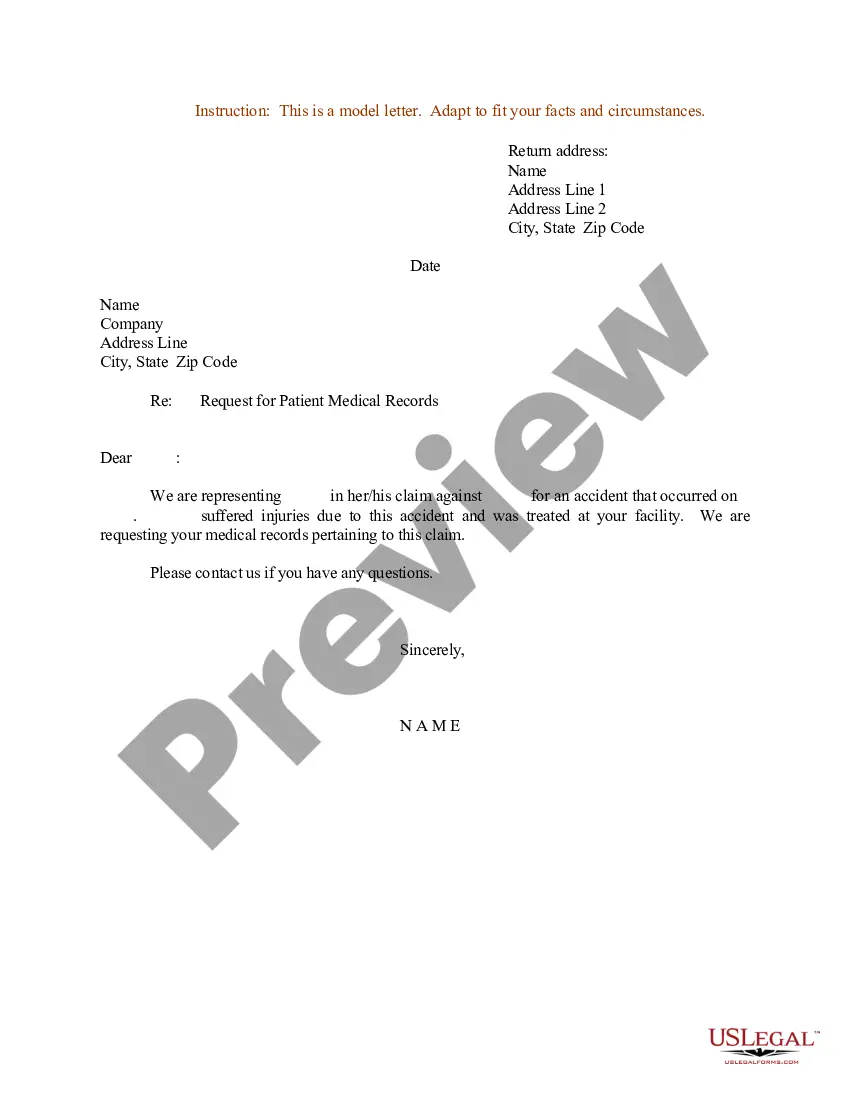
How to fill out Lease Or Rental Agreement Of Equipment With Option To Purchase And Own - Lease Or Rent To Own?
It’s well-known that you cannot become a legal expert instantly, nor can you swiftly learn how to effectively prepare Lease Option Vs Lease Purchase without having a specialized education.
Assembling legal documents is an extensive process that requires specific training and expertise. So why not entrust the preparation of the Lease Option Vs Lease Purchase to the specialists.
With US Legal Forms, one of the largest legal document collections, you can discover everything from court papers to templates for internal business communication.
If you need a different template, restart your search.
Create a complimentary account and select a subscription plan to purchase the template.
- We recognize how vital compliance and adherence to federal and local regulations is.
- That’s why, on our site, all templates are location-specific and current.
- Begin by using our platform and acquire the document you require in just minutes.
- Locate the form you need with the search bar at the top of the page.
- Review it (if this option is available) and read the supplementary description to ascertain whether Lease Option Vs Lease Purchase is what you’re looking for.
Form popularity
FAQ
Choosing a lease option over a typical mortgage can provide greater flexibility. With a lease option, you have the right to buy the property at a later date, allowing you time to save for a down payment or improve your credit score. This approach also minimizes upfront costs and helps you avoid the financial commitment of a mortgage immediately. Overall, understanding the differences in lease option vs lease purchase can empower you to make a choice that best suits your financial situation.
The difference between lease options and lease purchases primarily lies in the agreement's nature. A lease option allows you to rent with the choice to buy later, while a lease purchase obligates you to purchase the property at the end of the lease term. Understanding these distinctions can help you make informed decisions based on your financial goals. US Legal Forms provides useful resources to further explore the lease option vs lease purchase concept.
To fill in the lease agreement, start by providing accurate details about the property, such as the address and rental terms. Include the names of all parties involved, along with their contact information. Carefully review the sections on rent amount, duration, and any special conditions that apply. Using a platform like US Legal Forms can simplify this process by offering templates tailored for lease options and lease purchases.
A lease option can offer flexibility for buyers and sellers alike, making it an attractive choice in the real estate market. With a lease option, you have the chance to rent a property while securing the right to purchase it later, which is beneficial if you want to test the property before committing. In contrast, a lease purchase requires you to buy the property at the end of the lease, which may not suit everyone's needs. Understanding the differences between lease option vs lease purchase can help you determine which option aligns best with your financial goals.
A lease option is an agreement that gives a renter a choice to purchase the rented property during or at the end of the rental period. It also precludes the owner from offering the property for sale to anyone else. When the term expires, the renter must either exercise the option or forfeit it.
Standard in many commercial leases, an 'Option' is a clause in the lease agreement which grants the tenant the ability to renew the tenancy for an additional term or terms. Ordinarily the lease will include certain restrictions on when and how the tenant may exercise the Option.
The difference between a lease option and a lease purchase agreement is that the lease option only obligates the seller to sell. A lease purchase agreement commits both parties to the sale barring breach of contract or the buyer's inability to secure a mortgage.
Options are usually required to be ?exercised? by writing to the Landlord or the Managing Agent and specifically saying that you are exercising the option. You should always refer to the option clause of your Lease to ensure that you are following the correct procedure and format.
For example, a tenant and landlord may agree to a five-year lease with a five-year option to renew. At the end of the first five years, the tenant is given the chance to continue the lease for another five years. If you think you may renew, be sure to bring up extension provisions with your landlord.