Concurring Proximate Causes-Liability-General Verdict
About this form
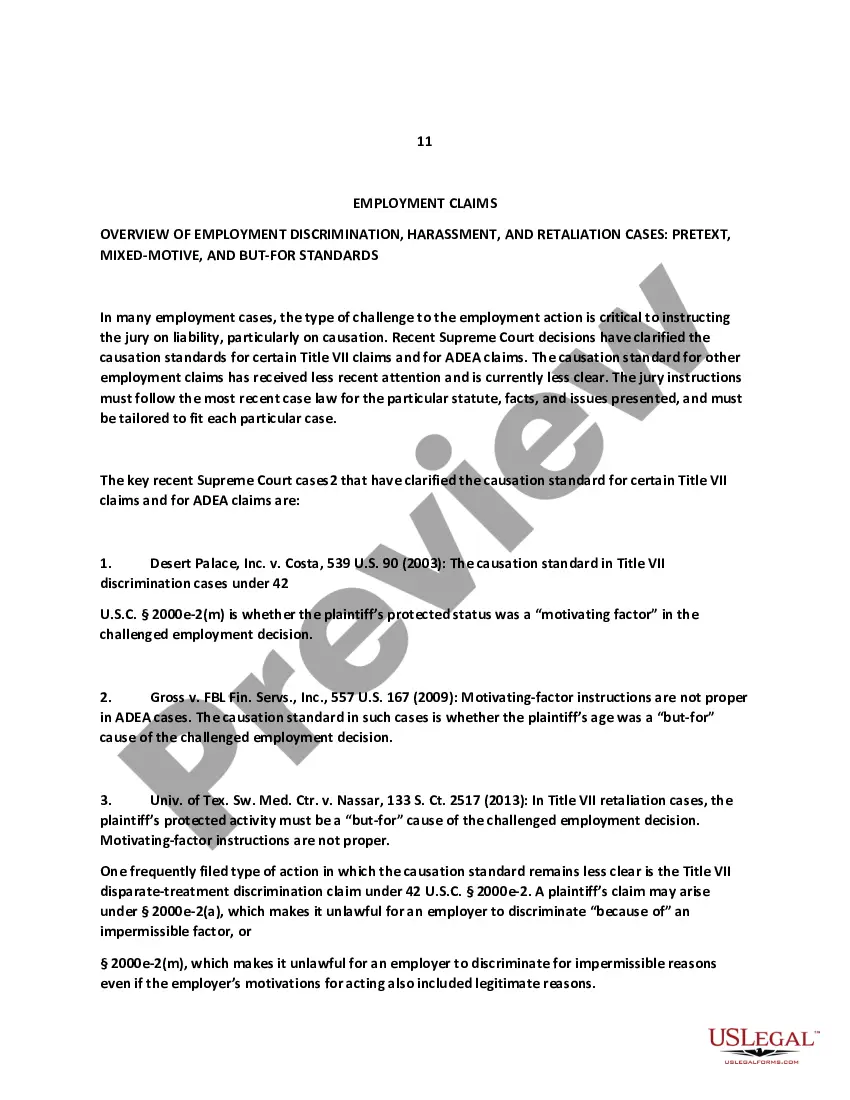
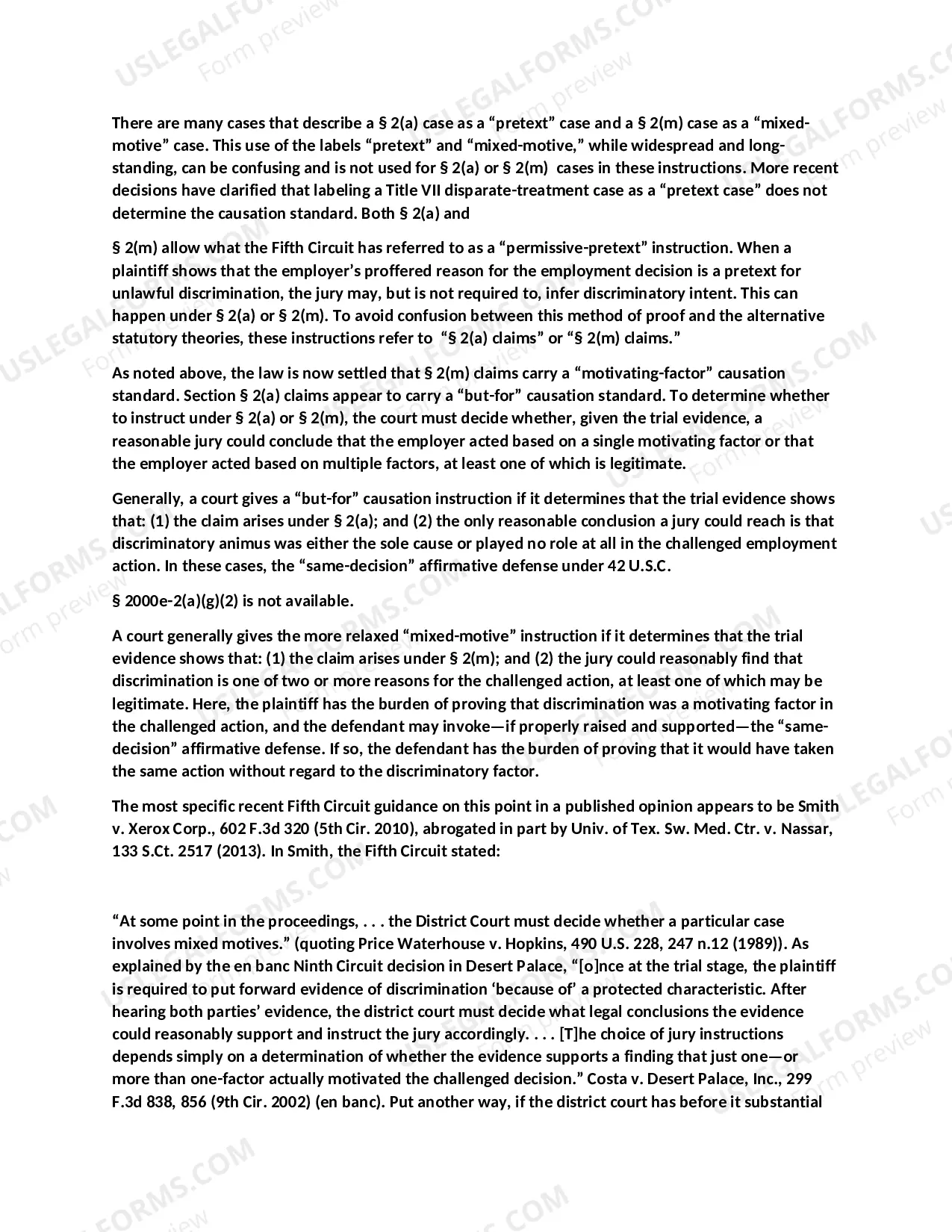
The Concurring Proximate Causes-Liability-General Verdict form is a legal document used in employment law cases to clarify the jury's understanding of the standards of causation. Its primary purpose is to instruct juries on how to assess liability based on either the âbut-forâ or âmotivating factorâ causation standards. This form is essential when determining whether discrimination played a role in employment decisions and helps to differentiate among various claims under Title VII and the Age Discrimination in Employment Act (ADEA).
What’s included in this form
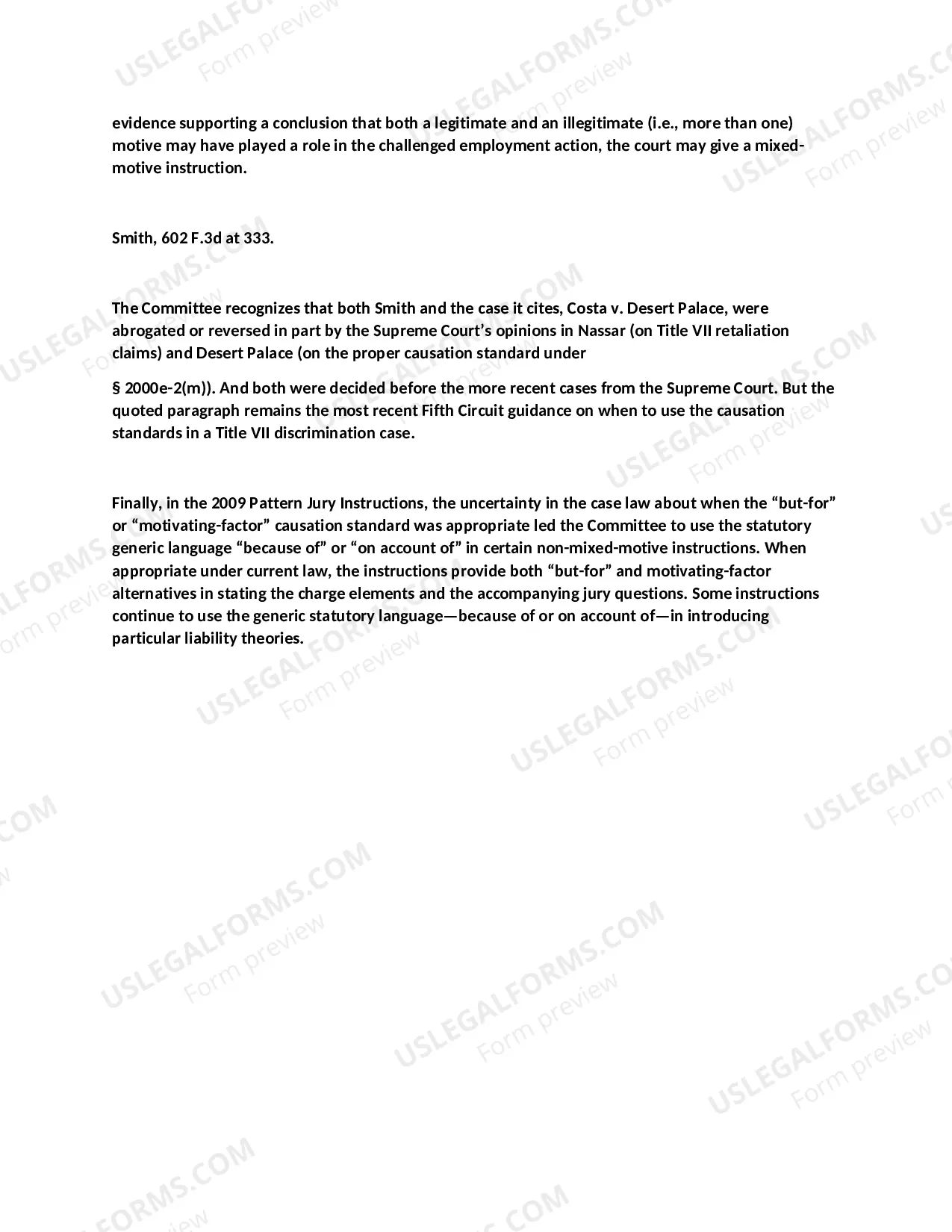
- Causation standards: Clearly defines âbut-forâ and âmotivating-factorâ causation standards.
- Instructions for juries: Provides guidance on how to apply the standards during deliberations.
- Claim types: Differentiates between Title VII and ADEA claims.
- Legal citations: References important case law that influences the application of the causation standards.
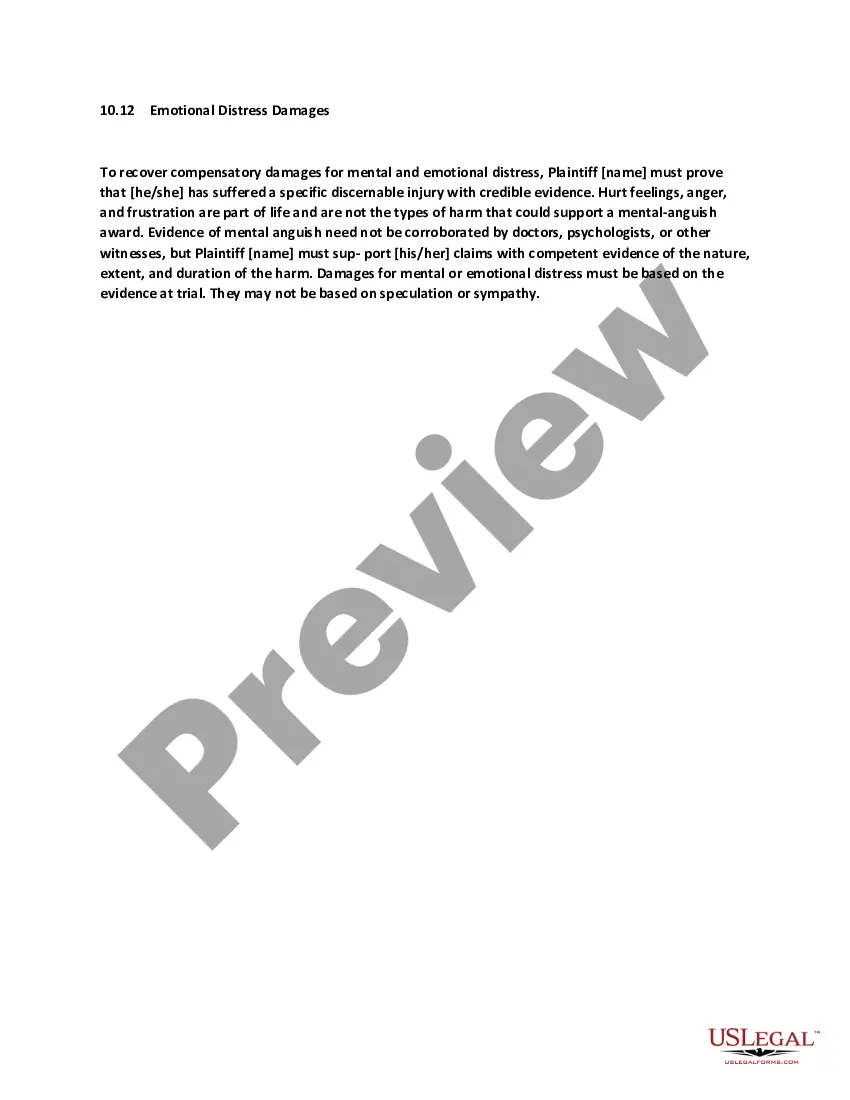
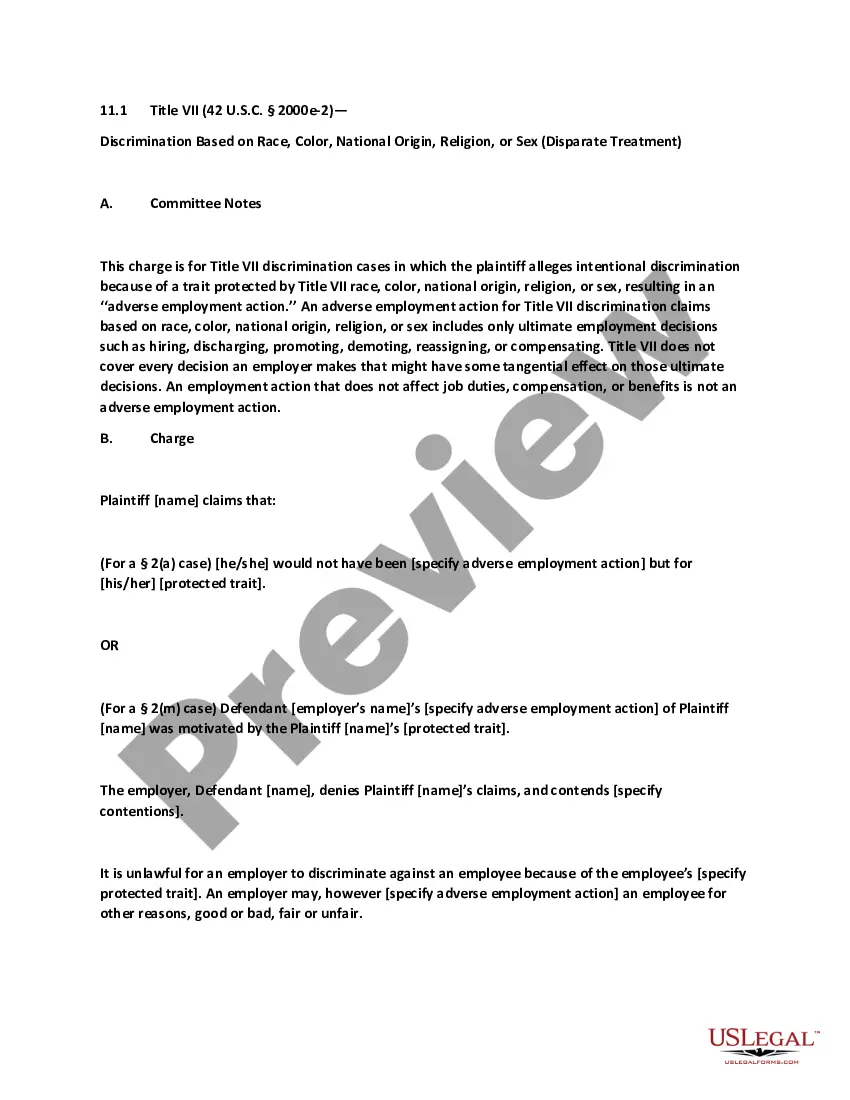
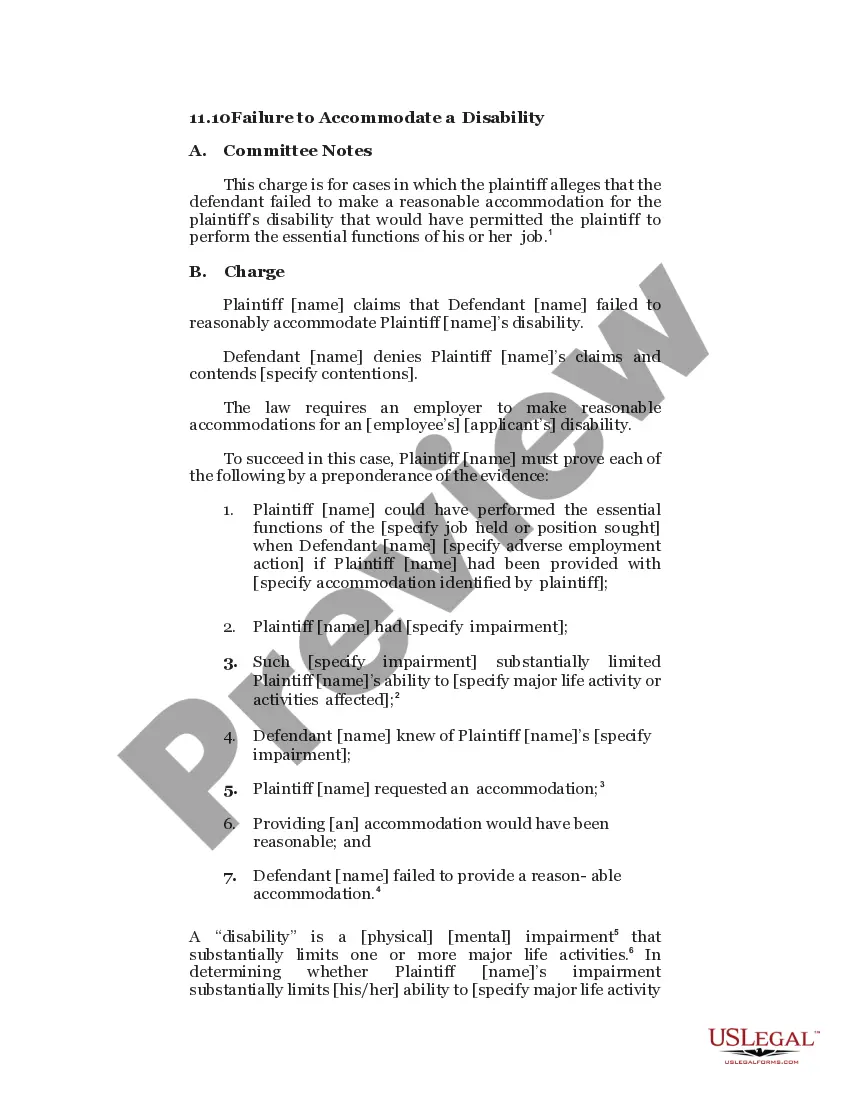
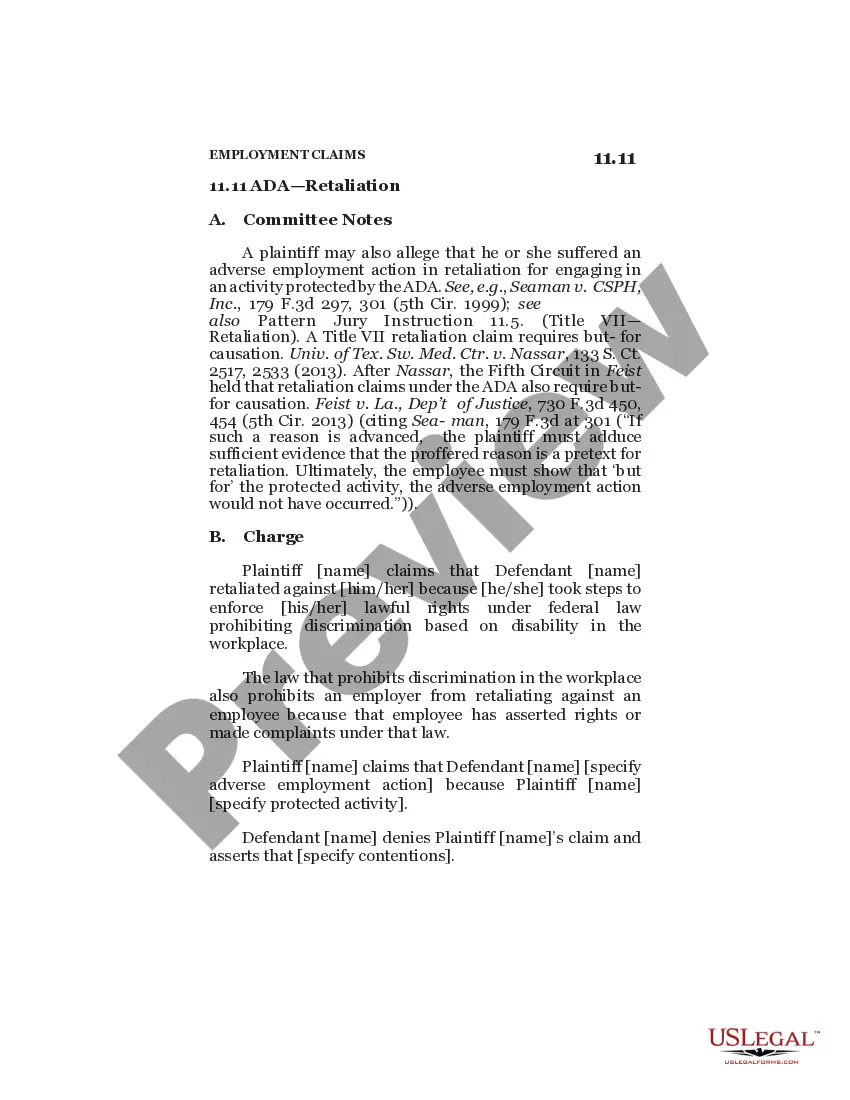
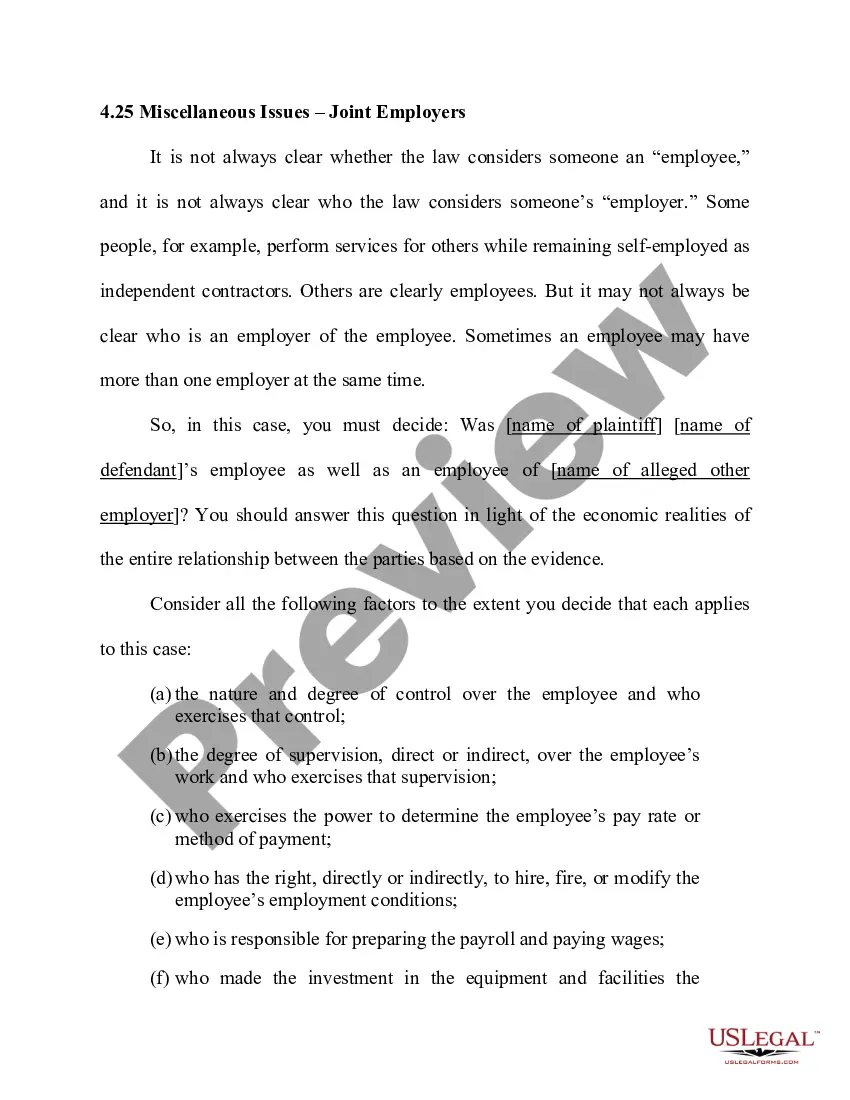
Situations where this form applies
This form should be used in employment discrimination, harassment, or retaliation cases where it is crucial to establish the causation standard applicable to the claims. It serves as a vital resource during trial to ensure that juries are properly instructed on how to evaluate the evidence concerning the employer's motivations behind their actions.
Who should use this form
- Plaintiffs or their legal representatives involved in employment law cases.
- Defense attorneys representing employers in discrimination claims.
- Judges who are preparing jury instructions for employment law trials.
- Legal professionals seeking clarity on causation standards in employment cases.
Instructions for completing this form
- Identify the relevant employment law claims involved in the case.
- Determine the applicable causation standard (but-for or motivating-factor).
- Draft jury instructions based on the chosen causation standard and specific claims.
- Incorporate relevant case law citations that support the selected instruction.
- Review the final instructions with legal counsel to ensure compliance with current legal standards.
Notarization guidance
This form usually doesn’t need to be notarized. However, local laws or specific transactions may require it. Our online notarization service, powered by Notarize, lets you complete it remotely through a secure video session, available 24/7.
Get your form ready online
Our built-in tools help you complete, sign, share, and store your documents in one place.
Make edits, fill in missing information, and update formatting in US Legal Forms—just like you would in MS Word.
Download a copy, print it, send it by email, or mail it via USPS—whatever works best for your next step.
Sign and collect signatures with our SignNow integration. Send to multiple recipients, set reminders, and more. Go Premium to unlock E-Sign.
If this form requires notarization, complete it online through a secure video call—no need to meet a notary in person or wait for an appointment.
We protect your documents and personal data by following strict security and privacy standards.

Make edits, fill in missing information, and update formatting in US Legal Forms—just like you would in MS Word.

Download a copy, print it, send it by email, or mail it via USPS—whatever works best for your next step.

Sign and collect signatures with our SignNow integration. Send to multiple recipients, set reminders, and more. Go Premium to unlock E-Sign.

If this form requires notarization, complete it online through a secure video call—no need to meet a notary in person or wait for an appointment.

We protect your documents and personal data by following strict security and privacy standards.
Common mistakes
- Confusing the causation standards when instructing juries.
- Failing to reference the most recent case law that may impact jury instructions.
- Inadequately distinguishing between Title VII and ADEA claims.
- Omitting critical details when formulating jury instructions.
Why use this form online
- Immediate access to the latest legal standards and case law references.
- Ease of editing to fit specific case contexts or requirements.
- Convenient download options available at any time, allowing for rapid preparation.
Summary of main points
- The Concurring Proximate Causes-Liability-General Verdict form is vital for employment law cases.
- It clarifies causation standards for juries to aid in determining liability.
- The form distinguishes between different types of employment discrimination claims.
- It ensures adherence to the most recent legal standards and guidelines.
Looking for another form?
Form popularity
FAQ
The jury instruction explained foreseeability of harm, a standard for determining ?whether a physician has exercised reasonable care in understanding or determining the existence of a risk of harm associated with a particular course of treatment,? Chief Justice Maureen O'Connor wrote in the court's majority opinion.
Jury instructions are instructions for jury deliberation that are written by the judge and given to the jury. At trial, jury deliberation occurs after evidence is presented and closing arguments are made.
There are several competing theories of proximate cause (see Other factors). For an act to be deemed to cause a harm, both tests must be met; proximate cause is a legal limitation on cause-in-fact. The formal Latin term for "but for" (cause-in-fact) causation, is sine qua non causation.
Foreseeability falls to be determined before the issue of causation is addressed. A claimant will only recover damages in circumstances where she can show that the damage is a reasonably foreseeable consequence of the practitioner's breach of duty.
There are four elements of negligence you must establish to recover compensation in a personal injury claim based on the theory of negligence: duty of care, breach of duty of care, causation and the existence of damages.
Pattern Jury Instr. Civ. WPI 15.01 (7th ed.) The term ?proximate cause? means a cause which in a direct sequence unbroken by any superseding cause, produces the injury event complained of and without which such injury event would not have happened.
The judge instructs the jury about the relevant laws that should guide its deliberations. (In some jurisdictions, the court may instruct the jury at any time after the close of evidence. This sometimes occurs before closing arguments.) The judge reads the instructions to the jury.