Res IPSA Sequitur in Addition to Specified Acts of Negligence is a legal principle which allows for a plaintiff to prove a defendant’s liability without having to prove the defendant’s negligence directly. This is especially helpful in cases where the plaintiff cannot prove the defendant’s direct negligence, but where the circumstances indicate that negligence occurred. In other words, res IPSA sequitur in addition to specified acts of negligence allows a plaintiff to infer that the defendant was negligent without having to prove it directly. There are two types of Res IPSA Sequitur in Addition to Specified Acts of Negligence: 1) Res IPSA Sequitur with Specified Acts of Negligence and 2) Res IPSA Sequitur without Specified Acts of Negligence. In Res IPSA Sequitur with Specified Acts of Negligence, the plaintiff must prove that the defendant was negligent and must identify the specific negligent acts that occurred. The plaintiff must also show that the defendant had control over the circumstances that led to the injury. In Res IPSA Sequitur without Specified Acts of Negligence, the plaintiff does not have to prove that the defendant was negligent or identify the specific negligent acts that occurred. The plaintiff must still show that the defendant had control over the circumstances that led to the injury. This type of res IPSA sequitur is typically used when the plaintiff cannot identify the negligent conduct of the defendant.
Res Ipsa Loquitur in Addition to Specified Acts of Negligence
Description
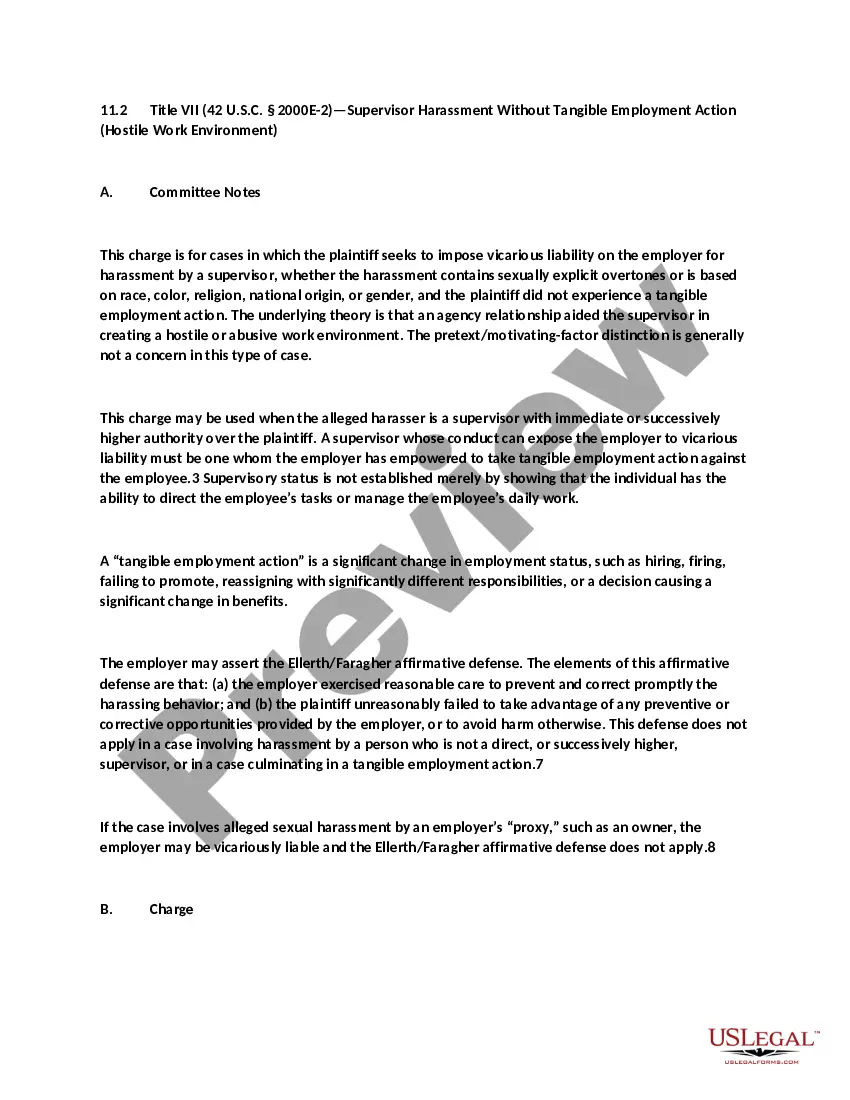
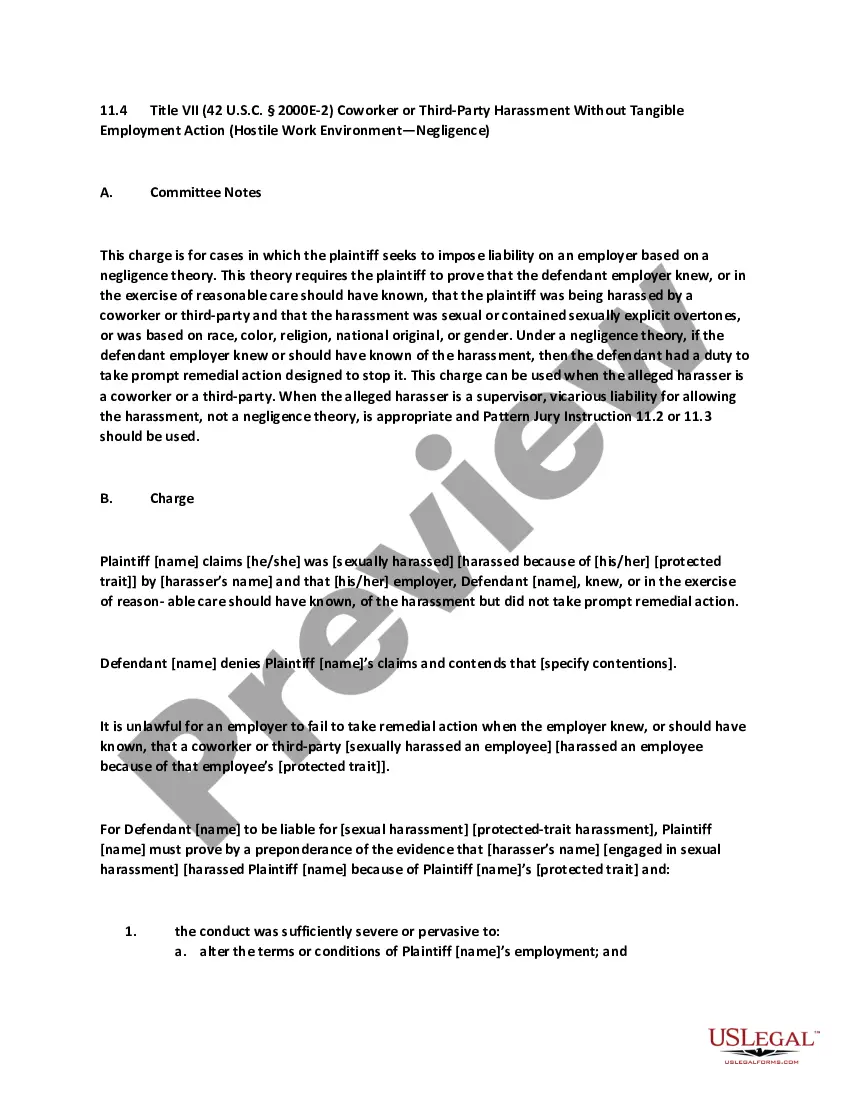
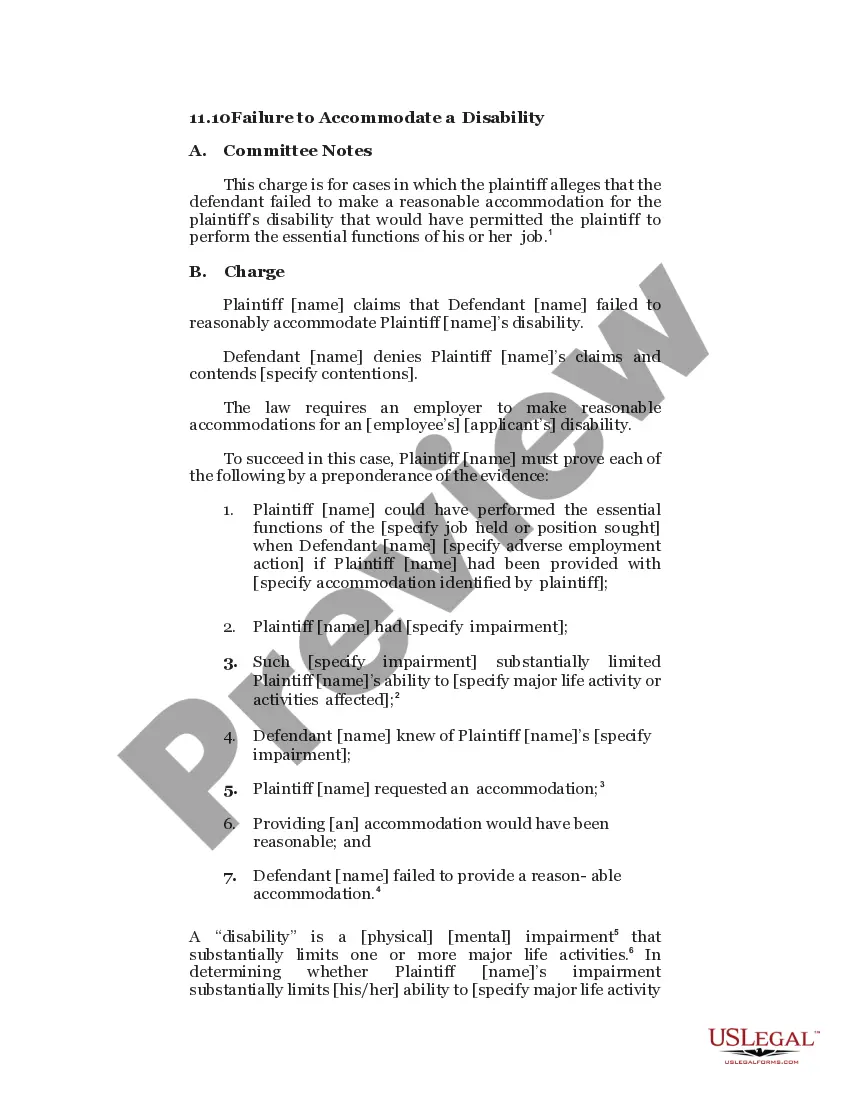
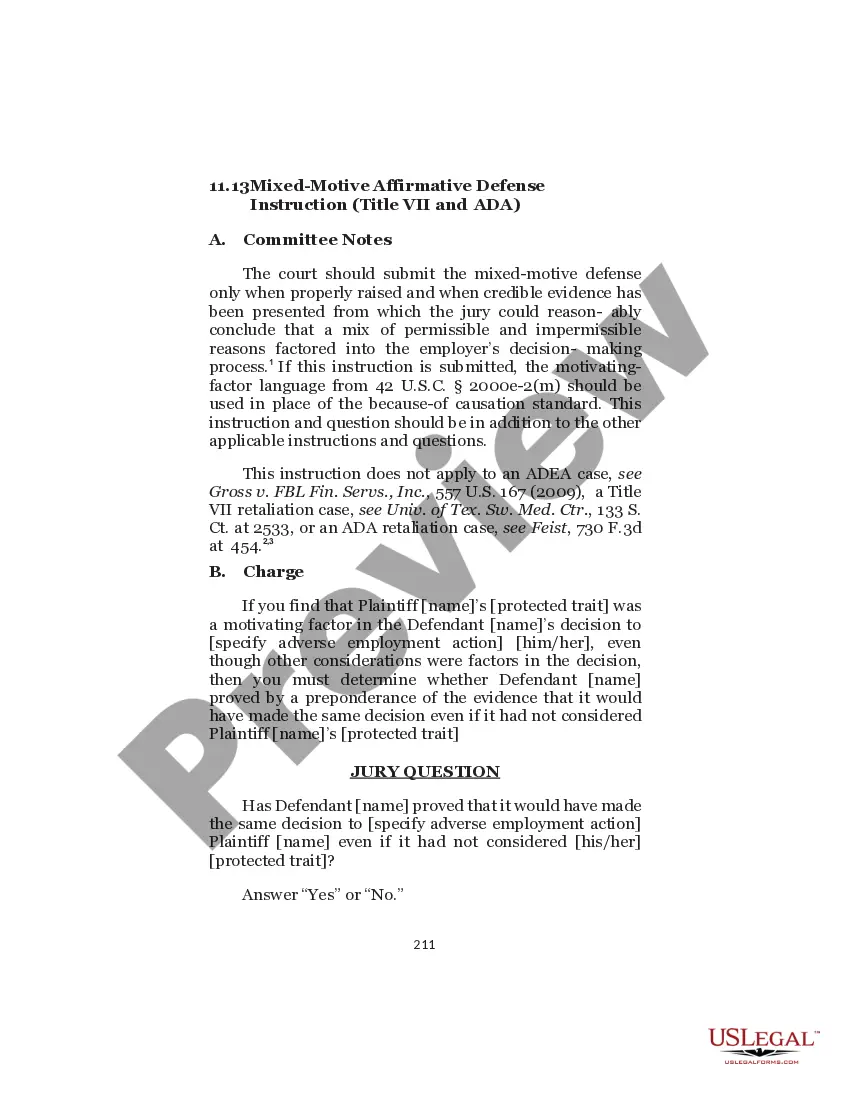



How to fill out Res Ipsa Loquitur In Addition To Specified Acts Of Negligence?
If you’re looking for a way to properly prepare the Res Ipsa Loquitur in Addition to Specified Acts of Negligence without hiring a legal professional, then you’re just in the right place. US Legal Forms has proven itself as the most extensive and reliable library of formal templates for every individual and business situation. Every piece of documentation you find on our online service is designed in accordance with nationwide and state regulations, so you can be sure that your documents are in order.
Adhere to these straightforward guidelines on how to get the ready-to-use Res Ipsa Loquitur in Addition to Specified Acts of Negligence:
- Ensure the document you see on the page corresponds with your legal situation and state regulations by examining its text description or looking through the Preview mode.
- Enter the form title in the Search tab on the top of the page and select your state from the dropdown to locate another template in case of any inconsistencies.
- Repeat with the content check and click Buy now when you are confident with the paperwork compliance with all the demands.
- Log in to your account and click Download. Register for the service and select the subscription plan if you still don’t have one.
- Use your credit card or the PayPal option to pay for your US Legal Forms subscription. The blank will be available to download right after.
- Decide in what format you want to save your Res Ipsa Loquitur in Addition to Specified Acts of Negligence and download it by clicking the appropriate button.
- Upload your template to an online editor to complete and sign it quickly or print it out to prepare your paper copy manually.
Another great advantage of US Legal Forms is that you never lose the paperwork you purchased - you can find any of your downloaded blanks in the My Forms tab of your profile any time you need it.
Form popularity
FAQ
Medical malpractice is the most common type of case where res ipsa loquitur is used, but it can also be used in other types of injury cases. For instance, if a consumer finds a dead rat in a box of pasta, the only reasonable explanation for the rat to be there is that someone was negligent during the packaging process.
Res ipsa loquitur and negligence per se are both doctrines that assist in proving breach of duty in certain negligence cases. The former allows negligence to be inferred from the circumstances and the latter allows it to be inferred from a violation of law.
Res Ipsa Loquitur is used in cases when during the medical practice, an act of negligence is committed and due to which the patient suffers harm. For Res Ipsa Loquitur, to come into force, it needs to be shown that there is any object or thing which proves the act of negligence directly.
To prove res ipsa loquitur negligence, the plaintiff must prove 3 things: The incident was of a type that does not generally happen without negligence. It was caused by an instrumentality solely in defendant's control. The plaintiff did not contribute to the cause.
Various examples of res ipsa loquitur include the following: a piano falling from a window and landing on an individual, a barrel falling from a skyscraper and harming someone below, a sponge is left inside a patient following surgery or the carcass of an animal is discovered inside a food can.
The doctrine of res ipsa loquitur lets an injured person present a prima facie case of negligence even when there is no specific evidence that the defendant party was negligent, or when only the defendant has access to the evidence of negligence.
Res ipsa loquitur is Latin and literally means the thing speaks for itself. In the context of a legal claim based on negligence, res ipsa loquitur essentially means that the circumstances surrounding the case make it obvious that negligence occurred.