Revocable Trust
Description
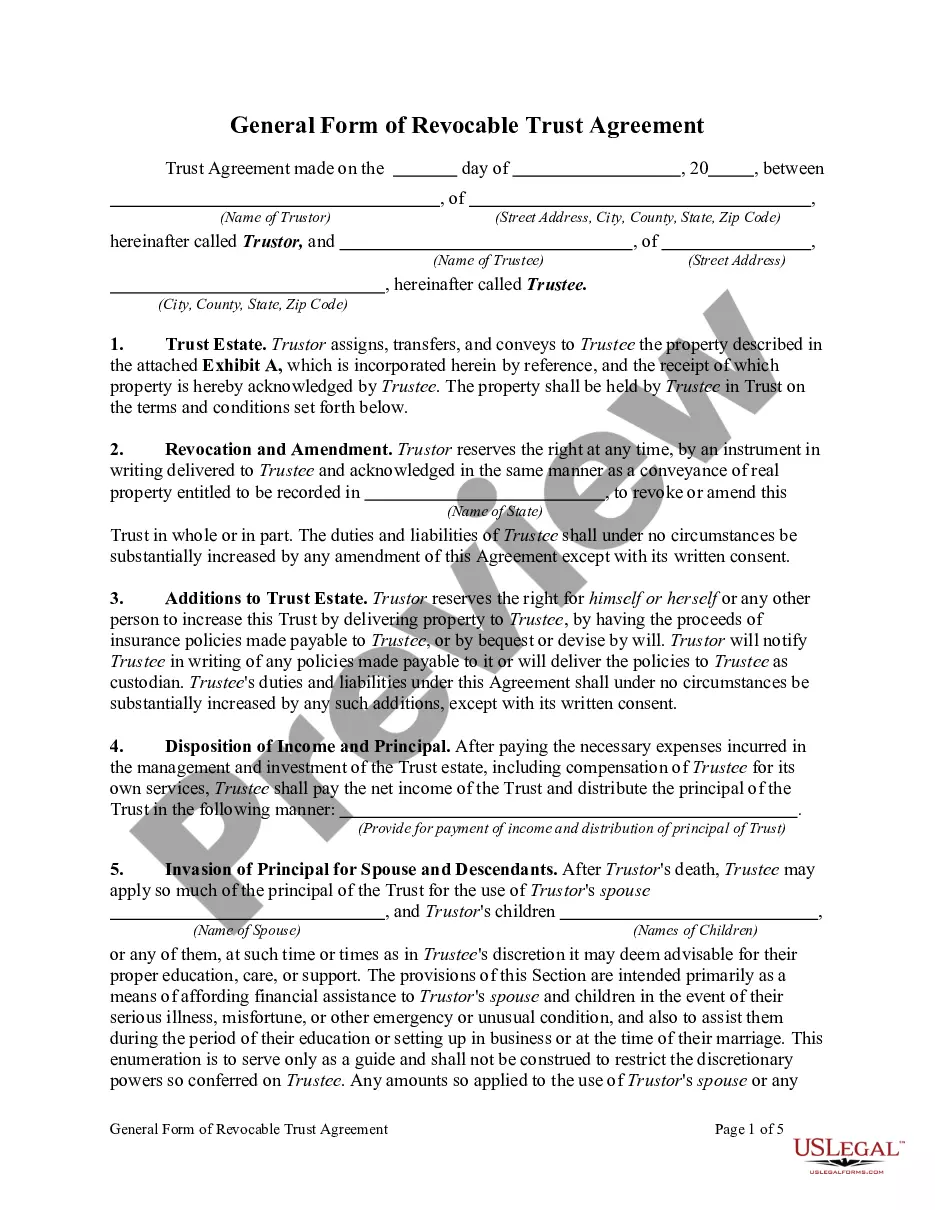
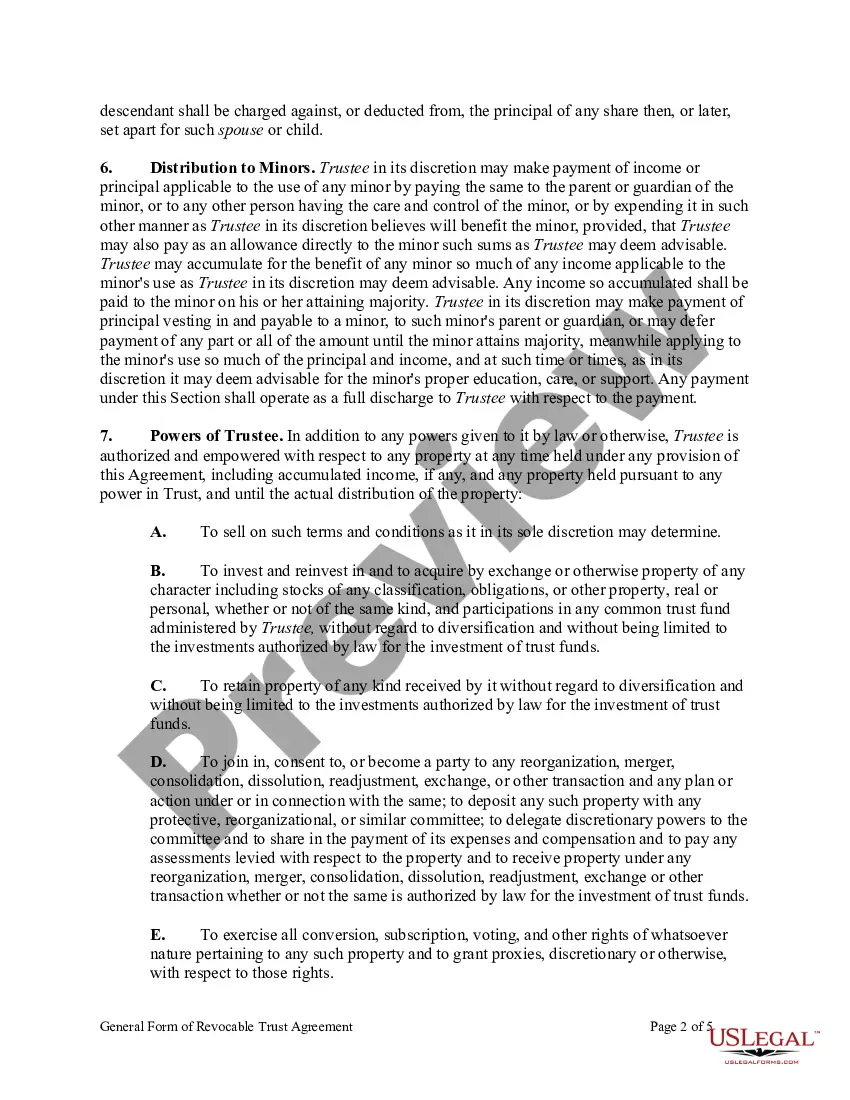
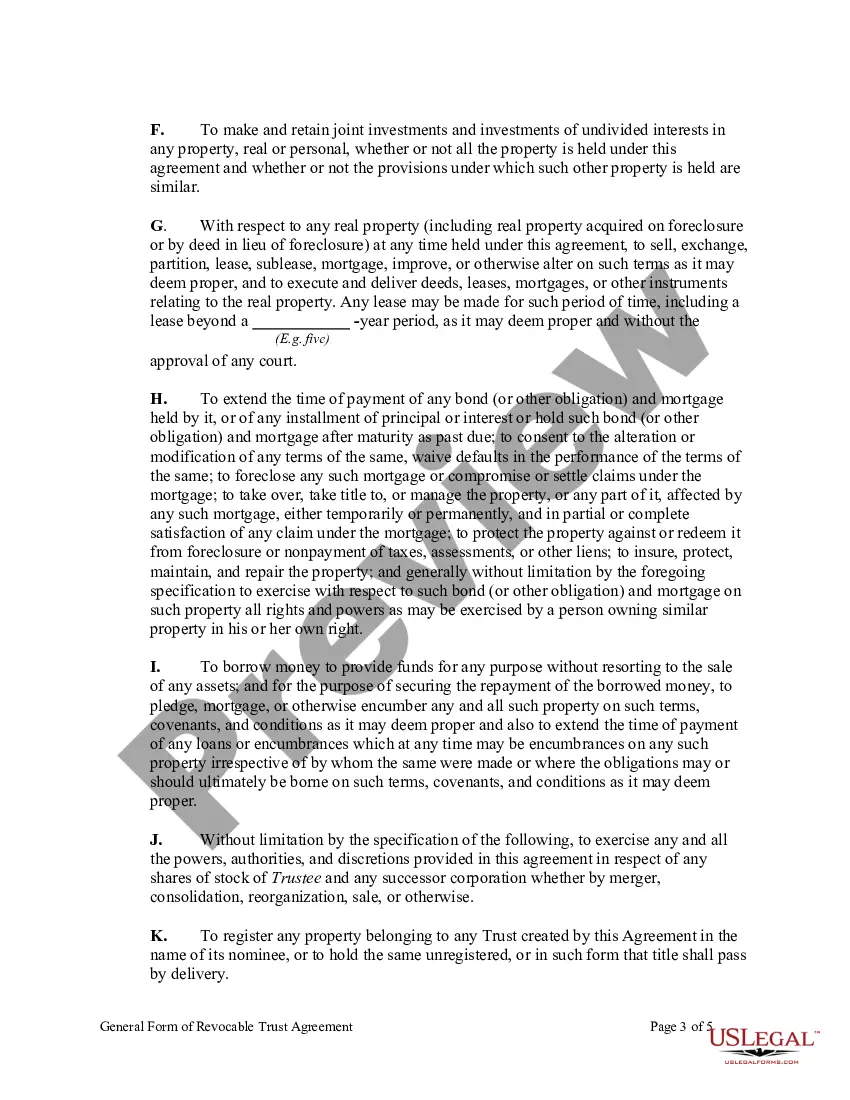
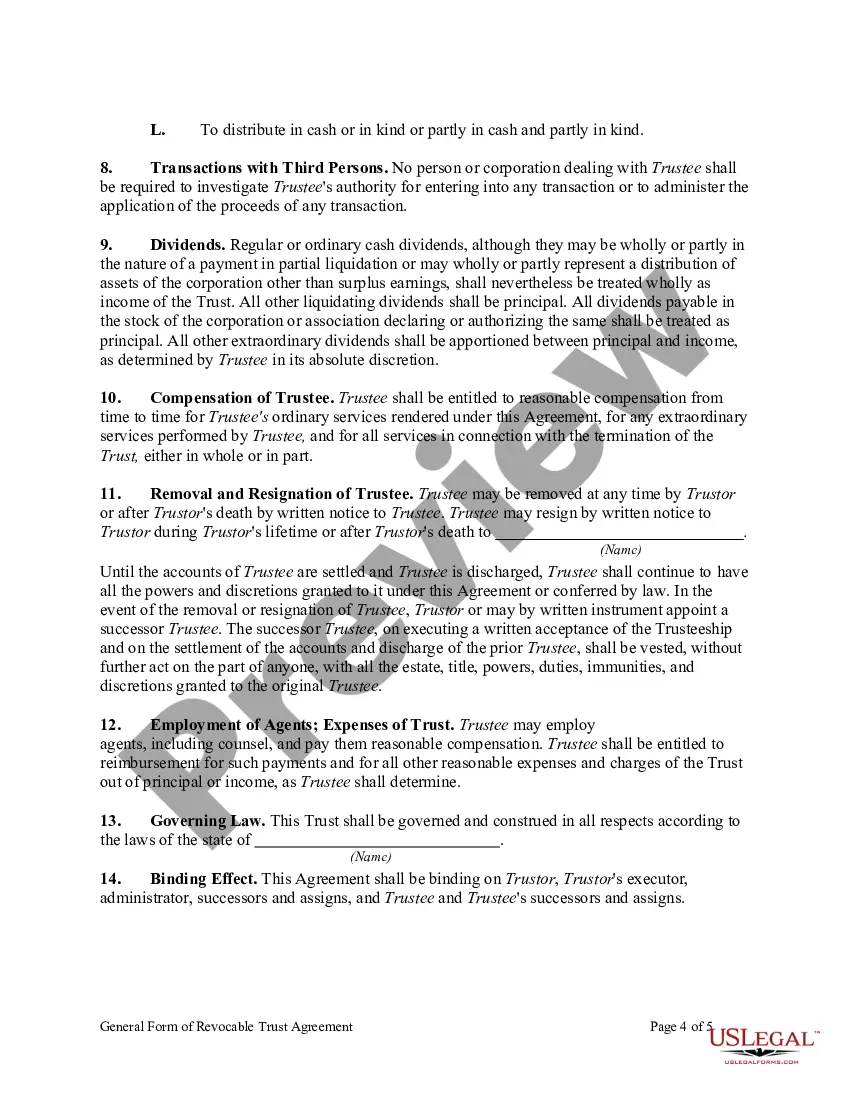
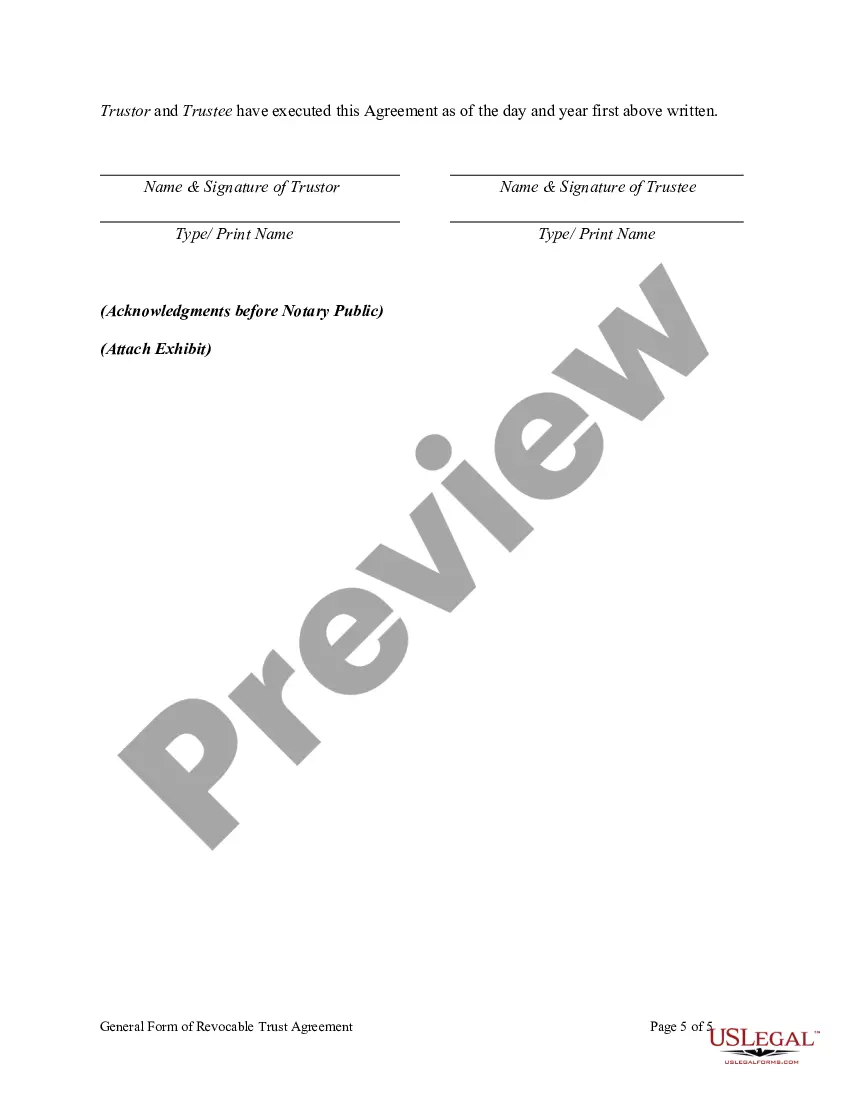
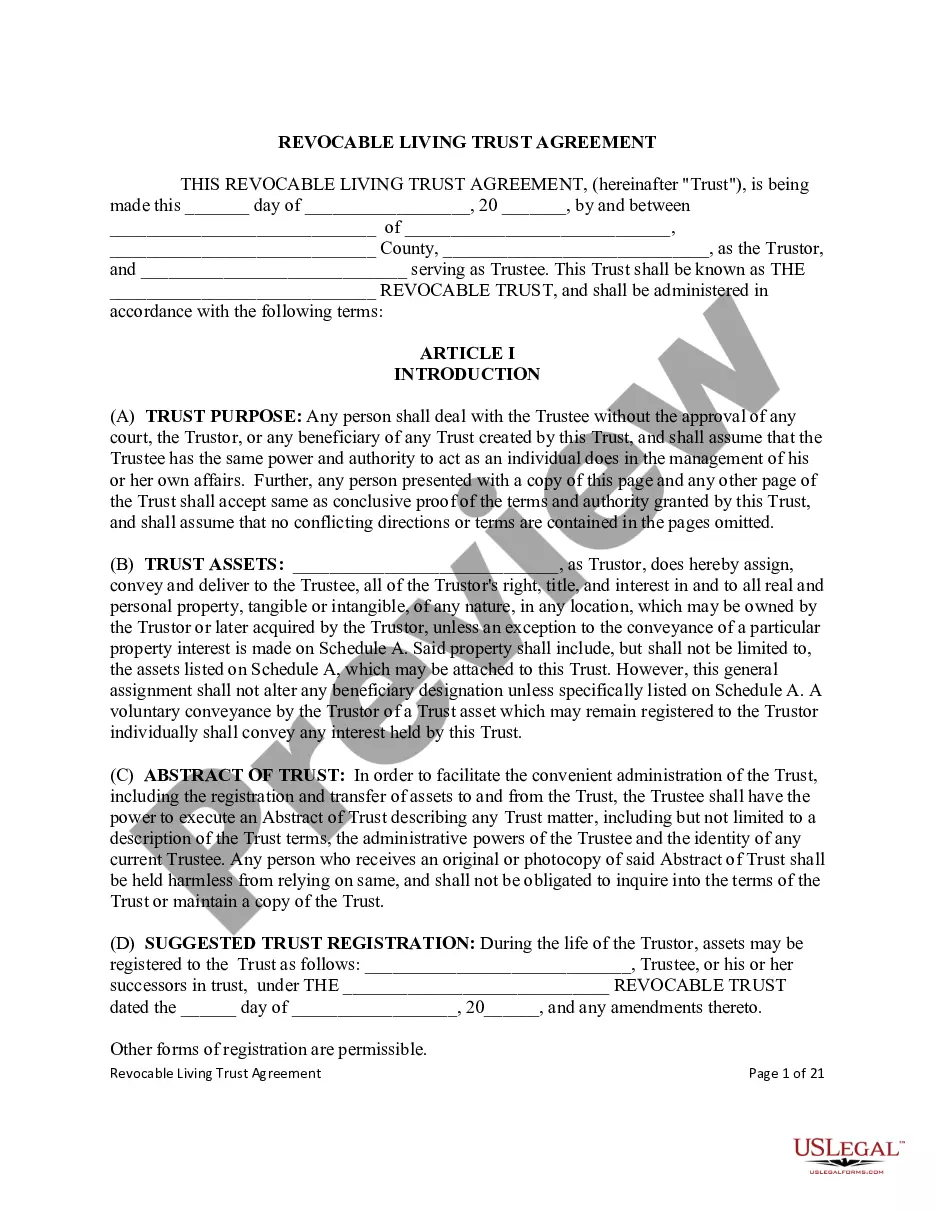
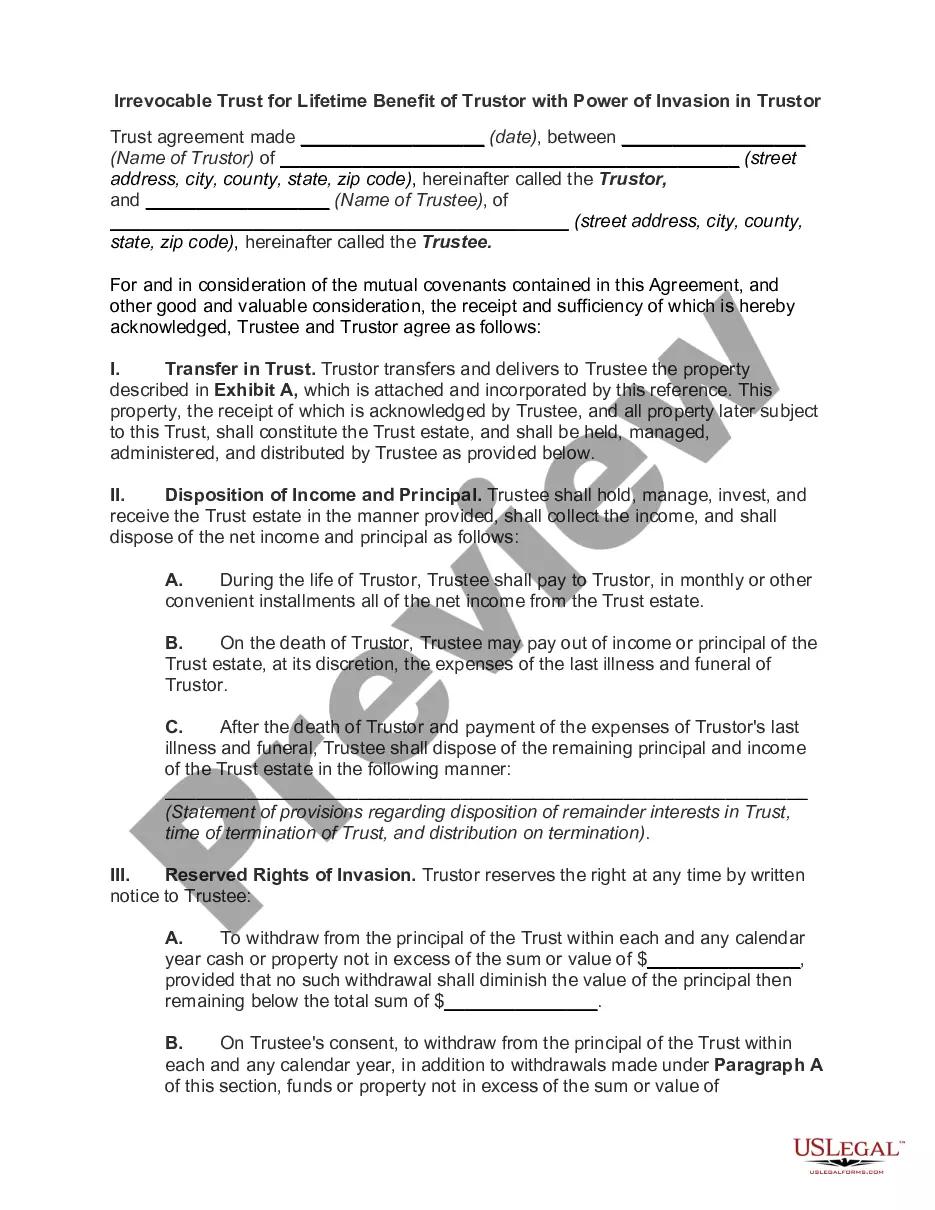
Get your form ready online
Our built-in tools help you complete, sign, share, and store your documents in one place.
Make edits, fill in missing information, and update formatting in US Legal Forms—just like you would in MS Word.
Download a copy, print it, send it by email, or mail it via USPS—whatever works best for your next step.
Sign and collect signatures with our SignNow integration. Send to multiple recipients, set reminders, and more. Go Premium to unlock E-Sign.
If this form requires notarization, complete it online through a secure video call—no need to meet a notary in person or wait for an appointment.
We protect your documents and personal data by following strict security and privacy standards.

Make edits, fill in missing information, and update formatting in US Legal Forms—just like you would in MS Word.

Download a copy, print it, send it by email, or mail it via USPS—whatever works best for your next step.

Sign and collect signatures with our SignNow integration. Send to multiple recipients, set reminders, and more. Go Premium to unlock E-Sign.

If this form requires notarization, complete it online through a secure video call—no need to meet a notary in person or wait for an appointment.

We protect your documents and personal data by following strict security and privacy standards.
Looking for another form?








How to fill out Revocable Trust For Asset Protection?
- Log into your account on the US Legal Forms website. If this is your first visit, create a new account to access the site’s extensive resources.
- Explore the Preview mode to check various revocable trust templates and ensure they meet your local jurisdiction requirements.
- If you need additional templates, use the Search function to find the right one that aligns perfectly with your needs.
- Once you find the appropriate document, click 'Buy Now' and select a subscription plan that works for you.
- Secure your purchase by entering your payment details using a credit card or PayPal.
- After the transaction, download your revocable trust form directly onto your device and access it at any time under 'My Forms' in your profile.
Creating a revocable trust is now more accessible than ever with US Legal Forms. Their extensive library not only offers a wide range of templates but also provides users with the ability to consult with legal experts for assistance in completing forms correctly.
Start your estate planning journey today and ensure your wishes are honored by utilizing US Legal Forms to create your revocable trust efficiently. Visit their site now for more information!
Form popularity
FAQ
In general, you should avoid putting certain assets like retirement accounts and life insurance policies into your revocable trust, as they typically have designated beneficiaries. Additionally, personal assets that require frequent management, like cars, may complicate your trust. By focusing on assets that benefit from a revocable trust, you streamline the process for your heirs.
While a revocable trust offers many advantages, one notable disadvantage is that it typically does not provide asset protection from creditors. Since you retain control over the assets, they remain part of your estate for legal purposes. Additionally, setting up a revocable trust requires some upfront effort, including transferring your assets into the trust.
Deciding between a revocable or irrevocable trust depends on your needs. A revocable trust offers flexibility and control, as you can modify it at any time. In contrast, an irrevocable trust removes your control but can provide tax benefits and asset protection from creditors.
The primary purpose of a revocable trust is to provide a flexible way to manage your assets during your lifetime and to ensure a smooth transfer of those assets after your death. This trust allows you to maintain control over your assets while benefiting from privacy in estate matters. Additionally, a revocable trust can help you avoid probate, saving time and costs for your loved ones.
Certain assets are better left outside a revocable trust. For example, life insurance policies and retirement accounts often have designated beneficiaries, making them unnecessary in the trust. You might also want to exclude vehicles, as these can complicate issues of ownership and title.
You can place various assets in your revocable trust for better management and distribution upon your passing. Real estate, investment accounts, and valuable personal property are excellent candidates. By including these assets in your revocable trust, you simplify the transfer process to your beneficiaries and minimize probate complications.
When setting up your revocable trust, it’s wise to avoid putting accounts like your everyday checking or savings accounts directly in the trust. These accounts can complicate your access to funds for regular expenses. Additionally, accounts that are designated for specific beneficiaries, such as retirement or life insurance accounts, should typically remain outside the trust.
The biggest mistake parents often make when setting up a trust fund is failing to communicate their intentions clearly with their children. Many assume that their kids will automatically understand the purpose and details of the trust. This lack of communication can lead to confusion and disputes in the future. By thoroughly discussing the revocable trust with your children and regularly reviewing its terms, you can prevent misunderstandings and foster a smoother transition.
Writing a revocable trust involves several key steps, starting with defining your objectives and listing your assets. You will need to identify your beneficiaries and appoint a trustee to manage the trust. Utilizing platforms like uslegalforms can help simplify this process by providing templates and guidance, ensuring that your revocable trust meets legal requirements. This careful planning can secure your estate for the future.
An example of a revocable trust name might be 'The Smith Family Revocable Trust'. This name clearly identifies the trust as belonging to the Smith family and indicates its revocable nature. It is important to choose a name that reflects your intentions and is easy for your beneficiaries to understand. By naming your revocable trust appropriately, you provide clarity for its administration.