Advertising Laws For Alcohol
Description
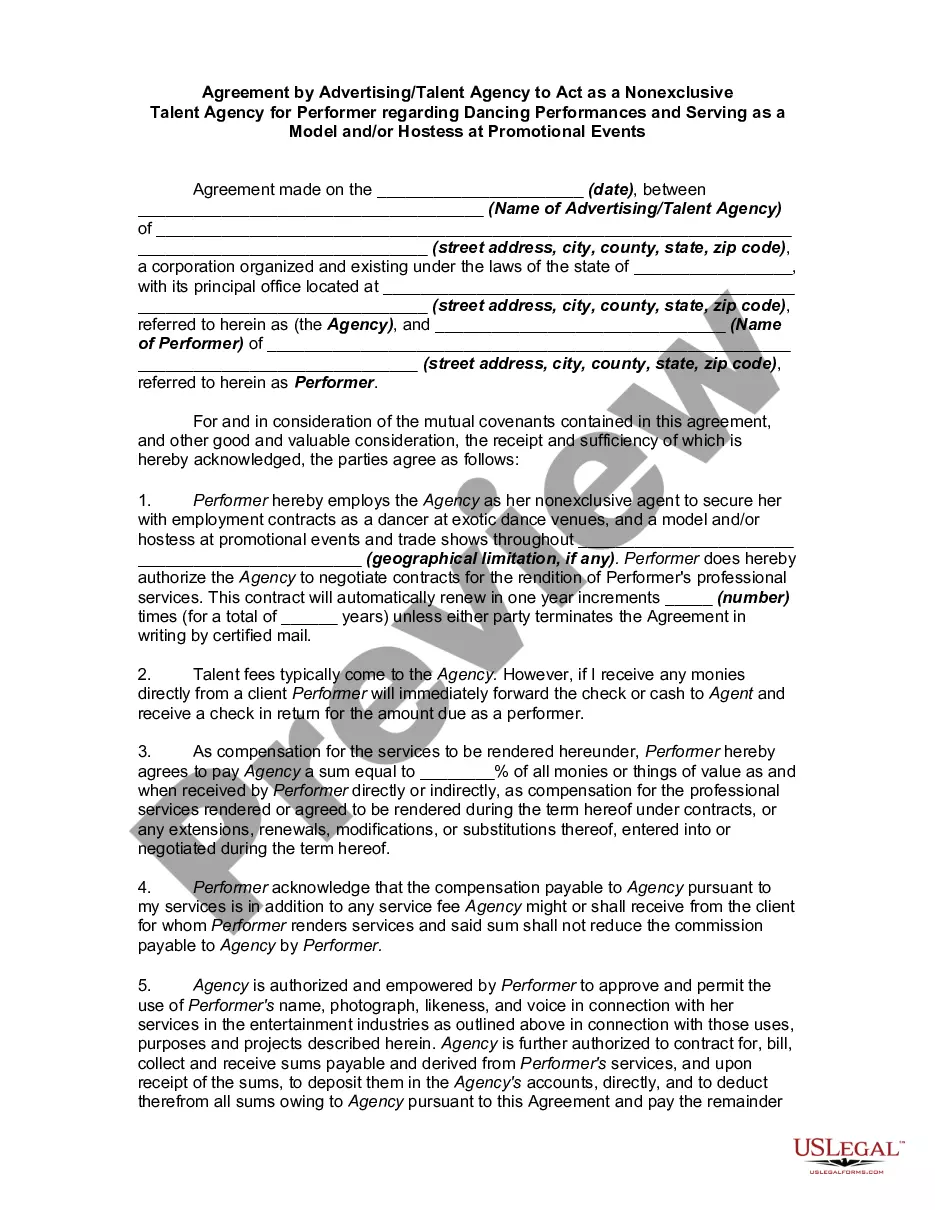

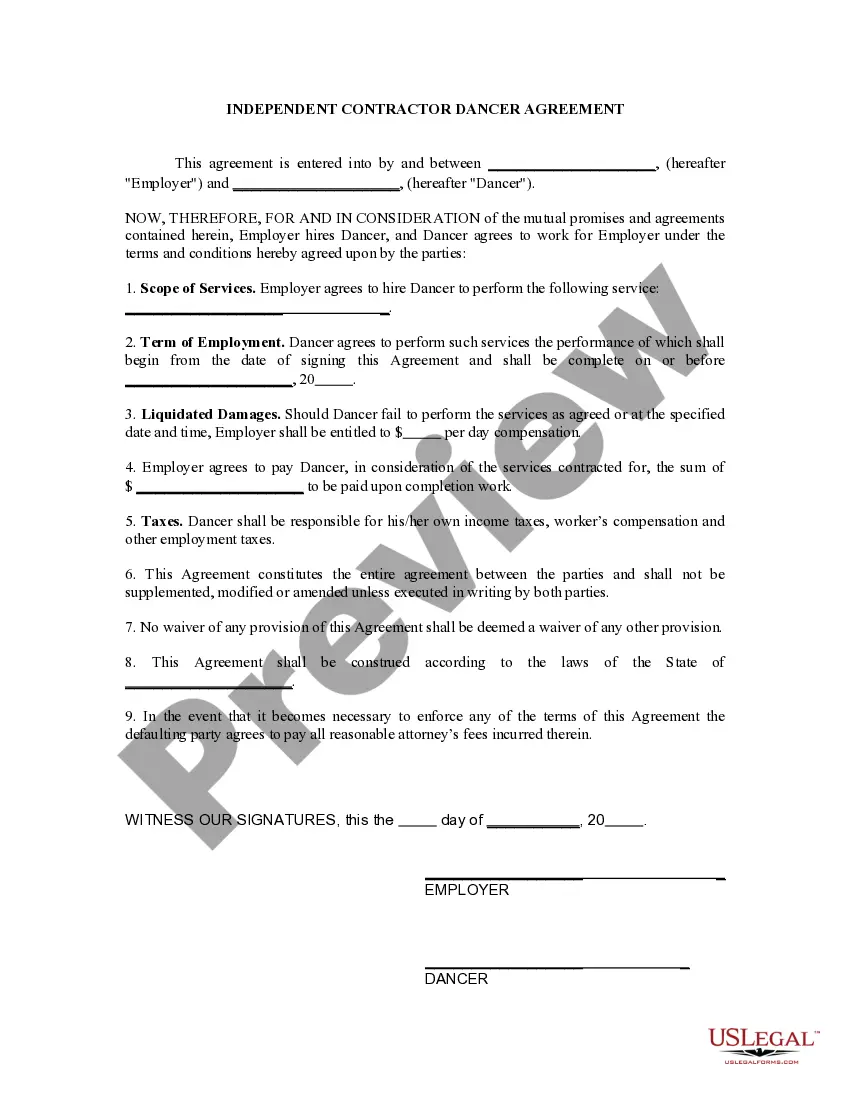
Get your form ready online
Our built-in tools help you complete, sign, share, and store your documents in one place.
Make edits, fill in missing information, and update formatting in US Legal Forms—just like you would in MS Word.
Download a copy, print it, send it by email, or mail it via USPS—whatever works best for your next step.
Sign and collect signatures with our SignNow integration. Send to multiple recipients, set reminders, and more. Go Premium to unlock E-Sign.
If this form requires notarization, complete it online through a secure video call—no need to meet a notary in person or wait for an appointment.
We protect your documents and personal data by following strict security and privacy standards.

Make edits, fill in missing information, and update formatting in US Legal Forms—just like you would in MS Word.

Download a copy, print it, send it by email, or mail it via USPS—whatever works best for your next step.

Sign and collect signatures with our SignNow integration. Send to multiple recipients, set reminders, and more. Go Premium to unlock E-Sign.

If this form requires notarization, complete it online through a secure video call—no need to meet a notary in person or wait for an appointment.

We protect your documents and personal data by following strict security and privacy standards.
Looking for another form?


How to fill out Agreement By Advertising / Talent Agency To Act As A Nonexclusive Talent Agency For Performer Regarding Dancing Performances And Serving As A Model And/or Hostess At Promotional Events?
The Advertising Regulations For Alcohol displayed on this page is a versatile legal template created by experienced attorneys in accordance with national and local laws.
For over 25 years, US Legal Forms has offered individuals, businesses, and legal practitioners access to more than 85,000 validated, state-specific documents for various commercial and personal needs. It is the quickest, easiest, and most trustworthy method to acquire the forms you require, as the service ensures the utmost level of data protection and anti-malware safeguards.
Choose the format you desire for your Advertising Regulations For Alcohol (PDF, Word, RTF) and store the document on your device.
- Search for the document you require and review it.
- Browse through the file you searched and preview it or verify the form description to confirm it meets your requirements. If it doesn't, use the search bar to find the appropriate one. Click Buy Now when you have found the template you need.
- Register and Log In.
- Select the pricing option that fits you and create an account. Use PayPal or a credit card for swift payment. If you already possess an account, Log In and verify your subscription to proceed.
- Acquire the editable template.
Form popularity
FAQ
Ads that promote or reference alcohol must be targeted to users 21 years or older in the US. Ads that promote or reference alcohol must not: Target or be likely to appeal particularly to people under the legal drinking age in the territory where the ad will run.
The Commission shares jurisdiction with the Bureau of Alcohol, Tobacco and Firearms ("BATF") over deceptive alcohol advertising. The Federal Alcohol Administration Act authorizes the BATF to prevent false, misleading, obscene, or indecent statements in advertisements of distilled spirits, wine, or malt beverages.
Alcohol control policies are laws, rules, and regulations aimed at preventing and reducing alcohol-related damages. Alcohol policies can be a global, regional, international or national level. Effective alcohol control strategies include a multi-component approach such as access, price, marketing, and drink-driving.
Whatever your formal policy ends up being, it must address three things: whether/when alcohol use is permitted, the importance of being ?fit for work,? and a disclaimer that protects the use of legally prescribed medication. Your approach should be appropriate to your company's industry and workforce.
Alcohol Advertising Laws. The First Amendment allows for a lot of freedom of speech in general and therefore limits how much the federal government can regulate advertising, even in regard to alcohol. In general, advertisements of alcoholic products must be truthful and without deception.