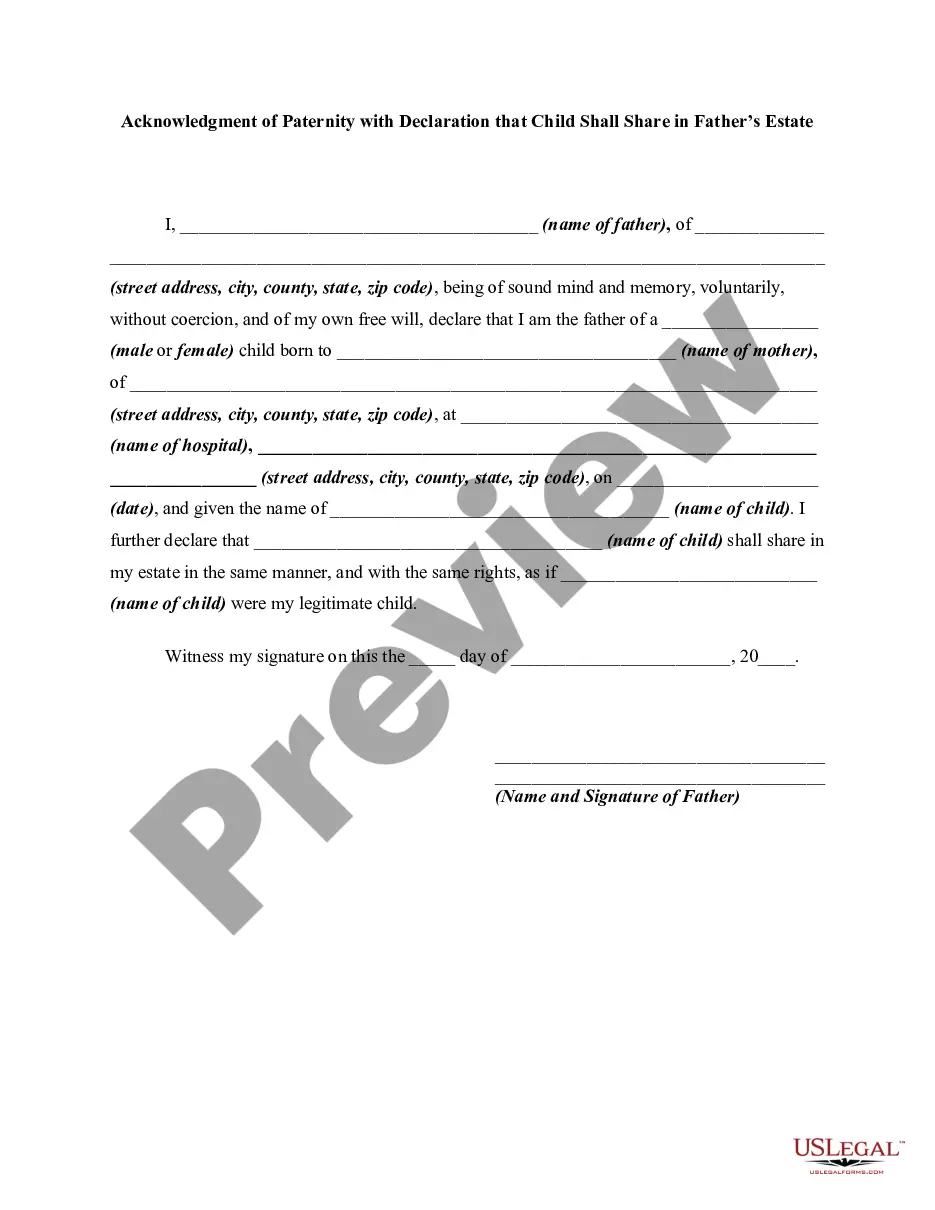
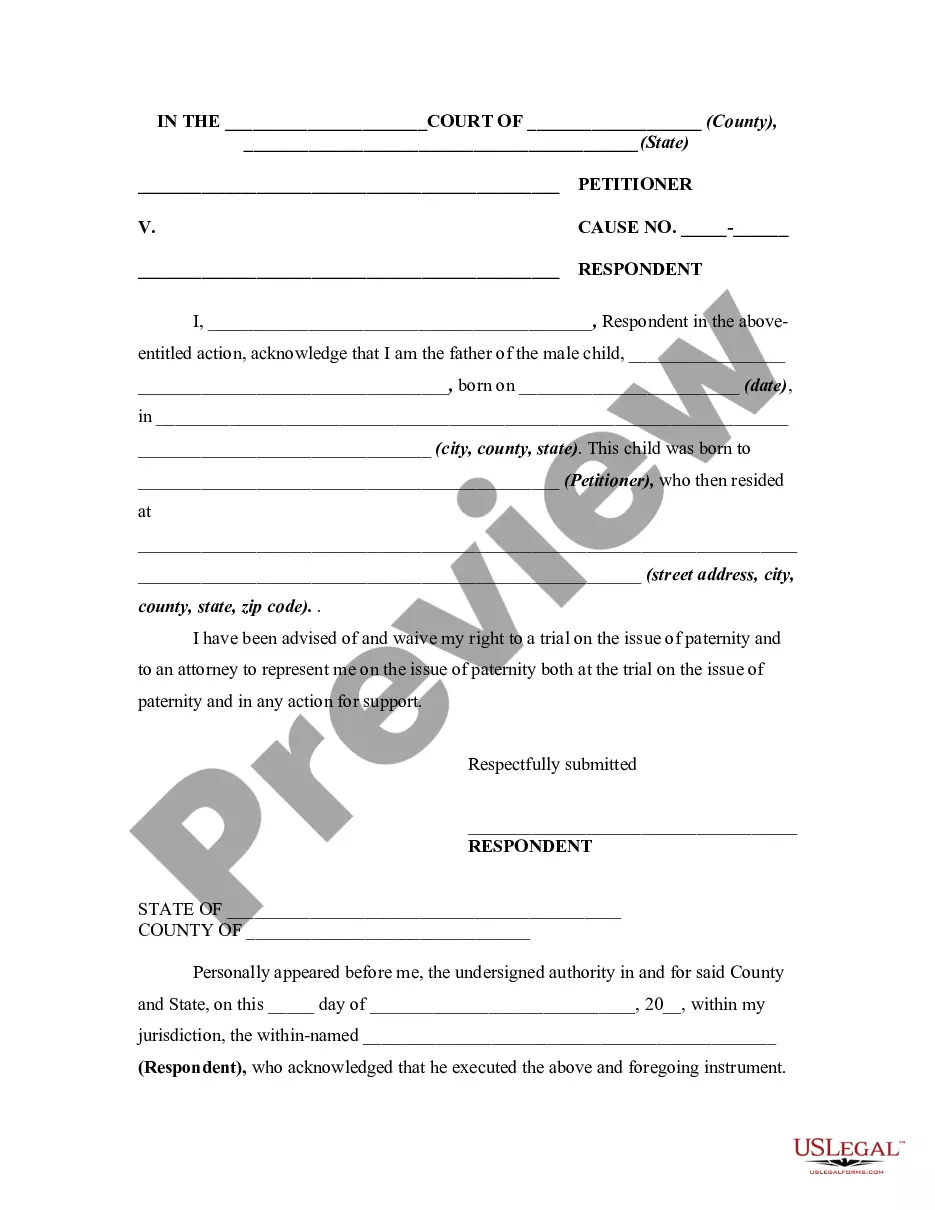
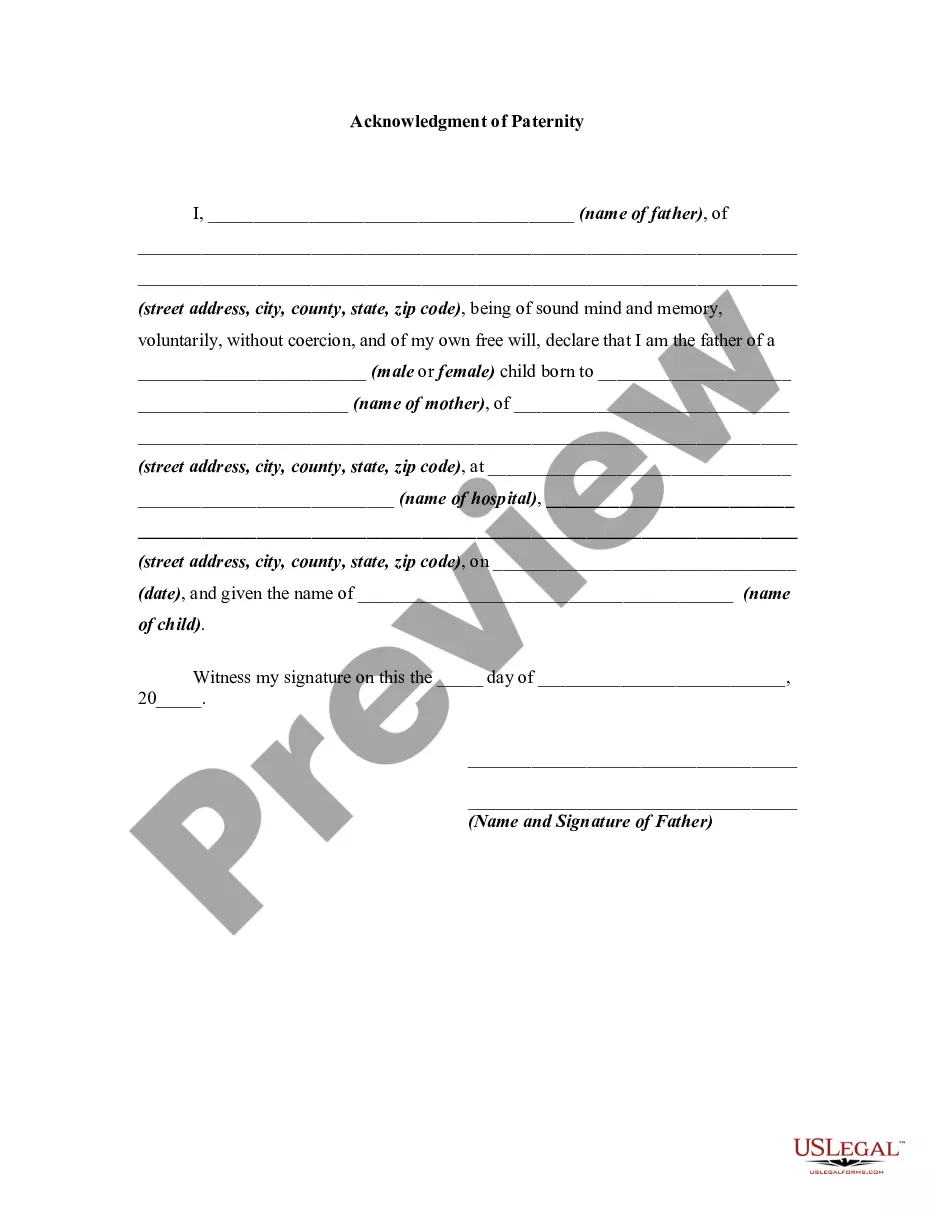
Paternity Affidavit Form Iowa
Description
Get your form ready online
Our built-in tools help you complete, sign, share, and store your documents in one place.
Make edits, fill in missing information, and update formatting in US Legal Forms—just like you would in MS Word.
Download a copy, print it, send it by email, or mail it via USPS—whatever works best for your next step.
Sign and collect signatures with our SignNow integration. Send to multiple recipients, set reminders, and more. Go Premium to unlock E-Sign.
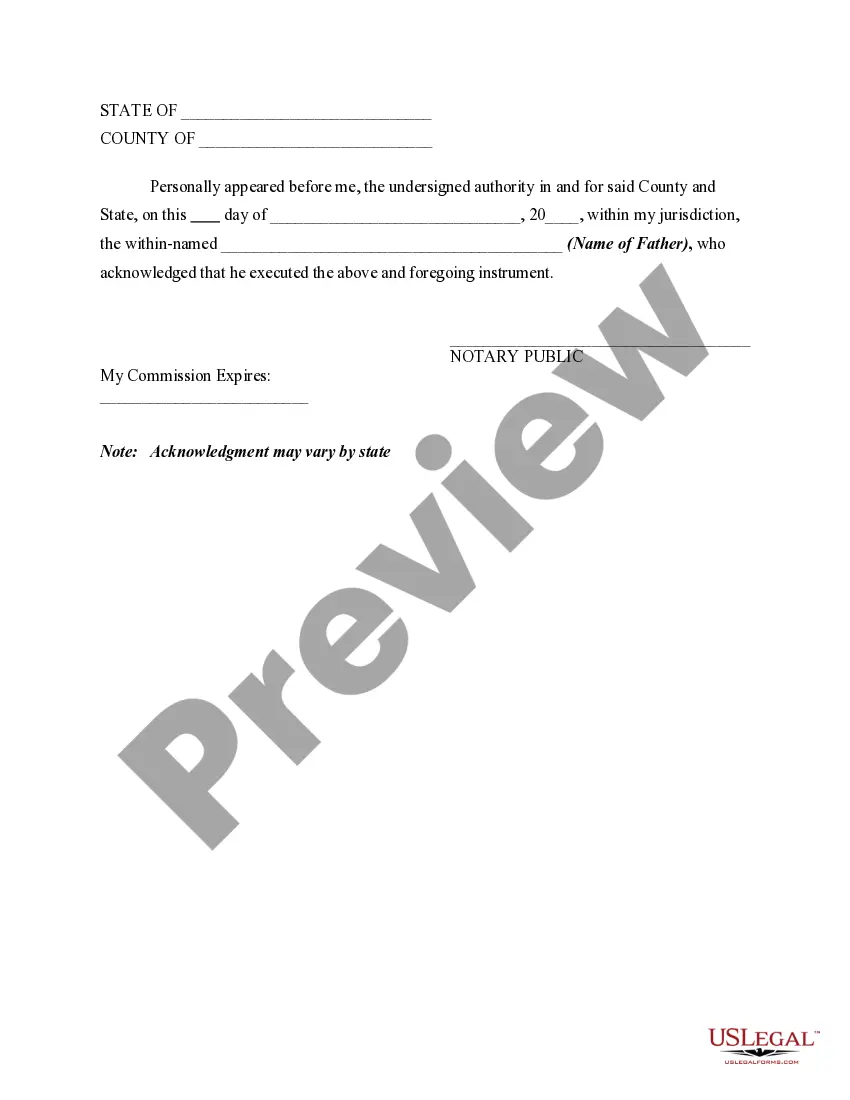
If this form requires notarization, complete it online through a secure video call—no need to meet a notary in person or wait for an appointment.
We protect your documents and personal data by following strict security and privacy standards.

Make edits, fill in missing information, and update formatting in US Legal Forms—just like you would in MS Word.

Download a copy, print it, send it by email, or mail it via USPS—whatever works best for your next step.

Sign and collect signatures with our SignNow integration. Send to multiple recipients, set reminders, and more. Go Premium to unlock E-Sign.

If this form requires notarization, complete it online through a secure video call—no need to meet a notary in person or wait for an appointment.

We protect your documents and personal data by following strict security and privacy standards.
Looking for another form?

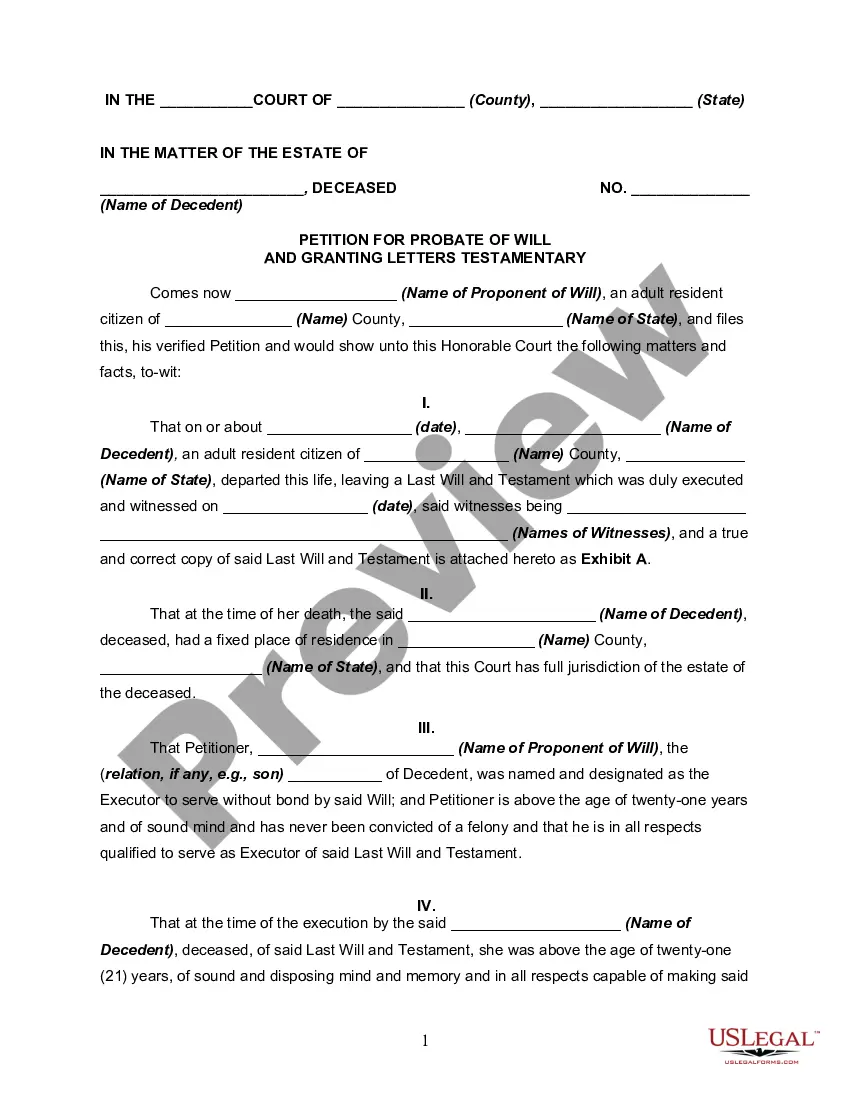
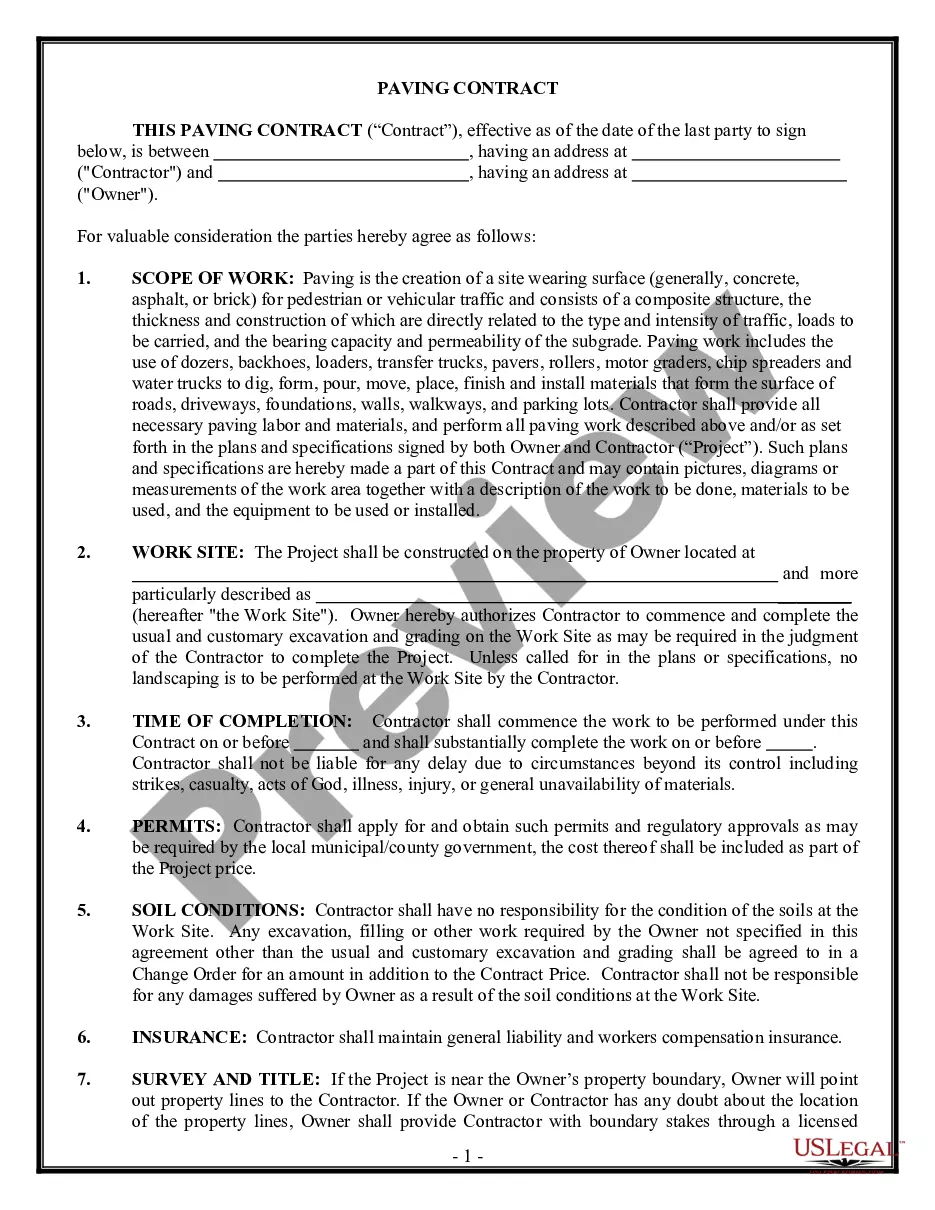


How to fill out Acknowledgment Of Paternity With Declaration That Child Shall Share In Father's Estate?
Acquiring legal documents that adhere to federal and state guidelines is essential, and the web provides a multitude of choices to consider.
However, what’s the use of spending time searching for the accurately drafted Paternity Affidavit Form Iowa example online when the US Legal Forms digital library already compiles such documents in one location.
US Legal Forms is the premier online legal repository with more than 85,000 customizable templates created by legal professionals for any business and personal situation. They are straightforward to navigate with all documents categorized by state and intended use. Our experts keep up with legislative developments, ensuring that you can rely on the fact that your form is current and compliant when acquiring a Paternity Affidavit Form Iowa from our site.
All documents you find through US Legal Forms are reusable. To re-access and complete previously acquired forms, navigate to the My documents section in your account. Experience the most comprehensive and user-friendly legal documentation service!
- Review the template using the Preview feature or through the text outline to ensure it meets your requirements.
- Search for an alternative sample using the search function at the top of the page if necessary.
- Click Buy Now once you've found the appropriate form and select a subscription plan.
- Create an account or sign in, and complete the payment via PayPal or a credit card.
- Select the proper format for your Paternity Affidavit Form Iowa and download it.
Form popularity
FAQ
Section 101(10A) of the Bankruptcy Code. This may include income and payments from some unexpected sources. As expected, all income from your employer is included?all gross wages or salary, as well as any tips, overtime, shift differentials, and commissions, WITHOUT subtracting any tax or other deductions.
Colorado Bankruptcy Court Voice Case Information System: 866-222-8029 ext. CM/ECF Help Desk: 720-904-7450.
If your total monthly income over the course of the next 60 months is less than $7,475 then you pass the means test and you may file a Chapter 7 bankruptcy. If it is over $12,475 then you fail the means test and don't have the option of filing Chapter 7.
To determine your Chapter 7 bankruptcy income limit, add the last six months of your gross income ? this is what you earned before taxes and other deductions were taken out. Divide that number by six. While that may seem like a waste of time ? why not just take one month instead of adding six, then dividing by six?
The biggest difference between Chapter 7 and Chapter 13 is that Chapter 7 focuses on discharging (getting rid of) unsecured debt such as credit cards, personal loans and medical bills while Chapter 13 allows you to catch up on secured debts like your home or your car while also discharging unsecured debt.
If the debtor's disposable income, projected for a five-year period, is more than 25 percent of the total unsecured debt, the debtor will likely be denied a Chapter 7 filing. If the percentage is less than 25 percent, the debtor will most likely survive the means test and be allowed to continue with a Chapter 7 filing.
If the bankruptcy means test shows that your household income is less than the median household in your state, you pass the Chapter 7 means test. If your average income exceeds the median income, you may still be eligible for Chapter 7 bankruptcy based on the extended means test calculation.
Use the contact form on the court's website to request a discharge order, petition and schedules, or order of dismissal. The clerk's office will reply to the email and attach the requested documents in PDF format. Each request must contain the debtor's name and case number, and specify the documents being requested.