Claim Damage For
Description
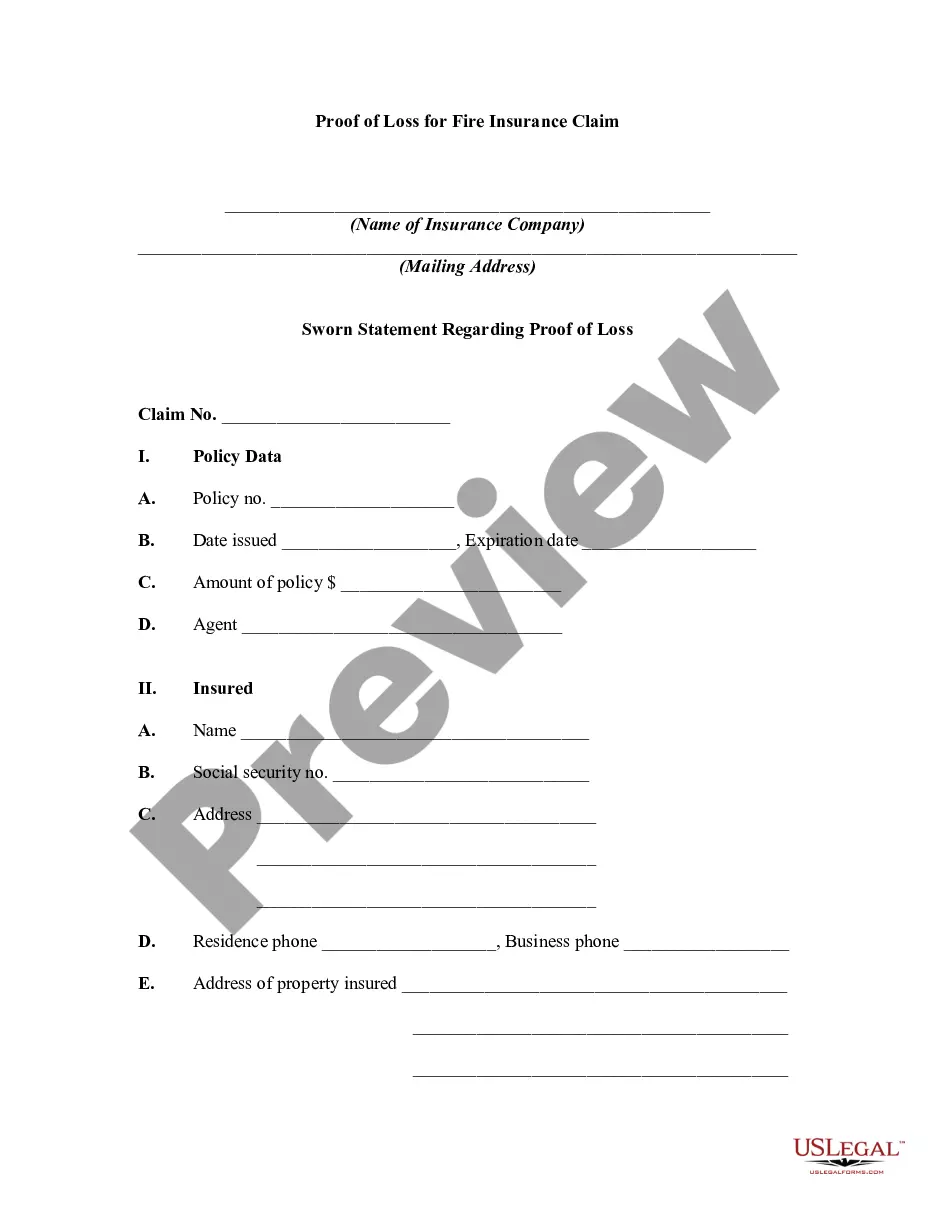
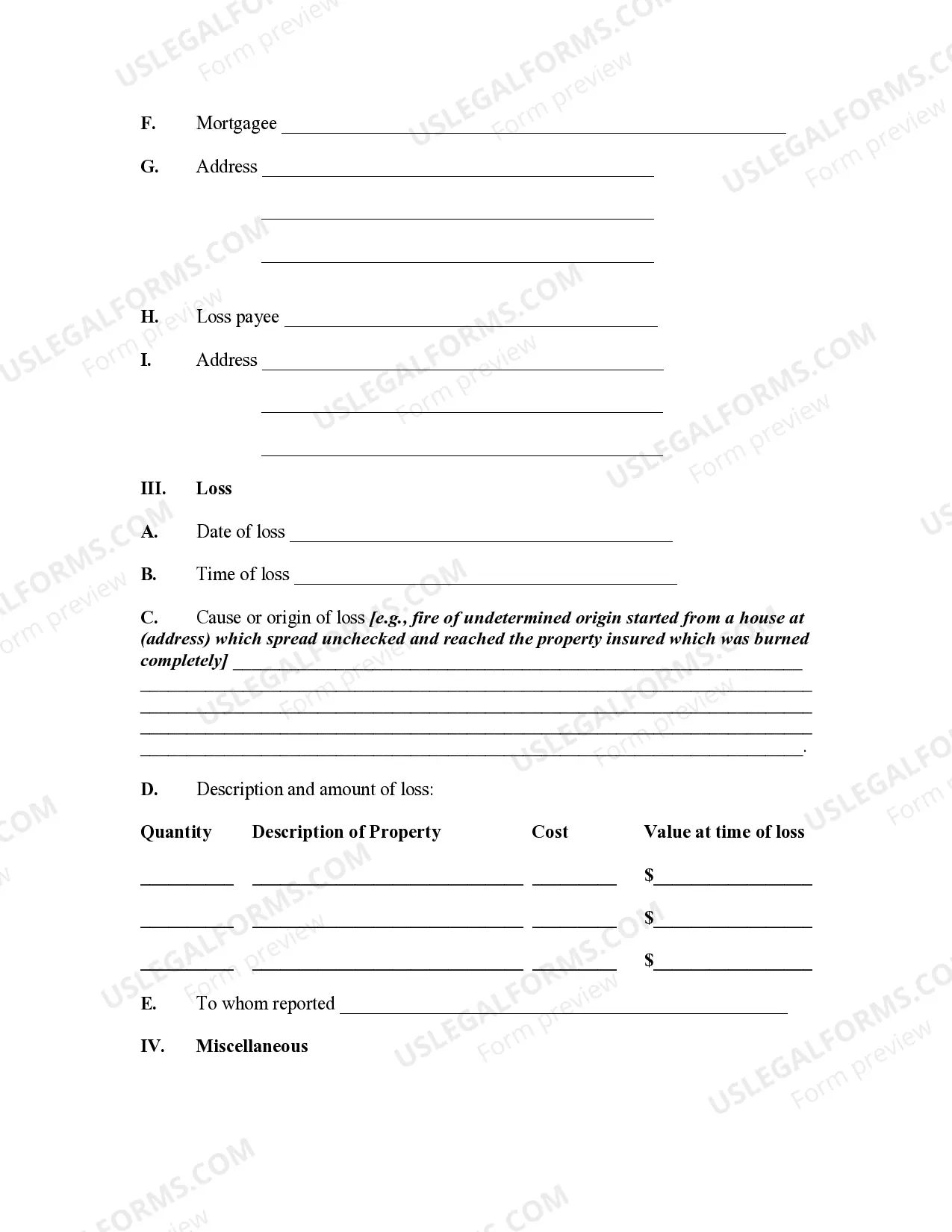
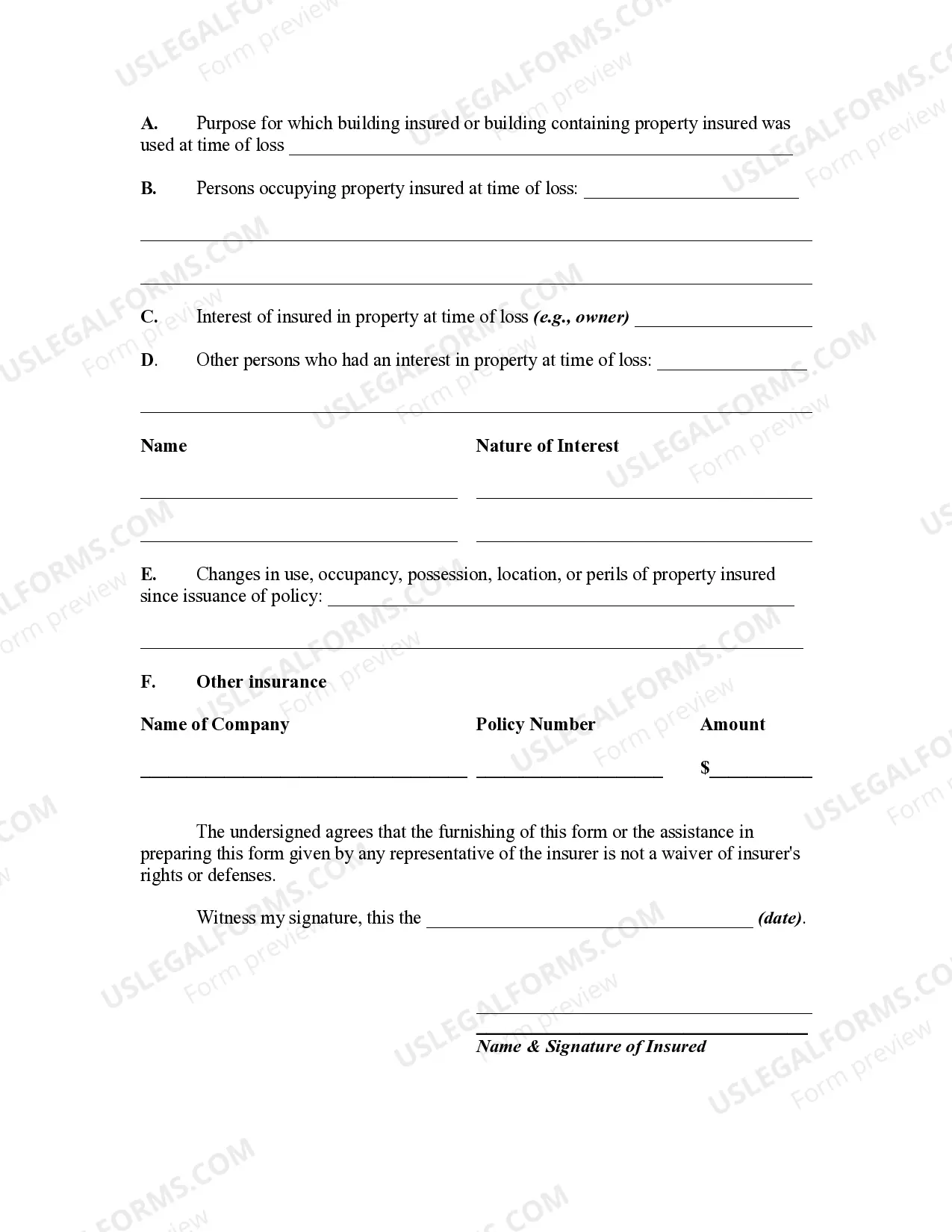
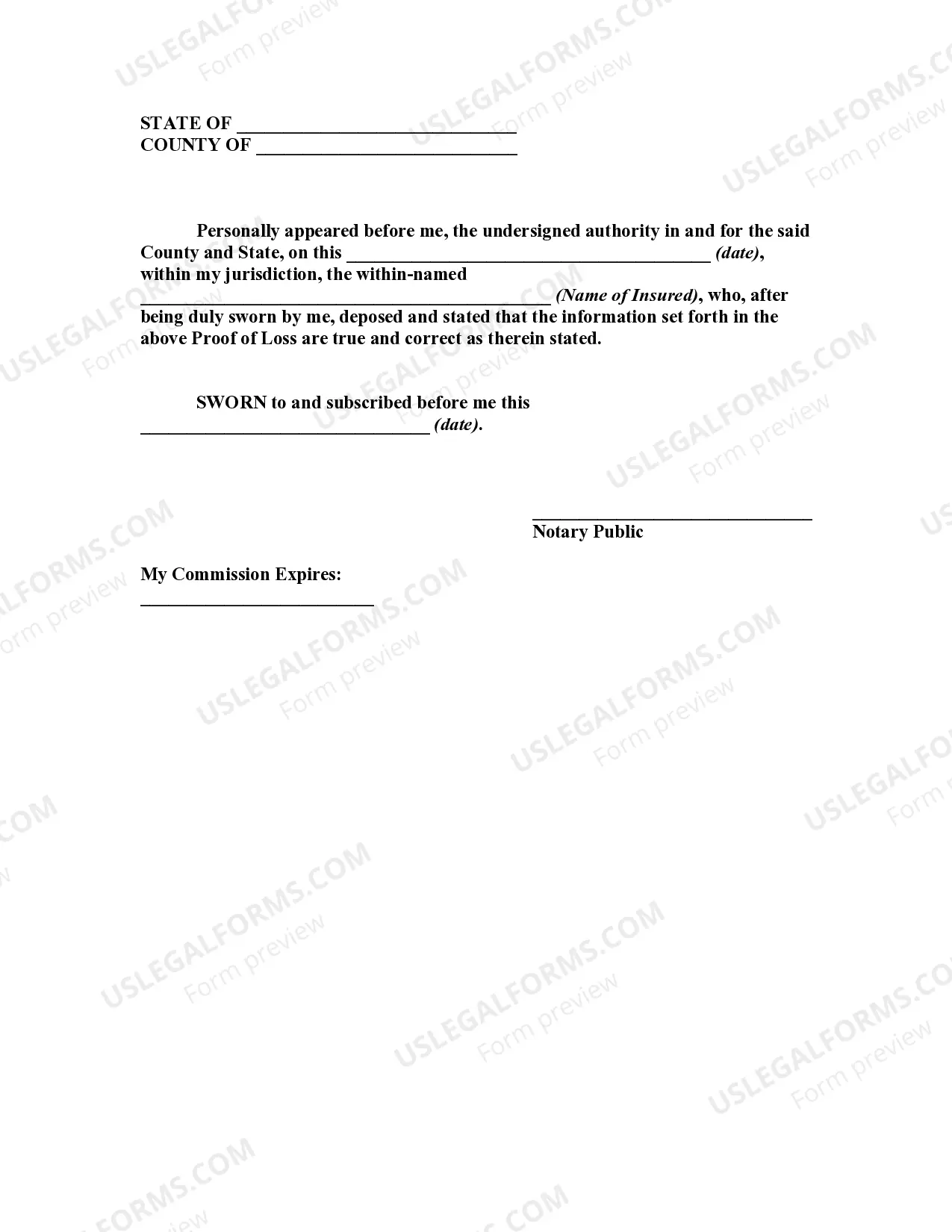
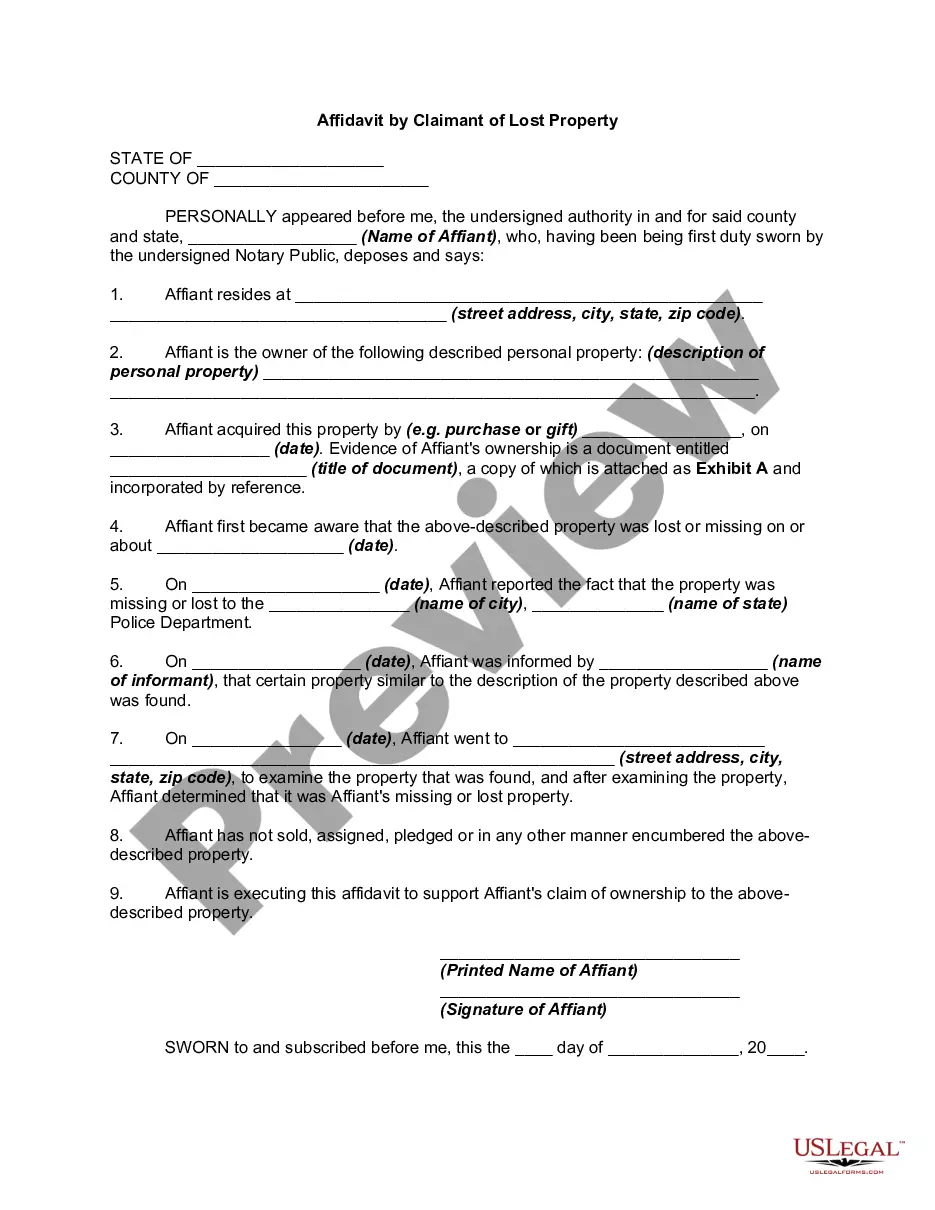
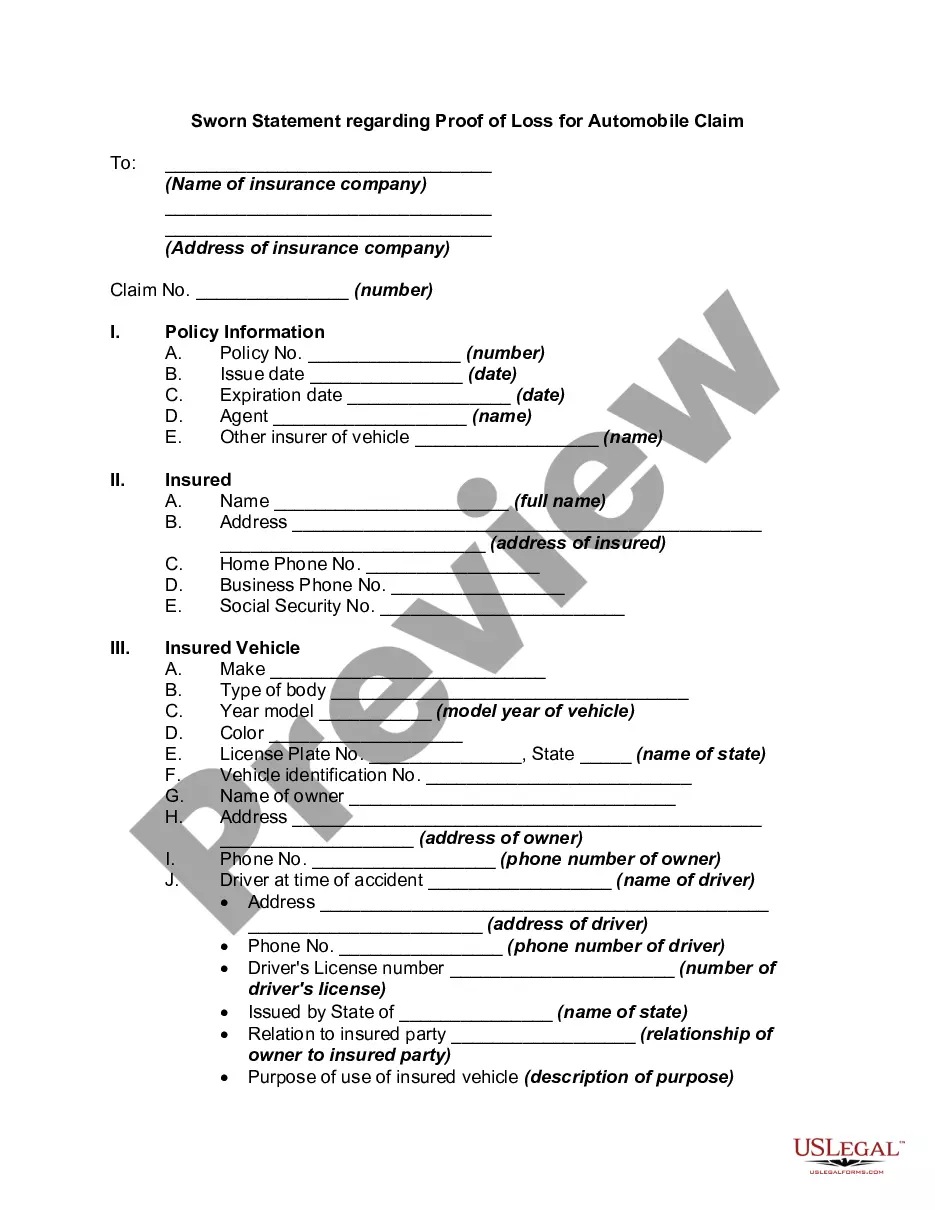
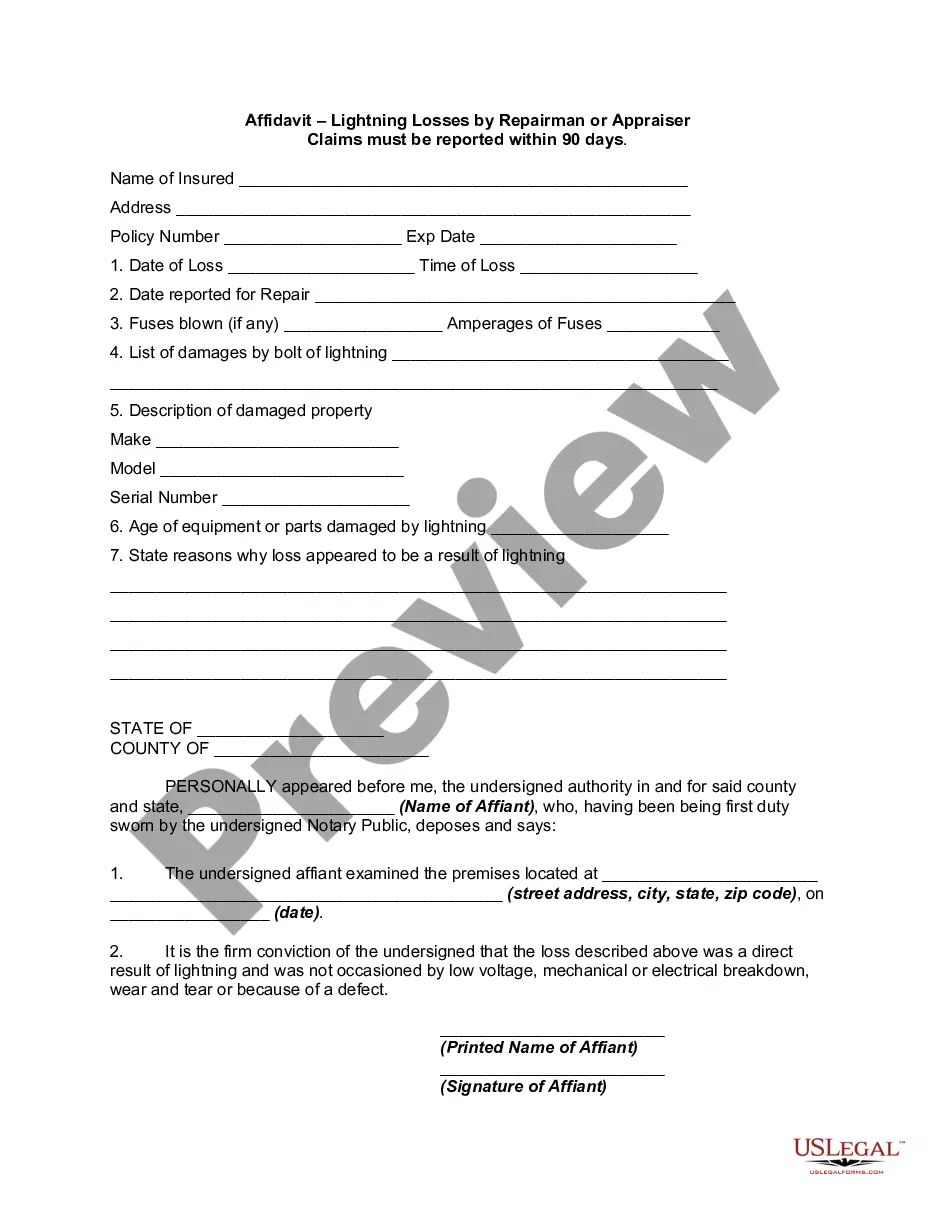
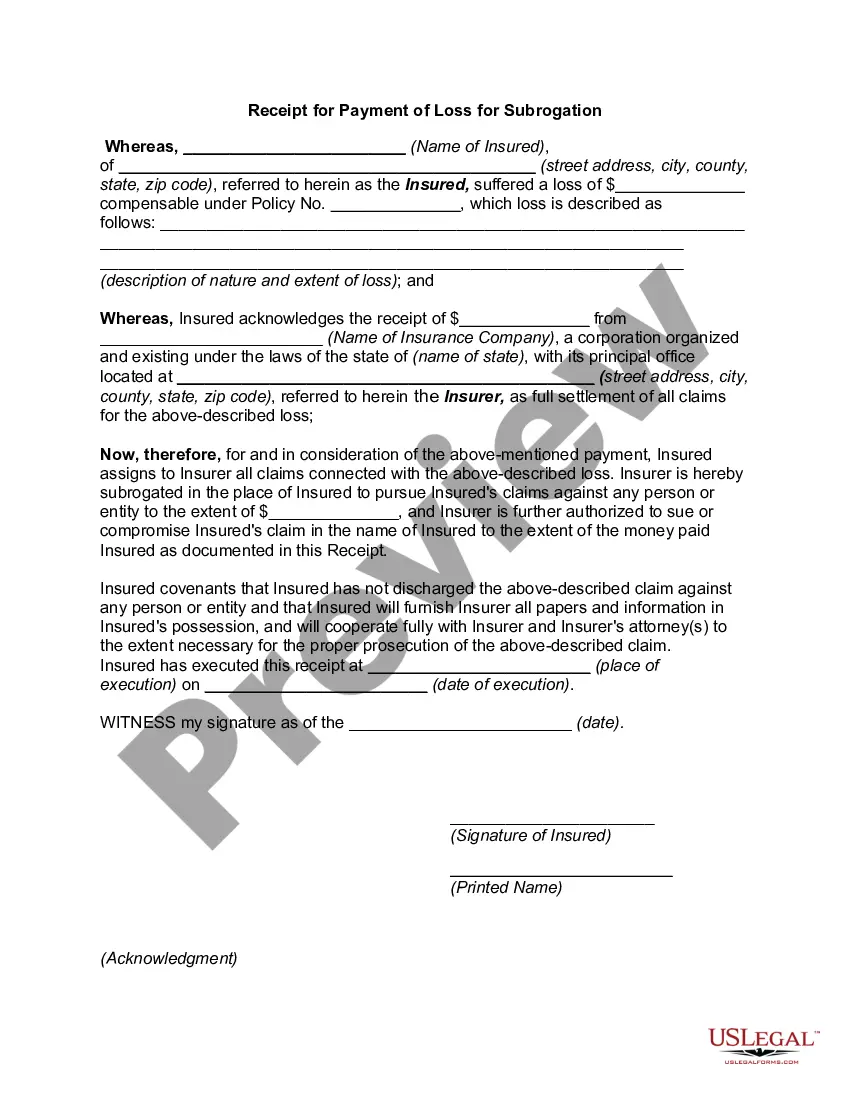
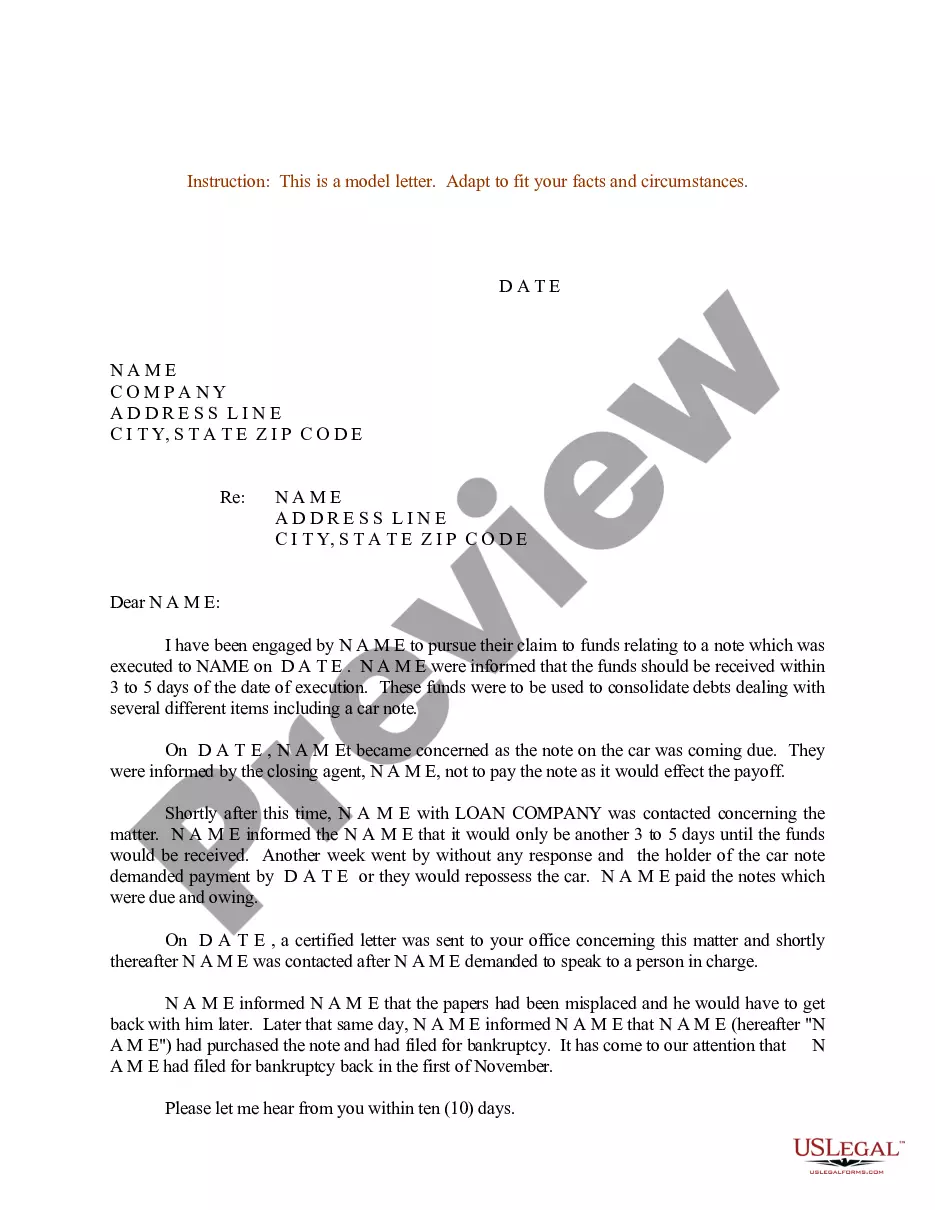
Get your form ready online
Our built-in tools help you complete, sign, share, and store your documents in one place.
Make edits, fill in missing information, and update formatting in US Legal Forms—just like you would in MS Word.
Download a copy, print it, send it by email, or mail it via USPS—whatever works best for your next step.
Sign and collect signatures with our SignNow integration. Send to multiple recipients, set reminders, and more. Go Premium to unlock E-Sign.
If this form requires notarization, complete it online through a secure video call—no need to meet a notary in person or wait for an appointment.
We protect your documents and personal data by following strict security and privacy standards.

Make edits, fill in missing information, and update formatting in US Legal Forms—just like you would in MS Word.

Download a copy, print it, send it by email, or mail it via USPS—whatever works best for your next step.

Sign and collect signatures with our SignNow integration. Send to multiple recipients, set reminders, and more. Go Premium to unlock E-Sign.

If this form requires notarization, complete it online through a secure video call—no need to meet a notary in person or wait for an appointment.

We protect your documents and personal data by following strict security and privacy standards.
Looking for another form?
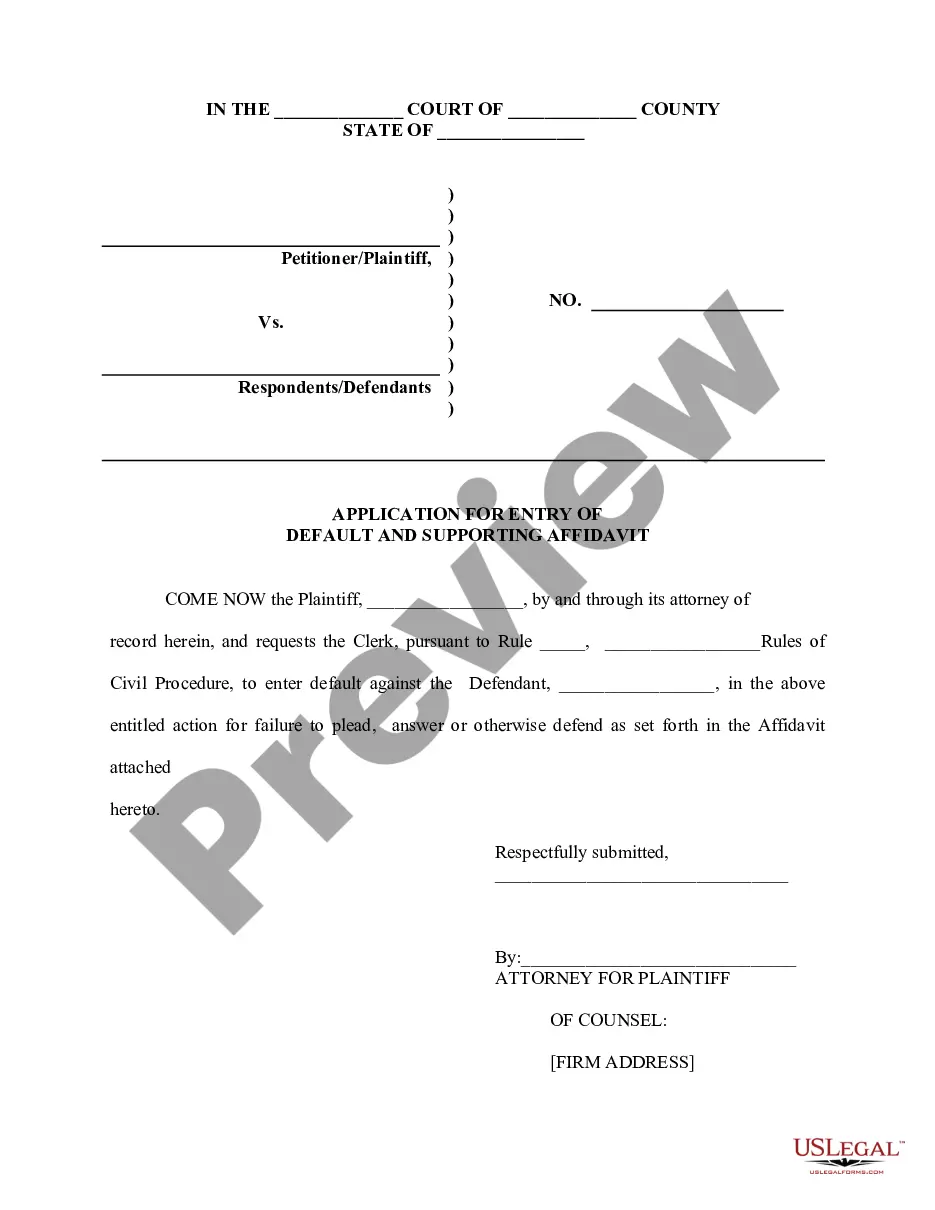
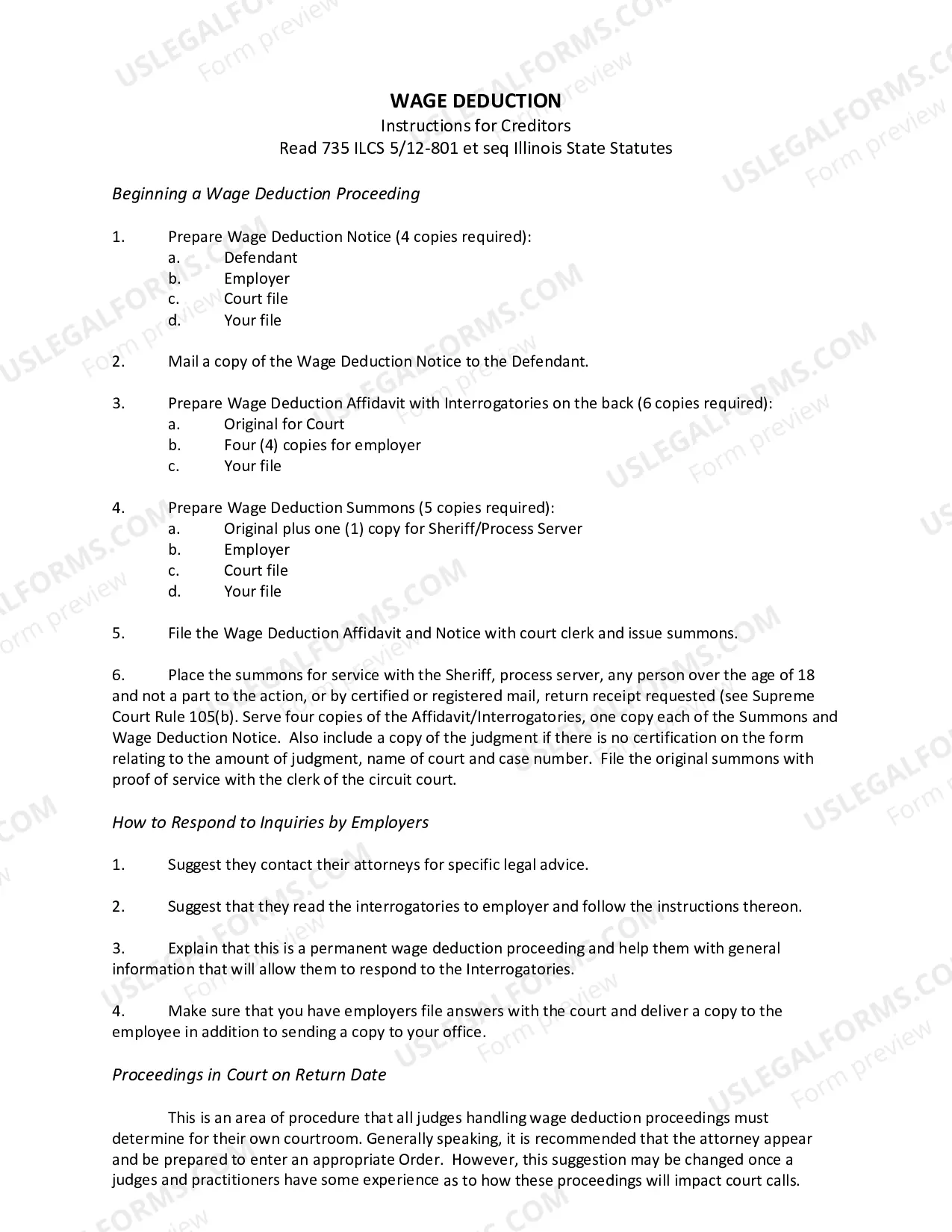
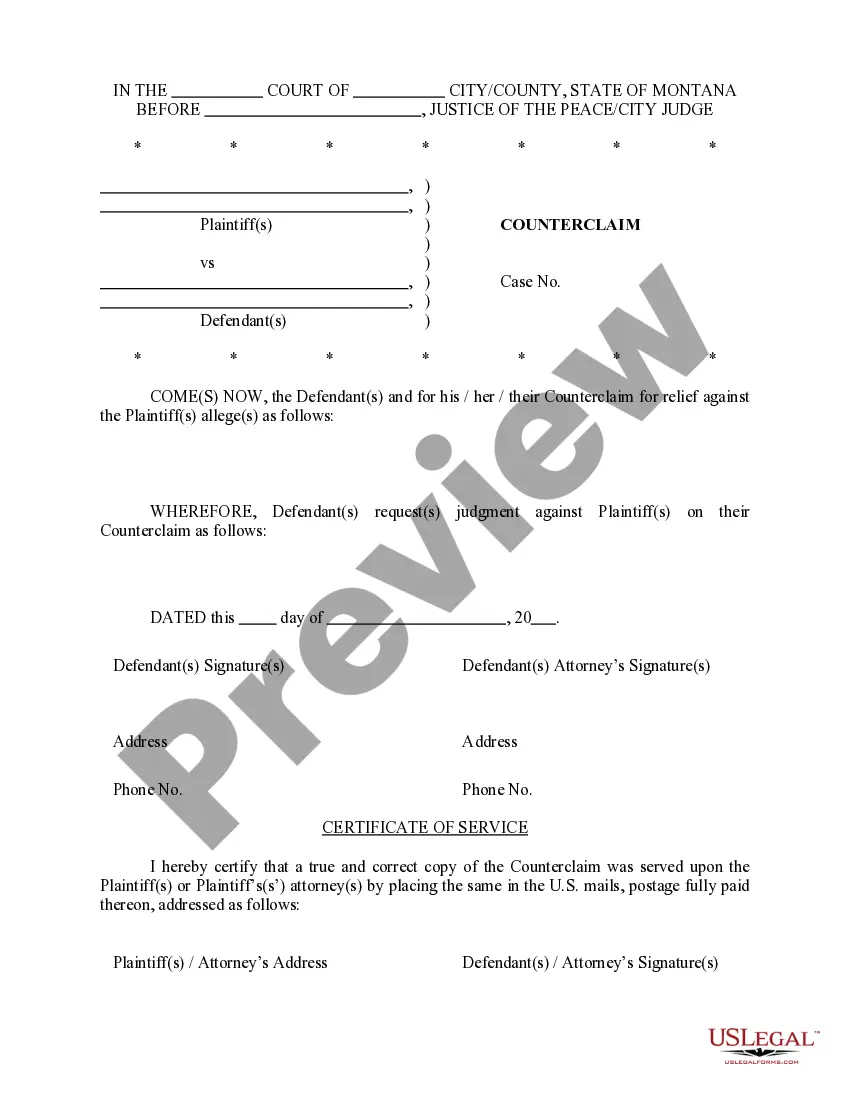

How to fill out Proof Of Loss For Fire Insurance Claim?
Creating legal documents from the ground up can frequently feel a bit daunting.
Various situations may require significant research time and substantial financial investment.
If you are looking for a more straightforward and budget-friendly method to generate Claim Damage For or any other forms without navigating complexities, US Legal Forms is here to assist you.
Our online library, featuring over 85,000 current legal documents, covers nearly every aspect of your financial, legal, and personal affairs. With just a few clicks, you can instantly access state- and county-specific forms meticulously prepared by our legal professionals.
Ensure that the template you choose meets your state and county requirements. Pick the appropriate subscription option to purchase the Claim Damage For. Download the file, then complete, sign, and print it. US Legal Forms has established a solid reputation and boasts over 25 years of experience. Join us today and make document completion easy and efficient!
- Utilize our website whenever you require trustworthy and dependable services to quickly find and retrieve the Claim Damage For.
- If you are a returning user and have set up an account with us before, simply Log In, locate your desired form, and download it or re-download it anytime from the My documents section.
- Not registered yet? No worries. It only takes a few minutes to create an account and browse the catalog.
- However, before jumping straight to downloading Claim Damage For, adhere to these guidelines.
- Review the document preview and descriptions to ensure that you are selecting the correct document.
Form popularity
FAQ
When you aim to claim damage for your property, be cautious about what you say to a claims adjuster. Avoid making statements that could be interpreted as admitting fault or downplaying the extent of your damages. For example, refrain from saying things like 'I believe the damage isn't that bad' or 'I take full responsibility for what happened.' Instead, focus on providing clear, factual information about the damage while maintaining a confident stance on your claim.
Damages can be claimed when a wrongful act or negligence results in loss or injury. For instance, in road accidents, the injured party may seek compensation immediately following the incident. It is crucial to file your claim within the timeframe allowed by state laws, known as the statute of limitations. Using USLegalForms can streamline this process and help you stay on track with important deadlines.
When looking to claim damage for a specific incident, you can consider several types of damages. These include compensatory damages, which cover actual losses, and consequential damages, which relate to losses that occur as a consequence of an event. Additionally, you may explore emotional distress damages, which address psychological impacts. Knowing what to expect can help you better prepare your case or settlement.
You can claim damages for a variety of situations including personal injuries, property damage, and emotional distress. For example, if you experience a car accident due to someone else’s negligence, you can claim damage for medical bills and lost income. Similarly, if a faulty product causes injury, you may pursue claims against the manufacturer. Each scenario presents unique challenges, and having proper guidance is essential.
A claim for damages refers to a legal demand for compensation due to injury or loss caused by another party’s actions. When you file such a claim, you're seeking to recover losses that resulted from an accident or wrongdoing. This can involve figuring out the specifics of your situation to present a strong argument for why compensation is due. Understanding these nuances is crucial, and platforms like USLegalForms can guide you through this process.
When you claim damage for losses, you typically refer to three main types: economic, non-economic, and punitive damages. Economic damages cover tangible losses such as medical expenses and lost wages. Non-economic damages address intangible losses like pain and suffering. Punitive damages serve to punish the wrongdoer and deter future misconduct.
When you want to claim damage for a situation, gathering strong evidence is vital. A well-documented claim typically includes medical records, repair bills, and photographs of the incident or damages incurred. Having this evidence organized can facilitate a smoother claims process and increase your chances of receiving fair compensation.
To claim damage for negligence, you generally need to prove three key elements: the duty of care, a breach of that duty, and causation linking that breach to your damages. Essentially, you must show that the other party had a responsibility, failed in that responsibility, and that failure directly resulted in your loss. Each of these components is critical in establishing a strong legal foundation.
To successfully claim damage for your losses, you need to gather comprehensive evidence demonstrating the extent of the damages. This can include documentation like receipts, repair estimates, and photographs of the damage. A clear record helps build a compelling case for your claim.
When interacting with an insurance claim adjuster, avoid saying anything that could be interpreted as admitting fault. Statements like 'I'm sorry' may be used against you later, insinuating liability. It’s crucial to stay factual and only share what is necessary when you seek to claim damage for your situation.