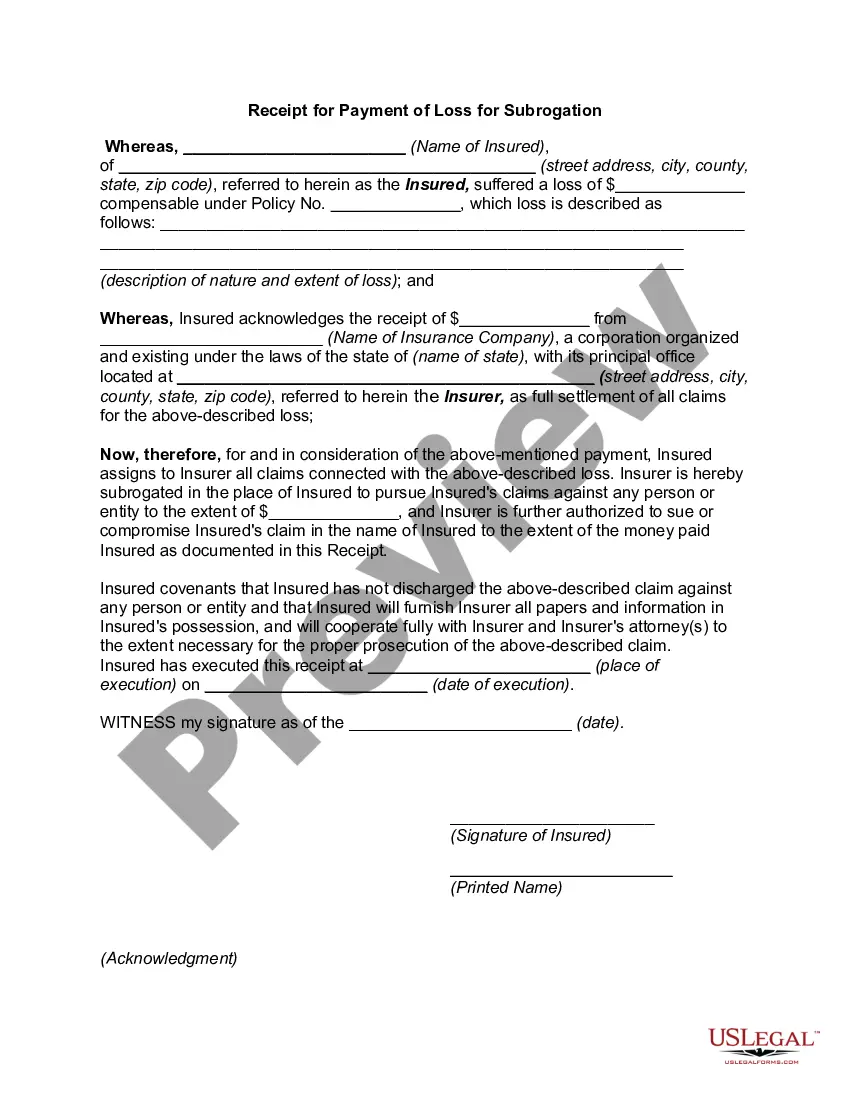
Loss Subrogation Agreement For Contractors
Description
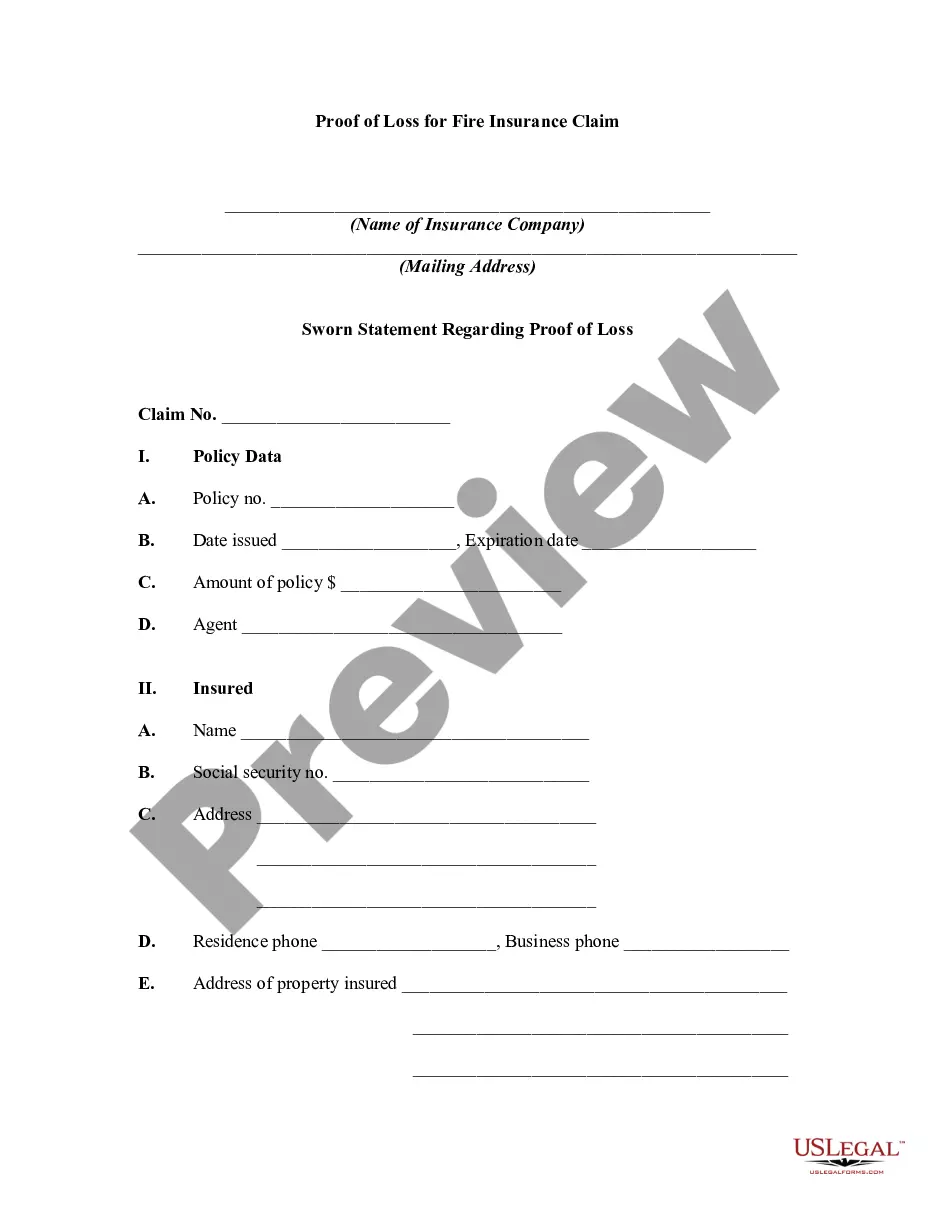
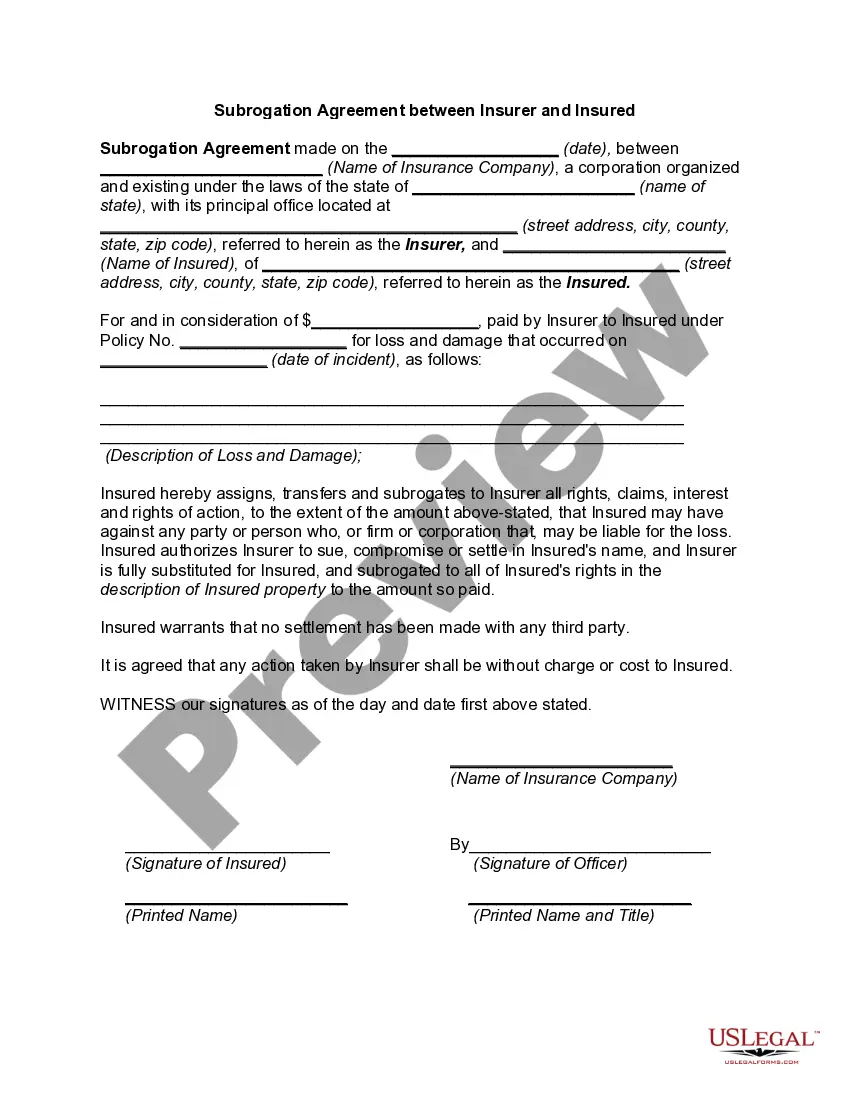
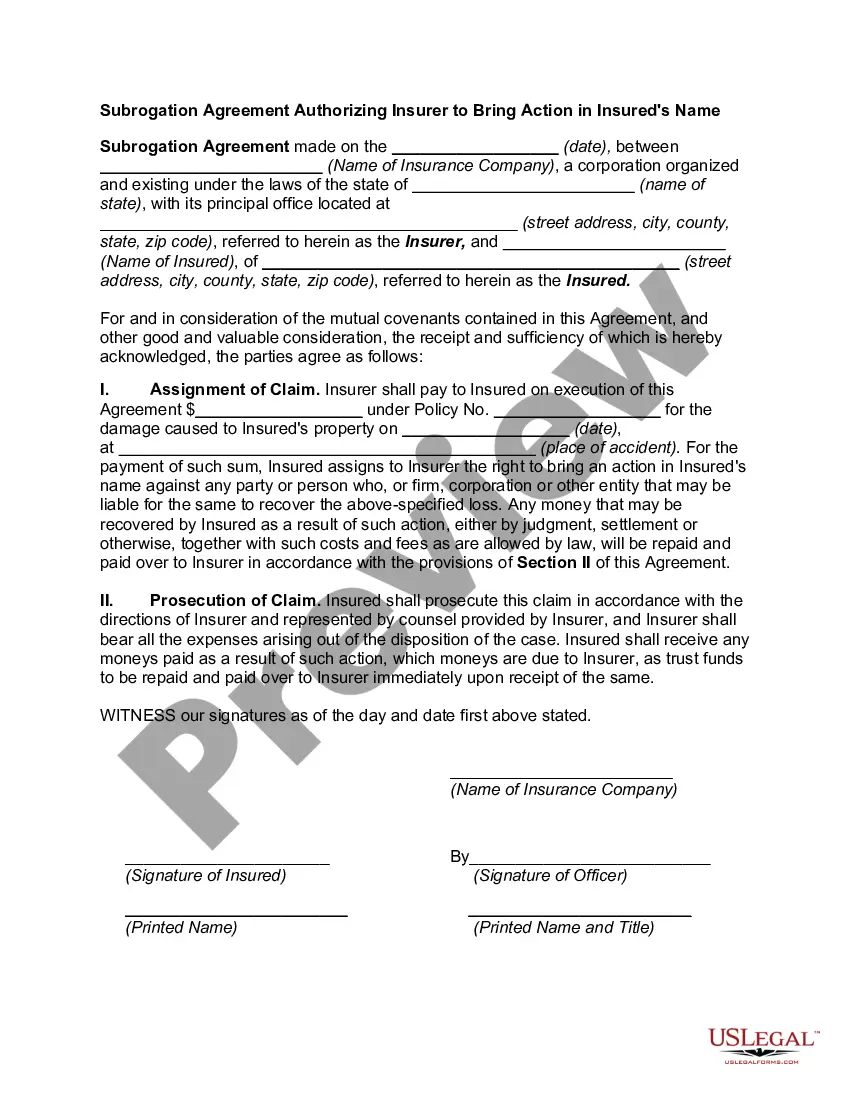
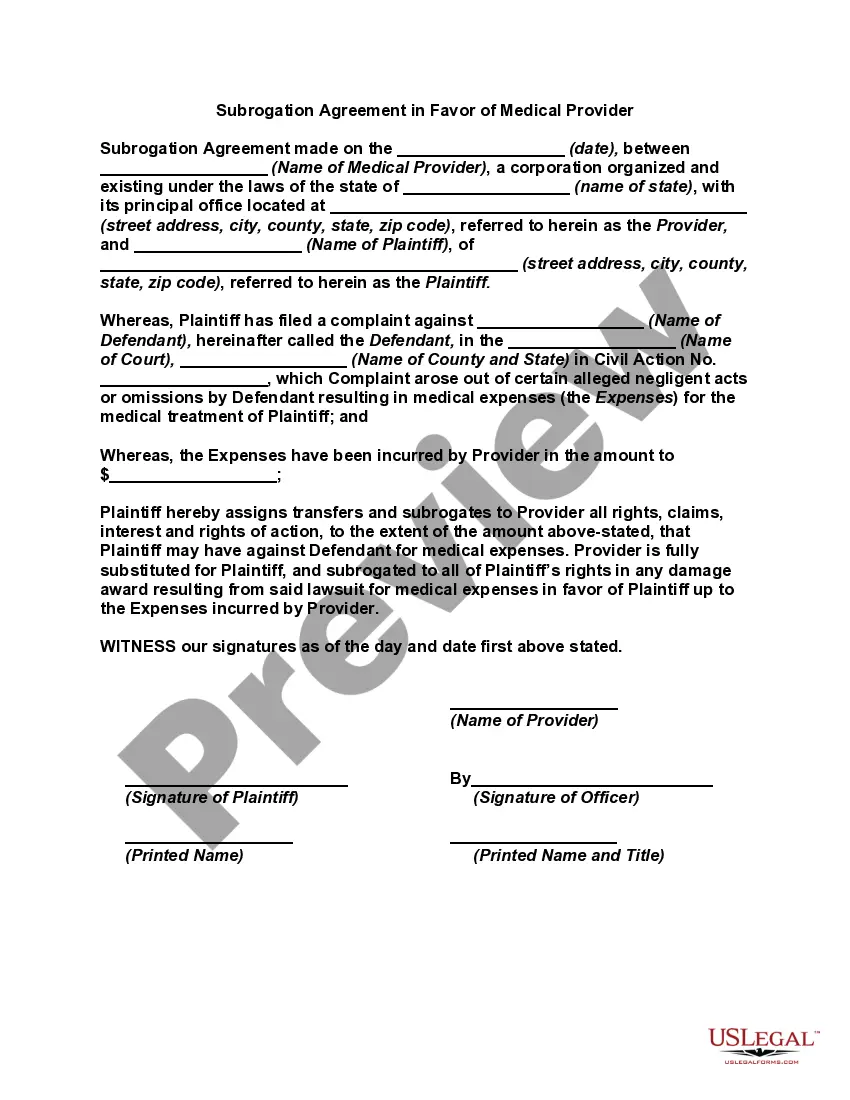
Get your form ready online
Our built-in tools help you complete, sign, share, and store your documents in one place.
Make edits, fill in missing information, and update formatting in US Legal Forms—just like you would in MS Word.
Download a copy, print it, send it by email, or mail it via USPS—whatever works best for your next step.
Sign and collect signatures with our SignNow integration. Send to multiple recipients, set reminders, and more. Go Premium to unlock E-Sign.
If this form requires notarization, complete it online through a secure video call—no need to meet a notary in person or wait for an appointment.
We protect your documents and personal data by following strict security and privacy standards.

Make edits, fill in missing information, and update formatting in US Legal Forms—just like you would in MS Word.

Download a copy, print it, send it by email, or mail it via USPS—whatever works best for your next step.

Sign and collect signatures with our SignNow integration. Send to multiple recipients, set reminders, and more. Go Premium to unlock E-Sign.

If this form requires notarization, complete it online through a secure video call—no need to meet a notary in person or wait for an appointment.

We protect your documents and personal data by following strict security and privacy standards.
Looking for another form?
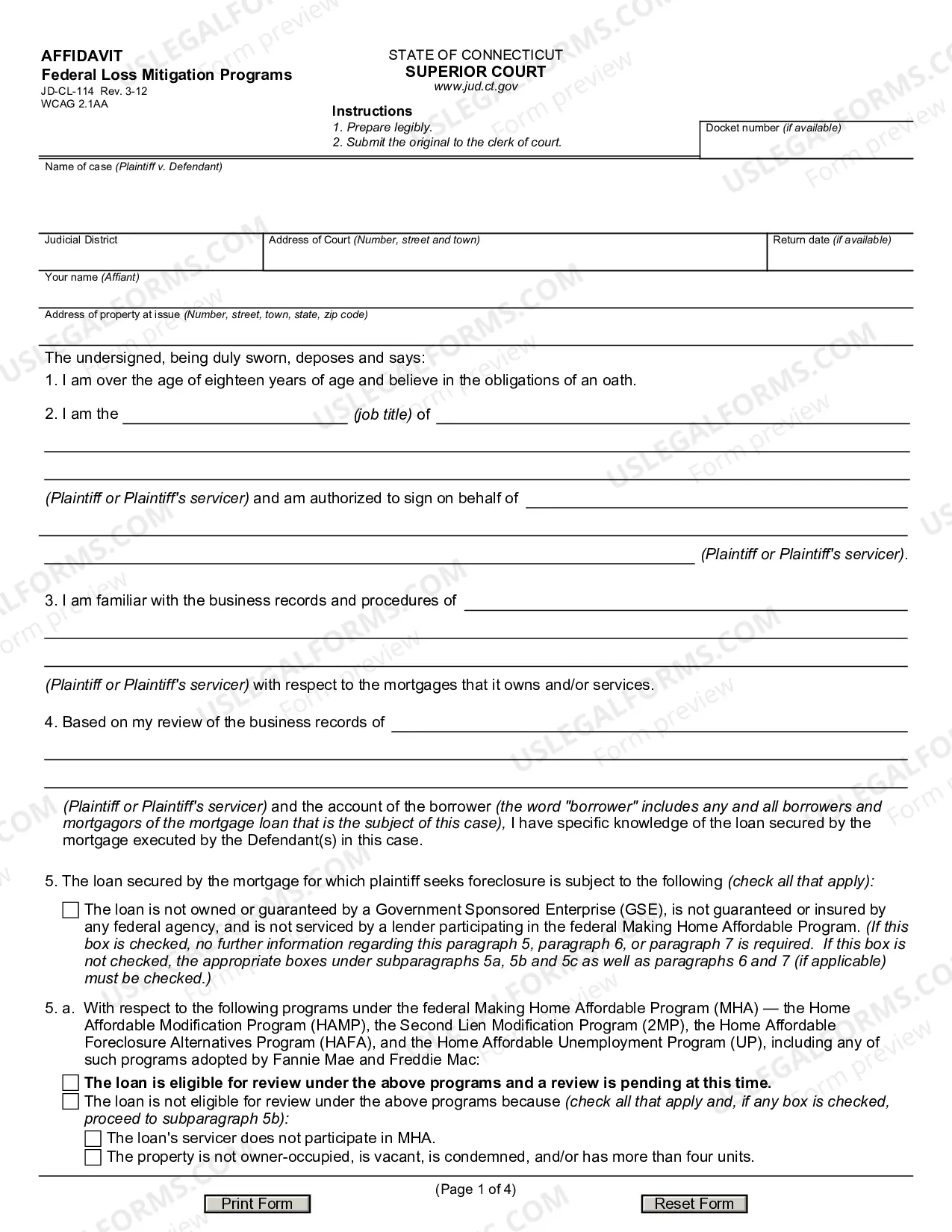









How to fill out Receipt For Payment Of Loss For Subrogation?
- Log in to your US Legal Forms account if you're an existing user; ensure your subscription is active to access the documents.
- If you are new to the service, begin by checking the preview mode and description of the loss subrogation agreement to verify it meets your needs and local requirements.
- Use the search feature to locate alternative templates if discrepancies arise, ensuring you find the right document.
- Click on the 'Buy Now' button to select a subscription plan that suits you; registering for an account may be necessary to access the forms.
- Complete your purchase by providing your payment details, either via credit card or PayPal.
- Download the form to store it on your device, and you can also find it later in the 'My Forms' section of your profile.
By utilizing US Legal Forms, you empower yourself with access to a vast library of over 85,000 fillable legal documents, ensuring that you can find exactly what you need quickly.
Don’t let legal documentation hold you back. Start today by visiting US Legal Forms to enhance your contracting business!
Form popularity
FAQ
Insurance companies often choose to subrogate to recover costs from the responsible party after paying a claim. By engaging in a loss subrogation agreement for contractors, they can reclaim funds for damages that another party caused. This process helps keep insurance premiums in check, as it reduces the financial burden on the insurer. Ultimately, subrogation is a strategic move to maintain efficiency and accountability in the insurance industry.
A waiver of subrogation is an agreement that prevents a contractor from seeking compensation from a subcontractor’s insurance for damages. This arrangement fosters a collaborative work environment and minimizes disputes among parties. In the context of a loss subrogation agreement for contractors, it protects relationships and ensures clarity on financial responsibilities. Understanding this waiver is crucial in managing risks and liabilities on projects.
The process of subrogation begins with a party filing a claim for damages with their insurance company. Once the claim is settled, the insurance company can step into the insured's shoes to seek recovery from the responsible party. This process requires a loss subrogation agreement for contractors to clarify the rights and obligations involved. By having this agreement, contractors can avoid disputes and facilitate smoother recoveries.
An example of a subrogation agreement could involve a contractor whose insurance company pays for damages caused by a defective product. In this case, the insurer would then pursue the manufacturer of that product to recoup the costs. Implementing a loss subrogation agreement for contractors in such scenarios helps ensure a more efficient recovery process while protecting the contractor's interests.
Subrogation in a contract refers to a legal right allowing an insurer to claim against a third party after covering a loss for the insured. This means the insurer can recover some or all of the costs incurred due to the loss. A well-drafted loss subrogation agreement for contractors can clarify the responsibilities and rights of all parties involved to prevent disputes.
In construction, subrogation is the process where an insurer pays for damages or losses and then seeks reimbursement from the party responsible for those losses. This is crucial because it allows contractors to maintain financial stability, even after losses occur. A loss subrogation agreement for contractors can outline the terms of this process clearly, benefiting all parties involved.
A waiver of subrogation in construction happens when one party agrees not to pursue subrogation rights against another party. For instance, if a contractor agrees to waive their rights to subrogate against a client in case of an accident, it protects the client from future claims. This can often be part of a loss subrogation agreement for contractors, promoting a smoother working relationship.
Subrogation is when one party steps into another party's shoes to seek compensation after a loss. It typically happens in insurance when an insurer pays for a loss and then seeks reimbursement from the responsible party. A loss subrogation agreement for contractors formalizes this process, ensuring that both the insurer and contractor benefit.
Subrogation does not inherently mean that you are not at fault. Instead, it refers to the right of an insurer to pursue a third party that caused a loss after paying a claim. In the context of a loss subrogation agreement for contractors, it allows the insurer to reclaim costs from the responsible party, which can lower your overall liability.
The subrogation clause in a construction contract outlines the rights and obligations of parties regarding subrogation claims. This clause ensures that if losses occur, the contractor's insurance can pursue recovery from responsible parties. Understanding this aspect of your loss subrogation agreement for contractors is essential for effective financial risk management during and after construction projects.