Trust International Education
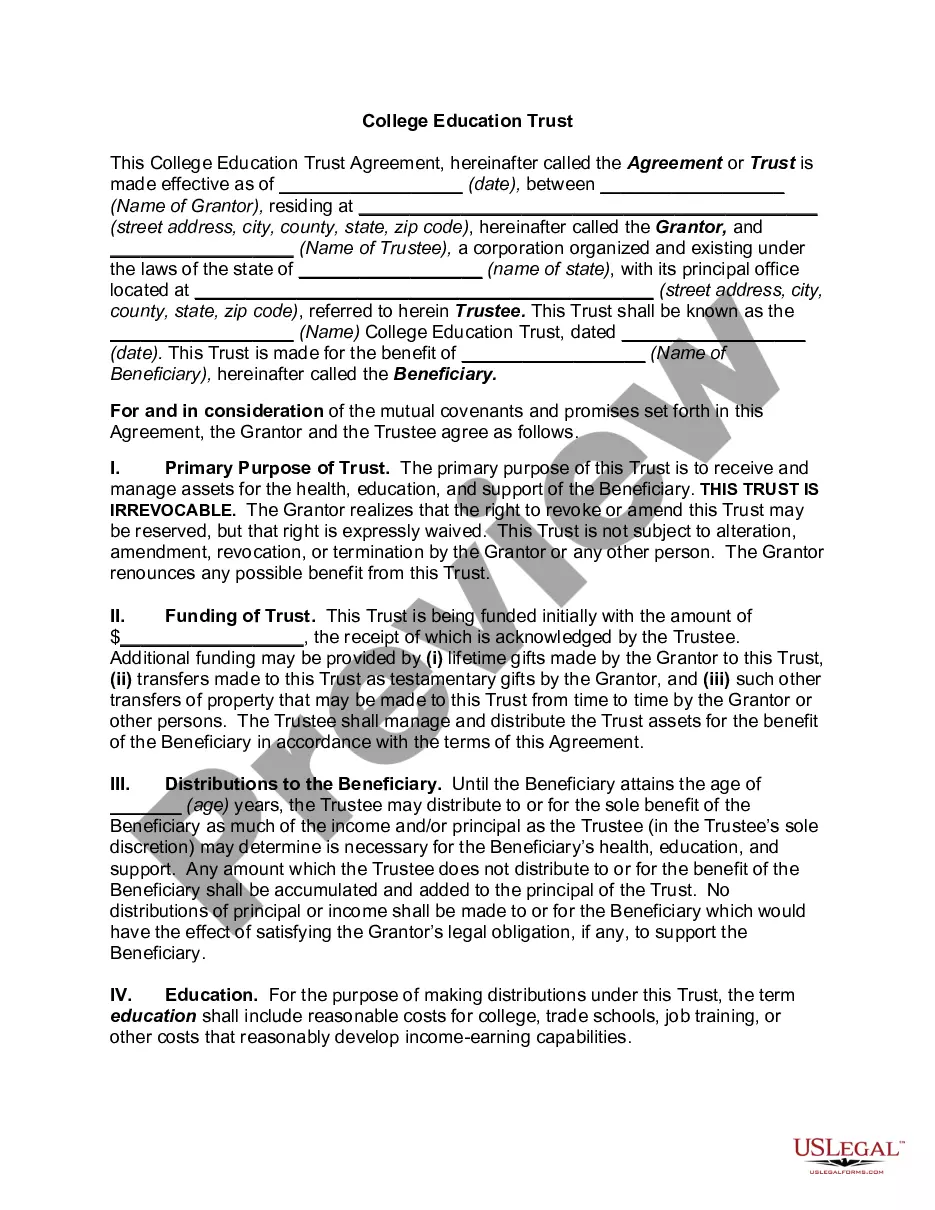
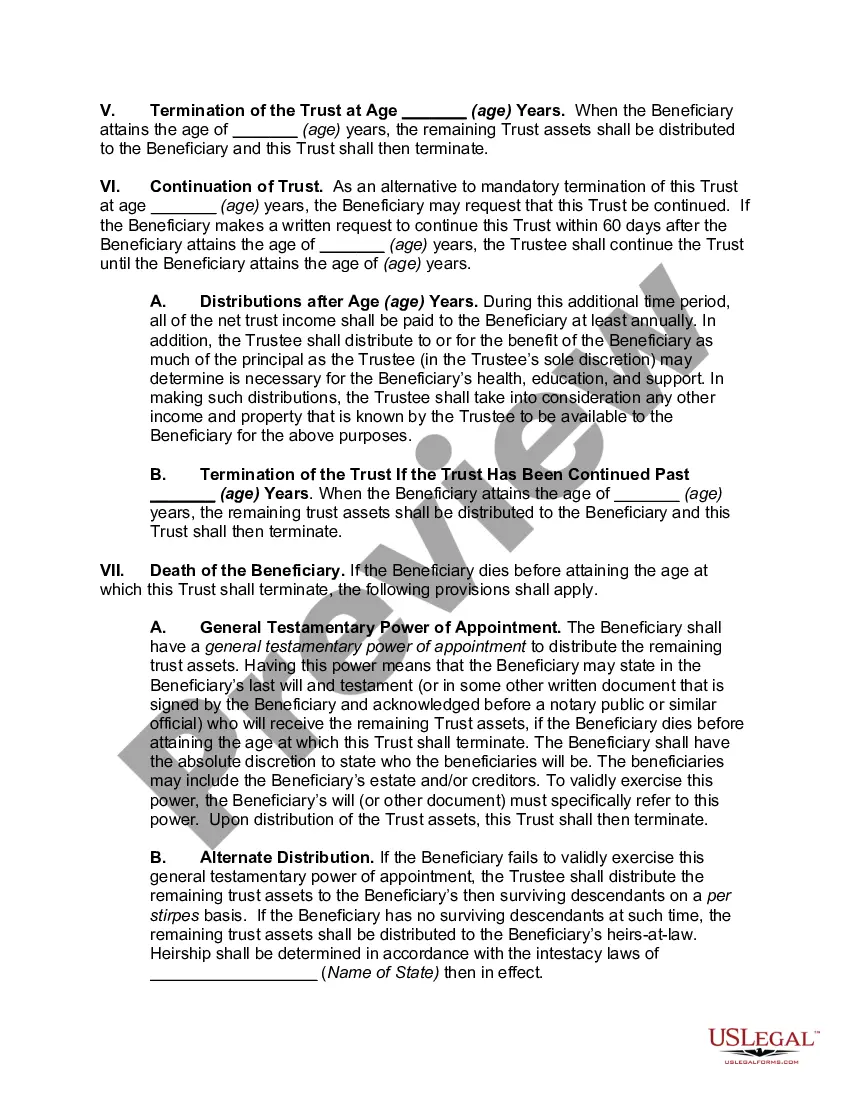
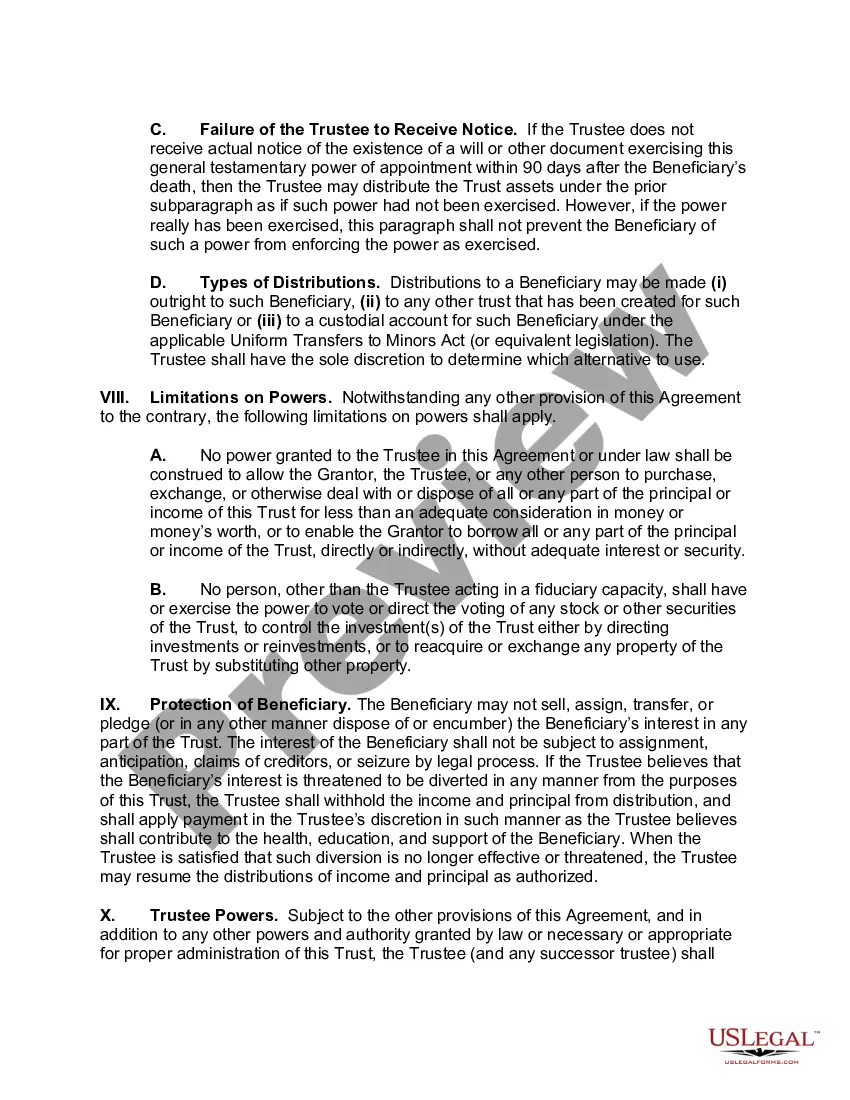
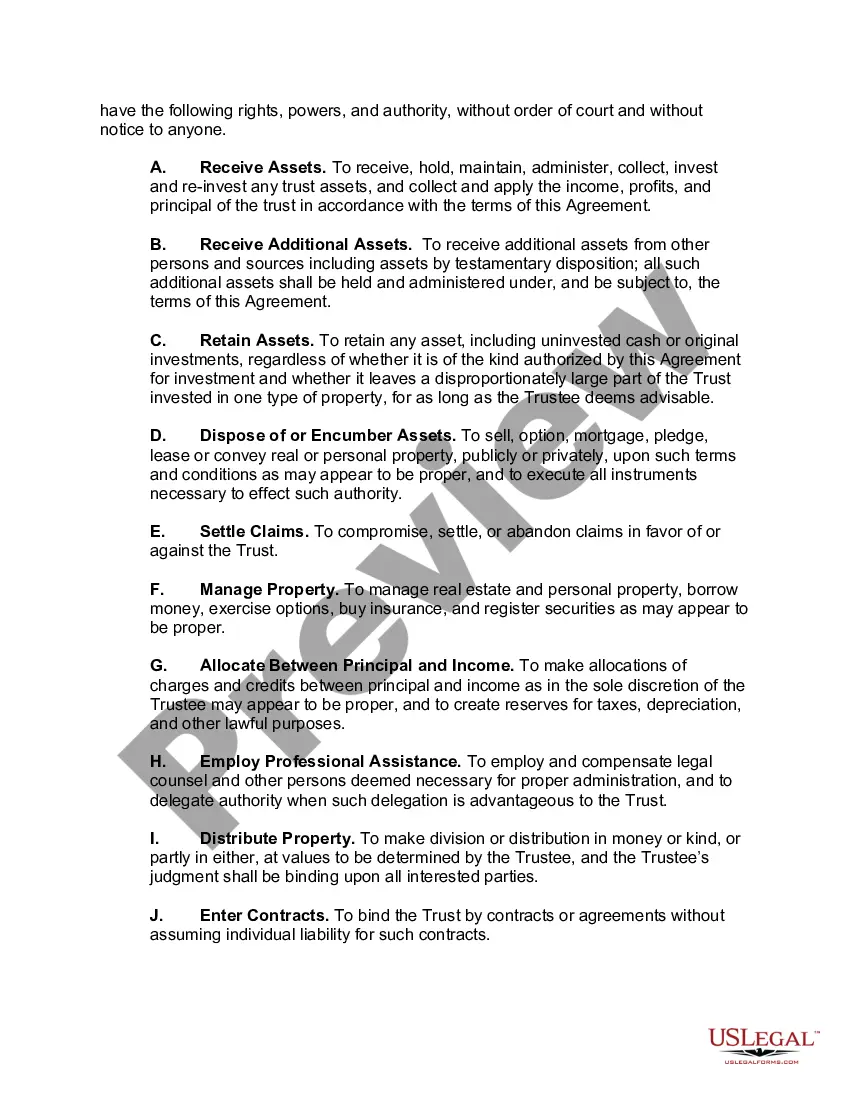
Description

Get your form ready online
Our built-in tools help you complete, sign, share, and store your documents in one place.
Make edits, fill in missing information, and update formatting in US Legal Forms—just like you would in MS Word.
Download a copy, print it, send it by email, or mail it via USPS—whatever works best for your next step.
Sign and collect signatures with our SignNow integration. Send to multiple recipients, set reminders, and more. Go Premium to unlock E-Sign.
If this form requires notarization, complete it online through a secure video call—no need to meet a notary in person or wait for an appointment.
We protect your documents and personal data by following strict security and privacy standards.

Make edits, fill in missing information, and update formatting in US Legal Forms—just like you would in MS Word.

Download a copy, print it, send it by email, or mail it via USPS—whatever works best for your next step.

Sign and collect signatures with our SignNow integration. Send to multiple recipients, set reminders, and more. Go Premium to unlock E-Sign.

If this form requires notarization, complete it online through a secure video call—no need to meet a notary in person or wait for an appointment.

We protect your documents and personal data by following strict security and privacy standards.
Looking for another form?










How to fill out College Education Trust Agreement?
- Log in to your account if you have used US Legal Forms before. Ensure your subscription is active, or renew it if necessary.
- If you're a new user, start by browsing the vast collection of over 85,000 forms. Check the Preview mode and form description to find the right match for your needs.
- Utilize the Search tab for any missing templates. Confirm that all chosen forms meet local jurisdiction requirements.
- Click the Buy Now button to select your preferred subscription plan. You must create an account for full access.
- Provide your payment details, either through credit card or PayPal, to complete your purchase.
- Download the desired template and save it on your device. You can access it anytime through the My documents section in your profile.
By following these straightforward steps, you can quickly obtain the legal documents you require through US Legal Forms. Their extensive online library and expert assistance ensure that you create precise and legally sound documents with ease.
Don't hesitate! Start your journey towards effortless legal document preparation today with US Legal Forms.
Form popularity
FAQ
To report a foreign account to the IRS, you must file the Foreign Bank and Financial Accounts (FBAR) form, FinCEN Form 114, if the total value exceeds $10,000. Additionally, certain accounts may require further reporting on Form 8938 under the FATCA regulations. Understanding these requirements is part of trust international education, keeping you informed about your reporting obligations. Using services like USLegalForms can offer valuable assistance to navigate these forms.
To report a foreign trust, you need specific documents, including trust agreements, financial statements, and details about distributions. Accurate and complete information is crucial for filing Form 3520 and any other required tax documents. Trust international education equips you with essential knowledge about what is required, making the process smoother. Utilizing platforms like USLegalForms can provide you with the necessary forms and insights.
Reporting a foreign trust involves several steps, including filing IRS Form 3520 and Form 3520-A, depending on your situation. You will need to provide comprehensive information about the trust's income, distributions, and ownership. Engaging in trust international education will prepare you for these requirements and help ensure your compliance with IRS rules. To simplify reporting, consider leveraging services like USLegalForms that offer guidance and resources.
To report a foreign inheritance, you typically need to file Form 3520, which covers inheritances received from foreign estates. This form also requires you to disclose details about the inheritance to comply with IRS regulations. Trust international education is vital to help you understand the reporting requirements and avoid unnecessary penalties. Utilize tools like USLegalForms to access forms and gain clarity on the process.
The 5 year rule for foreign trusts pertains to the tax implications for US beneficiaries. Under this rule, distributions from a foreign trust may be subject to special taxation if received within five years of the trust's creation. Knowing how to navigate these regulations is part of trust international education, guiding beneficiaries in understanding potential tax liabilities. Consider consulting with experts or using educational resources to fully grasp the impact of these rules.
To report foreign trust and estate distributions to US beneficiaries, you need to file Form 3520. This form provides essential details about the distribution and ensures compliance with IRS regulations. Trust international education often aids beneficiaries in understanding their obligations in this process. Additionally, using resources like USLegalForms can help streamline reporting and ensure accuracy.
The Institute of International Education receives funding from a variety of sources, including governments, private foundations, and educational institutions. This diverse funding base allows IIE to continue its mission to promote trust international education and support innovative programs that benefit students and educators worldwide.
The Institute of International Education employs a dedicated team of professionals who are passionate about advancing international education. Their expertise helps guide various initiatives that aim to foster global understanding and cooperation. This collaborative spirit resonates with the idea of trusting international education as a transformative experience.
The Education Trust was founded in 1990 with the mission to advocate for high academic achievement for all students. This organization has played a significant role in ensuring equity in education, similar to how the Institute of International Education works towards promoting trust international education for diverse populations.
While there may not be a single founder of international education, early proponents like John Dewey emphasized the importance of global learning. Their vision laid the groundwork for many organizations, such as IIE, to advocate for and facilitate trust international education as an essential element of a comprehensive educational experience.