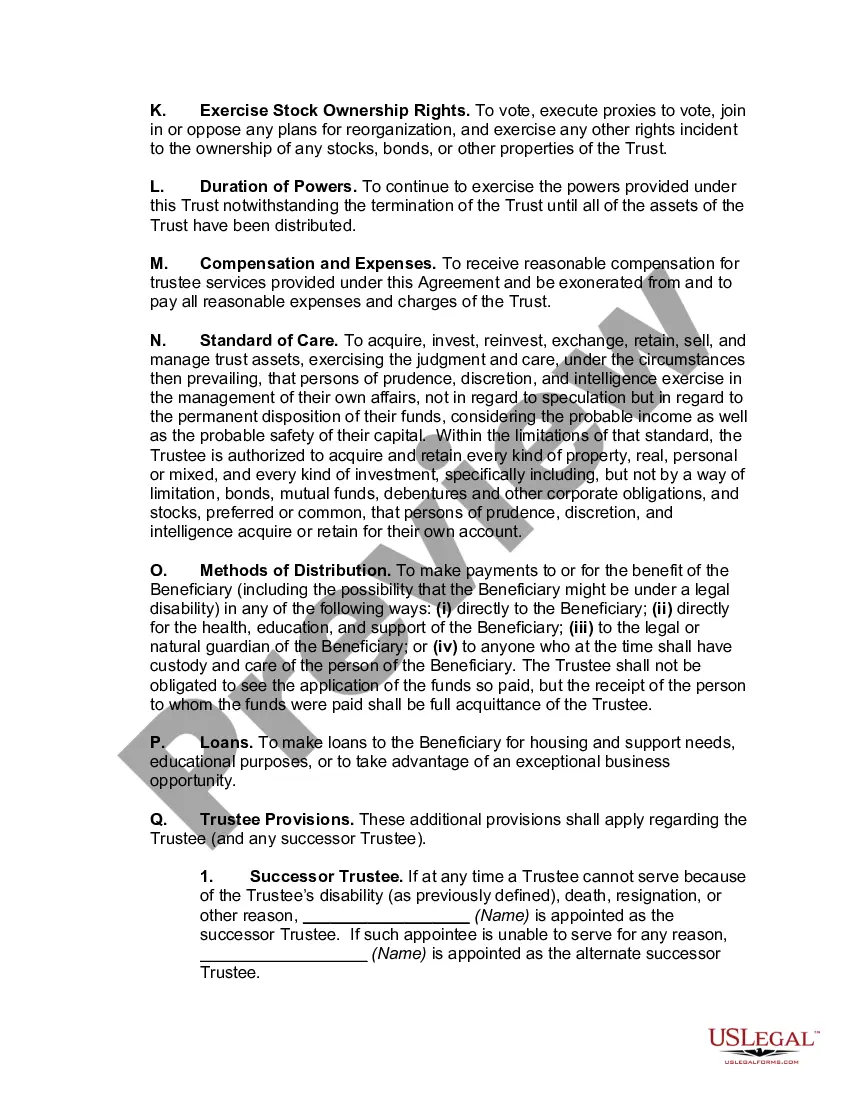
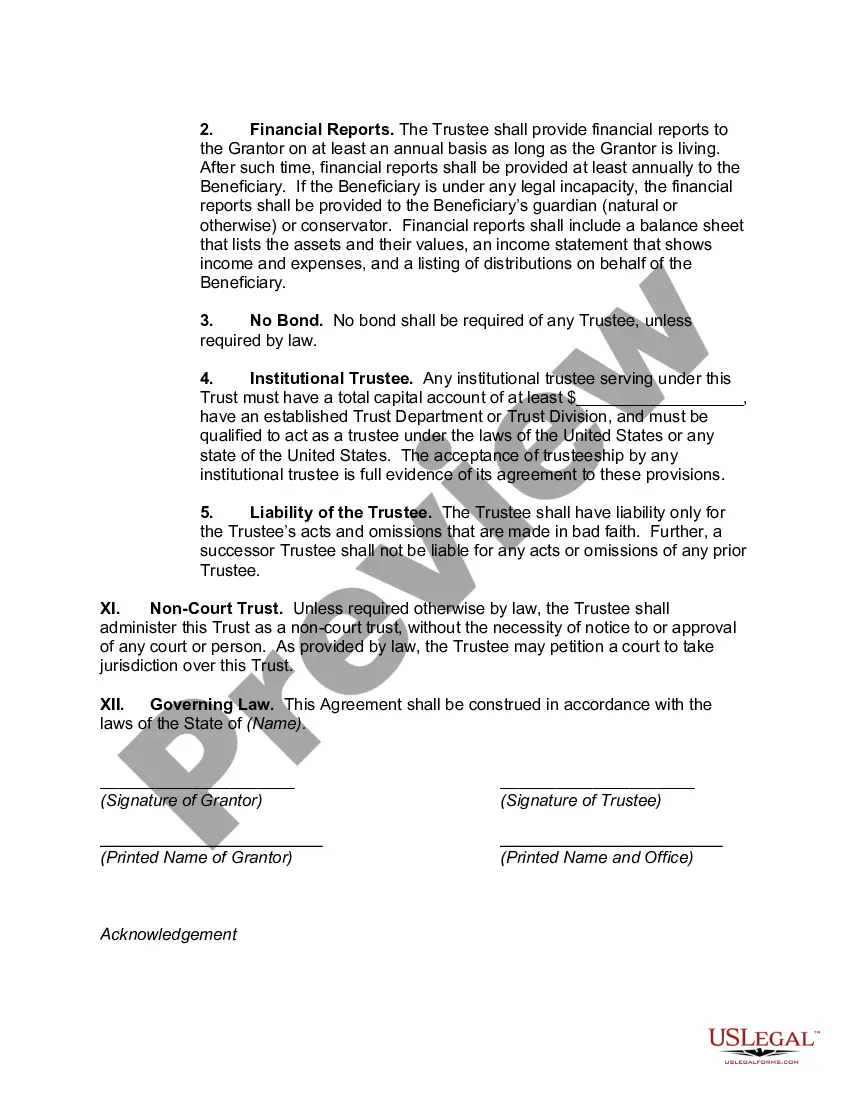
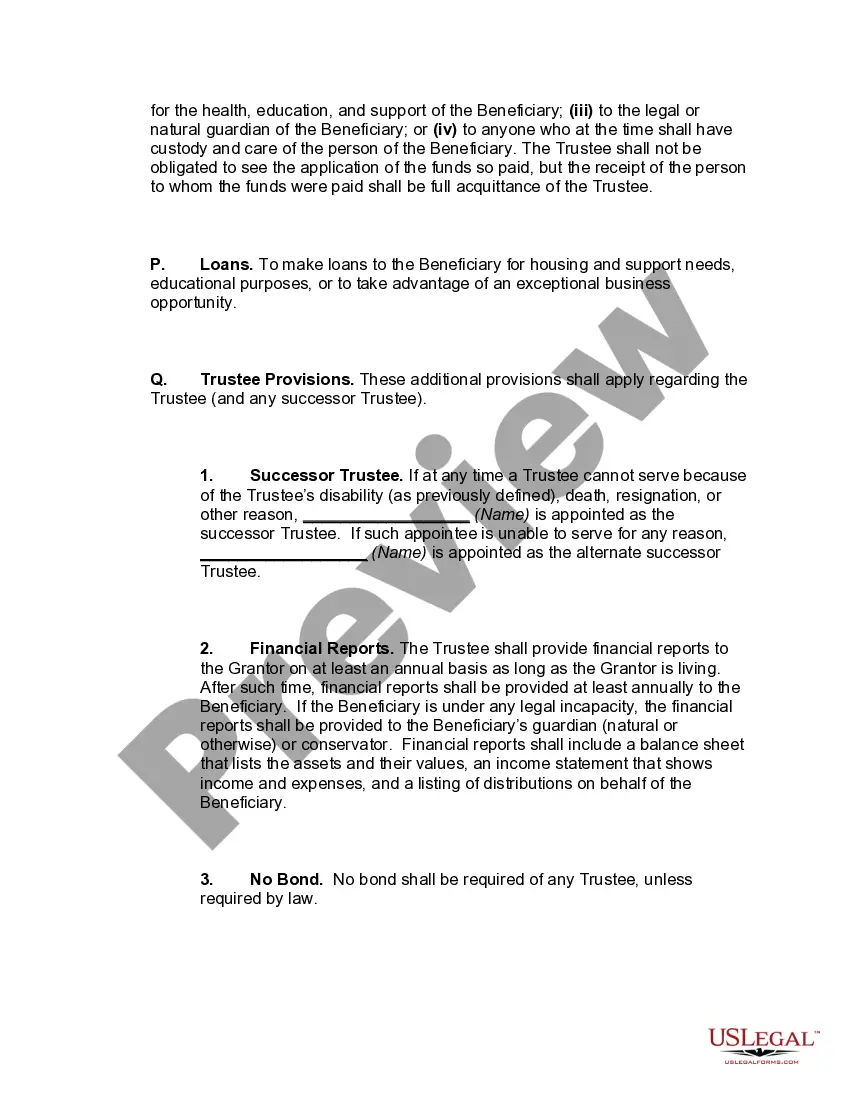
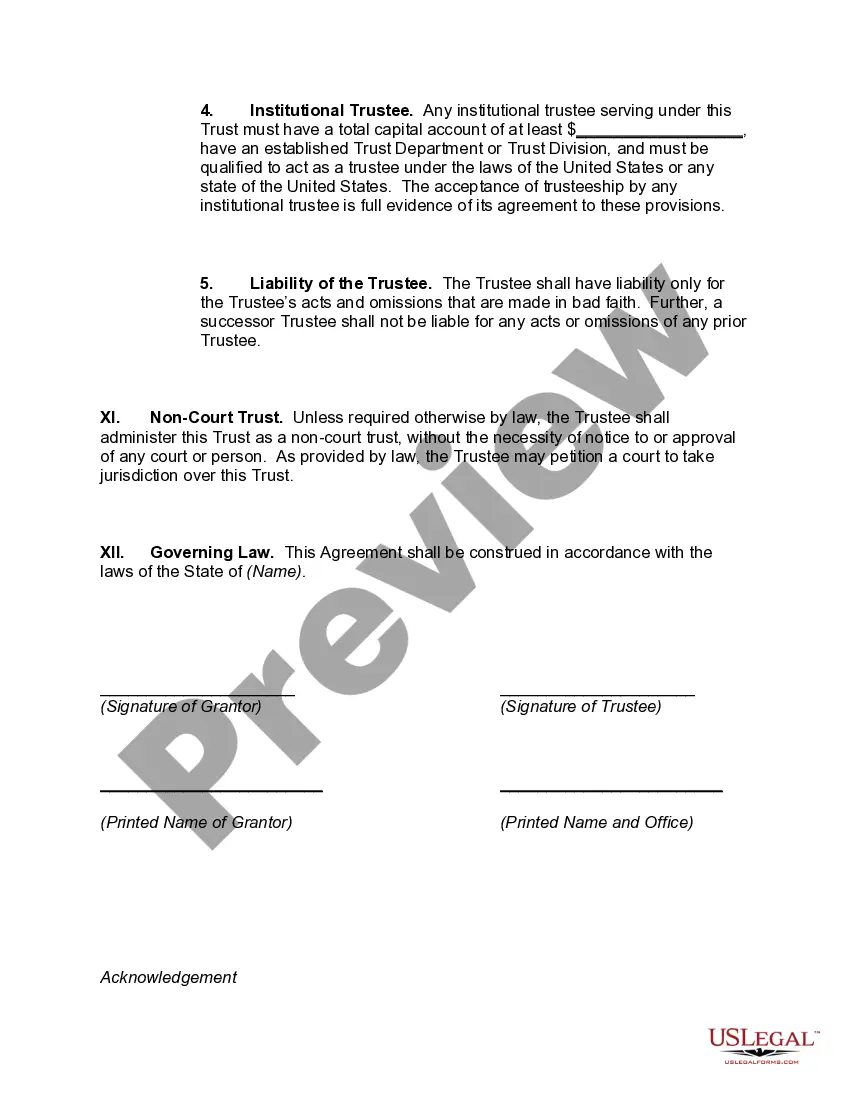
Testamentary Trust Form With 2 Points
Description
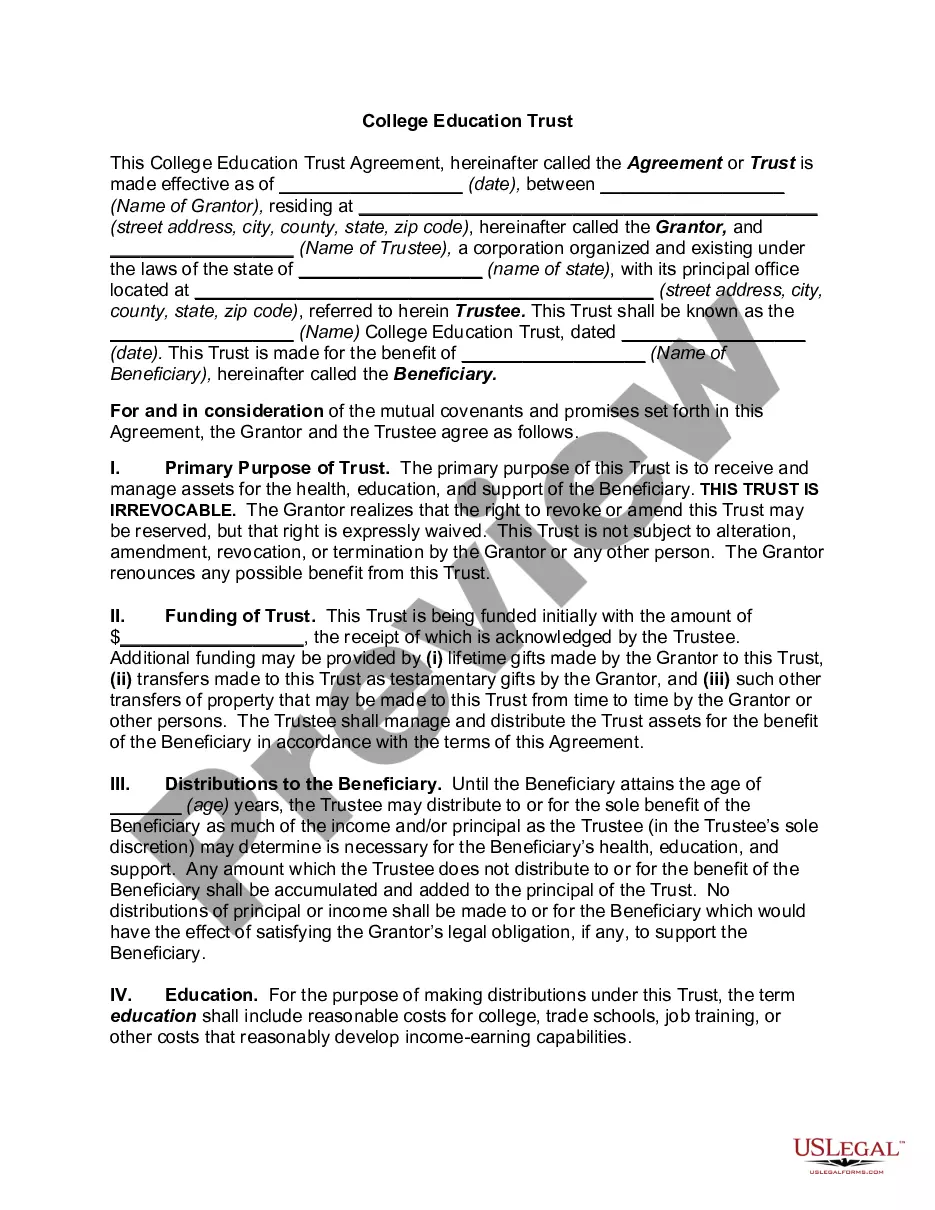
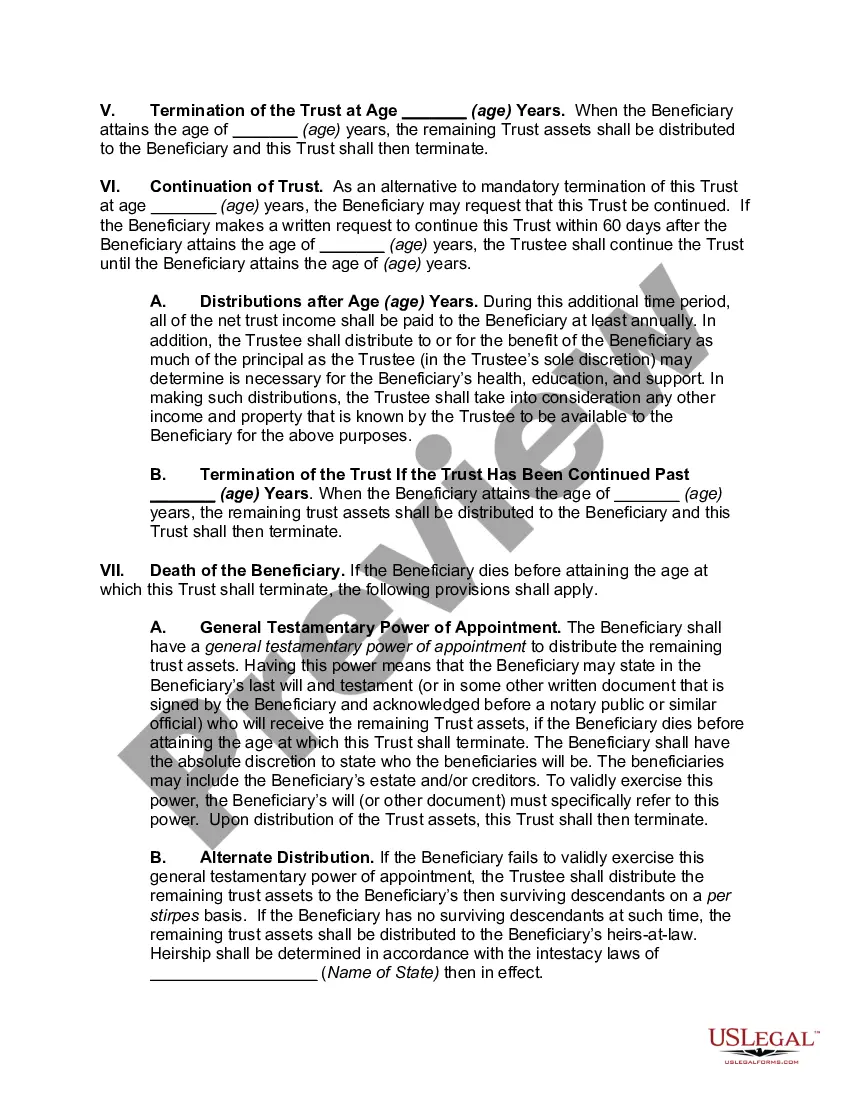
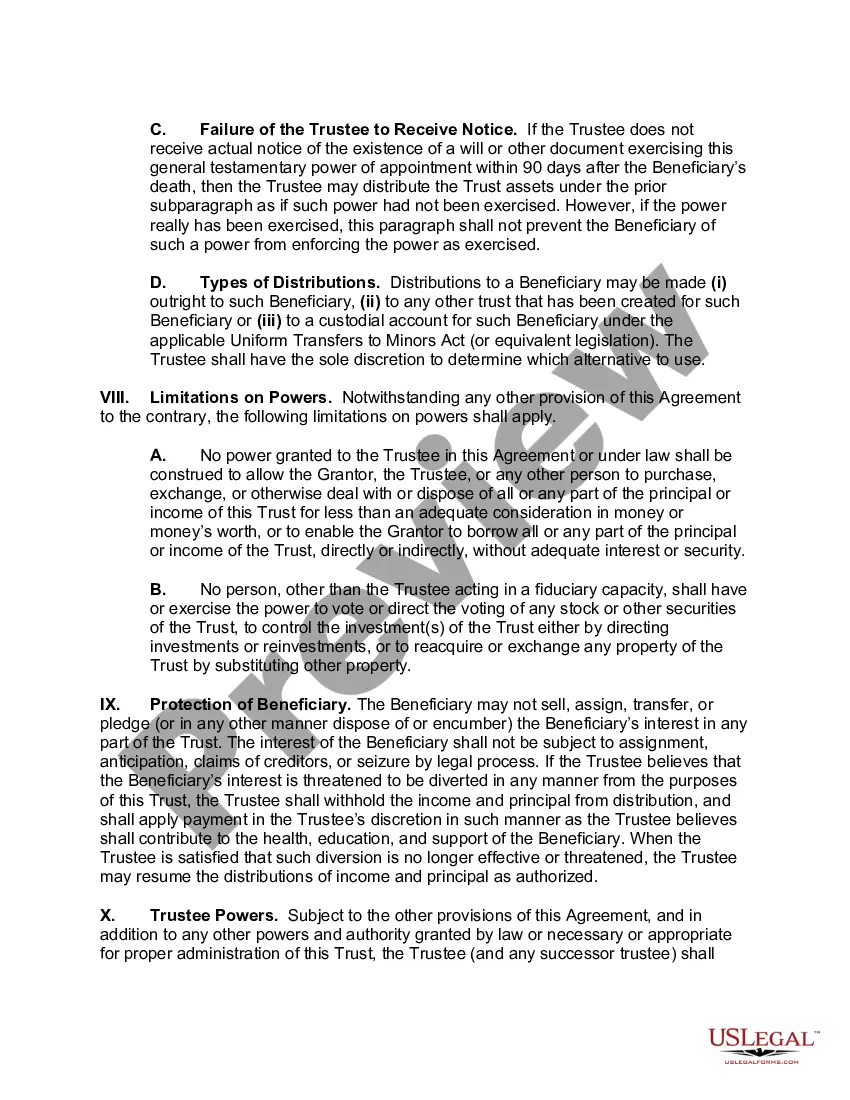
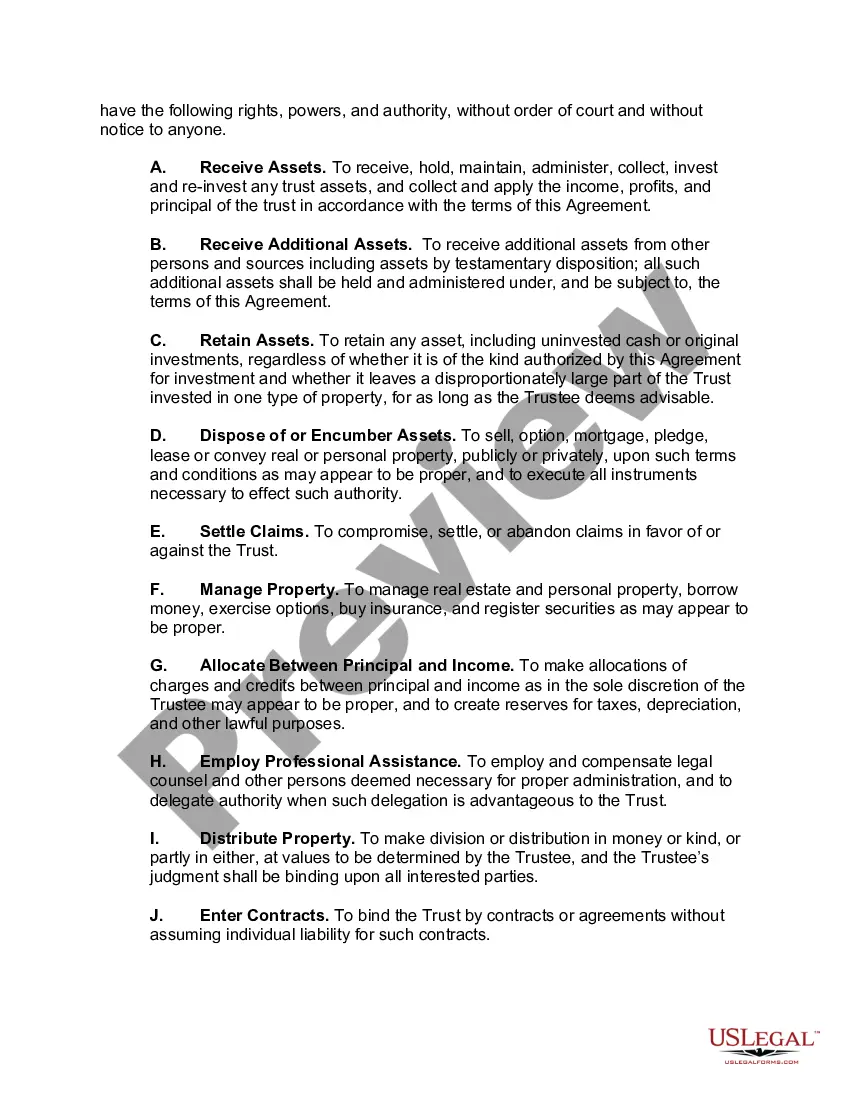
Get your form ready online
Our built-in tools help you complete, sign, share, and store your documents in one place.
Make edits, fill in missing information, and update formatting in US Legal Forms—just like you would in MS Word.
Download a copy, print it, send it by email, or mail it via USPS—whatever works best for your next step.
Sign and collect signatures with our SignNow integration. Send to multiple recipients, set reminders, and more. Go Premium to unlock E-Sign.
If this form requires notarization, complete it online through a secure video call—no need to meet a notary in person or wait for an appointment.
We protect your documents and personal data by following strict security and privacy standards.

Make edits, fill in missing information, and update formatting in US Legal Forms—just like you would in MS Word.

Download a copy, print it, send it by email, or mail it via USPS—whatever works best for your next step.

Sign and collect signatures with our SignNow integration. Send to multiple recipients, set reminders, and more. Go Premium to unlock E-Sign.

If this form requires notarization, complete it online through a secure video call—no need to meet a notary in person or wait for an appointment.

We protect your documents and personal data by following strict security and privacy standards.
Looking for another form?




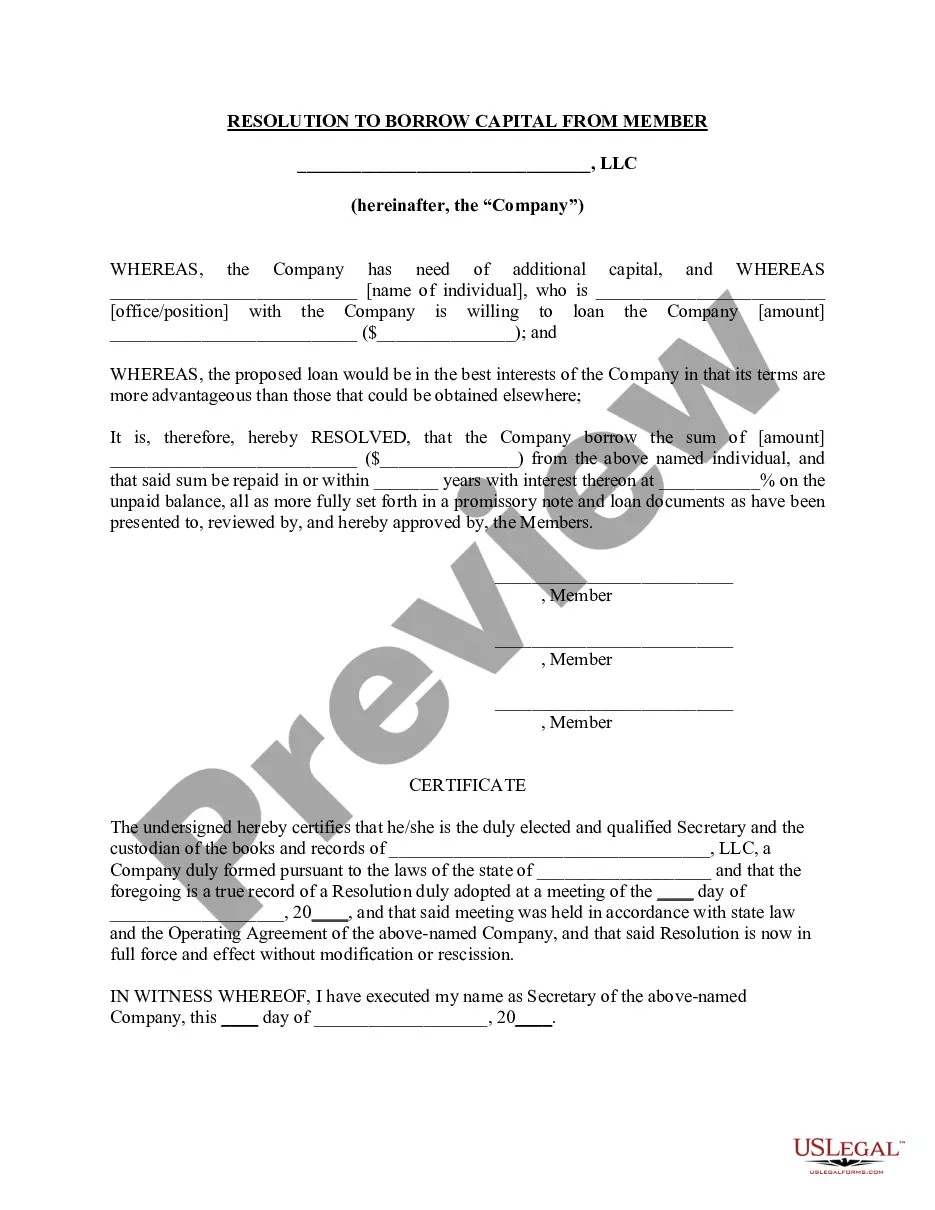


How to fill out College Education Trust Agreement?
It’s clear that you cannot transform into a legal specialist instantly, nor can you swiftly learn to draft a Testamentary Trust Form With 2 Points without possessing a specialized skill set. Assembling legal documents is a labor-intensive task that necessitates specific training and expertise. So why not entrust the development of the Testamentary Trust Form With 2 Points to the professionals.
With US Legal Forms, one of the most extensive legal template collections, you can discover everything from court documents to templates for internal business communication. We understand how vital compliance and adherence to federal and state regulations are. That’s why, on our platform, all templates are location-specific and current.
Here’s how you can initiate your journey on our website and obtain the form you need in just a few minutes.
You can access your documents again from the My documents tab at any time. If you are an existing customer, you can simply Log In, and locate and download the template from the same tab.
Regardless of the intent of your documentation—whether it’s financial and legal, or personal—our website has you covered. Try US Legal Forms today!
- Locate the form you need by utilizing the search bar at the top of the page.
- View it (if this option is available) and review the accompanying description to determine if the Testamentary Trust Form With 2 Points is what you are looking for.
- Start your search again if you require a different template.
- Create a free account and select a subscription plan to acquire the template.
- Click Buy now. Once the transaction is completed, you can download the Testamentary Trust Form With 2 Points, complete it, print it, and send it or mail it to the necessary individuals or organizations.
Form popularity
FAQ
If the beneficiary of a trust will receive all of the income and principal from the trust, the value of the trust is just the current value of the trust's assets. If ownership of the income and principal is split, one must calculate the net present value of all future payments from the trust to the beneficiary.
To create the actual testamentary trust, the settlor must select the trustee and the beneficiary. Then, the settlor selects which assets are to be placed in the trust. This also includes the specification of how and when these assets are disbursed to the beneficiary.
Testamentary trust example Let's say you're planning your estate and have $100,000 you want to leave to your young child. You create instructions for a testamentary trust to be established after your death and choose your best friend as the testamentary trustee.
These elements are: Intention to create a trust; Permissible purpose for the trust; Identification of beneficiaries; and. Existence of trust res.
Testamentary trusts offer a unique tax advantage that other trusts often do not have. They have a ?step up in basis? that is not available to those who receive money from a living trust. The term ?basis? is a tax term that indicates the value of an item at the time that it was acquired.