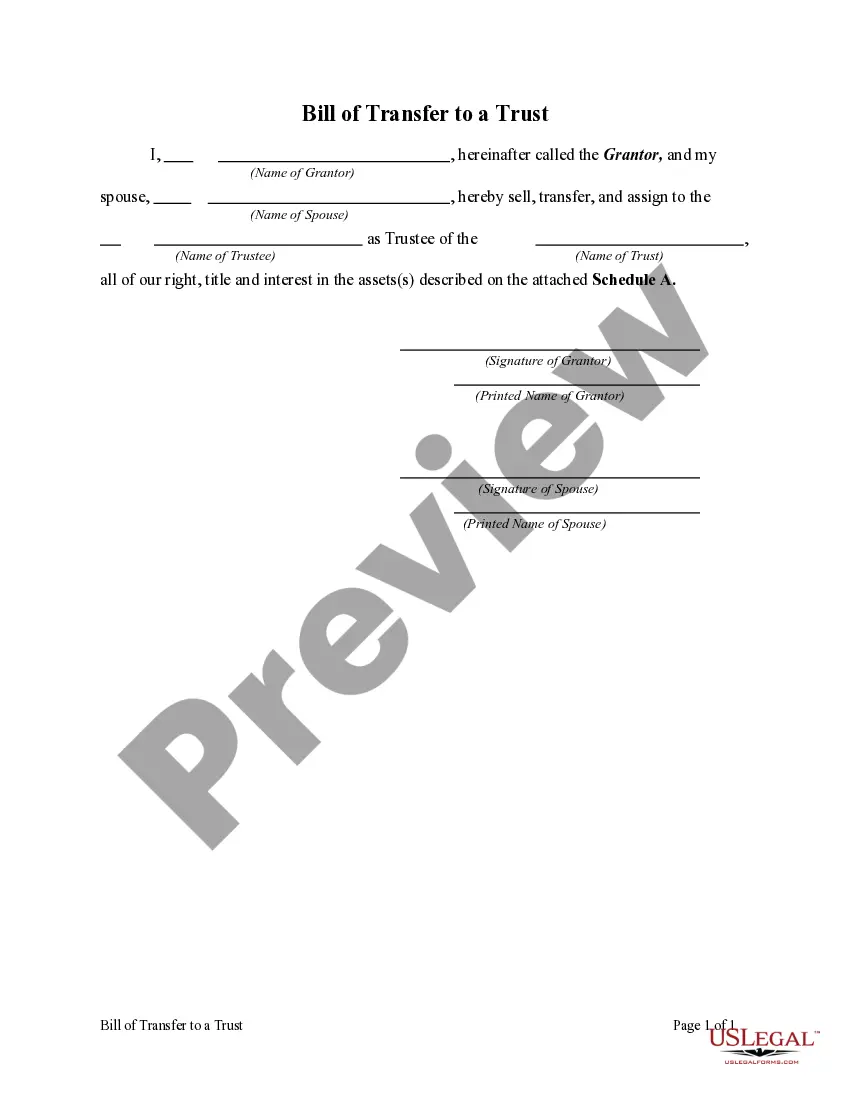
Called Title Trust For Car
Description

Get your form ready online
Our built-in tools help you complete, sign, share, and store your documents in one place.
Make edits, fill in missing information, and update formatting in US Legal Forms—just like you would in MS Word.
Download a copy, print it, send it by email, or mail it via USPS—whatever works best for your next step.
Sign and collect signatures with our SignNow integration. Send to multiple recipients, set reminders, and more. Go Premium to unlock E-Sign.
If this form requires notarization, complete it online through a secure video call—no need to meet a notary in person or wait for an appointment.
We protect your documents and personal data by following strict security and privacy standards.

Make edits, fill in missing information, and update formatting in US Legal Forms—just like you would in MS Word.

Download a copy, print it, send it by email, or mail it via USPS—whatever works best for your next step.

Sign and collect signatures with our SignNow integration. Send to multiple recipients, set reminders, and more. Go Premium to unlock E-Sign.

If this form requires notarization, complete it online through a secure video call—no need to meet a notary in person or wait for an appointment.

We protect your documents and personal data by following strict security and privacy standards.
Looking for another form?






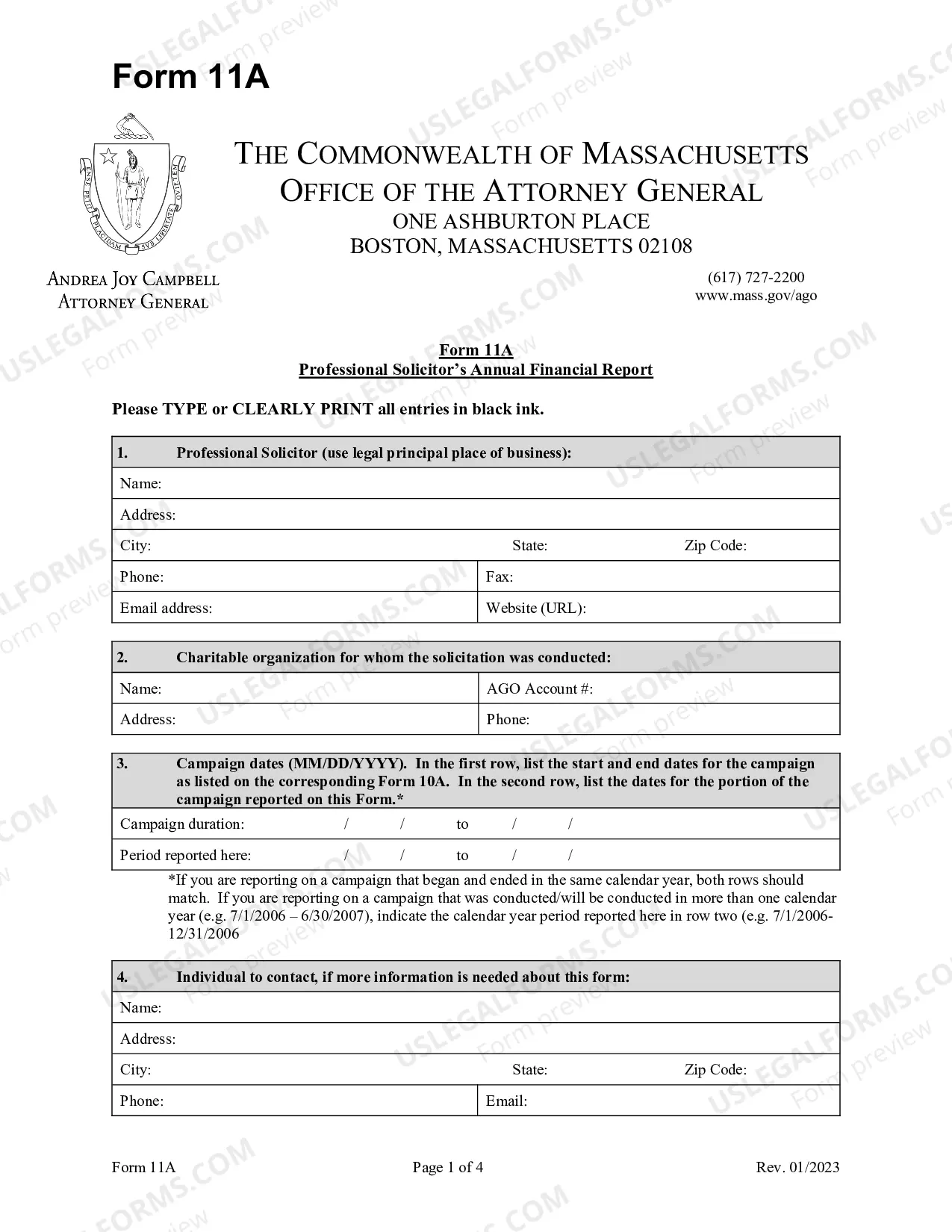

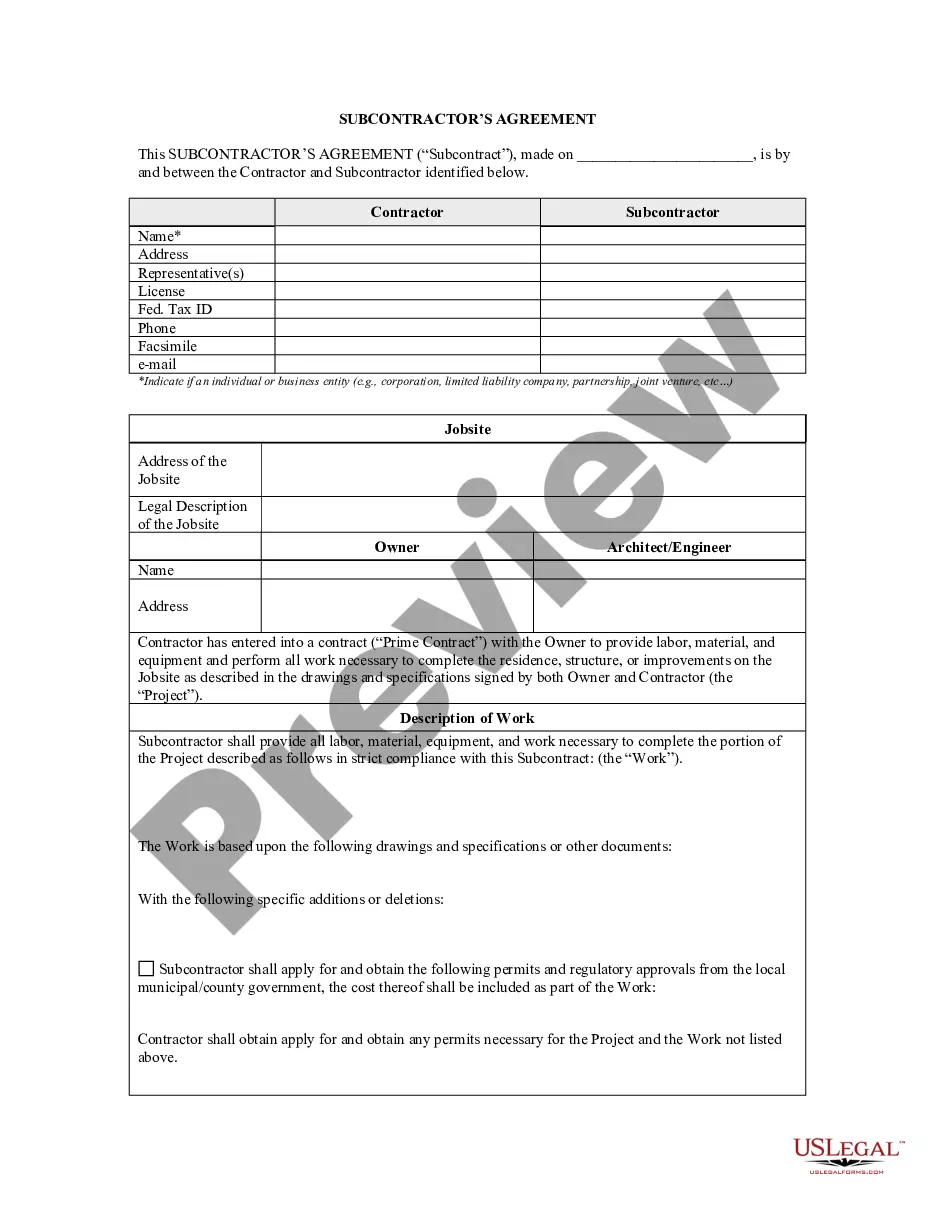
How to fill out Bill Of Transfer To A Trust?
Managing legal matters can be perplexing, even for seasoned professionals.
If you're interested in a Called Title Trust For Car and lack the time to seek out the correct and updated version, the process can be stressful.
US Legal Forms fulfills all potential requirements you might have, from personal to business papers, all in one location.
Utilize advanced tools to complete and manage your Called Title Trust For Car.
Here are the steps to follow after downloading the desired form: Verify it is the correct form by previewing and reviewing its details.
- Gain access to a valuable repository of articles, guides, and materials pertinent to your circumstances and necessities.
- Save time and effort in finding the required documents, and use US Legal Forms’ sophisticated search and Review feature to identify Called Title Trust For Car and obtain it.
- If you possess a subscription, Log In to your US Legal Forms account, locate the form, and download it.
- Check your My documents section to review previously saved documents and organize your folders as needed.
- If this is your first time with US Legal Forms, create a complimentary account to enjoy unrestricted access to the library's benefits.
- A comprehensive online form catalog could be transformative for anyone looking to navigate these scenarios efficiently.
- US Legal Forms stands as a leading provider of online legal documents, with over 85,000 state-specific legal forms available to you at any moment.
- With US Legal Forms, you have access to state or county-specific legal and business documents.
Form popularity
FAQ
To put your car in a trust, you start by creating a trust document, which outlines the terms and beneficiaries of the trust. Next, you need to transfer the title of your car to the trust, typically by completing a title transfer form with your state's Department of Motor Vehicles. This process often requires you to provide a copy of the trust document. For a seamless experience, consider using the US Legal Forms platform, which offers resources to help you with the title trust for car process.
The title of a trust generally includes the name of the trust, the trust's date, and the names of the trustees. If you use a title trust for car, that document will clearly state that the vehicle is held in trust and outline the terms of the management and distribution of the vehicle. A well-prepared trust title provides clarity, helping you navigate ownership and responsibilities. Consult uslegalforms for templates and guidance on establishing your title trust.
Certain items, such as personal property and everyday-use vehicles, may not need to be included in a trust. Additionally, if an asset’s value would be negatively impacted by being in a title trust for car, it might be better to keep it separate. Focusing on significant investments or property is usually more beneficial. Be sure to consult with a professional to assess which items should remain outside your trust.
Vehicles in trusts may face complexities, such as potential tax implications and administrative burdens. Additionally, certain states impose specific regulations that can complicate the process. For many, managing a title trust for car may not be worth the effort given these possible challenges. Evaluating your individual situation with a legal expert could help you decide if keeping your vehicle out of a trust is the better option.
Filling out a certificate of title requires specific information about the vehicle and owner. Start by providing the vehicle's identification number, along with the make and model. It's essential to include the owner's name and address accurately. For those using a title trust for car, ensure that the trust's name is correctly documented to avoid issues during any transfers.
Titles can be placed in a trust, often called a title trust for car, to manage assets for estate planning. By doing so, you simplify the transfer of ownership upon your passing. However, it is wise to weigh the benefits against potential complications in states with strict regulations concerning trusts. Consulting with a legal professional can help you determine if a title trust for car suits your situation.
When a title is held in a trust, it means that the legal ownership of the vehicle is transferred to the trust rather than being owned directly by an individual. This arrangement allows the trustee to manage the vehicle according to the terms of the trust. As a result, a title trust for car offers advantages like protecting the asset and facilitating easier transfer of ownership.
Whether or not to place a car in a trust depends on your individual circumstances. If you have significant assets or wish to simplify the transfer process in the event of your passing, a title trust for car may be a wise choice. Consider your situation, and it could be beneficial to discuss this option with a legal professional.
Titling a car in the name of a trust can be beneficial, especially for estate planning. With a title trust for car, you can ensure that the vehicle is passed on according to your wishes without facing probate complications. This approach also helps in protecting the car from potential claims by creditors.
Yes, you can sell a vehicle that is held within a trust. The trustee can execute the sale on behalf of the trust, making it relatively straightforward. It's important to follow the guidelines established in the trust document to ensure compliance and a smooth transaction.