Trust Beneficiary And Divorce
Description
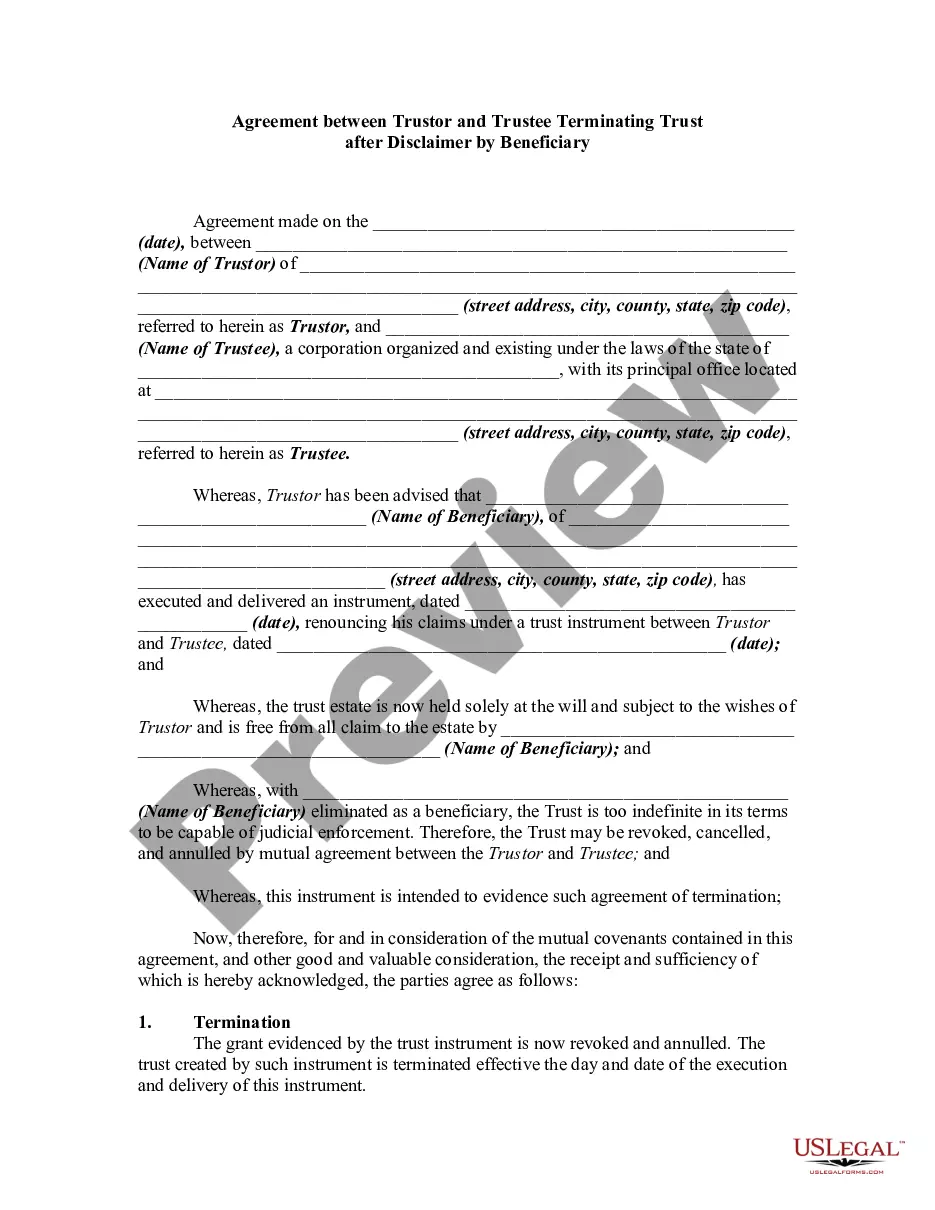
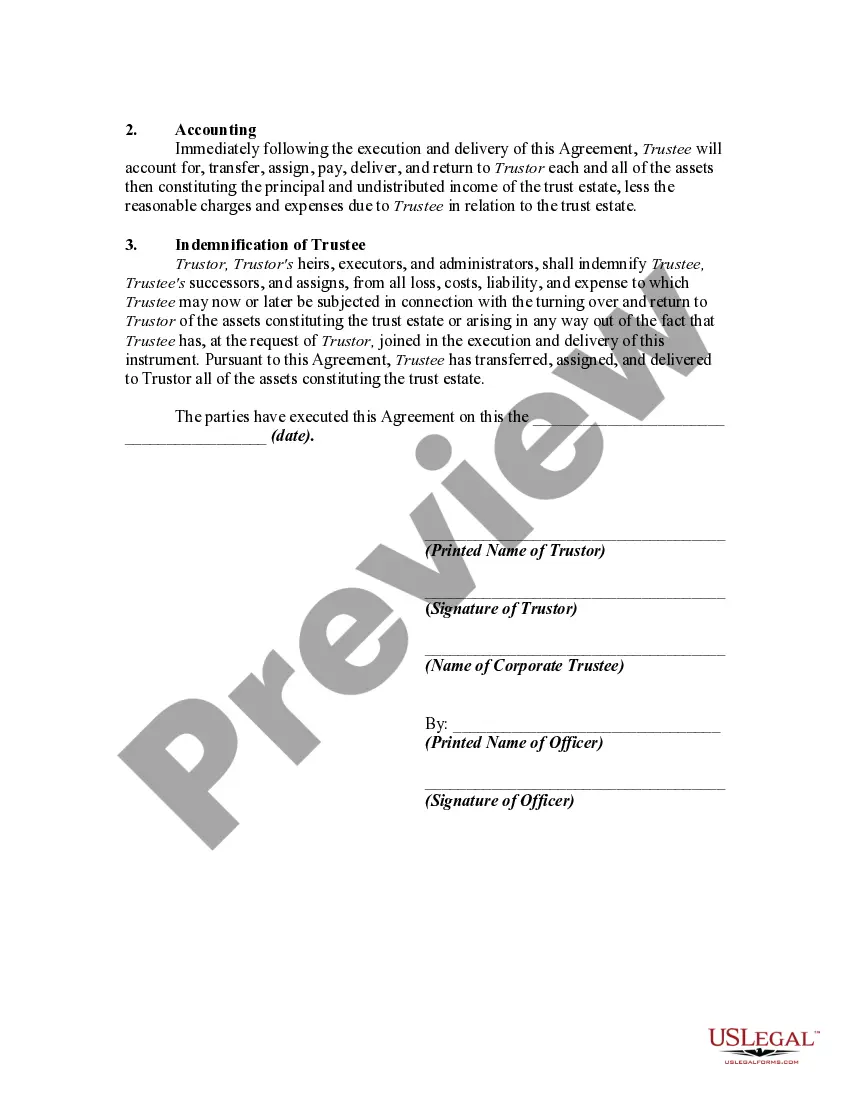
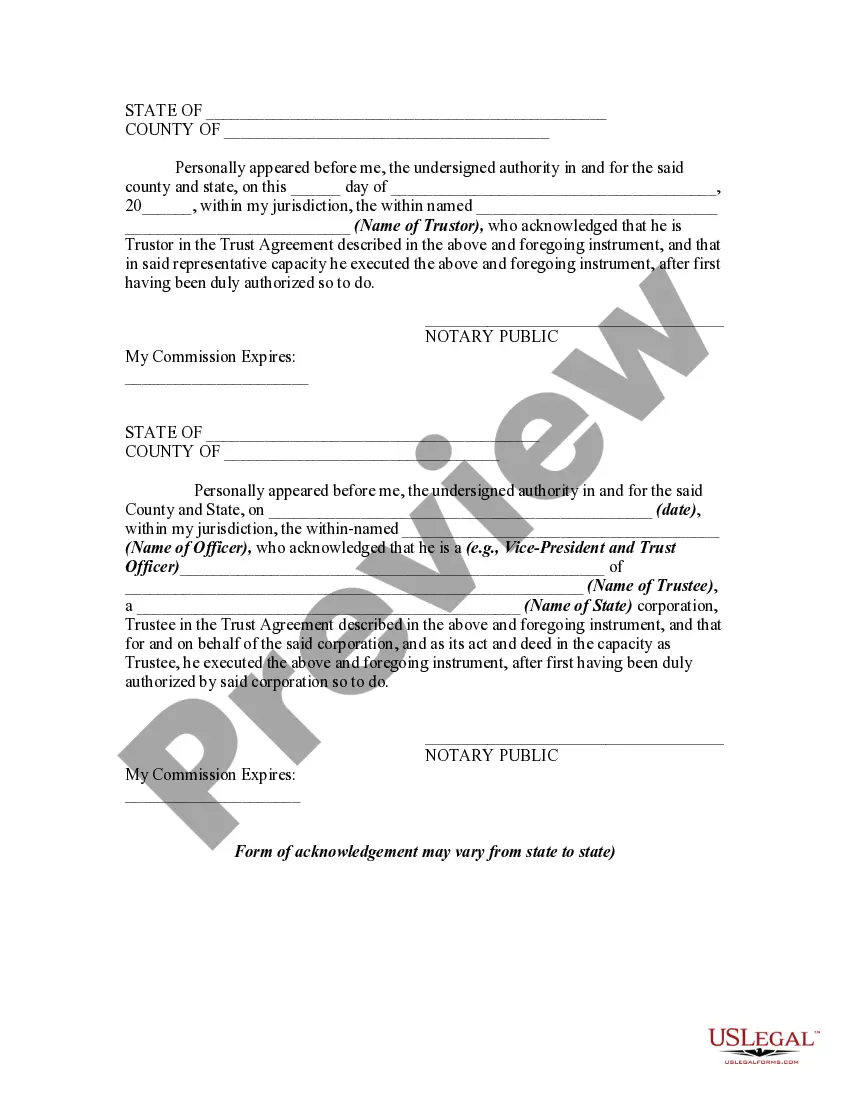
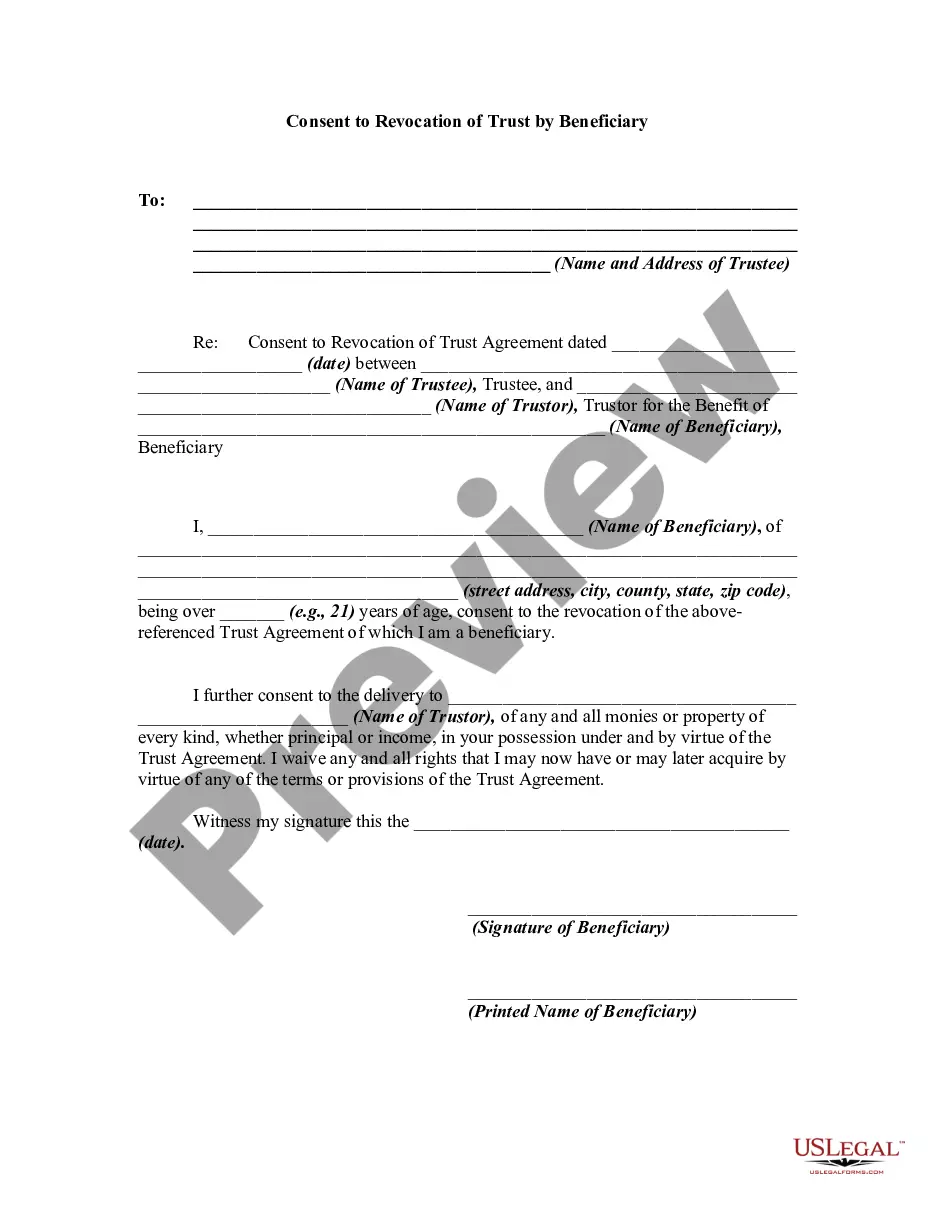
Get your form ready online
Our built-in tools help you complete, sign, share, and store your documents in one place.
Make edits, fill in missing information, and update formatting in US Legal Forms—just like you would in MS Word.
Download a copy, print it, send it by email, or mail it via USPS—whatever works best for your next step.
Sign and collect signatures with our SignNow integration. Send to multiple recipients, set reminders, and more. Go Premium to unlock E-Sign.
If this form requires notarization, complete it online through a secure video call—no need to meet a notary in person or wait for an appointment.
We protect your documents and personal data by following strict security and privacy standards.

Make edits, fill in missing information, and update formatting in US Legal Forms—just like you would in MS Word.

Download a copy, print it, send it by email, or mail it via USPS—whatever works best for your next step.

Sign and collect signatures with our SignNow integration. Send to multiple recipients, set reminders, and more. Go Premium to unlock E-Sign.

If this form requires notarization, complete it online through a secure video call—no need to meet a notary in person or wait for an appointment.

We protect your documents and personal data by following strict security and privacy standards.
Looking for another form?








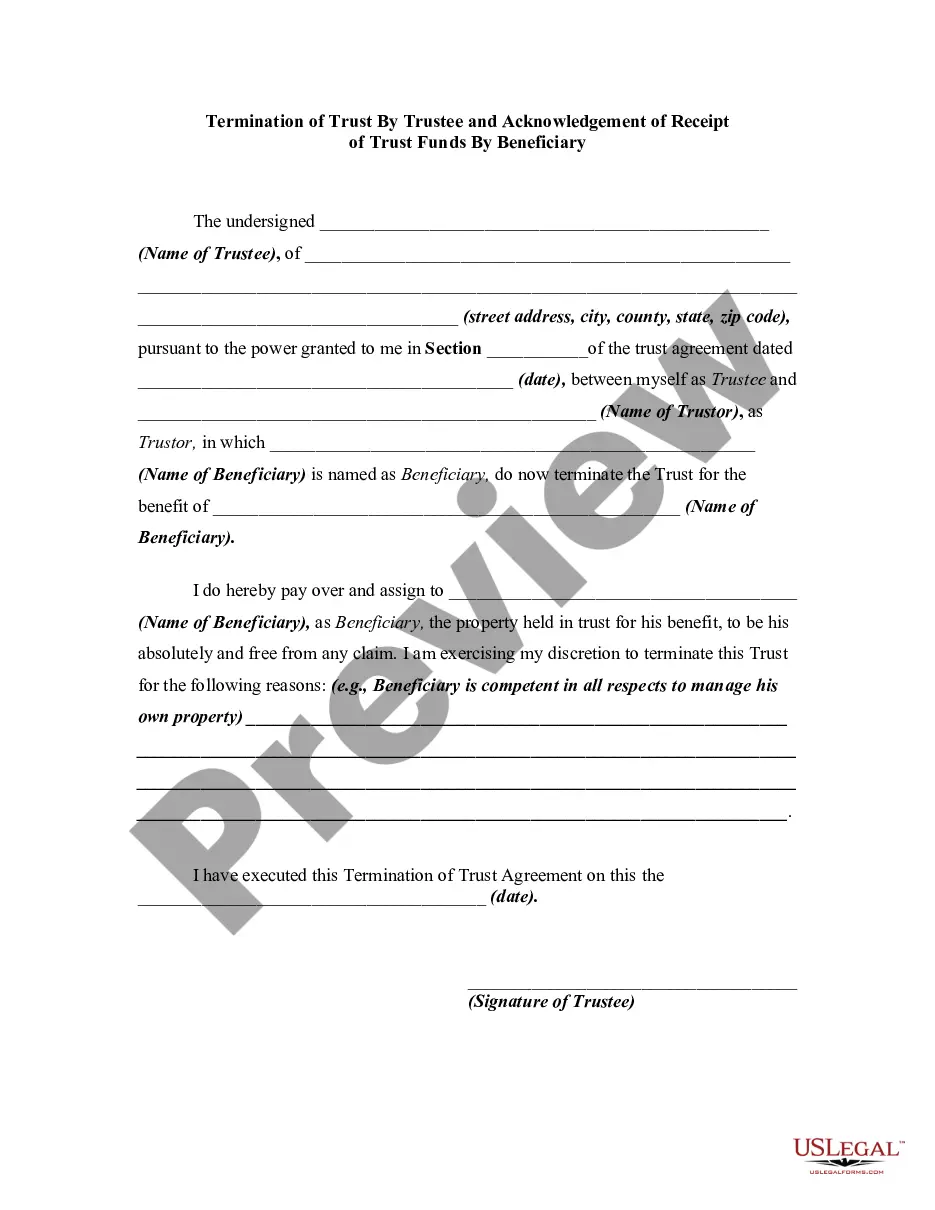
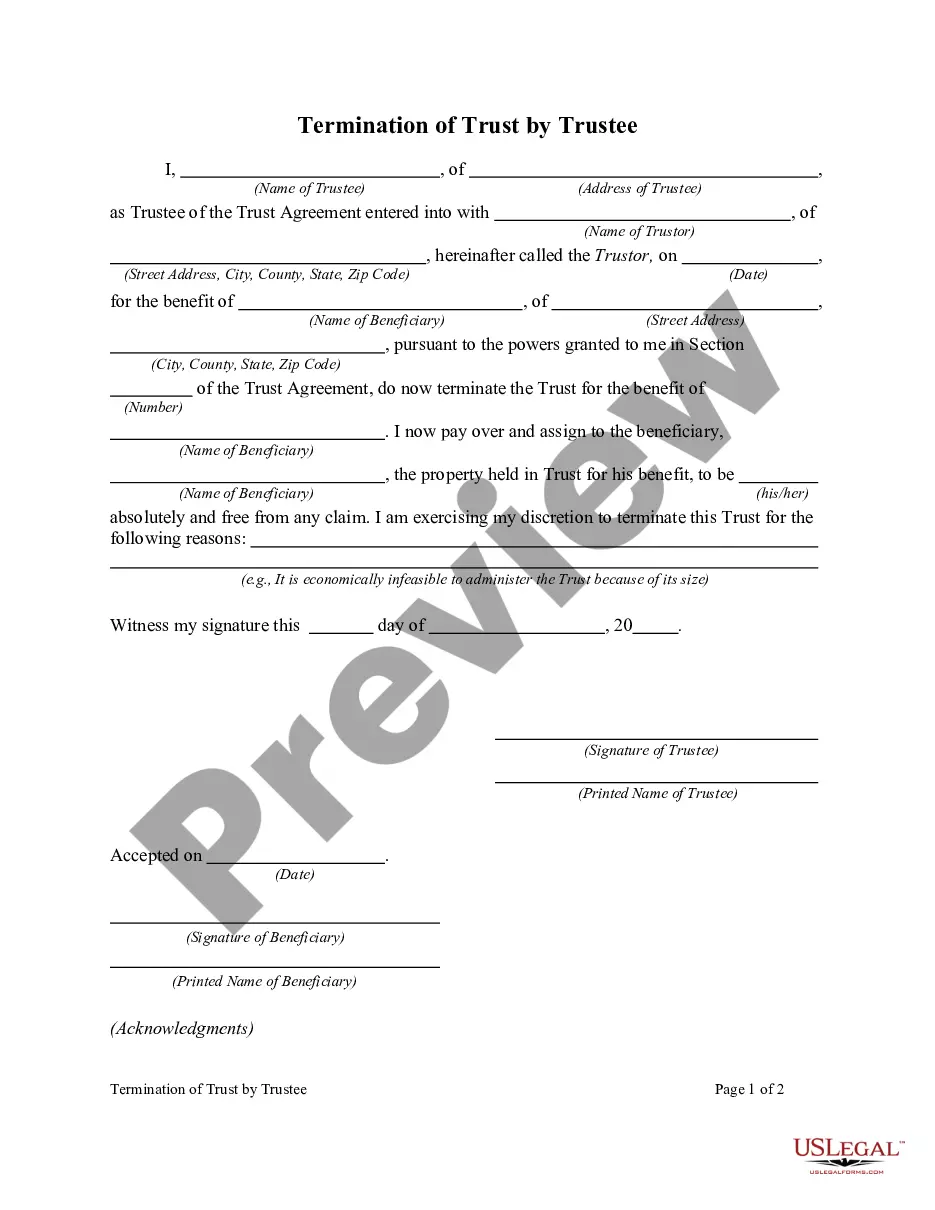
How to fill out Agreement Between Trustor And Trustee Terminating Trust After Disclaimer By Beneficiary?
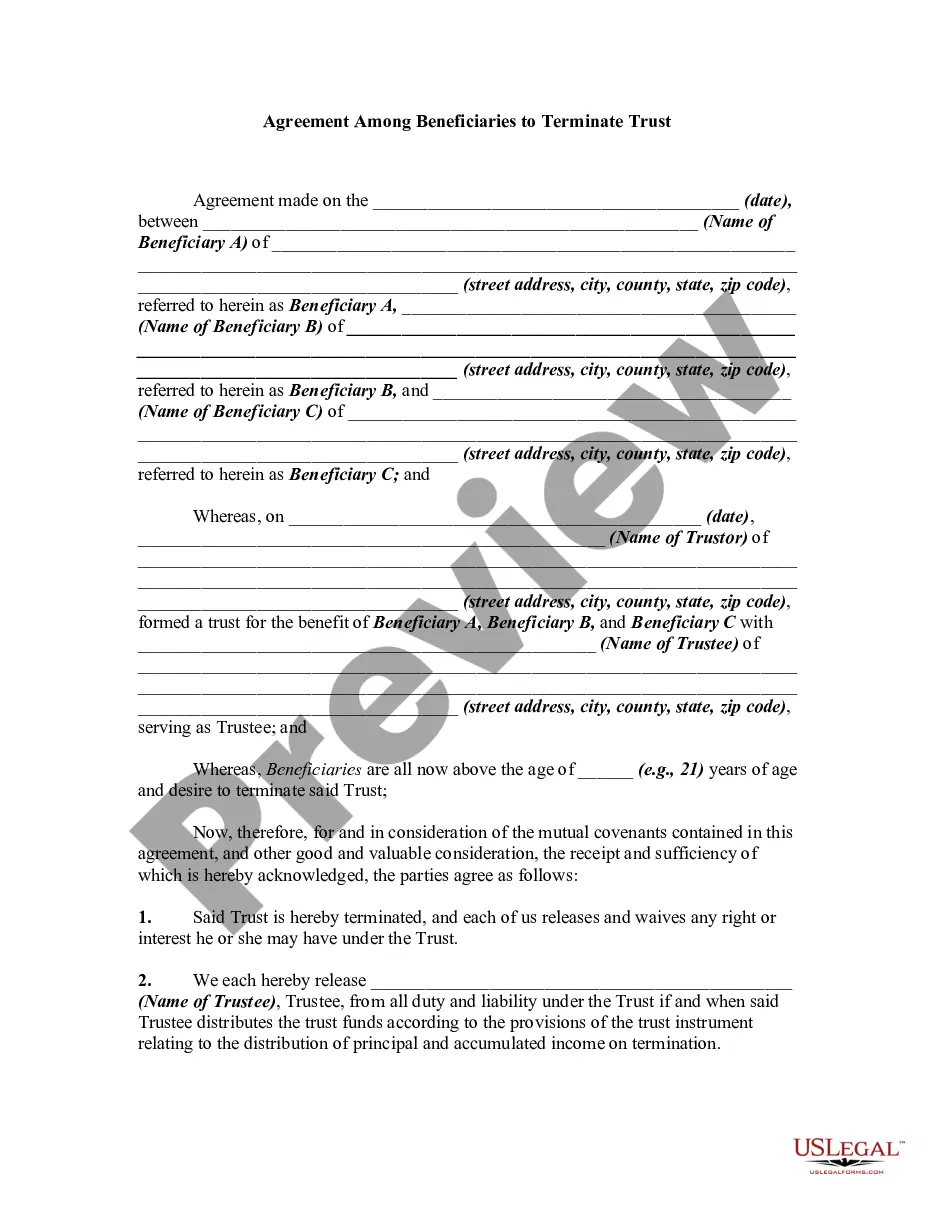
The Trust Beneficiary And Divorce document you observe on this page is a versatile legal template crafted by experienced attorneys in accordance with federal and state laws and regulations.
For over 25 years, US Legal Forms has supplied individuals, businesses, and legal practitioners with more than 85,000 confirmed, state-specific documents for any business and personal situation. It is the quickest, simplest, and most dependable method to acquire the documents you require, as the service assures the utmost level of data security and anti-malware defense.
Register for US Legal Forms to access verified legal templates for all of life's situations at your fingertips.
- Search for the document you require and review it.
- Browse through the sample you found and preview it or examine the form description to confirm it meets your needs. If it doesn’t, utilize the search feature to find the correct one. Click Buy Now once you have identified the template you need.
- Subscribe and Log In.
- Select the pricing plan that works for you and create an account. Use PayPal or a credit card for a swift payment. If you already possess an account, Log In and verify your subscription to continue.
- Obtain the editable template.
- Pick the format you desire for your Trust Beneficiary And Divorce (PDF, Word, RTF) and store the sample on your device.
- Fill out and sign the document.
- Print the template to complete it manually. Alternatively, utilize an online multifunctional PDF editor to swiftly and accurately fill out and sign your form with a valid signature.
- Redownload your documents.
- Utilize the same document again whenever necessary. Access the My documents section in your profile to redownload any previously bought forms.
Form popularity
FAQ
When discussing trust beneficiary and divorce, it's important to recognize that certain assets may remain protected. Generally, assets placed in a trust before marriage can be considered untouchable during divorce proceedings. Additionally, inheritance acquired by one spouse, particularly if it is not commingled with marital assets, usually remains safe. It's wise to consult with legal experts to explore how trusts may safeguard your interests.
To protect trust assets from a beneficiary's divorce, establish clear terms within the trust regarding asset distribution. Using an irrevocable trust may provide additional protection, as it separates control from the beneficiary. Utilizing a service like uslegalforms allows you to draft compliant and effective trust documents that reflect your intentions regarding trust beneficiary and divorce.
Generally, an inheritance received by one spouse is not subject to division in divorce, as long as it remains separate property. However, if the inheritance is commingled with marital assets, it could complicate matters. Understanding the interaction between trust beneficiary and divorce is crucial for protecting your inheritance.
When you have a trust and get divorced, the trust will typically not be considered marital property. However, different laws can affect the distribution of assets related to trust beneficiary and divorce. To ensure your assets remain protected, review your trust with a knowledgeable attorney who can guide you through the process.
In general, your wife cannot take half of your trust if the assets are classified as separate property. Trusts can safeguard assets from division in divorce, but this protection depends on the trust's structure and timing. If you’re uncertain about the implications for your specific situation, consider speaking with a legal expert.
Yes, trust assets can be protected from divorce depending on how the trust is set up. If the trust is irrevocable and properly structured, the assets may remain separate from marital property. However, it is essential to consult with an attorney to understand the rules governing trust beneficiary and divorce in your state.
In many cases, a trust beneficiary designation remains valid even after a divorce. This means that assets held in a trust may not automatically be considered marital property, protecting them from division. It's essential to clarify how trust beneficiary and divorce laws apply in your situation to ensure that your intentions are carried out. Consulting with a legal expert from US Legal Forms can help you navigate these complexities.
A trust does not guarantee complete protection from divorce. However, it can play a significant role in protecting your assets during the divorce process. By designating your future assets as a trust beneficiary, you may limit how much is subject to division in a divorce settlement. Understanding the nuances of trust beneficiary and divorce can help you make informed decisions about asset protection.