Release Work Form Doctor
Description
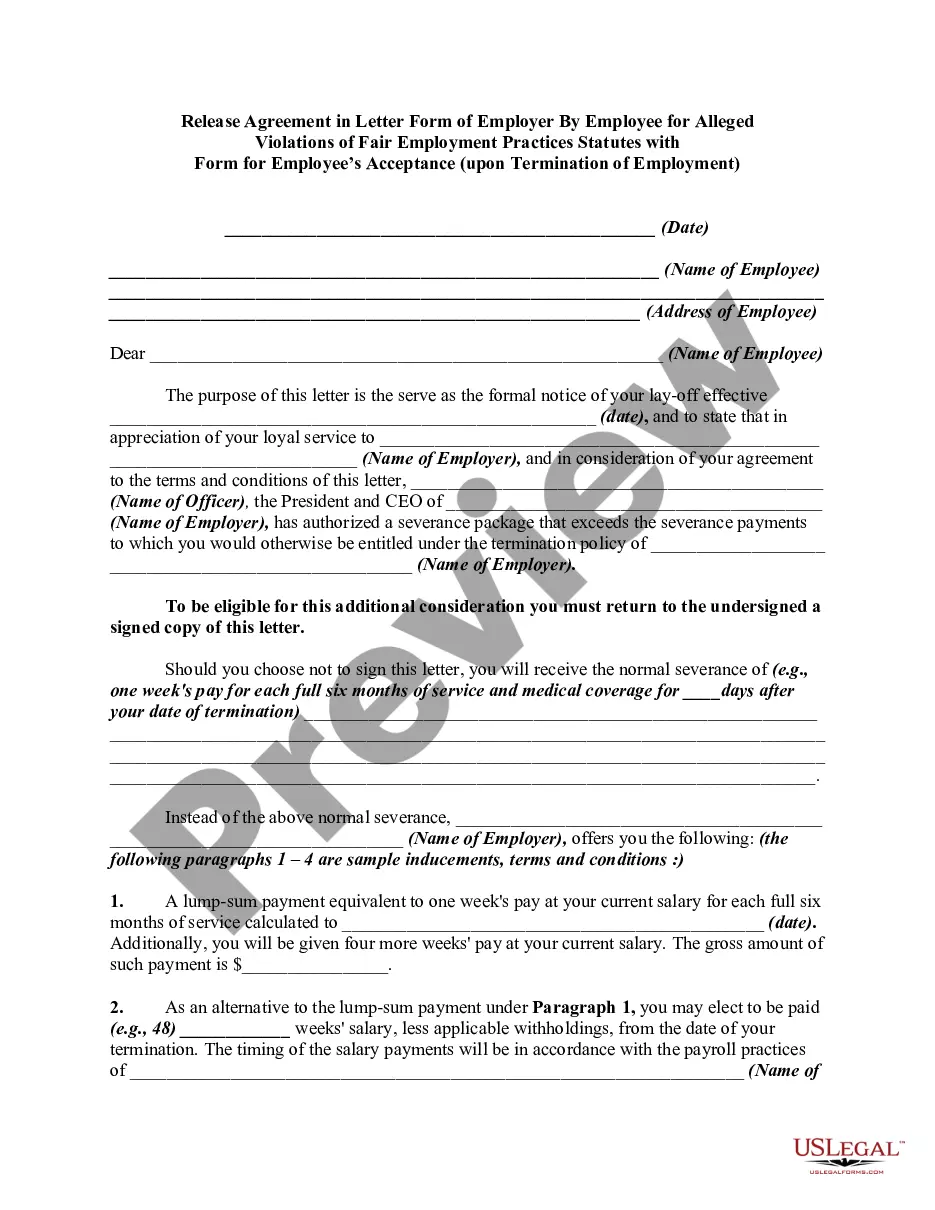
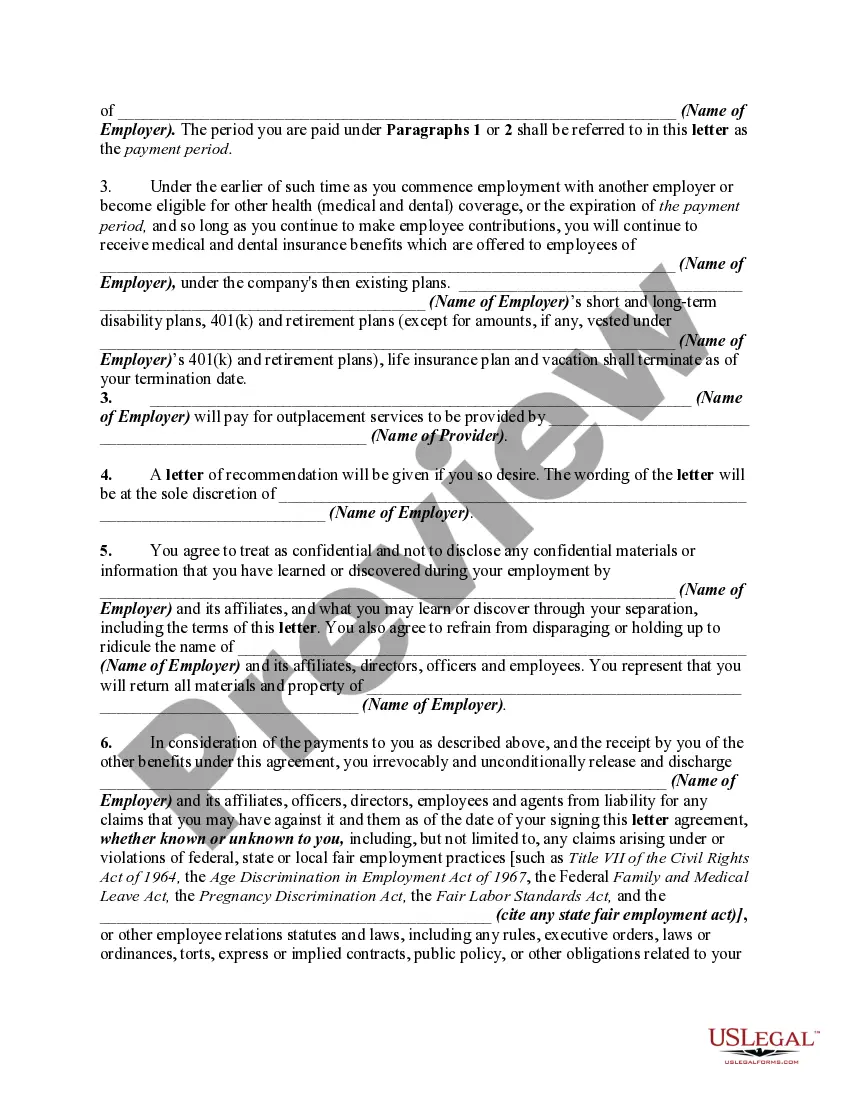
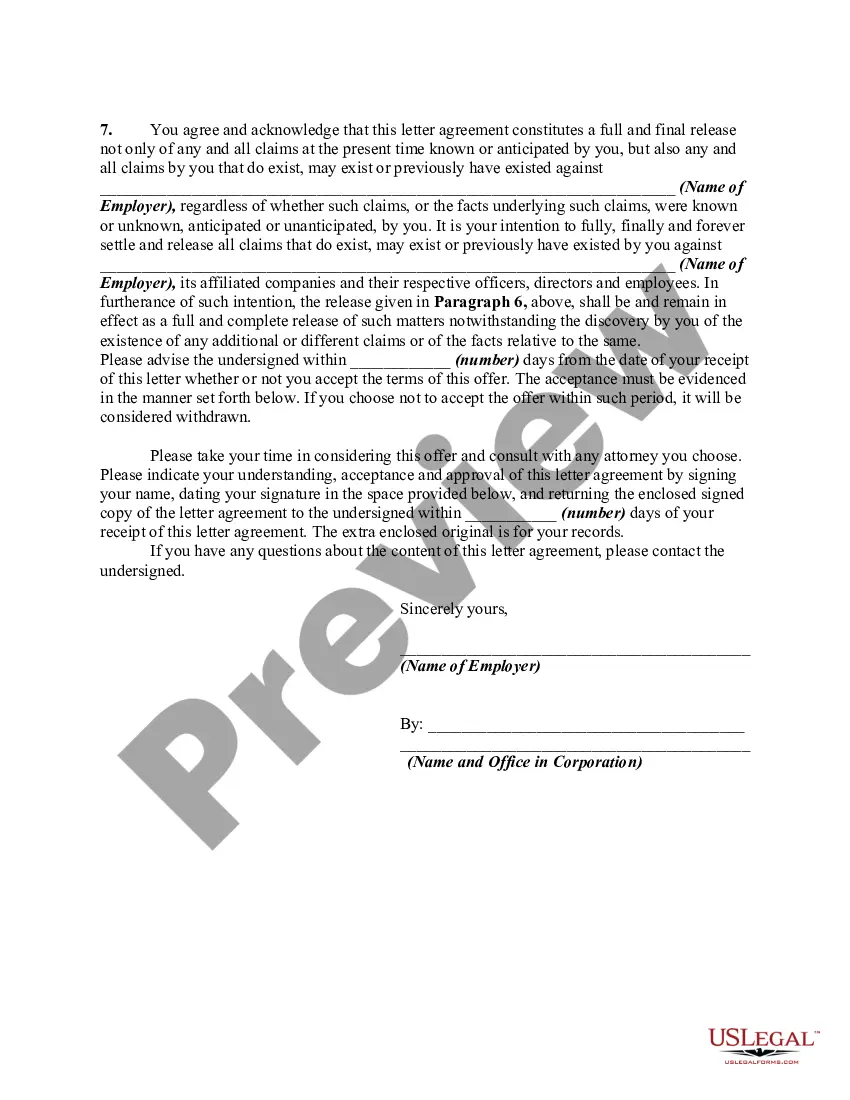
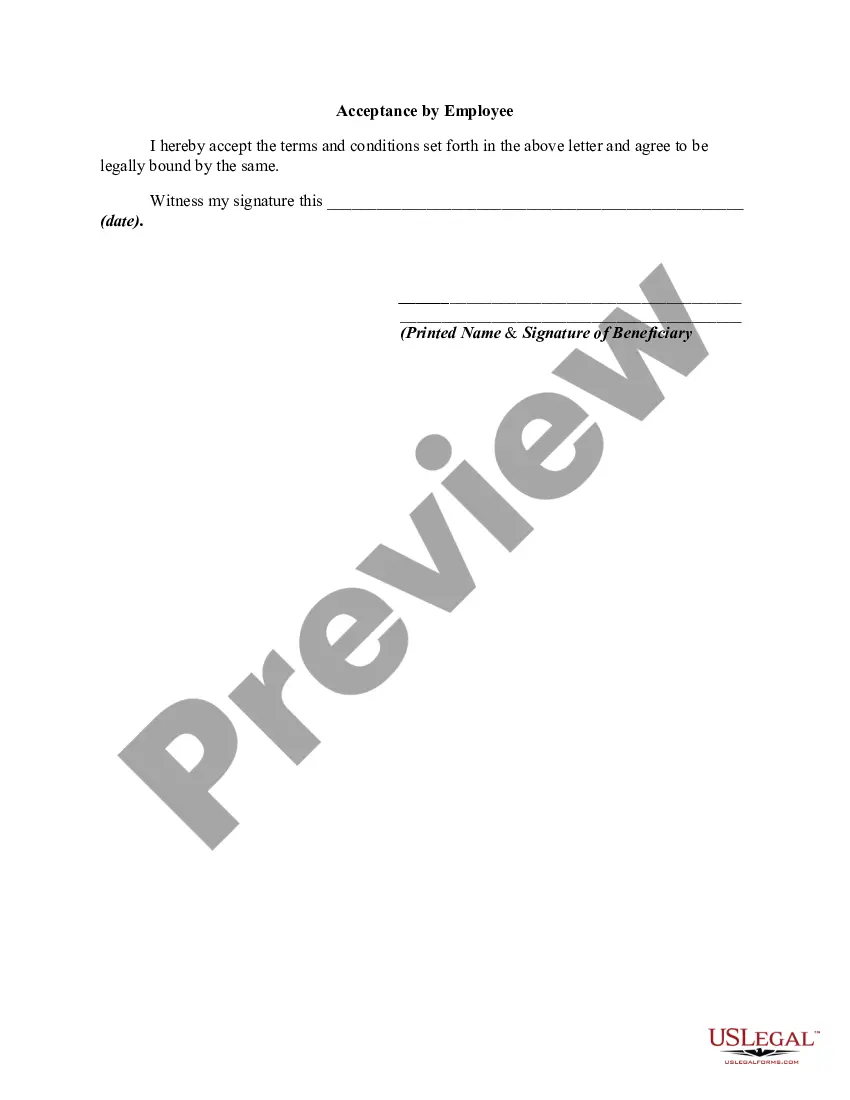
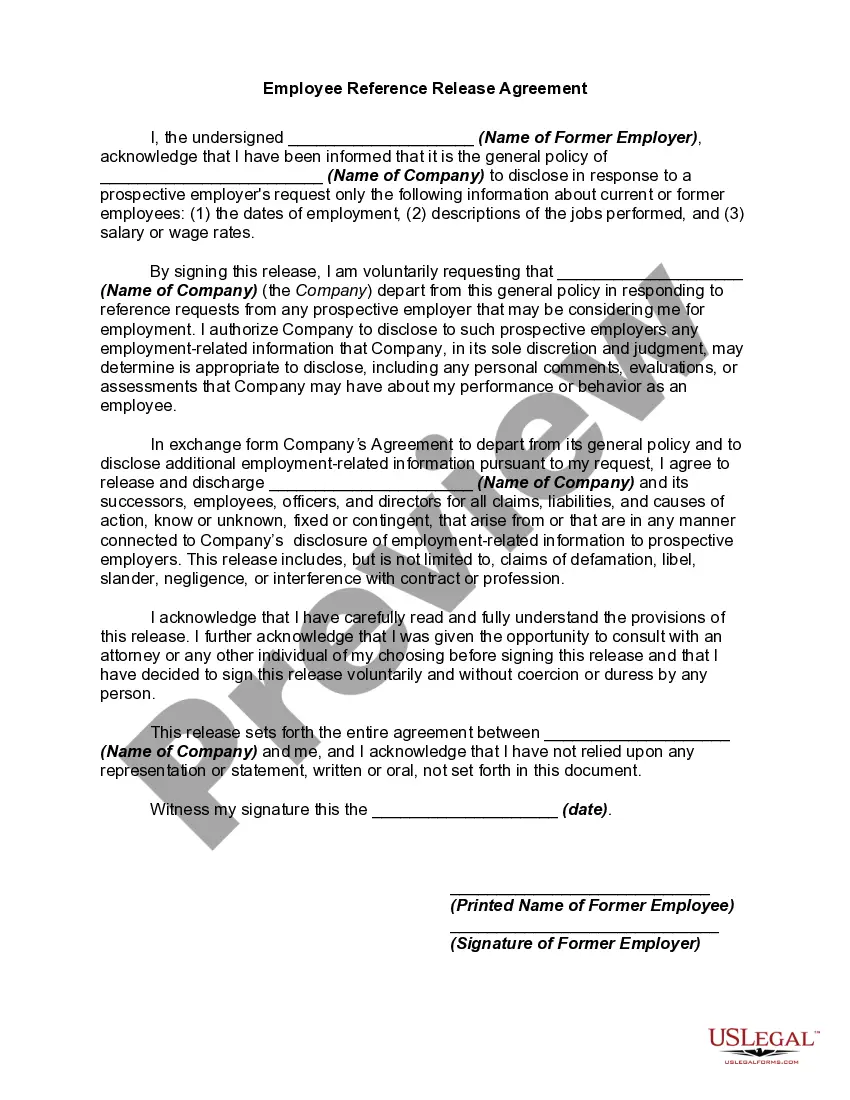
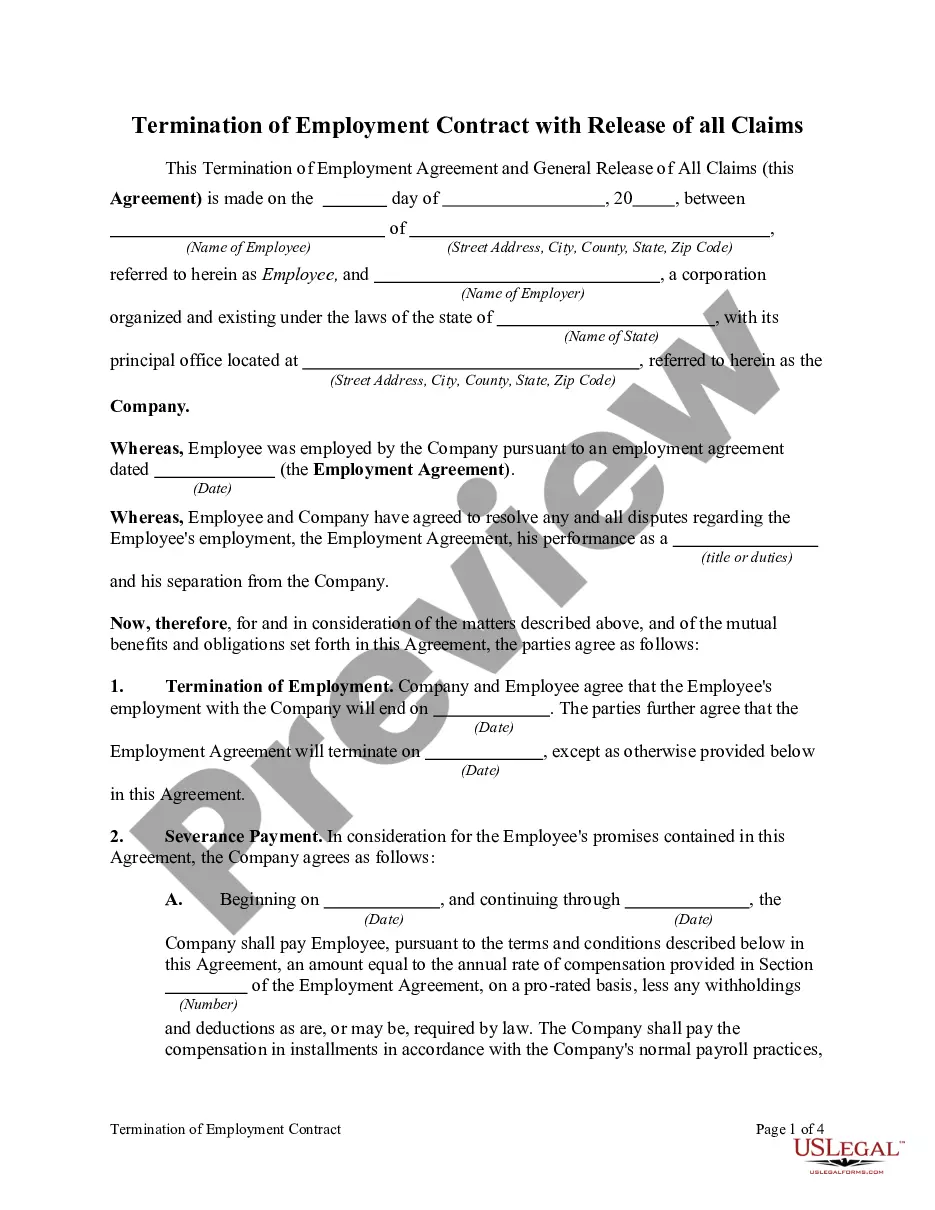
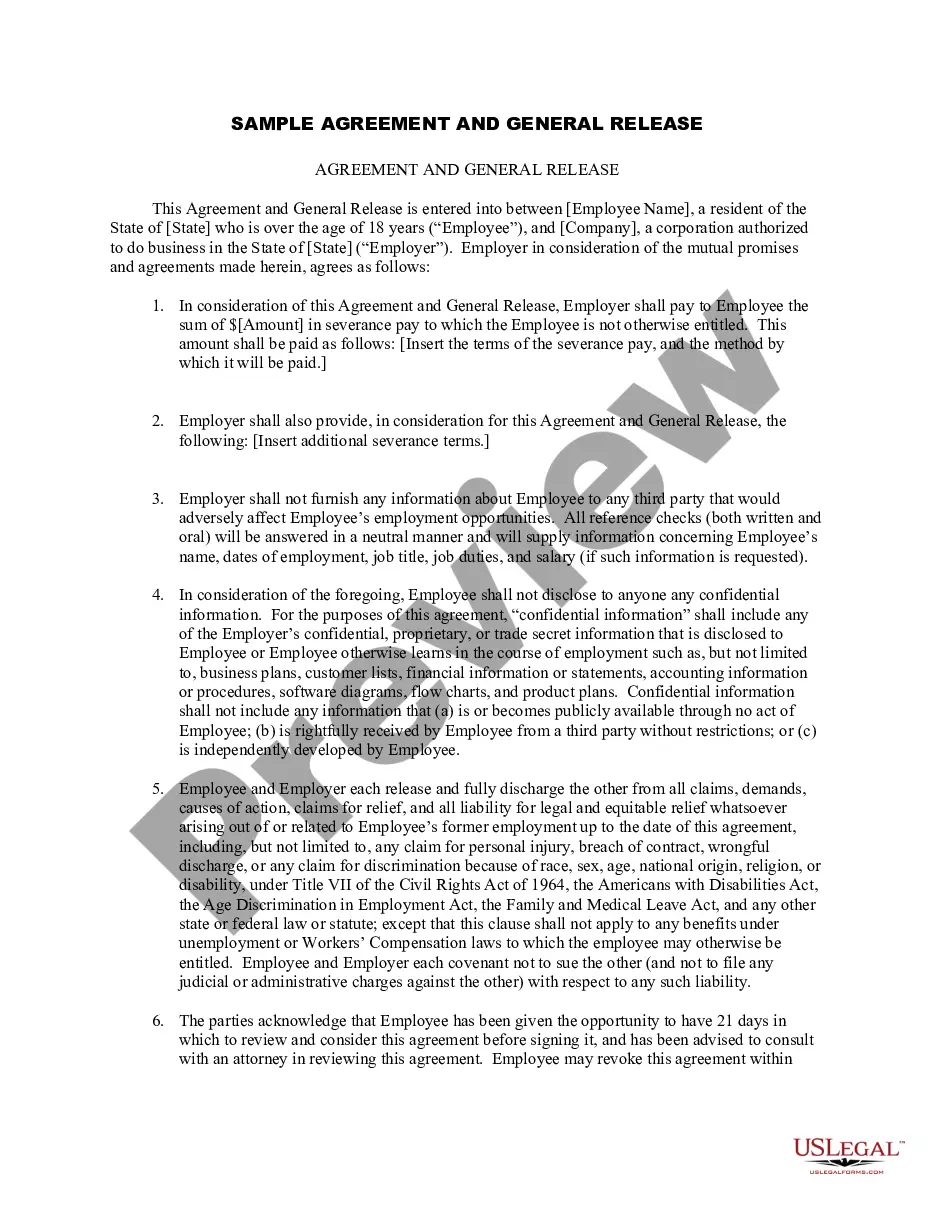
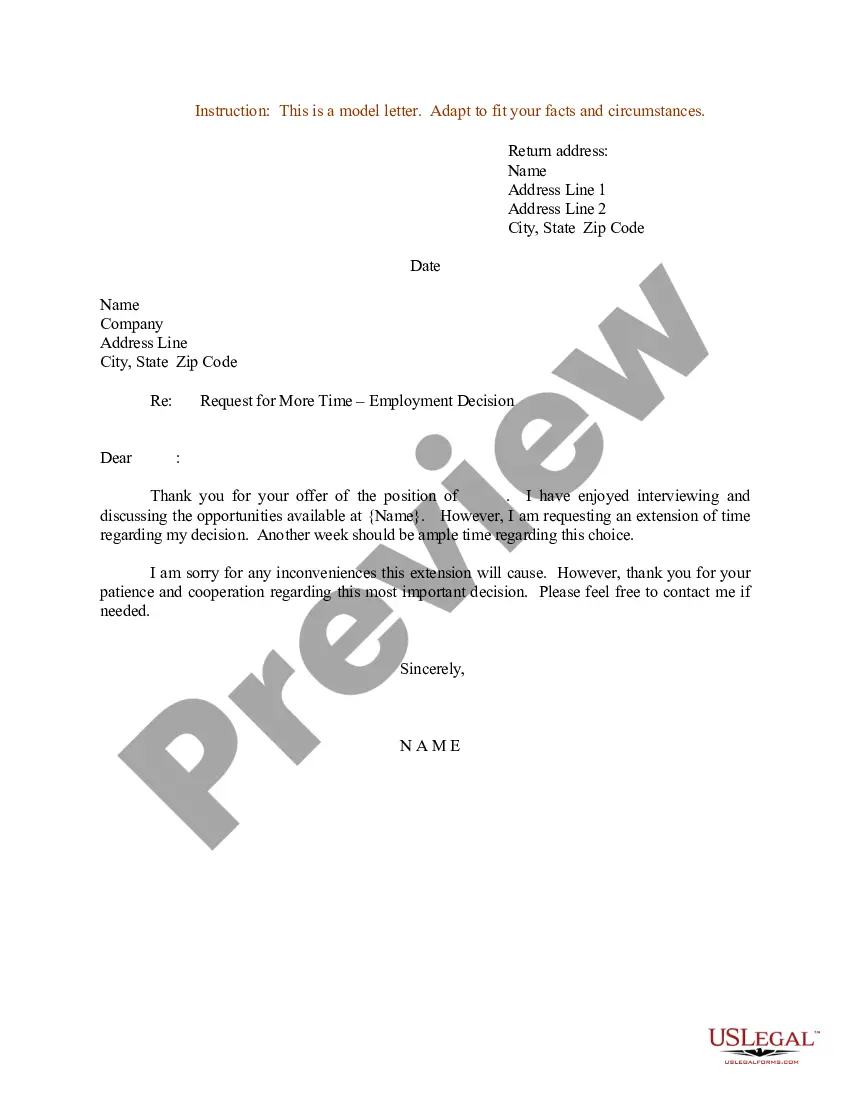


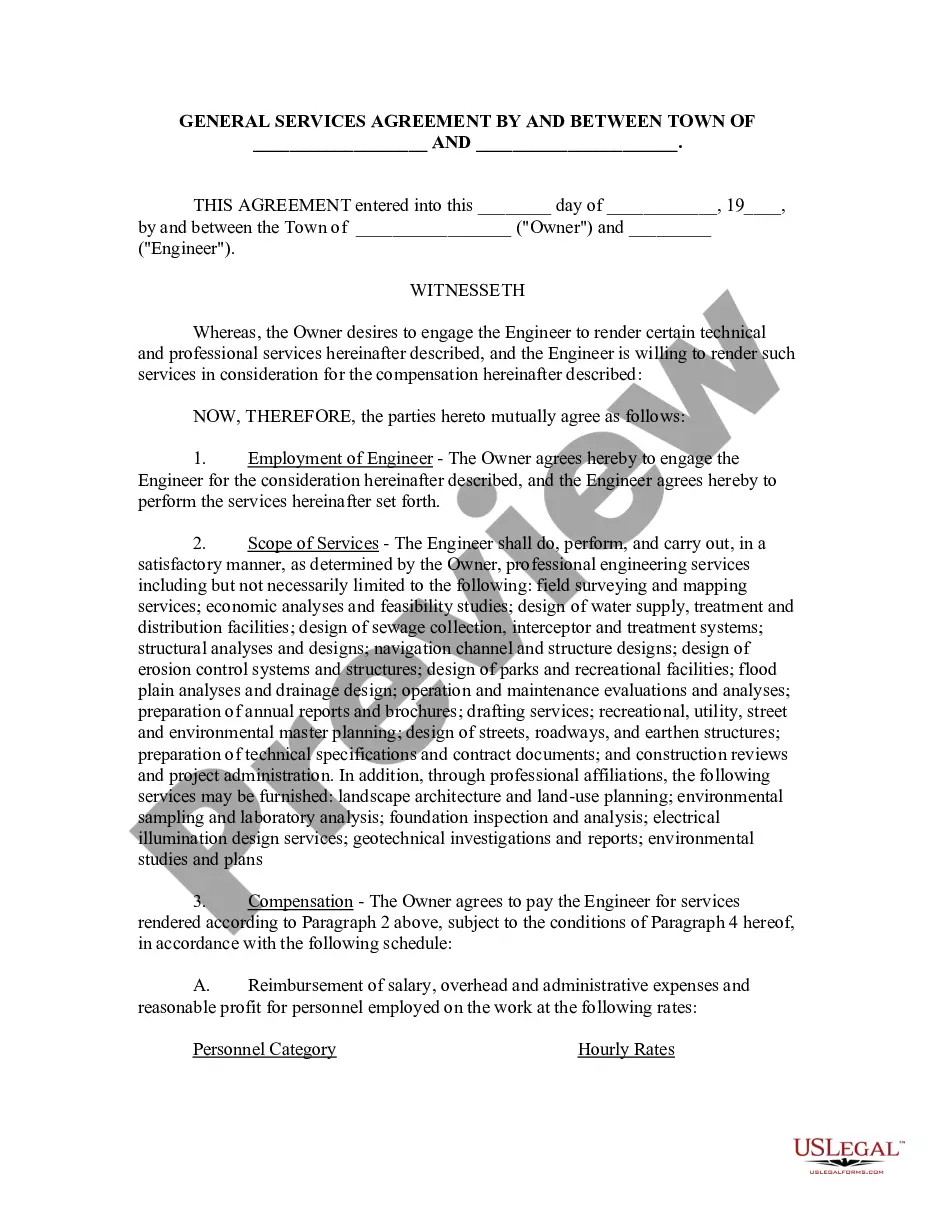
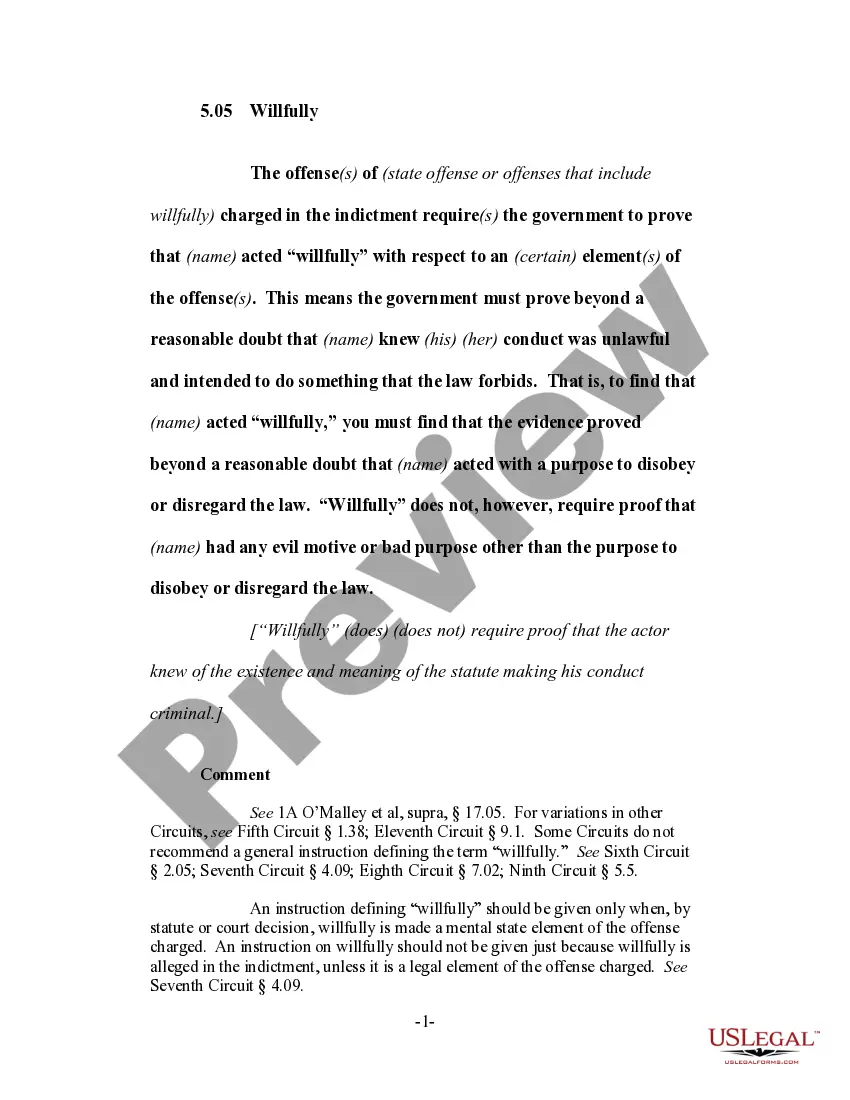
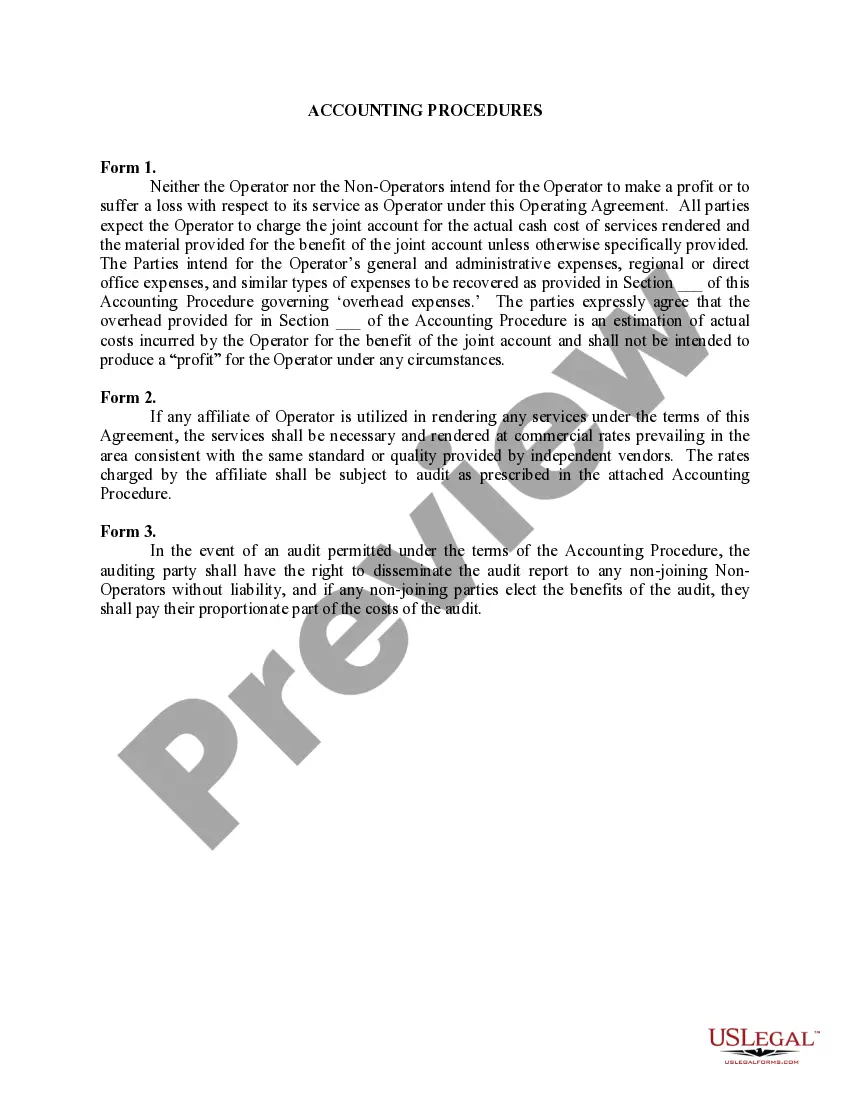
How to fill out Release Agreement In Letter Form Of Employer By Employee For Alleged Violations Of Fair Employment Practices Statutes With Form For Employee's Acceptance Upon Termination Of Job Or Employment?
The Release Work Form Doctor displayed on this page is a reusable legal document created by experienced attorneys in accordance with federal and local laws.
For over 25 years, US Legal Forms has offered individuals, enterprises, and legal practitioners over 85,000 validated, state-specific documents for various business and personal situations. It is the quickest, most straightforward, and most trustworthy method to secure the forms you require, as the service ensures bank-level data protection and anti-malware safeguards.
Access the same document again whenever necessary. Open the My documents tab in your profile to redownload any previously acquired forms. Subscribe to US Legal Forms to have authenticated legal templates for all of life’s situations readily available.
- Search for the document you need and verify it.
- Browse the file you searched and preview it or review the form description to ensure it meets your needs. If it does not, use the search function to find the appropriate one. Click Buy Now when you have found the template you need.
- Choose a pricing plan that works for you and set up an account. Use PayPal or a credit card for a quick payment. If you already possess an account, Log In and review your subscription to continue.
- Select the format you prefer for your Release Work Form Doctor (PDF, DOCX, RTF) and download the document to your device.
- Print the template to fill it out by hand. Alternatively, utilize an online versatile PDF editor to quickly and accurately complete and sign your form with an eSignature.
Form popularity
FAQ
A return to work form is a document employers use to record relevant details when staff start working again after sickness. You should fill it in during the return to work interview, to establish further necessary steps. Some employees need support with a long recovery, for example.
How to Write an Effective Return to Work Letter Address the Employee. As with any letter, start by addressing the recipient appropriately. ... Lay out the Reasons for Sending the Letter. ... Explain the Specifics of Their Return. ... Inform Employees of Any Changes to Their Role. ... Outline Policy or Office Changes that Affect Them.
Follow these steps to write your document: Fill in the information of both parties, including each person's name and address. Include the details of the event. ... Add if there is a payment required by the releasee. ... Write a section for signatures, which will contain the names and dates of both parties.
Dear [Name of HR contact or manager], Thank you for being so kind and understanding during my time away. This is to inform you that I am ready to return to work from [reason for being away] on [return date]. I was away from work for [period] to [reason for leave].
How Do You Write a Release Form? The first step in writing is identifying all parties involved, including the releaser and the release. Specify the activity or event in detail, such as a photo shoot, a video production, or a performance. Clearly specify what is being released, whether liability, claims, or damages.