Adverse Possession Elements Without Consent
Description
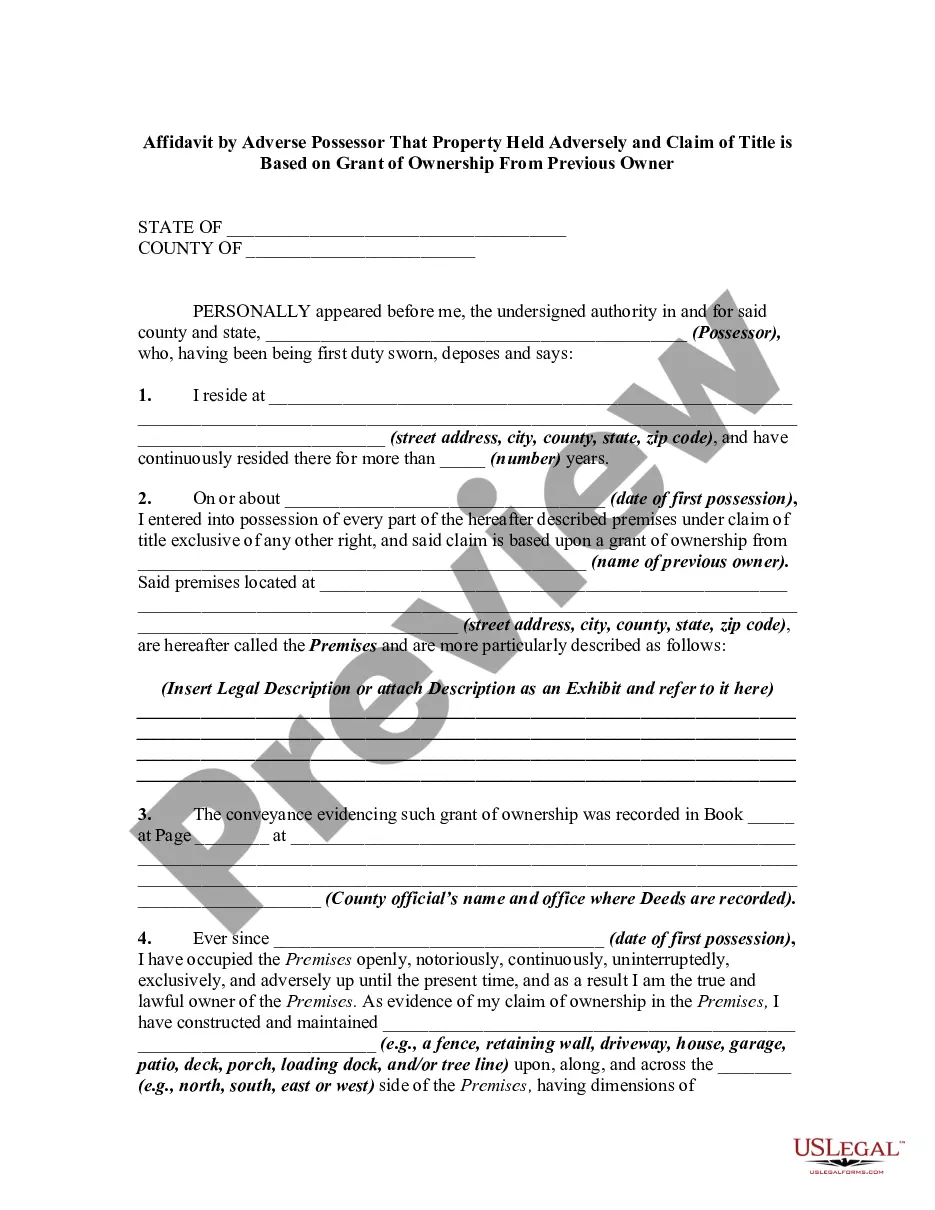
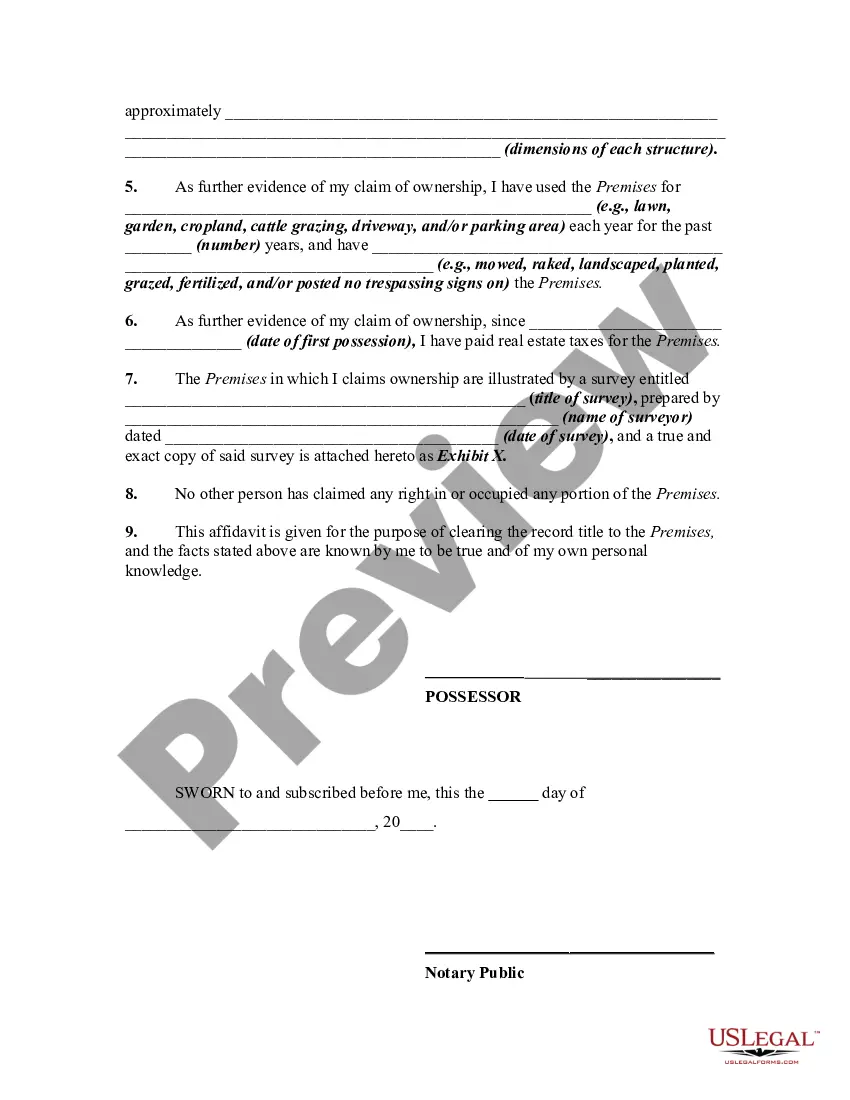
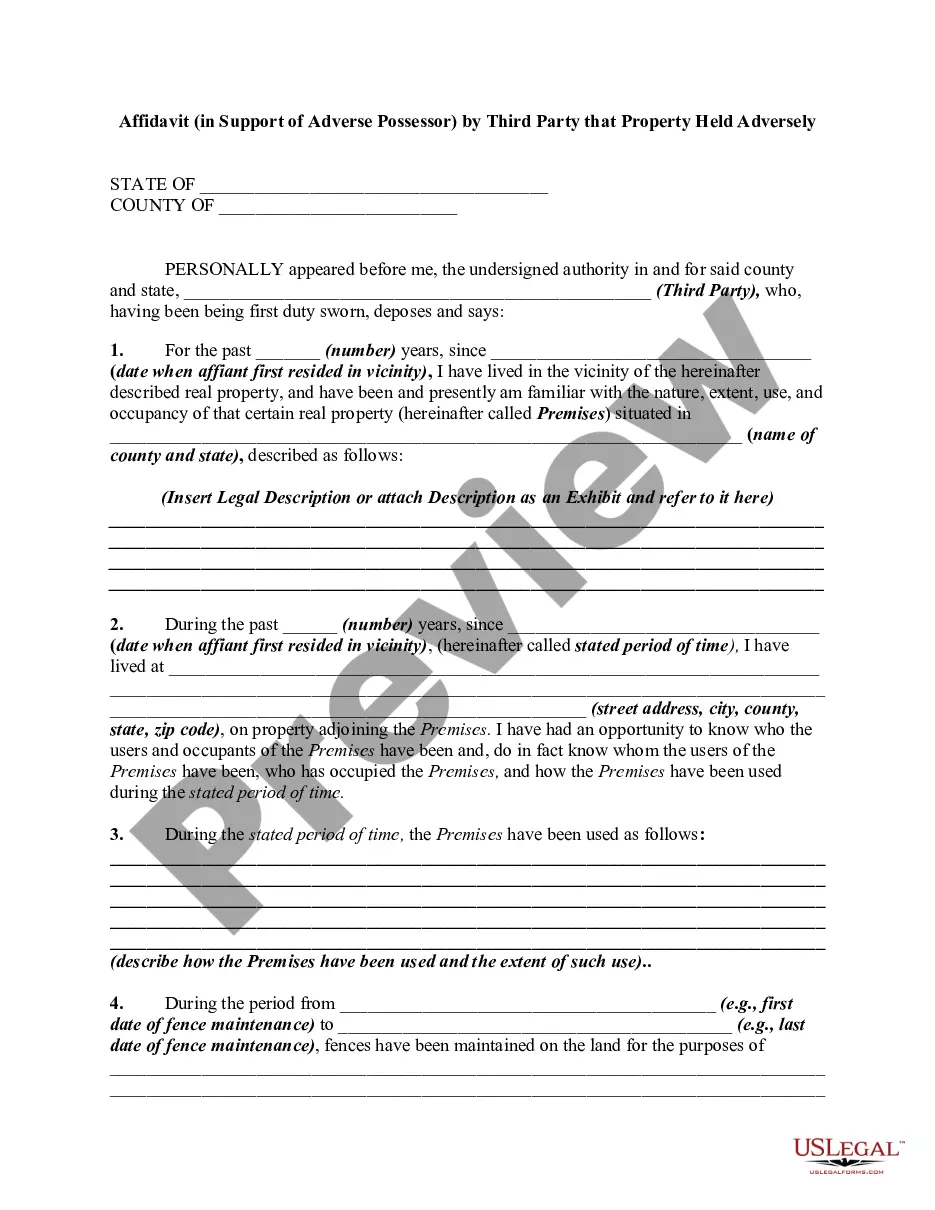
Get your form ready online
Our built-in tools help you complete, sign, share, and store your documents in one place.
Make edits, fill in missing information, and update formatting in US Legal Forms—just like you would in MS Word.
Download a copy, print it, send it by email, or mail it via USPS—whatever works best for your next step.
Sign and collect signatures with our SignNow integration. Send to multiple recipients, set reminders, and more. Go Premium to unlock E-Sign.
If this form requires notarization, complete it online through a secure video call—no need to meet a notary in person or wait for an appointment.
We protect your documents and personal data by following strict security and privacy standards.

Make edits, fill in missing information, and update formatting in US Legal Forms—just like you would in MS Word.

Download a copy, print it, send it by email, or mail it via USPS—whatever works best for your next step.

Sign and collect signatures with our SignNow integration. Send to multiple recipients, set reminders, and more. Go Premium to unlock E-Sign.

If this form requires notarization, complete it online through a secure video call—no need to meet a notary in person or wait for an appointment.

We protect your documents and personal data by following strict security and privacy standards.
Looking for another form?
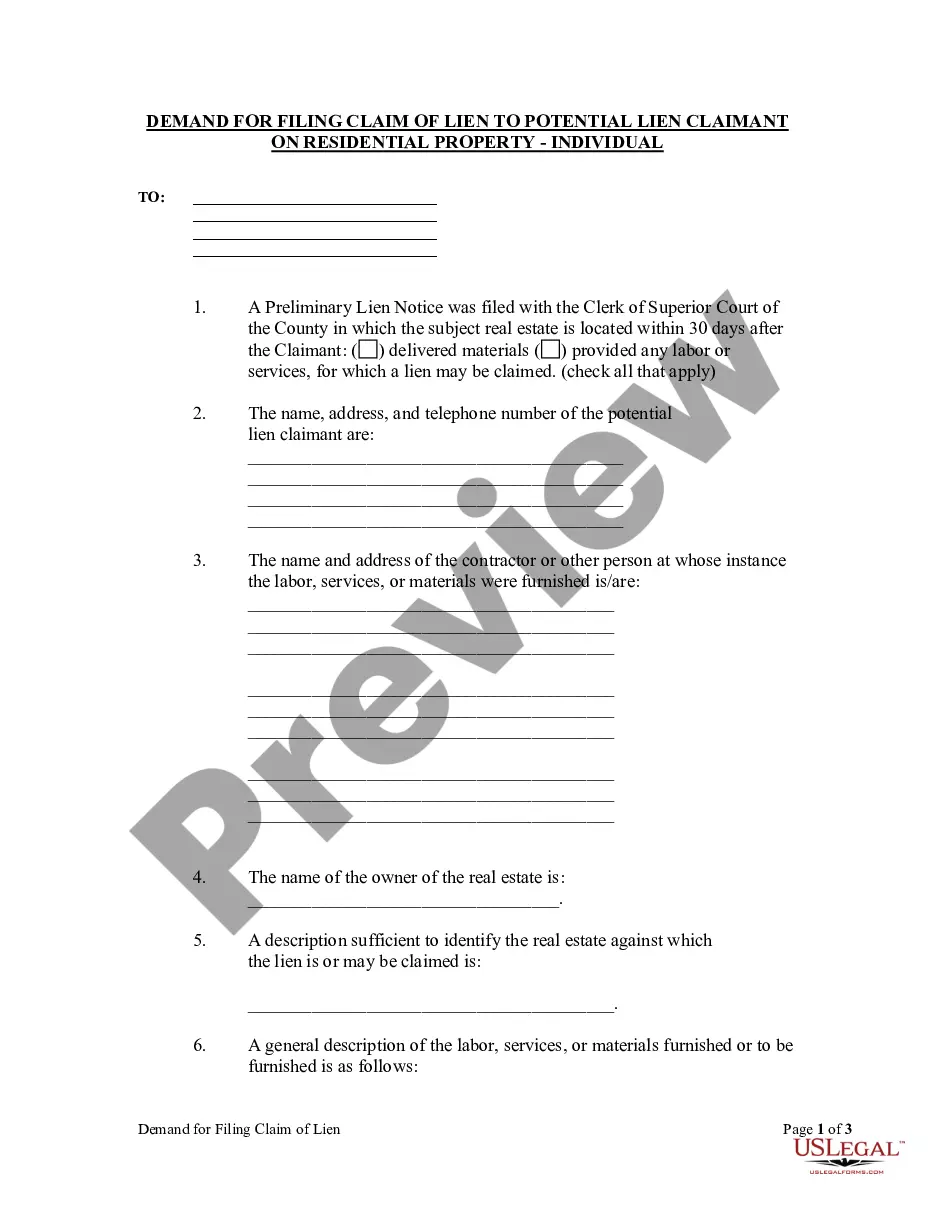








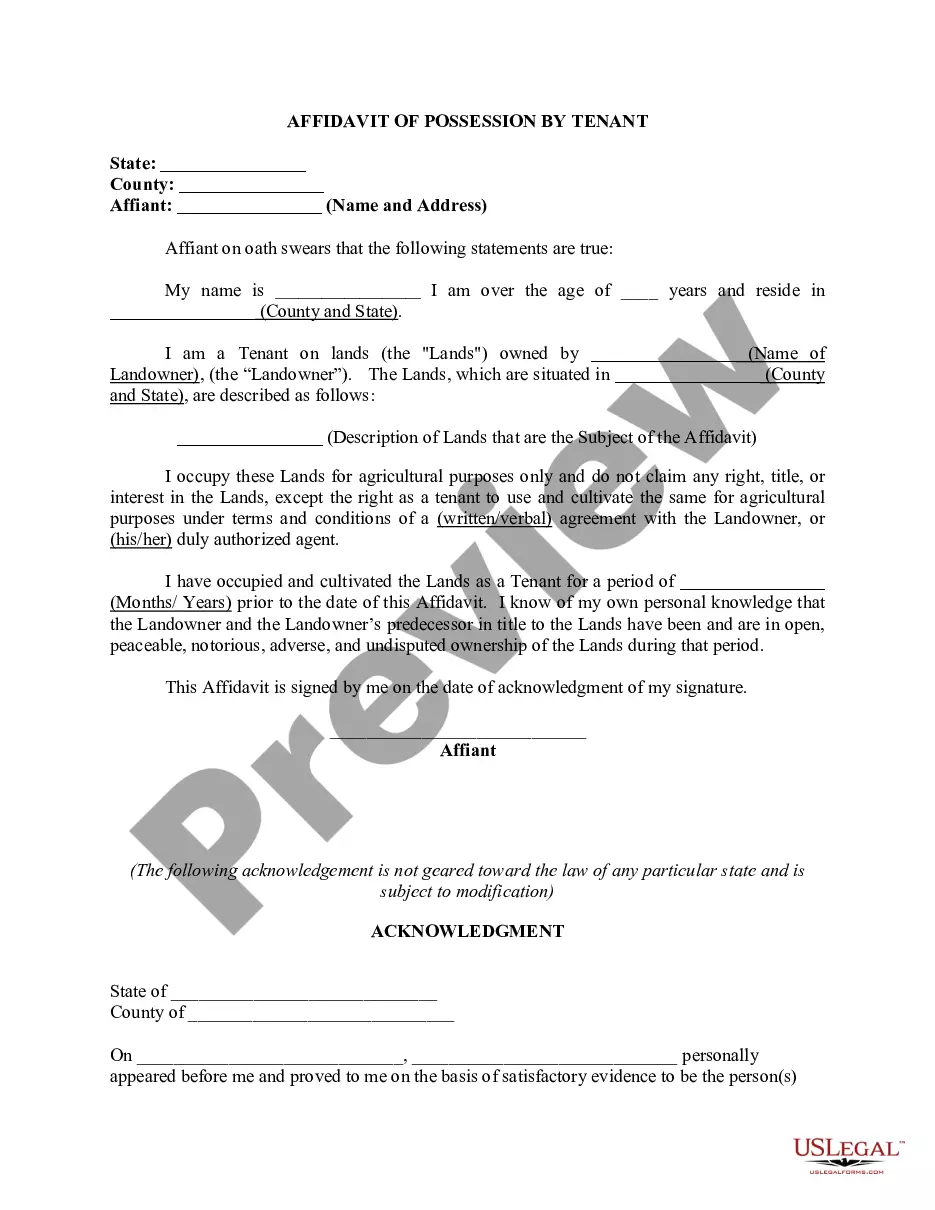
How to fill out Affidavit By Adverse Possessor That Property Held Adversely And Claim Of Title Is Based On Grant Of Ownership From Previous Owner - Squatters Rights?
Finding a reliable source for the most up-to-date and pertinent legal documents is a significant portion of managing bureaucracy.
Identifying the appropriate legal forms requires precision and a keen eye for detail, which is why it’s crucial to obtain samples of Adverse Possession Elements Without Consent exclusively from trustworthy sources, such as US Legal Forms. An incorrect template can lead to wasted time and prolong your situation.
Eliminate the hassle associated with your legal paperwork. Explore the extensive US Legal Forms library to discover legal templates, verify their applicability to your situation, and download them instantly.
- Utilize the catalog navigation or search box to locate your sample.
- Examine the form's description to verify if it meets the standards of your state and area.
- Review the form preview, if available, to confirm that the template is relevant to your interest.
- Return to the search to find the appropriate document if the Adverse Possession Elements Without Consent does not meet your needs.
- If you are confident in the form's relevance, download it.
- As a verified customer, click Log in to verify your identity and access your chosen templates in My documents.
- If you do not possess an account yet, click Buy now to purchase the form.
- Select the pricing plan that aligns with your preferences.
- Proceed with the registration to finalize your transaction.
- Complete your purchase by selecting a payment method (credit card or PayPal).
- Choose the document format for downloading Adverse Possession Elements Without Consent.
- Once you have the form on your device, you can edit it using the editor or print it out and fill it in by hand.
Form popularity
FAQ
To prove adverse possession, you typically need documents that demonstrate your continuous and exclusive use of the property. This may include photographs, witness statements, utility bills, or any improvements you've made to the property. Additionally, it can be helpful to gather evidence that supports your claim of possession being open and notorious, such as public records or local tax assessments. Utilizing platforms like US Legal Forms can streamline the process of gathering and organizing these necessary documents.
For a successful adverse possession claim, five key elements must be present: actual possession, open and notorious use, exclusive use, continuous possession, and possession that is hostile to the interests of the true owner. These elements demonstrate that you treated the property as your own without the owner's consent. Understanding these adverse possession elements without consent can guide you in assessing your situation and determining your next steps. Consulting with legal resources can provide further clarity.
The best proof of ownership is usually a recorded deed that clearly identifies you as the owner of the property. Additionally, tax records, surveys, and title insurance documents can also provide strong evidence of ownership. It's beneficial to keep these documents organized and accessible, as they serve as a solid foundation when addressing claims related to adverse possession elements without consent. If you need assistance, platforms like US Legal Forms can help you access and organize these important documents.
To establish adverse possession, you typically need to provide evidence of continuous, open, and exclusive possession of the property for a specific period, as defined by state law. This means you must show that you used the land in a way that a typical owner would, without the permission of the original owner. Additionally, you may need to document your claim with photographs, witness statements, or receipts for improvements made to the property. Understanding the adverse possession elements without consent is crucial for a successful claim.
The three key conditions for adverse possession often include actual possession, open and notorious use, and continuous occupation. Actual possession requires you to be present on the property, while open and notorious use means your actions must be visible to the public. Continuous occupation signifies that your possession must not be interrupted over time. Familiarizing yourself with these conditions is essential when exploring the adverse possession elements without consent, and US Legal Forms can support your understanding and legal needs.
Among the necessary elements for adverse possession, the requirement of actual possession is critical. This means you must physically use the property in a way that indicates ownership, such as maintaining the land or making improvements. Unlike other aspects, this element cannot be satisfied by mere claims or intentions; actual, visible use is essential. Therefore, grasping the adverse possession elements without consent helps clarify what is required.
The requirements of adverse possession vary by state, but generally include the same four core elements. You must occupy the property openly, without permission from the owner, and demonstrate exclusive control of the land. Furthermore, your possession must be continuous and last for a certain duration mandated by local laws. Understanding these requirements is crucial when navigating the adverse possession elements without consent, and US Legal Forms can provide valuable resources.
The four elements of adverse possession include actual possession, open and notorious use, exclusive use, and continuous use. To assert a claim, a person must physically occupy the land in a way that is visible and obvious to others. Additionally, this use must be exclusive, meaning no one else can share that possession. Lastly, the possession must be continuous for a specific period, typically defined by state law, to establish a claim of adverse possession elements without consent.
In Oregon, the requirements for adverse possession include an open and notorious occupation of the property, continuous use for at least 10 years, and the use must be exclusive. Additionally, the possession must be adverse, meaning it is without the consent of the true owner. To successfully claim adverse possession, you must demonstrate that you treated the property as your own. Understanding these adverse possession elements without consent can be complex, and using a platform like US Legal Forms can help simplify the legal process for you.
Yes, it is possible for someone to claim ownership of your property through adverse possession if they meet the necessary legal criteria. This typically involves occupying the property openly and continuously without your consent for a specific duration. While this may sound alarming, understanding the adverse possession elements without consent can help you protect your property rights. If you suspect someone is making a claim, consulting resources from US Legal Forms can provide valuable guidance.