Discharged Bankruptcy Chapter 13 Withdrawal
Description
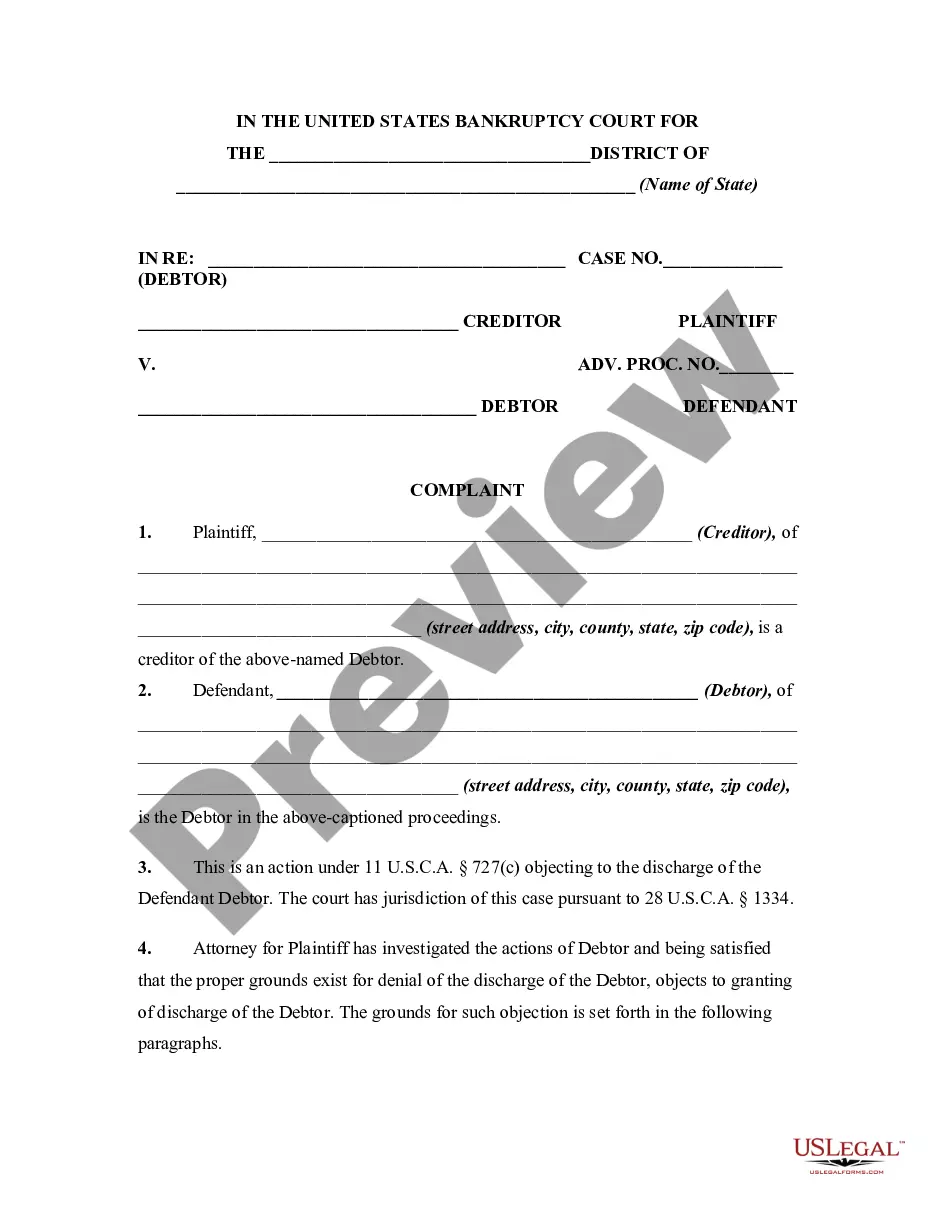
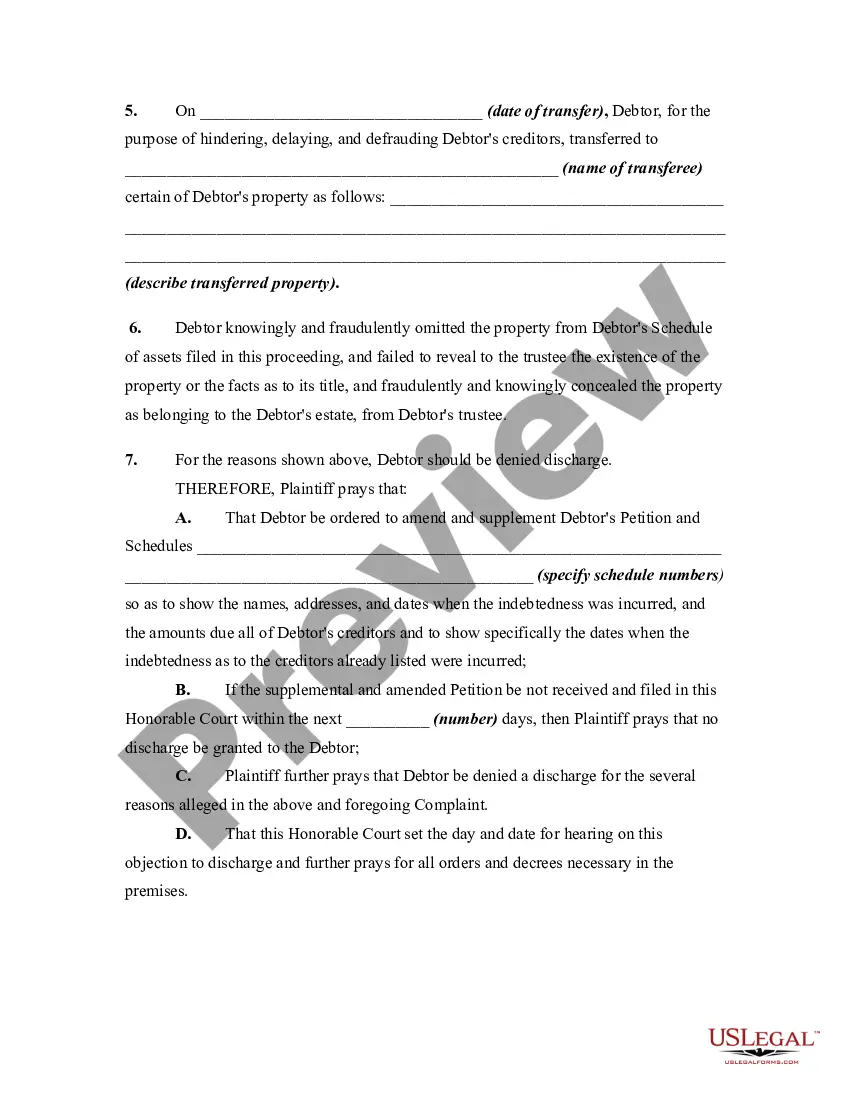
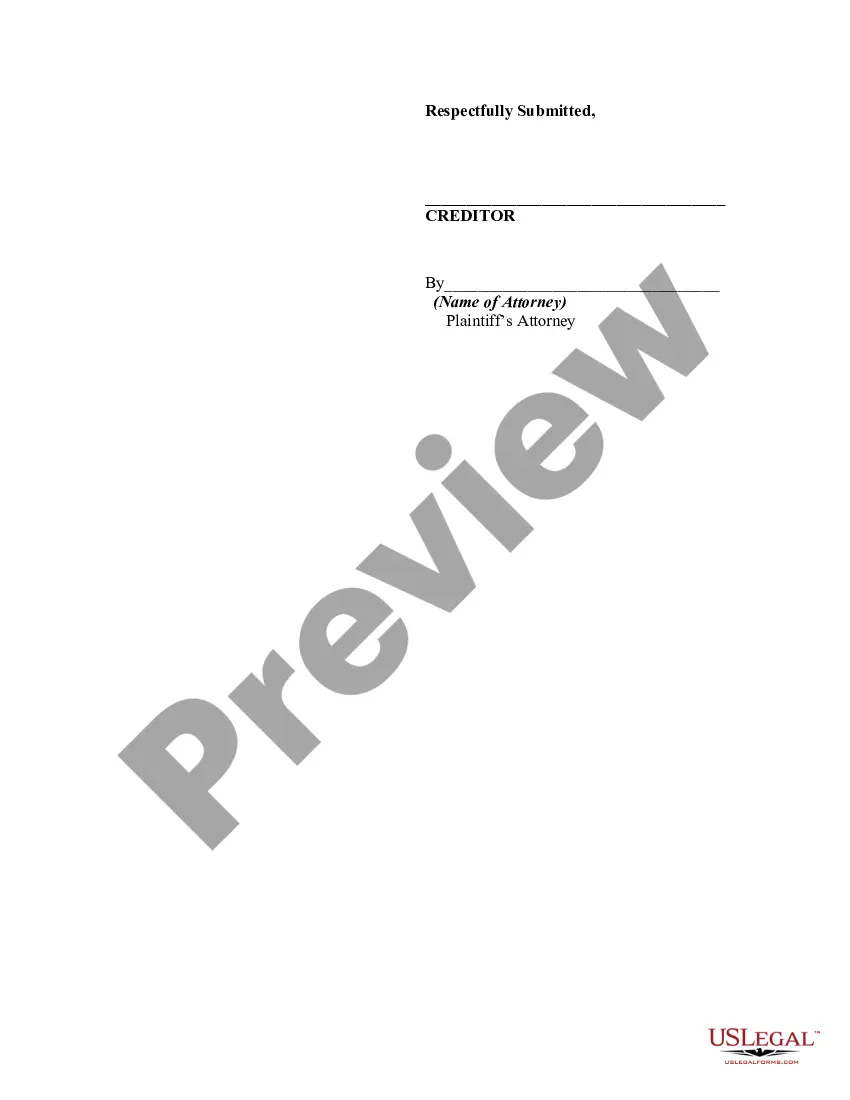
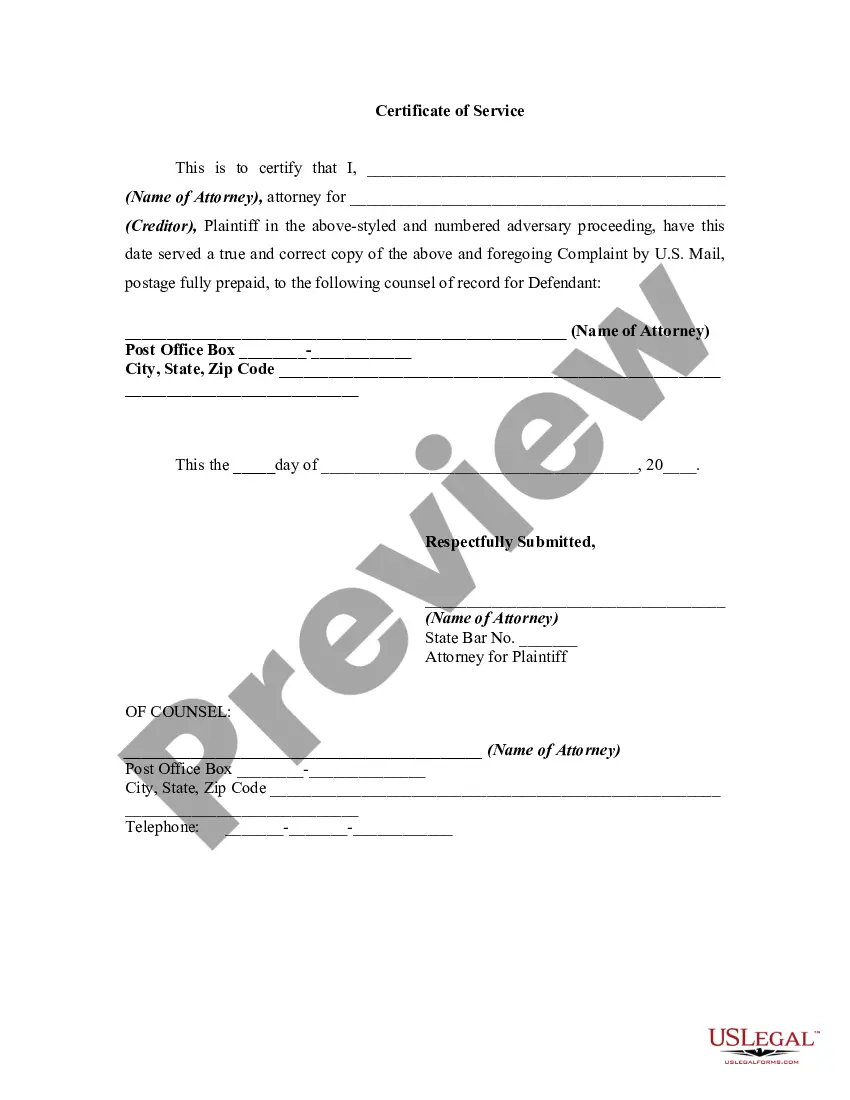
Get your form ready online
Our built-in tools help you complete, sign, share, and store your documents in one place.
Make edits, fill in missing information, and update formatting in US Legal Forms—just like you would in MS Word.
Download a copy, print it, send it by email, or mail it via USPS—whatever works best for your next step.
Sign and collect signatures with our SignNow integration. Send to multiple recipients, set reminders, and more. Go Premium to unlock E-Sign.
If this form requires notarization, complete it online through a secure video call—no need to meet a notary in person or wait for an appointment.
We protect your documents and personal data by following strict security and privacy standards.

Make edits, fill in missing information, and update formatting in US Legal Forms—just like you would in MS Word.

Download a copy, print it, send it by email, or mail it via USPS—whatever works best for your next step.

Sign and collect signatures with our SignNow integration. Send to multiple recipients, set reminders, and more. Go Premium to unlock E-Sign.

If this form requires notarization, complete it online through a secure video call—no need to meet a notary in person or wait for an appointment.

We protect your documents and personal data by following strict security and privacy standards.
Looking for another form?







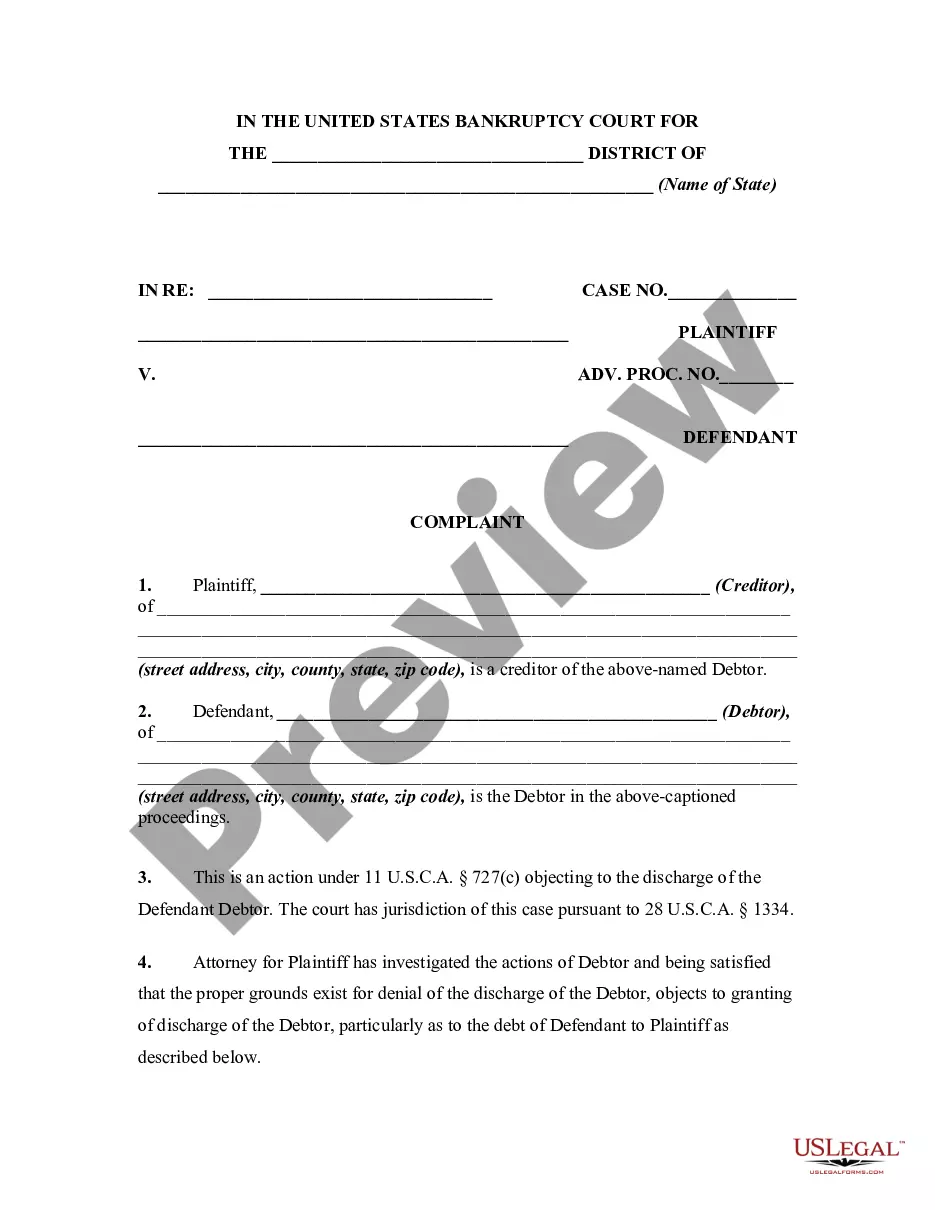
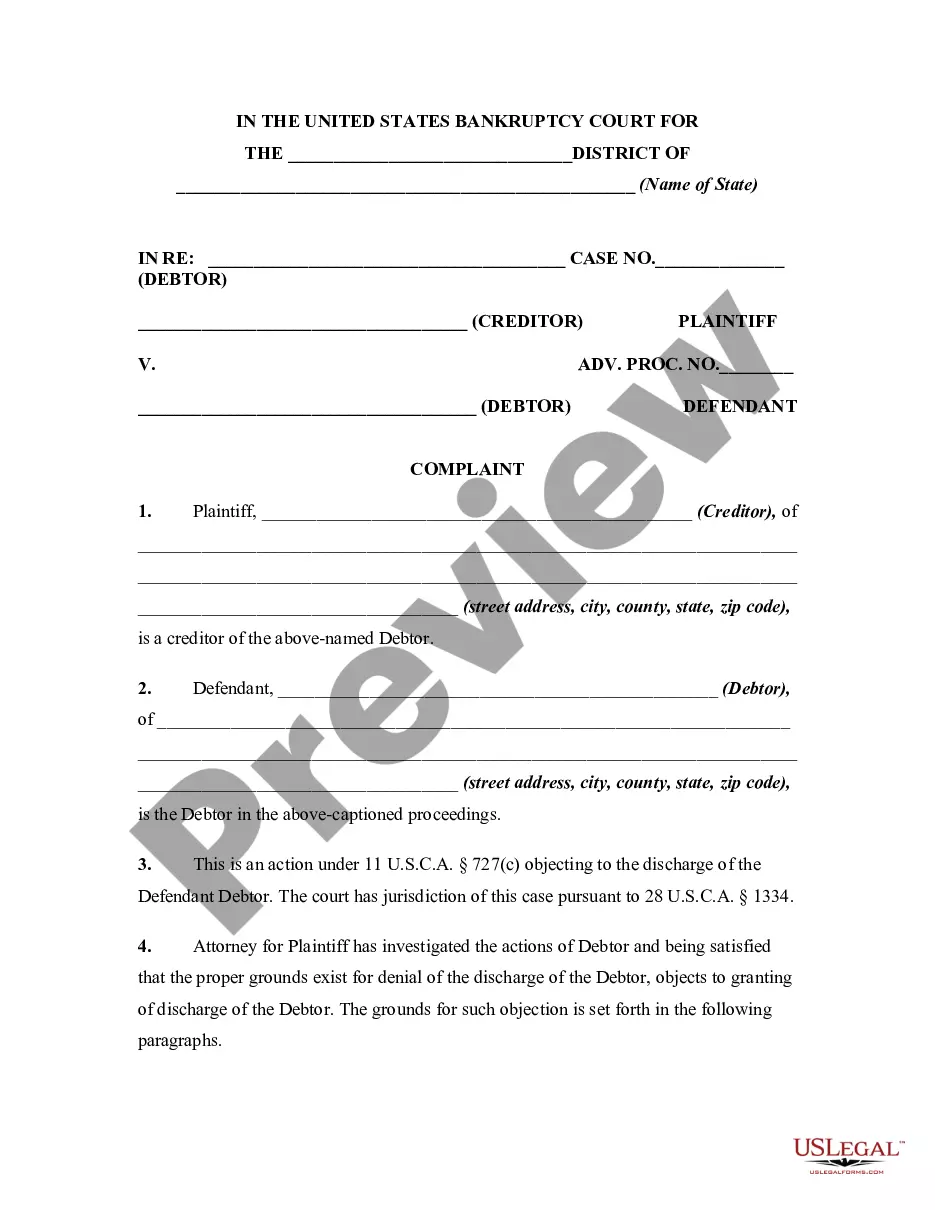
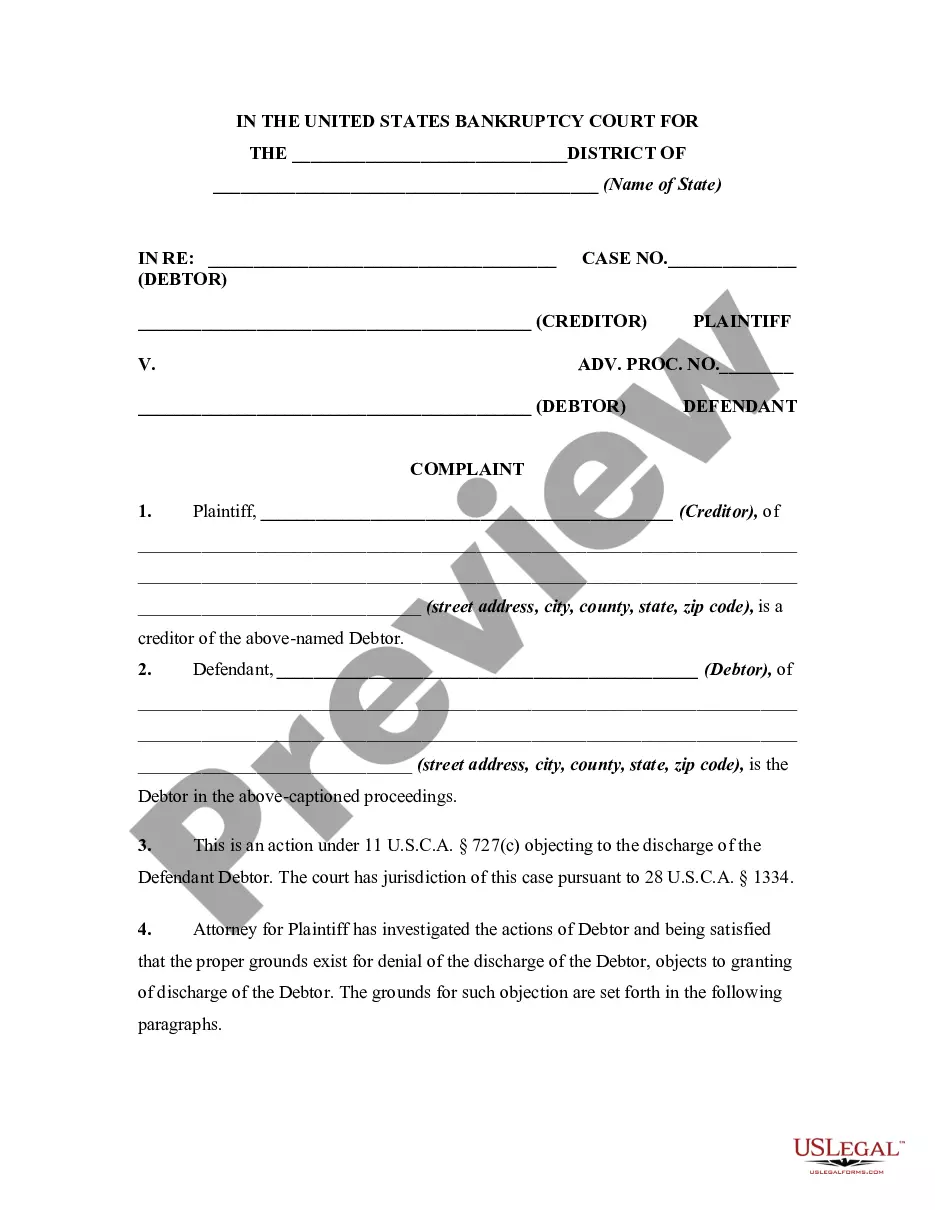
How to fill out Complaint Objecting To Discharge In Bankruptcy Proceedings For Concealment By Debtor And Omitting From Schedules Fraudulently Transferred Property?
The Discharged Bankruptcy Chapter 13 Withdrawal you observe on this site is a versatile formal document designed by skilled attorneys in alignment with federal and state statutes.
For over 25 years, US Legal Forms has supplied individuals, companies, and lawyers with more than 85,000 validated, state-specific documents for any business and personal circumstances. It’s the fastest, simplest, and most reliable method to procure the paperwork you require, as the service ensures the utmost level of data security and malware protection.
Subscribe to US Legal Forms to have validated legal templates for all of life's situations at your fingertips.
- Search for the document you need and review it.
- Browse the sample you searched for and preview it or examine the document description to confirm it meets your needs. If it doesn’t, utilize the search feature to find the suitable one. Click Buy Now once you have located the template you desire.
- Choose and Log In.
- Select the pricing plan that fits you and set up an account. Use PayPal or a credit card for a swift payment. If you already possess an account, Log In and verify your subscription to continue.
- Acquire the fillable document.
- Select the format you prefer for your Discharged Bankruptcy Chapter 13 Withdrawal (PDF, DOCX, RTF) and download the document onto your device.
- Finish and sign the document.
- Print the template to complete it by hand. Alternatively, employ an online multi-functional PDF editor to quickly and accurately complete and sign your form with a valid signature.
- Download your documents again.
- Use the same document again whenever necessary. Access the My documents tab in your profile to redownload any forms you have previously obtained.
Form popularity
FAQ
If a Chapter 13 bankruptcy is not filed correctly, the court may dismiss your case, which means your debts will not be discharged. This situation can leave you vulnerable to creditor actions. Using a reliable platform like USLegalForms can help you navigate the filing process correctly and avoid such pitfalls. Their resources and templates ensure you meet all requirements for a successful discharge.
A petition cannot be withdrawn without the permission of the court and permission will not be given before the hearing The court has general power to dismiss a bankruptcy petition or stay proceedings on a petition, if it appears appropriate to do so on the grounds that there has been a contravention of the rules or for ...
Chapter 13 ? See Bankruptcy Code Section 1307 ? A debtor has a right to dismiss its Chapter 13 bankruptcy case if the bankruptcy began as a Chapter 13 case, but the court may place restrictions on a debtor's ability to file a subsequent bankruptcy case.
About 45 days after you've received your discharge, you will receive a document called a Final Decree. It's the document that officially closes your case. Once this document is received, you are no longer in bankruptcy.
The discharge releases the debtor from all debts provided for by the plan or disallowed (under section 502), with limited exceptions. Creditors provided for in full or in part under the chapter 13 plan may no longer initiate or continue any legal or other action against the debtor to collect the discharged obligations.