Bankruptcy Court Regarding Withdrawal
Description
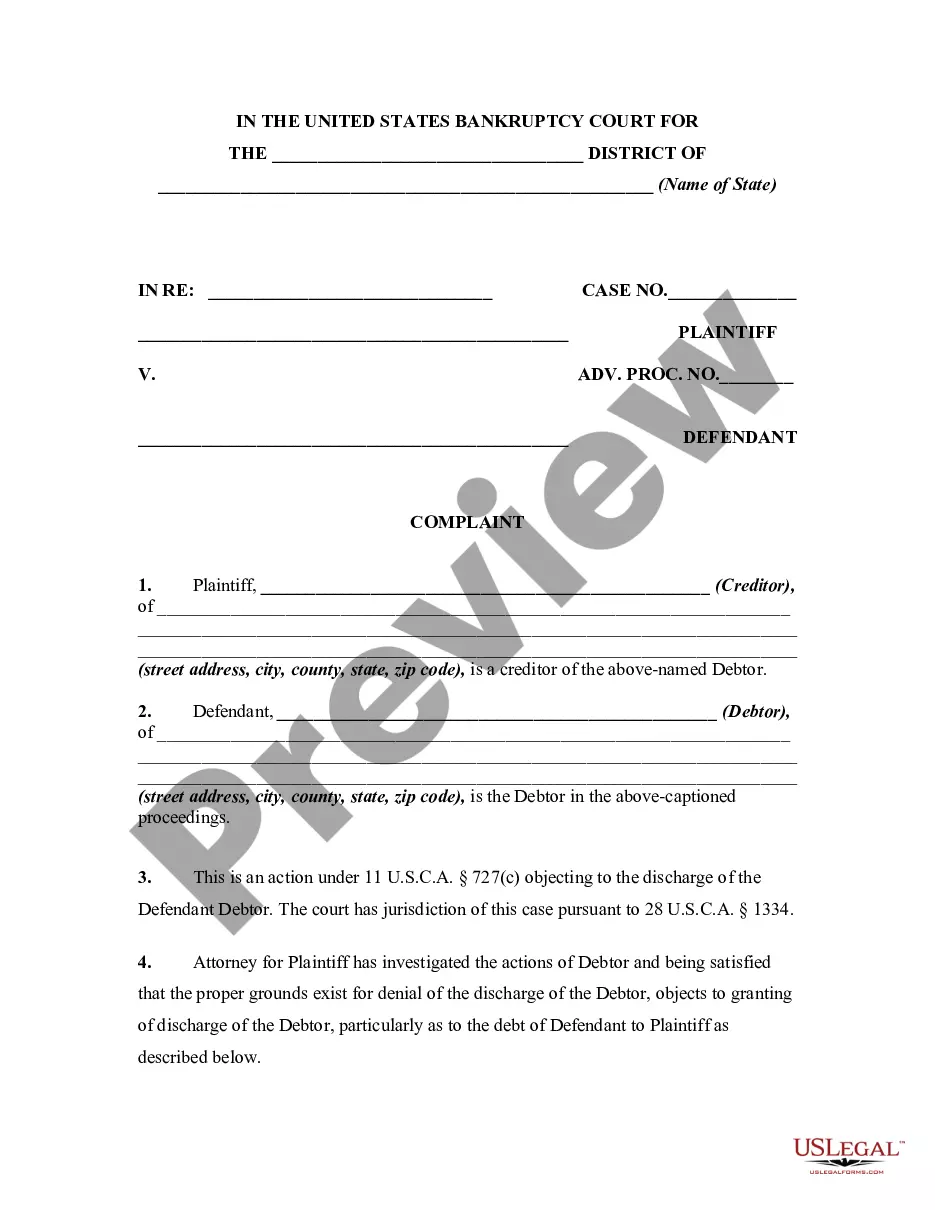
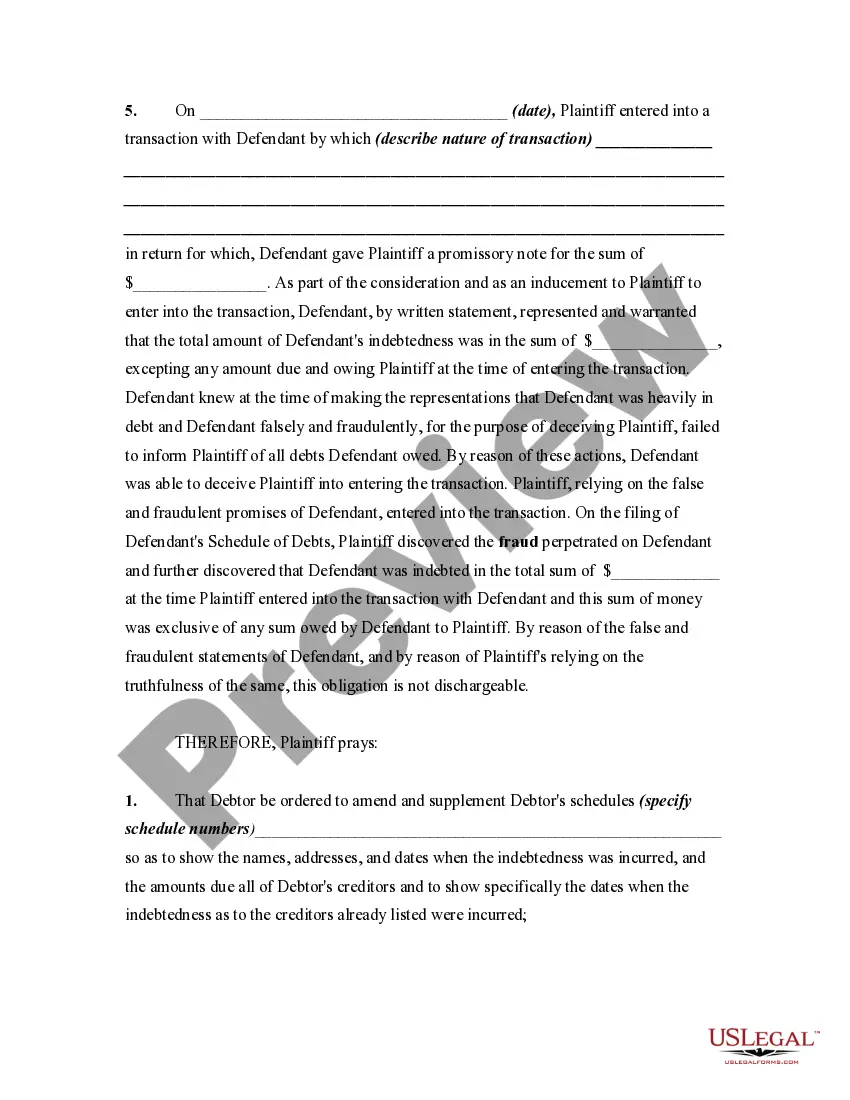
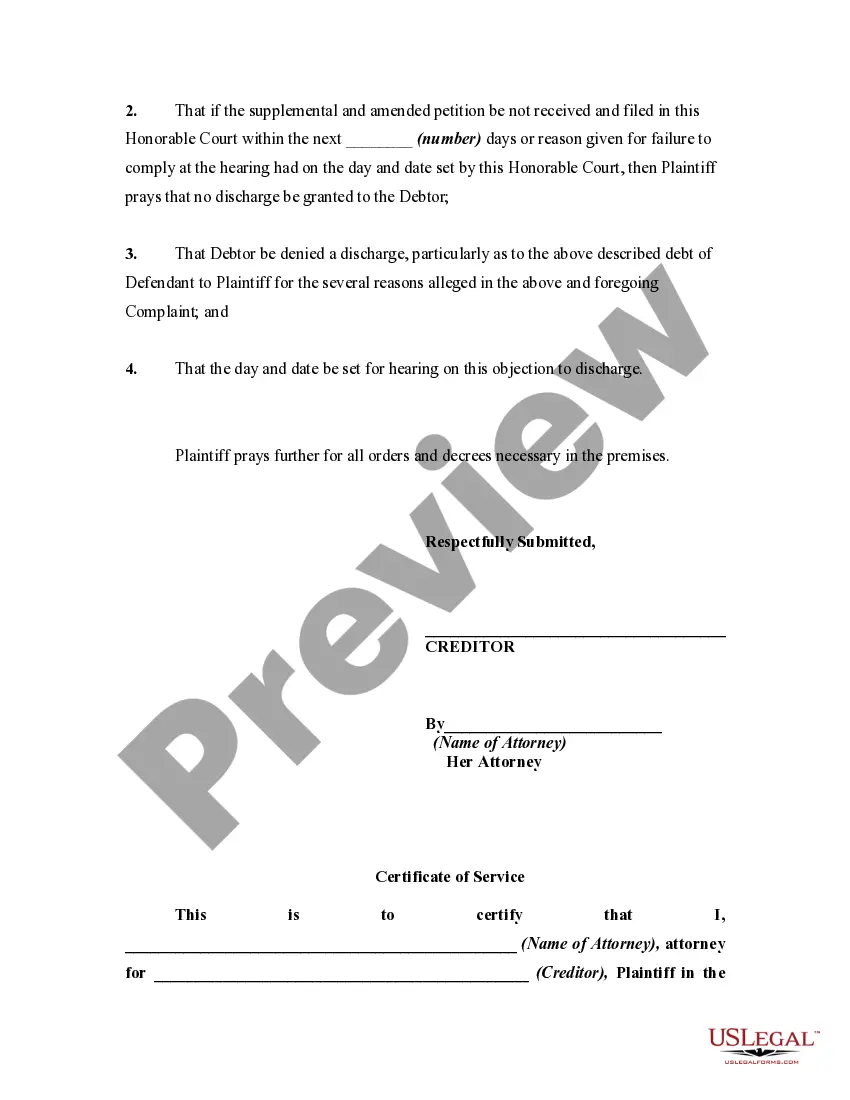
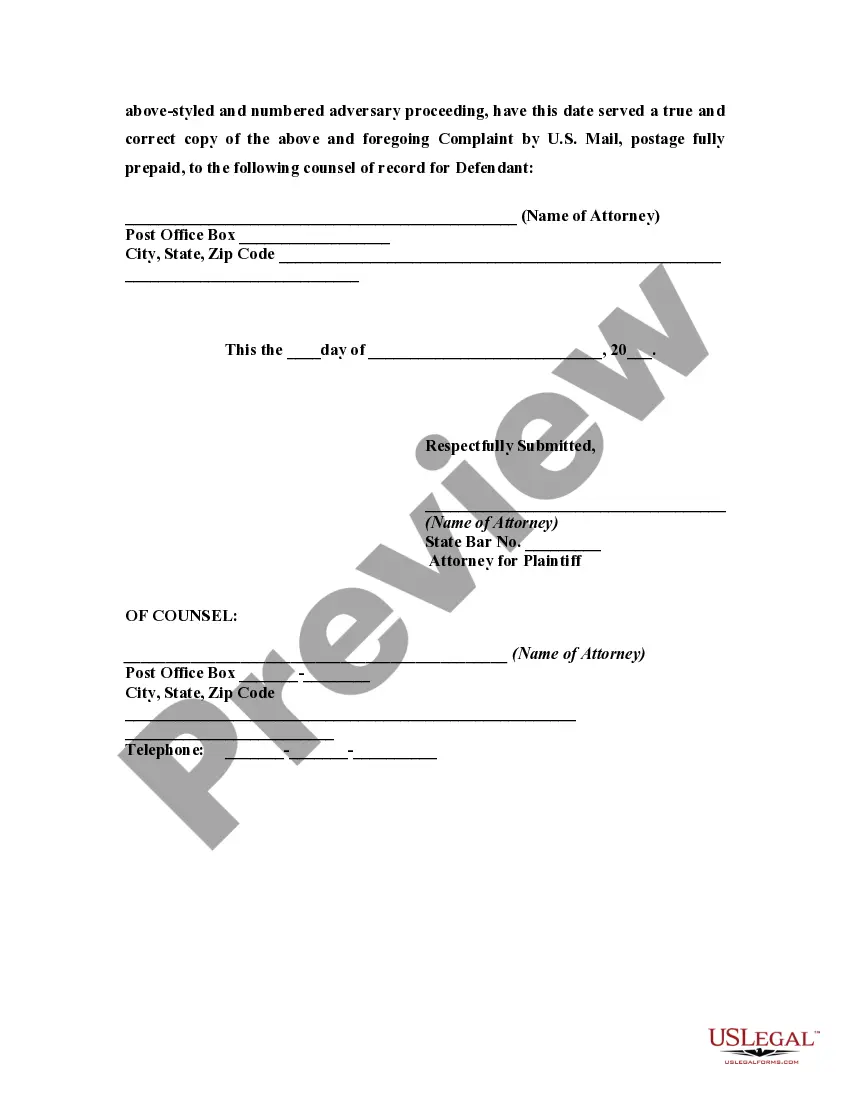
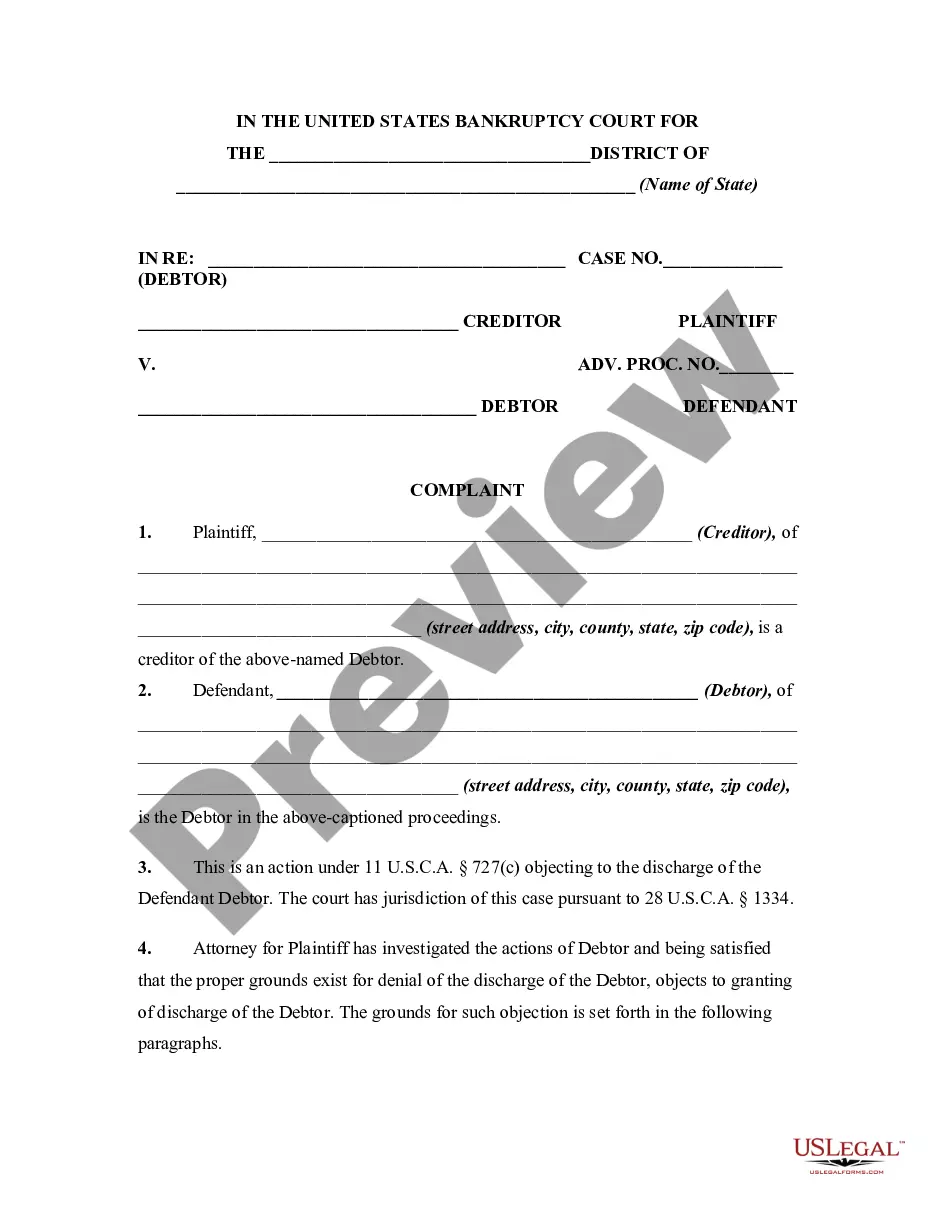
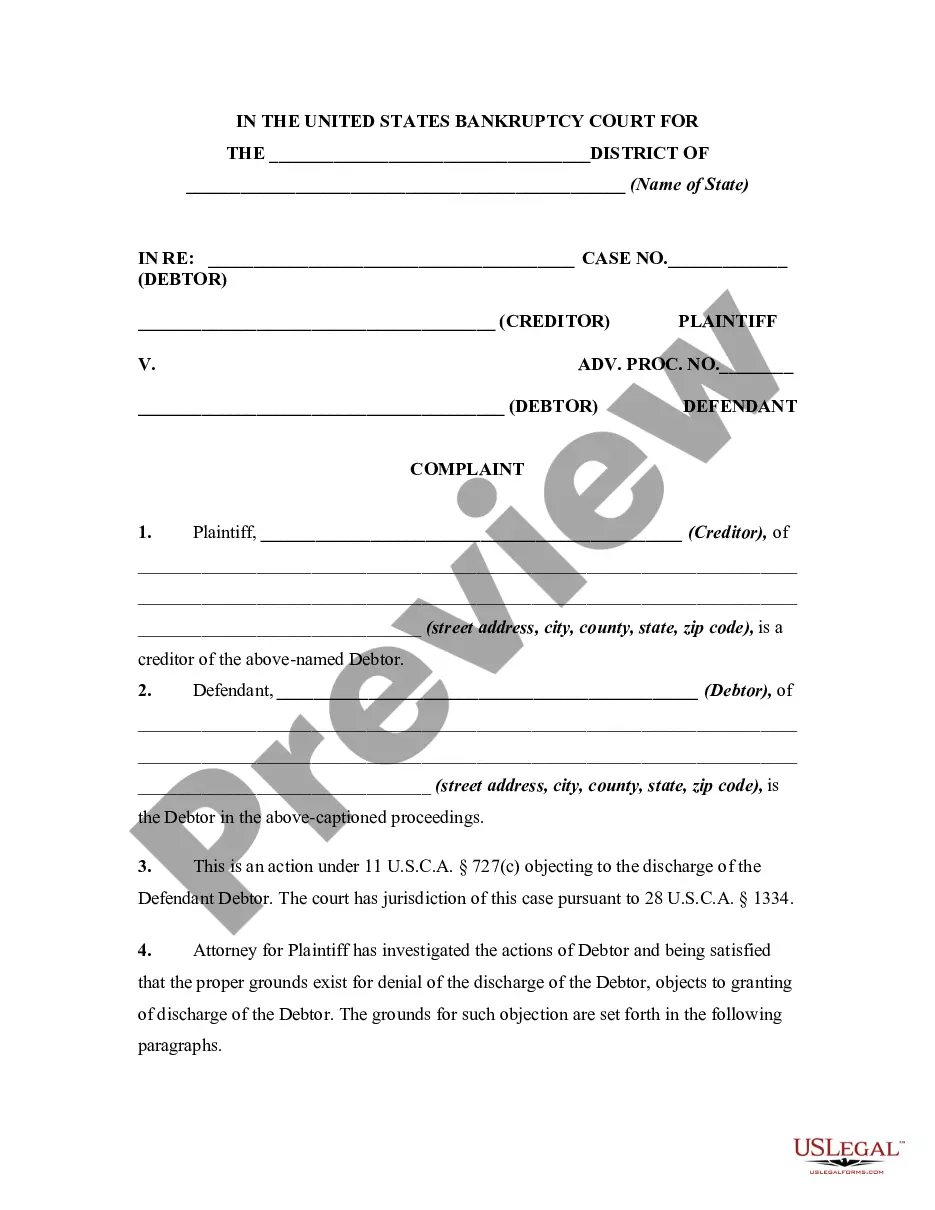
Get your form ready online
Our built-in tools help you complete, sign, share, and store your documents in one place.
Make edits, fill in missing information, and update formatting in US Legal Forms—just like you would in MS Word.
Download a copy, print it, send it by email, or mail it via USPS—whatever works best for your next step.
Sign and collect signatures with our SignNow integration. Send to multiple recipients, set reminders, and more. Go Premium to unlock E-Sign.
If this form requires notarization, complete it online through a secure video call—no need to meet a notary in person or wait for an appointment.
We protect your documents and personal data by following strict security and privacy standards.

Make edits, fill in missing information, and update formatting in US Legal Forms—just like you would in MS Word.

Download a copy, print it, send it by email, or mail it via USPS—whatever works best for your next step.

Sign and collect signatures with our SignNow integration. Send to multiple recipients, set reminders, and more. Go Premium to unlock E-Sign.

If this form requires notarization, complete it online through a secure video call—no need to meet a notary in person or wait for an appointment.

We protect your documents and personal data by following strict security and privacy standards.
Looking for another form?

How to fill out Complaint Objecting To Discharge By Bankruptcy Court On The Grounds That Transaction Was Induced By Fraud Regarding Debtor's Financial Condition?
The Bankruptcy Court Concerning Withdrawal you observe on this webpage is a reusable legal document crafted by experienced attorneys in accordance with federal and state laws.
For over 25 years, US Legal Forms has delivered individuals, corporations, and lawyers with more than 85,000 verified, state-specific documents for any business and personal needs. It’s the fastest, most straightforward, and most reliable method to acquire the documents you require, as the service ensures bank-level data protection and anti-malware safeguards.
Choose the format you wish for your Bankruptcy Court Concerning Withdrawal (PDF, Word, RTF) and download the sample onto your device. Print out the template to fill it out manually. Alternatively, utilize an online multifunctional PDF editor to swiftly and accurately complete and sign your form with a valid signature. You can reuse the same document whenever necessary. Open the My documents tab in your profile to redownload any previously downloaded documents. Subscribe to US Legal Forms to have verified legal templates for all of life’s circumstances at your service.
- Search for the document you require and verify it.
- Review the sample you sought and preview it or examine the form description to confirm it meets your requirements. If it doesn’t, utilize the search bar to find the appropriate one. Click Buy Now once you have found the document you need.
- Select and Log In.
- Pick the pricing plan that fits your needs and create an account. Use PayPal or a credit card to make a swift payment. If you already possess an account, Log In and check your subscription to proceed.
- Acquire the editable document.
Form popularity
FAQ
Click the Bankruptcy or Adversary hyperlink on the CM/ECF Main Menu. Click Miscellaneous hyperlink. Enter Case Number. Click Next. Select Withdrawal of Document, click Next. Select the Party. If not listed, click Add/Create New Party.
Log into CM/ECF. ... Select Bankruptcy > Claims > Claim Events. Enter case number (in the format xx-xx) and click Next. Select Withdrawal of Claim, Notice of from the event list and click Next. Check box if jointly filing with another attorney, click Next. ... Select the party filer.
A motion for withdrawal of reference is a request to have a contested matter, an adversary proceeding or an entire bankruptcy be handled by District Court instead of by the Bankruptcy Court.
Afterwards, you will no longer be obligated to make payments under your designated repayment plan. However, you may lose the benefit of being in a bankruptcy case. In other words, your creditors will be allowed to resume collecting on their debts, potentially repossessing your assets or foreclosing on your property.