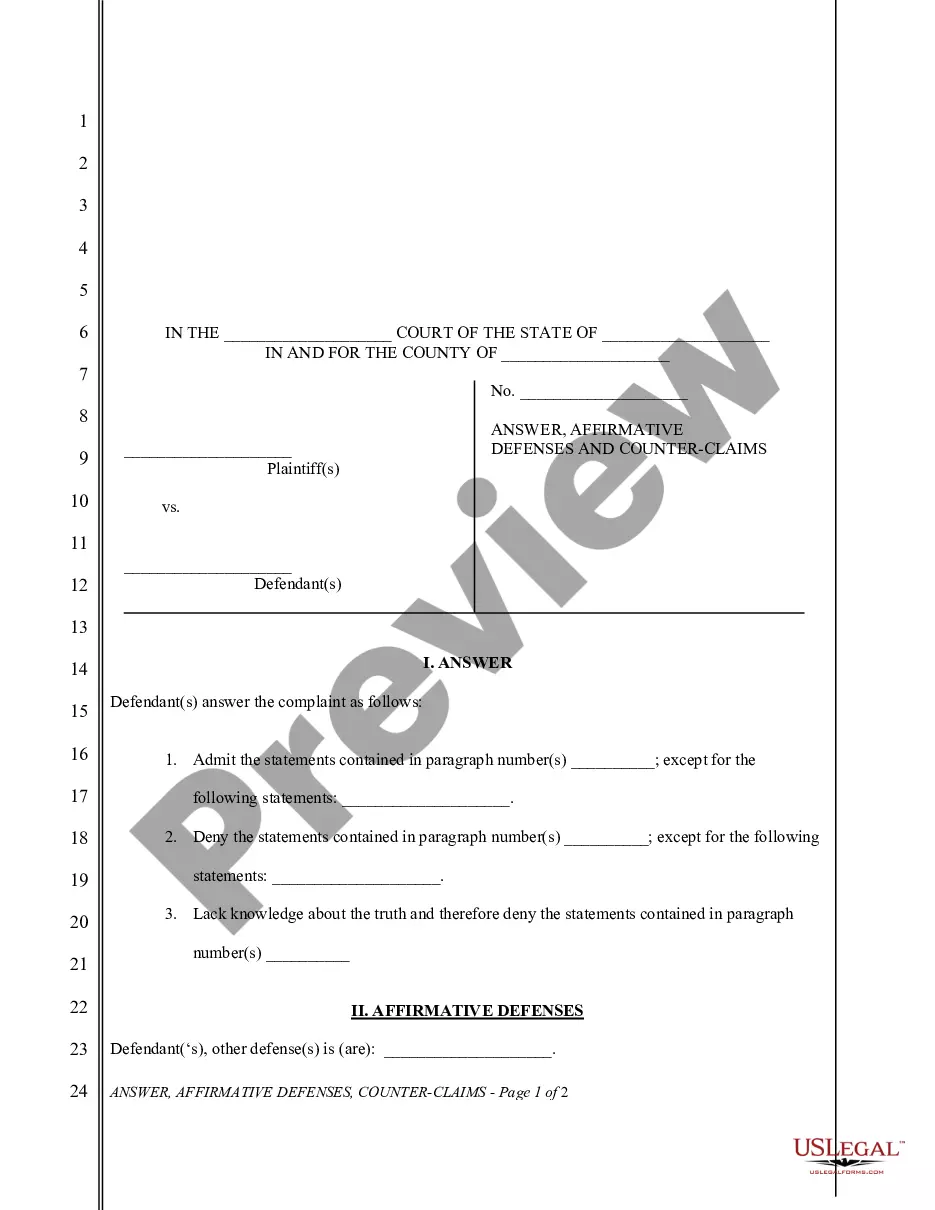
Answer Defendant Civil For Theft
Description
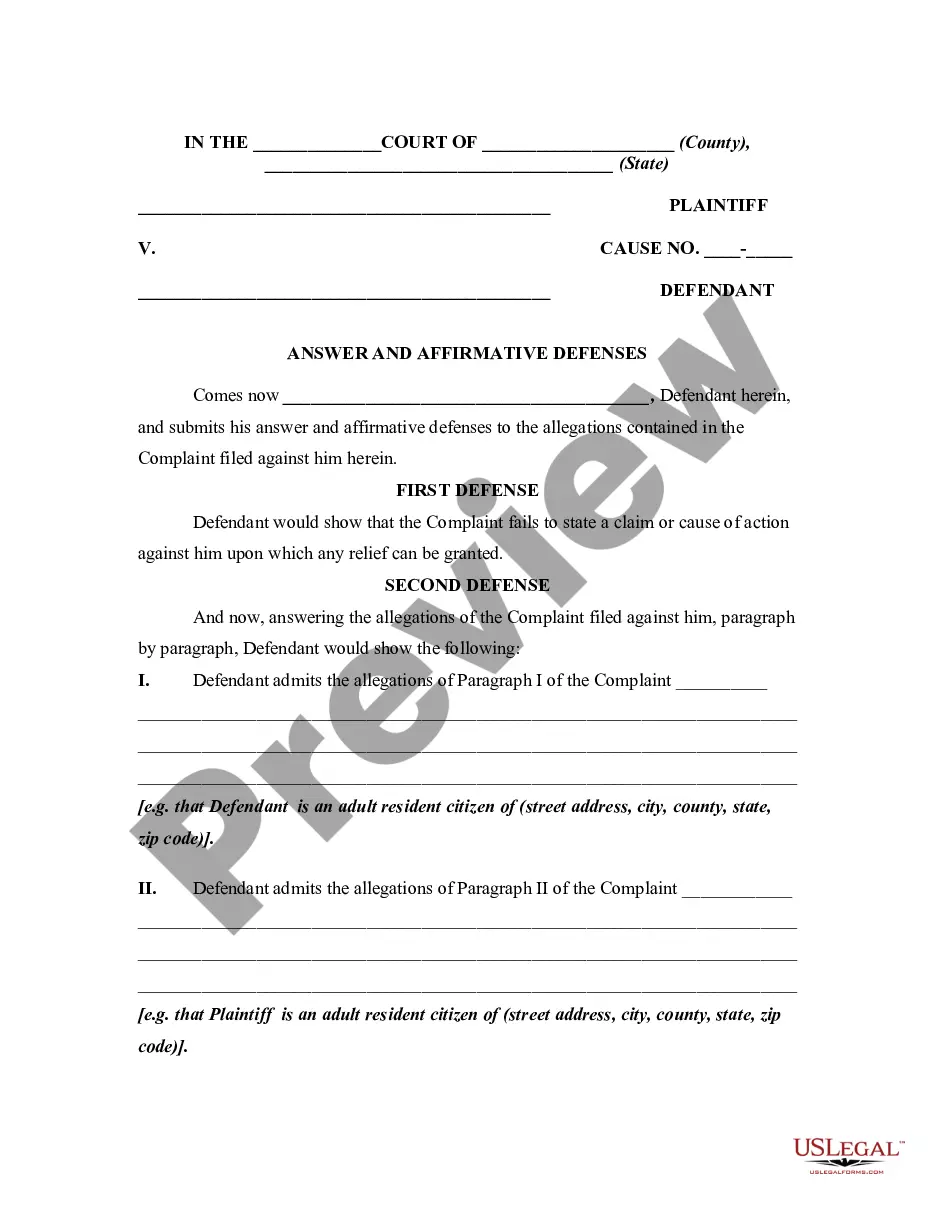
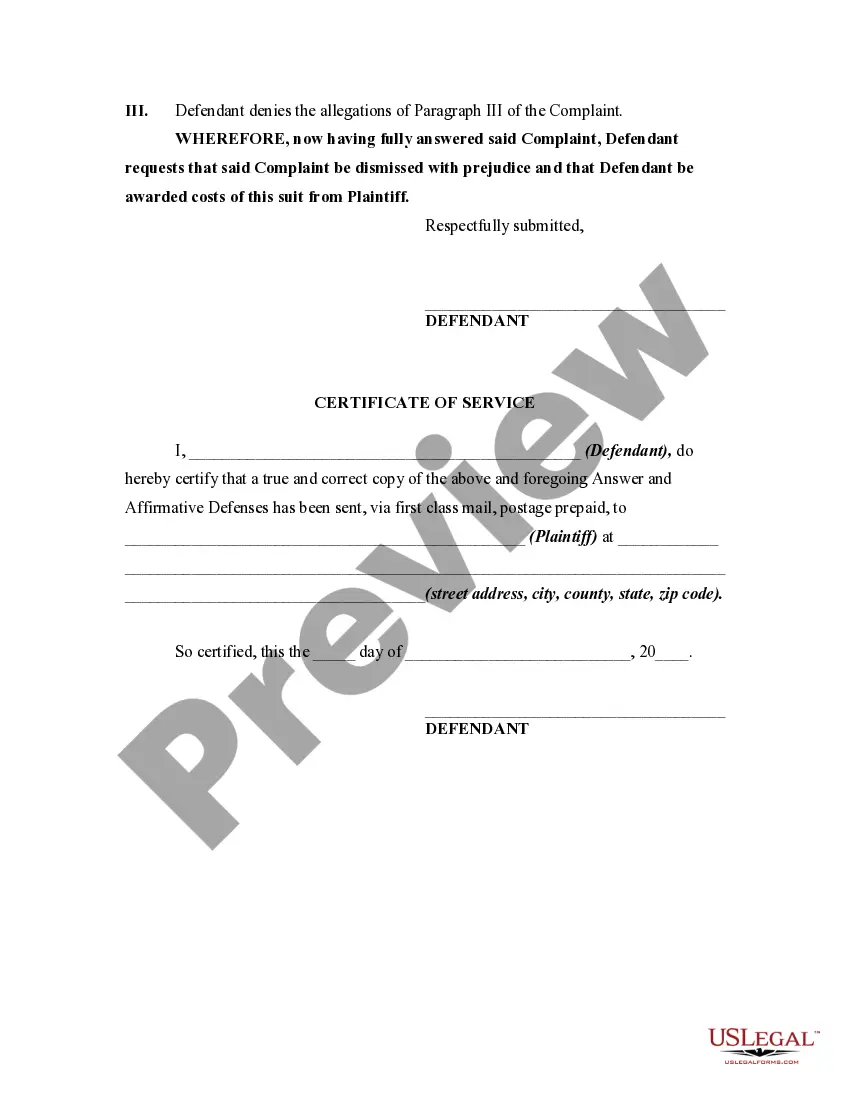
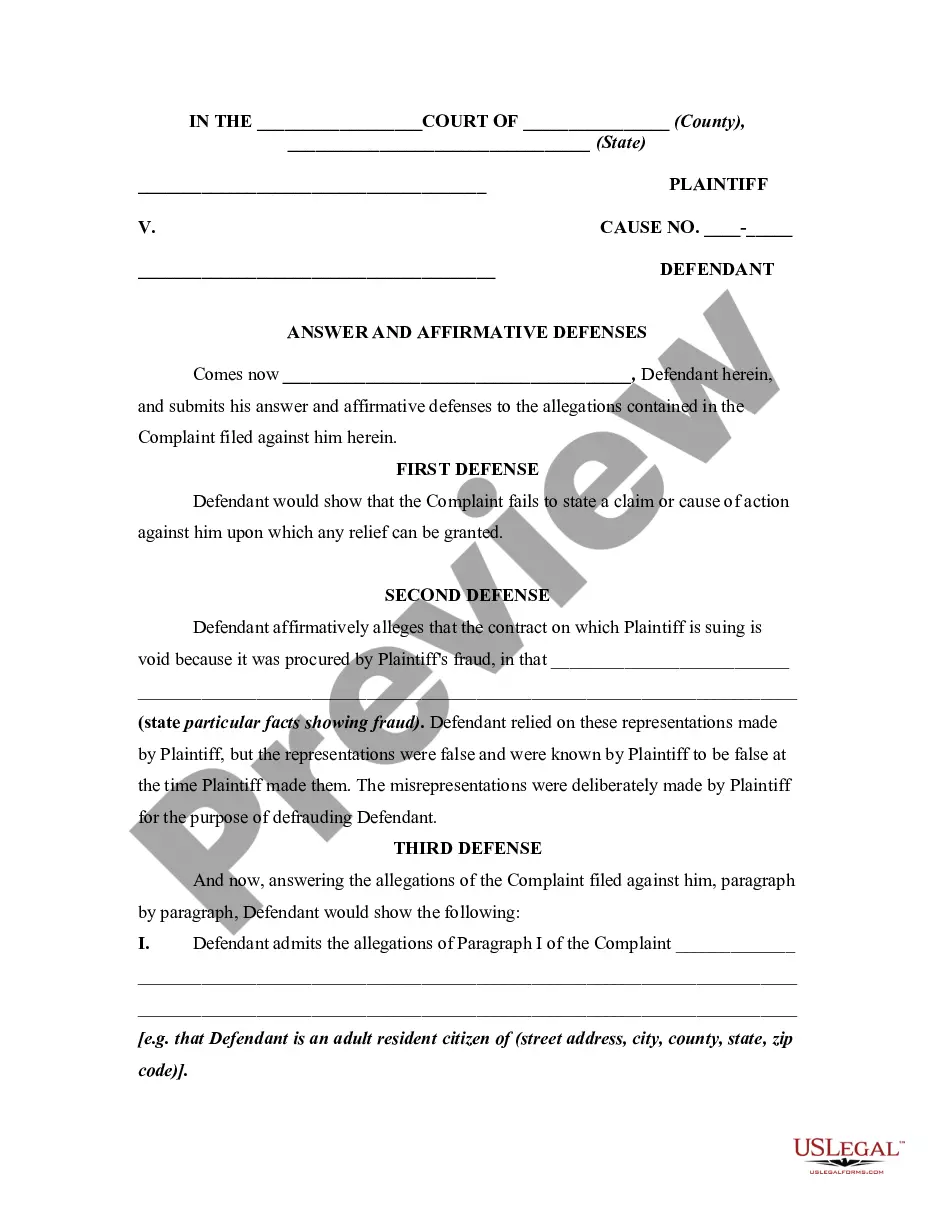
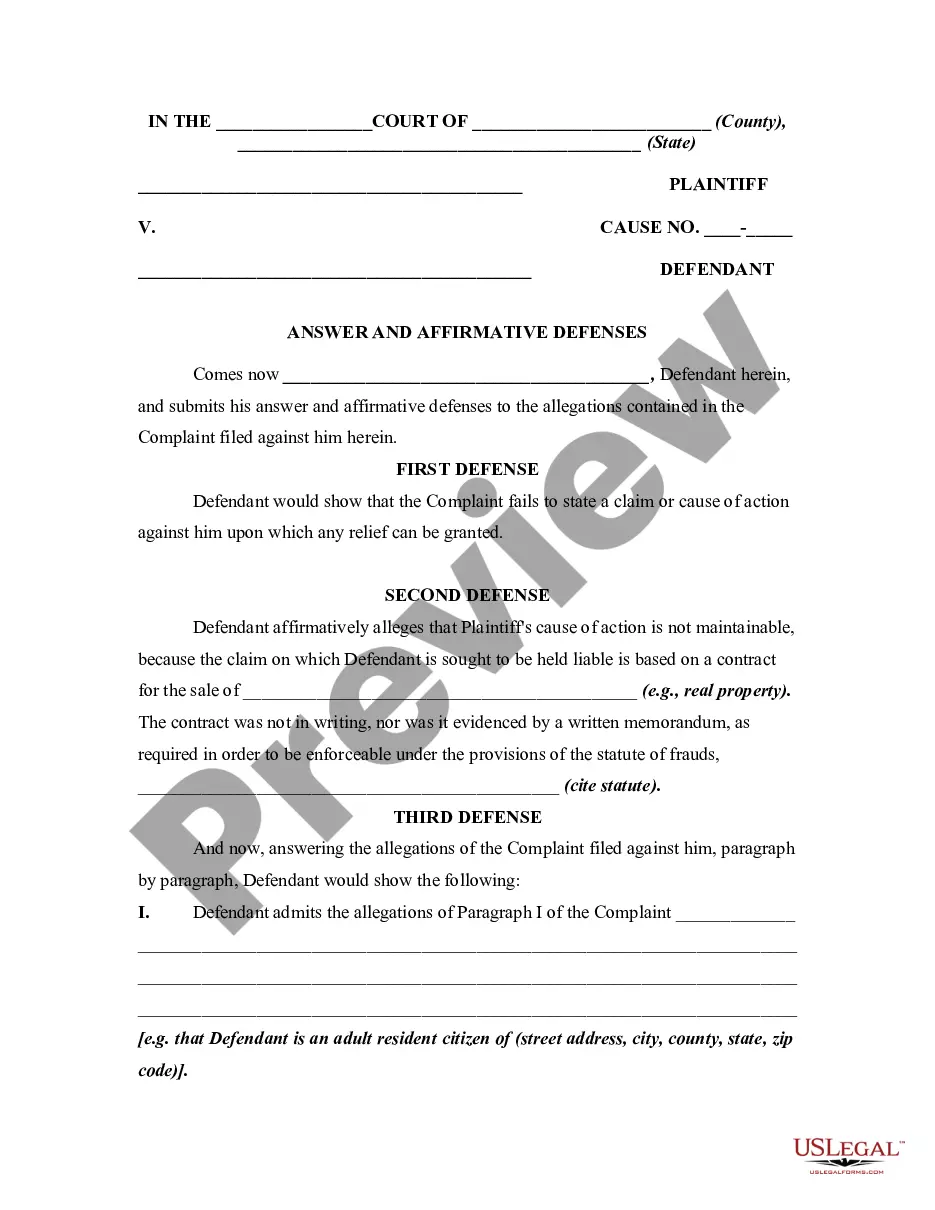
Get your form ready online
Our built-in tools help you complete, sign, share, and store your documents in one place.
Make edits, fill in missing information, and update formatting in US Legal Forms—just like you would in MS Word.
Download a copy, print it, send it by email, or mail it via USPS—whatever works best for your next step.
Sign and collect signatures with our SignNow integration. Send to multiple recipients, set reminders, and more. Go Premium to unlock E-Sign.
If this form requires notarization, complete it online through a secure video call—no need to meet a notary in person or wait for an appointment.
We protect your documents and personal data by following strict security and privacy standards.

Make edits, fill in missing information, and update formatting in US Legal Forms—just like you would in MS Word.

Download a copy, print it, send it by email, or mail it via USPS—whatever works best for your next step.

Sign and collect signatures with our SignNow integration. Send to multiple recipients, set reminders, and more. Go Premium to unlock E-Sign.

If this form requires notarization, complete it online through a secure video call—no need to meet a notary in person or wait for an appointment.

We protect your documents and personal data by following strict security and privacy standards.
Looking for another form?







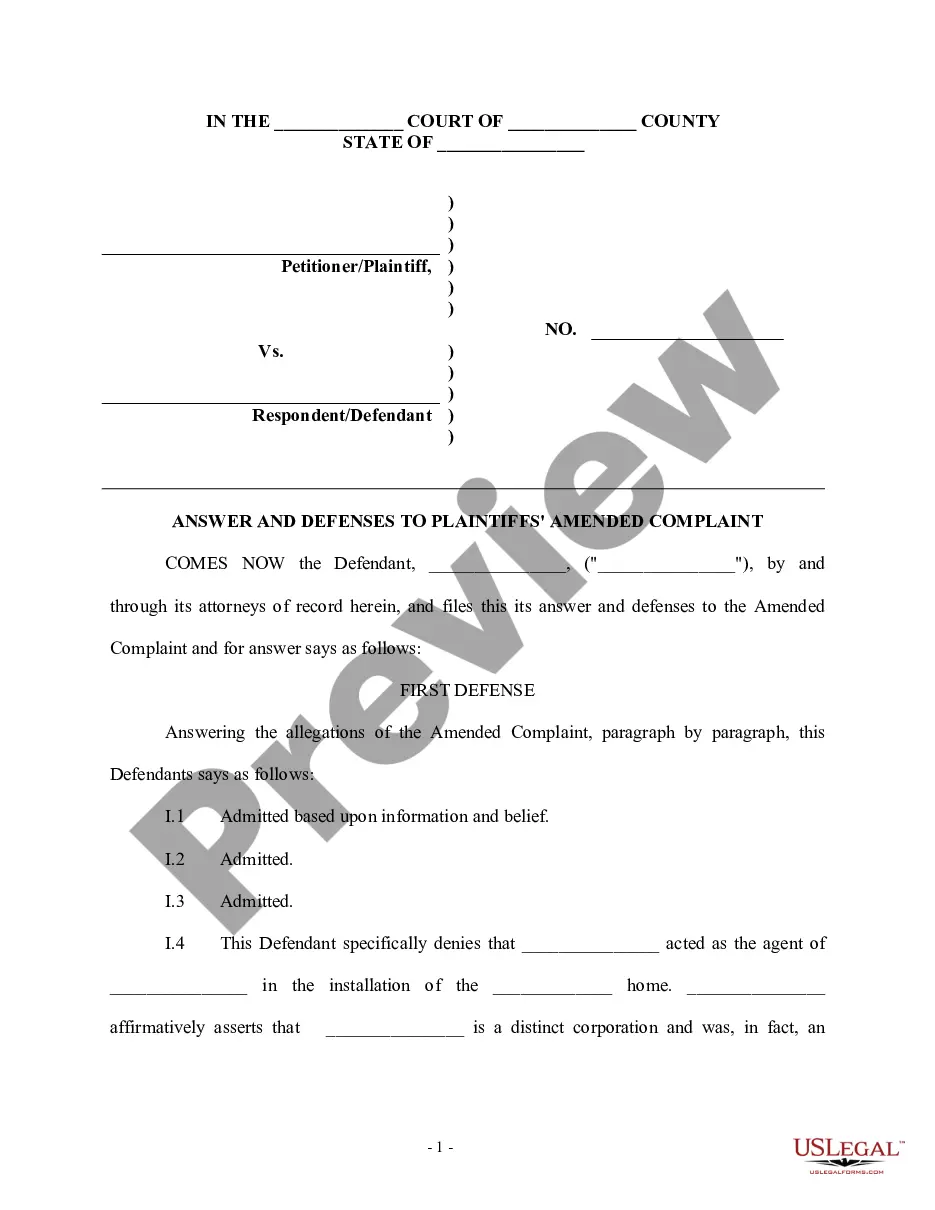
How to fill out General Form Of An Answer By Defendant In A Civil Lawsuit?
- If you're returning user, log into your account and select the necessary form template. Ensure your subscription is up-to-date. If needed, renew according to your plan.
- For first-time users, start by browsing the preview mode and description of the forms. Confirm you select the correct template that meets your specific jurisdiction requirements.
- If discrepancies arise, search for alternative templates using the Search tab until you find the appropriate one.
- Purchase the document by clicking the Buy Now button. Choose your desired subscription plan and create an account to gain access to the extensive library.
- Make your payment using credit card details or your PayPal account to finalize your subscription.
- Download your selected form and save it on your device. You can easily access it later from the My Forms section.
In conclusion, US Legal Forms empowers you to navigate legal processes efficiently, ensuring you have the right tools at your fingertips. With thousands of forms and expert assistance, you're equipped to handle your civil case with confidence.
Get started today and simplify your legal journey with US Legal Forms!
Form popularity
FAQ
Defendants in a civil action can be anyone from private citizens to large corporations. They are the parties accused of wrongdoing and are responsible for presenting their side of the case. Knowing your rights as a defendant is crucial to effectively responding to claims against you. Resources and guides that assist you in answering defendant civil for theft can make this process more manageable.
A defendant in a civil case is the person or entity facing legal action for claims made by another party. This individual's obligation is to address and respond to the accusations. The role of the defendant is to contest or accept the claims while providing necessary evidence to support their position. By understanding how to answer defendant civil for theft, the defendant can take strategic steps towards resolution.
In a civil context, the defendant is often simply referred to as the party being accused. This term stands in contrast to the plaintiff, who initiates the lawsuit. Understanding this distinction is critical as you prepare to respond to the allegations. Using accurate terminology, like 'answer defendant civil for theft,' clarifies your position in legal documents.
To write a response to a civil summons, you should carefully review the summons and any accompanying documents. Begin by drafting a formal reply that addresses each claim made against you as the defendant. Ensure your response includes a clear acknowledgment of the summons, and make sure to point out any defenses you might have. By learning to answer defendant civil for theft effectively, you can better protect your interests.
A defendant in a civil case is the party whom the plaintiff accuses of causing harm or suffering loss. This term includes individuals, businesses, or organizations alleged to have committed theft or other wrongful acts. Responding effectively to these allegations is crucial for the defendant's defense. You can navigate these complexities with tools that answer defendant civil for theft.
In a civil case, the defendant is the individual or entity being accused of wrongdoing, such as theft. This party is responsible for responding to the claims made against them. When you seek to answer as a defendant, it is essential to understand your rights and obligations under the law. Knowing how to answer defendant civil for theft can help you build your case.
Yes, you can sue civilly for theft through a process called filing a tort claim. This allows the victim to seek monetary damages for property stolen. Understanding your legal options equips you to answer defendant civil for theft and pursue the justice you deserve.
The legal term for stealing is theft, which may overlap with terms like larceny or robbery depending on the circumstances. Legal definitions can vary by state, so it is wise to consult legal resources for specifics. If you need assistance in addressing a theft issue, consider how to answer defendant civil for theft effectively.
The proper term for stealing in a legal context is theft. This category often includes various forms of taking, such as burglary or fraud. Whether you face such a situation or seek to answer defendant civil for theft, clarity in these terms will serve you well.
The civil term for stealing is conversion or sometimes unjust enrichment. These terms get to the heart of how one party unlawfully benefits from another party's property. As you prepare to answer defendant civil for theft, having a firm grasp on these concepts can enhance your legal strategy.