Controlled Understand Substance For Depression
Description
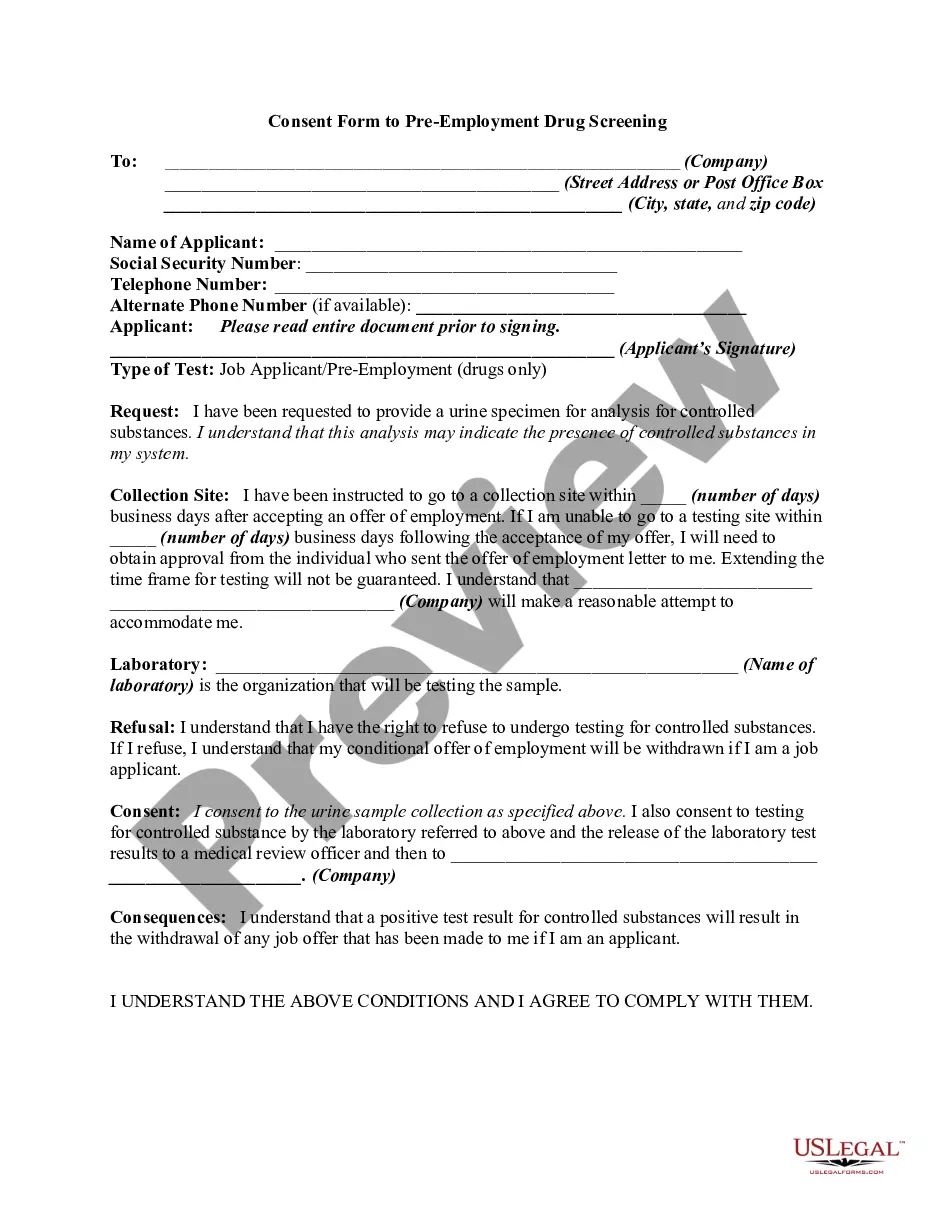
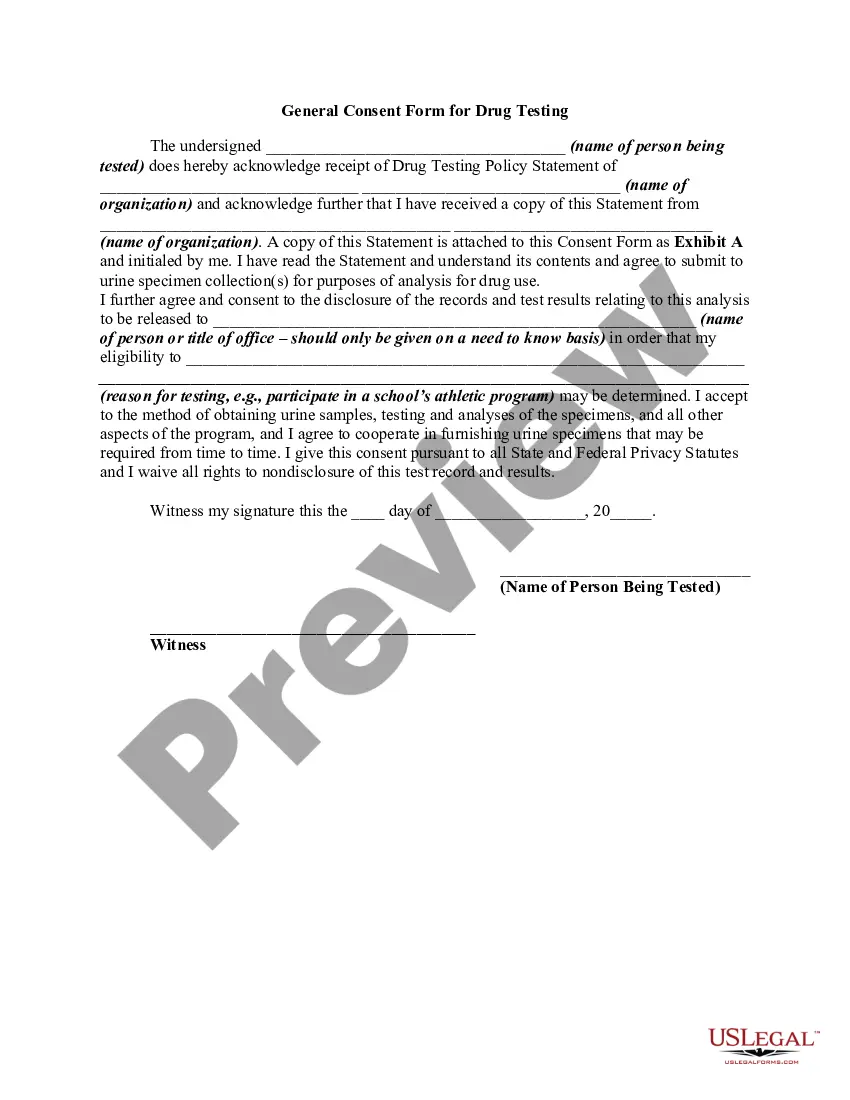
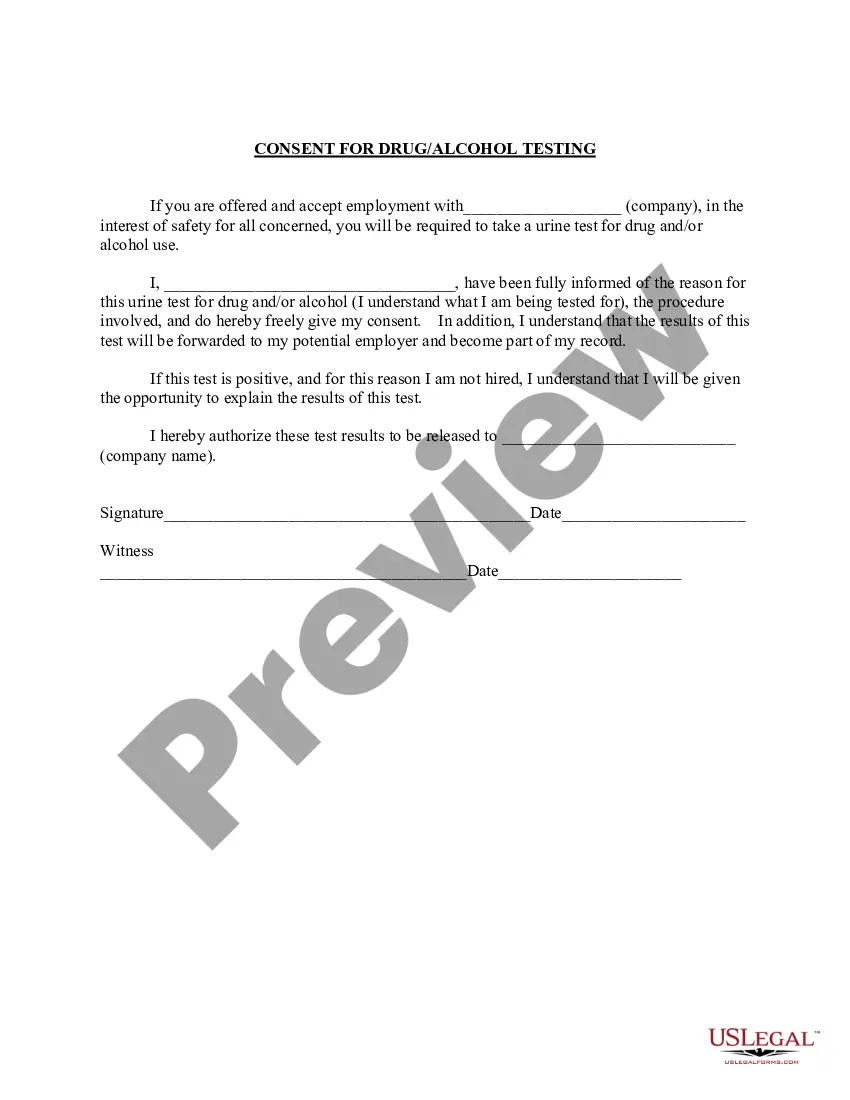
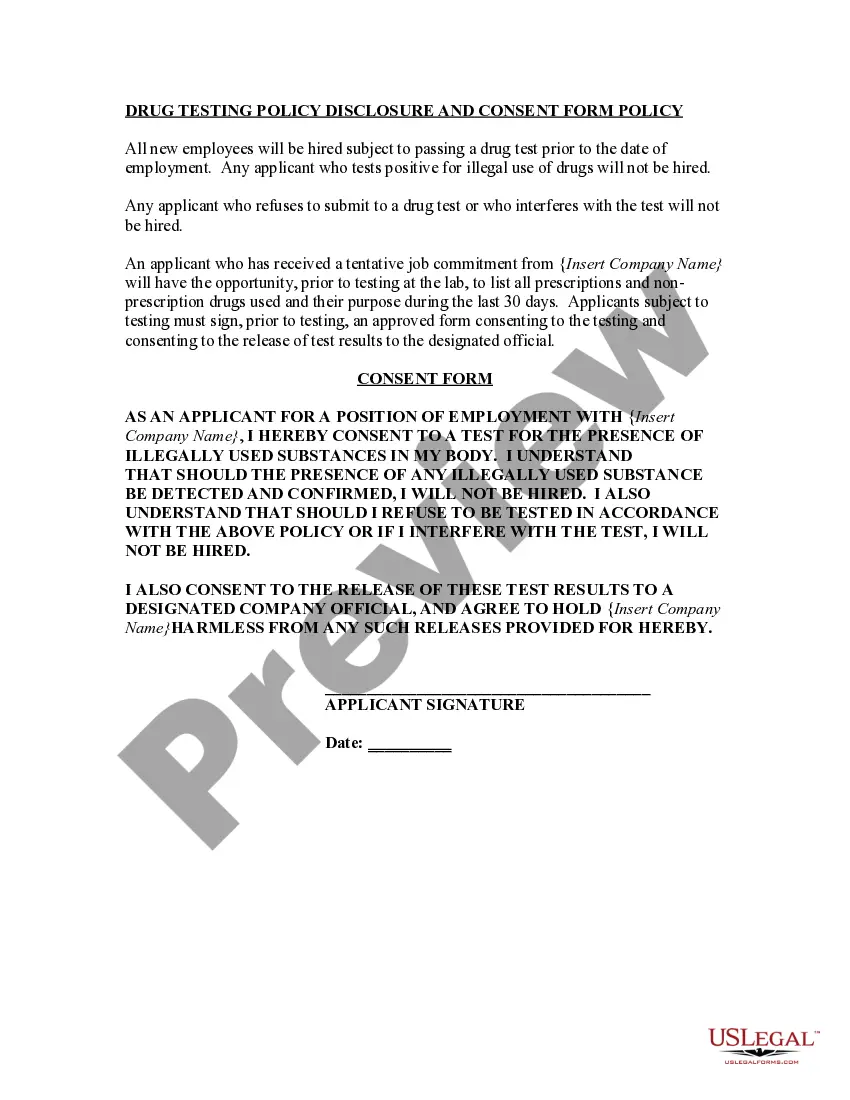
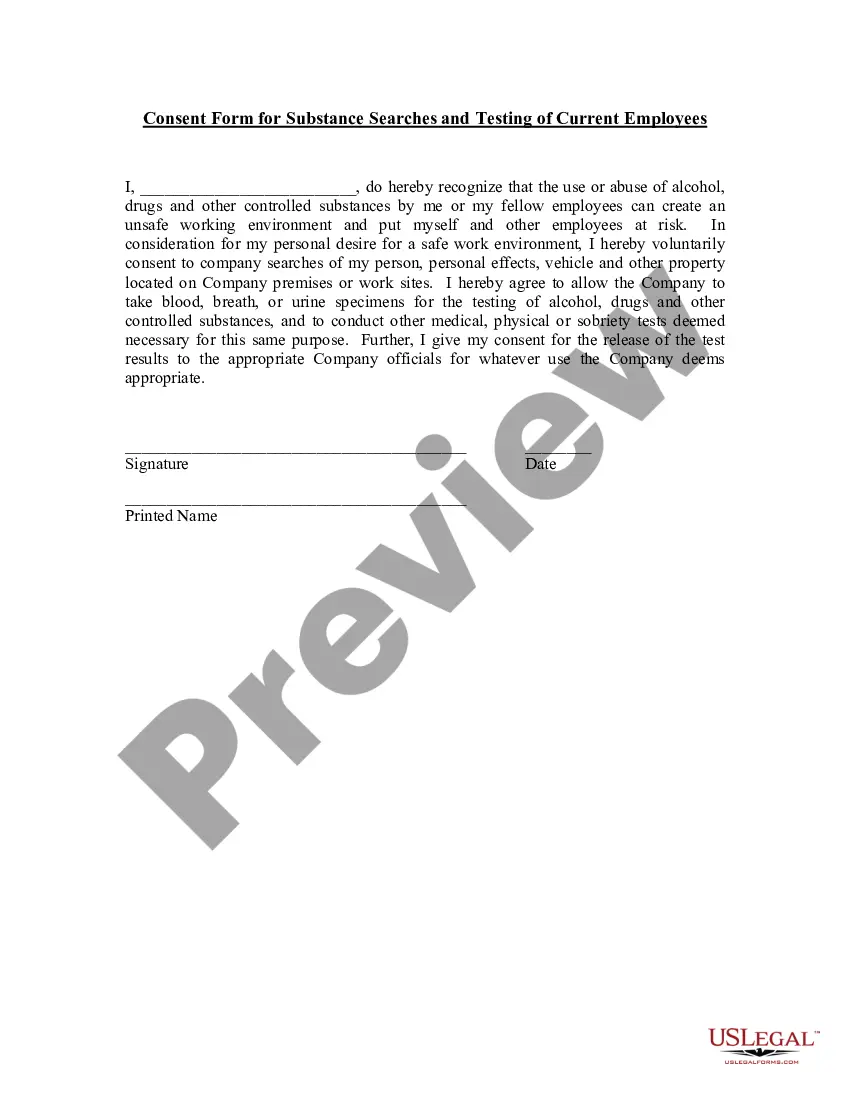

How to fill out Consent Form To Pre-Employment Drug Screening?
Acquiring legal document examples that adhere to national and local regulations is essential, and the internet provides numerous choices to choose from.
However, what is the benefit of spending time searching for the appropriate Controlled Understand Substance For Depression example online when the US Legal Forms online repository already has such templates assembled in one location.
US Legal Forms is the most extensive digital legal catalog featuring over 85,000 editable templates created by legal professionals for any business and personal situation.
Review the template using the Preview function or through the text description to ensure it fulfills your needs.
- They are easy to navigate with all documents organized by state and intended use.
- Our specialists stay informed on legal changes, ensuring your documents are current and compliant when obtaining a Controlled Understand Substance For Depression from our site.
- Acquiring a Controlled Understand Substance For Depression is straightforward and quick for both existing and new users.
- If you already have an account with an active subscription, Log In and download the template you require in the desired format.
- If you are new to our platform, follow the steps outlined below.
Form popularity
FAQ
Depression medication can be either a controlled substance or not, depending on the specific drug. Some antidepressants, particularly those with potential for abuse, fall into the controlled substance category. Consulting with a healthcare professional can help clarify which medications are appropriate for your mental health while considering the implications of controlled substances for depression.
Not all depression medications are controlled substances. Many common antidepressants are not classified as controlled substances, which means they carry a lower risk of abuse. It's essential to review your medication options with a healthcare provider to ensure you are informed about any controlled substances for depression.
While some studies suggest that DMT may have potential benefits for depression, it remains a controlled substance in many jurisdictions. The effects can vary widely among individuals, and more research is needed to clearly understand its efficacy. Always consult with a healthcare provider before considering any controlled substances for depression.
Zoloft, or sertraline, is not classified as a controlled substance. It is an SSRI commonly prescribed to treat depression and anxiety disorders. Patients can use Zoloft under the guidance of a healthcare provider without concerns about its classification as a controlled substance for depression.
Controlled substances include medications that have a high potential for abuse and dependency. This category encompasses certain pain medications, anxiety medications, and some antidepressants. Understanding which medications are classified as controlled substances for depression is crucial for safe usage and compliance with regulations.
Several antidepressants do not fall under the category of controlled substances. Medications like fluoxetine, sertraline, and bupropion are commonly prescribed and carry no risk of abuse. Always discuss with your doctor to identify which options might be most appropriate for your situation regarding controlled substances for depression.
Various substances can assist with depression, including certain prescription medications and natural supplements. Commonly prescribed medications include selective serotonin reuptake inhibitors (SSRIs) and other antidepressants. It's essential to consult a healthcare professional to determine the best options, especially when considering controlled substances for depression.