Trust Documentation Sample For Wound Care
Description

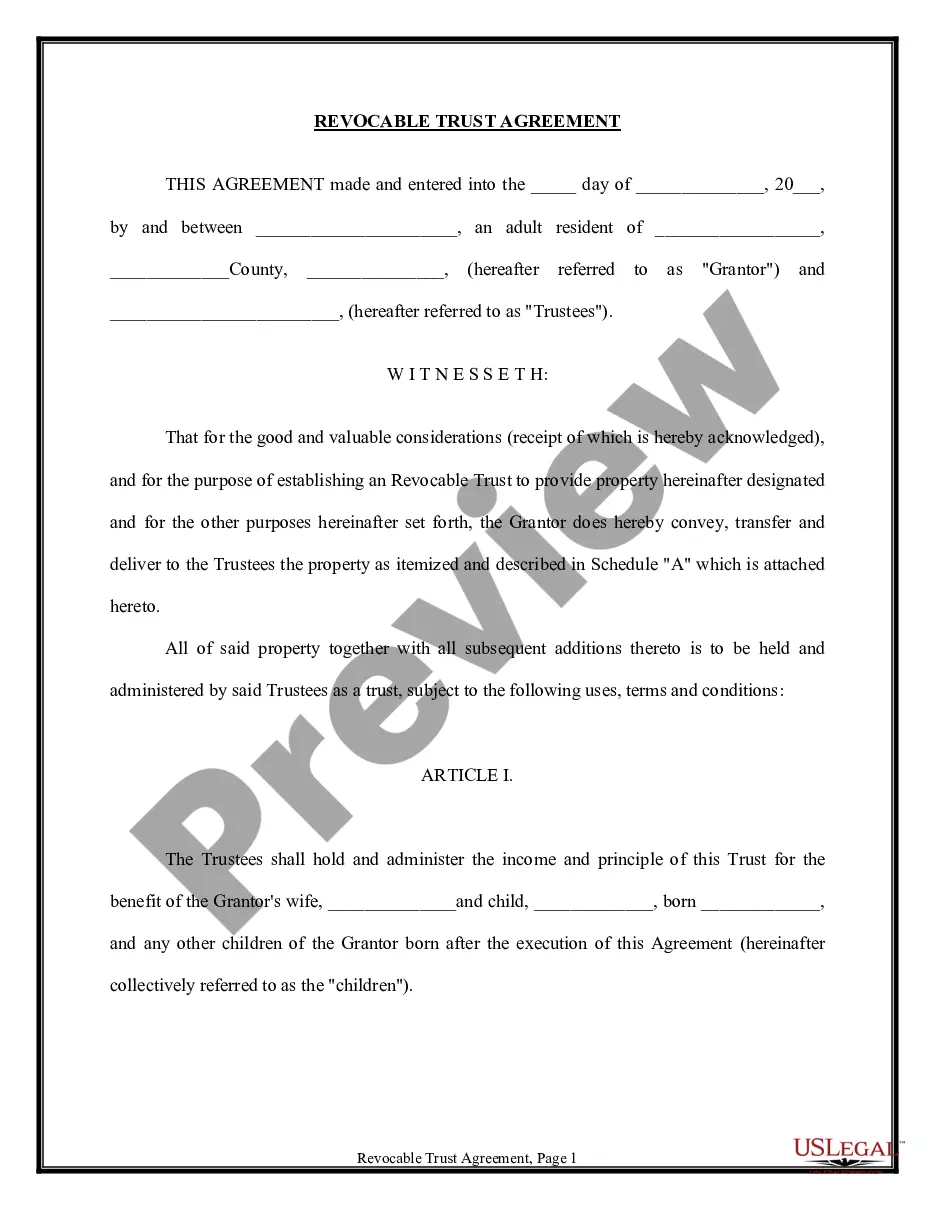


Get your form ready online
Our built-in tools help you complete, sign, share, and store your documents in one place.
Make edits, fill in missing information, and update formatting in US Legal Forms—just like you would in MS Word.
Download a copy, print it, send it by email, or mail it via USPS—whatever works best for your next step.
Sign and collect signatures with our SignNow integration. Send to multiple recipients, set reminders, and more. Go Premium to unlock E-Sign.
If this form requires notarization, complete it online through a secure video call—no need to meet a notary in person or wait for an appointment.
We protect your documents and personal data by following strict security and privacy standards.

Make edits, fill in missing information, and update formatting in US Legal Forms—just like you would in MS Word.

Download a copy, print it, send it by email, or mail it via USPS—whatever works best for your next step.

Sign and collect signatures with our SignNow integration. Send to multiple recipients, set reminders, and more. Go Premium to unlock E-Sign.

If this form requires notarization, complete it online through a secure video call—no need to meet a notary in person or wait for an appointment.

We protect your documents and personal data by following strict security and privacy standards.
Looking for another form?
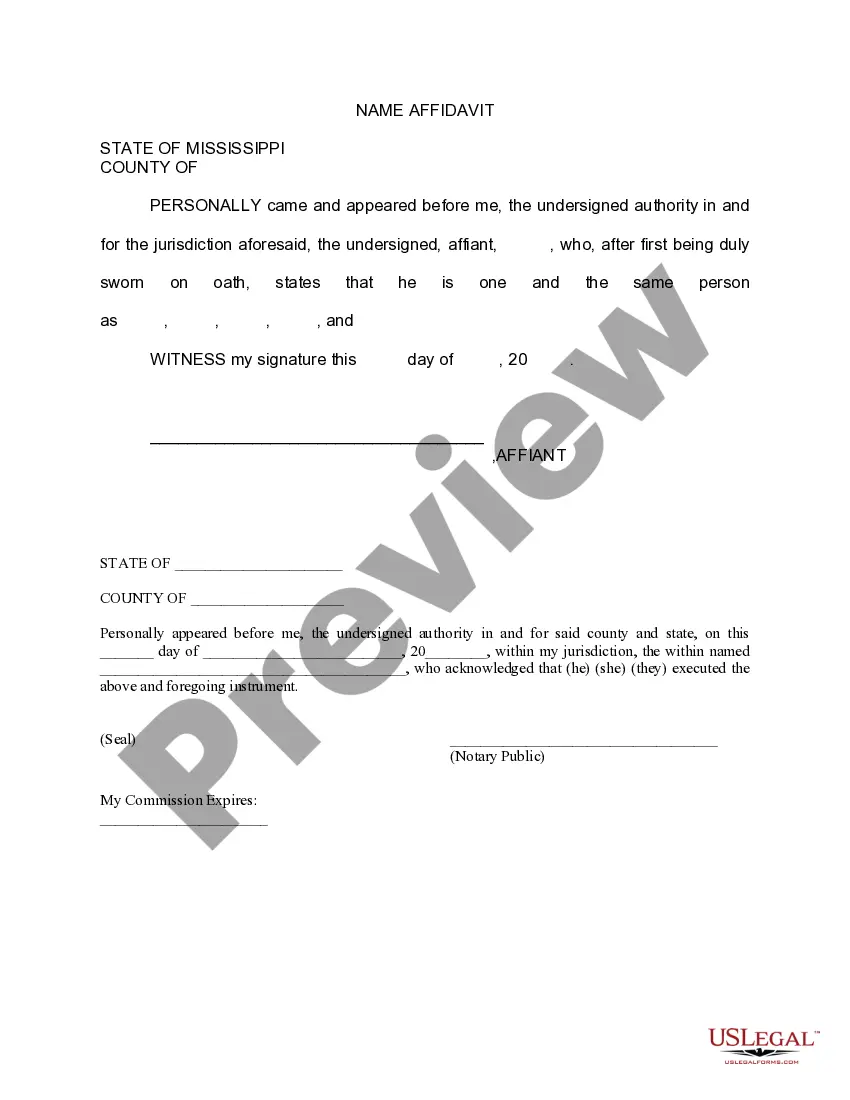









How to fill out Trust Agreement - Family Special Needs?
Whether for professional reasons or personal concerns, everyone must confront legal issues at some point in their lives.
Filling out legal documents necessitates meticulous care, starting with selecting the appropriate form template.
With an extensive US Legal Forms catalog available, you will never need to waste time searching for the right template on the internet. Utilize the library’s simple navigation to find the correct template for any event.
- Locate the template you require by utilizing the search bar or catalog navigation.
- Review the form’s details to confirm it aligns with your situation, state, and county.
- Click on the form’s preview to examine it.
- If it is not the correct form, return to the search feature to find the Trust Documentation Sample For Wound Care template you require.
- Download the document if it fulfills your requirements.
- If you have an existing US Legal Forms account, simply click Log in to access previously saved templates in My documents.
- If you do not currently possess an account, you can acquire the form by clicking Buy now.
- Select the suitable pricing option.
- Complete the account registration form.
- Choose your payment method: use a credit card or PayPal account.
- Select the file format you prefer and download the Trust Documentation Sample For Wound Care.
- Once it is downloaded, you can fill out the form using editing software or print it and complete it by hand.
Form popularity
FAQ
For example, a wound can be described: wound bed 3 cm x 4 cm x 4 cm with undermining from 3 to 7 o'clock with greatest depth of 3 cm at 4 o'clock. Tunneling noted at 10 o'clock of 6 cm. Wound description would say: Wound bed with undermining from 3 to 7 o'clock with greatest depth at 10 o'clock with depth of 6 cm.
Wound assessment should include the following components: Anatomic location. Type of wound (if known) Degree of tissue damage. Wound bed. Wound size. Wound edges and periwound skin. Signs of infection. Pain.
Thorough wound assessments are vital for effective wound care management. Documentation should include a detailed description of the wound's location, size, depth, and any associated tissue damage. Photographs can be valuable visual aids to capture the wound's appearance at different stages.
Let's talk about the 7 steps for caring for wounds. Step #1 Wash Your Hands Clean. ... Step #2 Stop the Bleeding. ... Step #3 Clean the Wound. ... Step #4 Apply Antibacterial Ointment. ... Step #5 Protect the Wound. ... Step #6 Change the Dressing. ... Step #7 Observe Symptoms. ... Wound Care in Rochester, New York.
Wound care is increasingly becoming complex with the introduction of advanced wound technology. However, the entire wound care can be distilled into five basic principles. These five principles include wound assessment, wound cleansing, timely dressing change, selection of appropriate dressings, and antibiotic use.