Charitable Deduction
Description
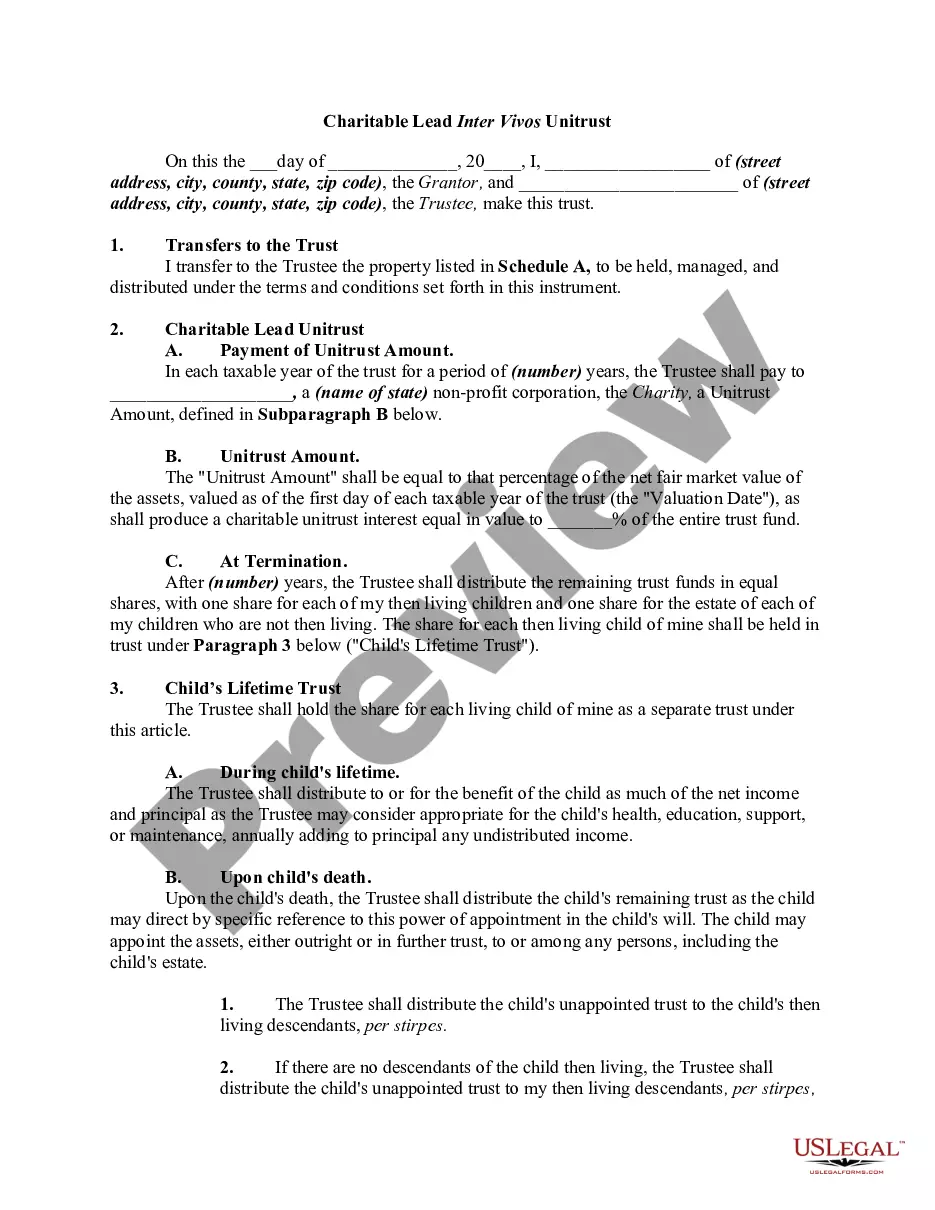
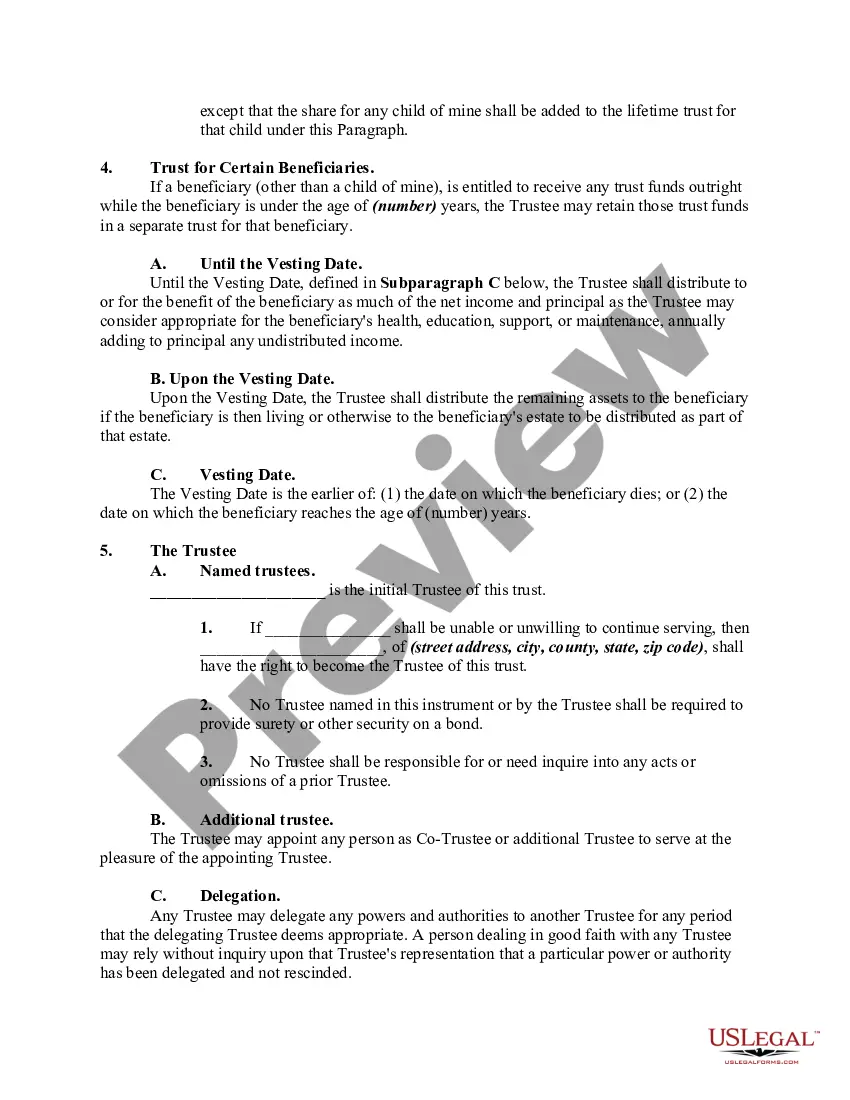
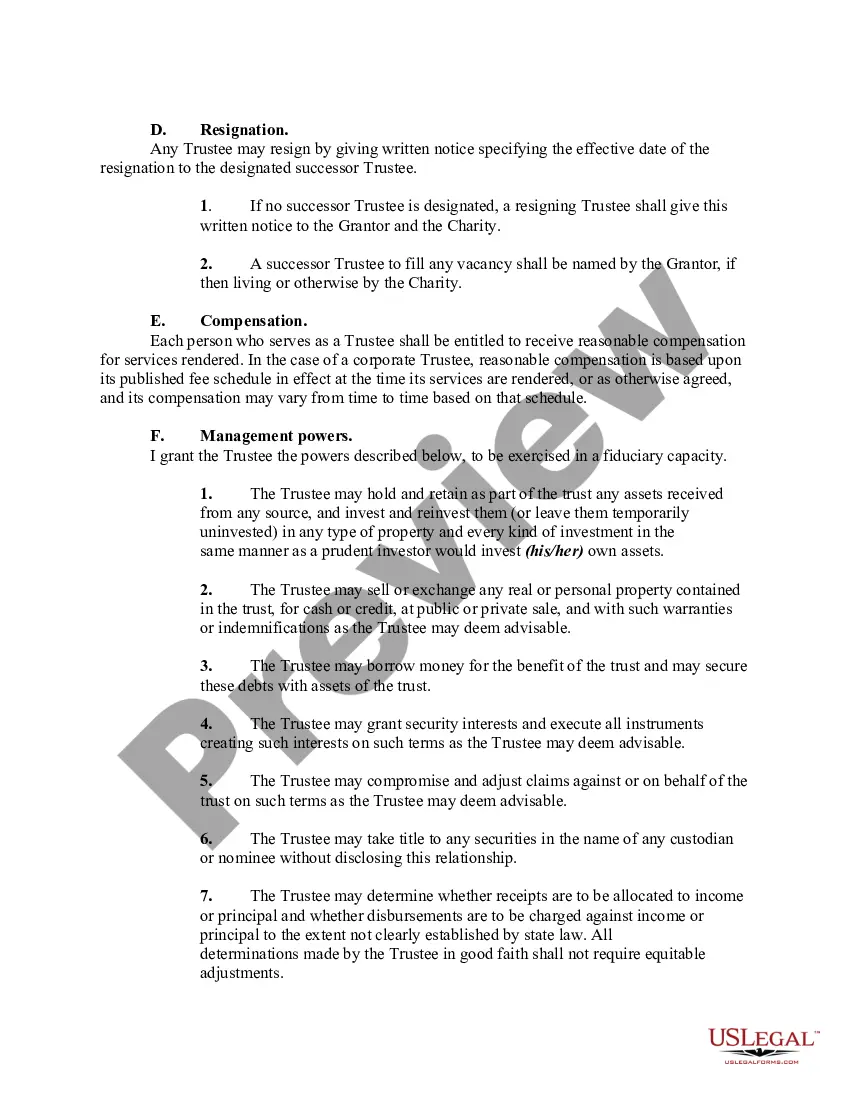
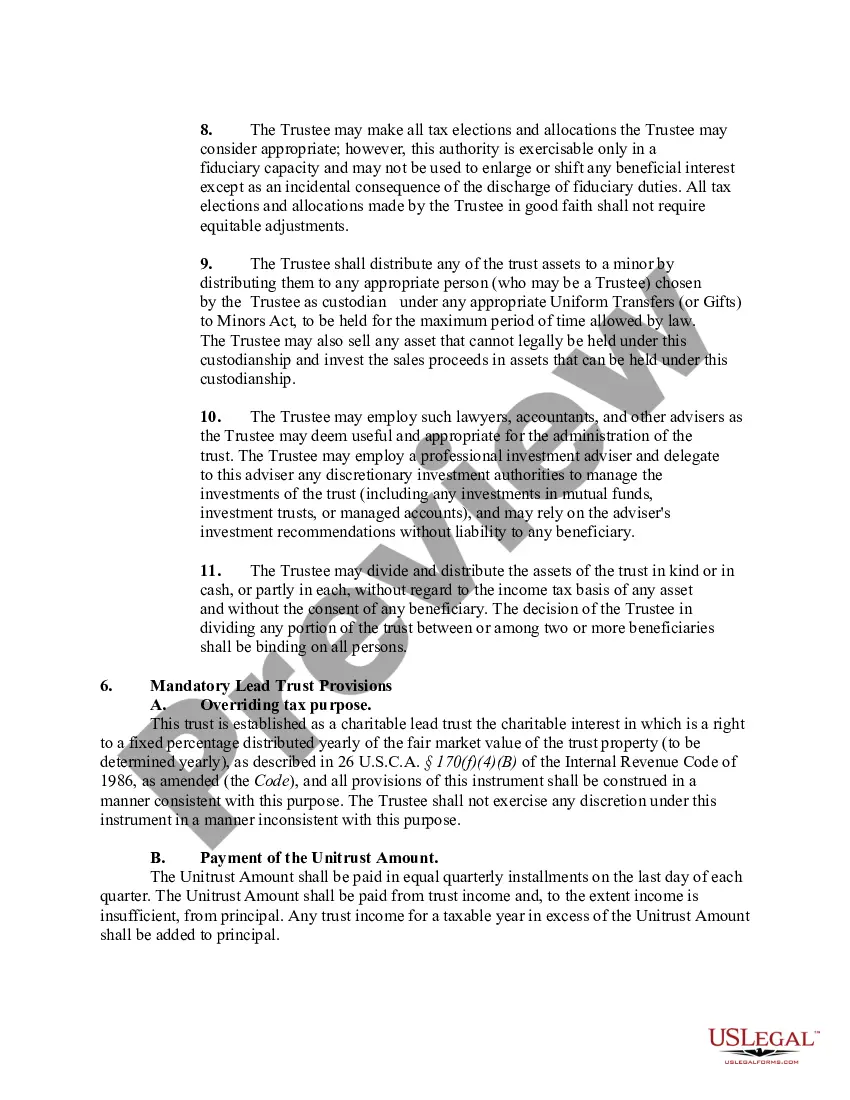
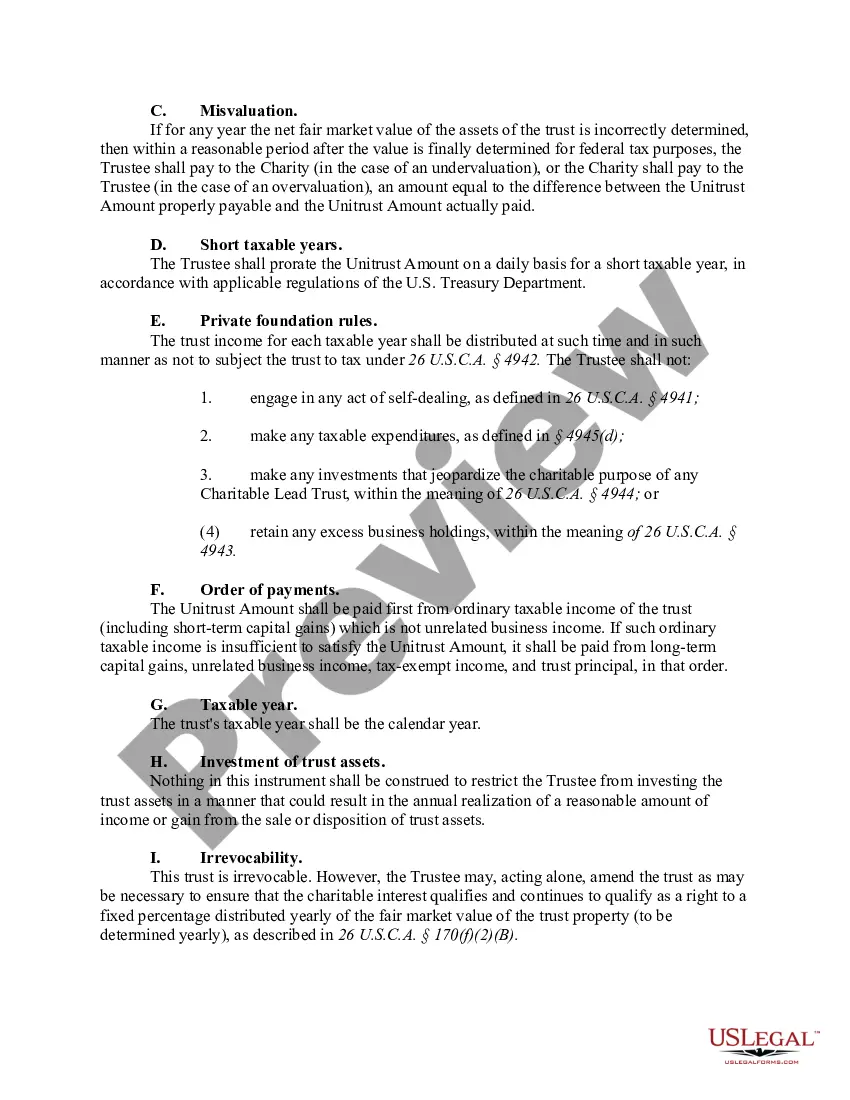
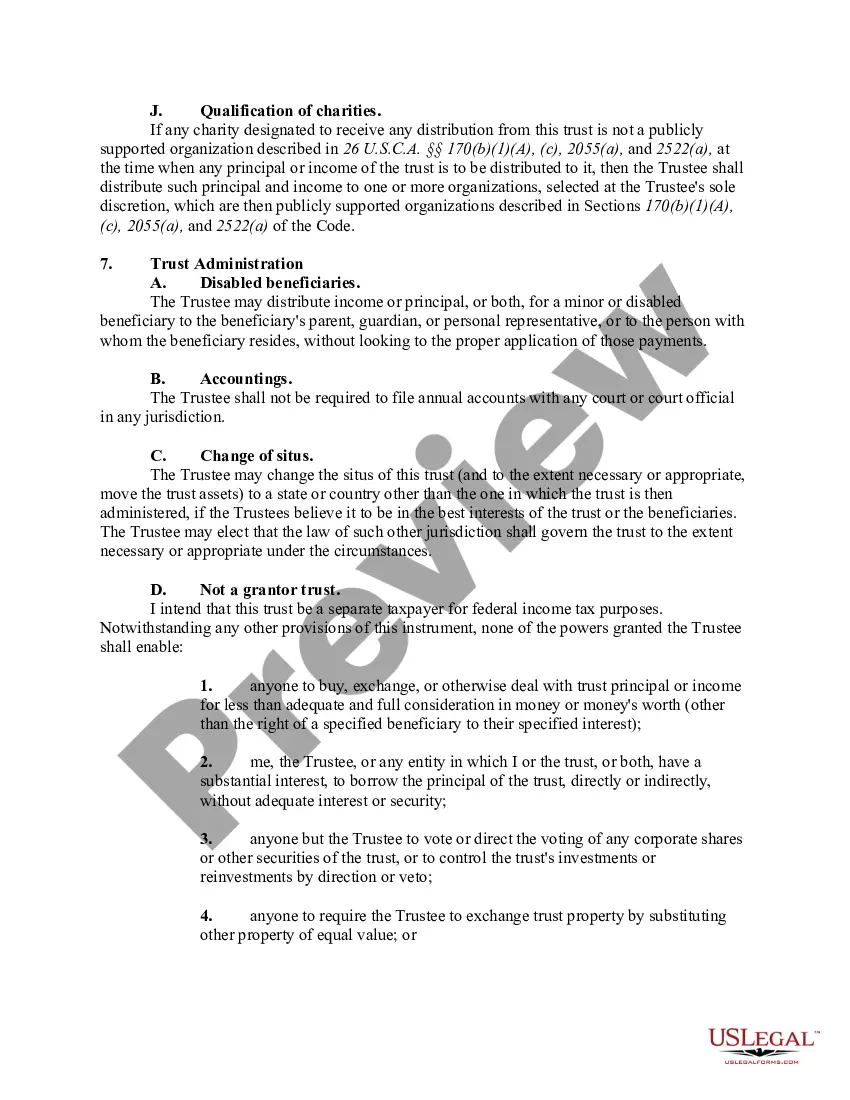
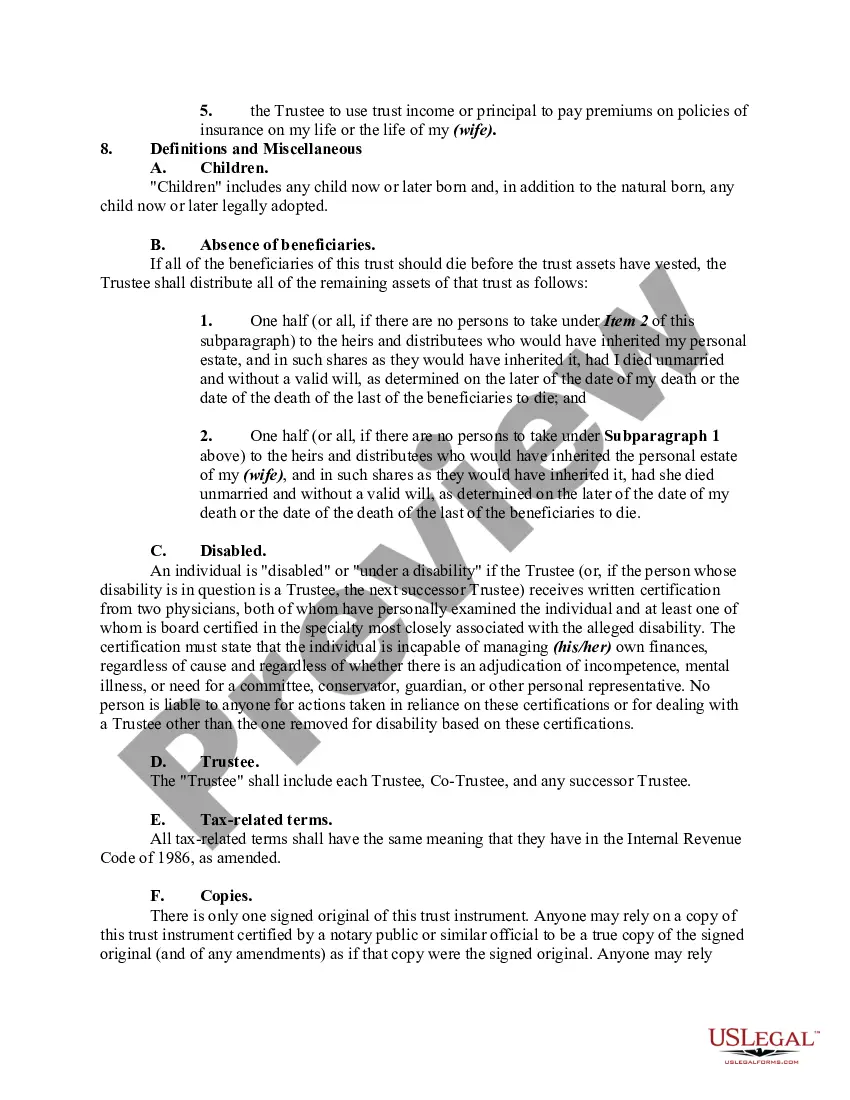
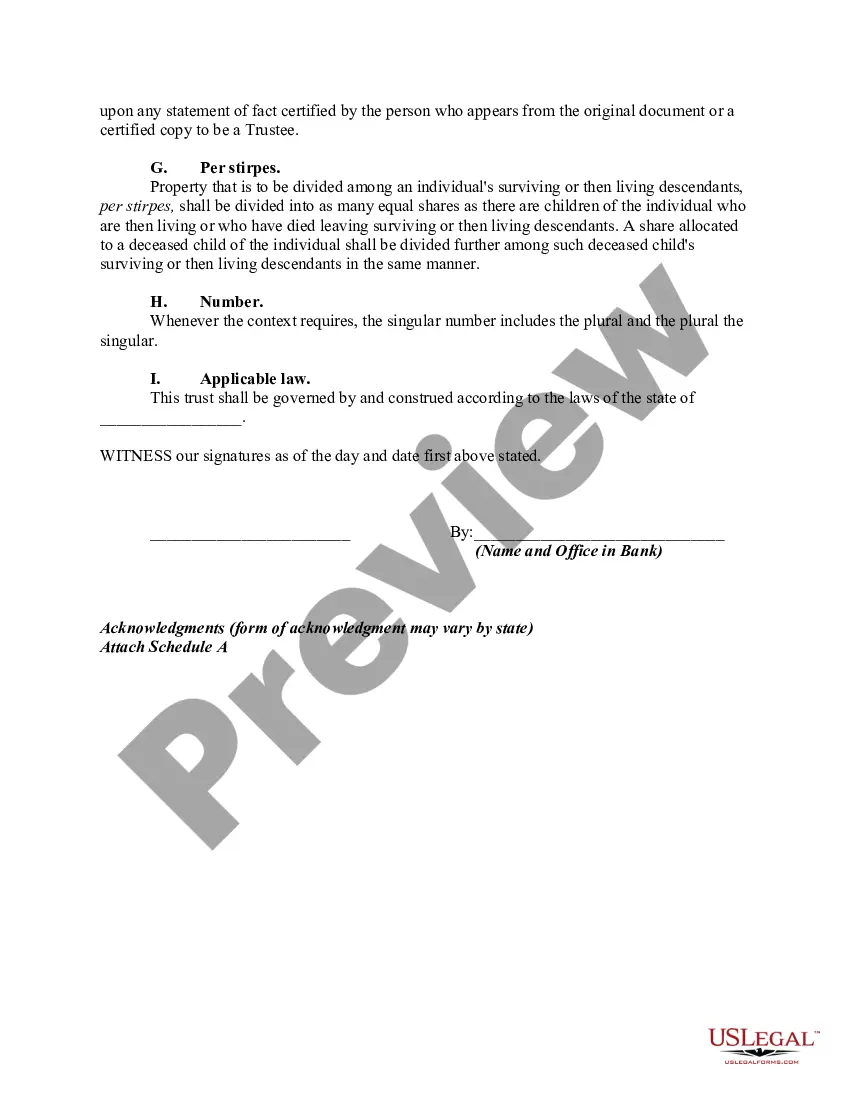
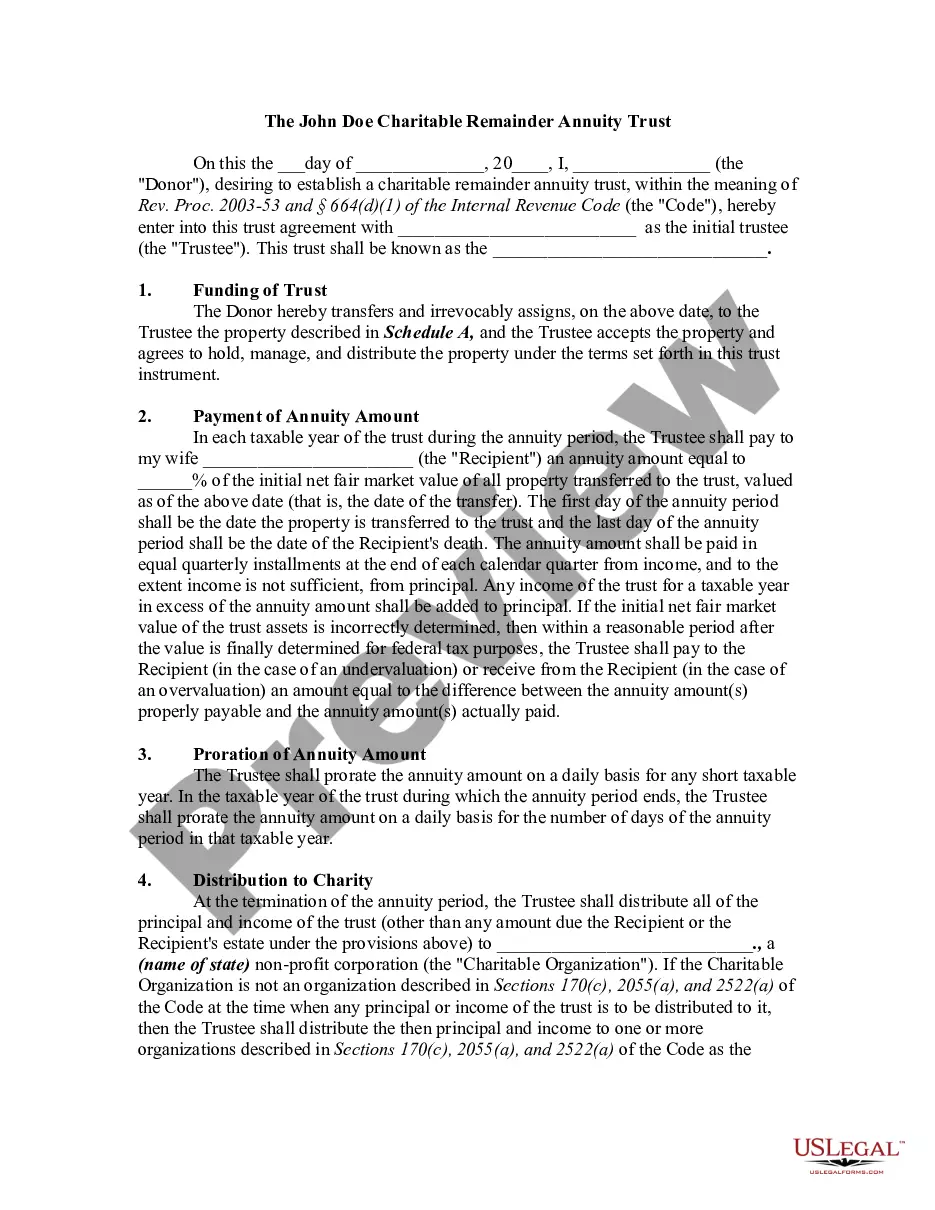
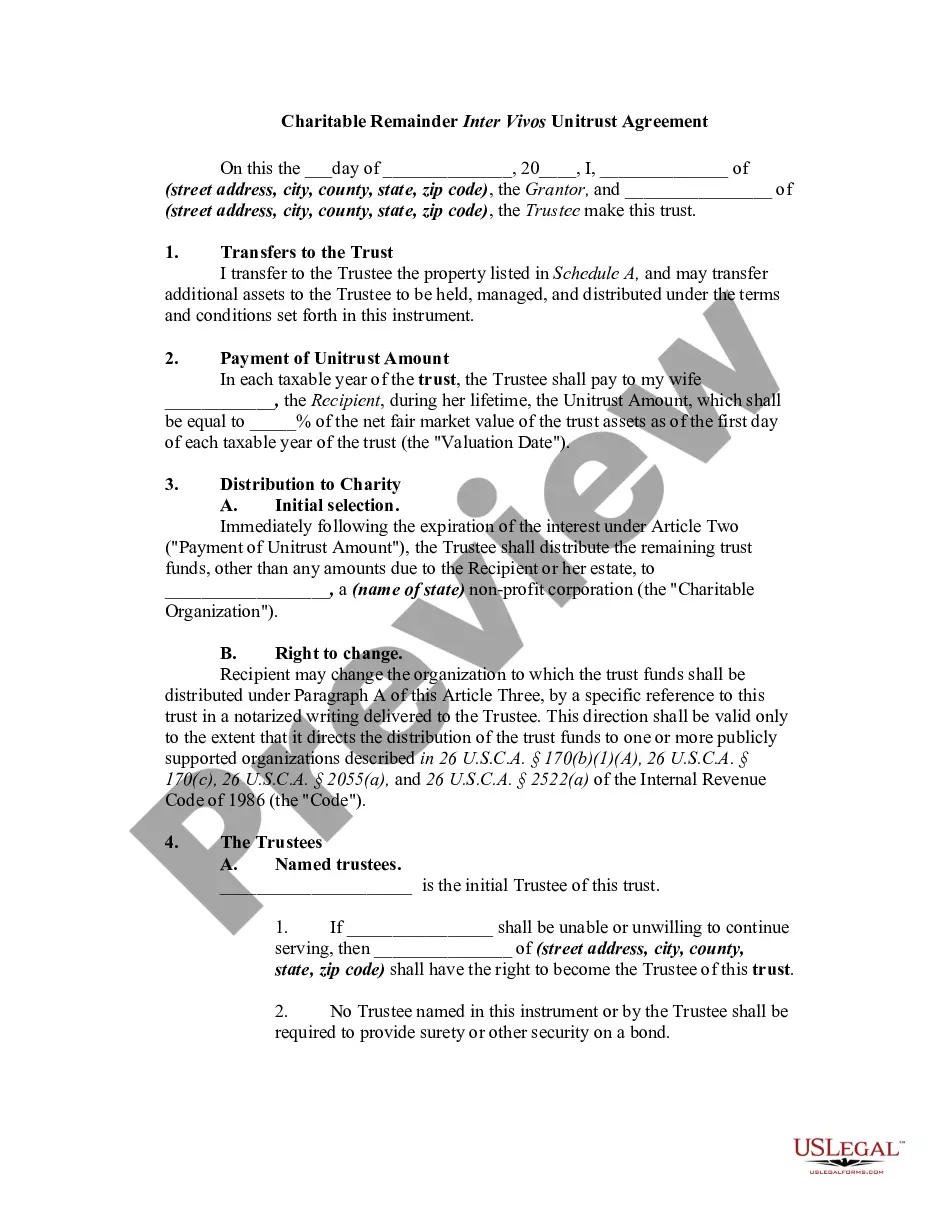
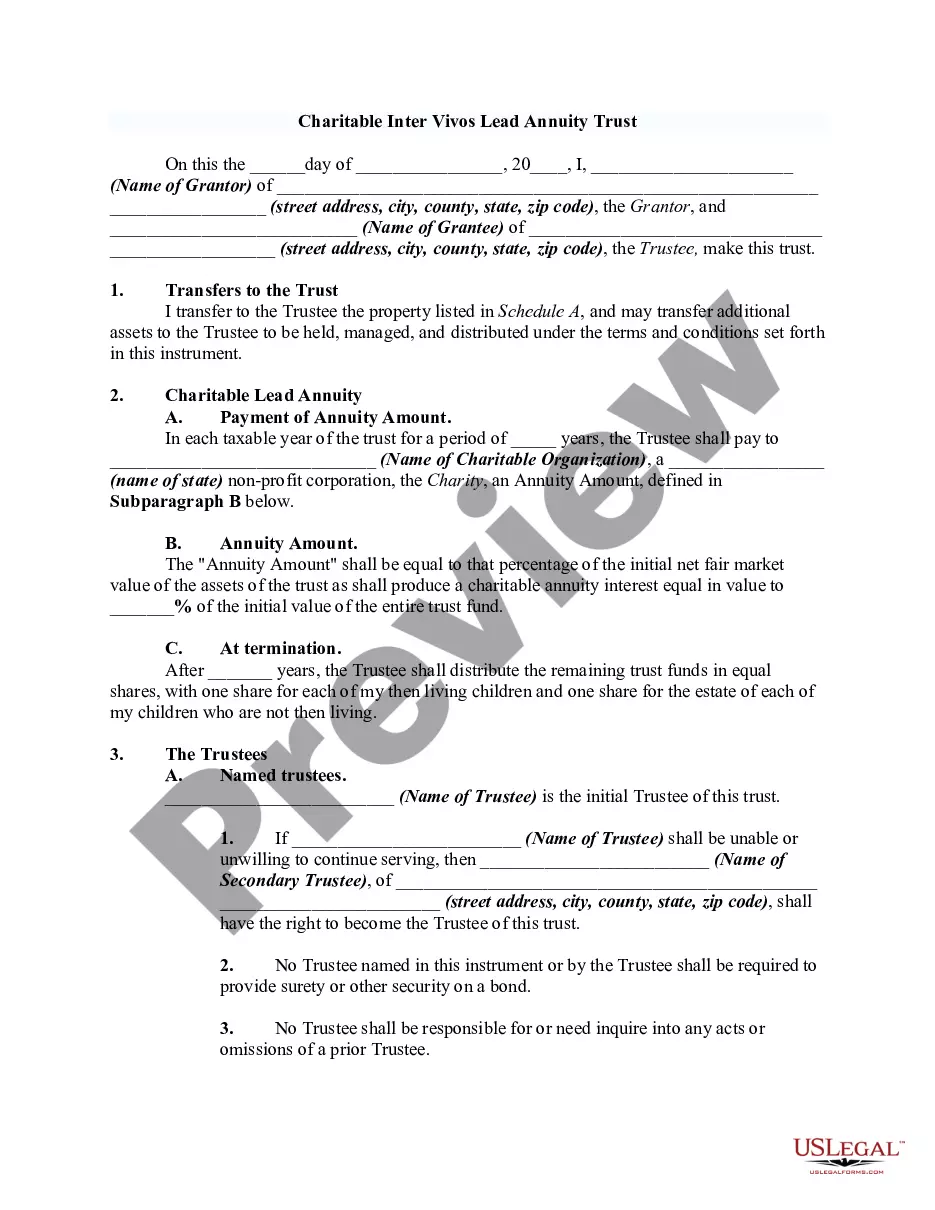
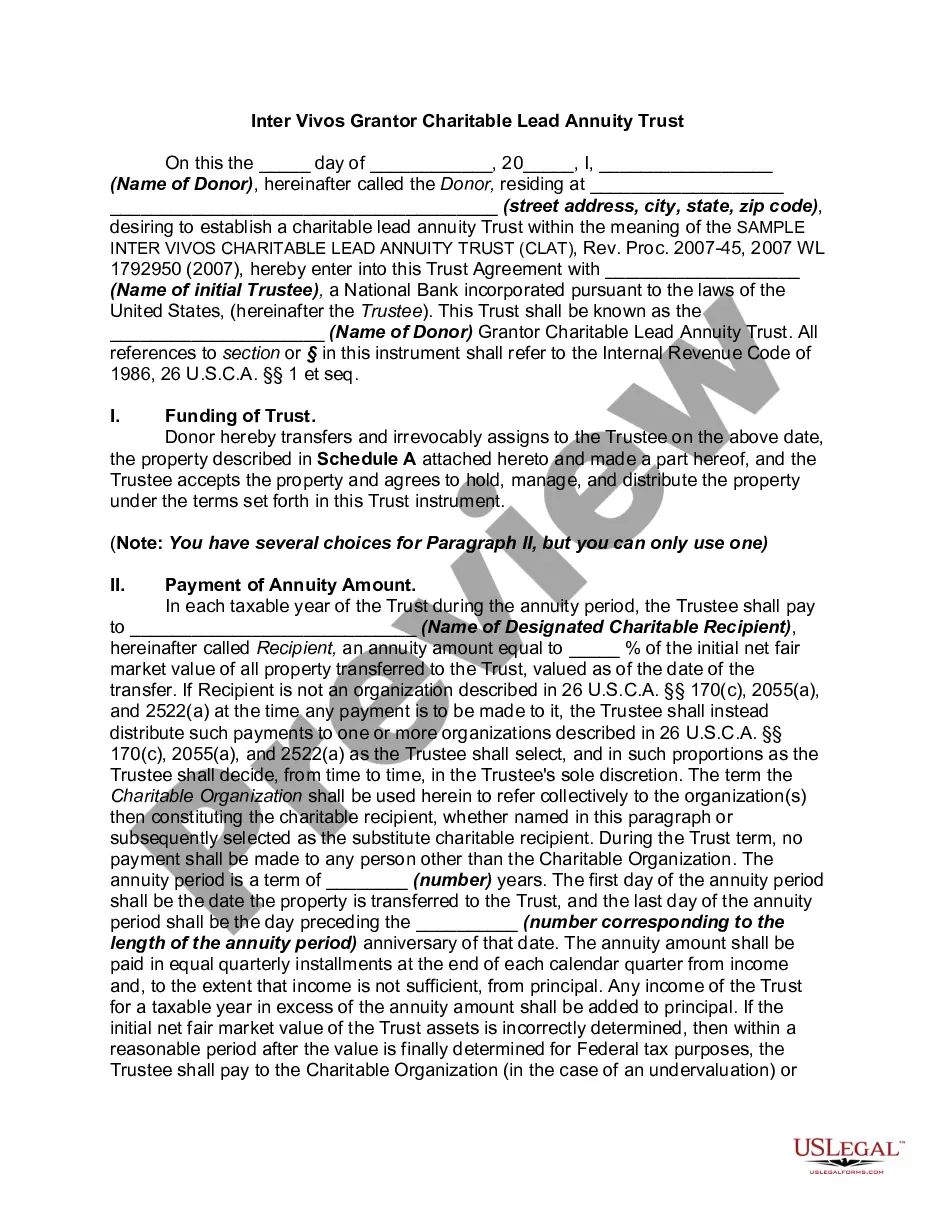
Get your form ready online
Our built-in tools help you complete, sign, share, and store your documents in one place.
Make edits, fill in missing information, and update formatting in US Legal Forms—just like you would in MS Word.
Download a copy, print it, send it by email, or mail it via USPS—whatever works best for your next step.
Sign and collect signatures with our SignNow integration. Send to multiple recipients, set reminders, and more. Go Premium to unlock E-Sign.
If this form requires notarization, complete it online through a secure video call—no need to meet a notary in person or wait for an appointment.
We protect your documents and personal data by following strict security and privacy standards.

Make edits, fill in missing information, and update formatting in US Legal Forms—just like you would in MS Word.

Download a copy, print it, send it by email, or mail it via USPS—whatever works best for your next step.

Sign and collect signatures with our SignNow integration. Send to multiple recipients, set reminders, and more. Go Premium to unlock E-Sign.

If this form requires notarization, complete it online through a secure video call—no need to meet a notary in person or wait for an appointment.

We protect your documents and personal data by following strict security and privacy standards.
Looking for another form?
How to fill out Charitable Lead Inter Vivos Unitrust?
- If you’re a returning user, log in to your account and select the appropriate form template. Ensure that your subscription is active; if it has expired, renew it according to your selected payment plan.
- For first-time users, begin by reviewing the form descriptions in Preview mode to choose the correct document that aligns with your local jurisdiction requirements.
- If necessary, perform a search for additional templates using the Search tab until you find the form that meets your needs.
- Proceed to purchase the document by clicking the Buy Now button and selecting your preferred subscription plan; ensure that you register for an account to access the complete library.
- Finalize your purchase by entering your payment details via credit card or PayPal, and then download the form to your device.
- Once downloaded, you can fill out the template and access it at any time from the My Forms section of your account.
In conclusion, US Legal Forms provides an expansive library of over 85,000 legal documents, making it an essential tool for understanding and executing charitable deductions. By following these steps, you can easily obtain the forms you need, supported by expert guidance for precise completion.
Start leveraging your benefits today by signing up for US Legal Forms!
Form popularity
FAQ
While a receipt is not mandatory for charitable donations under $250, it is highly recommended to keep a record. The IRS suggests that you note details such as the donation date, amount, and recipient organization for your charitable deduction. Having a receipt can simplify verification if you are audited. Utilizing US Legal Forms can help you track donations efficiently, ensuring you have the documentation you need.
To validate charitable donations, the IRS requires specific proof such as receipts, canceled checks, or bank statements. For contributions of $250 or more, you must receive a written acknowledgment from the charity. For smaller donations, you may use a record of your donations, but maintaining thorough documentation is key for your charitable deduction claims. If you need assistance with maintaining records, consider US Legal Forms to help you stay organized.
The IRS requires that your charitable donations be made to qualified organizations, which you can verify using the IRS database. You must maintain proper documentation, such as receipts or canceled checks, to support your charitable deductions. Additionally, keep in mind that the IRS has specific rules regarding the valuation of donated goods. Using US Legal Forms can guide you through the necessary documentation to ensure compliance.
To qualify for a charitable deduction, there is no minimum amount you must donate, but keeping low contributions can be less beneficial. Donations of $250 or more require a written statement from the charity to claim the deduction. Make sure to document any amount you give, as even small donations can add up over time.
The amount a charitable donation reduces your taxes depends on your tax bracket and the total amount donated. Generally, for every dollar donated, you may reduce your taxable income by that amount, which could lead to savings based on your tax rate. Be sure to track your donations accurately to maximize your charitable deduction.
Yes, claiming charitable donations on your taxes can be worthwhile, as it reduces your taxable income. This can lower your overall tax bill and increase your chances of receiving a refund. If you regularly contribute to charities, taking the charitable deduction can be beneficial to your financial health.
Donating to charity can potentially increase your tax refund, but this varies by individual situation. When you claim a charitable deduction, you reduce your taxable income, which may lead to a lower tax bill or a larger refund. However, the actual amount of your return depends on your total financial picture.
You can enter your charitable deduction on Schedule A of your federal tax return if you itemize your deductions. This schedule provides a section specifically for charitable donations, where you can list the total amount donated. Just ensure to keep your documentation handy for reference.
To claim your charitable deduction, you need proper documentation of your donations. For contributions of $250 or more, the IRS requires a written acknowledgment from the charity. For smaller donations, keep receipts or bank records that show the date and amount of your contributions.
The impact of a donation on your taxes depends on your overall taxable income and tax bracket. Generally, for every dollar donated to a qualified charity, you can potentially reduce your taxable income by that same amount, subject to IRS limitations. For a personalized estimate, consider consulting a tax professional or using platforms like USLegalForms that provide resources for tax planning.