Charitable Remainder Trust For Dummies
Description
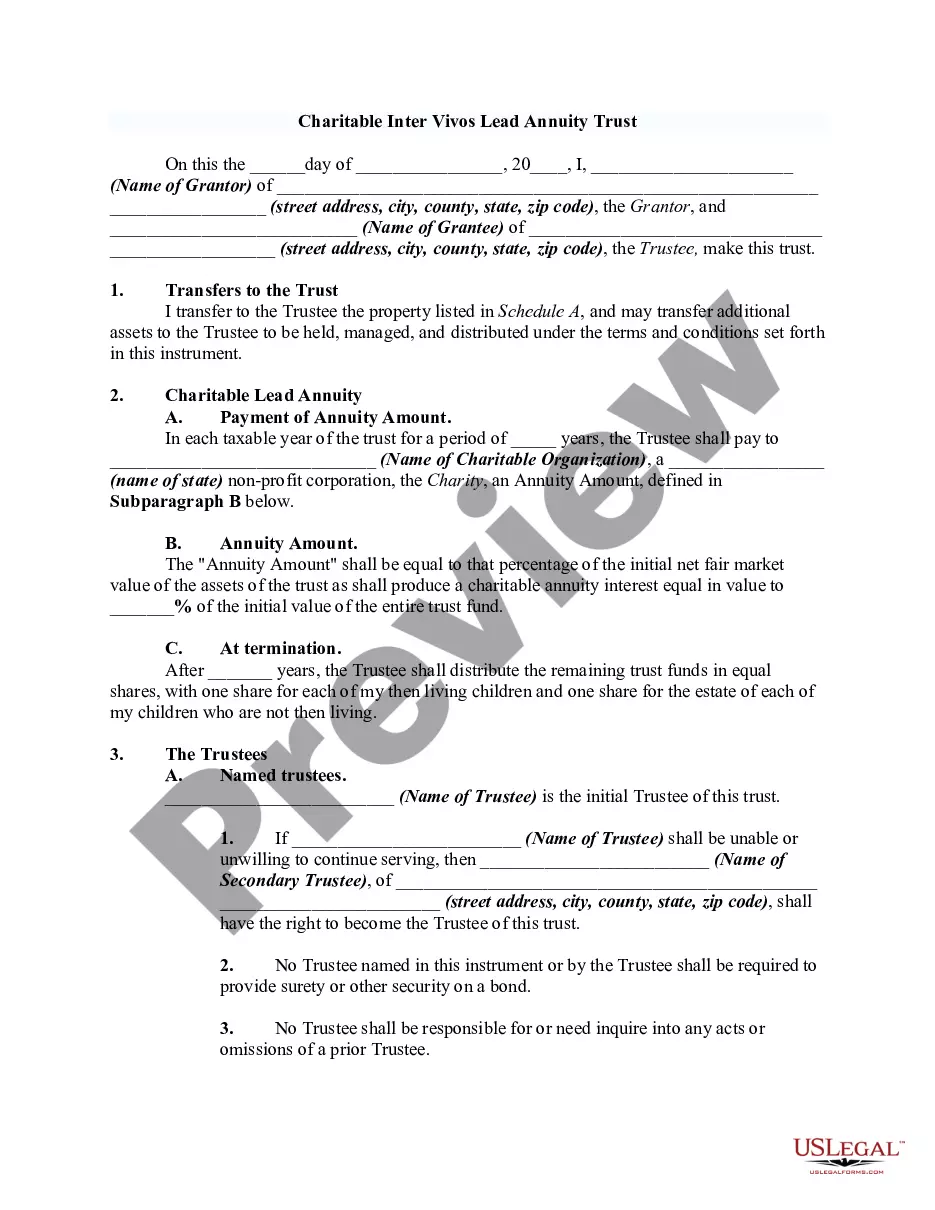
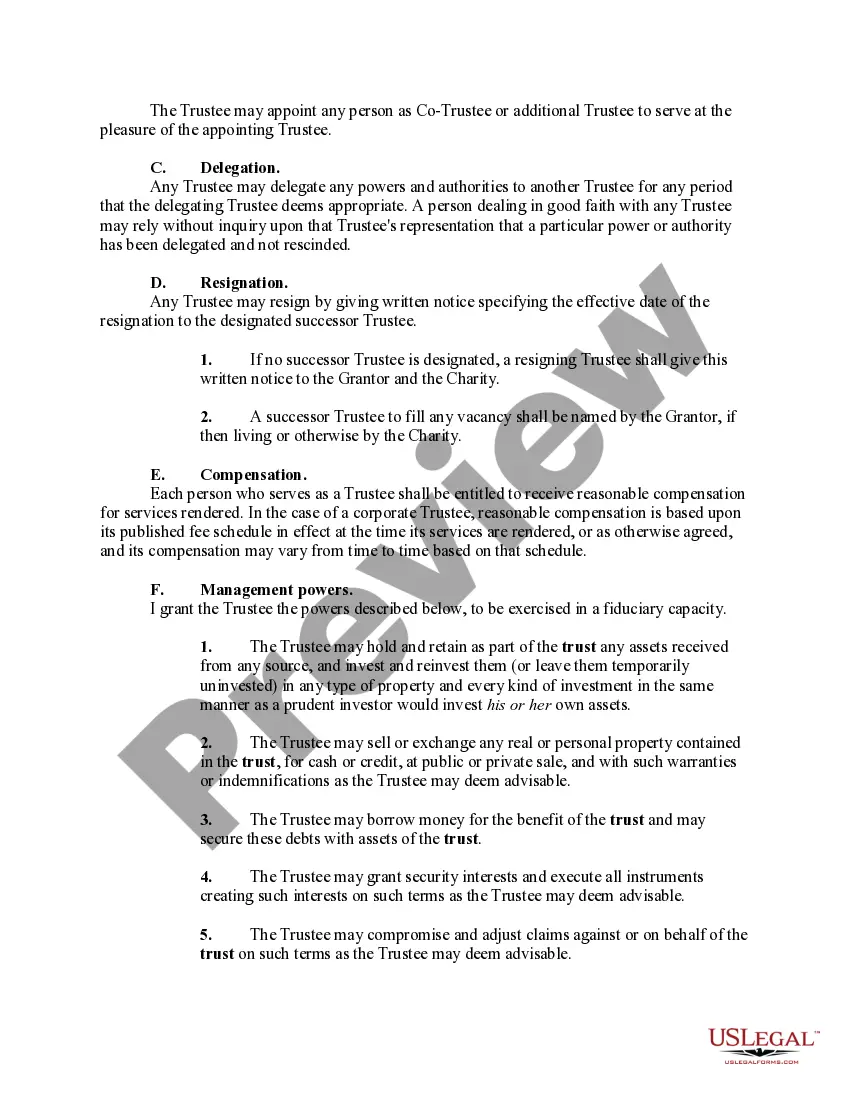
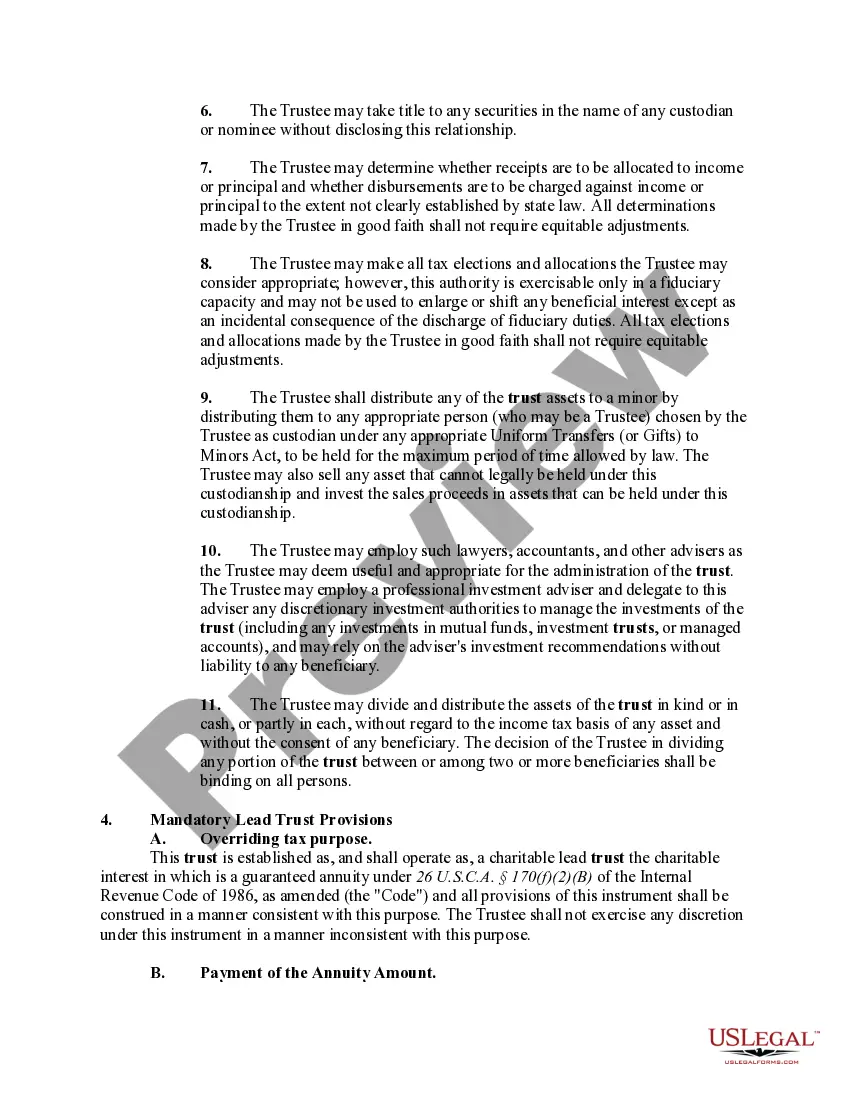
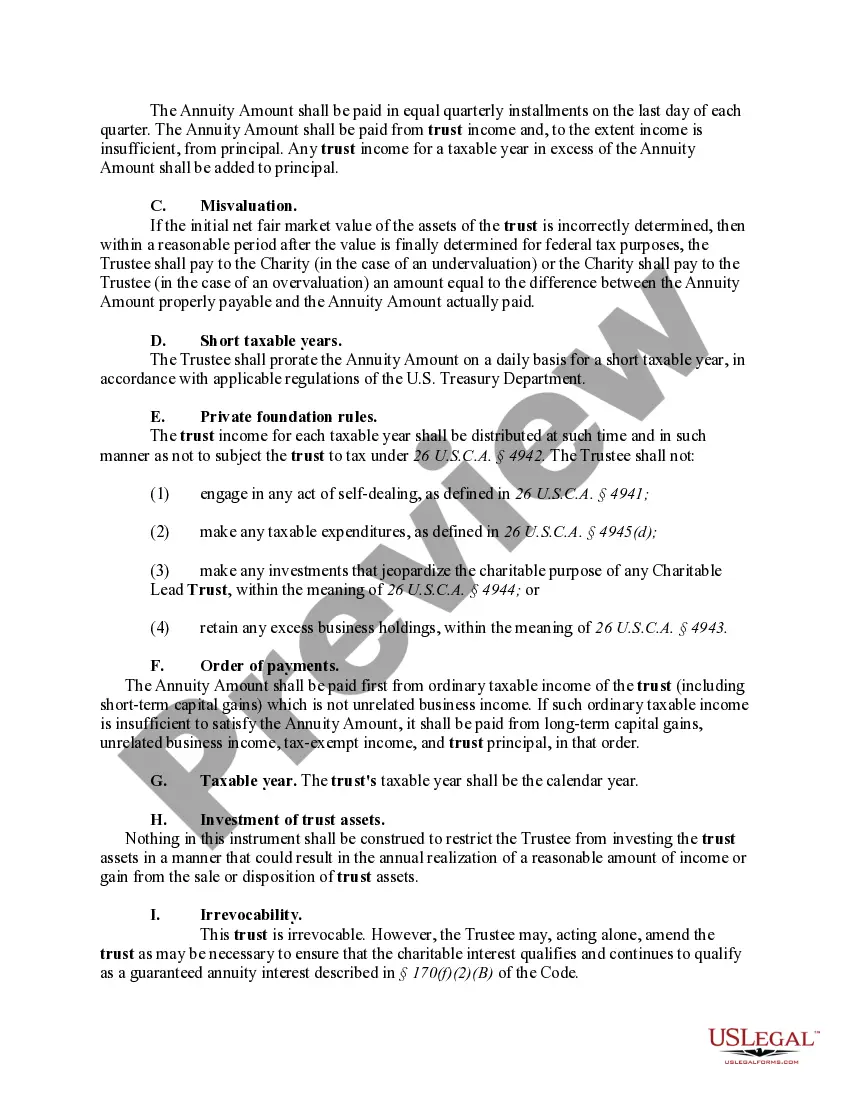
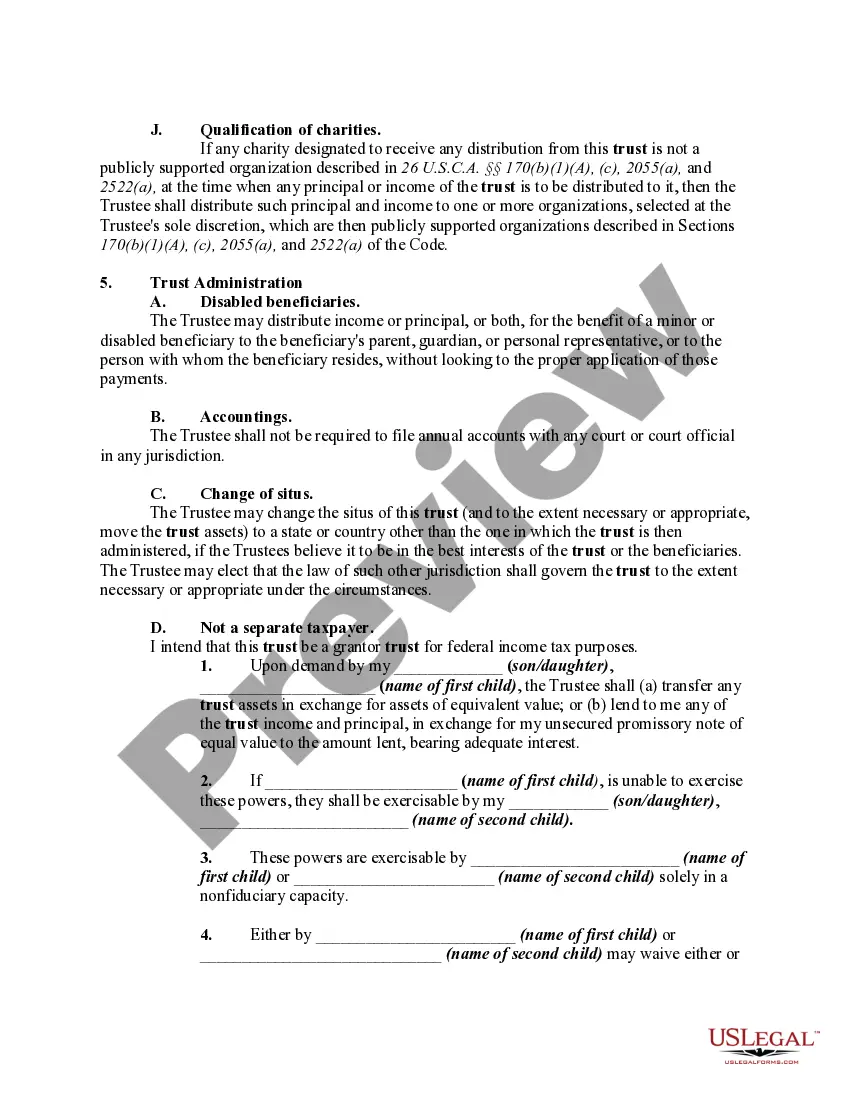
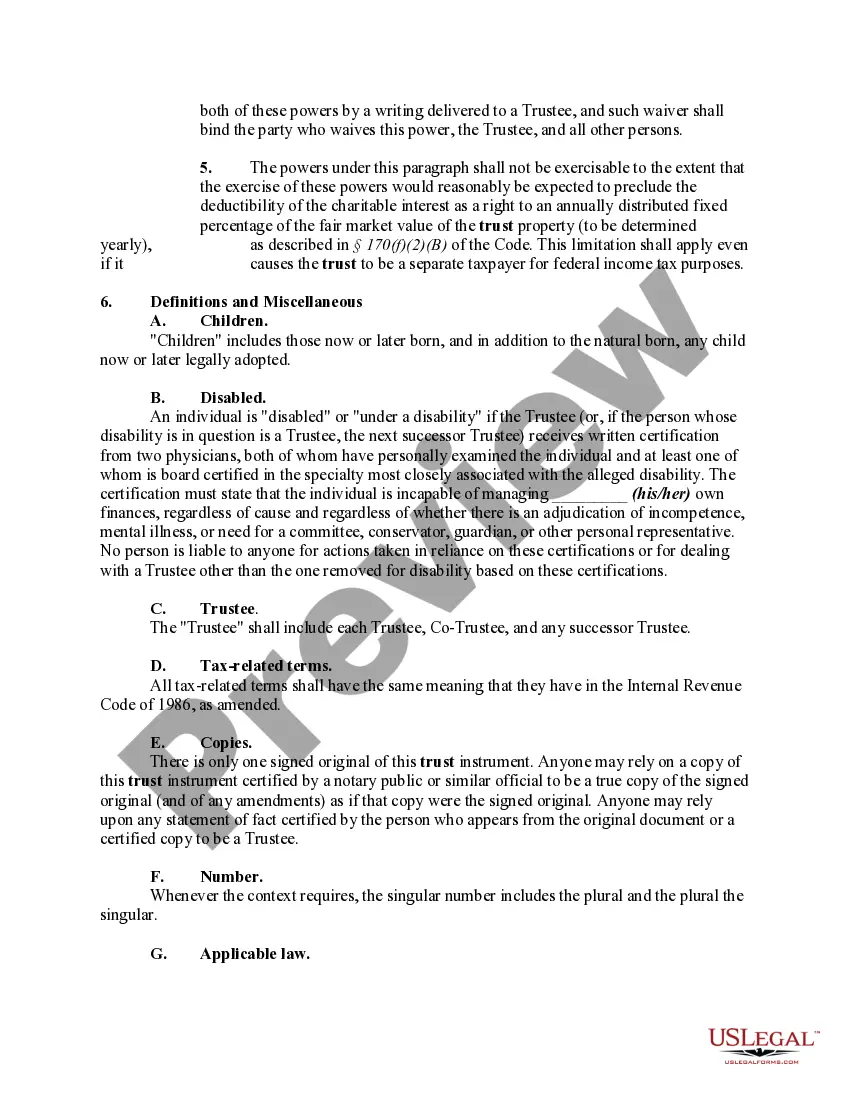
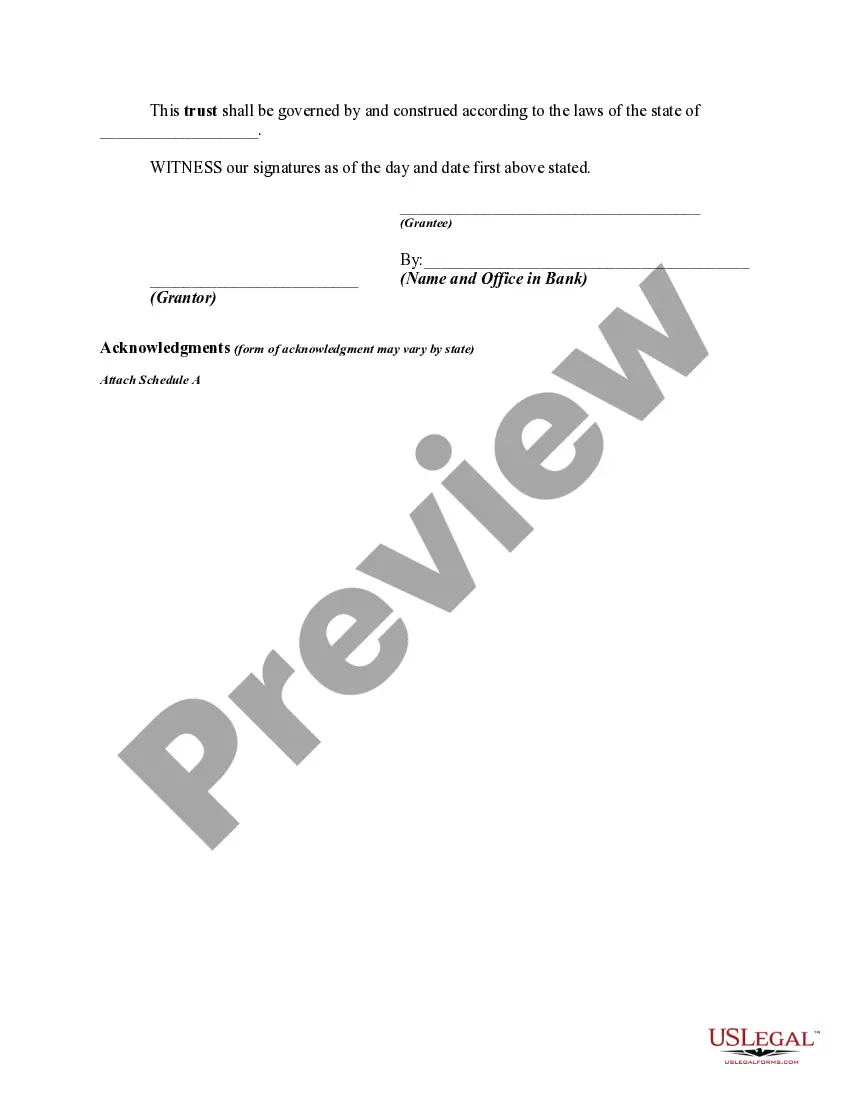
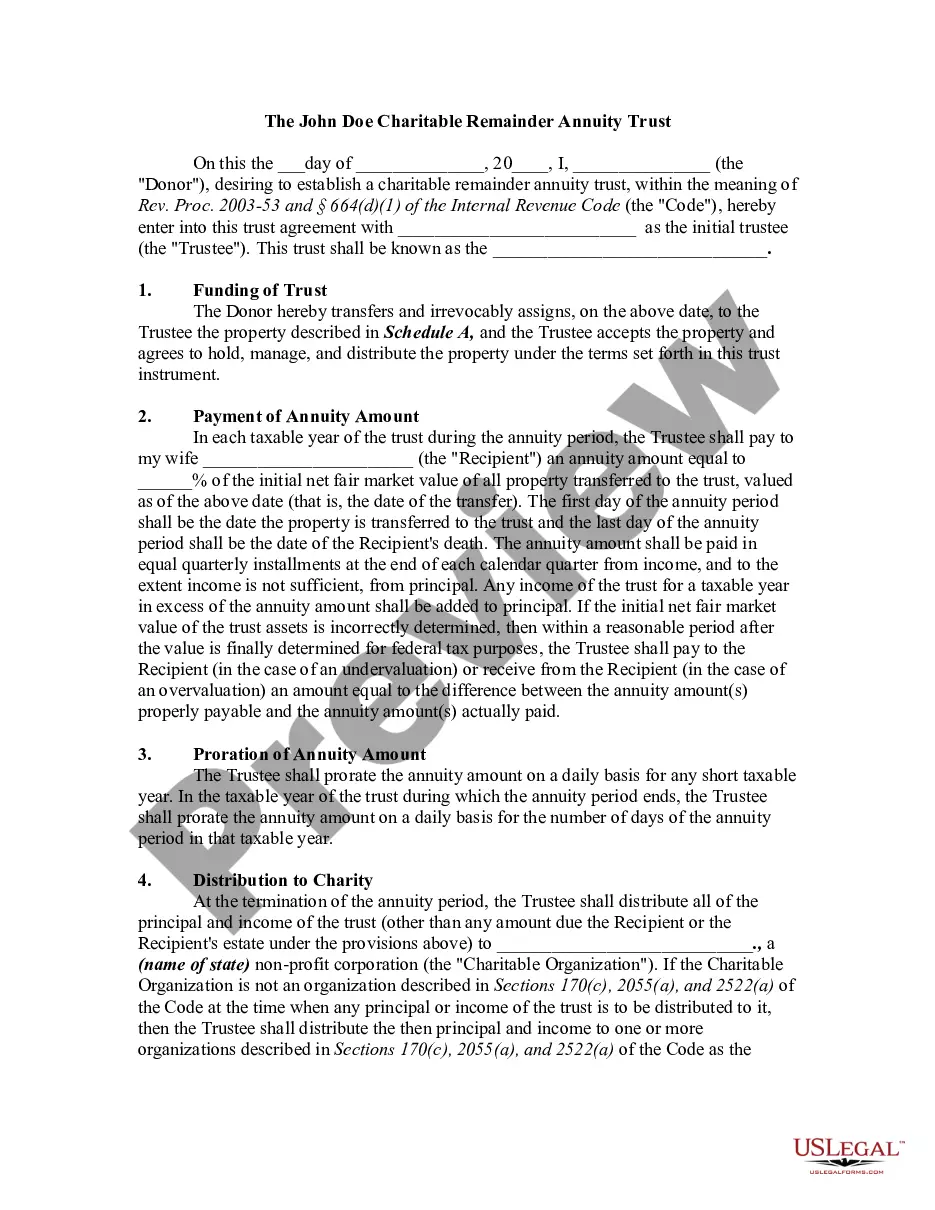
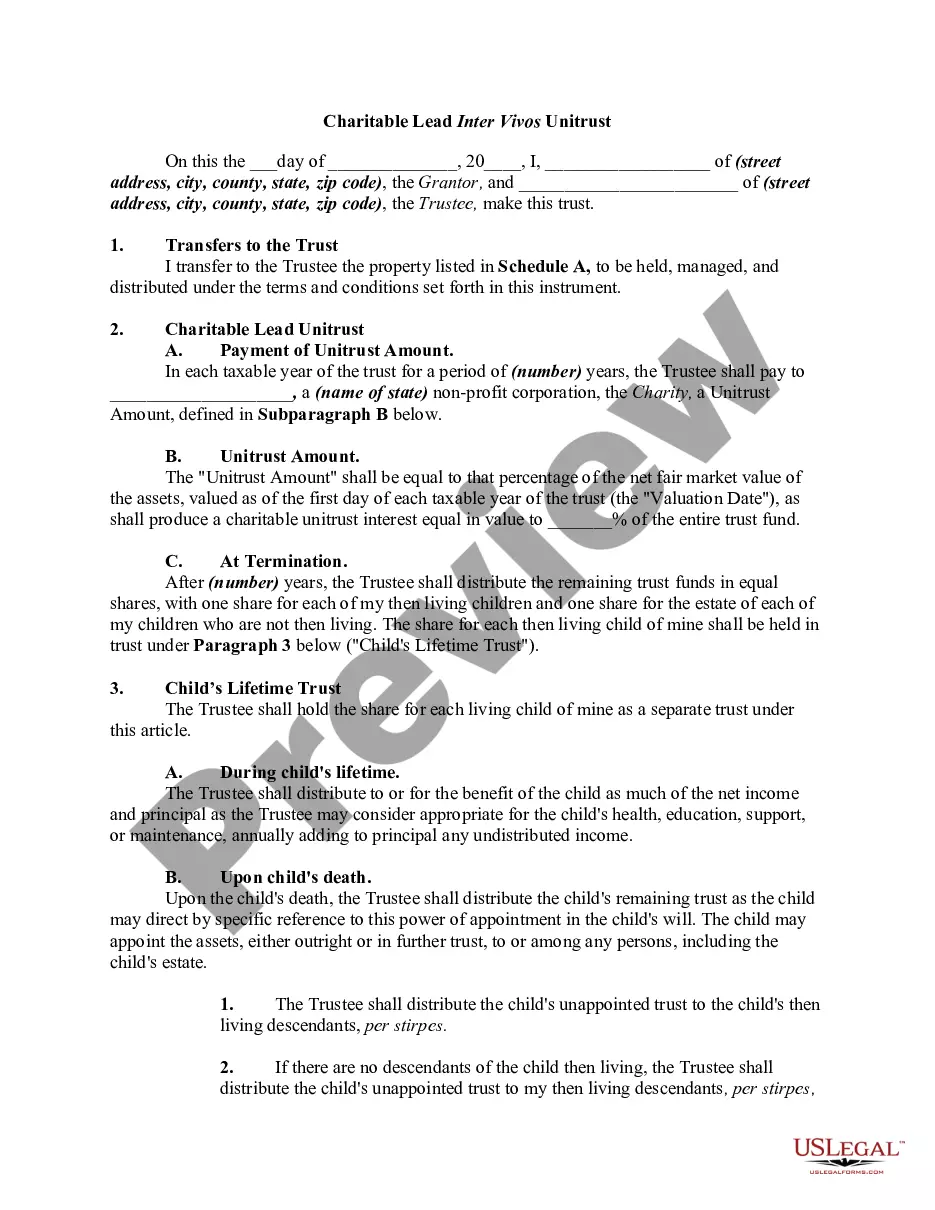
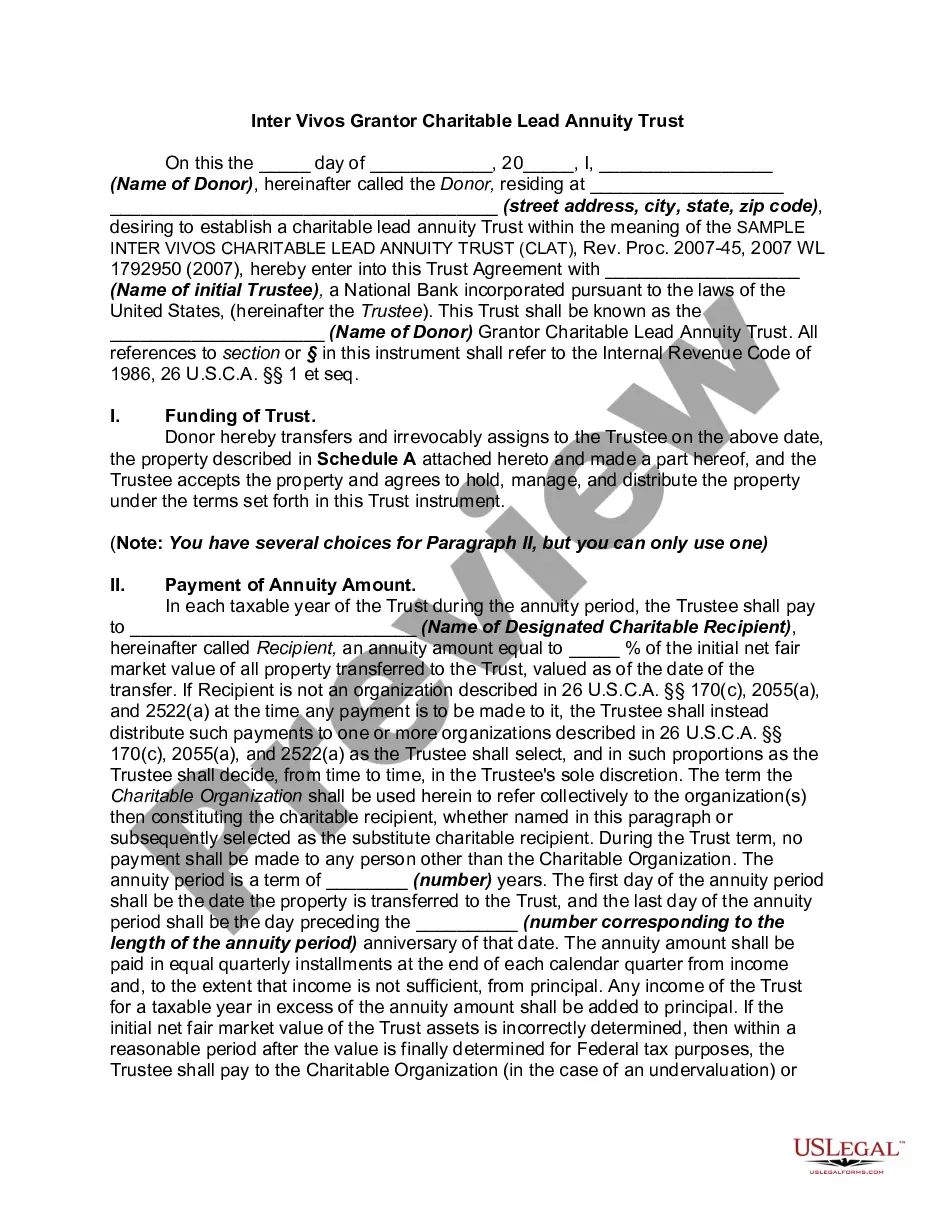
Get your form ready online
Our built-in tools help you complete, sign, share, and store your documents in one place.
Make edits, fill in missing information, and update formatting in US Legal Forms—just like you would in MS Word.
Download a copy, print it, send it by email, or mail it via USPS—whatever works best for your next step.
Sign and collect signatures with our SignNow integration. Send to multiple recipients, set reminders, and more. Go Premium to unlock E-Sign.
If this form requires notarization, complete it online through a secure video call—no need to meet a notary in person or wait for an appointment.
We protect your documents and personal data by following strict security and privacy standards.

Make edits, fill in missing information, and update formatting in US Legal Forms—just like you would in MS Word.

Download a copy, print it, send it by email, or mail it via USPS—whatever works best for your next step.

Sign and collect signatures with our SignNow integration. Send to multiple recipients, set reminders, and more. Go Premium to unlock E-Sign.

If this form requires notarization, complete it online through a secure video call—no need to meet a notary in person or wait for an appointment.

We protect your documents and personal data by following strict security and privacy standards.
Looking for another form?

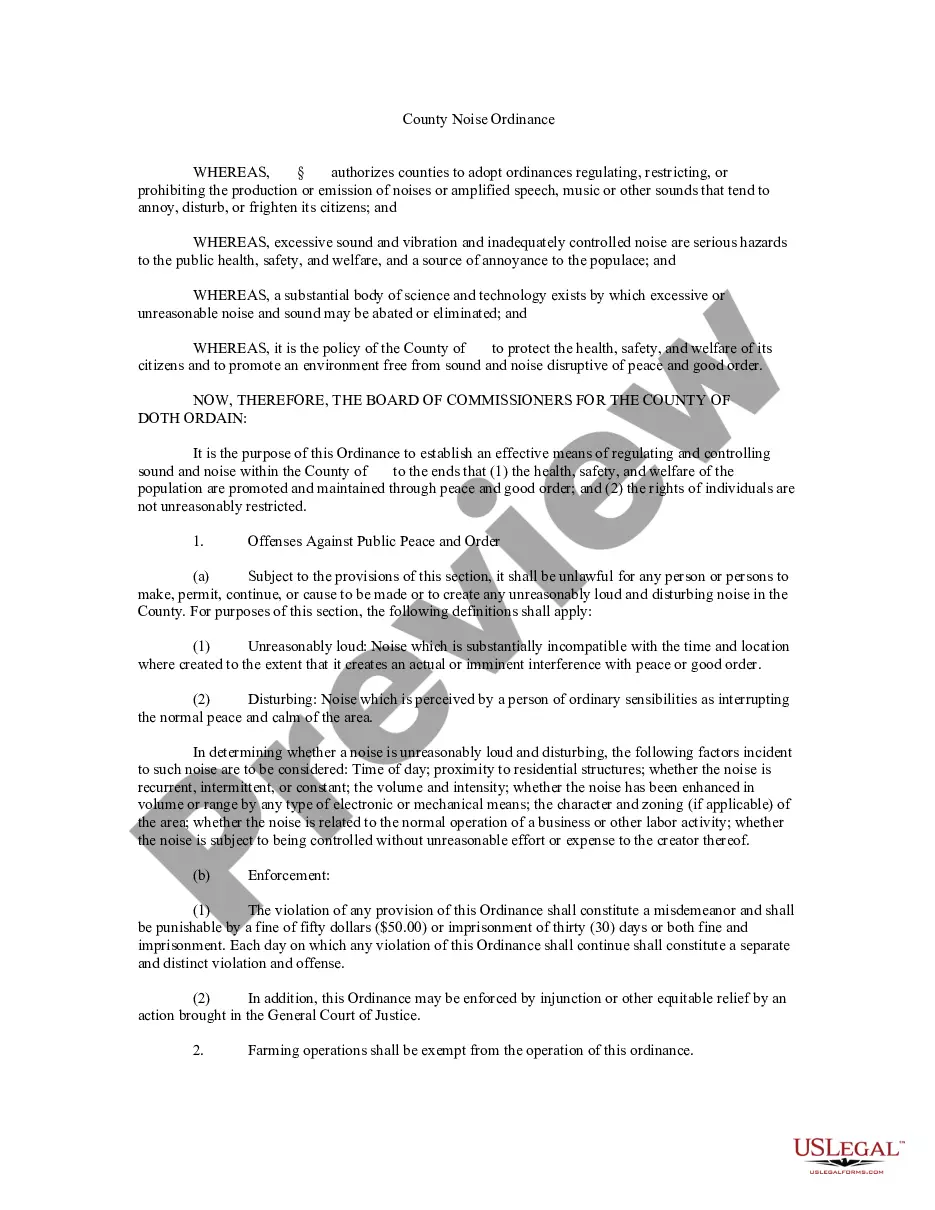
How to fill out Charitable Inter Vivos Lead Annuity Trust?
It’s well-known that you cannot become a legal expert instantly, nor can you learn how to swiftly create Charitable Remainder Trust For Dummies without having a professional background.
Assembling legal paperwork is a labor-intensive process that requires specific education and expertise. So why not entrust the preparation of the Charitable Remainder Trust For Dummies to the professionals.
With US Legal Forms, one of the most comprehensive legal template collections, you can find everything from judicial documents to templates for inter-office communication. We recognize how vital compliance and adherence to both federal and state regulations are. That’s why, on our platform, all forms are tailored to specific locations and remain current.
You can regain access to your documents from the My documents section at any time. If you’re a current client, you can simply Log In, and find and download the template from the same section.
Regardless of the intent of your documents—whether financial, legal, or personal—our website has you covered. Explore US Legal Forms today!
- Locate the document you require by utilizing the search feature at the top of the page.
- Preview it (if this feature is available) and examine the accompanying description to determine whether Charitable Remainder Trust For Dummies meets your needs.
- If you require a different form, restart your search.
- Create a complimentary account and choose a subscription plan to acquire the document.
- Select Buy now. Once the payment is completed, you can obtain the Charitable Remainder Trust For Dummies, fill it out, print it, and send or mail it to the relevant individuals or organizations.
Form popularity
FAQ
The 10% rule states that for a charitable remainder trust to qualify for tax benefits, at least 10% of the trust's initial fair market value must go to charity upon its termination. This rule ensures that the charity receives a meaningful contribution, making the trust an effective tool for both income and philanthropy. It's essential to plan accordingly to meet this requirement.
Does a bill of sale have to be notarized in West Virginia? Yes. The seller and buyer need to complete and sign the West Virginia's official bill of sale, form DMV-7-TR, in front of a notary.
Complete the West Virginia application for a certificate of title. For West Virginia, you'll fill out the Application for Certificate of Title. Pay applicable fees, and provide any information your DMV requires, such as a valid ID, proof of insurance, and a bill of sale for your vehicle.
Anyone can write a bill of sale in West Virginia. As long as the bill of sale is signed by both the buyer and seller, it can be legally binding. Having a notary sign the bill of sale can help it hold up in court. In some cases, notarization can be a legal requirement.
Step 1: Present the following documents For new vehicles: Manufacturer's Certificate of Origin/Manufacturer's Statement of Origin (MCO or MSO) and an Application for Title and Registration. ... Proof of address. Proof of purchase price, such as a buyer's order, bill of sale or the seller's declared sale price on the title.
If the title is lost and the vehicle has never had a lien, the vehicle owner must complete an Affidavit of Duplicate Title for a Vehicle or Watercraft (DMV-4-TR) form, supply a copy of their driver's license, the registration card (if available), and the title fee of $15 to get a duplicate title issued.
Yes. The seller and buyer need to complete and sign the West Virginia's official bill of sale, form DMV-7-TR, in front of a notary.
Can a bill of sale be handwritten? If your state does not provide a bill of sale form, yes, you can handwrite one yourself. As long as the document includes all of the necessary parts of a bill of sale and is signed by both parties and a notary, it is valid.
If the vehicle is purchased from an individual and the purchase price is below 50% of the current NADA Clean Loan Book value, a notarized bill of sale must accompany the application for title, or the tax will be assessed on the NADA Clean Loan Book value.