Charitable Lead Annuity Trust With Someone You Hurt
Description
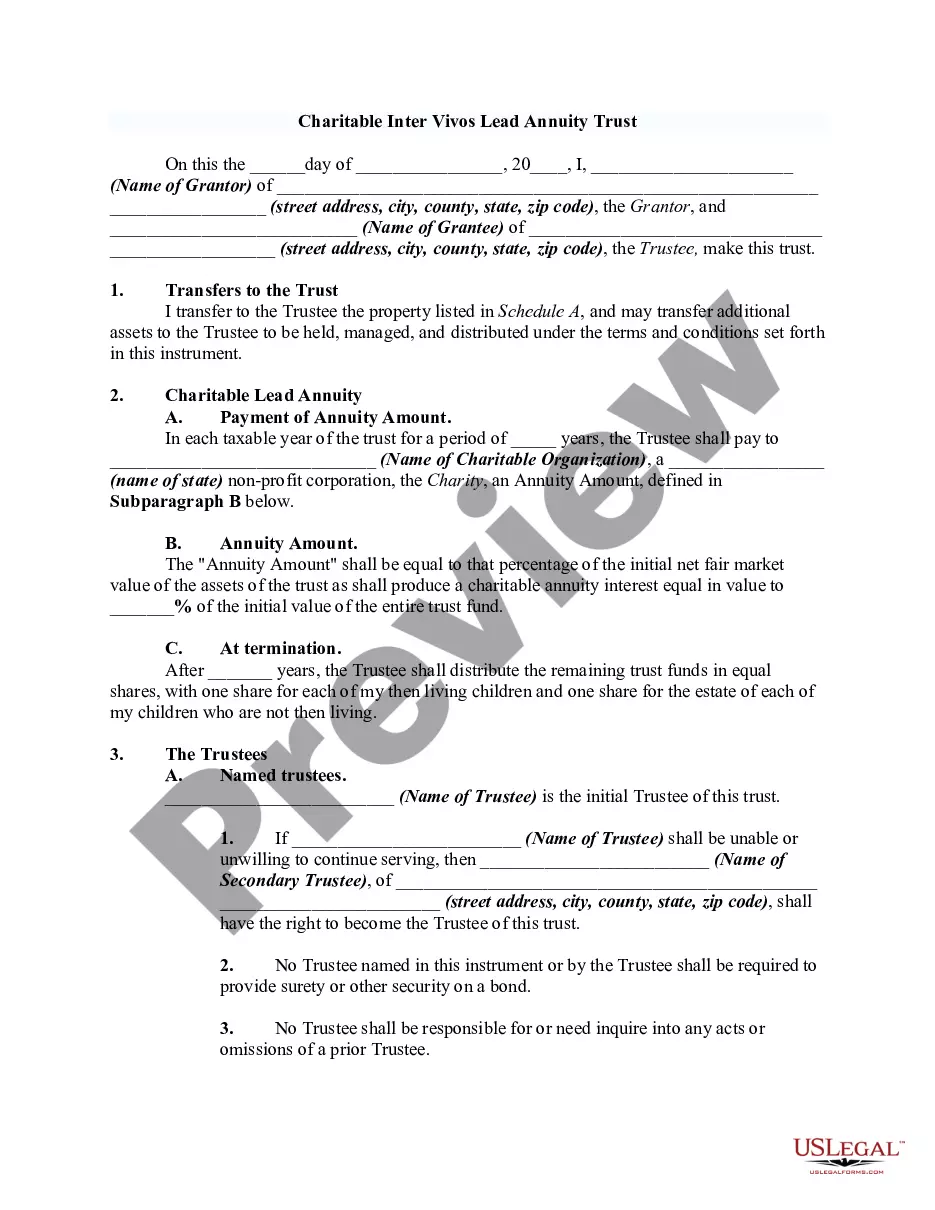
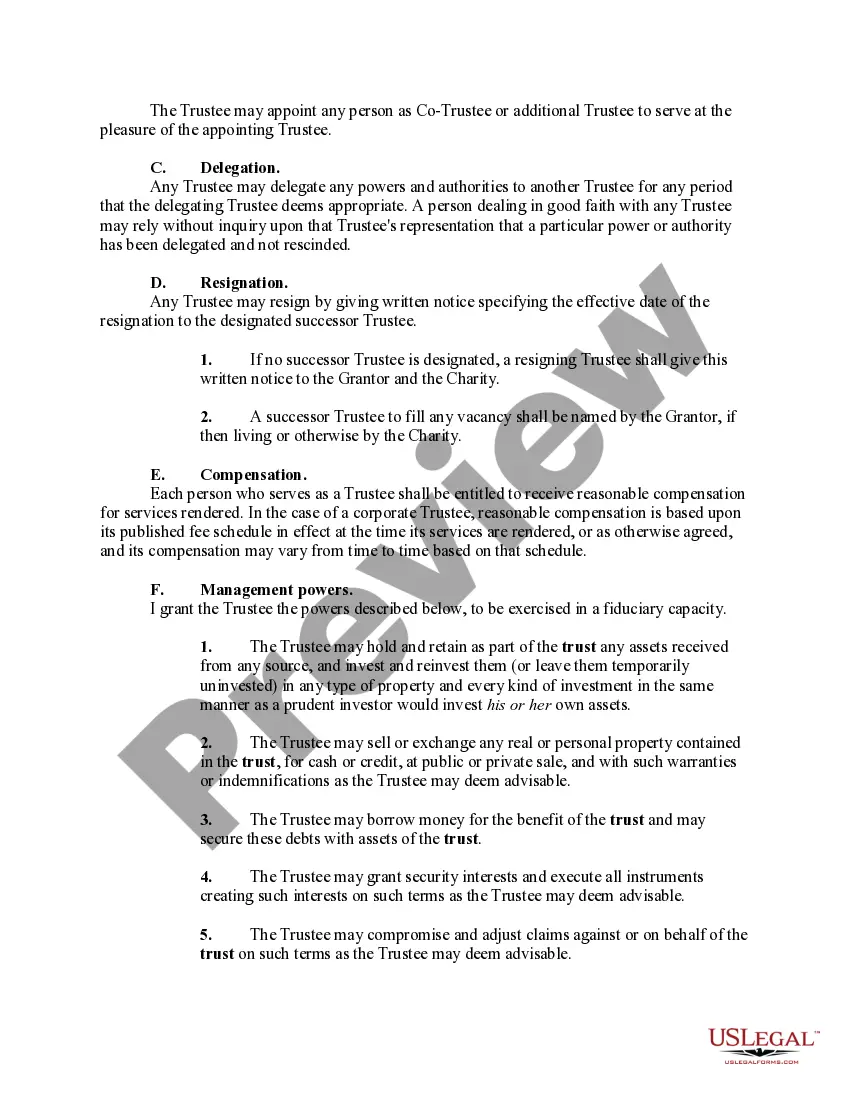
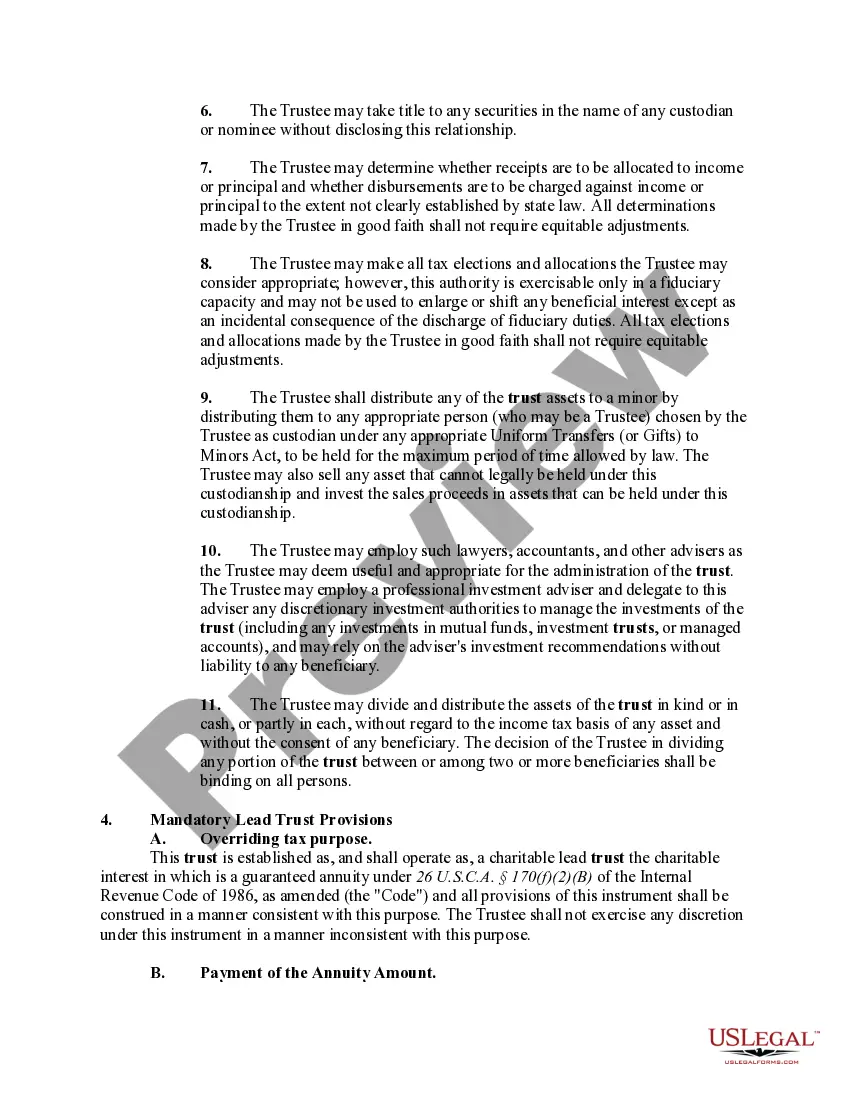
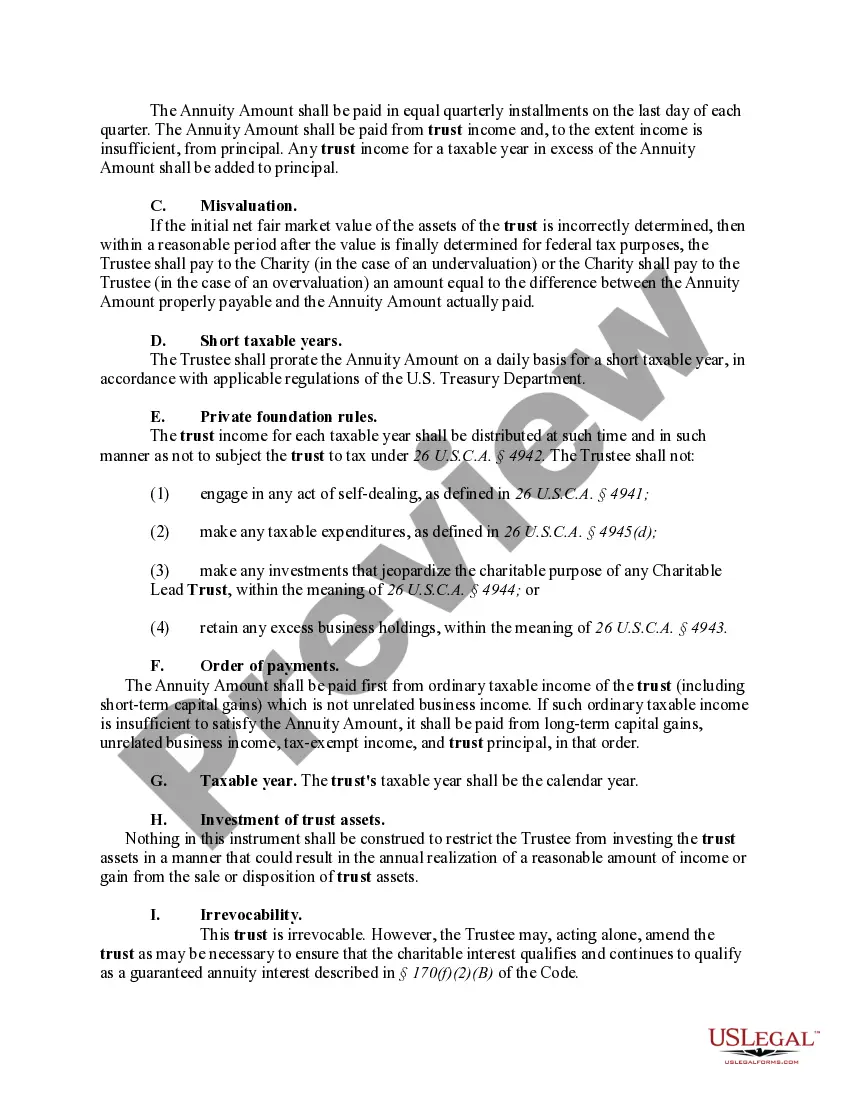
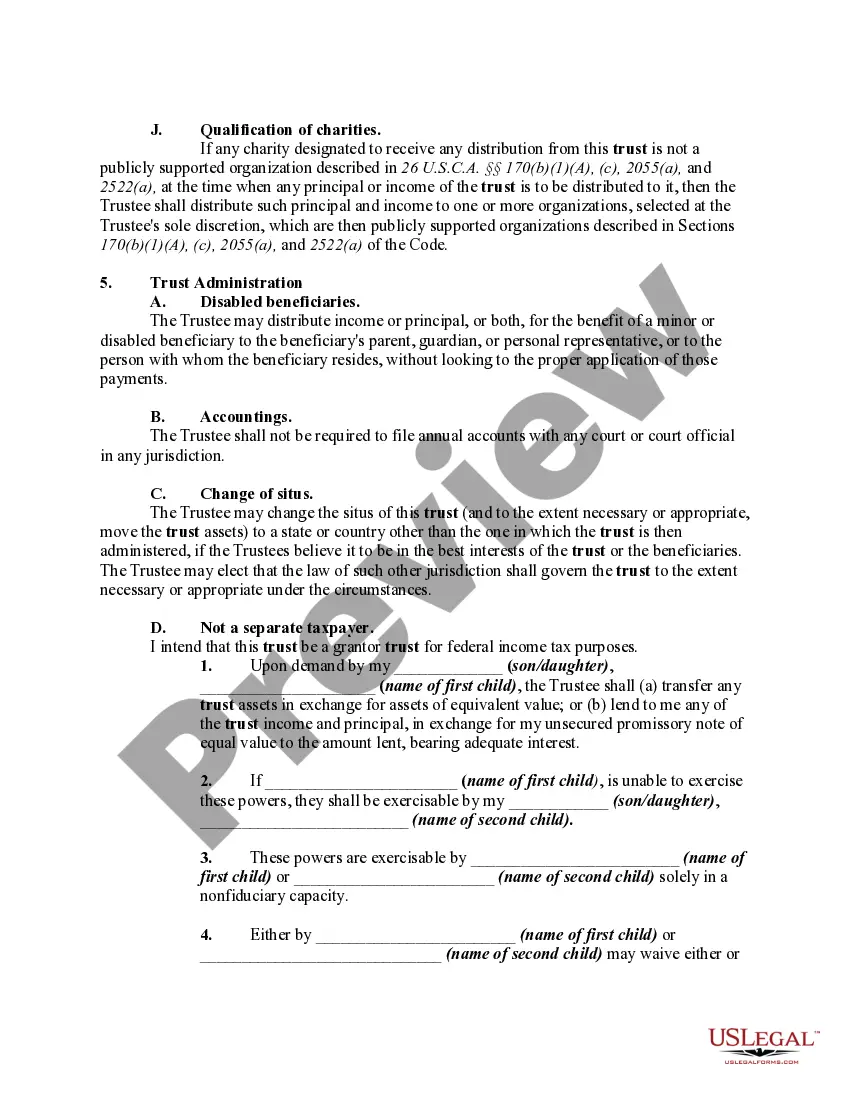
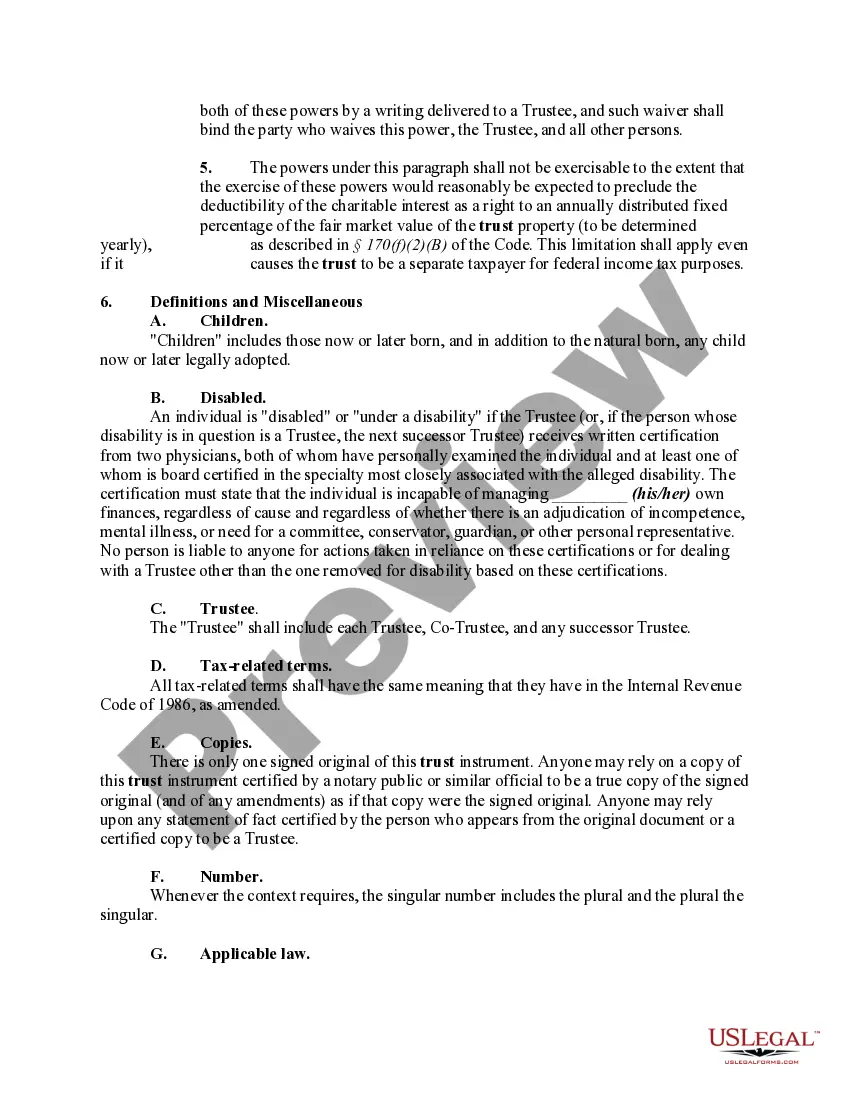
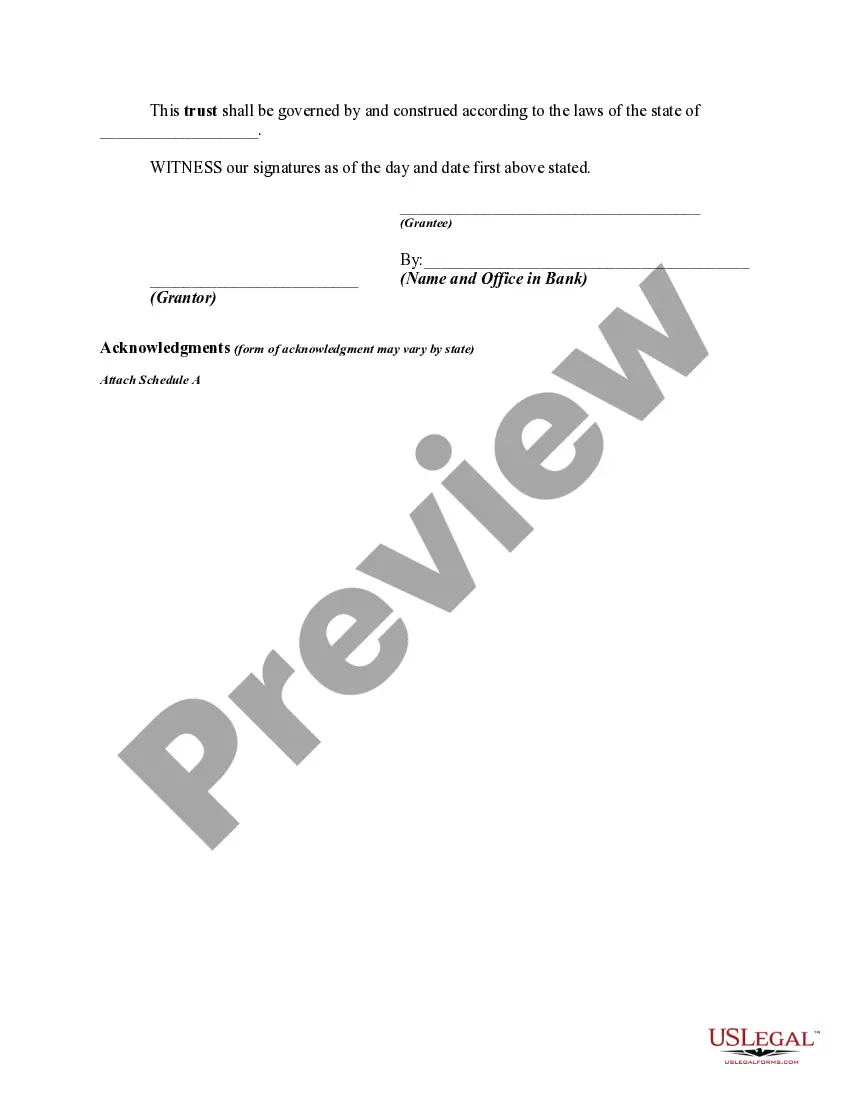
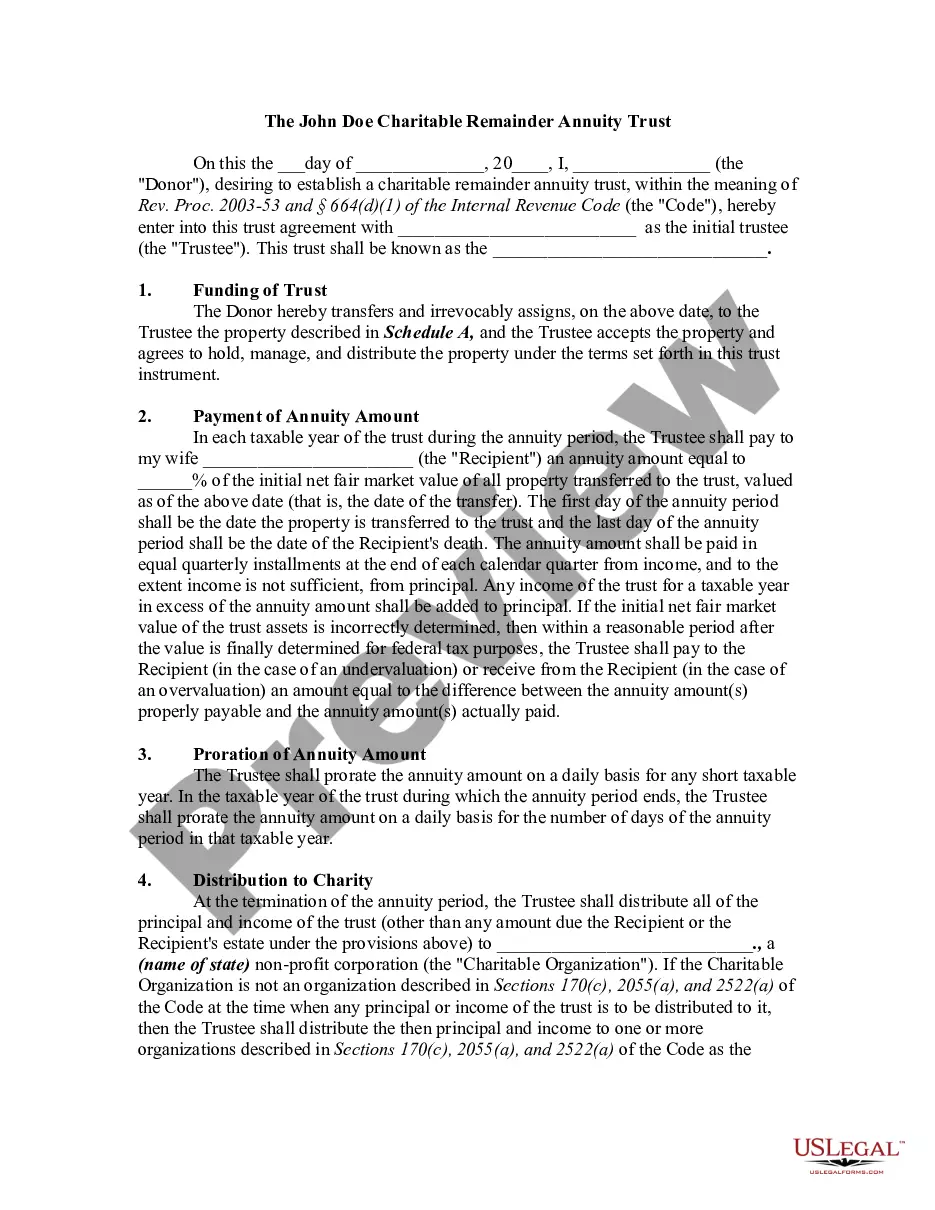
Get your form ready online
Our built-in tools help you complete, sign, share, and store your documents in one place.
Make edits, fill in missing information, and update formatting in US Legal Forms—just like you would in MS Word.
Download a copy, print it, send it by email, or mail it via USPS—whatever works best for your next step.
Sign and collect signatures with our SignNow integration. Send to multiple recipients, set reminders, and more. Go Premium to unlock E-Sign.
If this form requires notarization, complete it online through a secure video call—no need to meet a notary in person or wait for an appointment.
We protect your documents and personal data by following strict security and privacy standards.

Make edits, fill in missing information, and update formatting in US Legal Forms—just like you would in MS Word.

Download a copy, print it, send it by email, or mail it via USPS—whatever works best for your next step.

Sign and collect signatures with our SignNow integration. Send to multiple recipients, set reminders, and more. Go Premium to unlock E-Sign.

If this form requires notarization, complete it online through a secure video call—no need to meet a notary in person or wait for an appointment.

We protect your documents and personal data by following strict security and privacy standards.
Looking for another form?

How to fill out Charitable Inter Vivos Lead Annuity Trust?
It’s well known that you cannot transform into a legal authority instantly, nor is it possible to swiftly create a Charitable Lead Annuity Trust With Someone You Harmed without a relevant background.
Generating legal documents is a lengthy process that demands specific education and expertise. Therefore, why not entrust the development of the Charitable Lead Annuity Trust With Someone You Harmed to the professionals.
With US Legal Forms, which boasts one of the largest collections of legal templates, you can discover everything from court forms to office communication models. We recognize the importance of compliance and adherence to federal and regional regulations.
You can access your forms again through the My documents tab at any time. If you already have an account, you can simply Log In to find and download the template from the same tab.
Regardless of the intent behind your documents—whether legal, financial, or personal—our website is here to assist you. Experience US Legal Forms today!
- Locate the form you require using the search bar located at the top of the page.
- View it (if this option is available) and examine the accompanying description to determine if the Charitable Lead Annuity Trust With Someone You Harmed aligns with your needs.
- Begin your search again if you are in need of additional templates.
- Create a complimentary account and select a subscription plan to purchase the template.
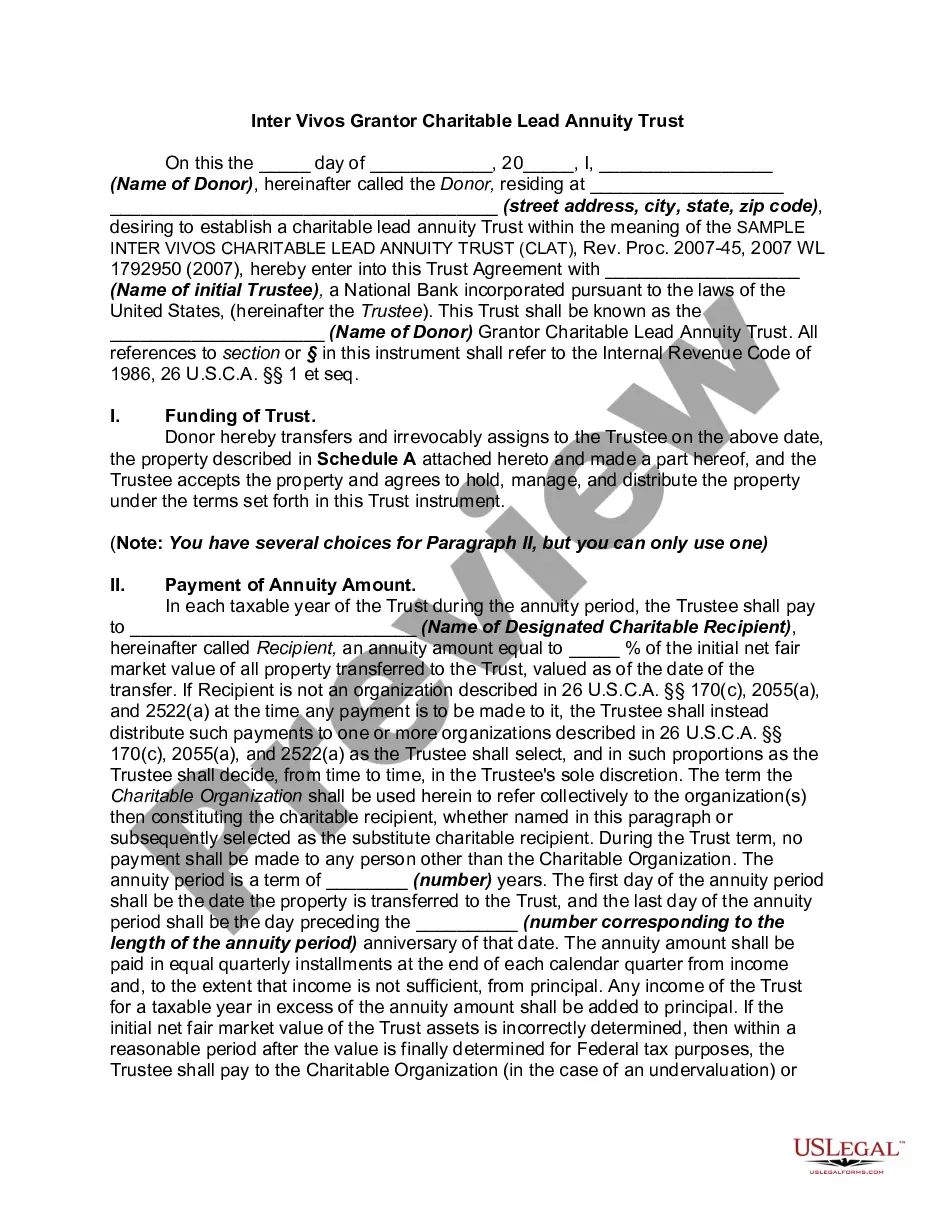
- Click Buy now. After the payment is processed, you can obtain the Charitable Lead Annuity Trust With Someone You Harmed, fill it out, print it, and send or deliver it to the required individuals or organizations.
Form popularity
FAQ
A charitable lead trust can last for many years, often up to 20 or more, depending on how it's structured. This longevity allows for sustained charitable contributions, making a significant impact over time. If you're exploring a charitable lead annuity trust with someone you hurt, consider how this duration can aid in building goodwill while also supporting your chosen charities. Always review your options with a legal advisor to ensure you're maximizing the trust's benefits.
Yes, a charitable remainder trust can potentially continue beyond 20 years, depending on the terms set in the trust documents. This feature allows you to support a charitable organization while receiving income for an extended period. If you plan to use a charitable lead annuity trust with someone you hurt, the longevity of such trusts can create more opportunities for reconciliation and support. It’s wise to seek advice to align your trust with your financial goals and charitable aspirations.
The 3 year rule for trusts generally refers to the time frame during which certain gifts might be subject to estate tax if made before your passing. This rule is important when planning, especially when considering a charitable lead annuity trust with someone you hurt. Understanding this can help you optimize your asset distribution while fulfilling both personal and charitable intentions. Consulting with a tax professional can ensure you understand how this rule may impact your specific situation.
A charitable lead trust is typically established for a period specified in the trust agreement, which can range from a few years to several decades. Often, many individuals choose terms that provide substantial support to charities during their lifetimes. If you're thinking about a charitable lead annuity trust with someone you hurt, consider the duration that best fits both your financial objectives and charitable goals. This flexibility allows you to tailor your trust to meet your specific needs.
At the end of a charitable lead trust, the remaining assets are transferred to the beneficiaries specified in the trust document. These may include family members or other individuals. If you are considering establishing a charitable lead annuity trust with someone you hurt, ensure the timing aligns with your overall estate planning goals. This transfer can help in repairing relationships while fulfilling charitable intents.
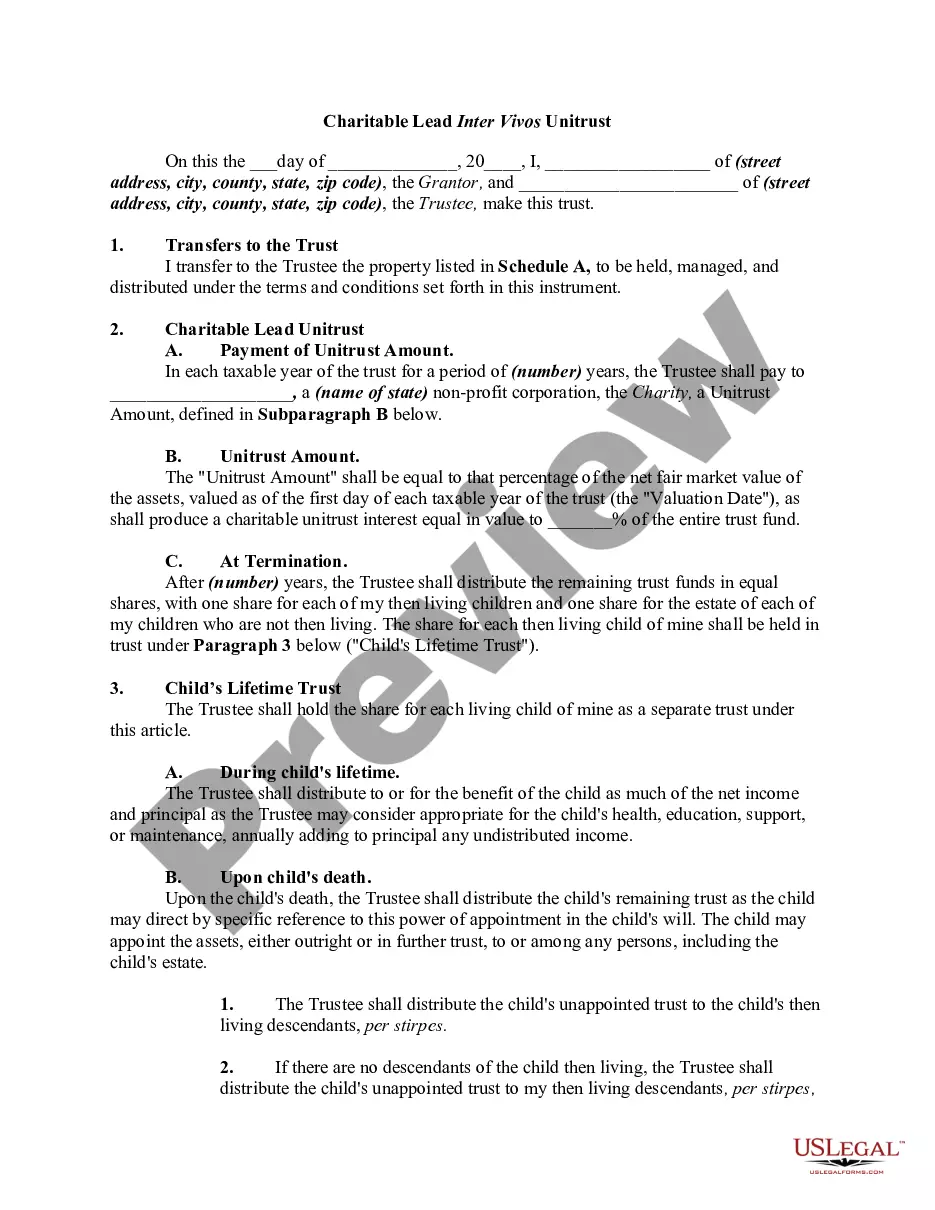
A charitable lead annuity trust with someone you hurt allows you to donate a fixed amount to a charity over a set period while providing a financial benefit to your chosen heirs afterward. When you establish this trust, the charity receives payments for the duration specified in the trust agreement, which can provide them with essential funding for their mission. After this period, the remaining assets in the trust pass to your beneficiaries, often reducing estate taxes. This setup not only supports charitable causes but also helps you maintain a connection with loved ones affected by your past actions.
A Charitable Remainder Unitrust (CRUT) can be a beneficial option for some individuals. It allows you to receive variable income over time while providing support to a charity of your choice. If you are considering a charitable lead annuity trust with someone you hurt, exploring a CRUT could be a valuable alternative worth discussing with a financial advisor.
Establishing a charity trust usually requires a clear charitable purpose, a designated trustee, and identifiable beneficiaries. These components are essential to ensure that the trust meets legal obligations and effectively supports its charitable goals. If you're thinking about a charitable lead annuity trust with someone you hurt, understanding these requirements can streamline the setup process.
The downsides of a charitable remainder trust include potential tax implications and decreased flexibility. Once you establish this type of trust, you typically cannot alter its terms, which can impact your financial planning options. If you're considering a charitable lead annuity trust with someone you hurt, discussing these potential downsides with a financial advisor can help you make informed decisions.
Banks may hesitate with irrevocable trusts because these trusts remove assets from the control of the grantor. This lack of control can make it challenging for banks to secure loans or credit tied to those assets. If you're navigating a charitable lead annuity trust with someone you hurt, it's crucial to communicate these concerns with your financial institution.