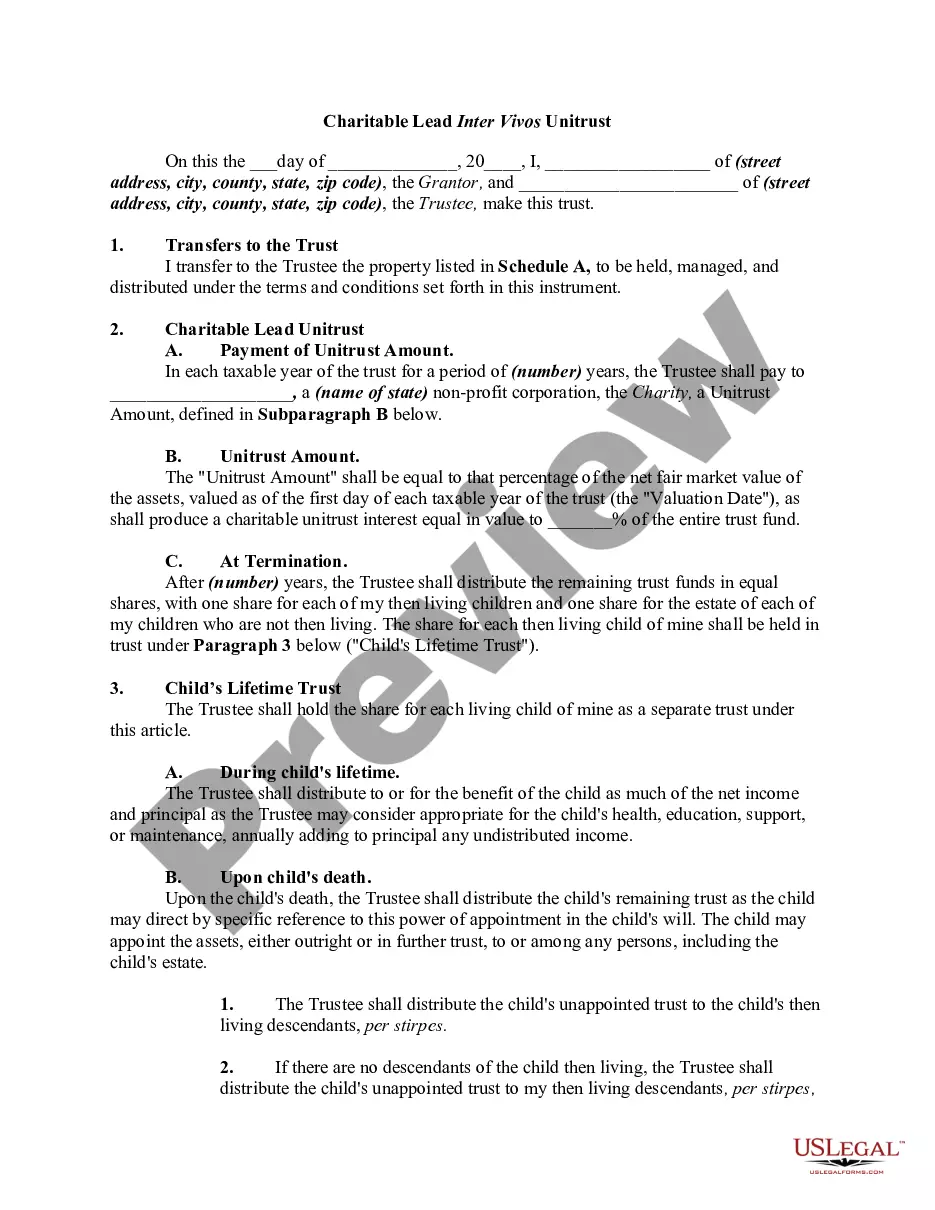
Charitable Lead Annuity Trust Example
Description
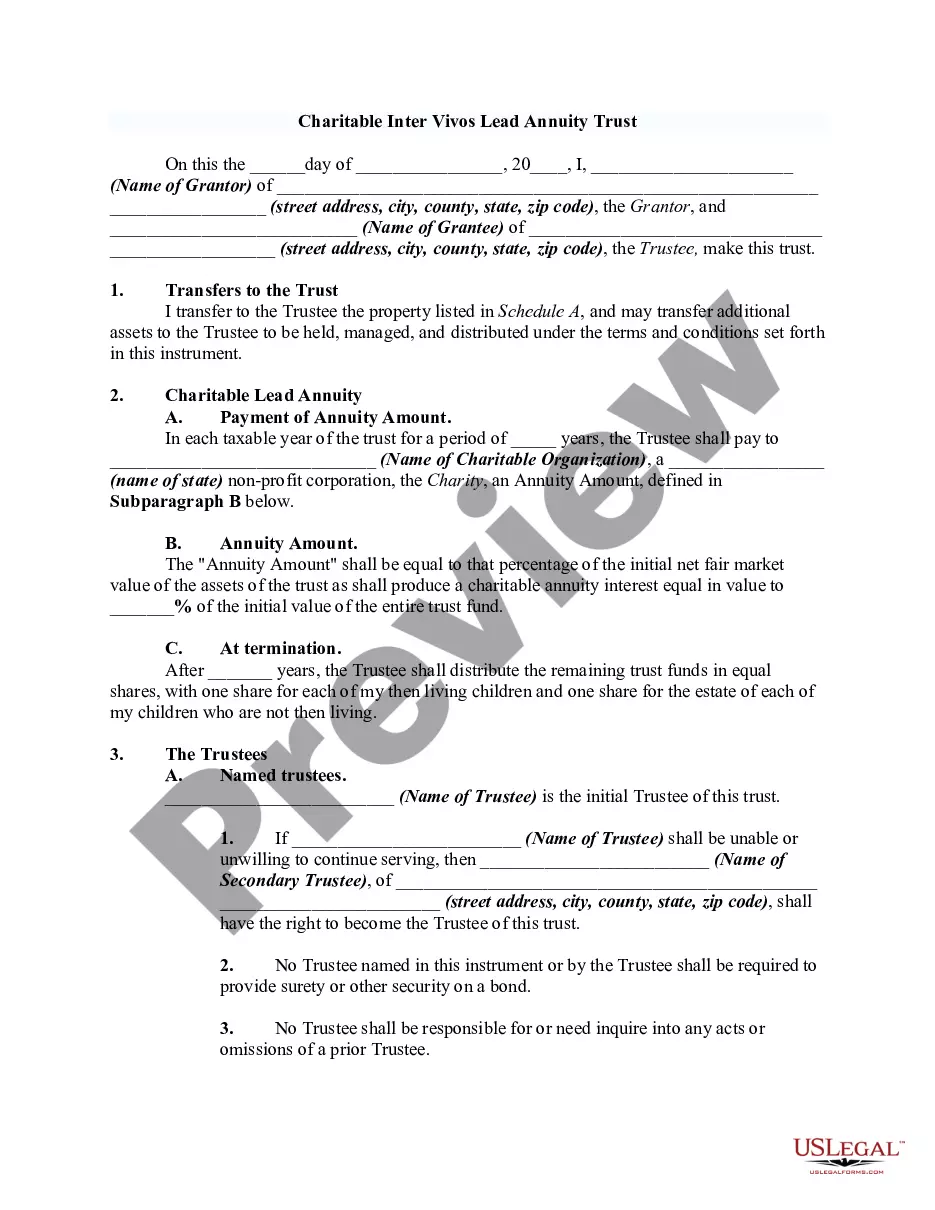
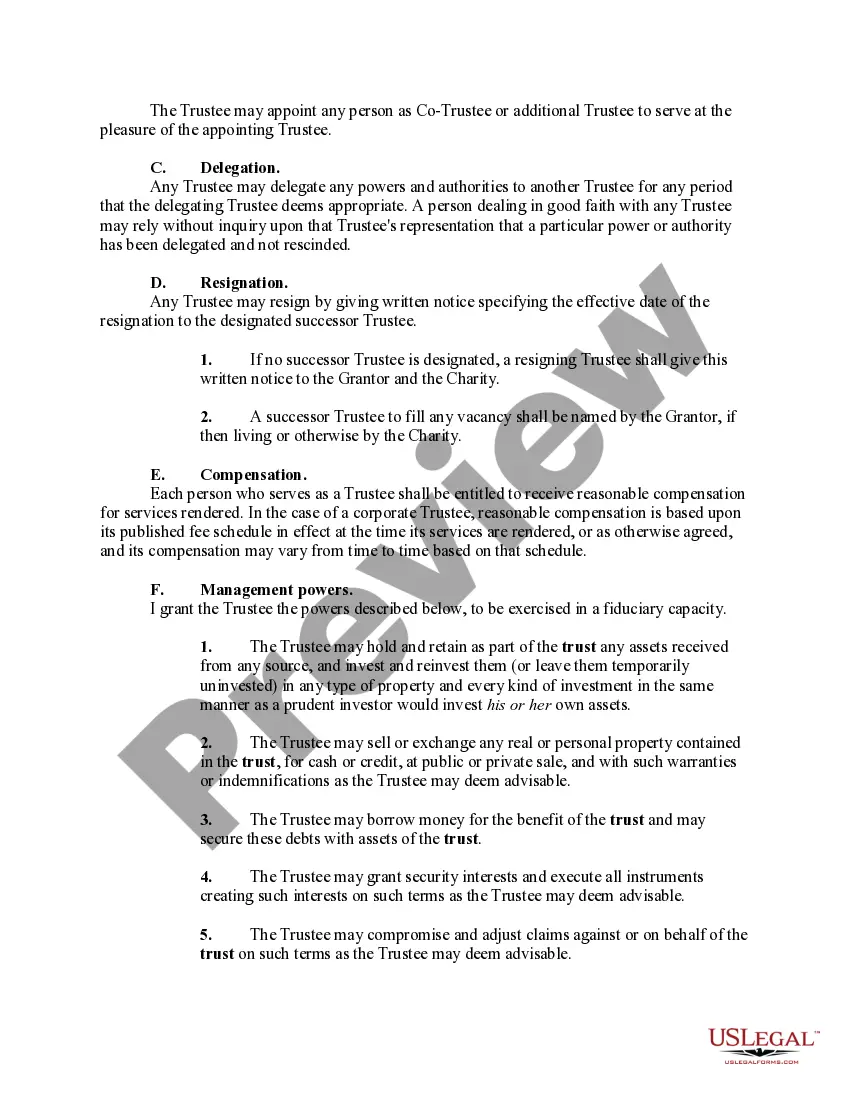
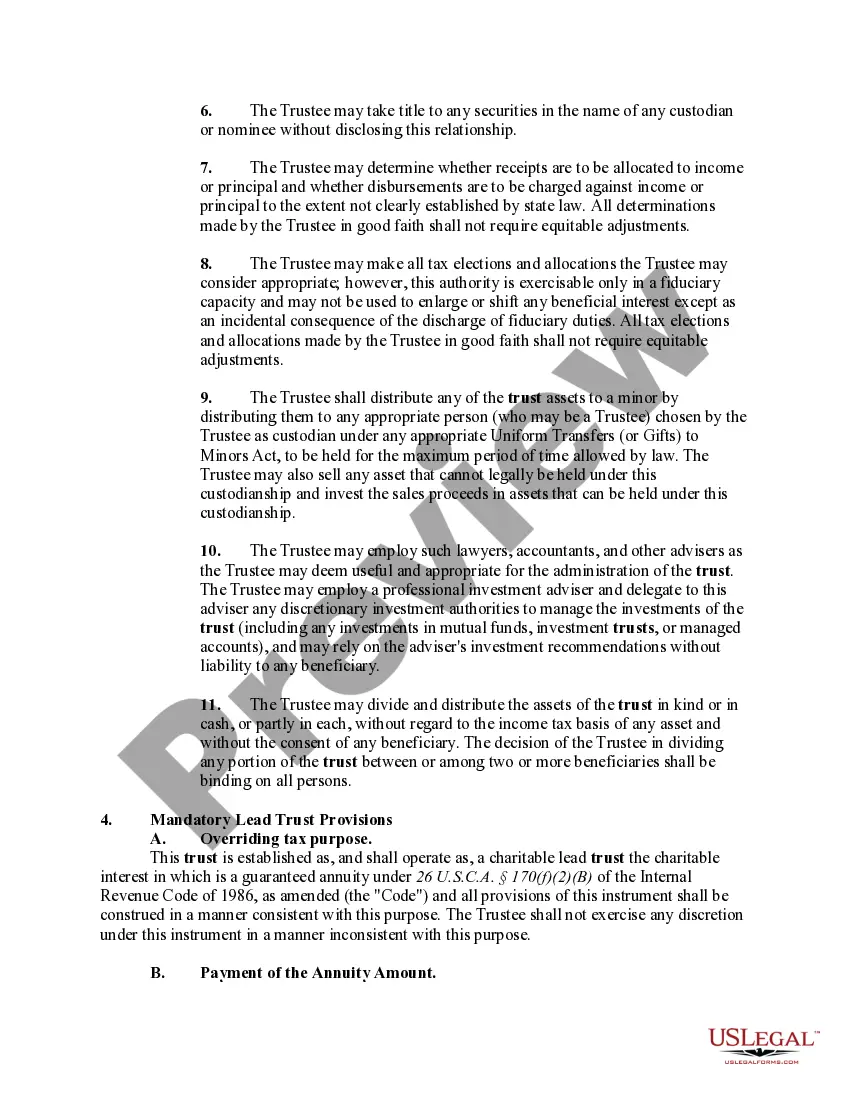
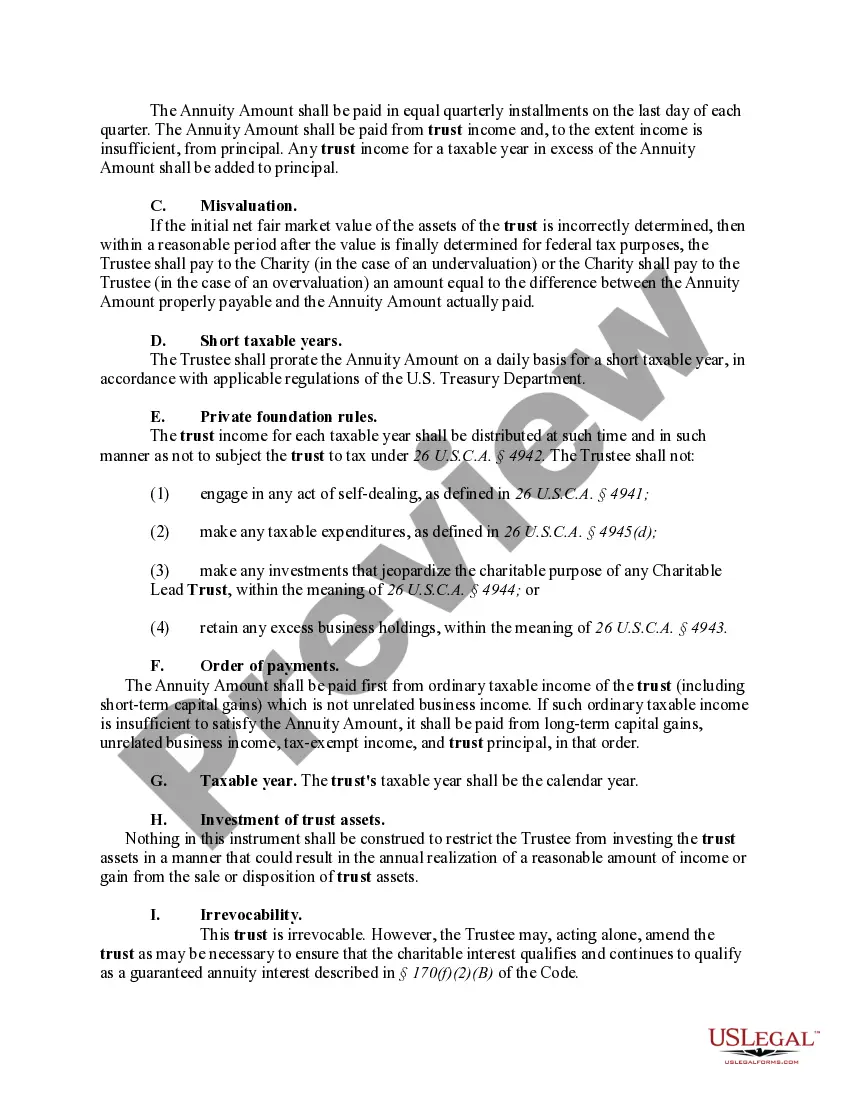
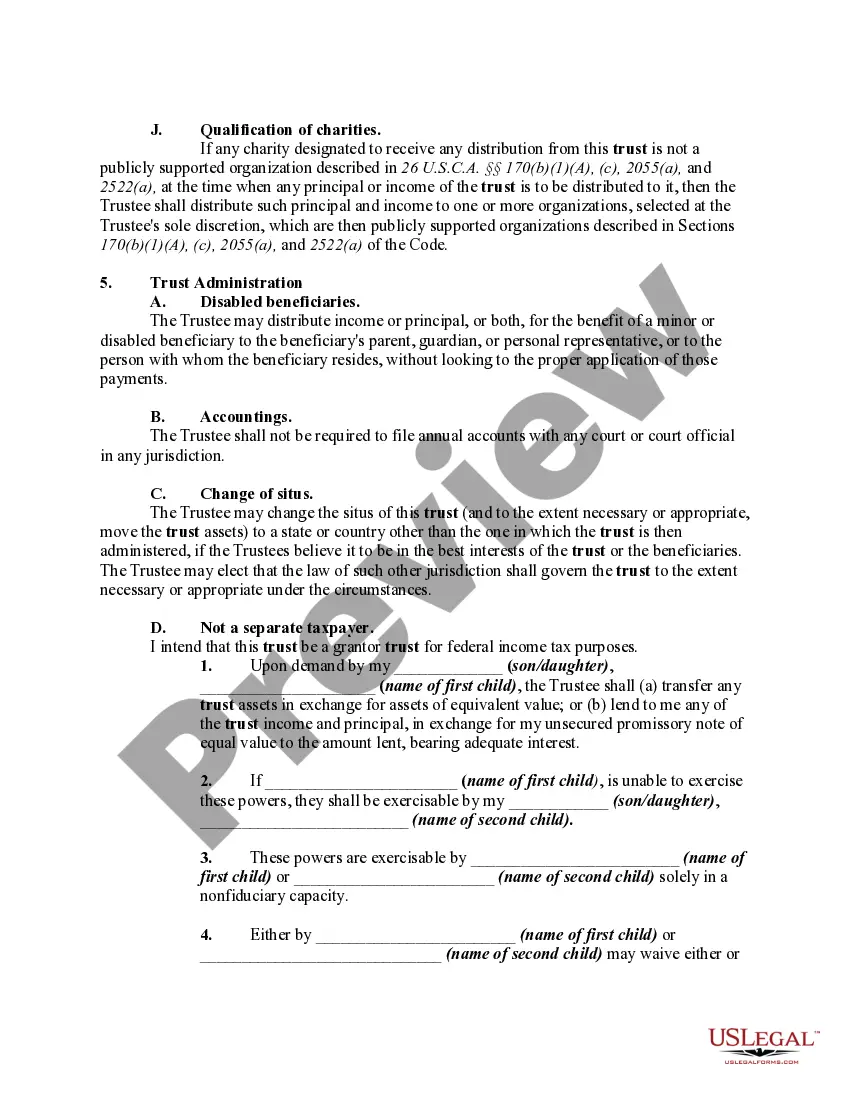
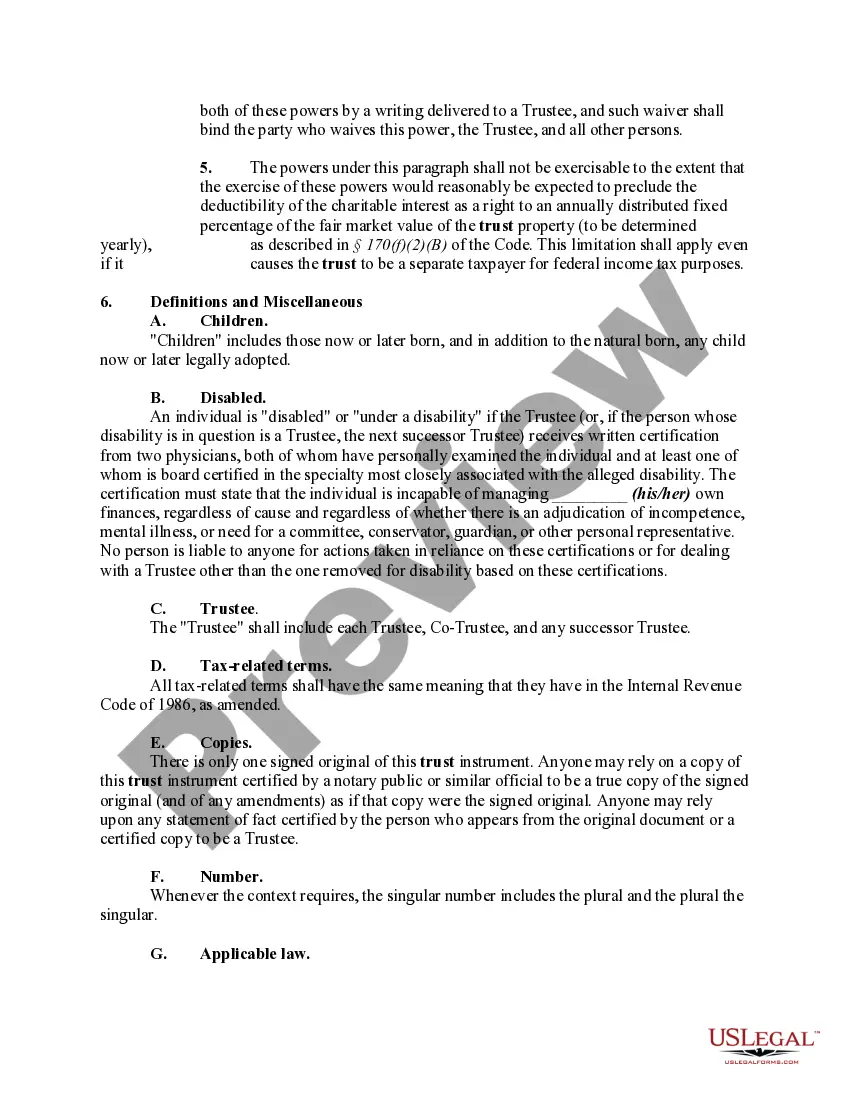
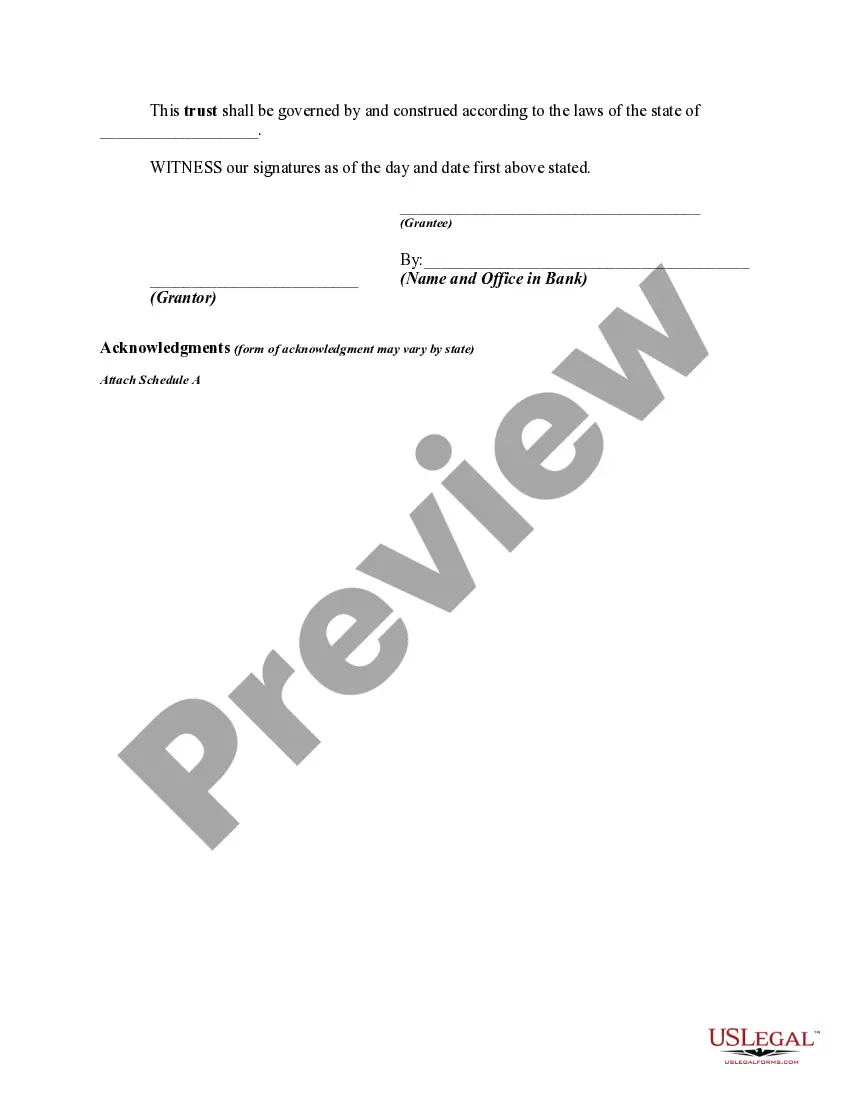
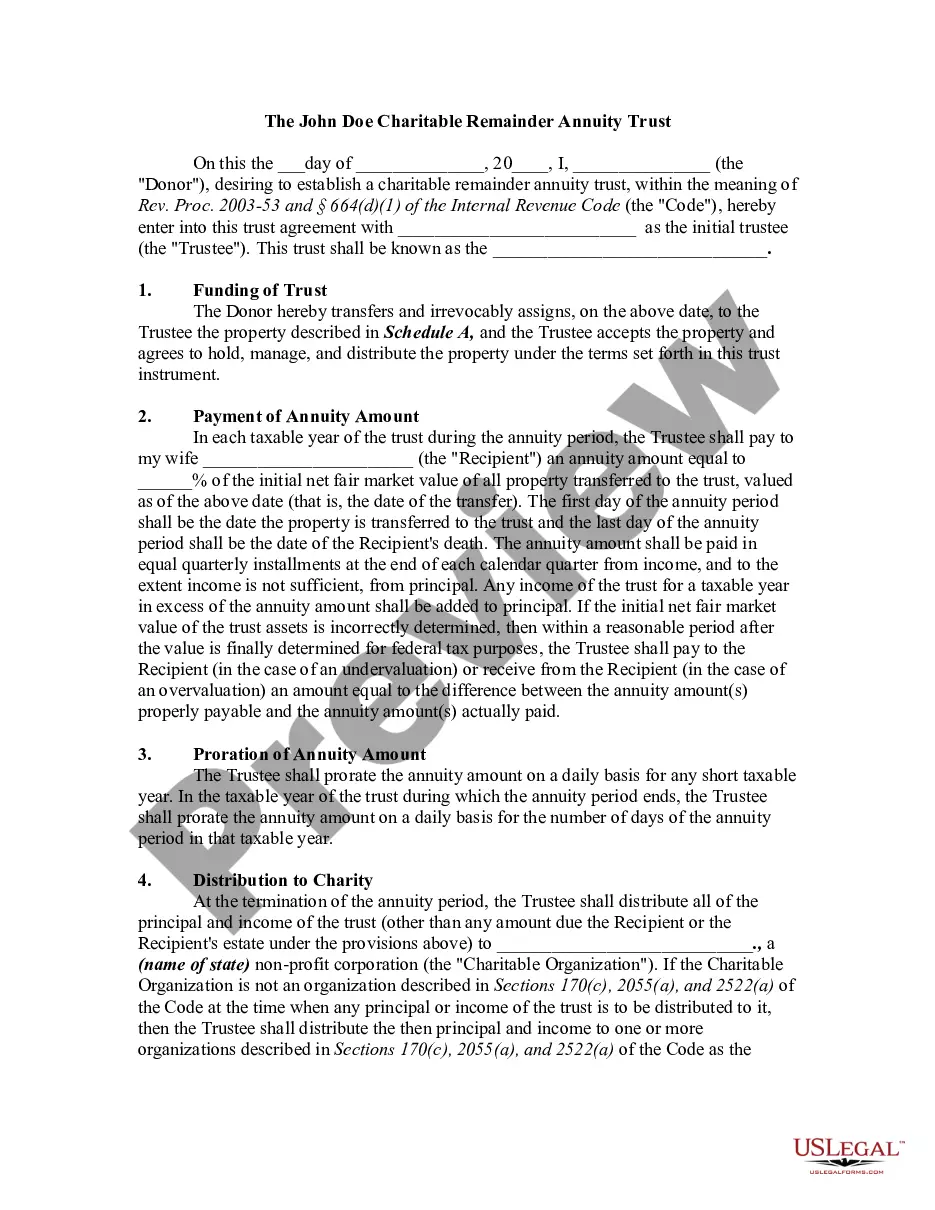
Get your form ready online
Our built-in tools help you complete, sign, share, and store your documents in one place.
Make edits, fill in missing information, and update formatting in US Legal Forms—just like you would in MS Word.
Download a copy, print it, send it by email, or mail it via USPS—whatever works best for your next step.
Sign and collect signatures with our SignNow integration. Send to multiple recipients, set reminders, and more. Go Premium to unlock E-Sign.
If this form requires notarization, complete it online through a secure video call—no need to meet a notary in person or wait for an appointment.
We protect your documents and personal data by following strict security and privacy standards.

Make edits, fill in missing information, and update formatting in US Legal Forms—just like you would in MS Word.

Download a copy, print it, send it by email, or mail it via USPS—whatever works best for your next step.

Sign and collect signatures with our SignNow integration. Send to multiple recipients, set reminders, and more. Go Premium to unlock E-Sign.

If this form requires notarization, complete it online through a secure video call—no need to meet a notary in person or wait for an appointment.

We protect your documents and personal data by following strict security and privacy standards.
Looking for another form?








How to fill out Charitable Inter Vivos Lead Annuity Trust?
Handling legal documents and tasks may prove to be an arduous addition to your daily routine.
Examples of Charitable Lead Annuity Trusts and similar forms typically necessitate that you search for them and comprehend the most effective methods to complete them correctly.
Thus, if you are managing financial, legal, or personal affairs, utilizing a comprehensive and straightforward online repository of forms readily available to you will be immensely beneficial.
US Legal Forms stands out as the premier online source for legal templates, providing over 85,000 state-specific documents and a variety of resources to facilitate your paperwork process effortlessly.
If this is your first experience with US Legal Forms, register and establish your account within minutes to gain access to the form library and Charitable Lead Annuity Trust Example. Then, adhere to the following steps to finalize your form: Ensure you possess the correct form by utilizing the Review function and examining the form details. Select Buy Now when you are prepared, and choose the subscription plan that meets your requirements. Click Download, then fill out, eSign, and print the document. US Legal Forms boasts 25 years of experience aiding clients in managing their legal documentation. Locate the form you require right now and streamline any process without exerting excessive effort.
- Browse through the collection of pertinent documents at your disposal with a single click.
- US Legal Forms offers state- and county-specific forms available for download at any time.
- Enhance your document management tasks with a premium service that enables you to compile any form in mere minutes without any additional or hidden costs.
Form popularity
FAQ
Charitable lead annuity trusts are designed to benefit both you and the charities you care about. You fund the trust with assets, which then provide a set payment to charity over a specified term. When the term ends, the remaining trust assets pass on to your loved ones. This arrangement not only supports vital causes but also may reduce your estate and gift taxes, benefiting your heirs.
The main difference lies in how payments are calculated. A charitable lead annuity trust pays a fixed dollar amount to the charity each year, while a charitable lead unitrust offers payments that vary based on the trust's asset value. Essentially, the charitable lead annuity trust example guarantees stable payouts, making it easier for budgeting. Choose the option that best aligns with your financial goals and charitable intentions.
A charitable annuity trust provides a way for you to make a charitable donation while still receiving income. With a charitable lead annuity trust example, you place assets into the trust, and it pays a fixed annuity to a charity for a specified period. After that period ends, the remaining assets go to your beneficiaries. This setup allows you to support your favorite causes while enjoying potential tax benefits.
A charitable lead annuity trust works by providing fixed annual payments to a charity for a set term, after which the remaining assets are distributed to non-charitable beneficiaries. During the trust’s term, the donor enjoys a current tax deduction based on the present value of the charitable payouts. This structure allows individuals to satisfy philanthropic goals while also benefiting financially later. Understanding this concept is essential, especially when exploring a charitable lead annuity trust example.
To file a charitable remainder trust (CRT), you need to submit IRS Form 5227 annually, detailing the trust income and distributions to beneficiaries. The form helps maintain compliance with federal regulations, ensuring that your charitable intentions align with the law. It’s crucial to keep accurate records for smooth filing. For assistance with the filing process, consider the resources available on US Legal Forms to help you navigate this requirement effectively.
A charitable remainder trust (CRT) example includes a situation where a donor funds the trust and receives income for a set period before the trust’s assets go to a specified charity. For instance, you might set up a CRT with a family home, receiving rental income until the trust ends. After the designated term, the charity receives the property, demonstrating a blend of personal benefit and altruism. This is analogous to understanding the charitable lead annuity trust example, focusing on structured charitable giving.
A charitable annuity trust is a financial arrangement allowing donors to contribute assets to a trust, receiving regular payments while designating the remainder to charity. These payments can provide income security for the donor, and posthumously benefit a chosen charity. By structuring your giving this way, you can effectively balance personal financial needs with philanthropy. This is similar to the charitable lead annuity trust example, which also focuses on charitable distribution.
A charitable remainder annuity trust (CRAT) allows donors to receive fixed payments for life or a specified term, after which the remainder goes to charity. For example, if you establish a CRAT with a $100,000 donation, you might receive a set annual payment of $5,000. This setup benefits you throughout your lifetime, illustrating how a charitable lead annuity trust example can also prioritize steady income while supporting charitable causes.
Yes, a charitable lead trust must file a tax return each year, typically using IRS Form 5227. This requirement ensures transparency about the income generated and the distributions made to charities. It's vital to understand how this process works for compliance purposes. For greater clarity on tax returns and charitable structures, many find valuable guidance on platforms like US Legal Forms.
A Charitable Remainder Unitrust (CRUT) allows donors to receive income for a set period while benefiting charity afterwards. For instance, envision a situation where you donate a large sum to a CRUT, which then provides you with annual payments based on the trust’s value. When the trust ends, the remaining assets go to the charity. A charitable lead annuity trust example builds upon this by providing income to charities first, showcasing the flexibility in charitable giving.