Trust Inter Vivos Meaning
Description
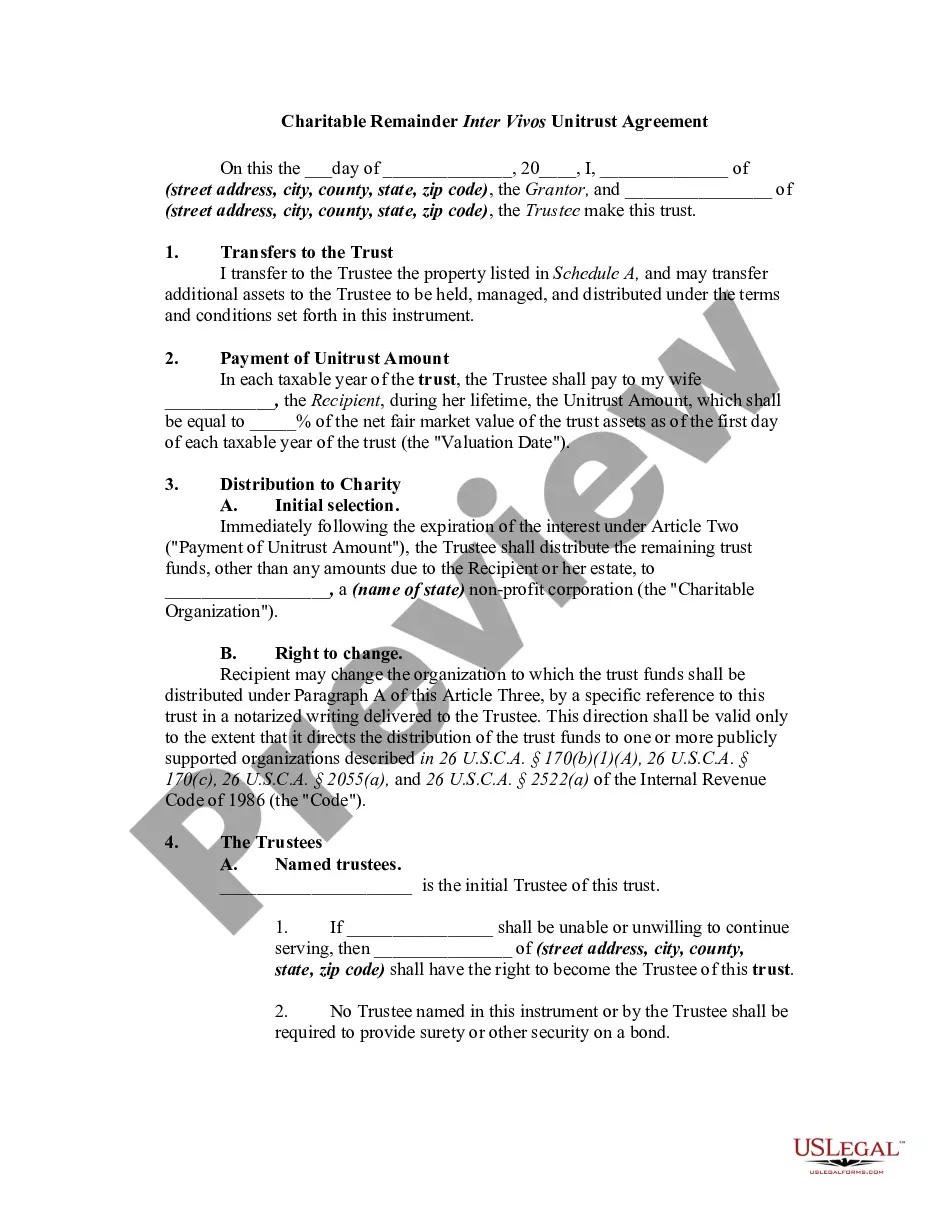
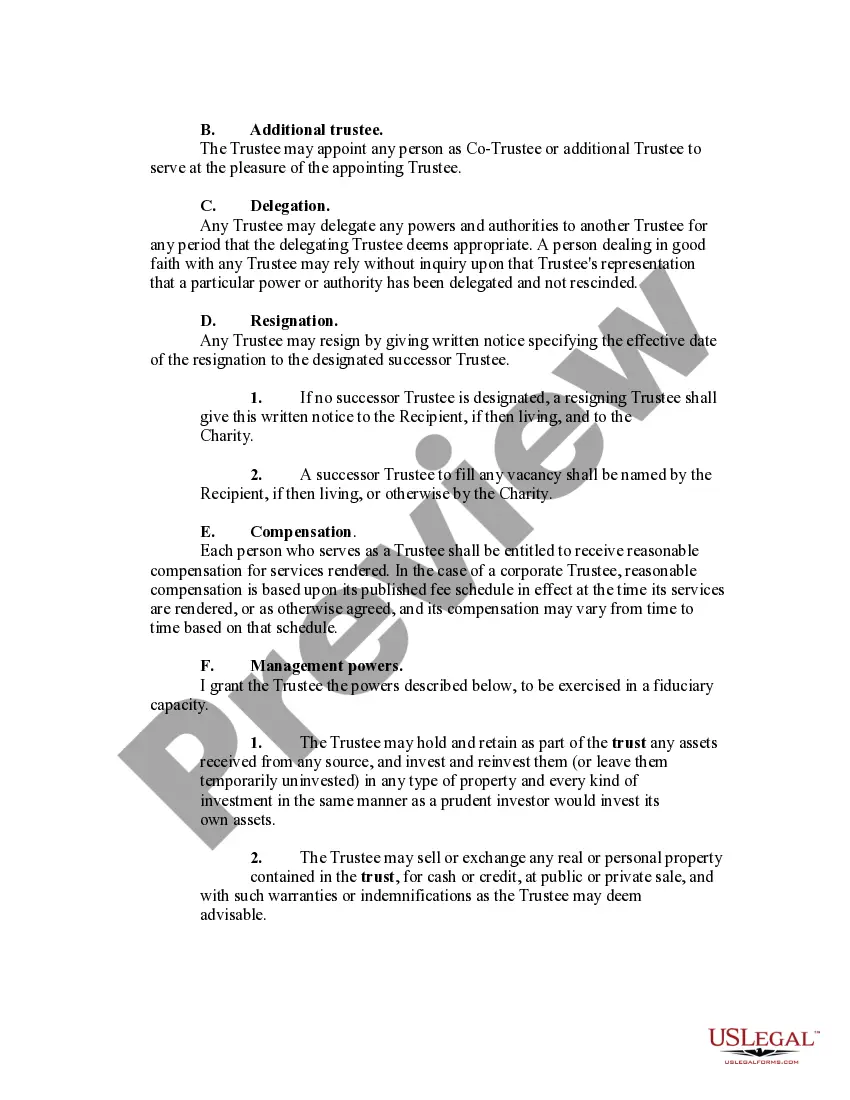
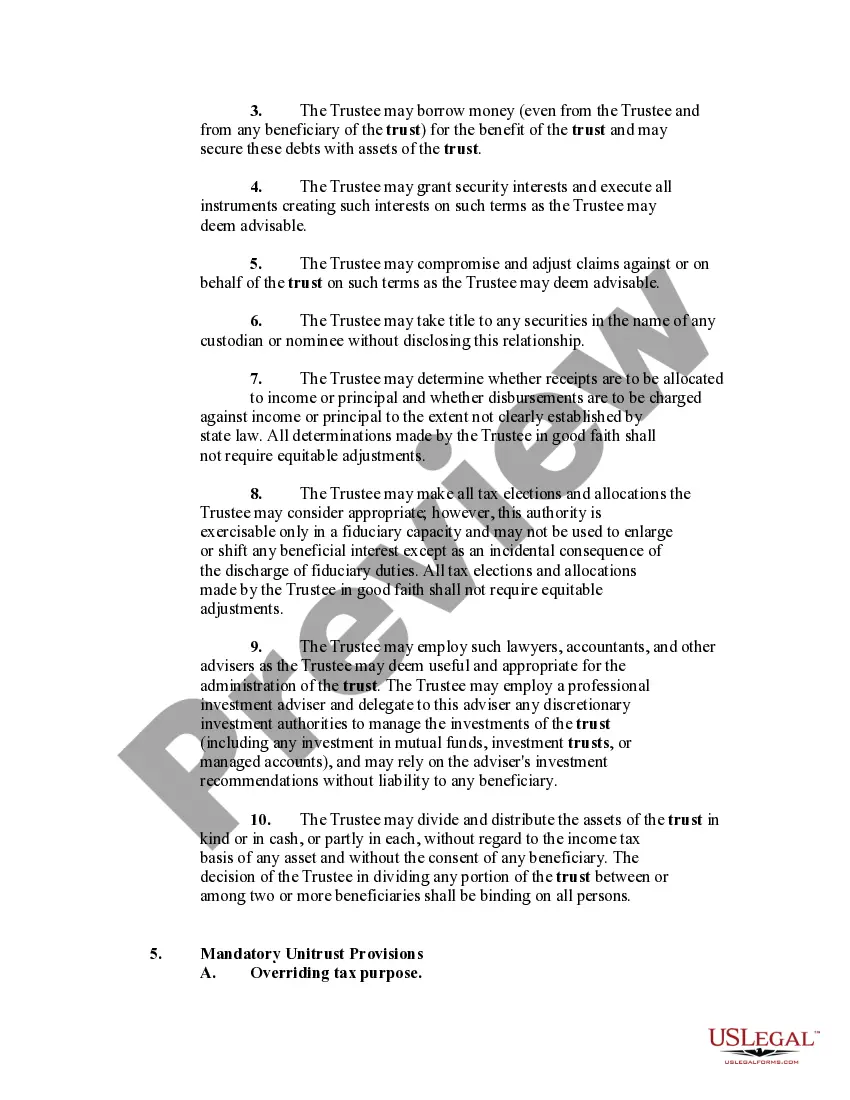
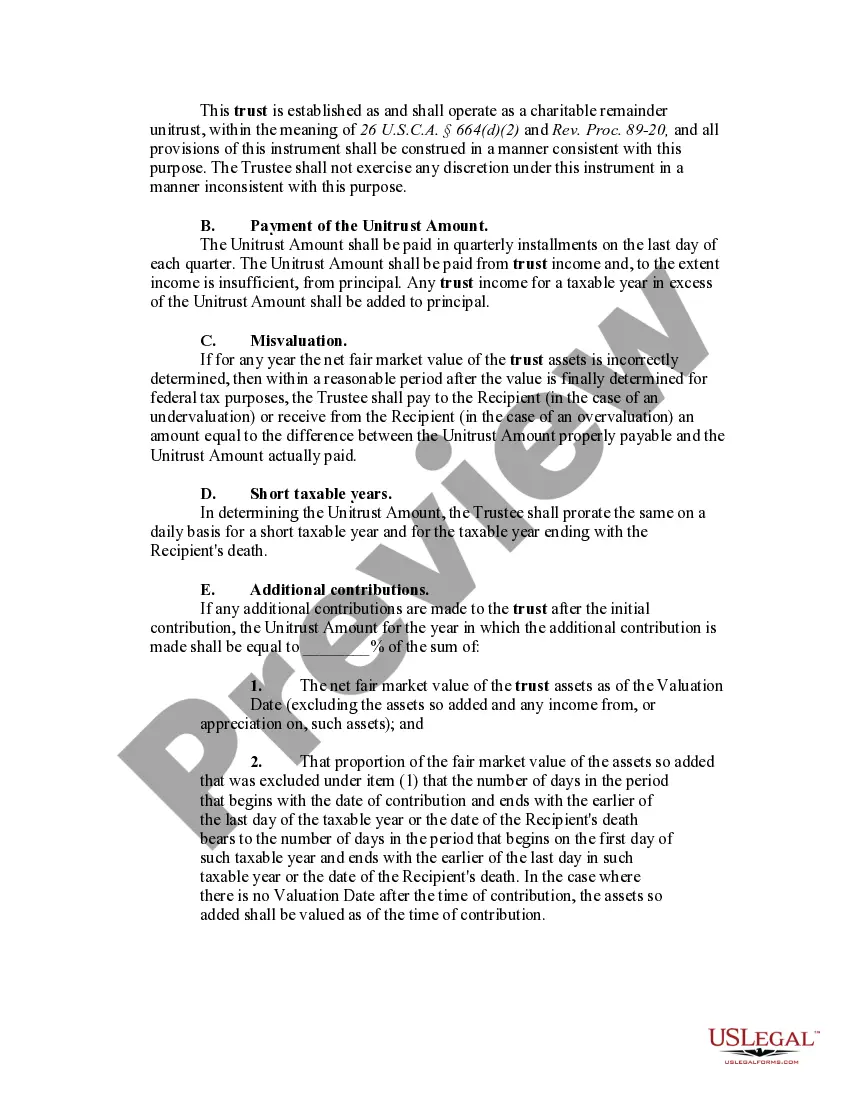
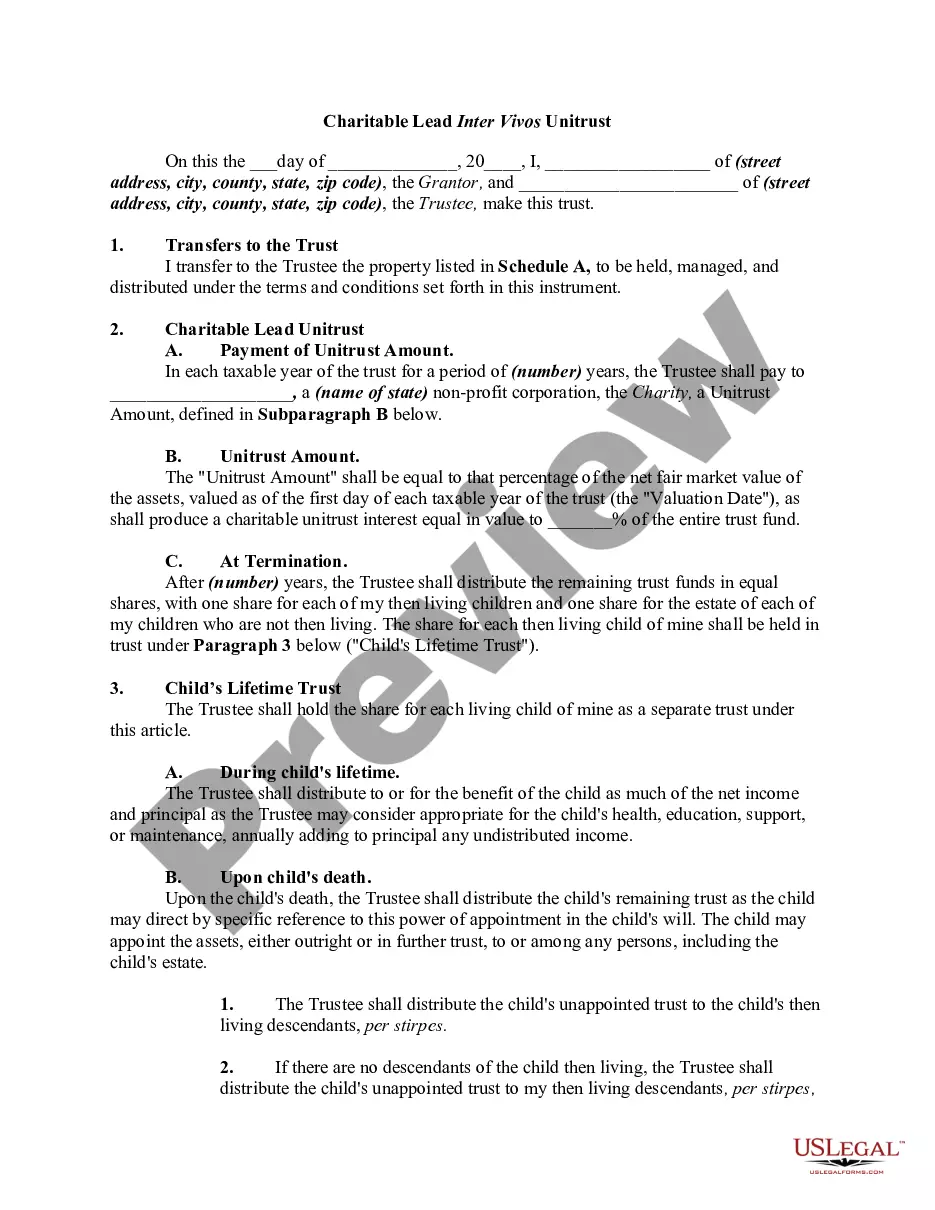
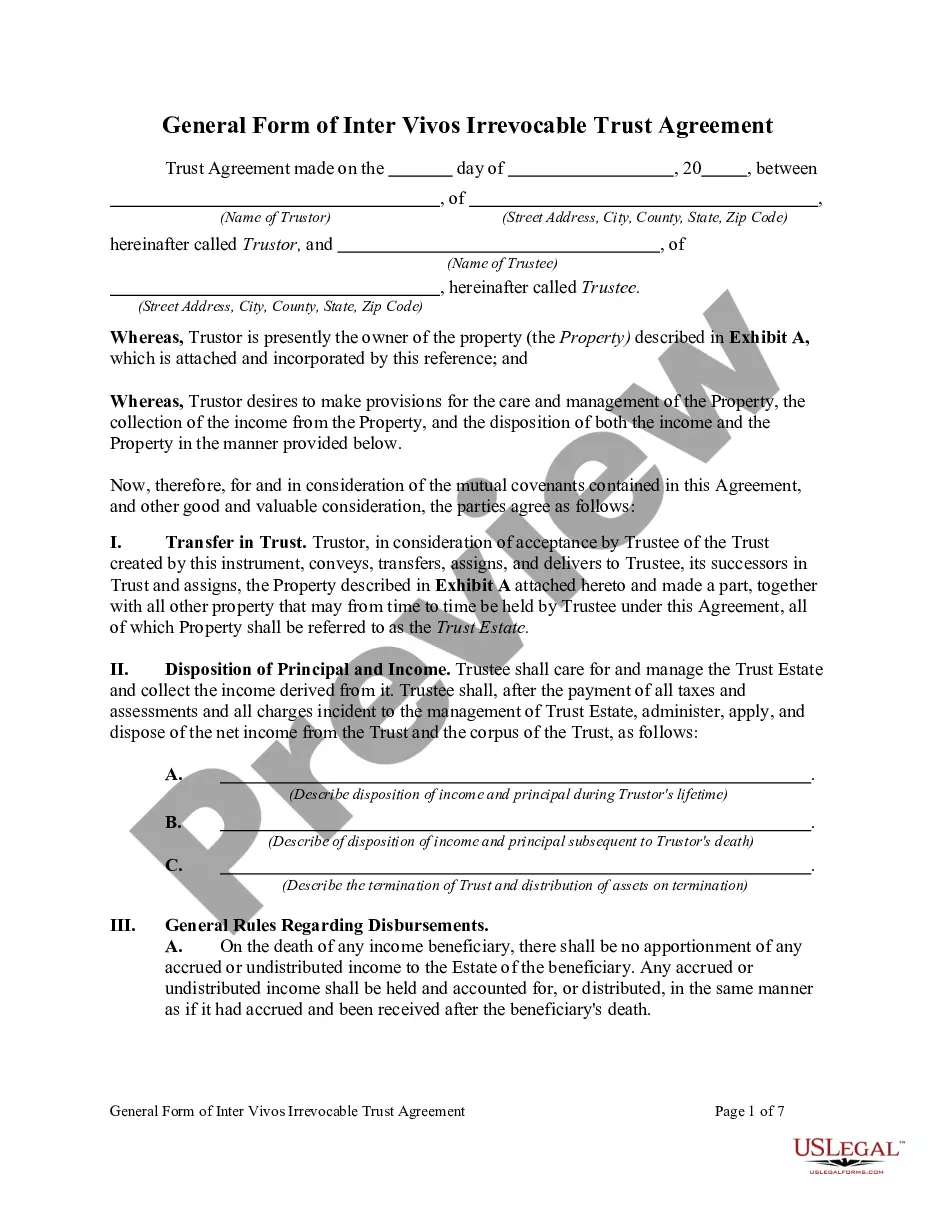

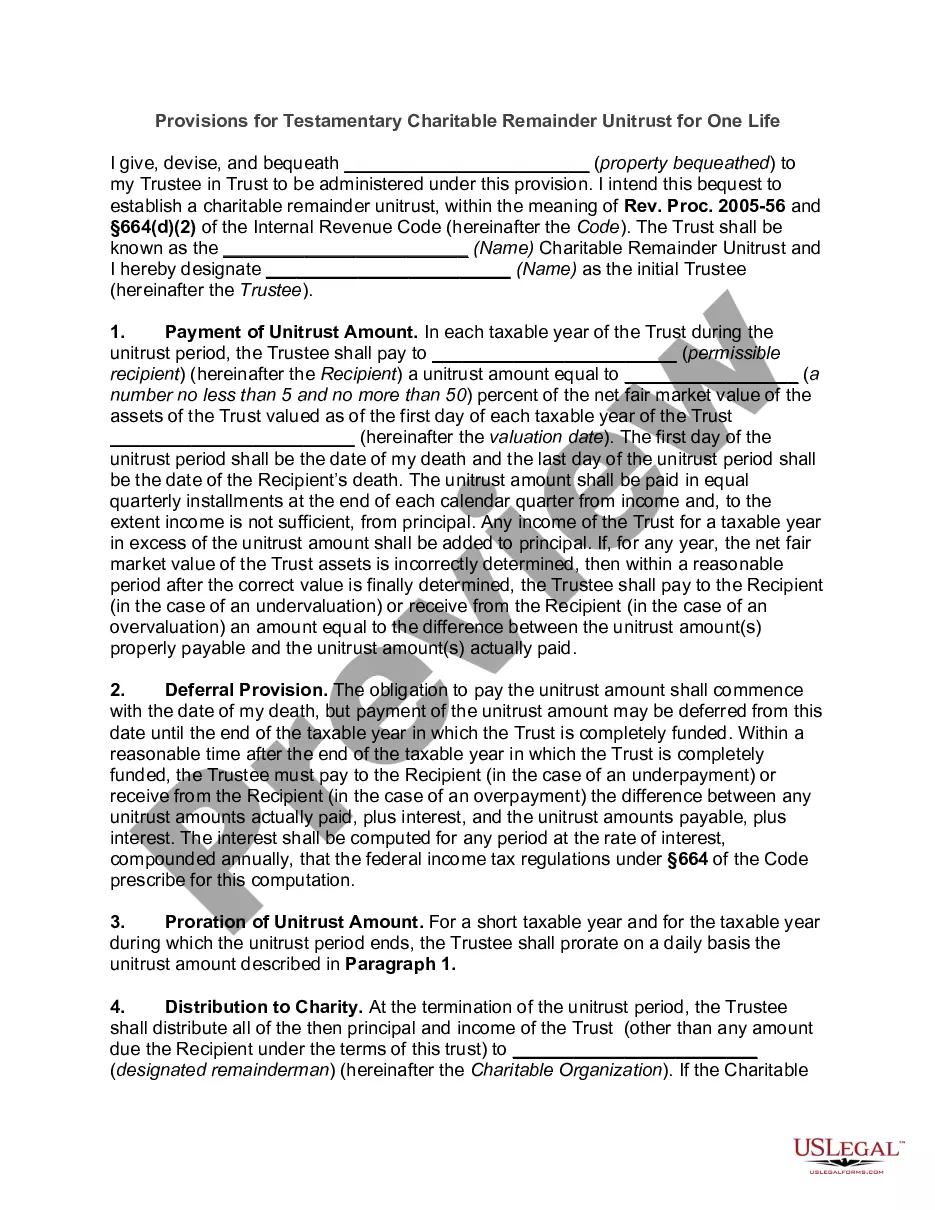
Get your form ready online
Our built-in tools help you complete, sign, share, and store your documents in one place.
Make edits, fill in missing information, and update formatting in US Legal Forms—just like you would in MS Word.
Download a copy, print it, send it by email, or mail it via USPS—whatever works best for your next step.
Sign and collect signatures with our SignNow integration. Send to multiple recipients, set reminders, and more. Go Premium to unlock E-Sign.
If this form requires notarization, complete it online through a secure video call—no need to meet a notary in person or wait for an appointment.
We protect your documents and personal data by following strict security and privacy standards.

Make edits, fill in missing information, and update formatting in US Legal Forms—just like you would in MS Word.

Download a copy, print it, send it by email, or mail it via USPS—whatever works best for your next step.

Sign and collect signatures with our SignNow integration. Send to multiple recipients, set reminders, and more. Go Premium to unlock E-Sign.

If this form requires notarization, complete it online through a secure video call—no need to meet a notary in person or wait for an appointment.

We protect your documents and personal data by following strict security and privacy standards.
Looking for another form?








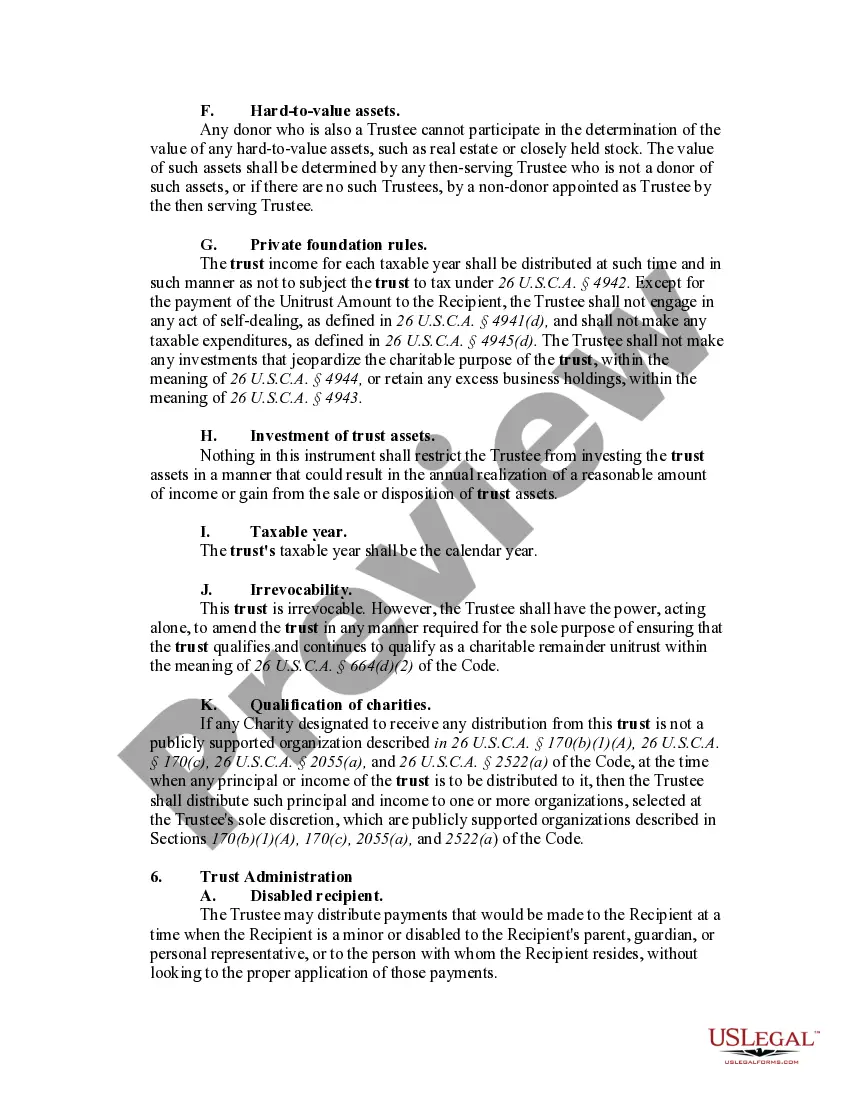
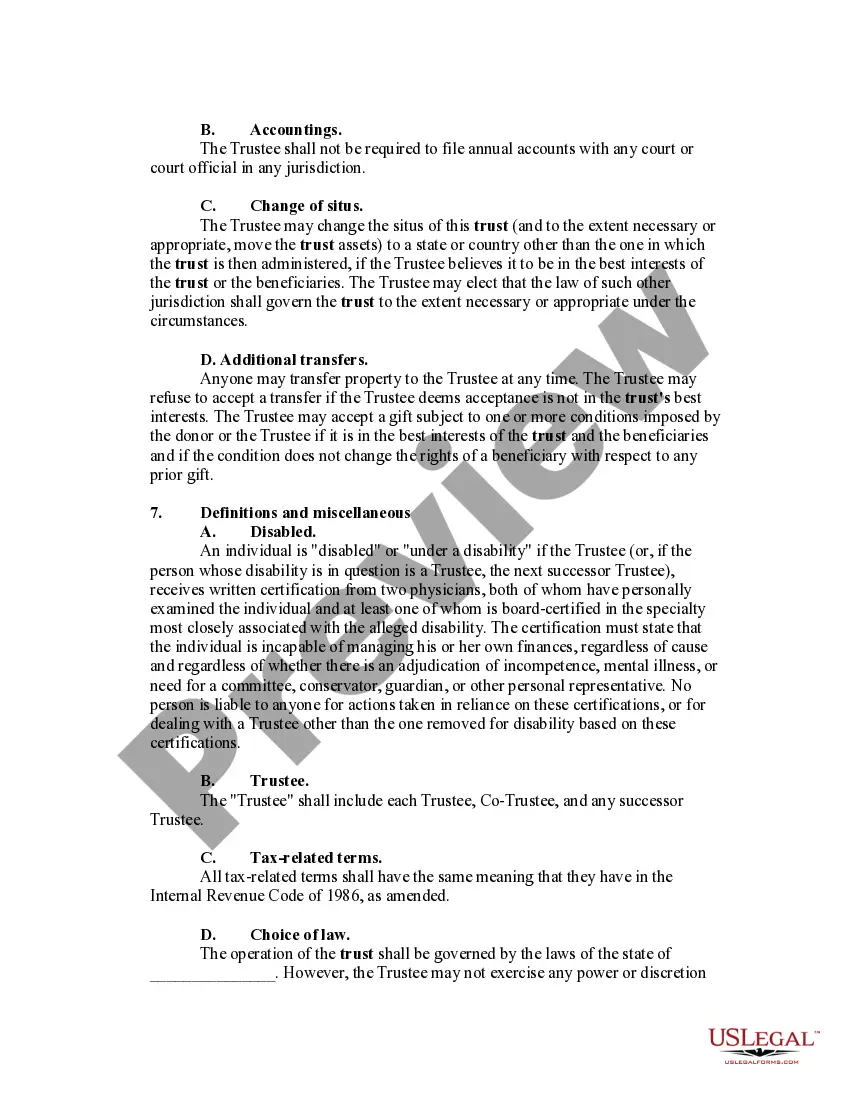
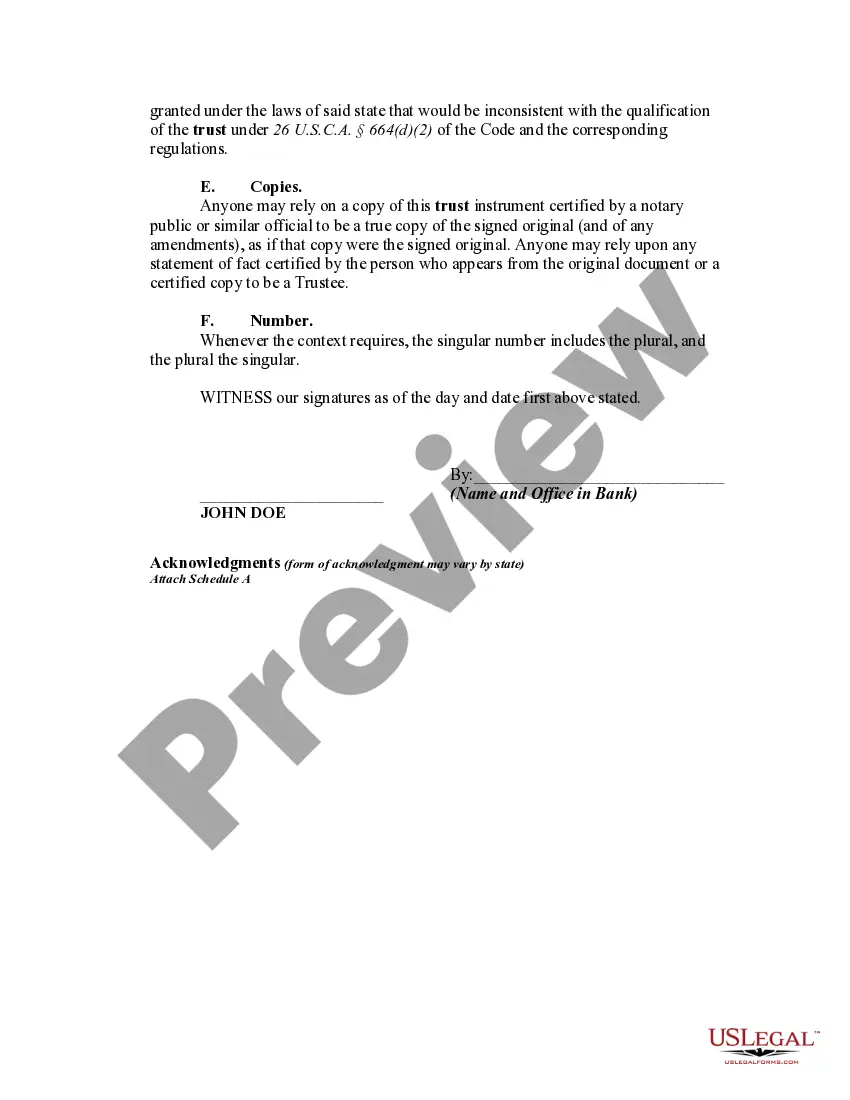
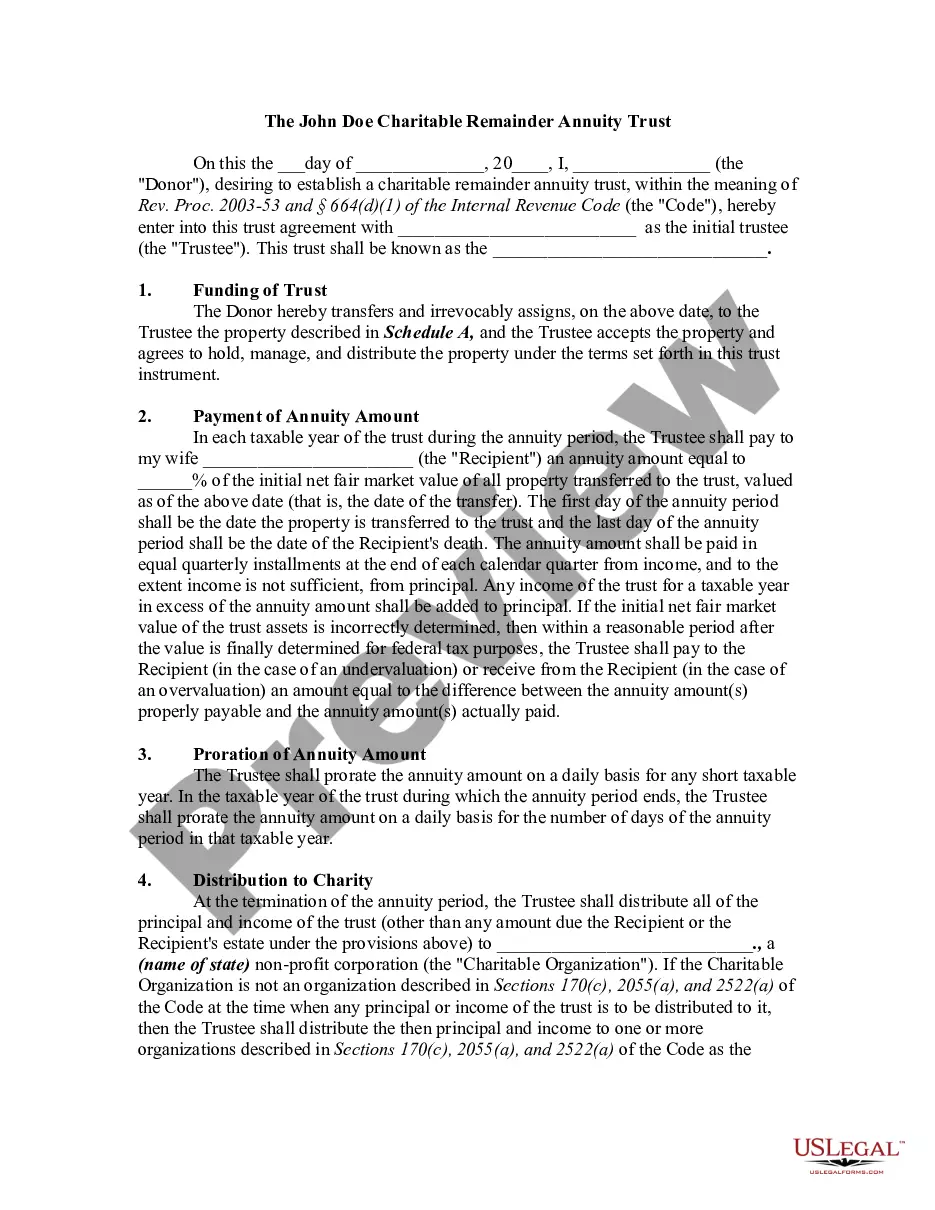
How to fill out Charitable Remainder Inter Vivos Unitrust Agreement?
- Log in to your existing US Legal Forms account or create a new one if this is your first visit.
- Explore the extensive library to find the appropriate form that matches your needs and jurisdiction.
- Utilize the preview mode to ensure the document aligns with your requirements and legal stipulations.
- If necessary, use the search feature to locate alternative templates and ensure the one selected is correct.
- Choose your desired subscription plan and click on the 'Buy Now' button.
- Enter your payment details using a credit card or PayPal to finalize the subscription process.
- Download the form to your device and access it under the 'My Forms' section of your profile whenever needed.
In conclusion, US Legal Forms empowers users with a robust collection of over 85,000 legal documents, surpassing competitors in both variety and value. Whether you're an individual or an attorney, you can ensure your legal documents are both precise and compliant.
Start your journey to hassle-free document management with US Legal Forms today!
Form popularity
FAQ
An inter vivos trust and a revocable trust are closely related, as both allow you to maintain control over your assets during your lifetime. While the term 'inter vivos' refers to a trust created while you are alive, a revocable trust specifically indicates that you can change or terminate it at any time. Understanding trust inter vivos meaning helps clarify that both types serve similar purposes in estate planning, but a revocable trust emphasizes flexibility. For personalized guidance, consider exploring the resources available at UsLegalForms for creating your trust.
Suze Orman emphasizes the importance of a living trust for effective estate planning. She often highlights that a living trust can help avoid probate, allowing assets to be distributed to heirs smoothly and privately. Understanding trust inter vivos meaning can guide you in making informed decisions about your financial future. According to her, a living trust serves as a powerful tool to ensure your wishes are fulfilled upon your passing.
The primary purpose of an inter vivos trust is to manage assets during a person's lifetime and specify how those assets should be distributed after death. This type of trust, known as a living trust, provides flexibility and control. Trust inter vivos meaning reflects the idea that you can protect your assets while you're alive and ensure efficient management after you pass. This approach can reduce the complexities of probate and provide peace of mind for both you and your beneficiaries.
An example of inter vivos is a living trust where an individual transfers their house and investments into the trust during their lifetime. This arrangement allows them to retain control over these assets while designating beneficiaries to receive them after death. By exploring the trust inter vivos meaning, you’ll see how such examples enhance your estate planning options.
The primary purpose of an inter vivos trust is to manage and protect your assets while you are alive, allowing for organized asset distribution after your death. This type of trust can help avoid probate, reduce tax burdens, and ensure that your assets are used according to your wishes. Understanding the trust inter vivos meaning reveals its importance in effective estate planning.
Creating an inter vivos trust involves several steps, including deciding on the assets to place in the trust and selecting a trustee to manage it. You will then need to draft a trust document that outlines the terms of the trust and the beneficiaries. For a smooth process, consider using US Legal Forms, which offers templates and guidance for setting up your inter vivos trust efficiently.
A trust generally refers to a legal arrangement where one party holds property for the benefit of another. An inter vivos trust, however, is a specific type of trust created while the grantor is alive, allowing them to manage and distribute their assets before death. Grasping the trust inter vivos meaning is important when deciding how to best manage your estate and intentions.
The term 'inter vivos' translates to 'between the living.' In the context of a trust, it refers to an arrangement made during a person's lifetime, as opposed to a testamentary trust, which is established upon their death. Understanding the trust inter vivos meaning is crucial, as it highlights living trusts' unique ability to manage assets while the trust creator is still alive.
The disadvantages of an inter vivos trust include upfront costs and potential tax implications. Establishing such a trust can require legal fees and ongoing maintenance. Additionally, if not set up correctly, it may not provide the expected benefits, highlighting the importance of fully understanding trust inter vivos meaning.
To fill out a trust fund, you start by gathering necessary information about your assets and beneficiaries. Next, you will need to complete a trust agreement that outlines the terms and conditions of the trust, including who will manage it. Using a platform like US Legal Forms can simplify this process, helping clarify trust inter vivos meaning.