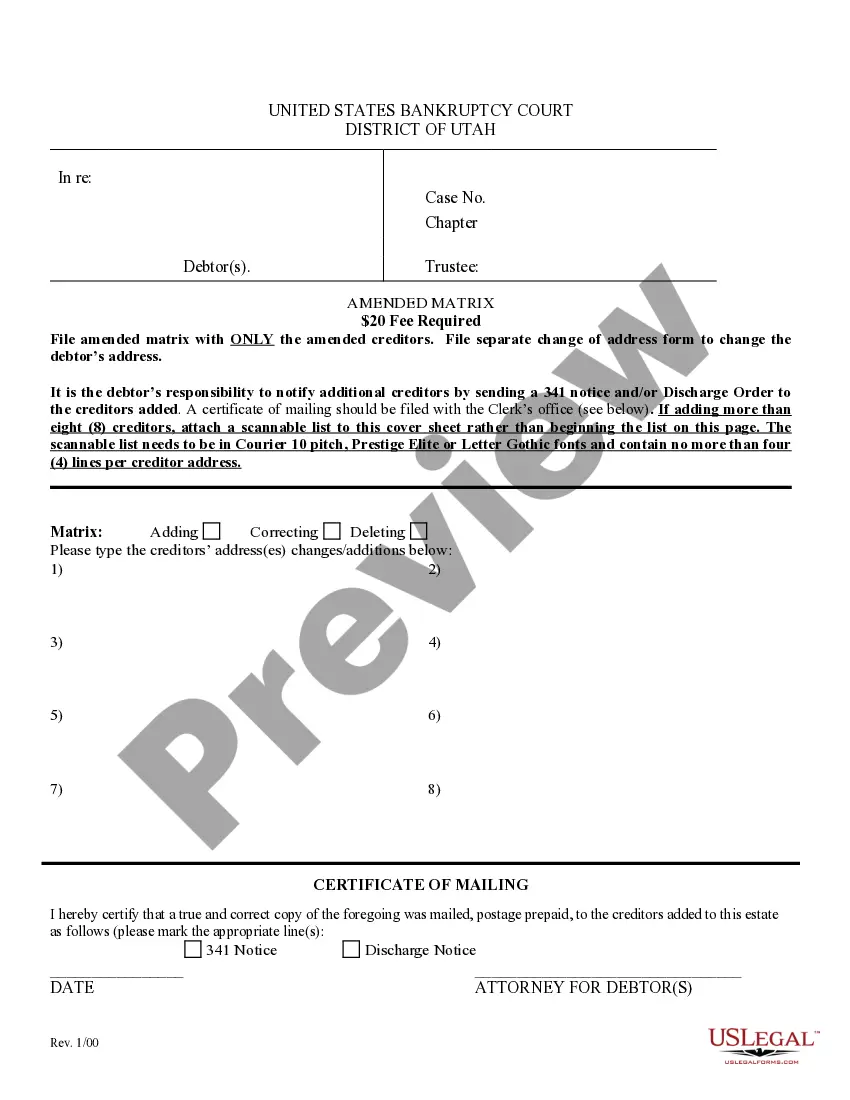
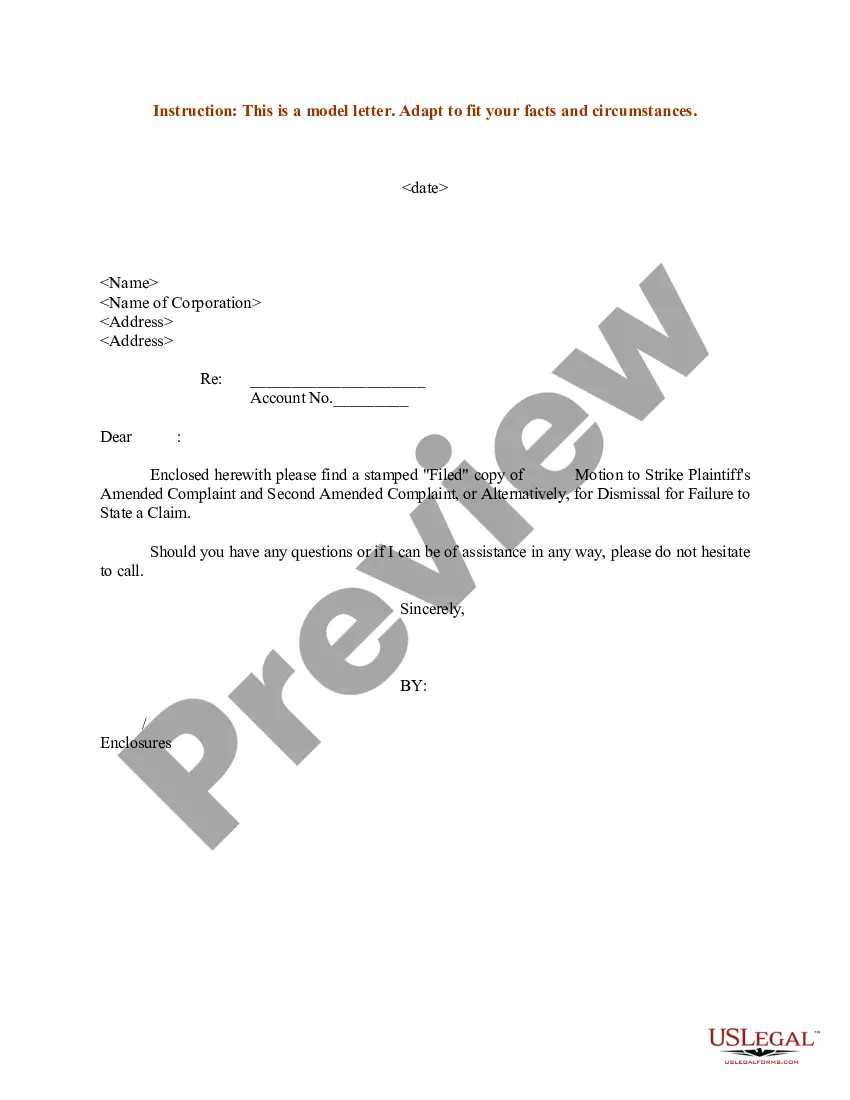
Sample Letter for Motion to Strike Plaintiff's Amended Complaint
What this document covers
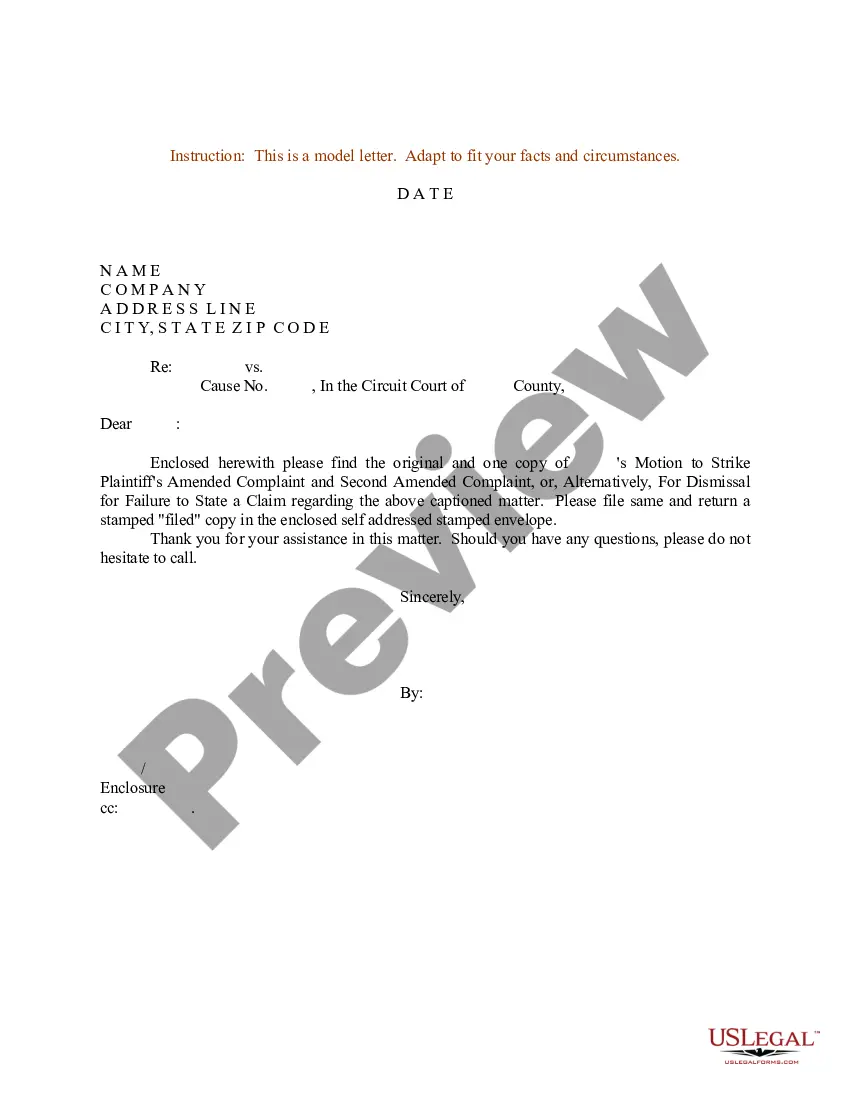
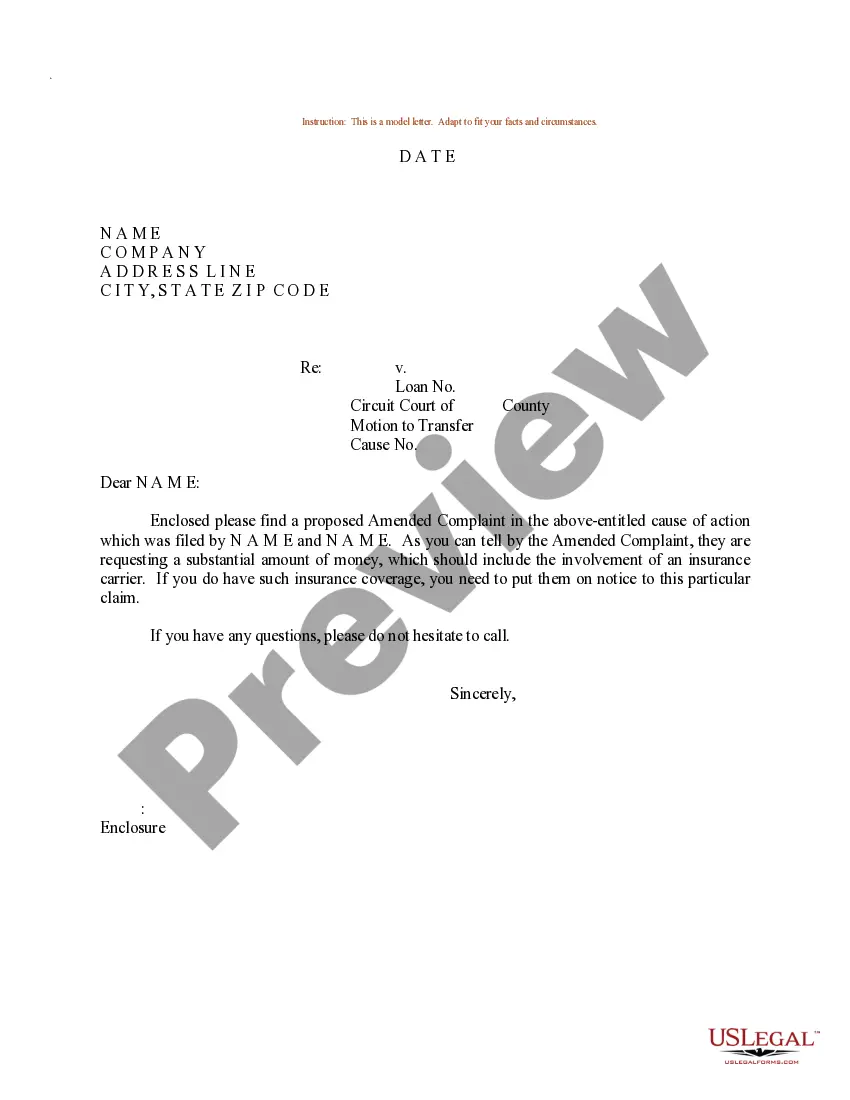
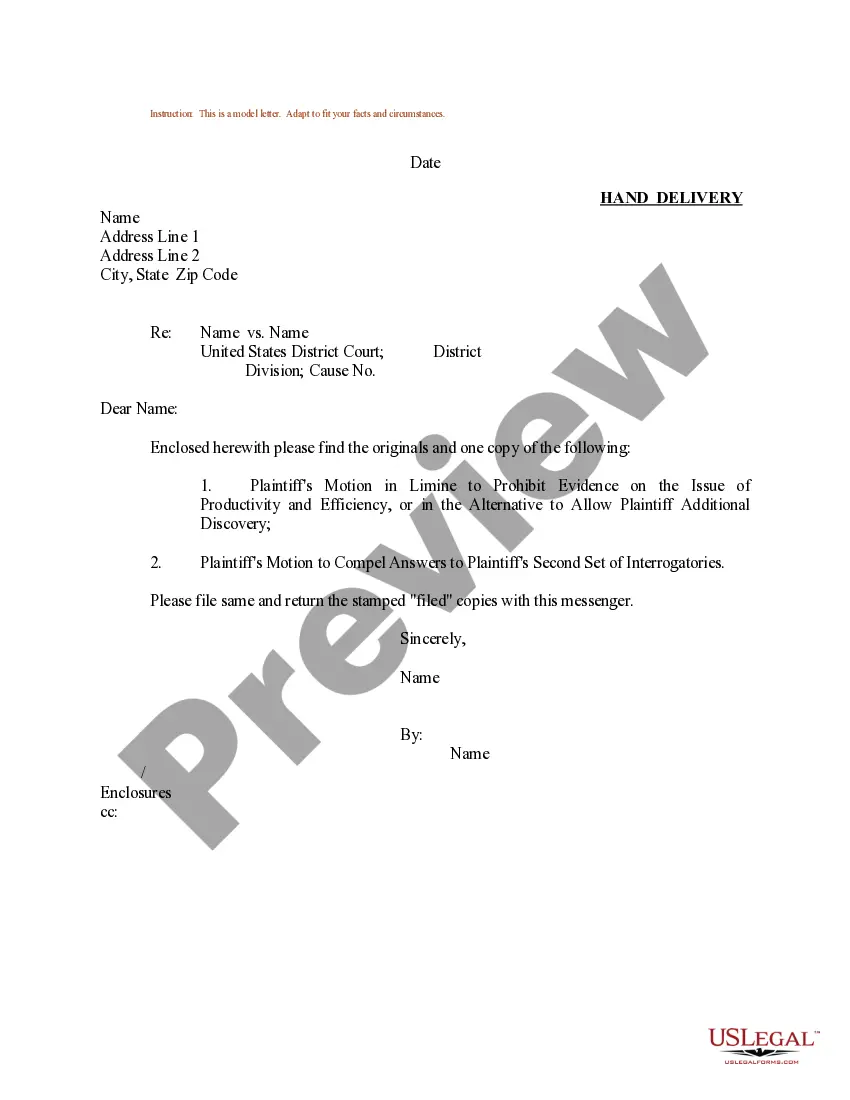
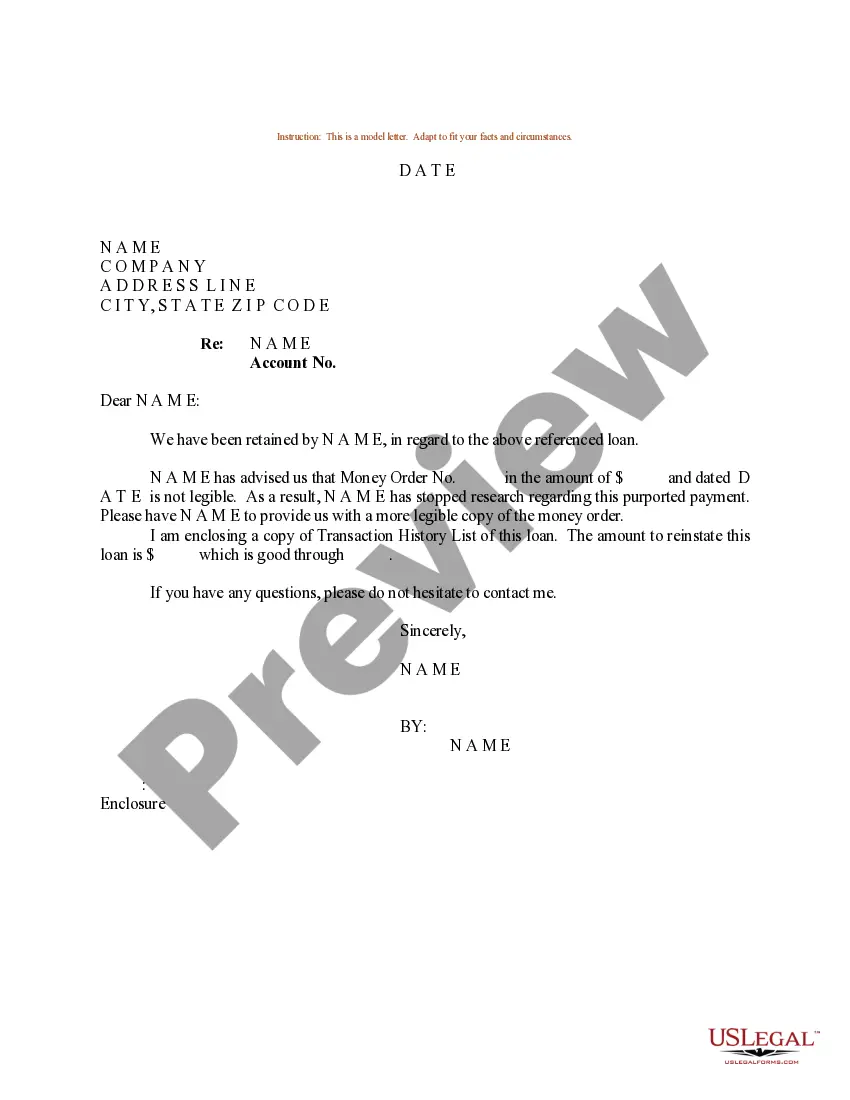
The Sample Letter for Motion to Strike Plaintiff's Amended Complaint is a formal document designed to communicate a party's intention to request a court to dismiss or strike parts of the plaintiff's amended complaint. This letter outlines the reasons for the motion, differing from other legal correspondence as it specifically addresses amendments made to a complaint that may be deemed unnecessary or inappropriate by the responding party.
Main sections of this form
- Date: Indicates when the letter is written.
- Sender's Name: The person or entity sending the letter.
- Name of Corporation: If applicable, the corporation involved.
- Recipient's Address: The address of the court or the opposing party.
- Reference Line: A specific subject reference regarding the case.
- Account Number: Identifies the specific legal case or matter.
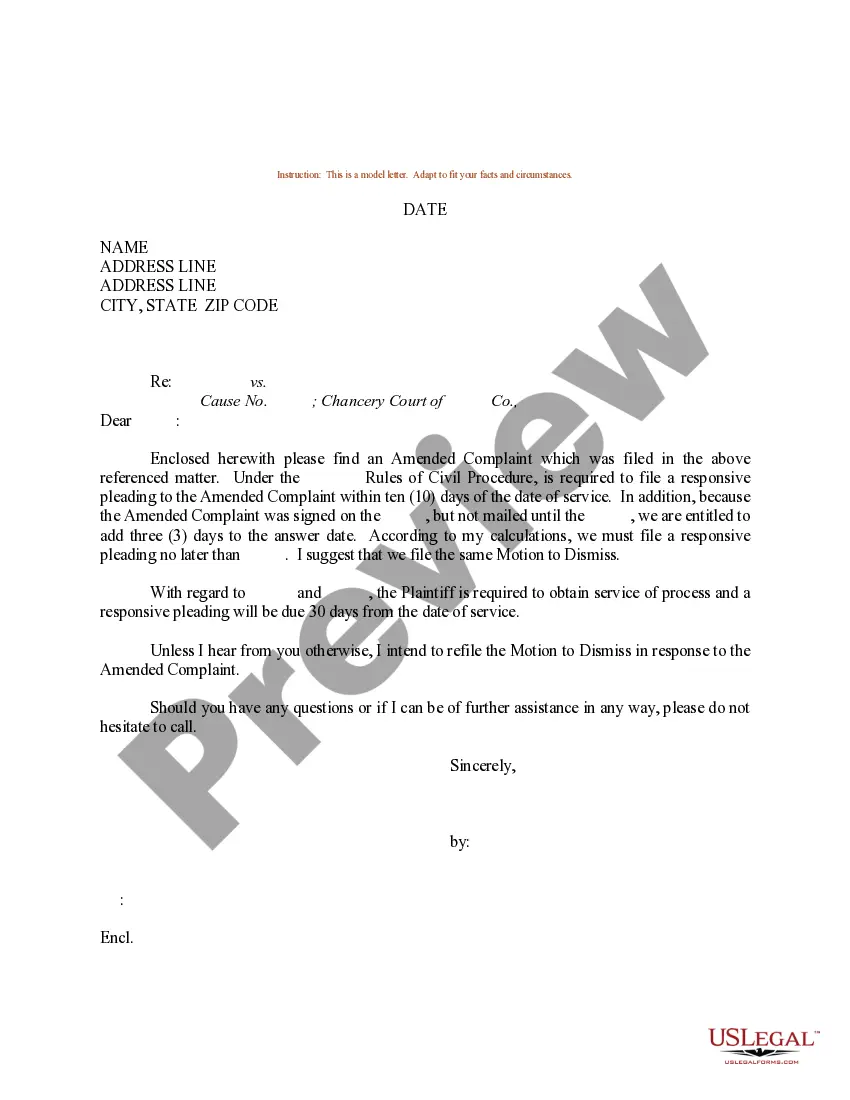
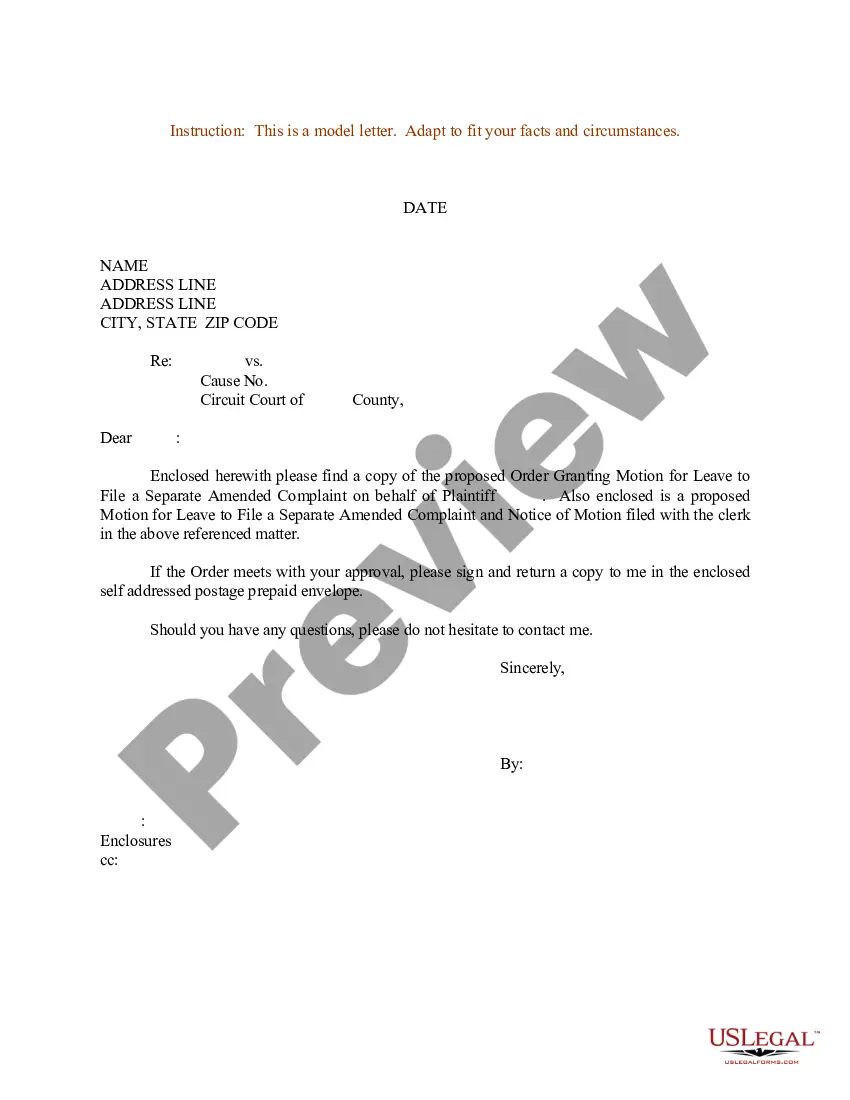
When to use this document
This letter should be used when a defendant or respondent needs to challenge an amended complaint by the plaintiff. Situations may arise when the amendments introduce irrelevant information, are improperly made, or fail to adhere to procedural rules. Filing this letter helps clarify the issues at stake and determines which claims will proceed in court.
Intended users of this form
Intended Audience:
- Defendants in a civil litigation process who wish to oppose amendments to a complaint.
- Legal representatives acting on behalf of a client in court.
- Individuals seeking to protect their interests in a lawsuit where an amended complaint has been filed.
Completing this form step by step
Steps to Complete the Letter:
- Identify the date and prepare the letter on formal letterhead if applicable.
- Write the sender's name and address at the top of the letter.
- Include the recipient's name and address, along with a clear subject line indicating the motion.
- Enter an account number to reference the specific case.
- Summarize the grounds for the motion in a clear and concise manner.
- Sign the letter before sending to ensure it is official.
Notarization requirements for this form
This form does not typically require notarization unless specified by local law. It is advisable to verify if your jurisdiction has any special requirements regarding notarization.
Get your form ready online
Our built-in tools help you complete, sign, share, and store your documents in one place.
Make edits, fill in missing information, and update formatting in US Legal Forms—just like you would in MS Word.
Download a copy, print it, send it by email, or mail it via USPS—whatever works best for your next step.
Sign and collect signatures with our SignNow integration. Send to multiple recipients, set reminders, and more. Go Premium to unlock E-Sign.
If this form requires notarization, complete it online through a secure video call—no need to meet a notary in person or wait for an appointment.
We protect your documents and personal data by following strict security and privacy standards.

Make edits, fill in missing information, and update formatting in US Legal Forms—just like you would in MS Word.

Download a copy, print it, send it by email, or mail it via USPS—whatever works best for your next step.

Sign and collect signatures with our SignNow integration. Send to multiple recipients, set reminders, and more. Go Premium to unlock E-Sign.

If this form requires notarization, complete it online through a secure video call—no need to meet a notary in person or wait for an appointment.

We protect your documents and personal data by following strict security and privacy standards.
Common mistakes to avoid
Common Mistakes:
- Failing to include all relevant details, such as dates and case numbers.
- Using informal language instead of adhering to a professional tone.
- Not checking local rules regarding the format and submission of the motion.
Benefits of using this form online
Benefits of Using This Form Online:
- Easy access to download and edit the letter as needed.
- Time-efficient as it eliminates the need to create the document from scratch.
- Reliability, as the forms are drafted and reviewed by licensed attorneys.
Legal use & context
- The form serves as an official communication in a legal context.
- Utilizing this form appropriately can ensure that the court is aware of contested amendments.
- Adhere to any local laws that may impact the use of this document in court proceedings.
What to keep in mind
Key Takeaways:
- The letter is essential for parties opposing an amended complaint.
- Clear communication of reasons is crucial to support the motion.
- Compliance with local rules can affect the motion's acceptance.
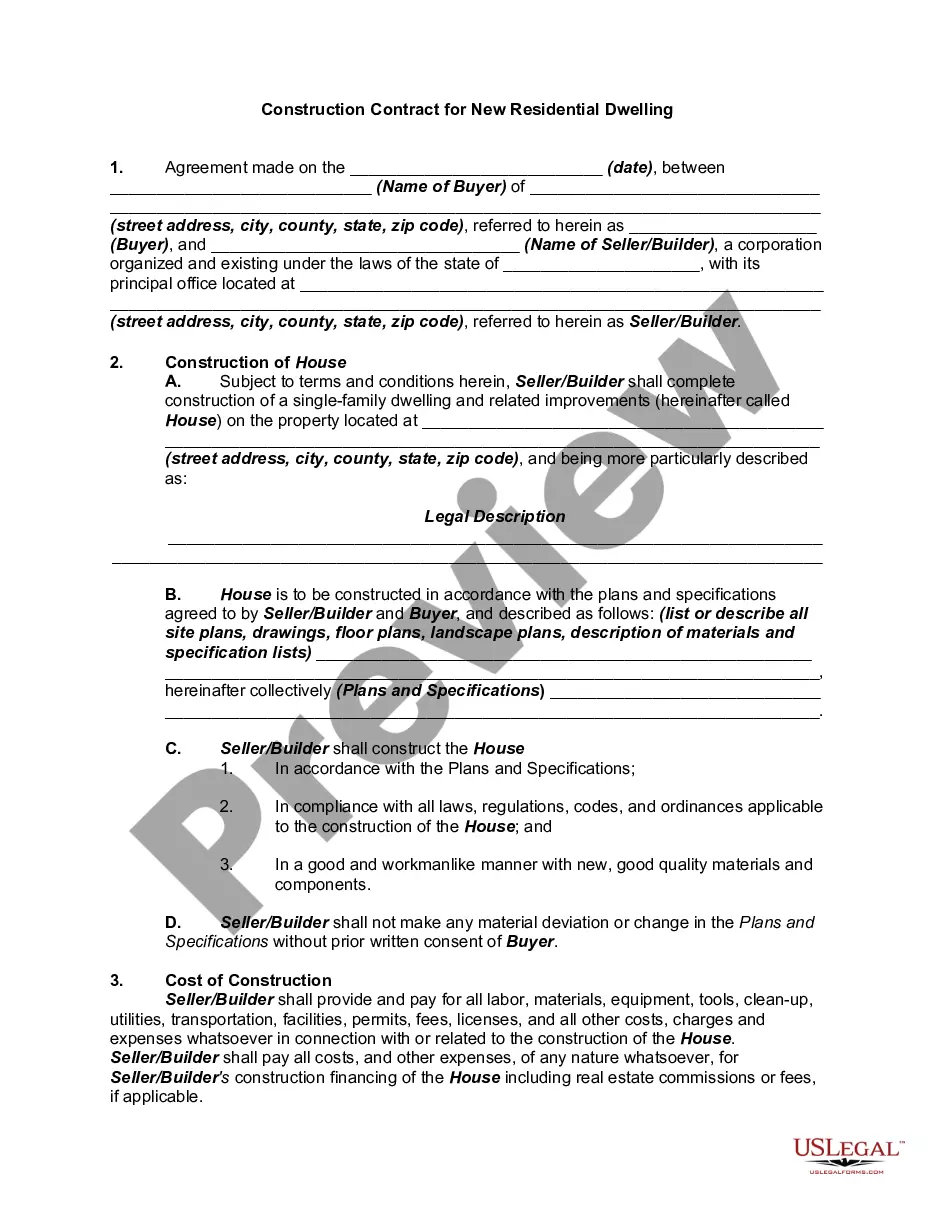
Looking for another form?

Form popularity
FAQ
You simply need to request that the court deny the defendant's motion to dismiss. For example, you could write the following: For the foregoing reasons and all the others discussed in Plaintiff's Complaint, the present Motion to Dismiss should be denied.
If the court strikes your pleadings, it means that the court will remove your pleadings (either your Divorce Complaint or Answer and Counterclaim if you are the defendant) and the other party will have the opportunity to proceed on a default...
This formal writing breaks down into two categories: pleadings and motions. A pleading demands that the other party do something, while a motion requests that the judge in the case do something.Pleadings set forth parties' positions in the action, such as allegations, claims, defenses and denials.
A motion to strike is a request to a judge that part of a party's pleading or a piece of evidence be removed from the record. During the pleading stage, this can be accomplished by a tool such as Rule 12(f) of the Federal Rules of Civil Procedure or a state equivalent.
A Demurrer is used to challenge the legal sufficiency or clarity of the claims. A Motion to Strike is used to challenge improper or irrelevant information, or complaints not made in conformity with laws, rules, or court orders.If the Motion to Strike is denied, the defendant may file an Answer.
A motion to strike is a request by one party in a United States trial requesting that the presiding judge order the removal of all or part of the opposing party's pleading to the court.
It must be the initial a response to a pleading. Check the local local rules. The motion must be made within specified time periods. Make sure the motion is based on proper grounds. Check the timing of the hearing. Double Check the Notice of Motion. Make sure you have a Memorandum of Points and Authorities.
A motion to strike is a request by one party in a United States trial requesting that the presiding judge order the removal of all or part of the opposing party's pleading to the court.
If the court strikes your pleadings, it means that the court will remove your pleadings (either your Divorce Complaint or Answer and Counterclaim if you are the defendant) and the other party will have the opportunity to proceed on a default...