Remainderman Trust
Description
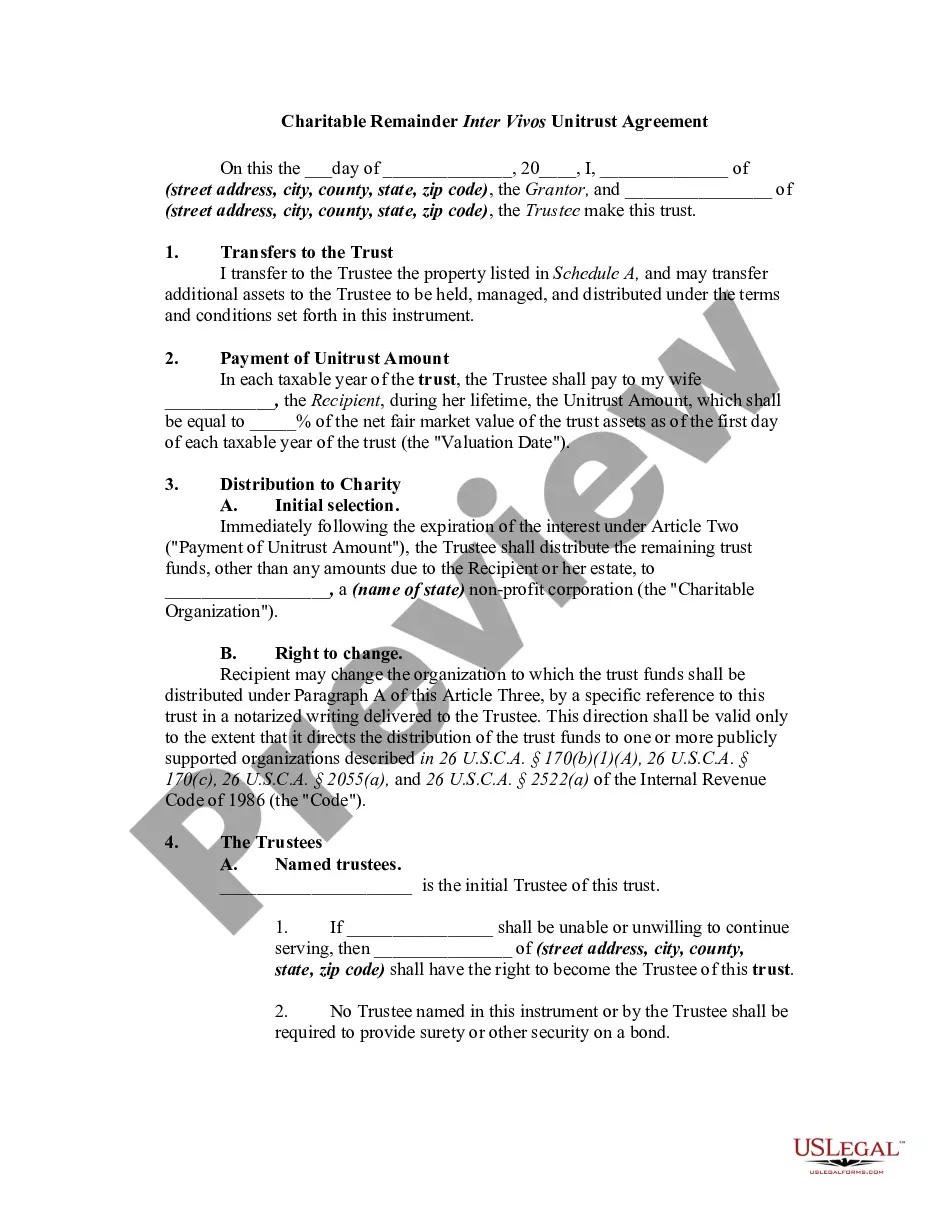
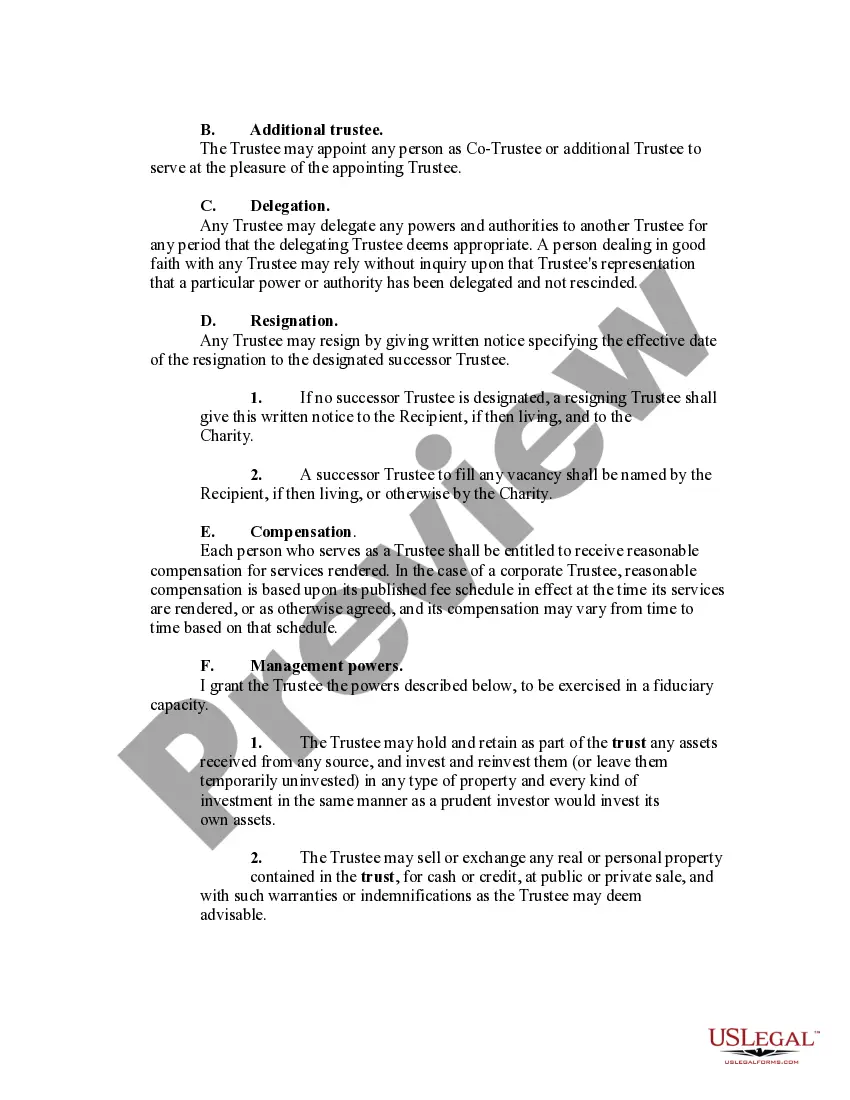
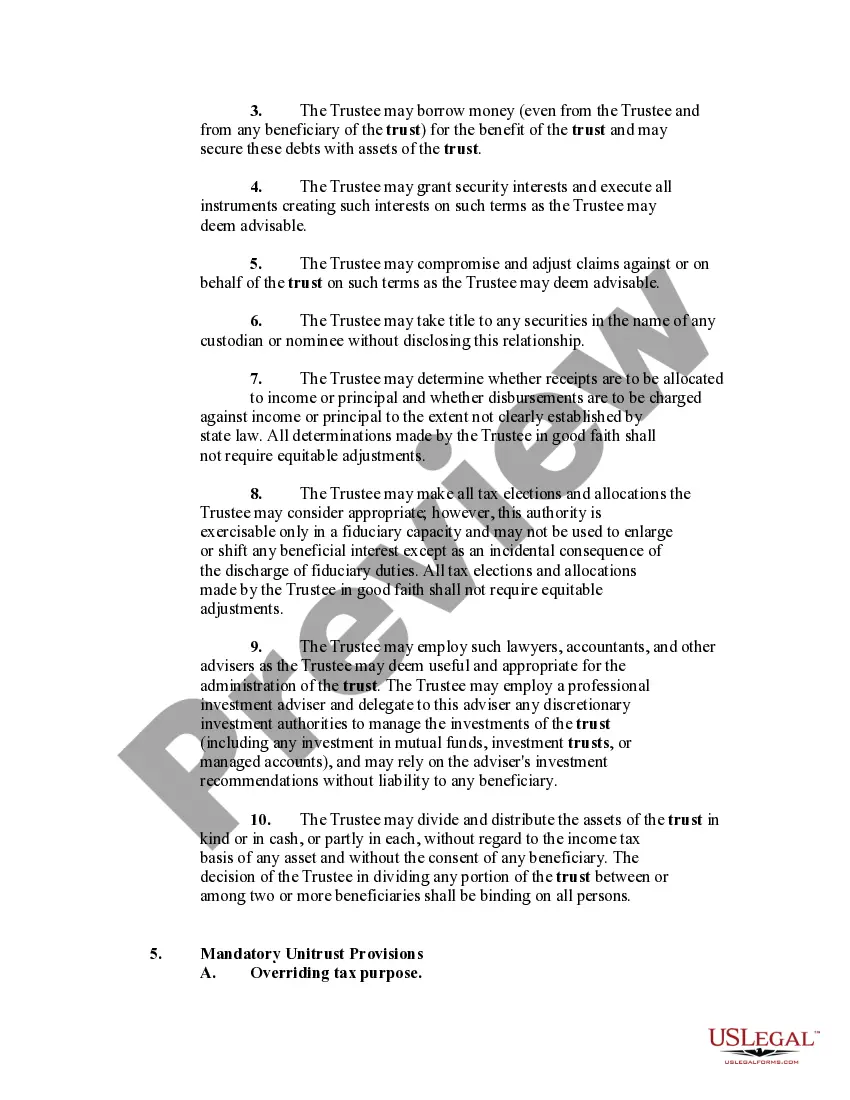
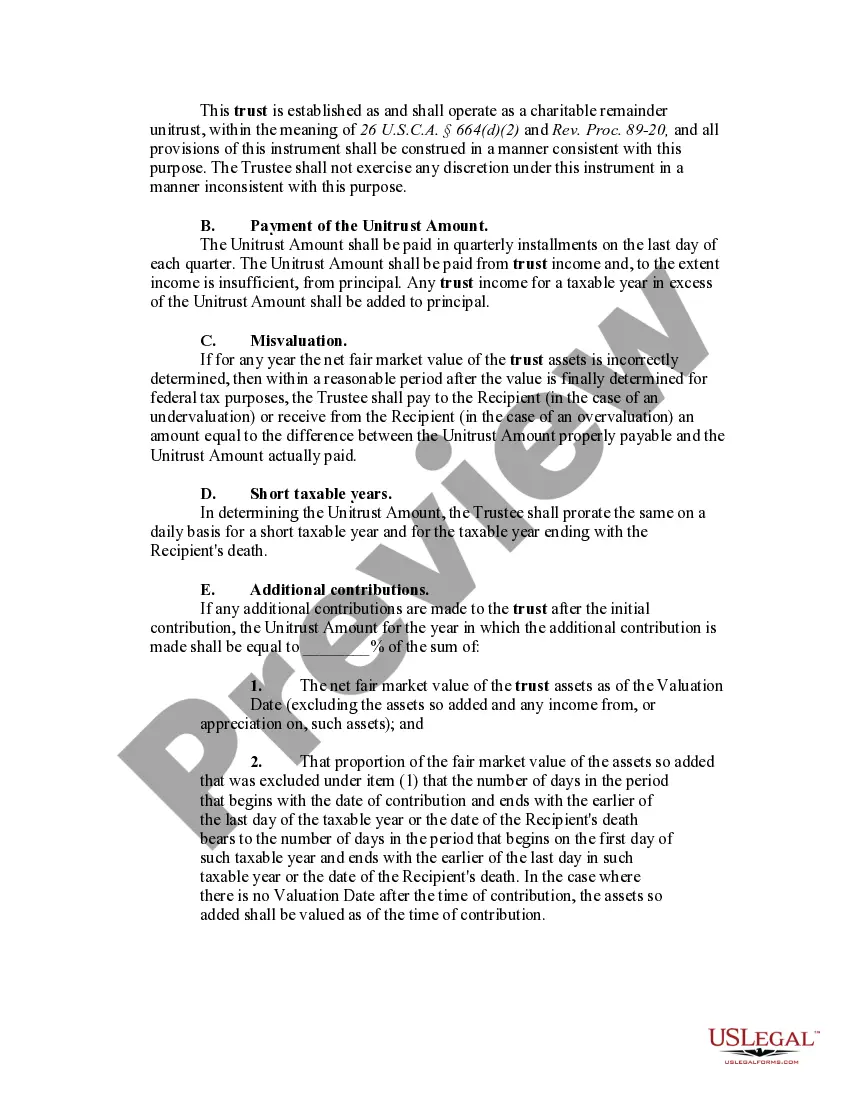
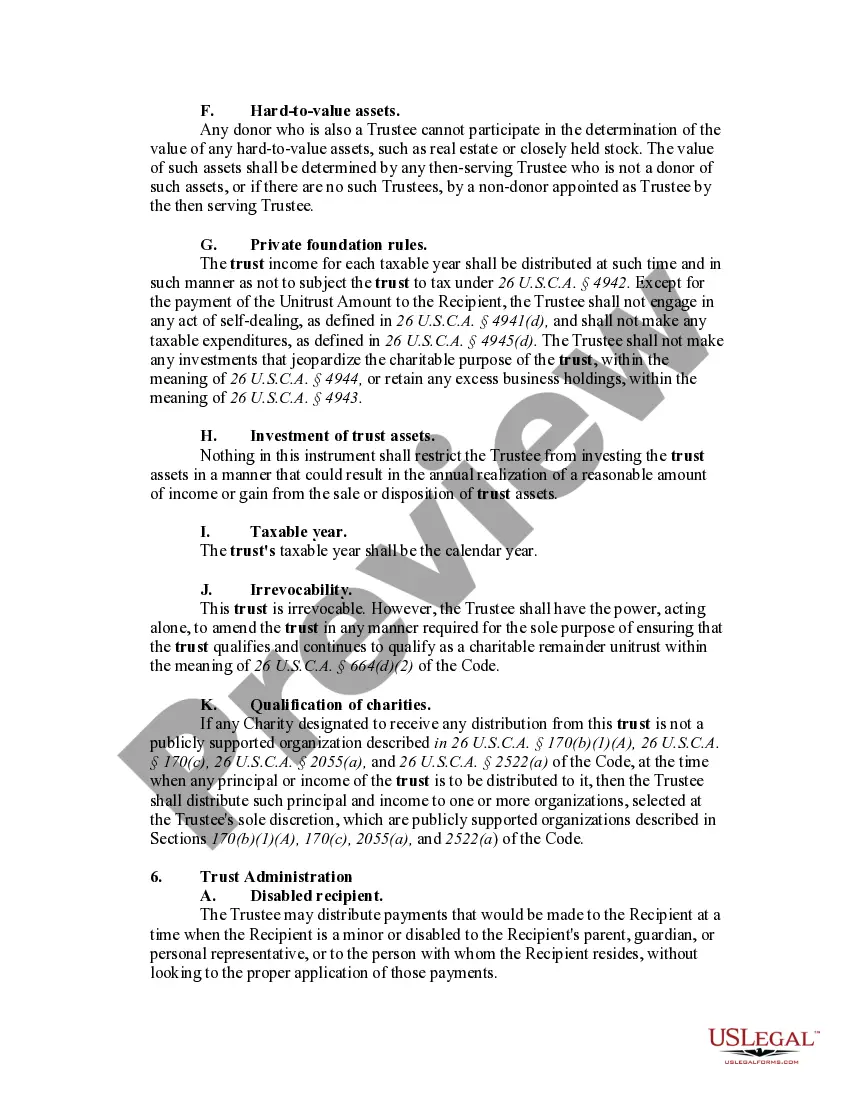
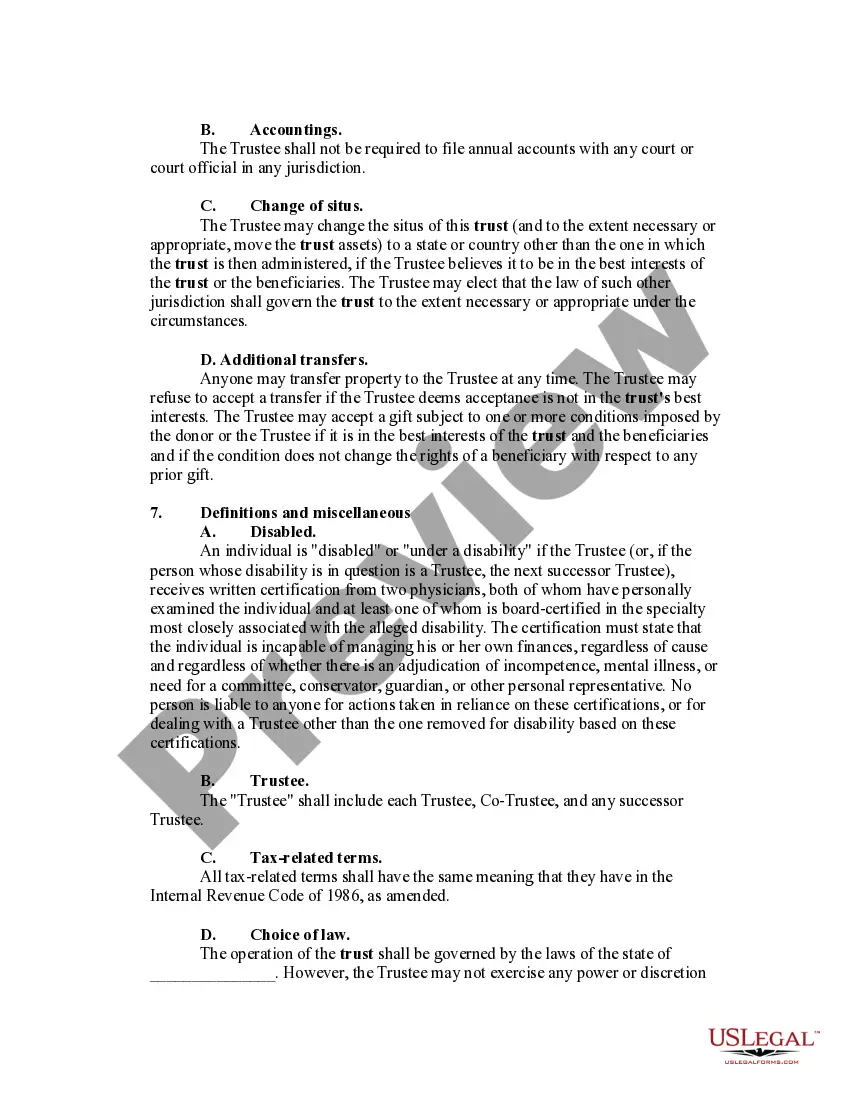
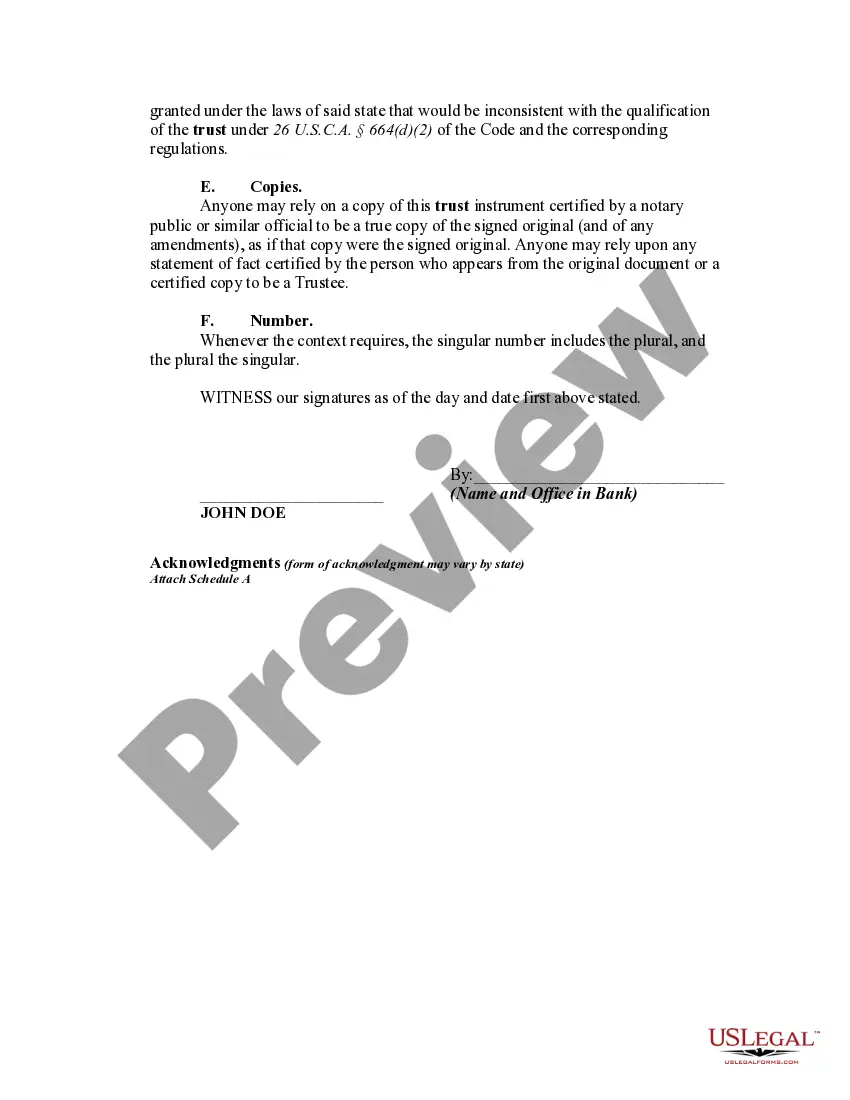
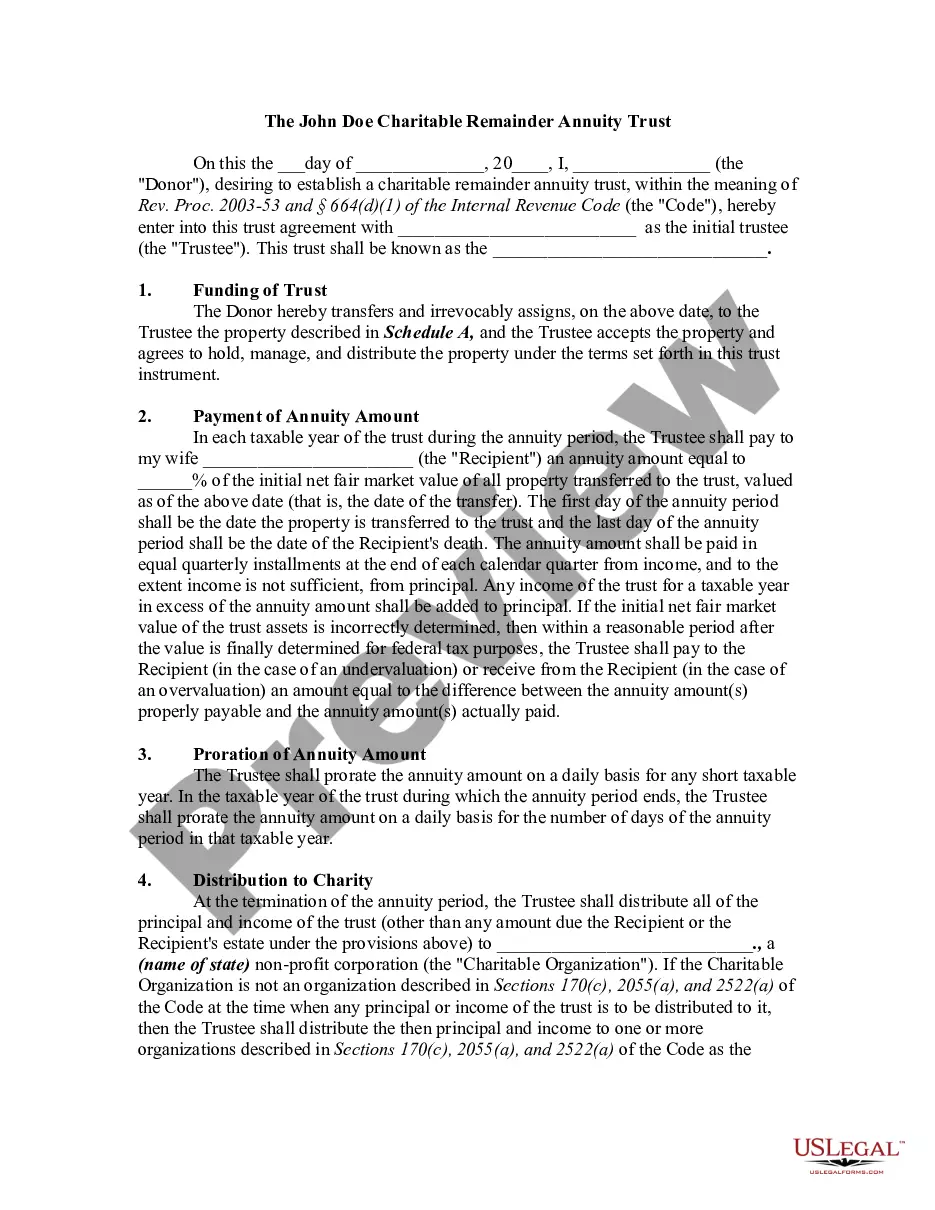
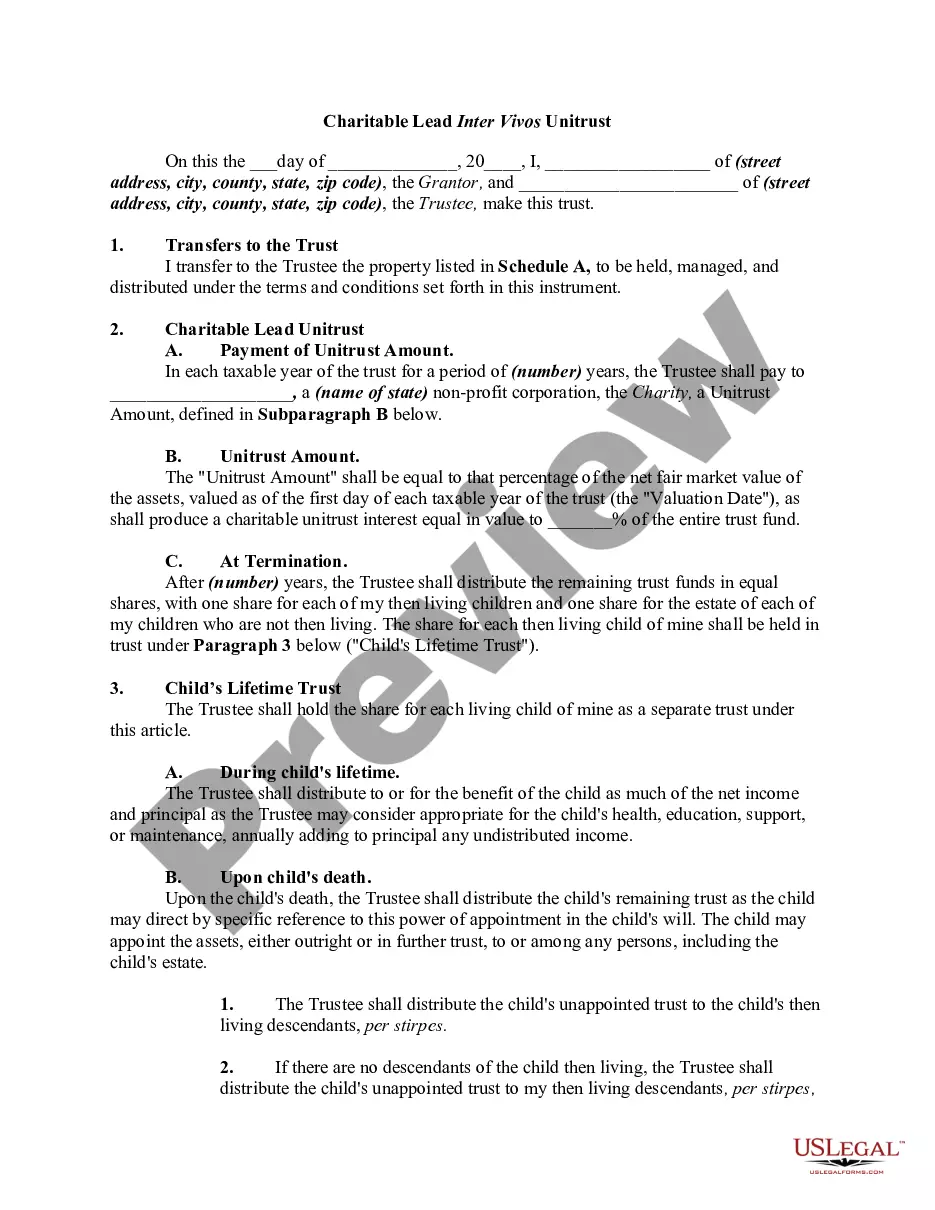
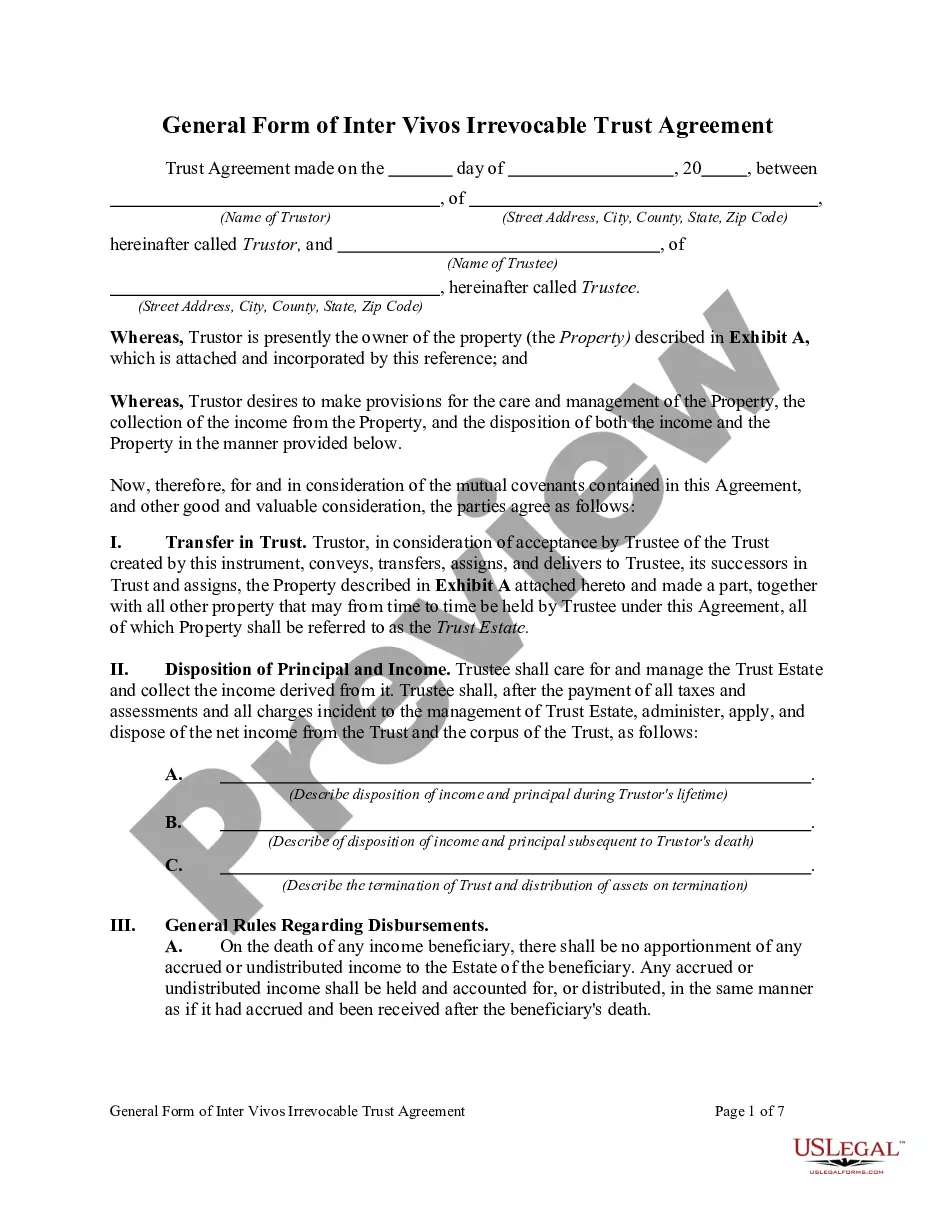
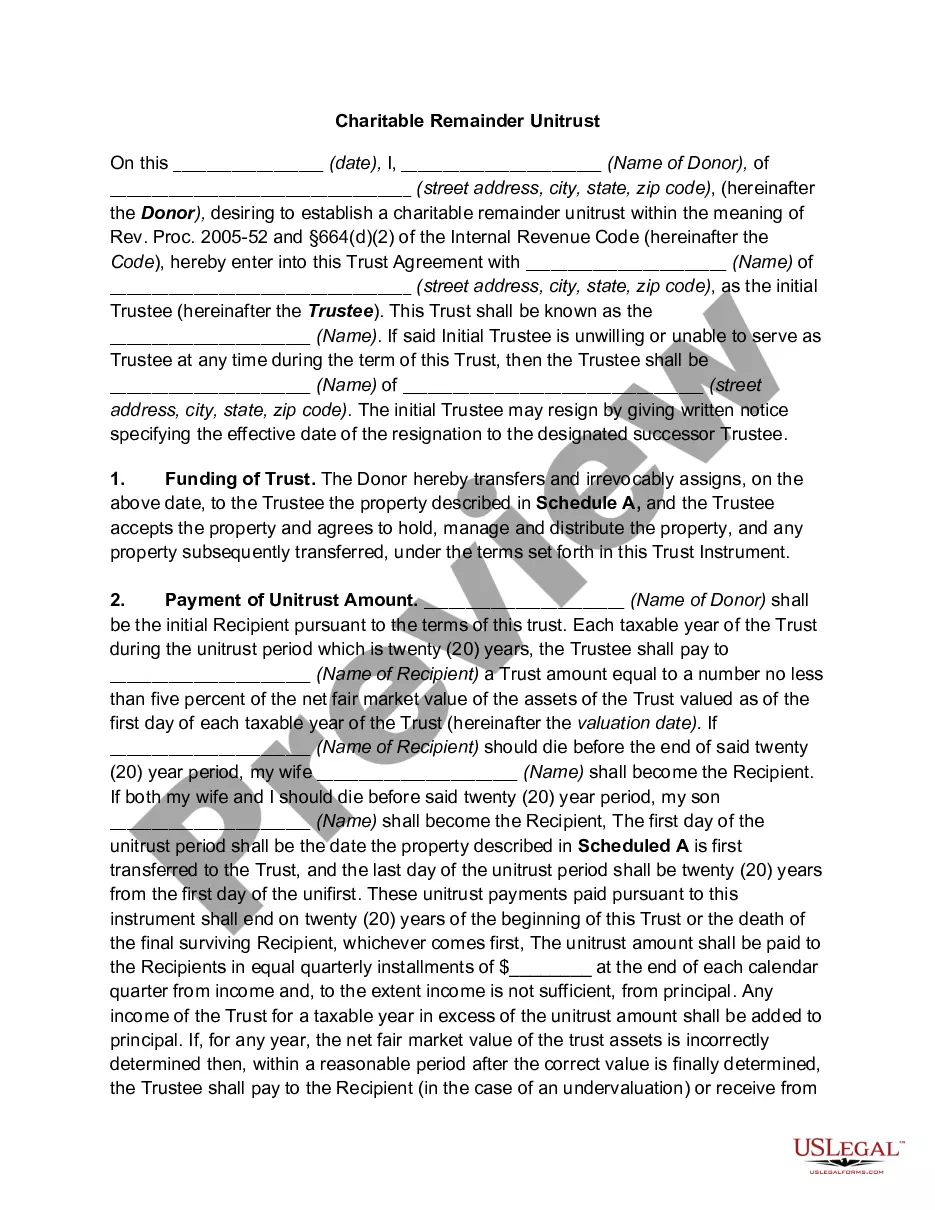
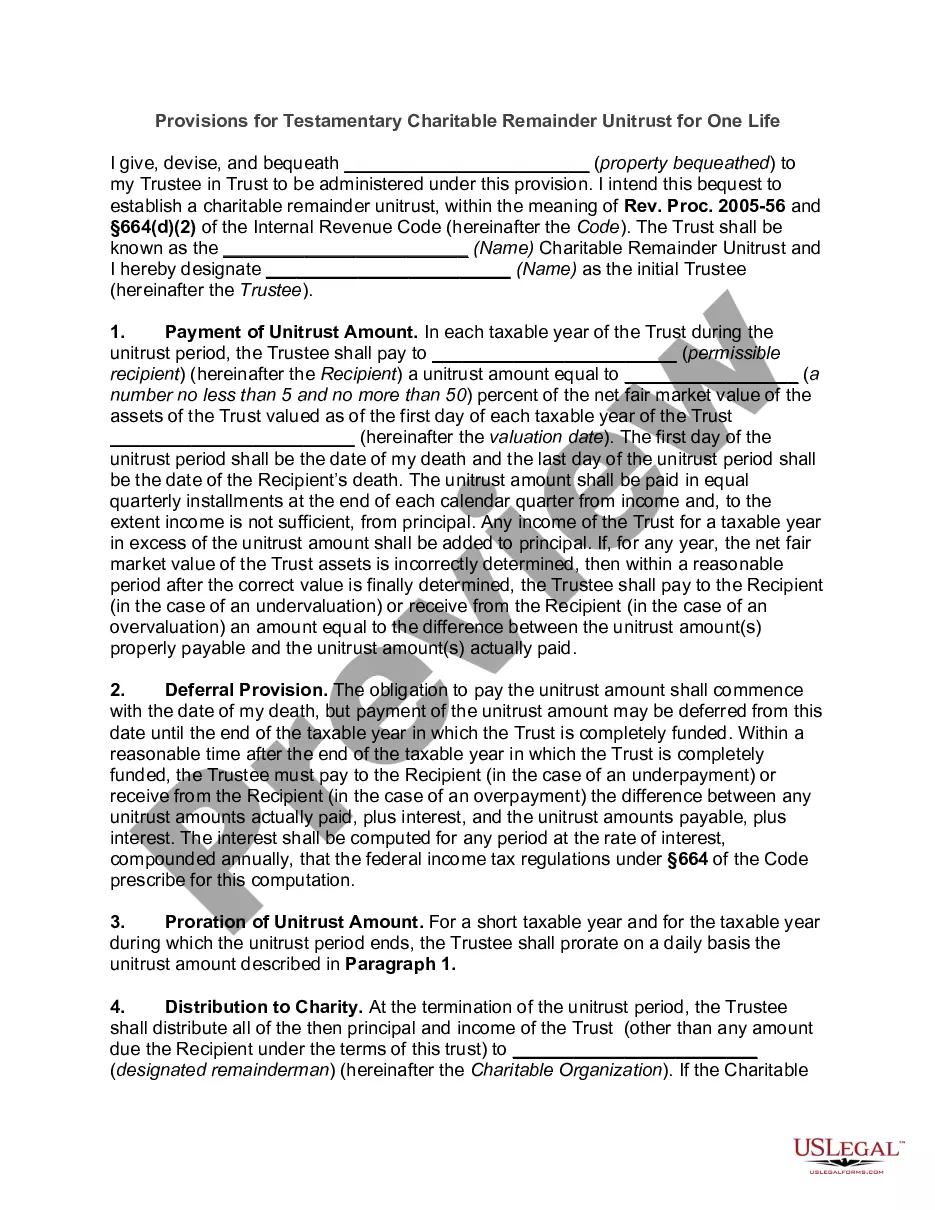
Get your form ready online
Our built-in tools help you complete, sign, share, and store your documents in one place.
Make edits, fill in missing information, and update formatting in US Legal Forms—just like you would in MS Word.
Download a copy, print it, send it by email, or mail it via USPS—whatever works best for your next step.
Sign and collect signatures with our SignNow integration. Send to multiple recipients, set reminders, and more. Go Premium to unlock E-Sign.
If this form requires notarization, complete it online through a secure video call—no need to meet a notary in person or wait for an appointment.
We protect your documents and personal data by following strict security and privacy standards.

Make edits, fill in missing information, and update formatting in US Legal Forms—just like you would in MS Word.

Download a copy, print it, send it by email, or mail it via USPS—whatever works best for your next step.

Sign and collect signatures with our SignNow integration. Send to multiple recipients, set reminders, and more. Go Premium to unlock E-Sign.

If this form requires notarization, complete it online through a secure video call—no need to meet a notary in person or wait for an appointment.

We protect your documents and personal data by following strict security and privacy standards.
Looking for another form?






How to fill out Charitable Remainder Inter Vivos Unitrust Agreement?
- Log into your US Legal Forms account or create a new one if you're accessing the service for the first time.
- Search for the remainderman trust template using the Search feature and review the preview to ensure it meets your needs.
- Select the appropriate form and check its compliance with your state's legal requirements before proceeding.
- Choose your subscription plan by clicking the Buy Now button and complete your registration to gain access to the vast library of forms.
- Complete the payment using your credit card or PayPal account to finalize the purchase.
- Download the remainderman trust document onto your device and access it anytime from the My Forms section of your account.
Utilizing US Legal Forms not only simplifies the process of finding and downloading legal documents but also ensures you have access to over 85,000 customizable forms. This extensive library is designed to empower individuals and attorneys alike in their legal document needs, offering superior value compared to competitors.
Ready to secure your estate with a remainderman trust? Visit US Legal Forms now and effortlessly navigate through the legal documentation process!
Form popularity
FAQ
The requirements for a charitable remainder trust typically include designating a qualified charity as a beneficiary, having a minimum payout rate, and ensuring that the trust meets IRS regulations. You will also need to consider the type of assets you wish to contribute and the duration of payouts. By working with platforms like US Legal Forms, you can easily navigate these requirements. Establishing a remainderman trust tailored to your needs ensures that your philanthropic goals align with your financial strategies.
Yes, you can create your own charitable remainder trust, allowing you to contribute to charitable organizations while benefiting from certain tax advantages. This type of trust enables you to support causes you care about while retaining benefits during your lifetime. Engaging with US Legal Forms can simplify the process of setting up a remainderman trust, ensuring compliance with legal requirements. Your charitable intentions can be fulfilled while securing your financial future.
A remainderman in a trust is a person or entity that receives property or assets after the death of a life tenant. This arrangement secures the remainderman’s rights to the trust's assets once the life tenant no longer has access to them. Understanding the role of a remainderman trust is essential for effective estate planning. It provides clarity on how your assets will be distributed in the future.
The 5% rule for charitable remainder trusts refers to the requirement that the annual payout to beneficiaries must be at least 5% of the trust's assets. This rule ensures that beneficiaries receive a consistent income while maintaining the trust's charitable intentions. Understanding this rule helps you plan the financial distribution effectively when establishing a Remainderman trust. Consulting experts can further fine-tune your strategy.
Filing a charitable remainder trust requires completing specific tax forms, typically Form 5227, which provides information about the trust and its operations. You must include details about distributions, beneficiaries, and income generated. Ensuring timely and accurate filing is vital to maintain the trust's compliance. Leveraging platforms like USLegalForms can help simplify this process and guide you through the necessary steps.
Forming a charitable remainder trust involves several key steps. First, you need to identify the assets you want to include and the charitable beneficiaries. Next, you should draft a trust agreement, often with the help of legal professionals, to ensure it meets all legal requirements. This process can be intricate, so considering resources like USLegalForms can streamline the formation of your Remainderman trust.
While a charitable remainder trust offers benefits, it also comes with risks and downsides. For example, the donor may relinquish control over assets once placed in the trust, which might lead to financial planning challenges. Additionally, there could be management costs involved, and the trust must adhere to specific regulations. Understanding the implications of using a Remainderman trust can help you make informed decisions.
Yes, a charitable trust typically must file a tax return. While the details depend on the specific type of trust, many charitable trusts need to submit Form 990 or a simplified version of this form. It is essential to ensure compliance with tax regulations to avoid penalties. Using a Remainderman trust may offer various benefits, including tax advantages, and understanding the filing requirements is crucial.
The basis of the remainderman in a remainderman trust establishes the value used for tax purposes when they inherit the property. As mentioned earlier, the basis typically steps up to the fair market value at the death of the original owner. This important detail minimizes potential capital gains taxes, making the transition smoother and more financially manageable for the remainderman.
A beneficiary typically refers to someone who benefits immediately from a trust or estate, while a remainderman holds a future interest. In the context of a remainderman trust, the remainderman only receives the property after the life tenant's death. This difference in timing and type of interest is crucial for estate planning.