Remainderman
Description
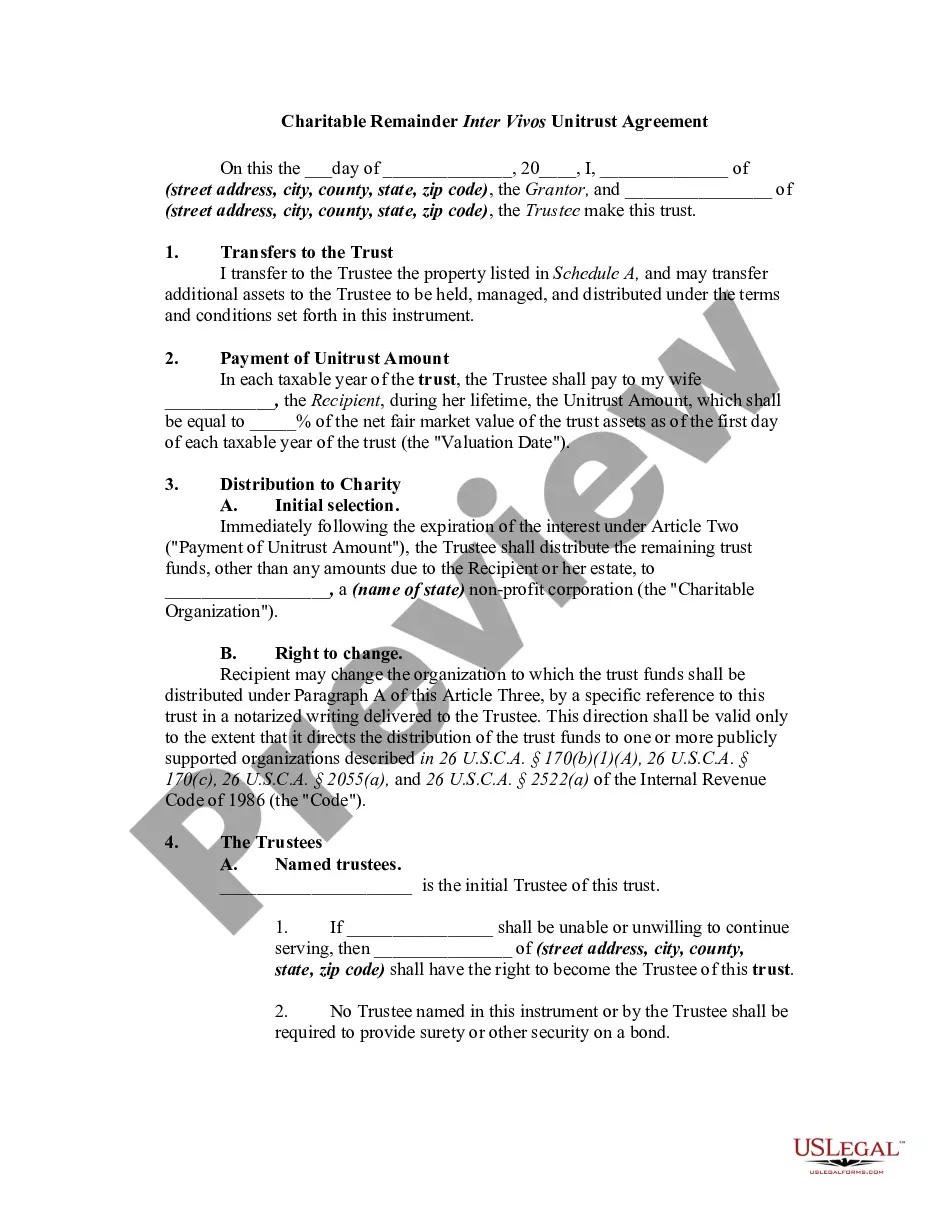
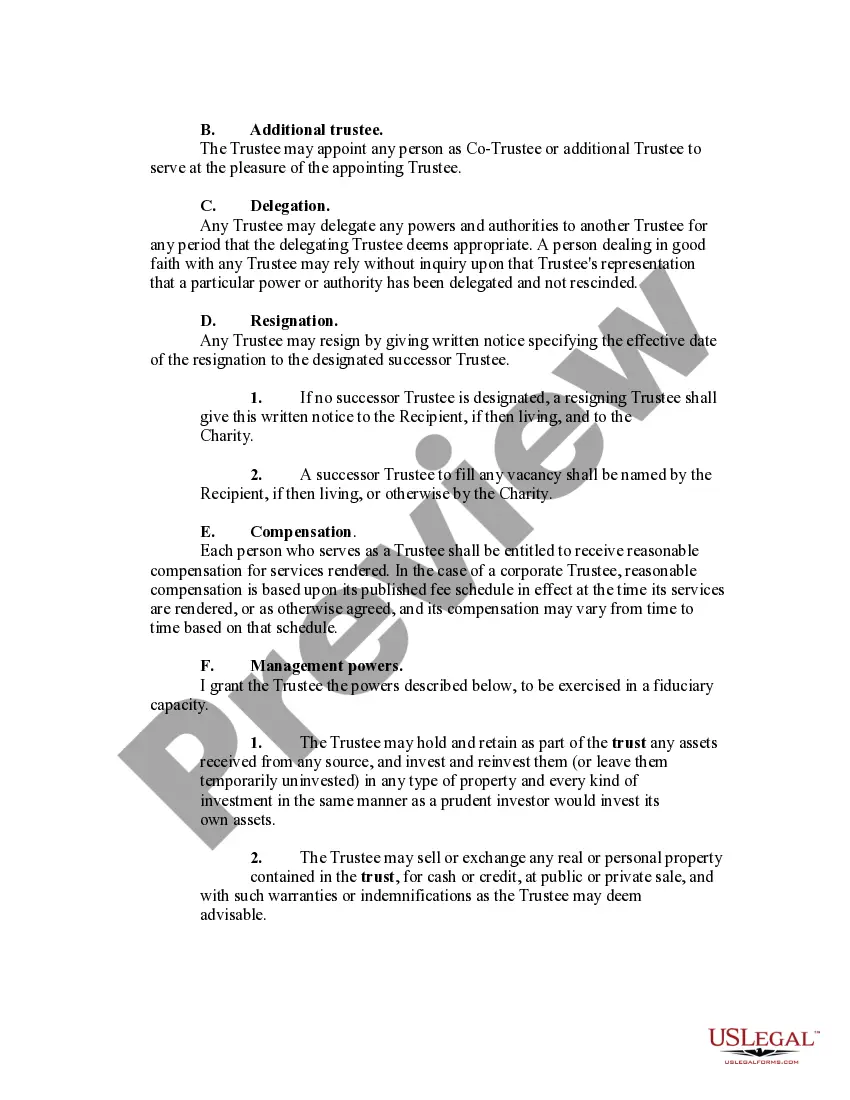
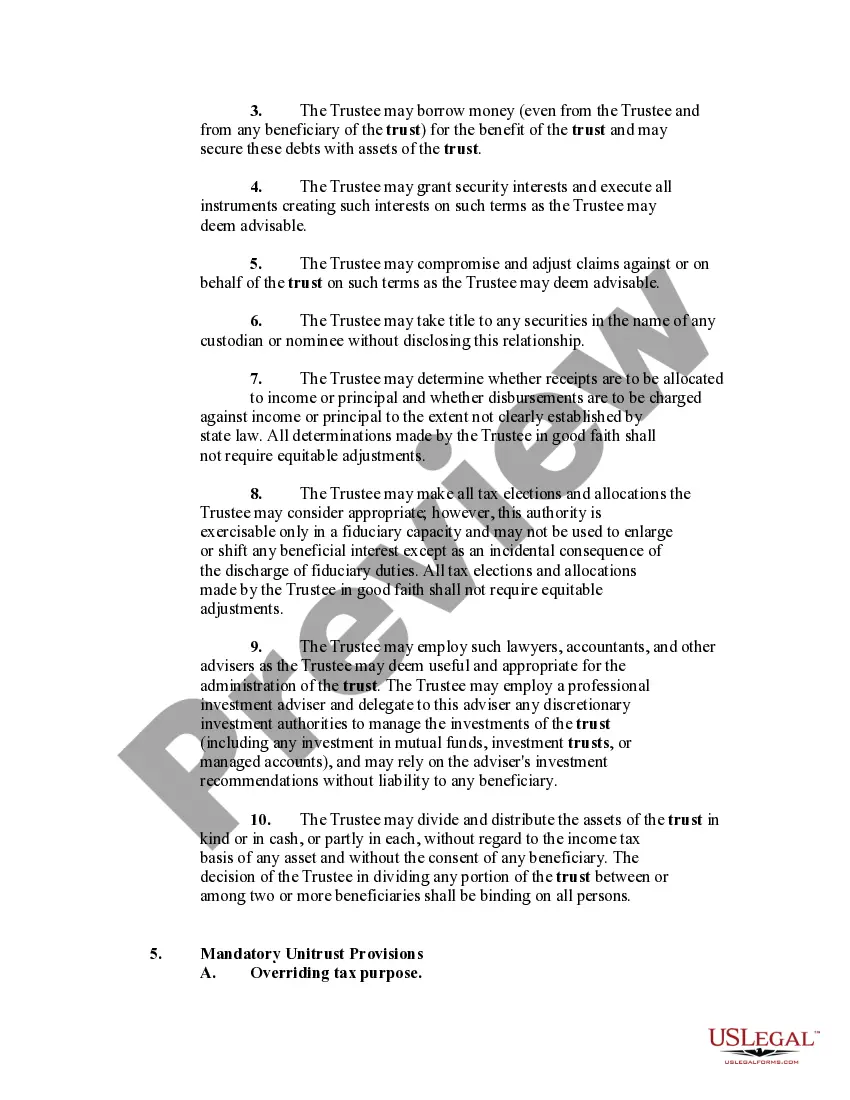
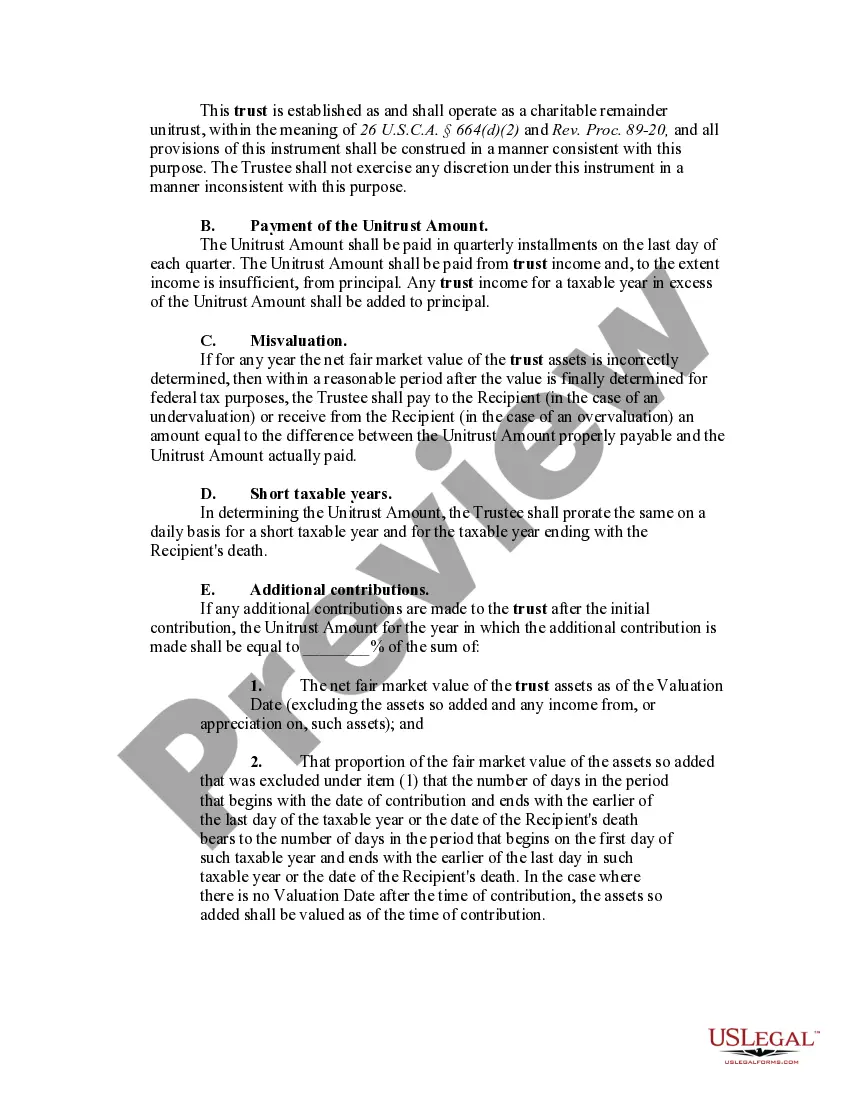
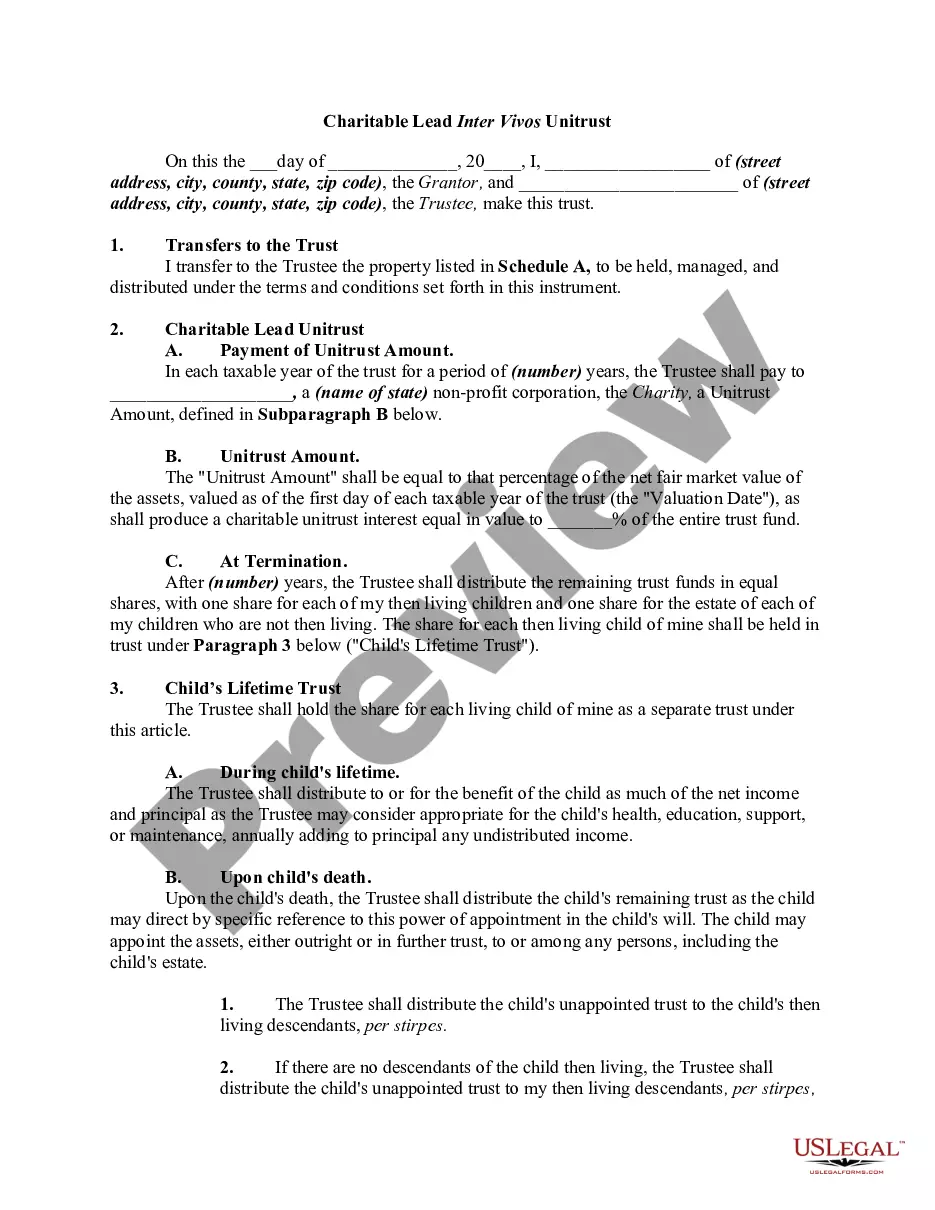
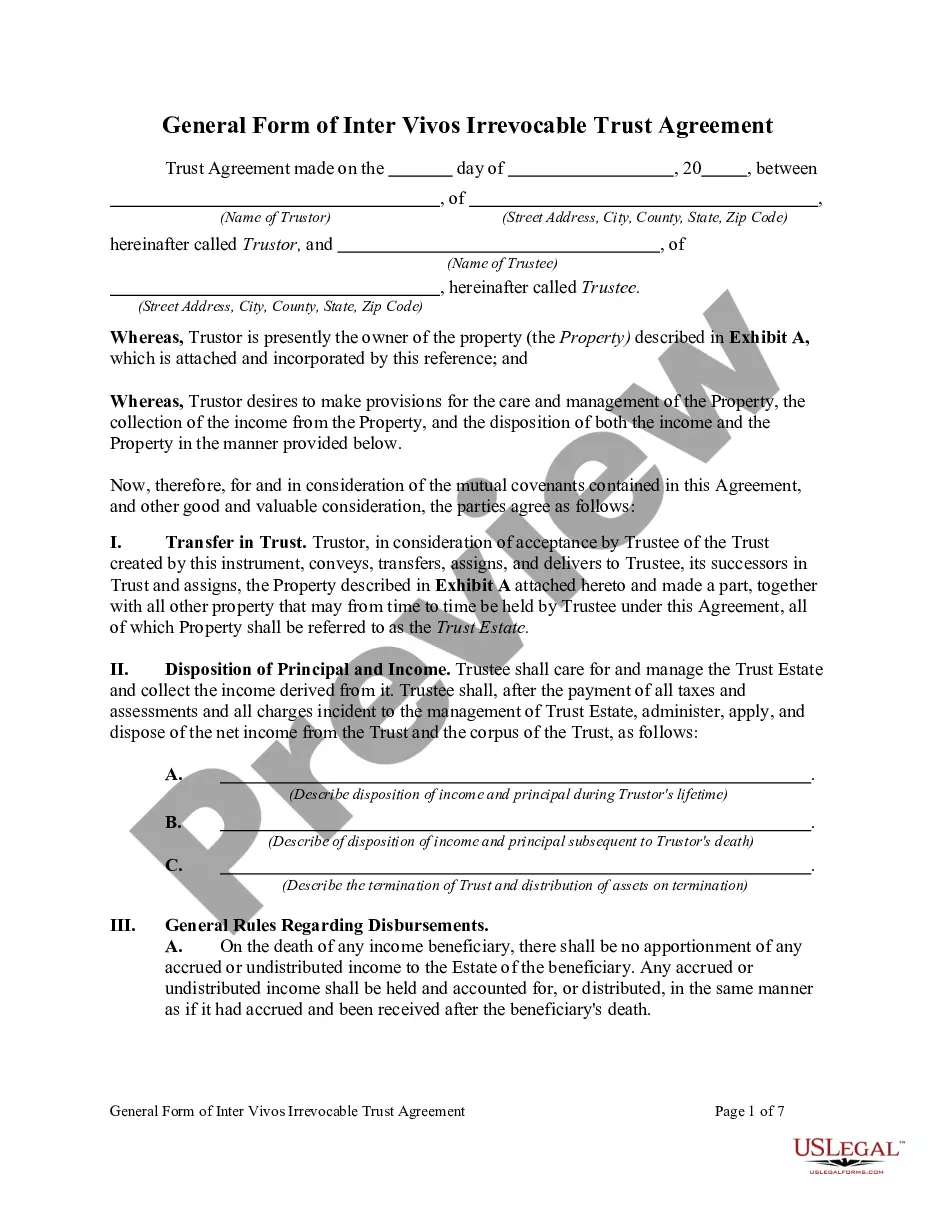
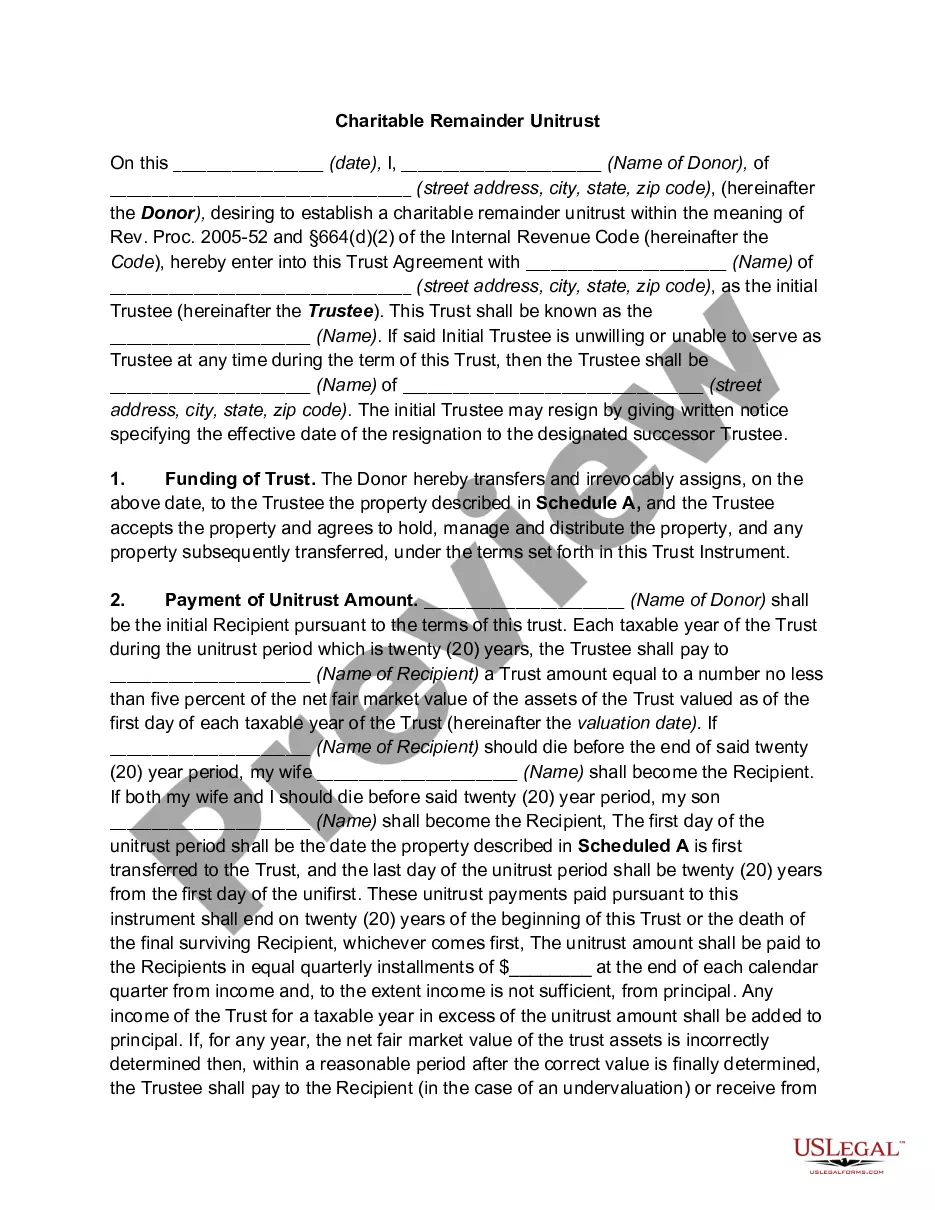
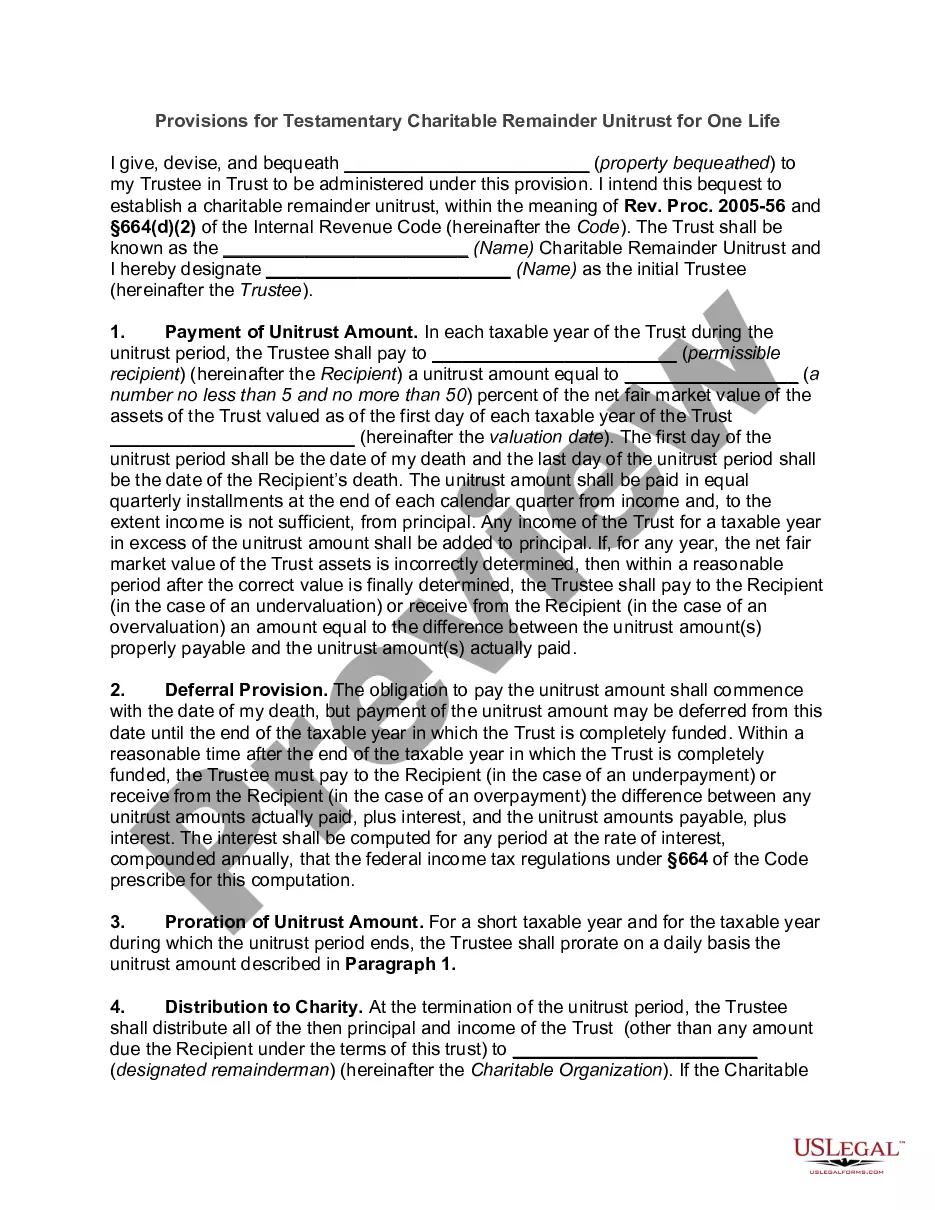
Get your form ready online
Our built-in tools help you complete, sign, share, and store your documents in one place.
Make edits, fill in missing information, and update formatting in US Legal Forms—just like you would in MS Word.
Download a copy, print it, send it by email, or mail it via USPS—whatever works best for your next step.
Sign and collect signatures with our SignNow integration. Send to multiple recipients, set reminders, and more. Go Premium to unlock E-Sign.
If this form requires notarization, complete it online through a secure video call—no need to meet a notary in person or wait for an appointment.
We protect your documents and personal data by following strict security and privacy standards.

Make edits, fill in missing information, and update formatting in US Legal Forms—just like you would in MS Word.

Download a copy, print it, send it by email, or mail it via USPS—whatever works best for your next step.

Sign and collect signatures with our SignNow integration. Send to multiple recipients, set reminders, and more. Go Premium to unlock E-Sign.

If this form requires notarization, complete it online through a secure video call—no need to meet a notary in person or wait for an appointment.

We protect your documents and personal data by following strict security and privacy standards.
Looking for another form?




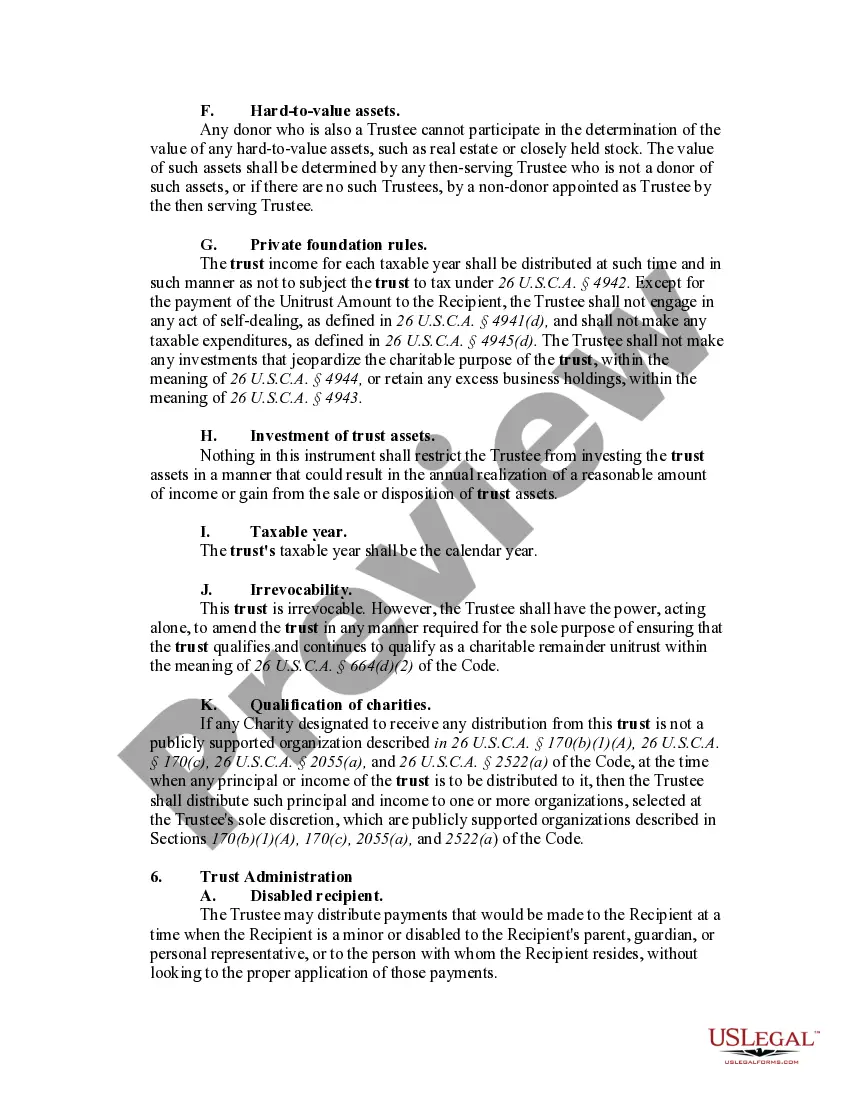
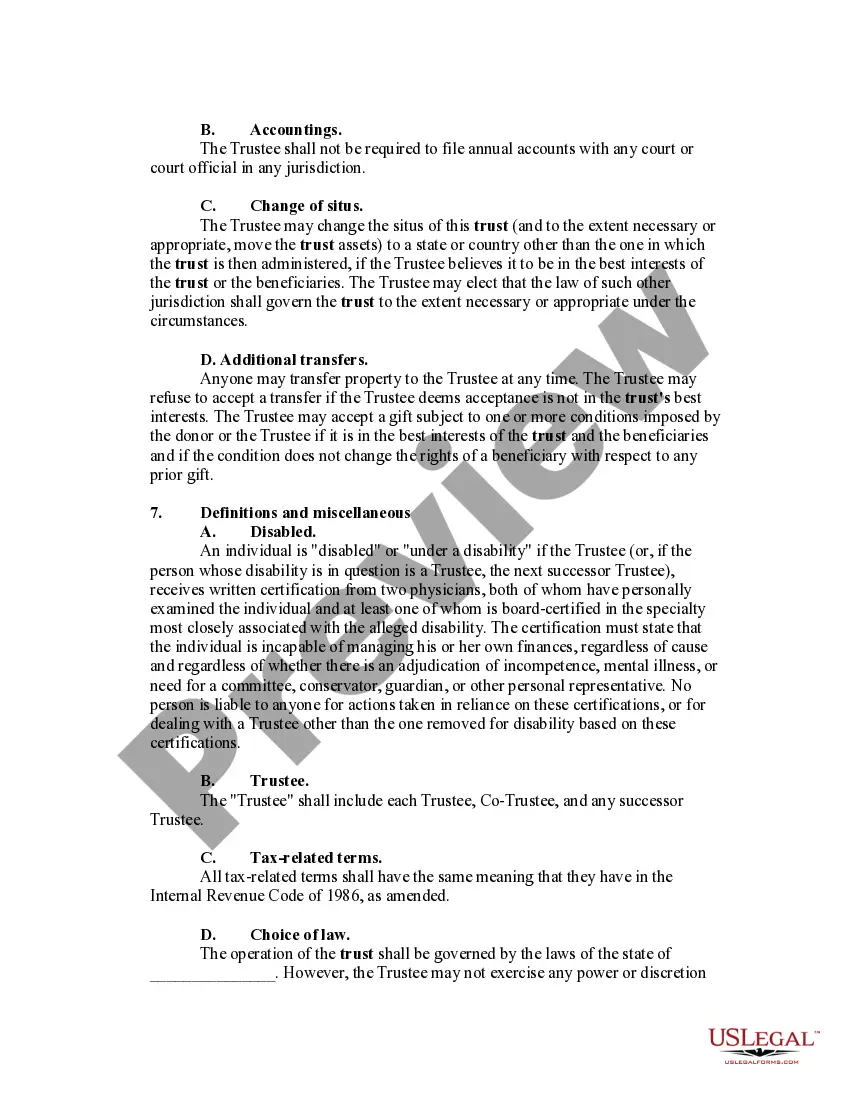
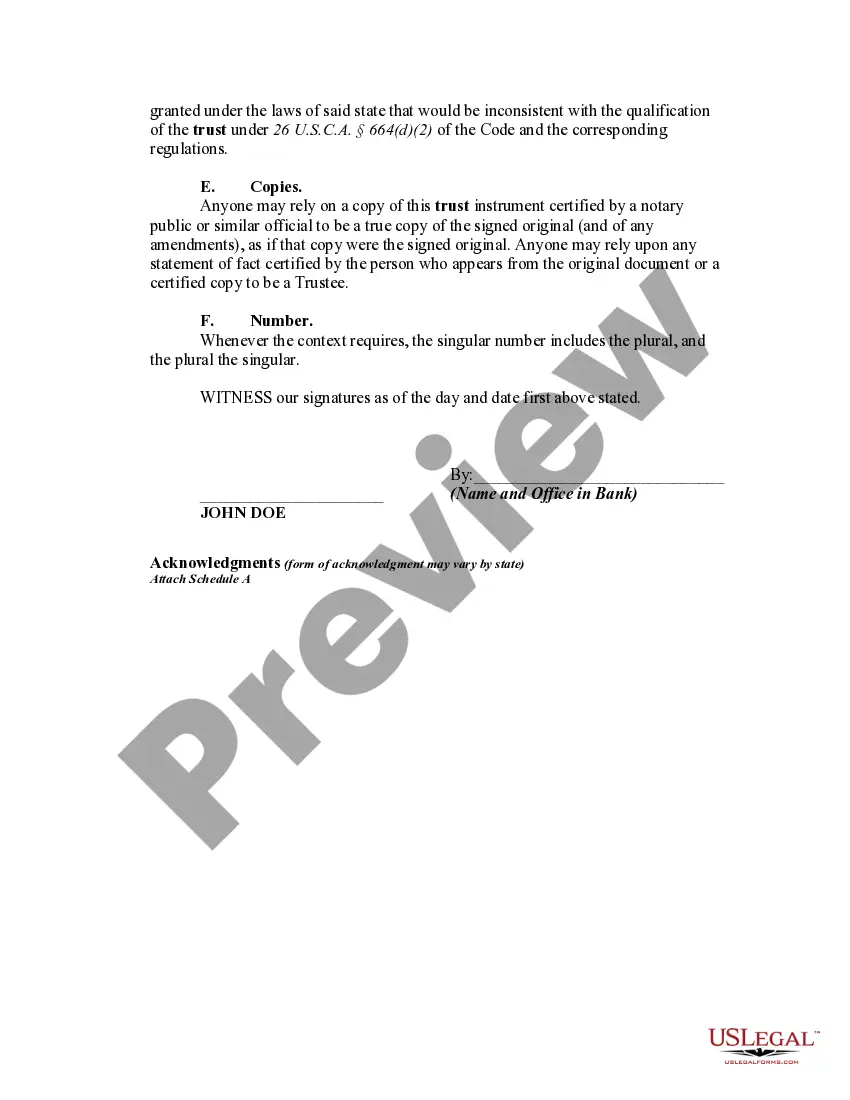
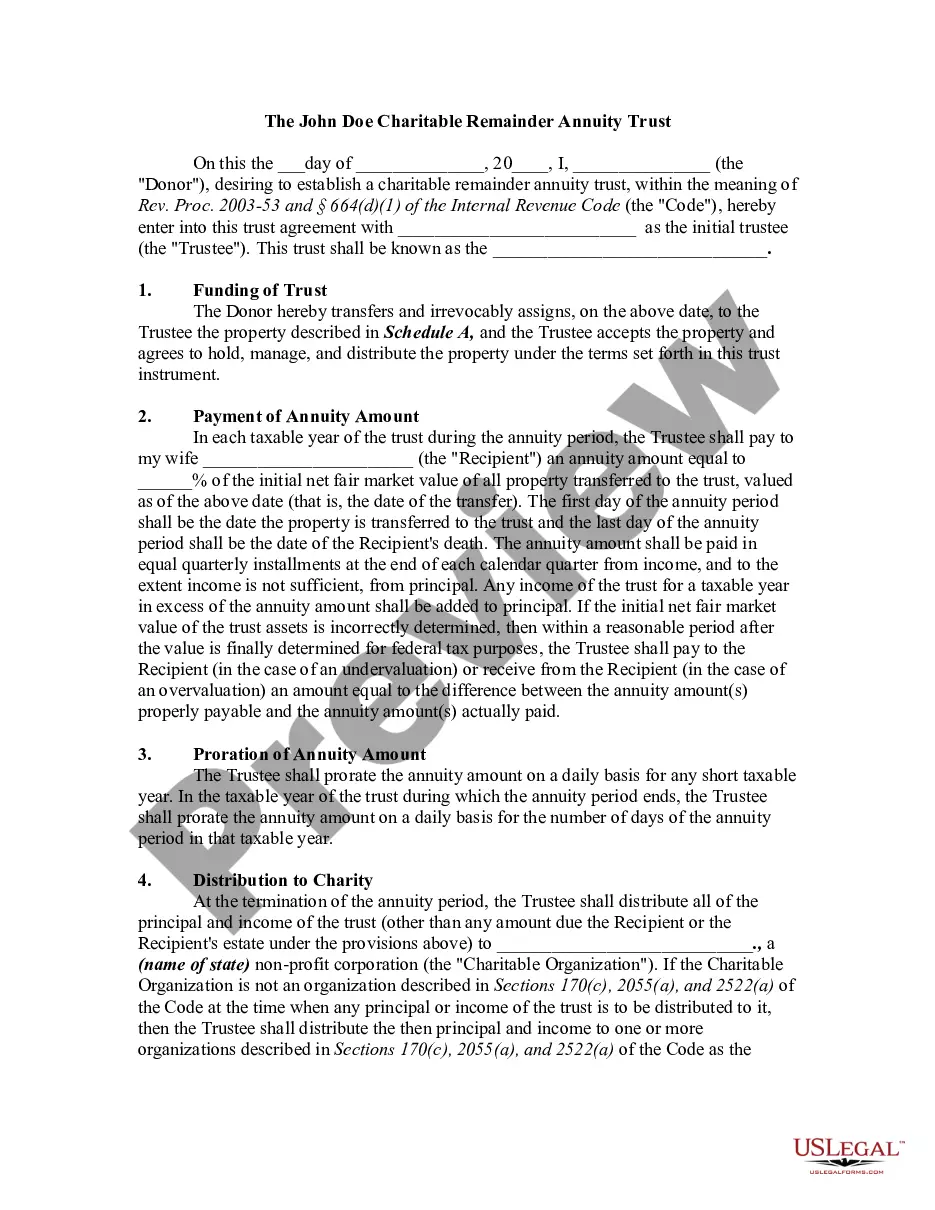
How to fill out Charitable Remainder Inter Vivos Unitrust Agreement?
- Sign in to your account if you're a returning user and ensure your subscription is active. Click the Download button to retrieve your chosen template.
- If you're new, start by previewing different templates. Confirm that the form suits your needs and aligns with your local regulations.
- Utilize the Search feature to find alternative documents if necessary. Ensure the selected form meets your legal requirements.
- Select the Buy Now option and choose a subscription plan that fits your needs. Create an account for access to the complete library.
- Complete your order by inputting your payment information or using PayPal to finalize the subscription.
- Retrieve your downloaded form from your device, or access it later through the My Documents section in your profile.
In conclusion, US Legal Forms provides an indispensable resource for individuals and attorneys alike. Their extensive collection empowers users to confidently address their legal documentation needs.
Start your journey towards hassle-free legal compliance today with US Legal Forms!
Form popularity
FAQ
A common example of a remainderman could be a child who inherits property from a parent. In this scenario, once the parent, as the life tenant, passes away, the child automatically gains full ownership of the property. This clear transition showcases the purpose of a remainderman in estate planning. Resources on US Legal Forms can help illustrate different scenarios and provide guidance on how to set up such arrangements legally and effectively.
A remainderman has certain obligations that focus mainly on respecting the life tenant's rights. They must refrain from interfering with the life tenant's enjoyment of the property. Additionally, while a remainderman cannot make changes to the property, they should stay informed about its maintenance and overall condition. If necessary, they might seek support from platforms like US Legal Forms to learn more about their legal rights as a remainderman and any specific obligations they may need to fulfill.
The remainderman holds an interest in the property that will become effective upon the death of the life tenant. Their primary responsibility is to wait patiently for the life tenant's passing and ensure the property is preserved for the future. This involves understanding their rights and duties, particularly in relation to the life tenant's actions. If issues arise, the remainderman may need to engage with legal resources, like those provided by US Legal Forms, to clarify their position and rights.
The key difference between a beneficiary and a remainderman lies in the nature of their interests. A beneficiary receives outright assets directly from a will or trust, while a remainderman has a future interest in property that will be theirs after a life estate ends. Knowing this difference can significantly shape your understanding of estate planning and property rights. If you need further assistance with these concepts, consider exploring resources provided by US Legal Forms.
A remainderman possesses several rights, primarily the right to inherit the property after the life tenant's passing. They also have the right to ensure the property is not wasted by the life tenant, which means they can sometimes take legal action to protect their interest. Being aware of these rights is crucial for a remainderman, as it empowers you to safeguard your future ownership. If you're uncertain about your rights, platforms like US Legal Forms can help clarify matters.
Generally, a remainderman cannot force the sale of the property while a life tenant is alive. The remainderman’s interest only becomes active once the life estate concludes. However, if both parties agree, they may sell the property, which can be a beneficial solution. Knowing your rights as a remainderman can guide you in these situations and inform your decisions.
While a remainderman is a type of beneficiary, the two are not identical. A beneficiary can receive assets from a will or trust, while a remainderman specifically holds an interest in property that will take effect after a life estate. Clarifying this distinction can help you understand your rights and interests in estate matters. It's essential to differentiate these roles to avoid potential legal issues.
Another name for a remainderman is a remainder beneficiary. In essence, this term describes the individual who holds a future interest in a property, which becomes theirs when a life estate ends. Understanding this term is key for anyone dealing with estate planning or property ownership. By knowing the role of a remainderman, you can better navigate estate laws.
A remainderman has specific rights that come into play after the life tenant's death. They gain the right to own, sell, or transfer the property once the life estate ends. However, during the life tenant's lifetime, their rights are limited and they cannot interfere with the life tenant’s use of the property. Understanding these rights can help you navigate potential issues, and resources at US Legal Forms can be a beneficial guide.
Removing a remainderman typically involves legal processes, which can vary by state. You may need to file a petition in court to seek removal, especially if you have justifiable reasons. It’s crucial to document the reasons for the removal and consult with a qualified attorney for assistance. You can find helpful legal resources on platforms like US Legal Forms.