Remainder Vivos Trust Application For The Information
Description
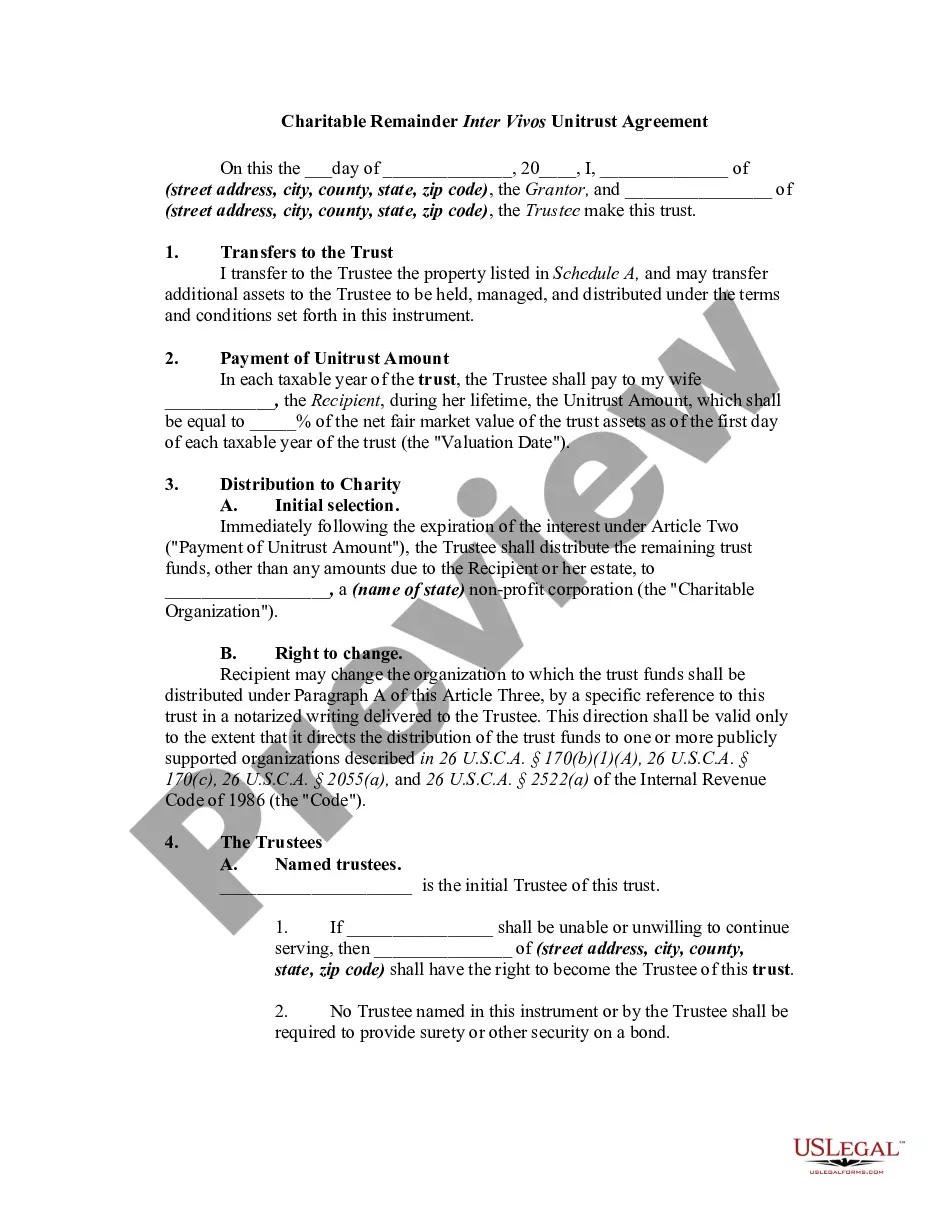
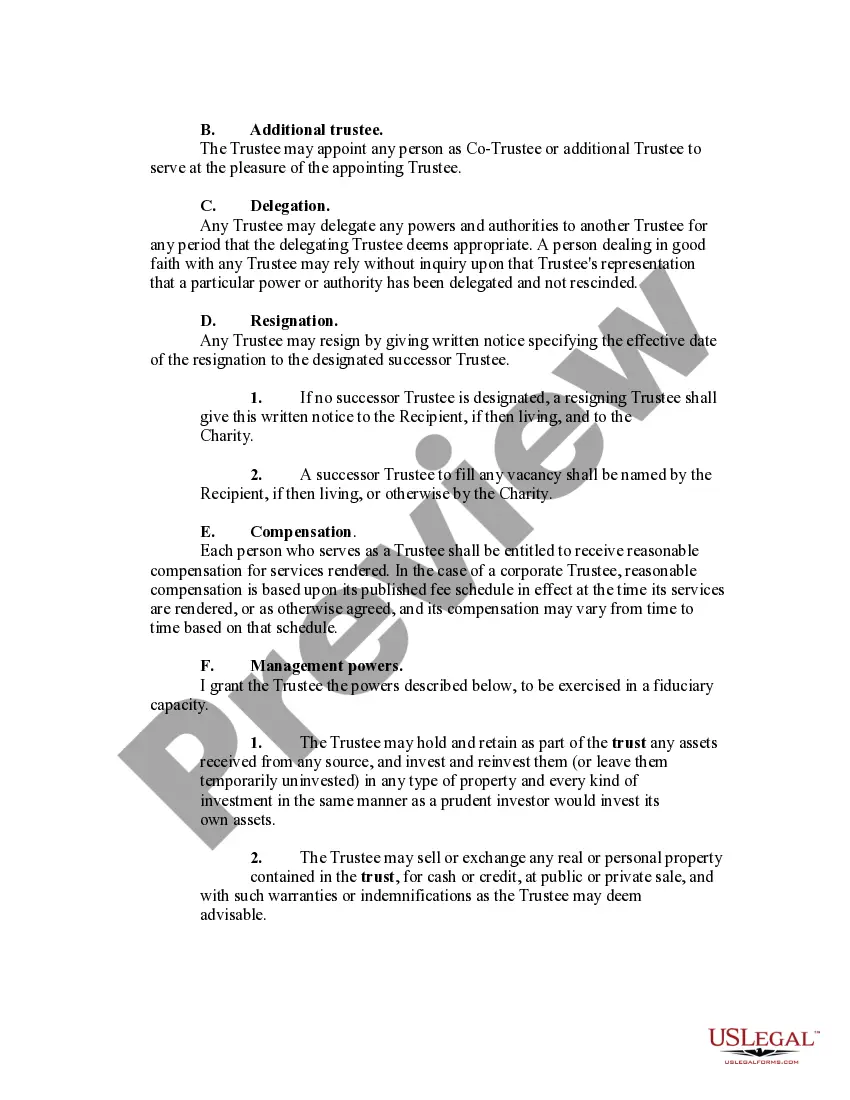
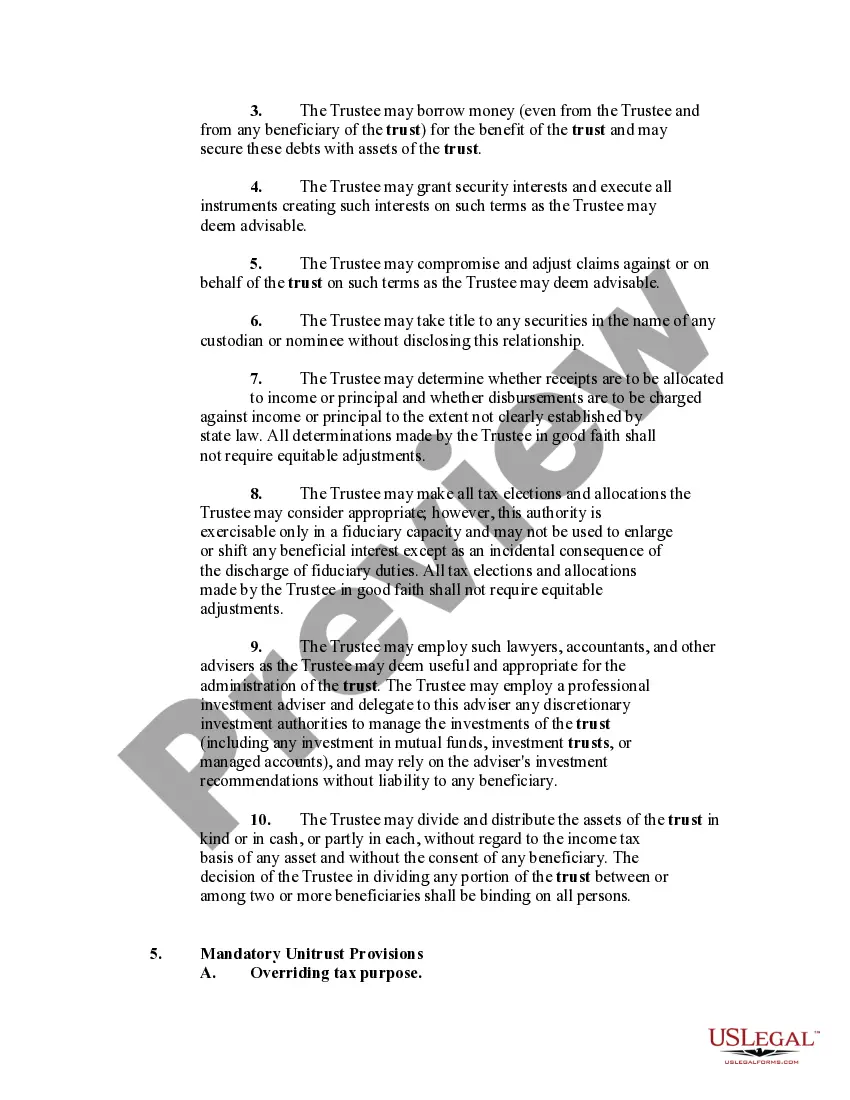
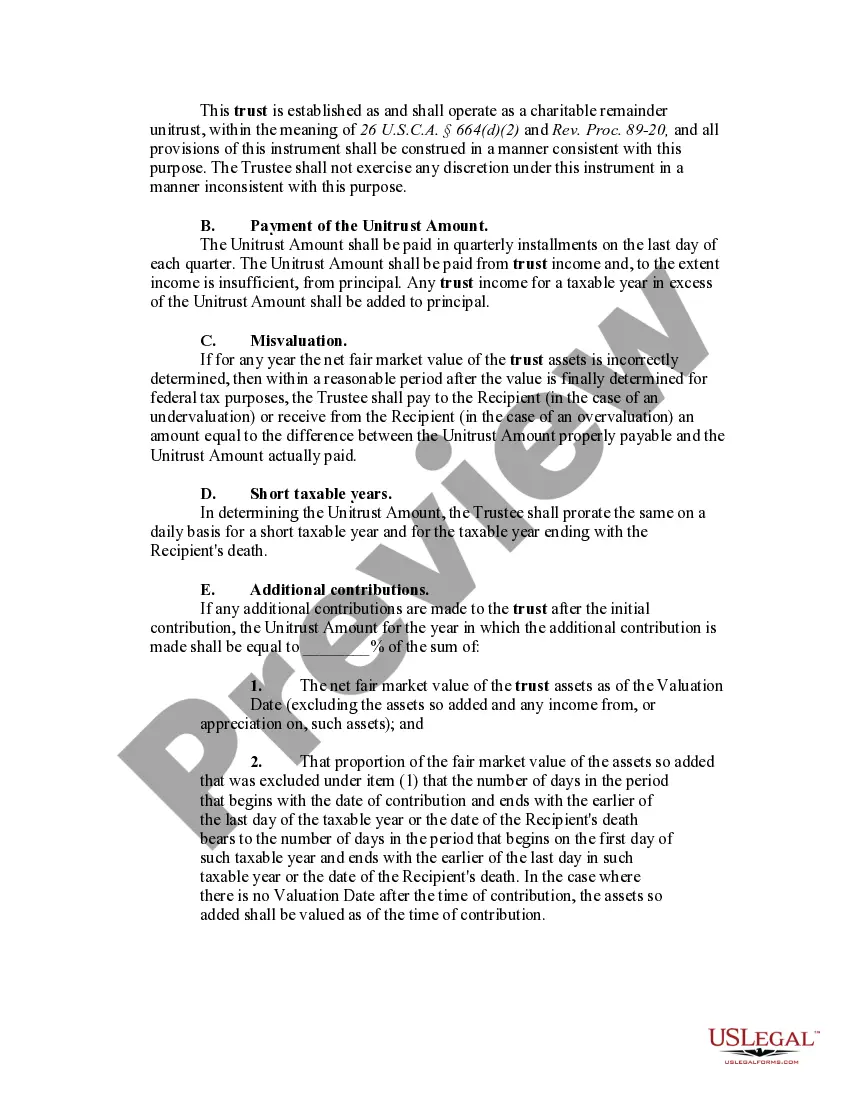
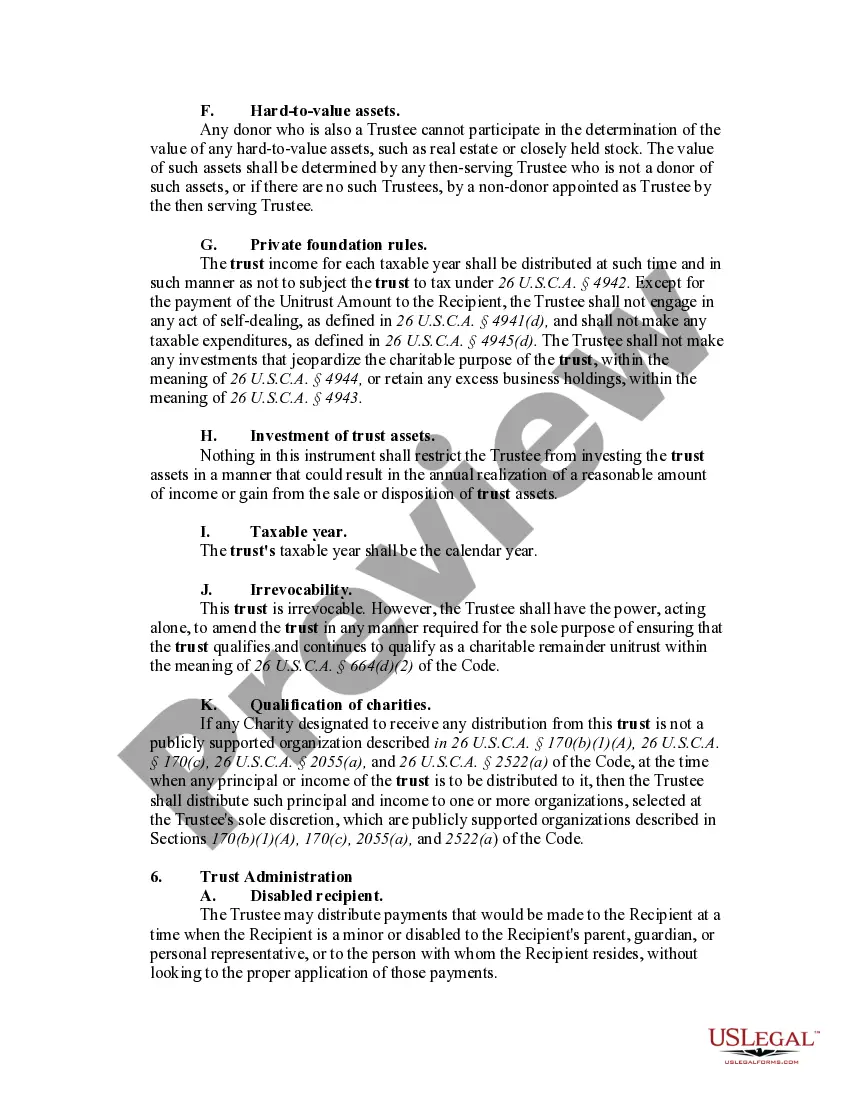
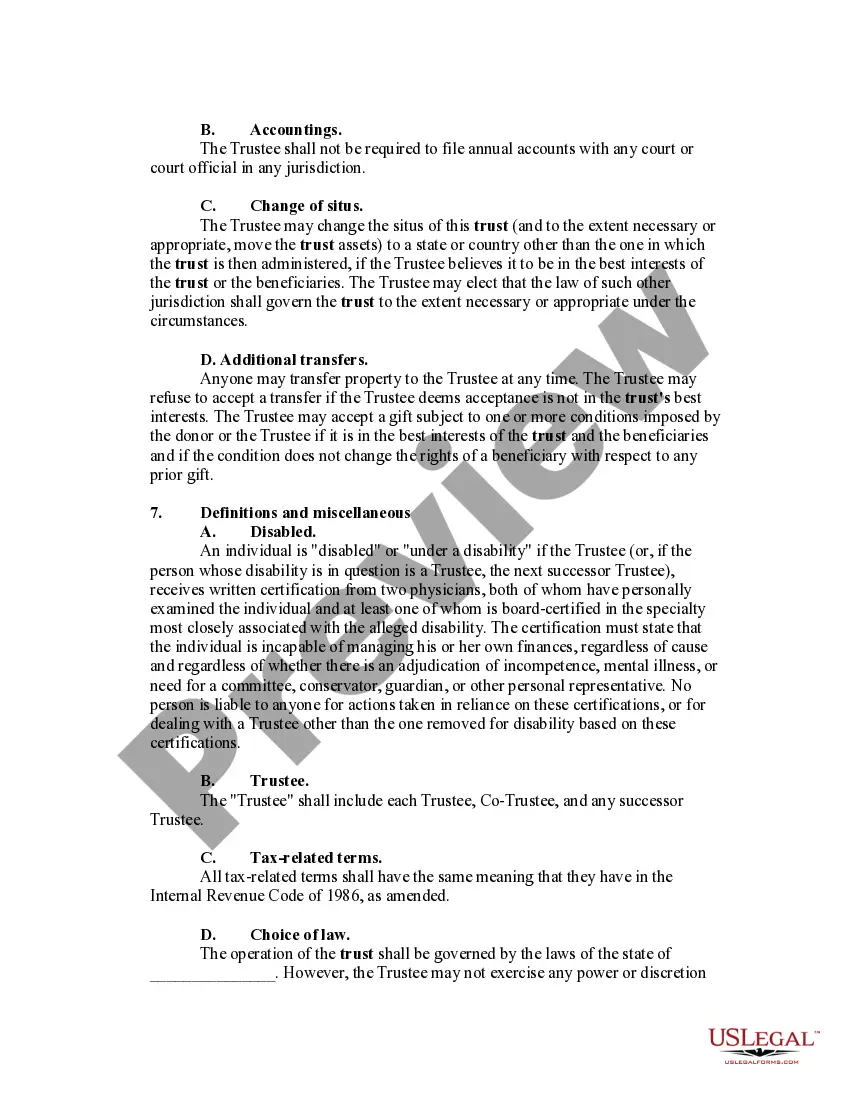
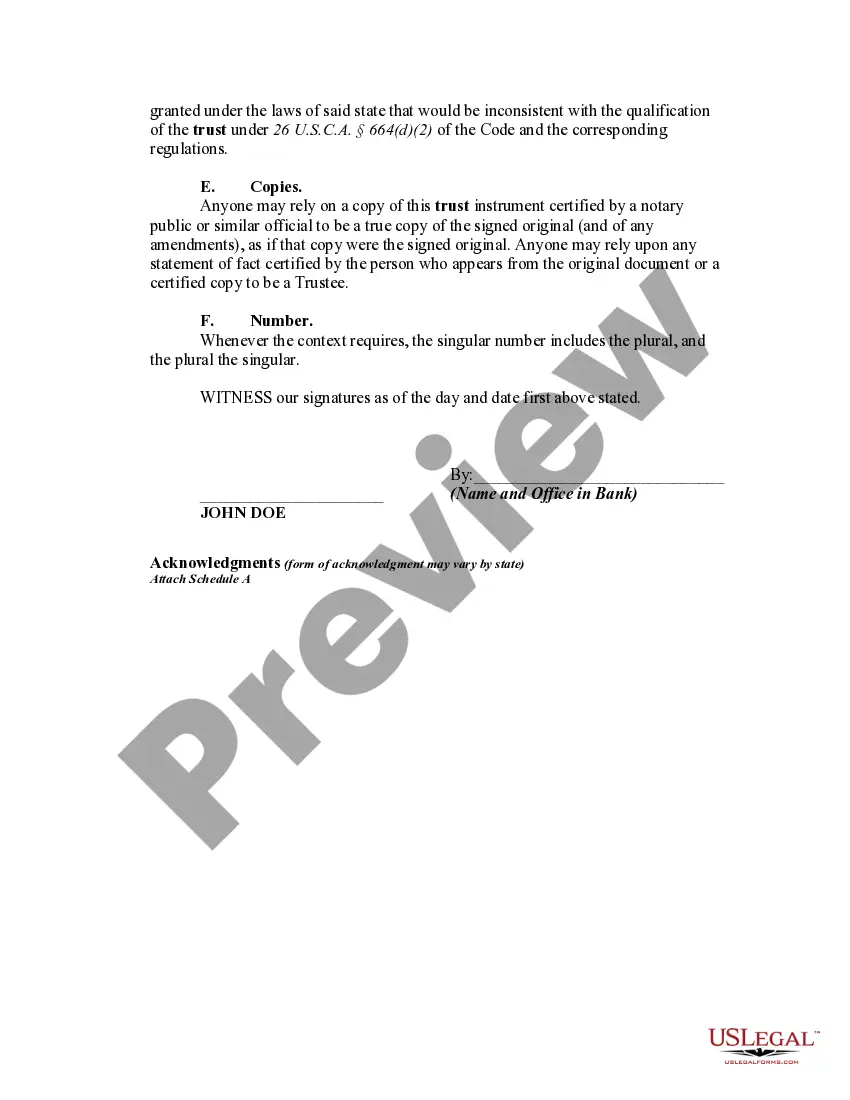
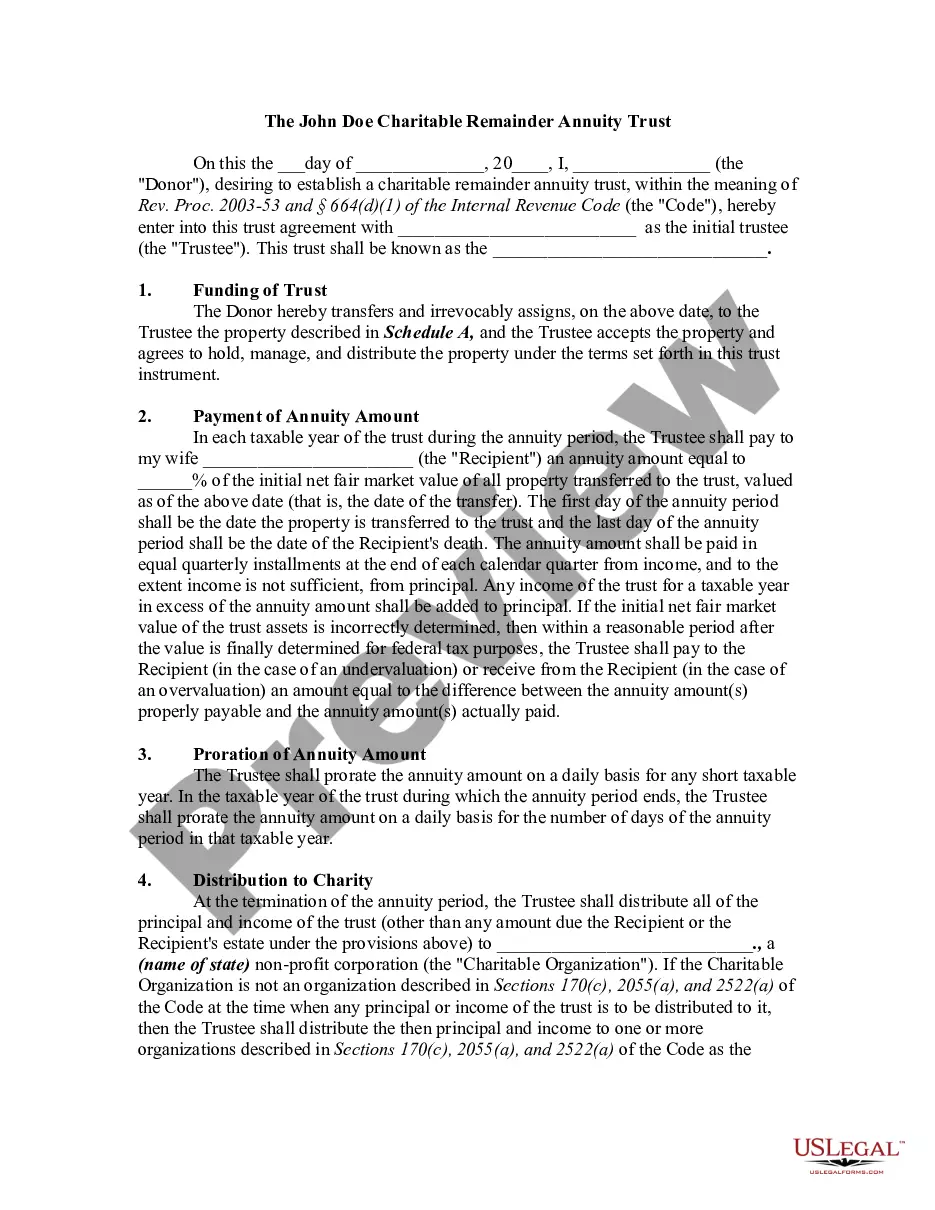
Get your form ready online
Our built-in tools help you complete, sign, share, and store your documents in one place.
Make edits, fill in missing information, and update formatting in US Legal Forms—just like you would in MS Word.
Download a copy, print it, send it by email, or mail it via USPS—whatever works best for your next step.
Sign and collect signatures with our SignNow integration. Send to multiple recipients, set reminders, and more. Go Premium to unlock E-Sign.
If this form requires notarization, complete it online through a secure video call—no need to meet a notary in person or wait for an appointment.
We protect your documents and personal data by following strict security and privacy standards.

Make edits, fill in missing information, and update formatting in US Legal Forms—just like you would in MS Word.

Download a copy, print it, send it by email, or mail it via USPS—whatever works best for your next step.

Sign and collect signatures with our SignNow integration. Send to multiple recipients, set reminders, and more. Go Premium to unlock E-Sign.

If this form requires notarization, complete it online through a secure video call—no need to meet a notary in person or wait for an appointment.

We protect your documents and personal data by following strict security and privacy standards.
Looking for another form?









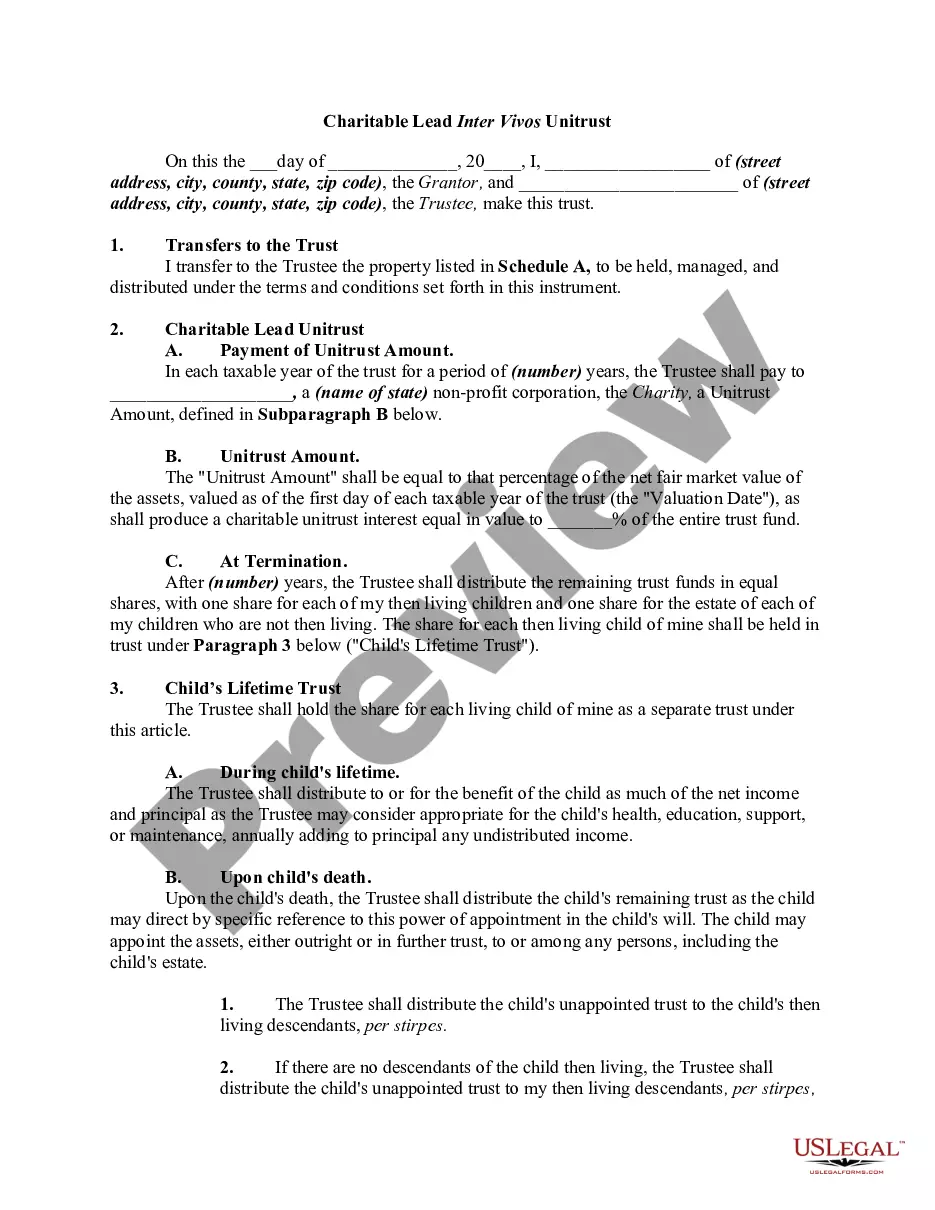
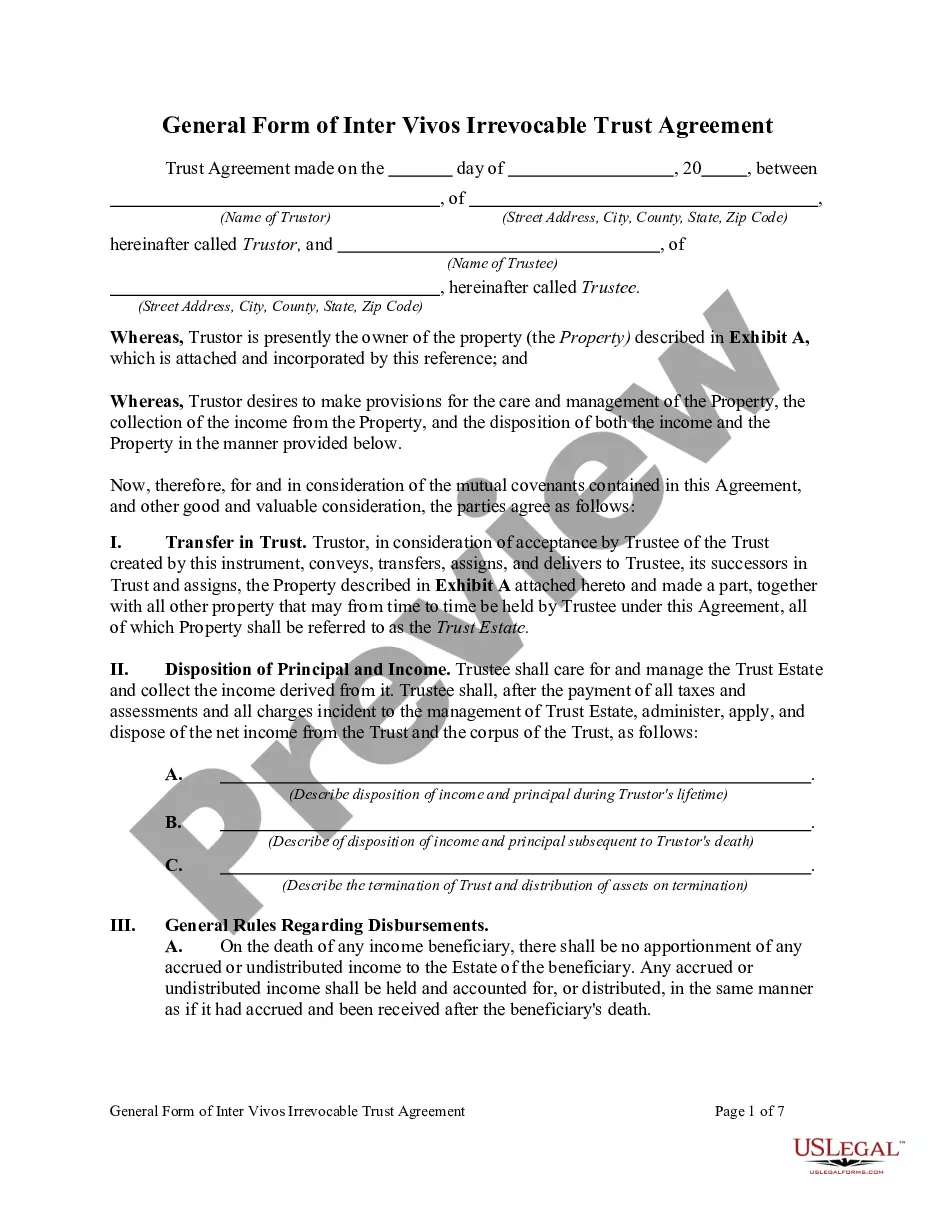
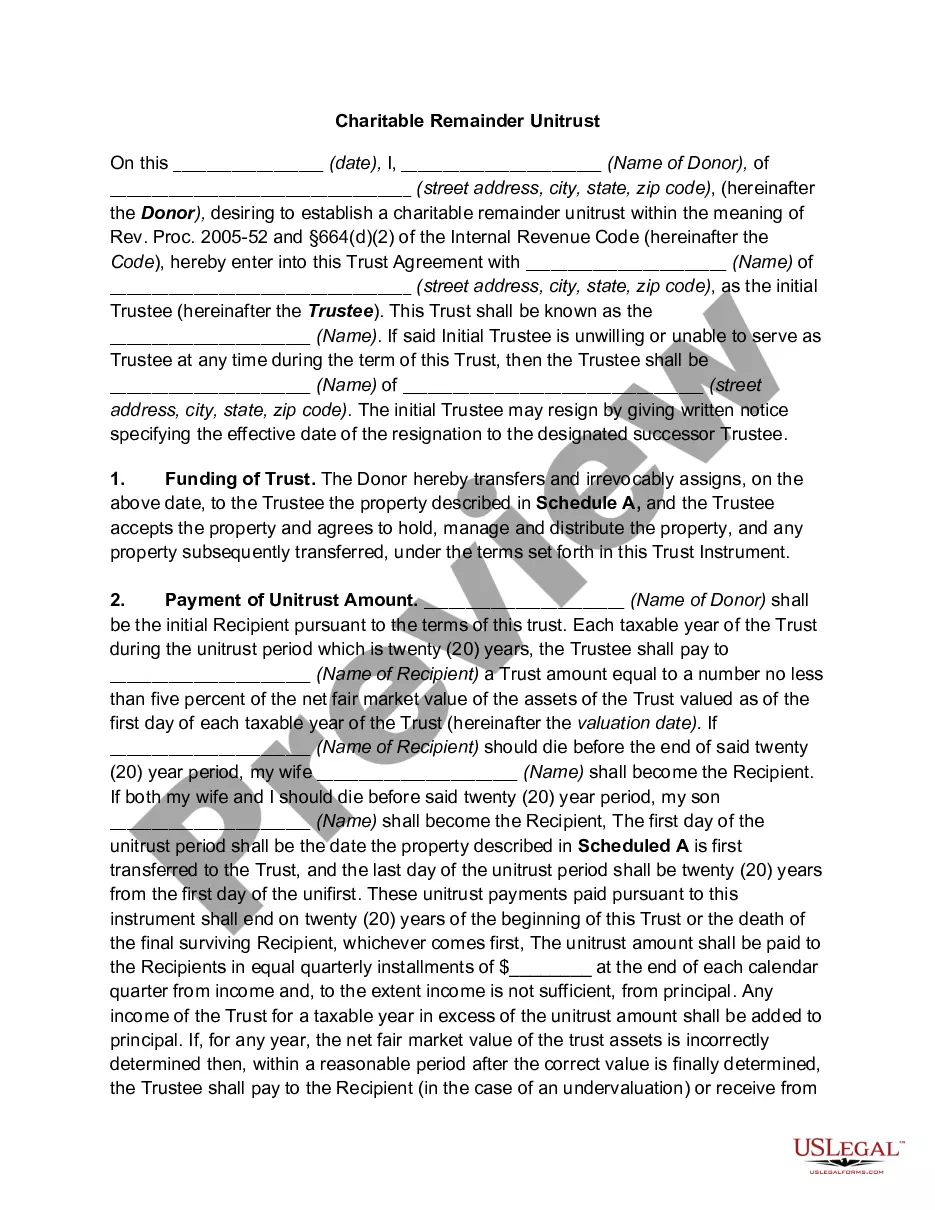
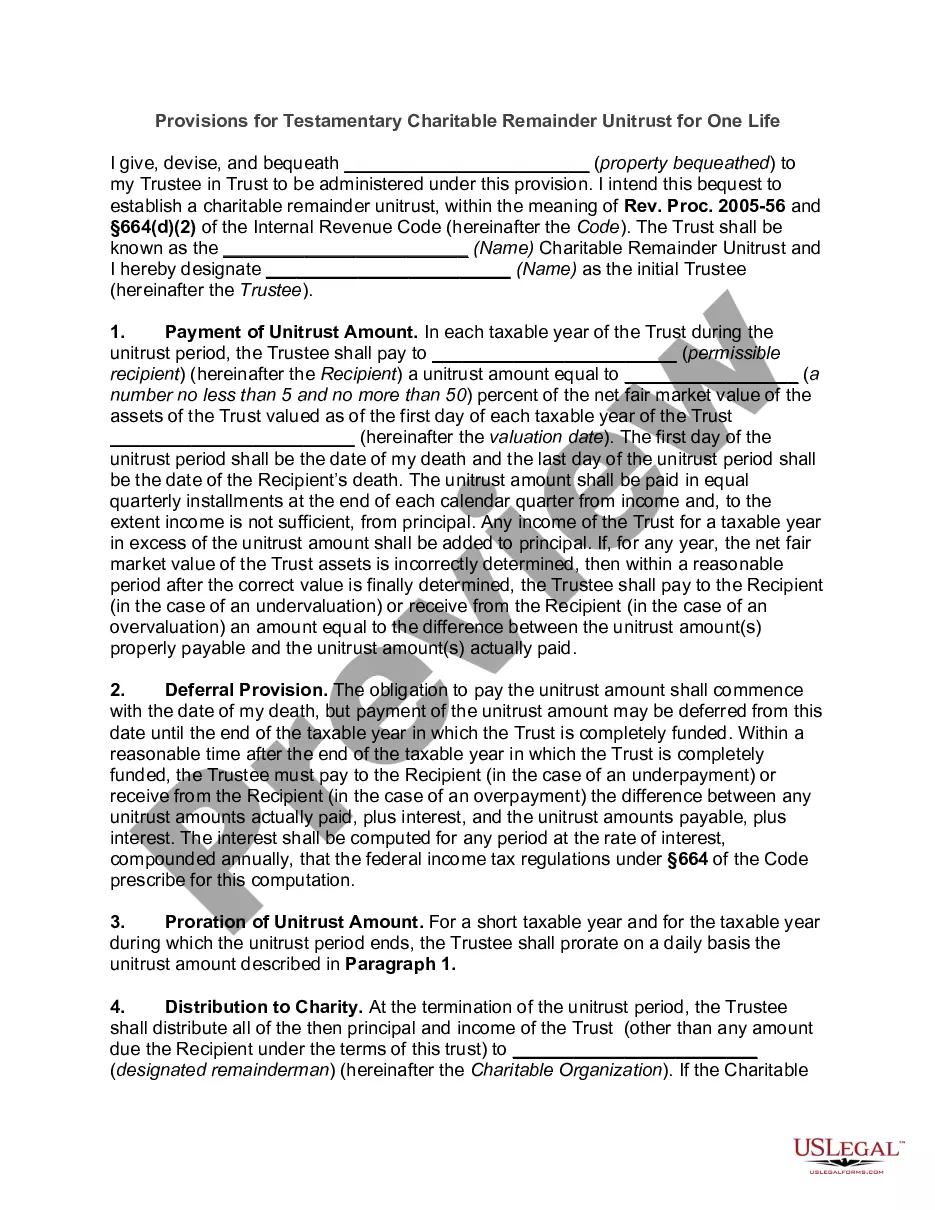
How to fill out Charitable Remainder Inter Vivos Unitrust Agreement?
- If you've used US Legal Forms before, log in and download your necessary form template, ensuring your subscription is active. If it's expired, renew it based on your current payment plan.
- For first-time users, start by reviewing the form preview and description to confirm you are selecting the correct document that aligns with your legal requirements.
- If there's an inconsistency, use the search function to locate an alternative template that fits your needs more accurately.
- Once you find the right document, click the Buy Now button and select a subscription plan that works for you. You must create an account to gain access to the entire library.
- Complete your purchase by providing payment details, whether through credit card or PayPal.
- Finally, download your chosen form to your device for completion and access it anytime via the My Forms section.
In conclusion, using US Legal Forms simplifies the process of obtaining legal documents like the remainder vivos trust application. The extensive library and user-friendly interface make it easy to find the exact forms you need.
Start your journey today with US Legal Forms and ensure your legal documentation is completed accurately and efficiently!
Form popularity
FAQ
Filling out form 1041 for the Remainder vivos trust application for the information requires careful attention to detail. Start by gathering all necessary financial documents related to the trust's income and expenses. You can follow the instructions provided by the IRS, or consider resources like uslegalforms to assist you in navigating the form and ensure accuracy. This will help you meet your tax obligations without stress.
Form 5227, used for the Remainder vivos trust application for the information, can be filed electronically. However, some users may prefer to submit their forms via traditional mail. It’s crucial to check the latest IRS guidelines, as they often update their filing requirements. Utilizing the services offered by uslegalforms can simplify the process and ensure compliance.
Yes, you can create your own charitable remainder trust. By using a Remainder vivos trust application for the information, you can establish a trust that allows you to donate assets while retaining income from them during your lifetime. This gives you the flexibility to support charitable causes while also planning for your financial future. If you need assistance, platforms like UsLegalForms can guide you through the process and provide the necessary documents.
Yes, certain expenses related to the management of a trust can be deducted. These typically include administrative costs and investment fees. Understanding how to categorize and document these expenses is essential, and resources from the Remainder vivos trust application can facilitate this process for you.
Setting up a Charitable Remainder Trust (CRT) involves drafting a trust document that specifies the terms of the trust, including beneficiaries and payout structures. Working with financial and legal advisors can help you structure the trust according to IRS regulations. The Remainder vivos trust application can aid in this process by offering templates and guidance tailored to your needs.
To file for an extension on Form 5227, you must submit Form 7004 to the IRS. This extension provides additional time to gather necessary documents and complete your filing accurately. Leveraging the Remainder vivos trust application simplifies this task, ensuring you handle extensions efficiently.
Individuals or entities managing charitable remainder trusts are typically required to file Form 5227. If you are involved with a charitable trust, it is crucial to understand your obligations. Using the Remainder vivos trust application can clarify your filing responsibilities and streamline the overall process.
Yes, you can file Form 5227 electronically through IRS-approved e-filing services. This option allows for quicker processing and confirmation of your submission. Resources like uslegalforms can assist in the Remainder vivos trust application, helping you navigate the e-filing process with ease.
Yes, a charitable trust is generally required to file a tax return, depending on its activity and income levels. Form 5227 is the specific form used in most scenarios for reporting. Integrating the Remainder vivos trust application can streamline this process and help ensure all filing requirements are met.
The IRS form designated for charitable trusts is Form 5227. It is used to report the activities and financial details of charitable remainder trusts. By utilizing the Remainder vivos trust application, you ensure compliance and proper reporting, which is necessary for maintaining the trust's tax-exempt status.